darrell


Transform Your CSA Box: Plant-Based Cooking Classes That Make Local Produce Shine

Posted by darrell on
0
Culinary and Food Preservation
Transform Your CSA Box: Plant-Based Cooking Classes That Make Local Produce Shine

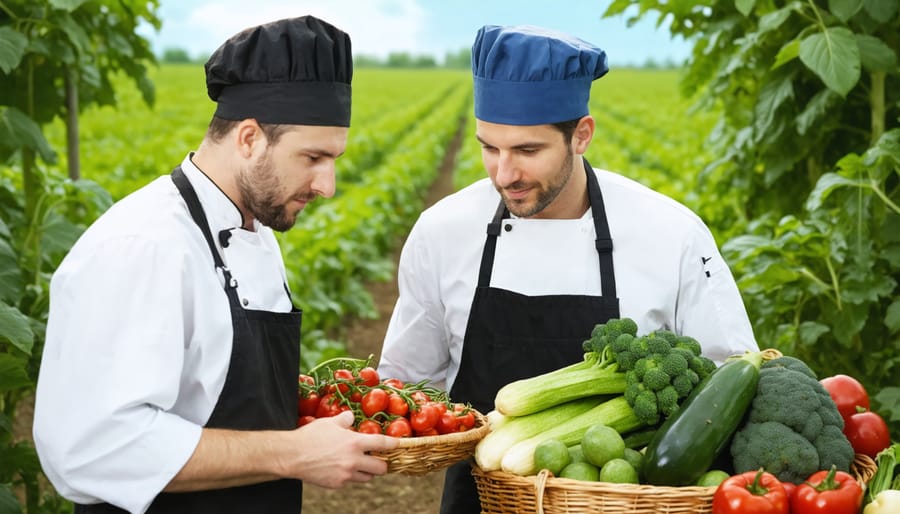
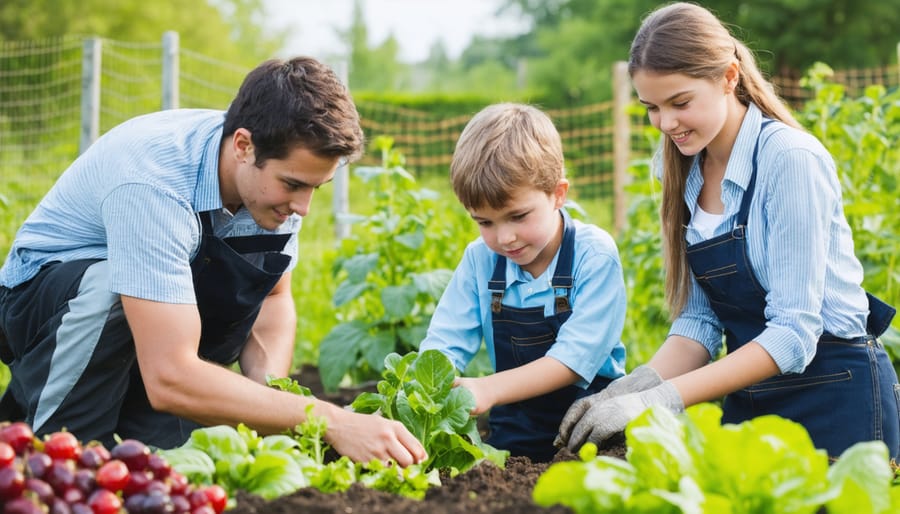
Transform your kitchen into a vibrant plant-based culinary laboratory by learning to cook fresh from your CSA box through hands-on cooking classes. Master essential techniques like quick-pickling seasonal vegetables, creating versatile plant-based sauces, and crafting satisfying meat alternatives from whole ingredients. Professional chefs guide you through weekly harvest preparations, sharing time-tested methods for maximizing flavor and minimizing waste. These interactive sessions demystify unfamiliar vegetables while building a foundation of essential skills—from knife techniques to flavor balancing—empowering you to confidently create nourishing meals from nature’s bounty. Whether you’re a CSA member seeking inspiration or someone eager to embrace more plant-based cooking, these classes provide the perfect blend of practical knowledge and creative exploration to help you thrive in a produce-rich kitchen.

Fresh seasonal produce including leafy greens, root vegetables, and squash arranged on a wooden surface
Diverse array of seasonal vegetables from a CSA box spread out on a rustic wooden table

Why CSA-Based Plant Cooking Classes Are Game-Changers

Seasonal Cooking Mastery

Plant-based cooking classes embrace nature’s rhythm by teaching participants how to make the most of each season’s bounty. Through hands-on instruction and our comprehensive seasonal cooking guide, students learn to adapt their cooking techniques and recipe selection based on what’s naturally available throughout the year.

Classes focus on creative ways to prepare winter root vegetables, springtime greens, summer’s abundant tomatoes and squash, and autumn’s hearty cruciferous vegetables. Participants discover preservation techniques like fermenting and quick-pickling to extend the life of seasonal ingredients, reducing food waste while maintaining nutritional value.

Instructors share valuable tips for substituting ingredients when certain produce isn’t in season and demonstrate how to build flexible meal plans around seasonal availability. Students also learn to identify peak ripeness, proper storage methods, and creative uses for less familiar vegetables, ensuring they can confidently cook with whatever their local farmers provide throughout the year.

Reducing Food Waste

One of the most valuable aspects of plant-based cooking classes is learning to minimize food waste by utilizing every part of your produce. Instructors demonstrate creative ways to transform stems, leaves, and peels that might typically end up in the compost bin into delicious dishes. You’ll discover how carrot tops make flavorful pesto, broccoli stems create crispy slaw, and beet greens shine in stir-fries. Classes also cover essential food storage techniques to extend produce shelf life and prevent spoilage. Through hands-on practice, you’ll learn to confidently handle unfamiliar vegetables and identify multiple ways to incorporate them into meals. This knowledge helps reduce household food waste while maximizing the value of your weekly produce, whether from a CSA share or local market. Many participants report significant reductions in their kitchen waste after applying these practical skills at home.

What to Expect in a CSA Cooking Workshop

Hands-On Learning Experience

In these immersive classes, you’ll develop essential plant-based cooking techniques through hands-on practice and expert guidance. Students work with seasonal produce to master knife skills, learning proper techniques for chopping, dicing, and julienning vegetables. You’ll discover the art of building flavors using herbs, spices, and natural seasonings while creating vibrant plant-based sauces and dressings from scratch.

Each session typically includes practical instruction in methods like roasting, sautéing, steaming, and blanching vegetables to preserve their nutrients and enhance their natural flavors. You’ll learn to craft protein-rich meals using legumes, whole grains, and meat alternatives, plus master the basics of plant-based meal planning and batch cooking.

Special attention is given to zero-waste cooking techniques, showing you how to use every part of your produce – from stems to leaves. Students practice making vegetable stock from scraps, transforming tough greens into delicious pestos, and creating satisfying meals from seemingly challenging ingredients like kohlrabi or rutabaga.

The classes also cover essential kitchen skills like reading recipes, measuring ingredients, timing meal components, and proper food storage. You’ll work alongside other students in a supportive environment, sharing tips and techniques while building confidence in your plant-based cooking abilities. By the end of each class, you’ll have prepared several dishes and gained practical experience you can immediately apply in your home kitchen.

Recipe Development Skills

Learning to develop flexible recipes is a cornerstone of successful plant-based cooking, especially when working with seasonal produce. Rather than strictly following set recipes, students learn to adapt their cooking based on available ingredients, making the most of their CSA boxes or farmers market finds.

Classes typically start by teaching basic ingredient substitutions, like swapping one leafy green for another or understanding which root vegetables can replace others in recipes. Students practice creating balanced flavor profiles using different combinations of seasonal vegetables, herbs, and pantry staples.

A key focus is understanding ingredient ratios rather than exact measurements. This helps home cooks confidently adjust recipes based on what they have on hand. For example, learning that any combination of seasonal vegetables can work in a stir-fry as long as they’re cut to similar sizes and cooked in the right order.

Students also learn to build flexible recipe templates for everyday meals like grain bowls, soups, and salads. These templates help them create satisfying dishes regardless of the season. They’ll master techniques for improvising dressings, sauces, and seasonings that complement whatever produce is available.

The skills gained extend beyond just cooking – students learn to reduce food waste by understanding how to use entire vegetables, from roots to stems to leaves, incorporating them creatively into various dishes.

Cooking process showing raw vegetables transforming into a completed plant-based dish
Step-by-step plant-based meal preparation showing ingredients, process, and finished dish

Essential Techniques You’ll Master

Veggie Preparation Methods

Our plant-based cooking classes teach essential vegetable preparation techniques that transform ordinary produce into extraordinary dishes. Start with the basics of washing and properly storing your vegetables to maximize freshness. Learn precise knife skills for different cuts – from julienne and brunoise to chiffonade and rough chops – each serving a specific culinary purpose.

Master the art of blanching to preserve color and nutrients while achieving the perfect tender-crisp texture. Explore various roasting methods that bring out natural sweetness and create caramelized edges. Practice quick-pickling techniques to add tangy flavors and extend shelf life of surplus produce.

Advanced students dive into specialized methods like spiralizing zucchini into noodles, creating cauliflower rice, and crafting vegetable-based pasta alternatives. We’ll show you how to maximize flavor through proper seasoning and creative spice combinations that complement each vegetable’s natural taste.

Get hands-on experience with both raw and cooked preparation methods, including steaming, grilling, and sautéing. Learn to identify optimal cooking times for different vegetables to maintain nutrients while achieving desired textures. Special attention is given to seasonal produce, ensuring you can make the most of your CSA box or farmers market haul year-round.

Professional chef teaching proper vegetable cutting techniques to cooking class participants
Cooking instructor demonstrating knife skills to students working with vegetables

Plant-Based Flavor Building

Building rich, satisfying flavors in plant-based dishes is an art that combines traditional cooking techniques with creative ingredient combinations. In our classes, you’ll discover how to layer flavors using umami-rich ingredients like mushrooms, miso, and nutritional yeast to create depth that rivals any traditional dish. We’ll explore the transformative power of proper seasoning, teaching you how to balance salt, acid, and heat to make vegetables truly shine.

Students learn essential techniques like caramelizing onions, roasting garlic, and creating flavor-packed vegetable stocks from scratch. You’ll master the art of toasting spices and creating custom spice blends that elevate simple vegetables into memorable meals. We emphasize working with seasonal produce at its peak, when natural flavors are most intense.

The classes cover crucial flavor-building methods like deglazing with wine or vinegar, incorporating fresh herbs at the right moment, and using nuts and seeds to add texture and richness. You’ll learn how to make plant-based versions of classic flavor enhancers like “parmesan” from cashews and satisfying sauces that bring dishes together.

Special attention is given to cooking methods that concentrate and enhance natural vegetable flavors, from slow-roasting tomatoes to grilling eggplant for maximum smokiness.

Finding the Right CSA Cooking Class

Finding the perfect CSA cooking class starts with understanding your current cooking skills and goals. Begin by assessing whether you’re a complete beginner looking to learn basic knife skills and vegetable preparation, or if you’re seeking advanced techniques for creative plant-based dishes.

Look for classes that align with your CSA’s seasonal offerings. The best courses will focus on common local produce and provide flexible recipes that work with various vegetable substitutions. This ensures you’ll be able to apply what you learn to whatever arrives in your weekly share.

Consider the class format that suits your learning style. Some people thrive in hands-on workshop environments, while others prefer demonstration-style classes where they can take detailed notes. Virtual options have become increasingly popular, offering convenience and the ability to rewatch demonstrations.

Check the instructor’s background and teaching philosophy. Ideal teachers should have experience working with CSA produce and understand the challenges of cooking with seasonal ingredients. Read reviews from past participants and look for mentions of how well the instructor handles questions and adapts to different skill levels.

Class size matters too. Smaller groups typically offer more personalized attention, while larger classes might be more affordable. Many CSA programs partner with local cooking schools or chefs to offer member discounts, so ask your CSA provider about potential partnerships.

Finally, ensure the class schedule works with your CSA pickup times, allowing you to practice new skills while your produce is fresh.

Plant-based cooking classes offer an incredible opportunity to transform your relationship with fresh, local produce while building essential culinary skills. By participating in these hands-on learning experiences, you’ll gain confidence in the kitchen, discover new ingredients, and learn techniques that help minimize food waste. The combination of expert instruction, community connection, and practical knowledge makes these classes an invaluable resource for anyone looking to embrace a more plant-forward lifestyle.

Whether you’re a CSA member seeking creative ways to use your weekly share or simply interested in incorporating more vegetables into your diet, these classes provide the perfect foundation for success. You’ll leave equipped with time-saving preparation methods, flavor-building techniques, and a collection of versatile recipes that can be adapted to whatever produce is in season.

Don’t let another season pass without taking advantage of these enriching opportunities. Join a cooking class today and become part of a supportive community dedicated to healthy, sustainable, and delicious plant-based eating. Your journey to confident, creative cooking starts here!

How CSA Farms Can Boost Growth Through Smart Corporate Partnerships

Posted by darrell on
0
Community Partnerships and Networks
How CSA Farms Can Boost Growth Through Smart Corporate Partnerships

Transform your CSA farm’s impact by forging strategic partnerships with mission-aligned corporations. These collaborations not only supercharge your farm’s success but create lasting community value. Leading companies increasingly seek authentic sustainability partnerships, making CSA farms natural allies in their corporate social responsibility initiatives.

Fortune 500 corporations currently invest over $20 billion annually in sustainability programs, with local food systems receiving growing attention. By positioning your CSA as a turnkey solution for employee wellness programs, sustainable sourcing initiatives, and community engagement, you’ll access new revenue streams while maintaining your values.

Successful farm-corporate partnerships take many forms: workplace CSA programs delivering fresh produce to employees, corporate funding for food access initiatives, or co-branded sustainability education programs. The key is finding alignment between your farm’s mission and your corporate partner’s goals.

Start by identifying companies whose values match yours, develop a clear partnership proposal highlighting mutual benefits, and create structured programs that scale without compromising your sustainable agriculture principles. With thoughtful planning, these partnerships can provide stable funding while amplifying your community impact.

Why Corporate Partnerships Matter for CSA Growth

Financial Stability and Predictable Revenue

Corporate partnerships offer CSA farms a vital lifeline through predictable revenue streams and consistent member bases. When companies sponsor employee CSA memberships as wellness benefits, farms can count on stable seasonal income and plan their crop production with greater confidence. These partnerships often guarantee a minimum number of shares each season, reducing the financial uncertainty that many small-scale farmers face.

Beyond direct revenue, corporate partnerships help farms establish reliable cash flow through upfront payments and subscription commitments. Many companies opt for quarterly or annual billing cycles, providing farms with working capital for seeds, equipment, and labor costs throughout the growing season. This financial stability enables farmers to focus on sustainable growing practices rather than constant marketing efforts.

These relationships also create natural member retention, as employees typically continue their CSA participation when it’s conveniently offered through their workplace. The steady member base helps farms better predict demand, reduce food waste, and maintain consistent pricing structures. Additionally, corporate partners often promote the CSA program internally, reducing marketing costs while expanding the farm’s community reach.

Expanded Market Reach

Corporate partnerships open exciting possibilities for CSA farms to reach new customer segments through workplace wellness programs and employee benefits. When companies offer CSA shares as part of their benefits package, farms gain instant access to large pools of potential members who might not have discovered local agriculture otherwise.

These workplace programs create win-win situations – employees get convenient access to fresh, organic produce delivered right to their office, while farms secure committed members and predictable revenue streams. Many companies even subsidize a portion of the share cost as a health and sustainability initiative, making participation more attractive to employees.

Additionally, corporate partnerships often lead to increased visibility through company newsletters, wellness fairs, and internal communications. This expanded exposure helps farms connect with environmentally conscious professionals who value healthy eating and sustainable living. The workplace setting also facilitates community building, as coworkers can share recipes, cooking tips, and excitement about their weekly produce shares.

For farms looking to grow sustainably, corporate partnerships provide a strategic way to expand membership while staying true to their values and mission of promoting local, organic agriculture.

Building Successful Corporate Partnership Programs

Farm manager and corporate representative discussing partnership opportunities at a conference table
Professional meeting between a CSA farm manager and corporate wellness program coordinator in an office setting

Identifying Compatible Corporate Partners

Finding the right corporate partners for your CSA begins with identifying companies that share your commitment to sustainable agriculture and community well-being. Recent trends in local farms and businesses partnerships show that many companies are eager to support sustainable food initiatives.

Start by researching local businesses that prioritize employee wellness, environmental sustainability, or community engagement. Look for companies that already offer health-focused employee benefits or have strong environmental policies. Tech companies, healthcare organizations, and environmentally conscious businesses often make excellent partners.

Create a prospect list by:
– Attending local business networking events
– Connecting with your chamber of commerce
– Following companies’ sustainability initiatives on social media
– Reviewing corporate social responsibility reports

Before reaching out, develop a clear value proposition that highlights mutual benefits. Focus on how your CSA program can support their employee wellness goals, enhance their sustainability credentials, and create positive community impact.

When approaching potential partners, prepare a concise presentation that includes:
– Your farm’s story and mission
– Program logistics and flexibility options
– Employee participation benefits
– Environmental impact metrics
– Success stories from similar partnerships

Remember to start with smaller, local companies before approaching larger corporations. This allows you to refine your partnership model and build a strong track record of success.

Structuring Win-Win Partnerships

Creating successful partnerships between farms and corporations requires careful planning and a focus on mutual benefits. The key is to develop models where both parties gain meaningful value while supporting sustainable agriculture and community well-being.

For farms, these partnerships can provide stable income through bulk CSA memberships, guaranteed produce purchases, and corporate event hosting opportunities. They might also receive marketing support, business expertise, and access to broader networks. Some farms have found success by offering team-building workshops or wellness programs that incorporate farm activities.

Corporations benefit by providing unique employee perks, strengthening their sustainability initiatives, and demonstrating community engagement. Employee wellness programs featuring fresh, local produce can reduce healthcare costs and boost workplace satisfaction. Companies can also enhance their brand image through authentic environmental stewardship and local economic support.

Consider these proven partnership structures:
– Subsidized CSA memberships for employees
– Corporate wellness programs featuring farm-fresh meals
– On-site farmers markets at corporate campuses
– Educational workshops and farm tours
– Corporate volunteer days at the farm
– Branded farm-to-office delivery programs

Success stories often feature clear agreements outlining expectations, delivery schedules, payment terms, and communication protocols. The most sustainable partnerships start small and grow organically, allowing both parties to adjust and scale based on results and feedback.

Remember to maintain transparency and regular communication to ensure both partners’ needs are met while staying true to sustainable farming principles.

Managing Corporate CSA Programs

Running a successful corporate CSA program requires careful attention to logistics, communication, and delivery systems. Start by establishing clear pickup locations at partner companies – ideally in break rooms or other easily accessible areas. Consider designating CSA champions within each company to help coordinate distributions and serve as point persons for questions.

Communication is key to keeping corporate members engaged. Create a weekly newsletter highlighting what’s in the share, storage tips, and simple recipes. Many farms find success using messaging platforms like Slack or Teams to connect directly with corporate members and share updates about harvest schedules or delivery changes.

When planning deliveries, timing is everything. Most corporate partners prefer mid-week deliveries during standard business hours. Package shares in sturdy, stackable containers that protect produce and make transport efficient. Some farms offer customization options through online platforms where members can swap items or add extra products.

Consider offering educational lunch-and-learns or virtual farm tours to deepen corporate engagement. These events help members feel connected to the farm and understand seasonal growing patterns. Track feedback through regular surveys and maintain open dialogue with HR departments to continuously improve the program.

Remember to plan for holidays and company closures by coordinating alternate pickup dates or locations. Having clear policies for missed pickups and a system for donating unclaimed shares helps minimize waste and maintain program efficiency.

Real Success Stories

Small Farm, Big Impact

Green Valley Farm, a small 5-acre CSA operation run by Sarah Chen, transformed its impact through an innovative partnership with local tech company ByteWise Solutions. What started as a casual conversation at a farmers’ market evolved into a thriving collaboration that benefits both the farm and hundreds of tech employees.

ByteWise now sponsors 50 CSA shares for their employees, providing them with weekly boxes of fresh, organic produce delivered directly to their office. The partnership goes beyond simple product delivery – ByteWise employees regularly participate in volunteer harvest days and educational workshops at the farm.

“This partnership has allowed us to invest in infrastructure we couldn’t afford before,” explains Chen. “We’ve added two new greenhouses and expanded our growing season by nearly two months.” The farm now produces year-round, employs three full-time workers, and has doubled its community outreach programs.

For ByteWise, the partnership aligns perfectly with their wellness initiatives. HR Director James Martinez notes, “Our employees are more engaged, healthier, and appreciate having access to local, organic produce. It’s become one of our most popular benefits.”

The success has inspired other local farms to explore similar partnerships. Chen regularly hosts workshops sharing her experience, helping other small farms develop sustainable corporate relationships while staying true to their agricultural values.

Group of office workers picking up fresh produce boxes from their company's CSA program
Employees collecting their CSA shares at a workplace distribution point

Multi-Farm Collaborative

The Multi-Farm Collaborative model has emerged as a powerful solution for small-scale organic farms looking to serve corporate clients while maintaining their independent operations. One notable example is the Heartland Farm Alliance, where twelve family farms in the Midwest joined forces to supply fresh produce to major tech companies and healthcare facilities.

By pooling their resources and coordinating growing schedules, these farms can meet the consistent volume demands of large corporate cafeterias while sharing the logistics and delivery responsibilities. Each farm specializes in specific crops based on their expertise and growing conditions, creating an efficient and sustainable production system.

The collaborative approach has helped these farms overcome common challenges like seasonal fluctuations and limited individual capacity. For instance, when one farm experiences a crop failure due to weather conditions, others in the network can step in to maintain steady supply. This arrangement has increased annual revenue for participating farms by an average of 40% while reducing individual marketing and distribution costs.

The model also benefits corporate partners, who gain access to a diverse selection of locally grown produce through a single point of contact. Many participating companies report higher employee satisfaction with their cafeteria offerings and strengthened community relationships through their support of local agriculture.

Side-by-side comparison of farm harvesting and organized corporate CSA distribution
Split view showing small-scale farming operations alongside corporate delivery logistics

Overcoming Common Challenges

Scaling Production Sustainably

As corporate partnerships expand, maintaining the delicate balance between growth and sustainability becomes crucial for CSA farms. Successful scaling requires thoughtful planning and a strong commitment to core values. Many farms find success by implementing staged growth strategies, gradually increasing production capacity while ensuring soil health and biodiversity remain priorities.

Take Fresh Earth Farm in Vermont, for example. When partnering with three local tech companies, they methodically expanded their growing areas over three seasons rather than all at once. This approach allowed them to maintain their organic practices while training new staff and developing efficient systems for increased production.

Key strategies for sustainable scaling include investing in infrastructure improvements, developing strong relationships with multiple local suppliers, and creating detailed production schedules that account for seasonal variations. It’s also essential to document and standardize growing practices to ensure consistency as new team members join.

Remember that scaling doesn’t always mean getting bigger – sometimes it means getting better at what you already do. Focus on optimizing current operations before expanding, and always prioritize quality over quantity to maintain the trust of both individual and corporate members.

Maintaining Personal Connection

While corporate partnerships can expand your CSA’s reach, maintaining that essential personal connection is crucial for preserving your farm’s community spirit. Regular farm visits and harvest celebrations help corporate members feel connected to their food source, just like traditional CSA members. Consider hosting special corporate wellness days where employees can participate in farm activities, fostering a deeper connection to sustainable agriculture.

Effective communication remains key, and building digital CSA communities can help bridge the gap between your farm and corporate members. Create dedicated Slack channels or newsletters for each corporate partner, sharing weekly harvest updates, farmer stories, and behind-the-scenes glimpses of farm life.

Encourage corporate members to participate in volunteer opportunities and educational workshops, just as you would with individual members. This engagement helps maintain the authentic CSA experience while scaling your program. Consider appointing workplace CSA ambassadors who can help coordinate activities and maintain that crucial personal touch, ensuring your farm’s values and community spirit remain strong even as you grow.

Corporate partnerships represent an exciting frontier for CSA farms, offering tremendous potential for growth, stability, and increased community impact. By collaborating with businesses, farms can expand their reach, secure consistent revenue streams, and bring fresh, local produce to more people while maintaining their core values and sustainable practices.

Throughout this exploration of nonprofit corporate partnerships, we’ve seen how these collaborations can transform CSA operations through workplace delivery programs, employee wellness initiatives, and shared marketing opportunities. Success stories from farms across the country demonstrate that when approached thoughtfully, these partnerships can create win-win situations that benefit farmers, corporations, employees, and local communities alike.

For CSA farms considering this path, remember to start small, focus on building genuine relationships, and stay true to your mission. Begin by identifying local businesses that align with your values and approach them with clear, mutually beneficial proposals. Document your impact, gather testimonials, and use this evidence to expand your partnership program gradually.

The future of sustainable agriculture depends on innovative solutions and strong community connections. Corporate partnerships offer CSA farms a powerful tool to strengthen these connections while building more resilient local food systems. Take the first step today by reaching out to potential partners in your community and exploring how you can work together to create positive change through sustainable agriculture.

How CSA Farms Are Saving Local Wildlife While Growing Your Food

Posted by darrell on
0
CSA Fundamentals and Benefits
How CSA Farms Are Saving Local Wildlife While Growing Your Food

Modern agriculture stands at a critical crossroads with global biodiversity. As industrial farming practices expand across landscapes, we’re witnessing one of the most significant threats to Earth’s species diversity in human history. Studies show that agricultural expansion and intensification are responsible for nearly 70% of projected biodiversity loss worldwide, creating an urgent need for transformative solutions.

Yet amid these challenges, innovative farmers are revolutionizing sustainable agriculture through practices that protect and enhance biodiversity. From creating wildlife corridors between croplands to maintaining native plant species alongside food production, forward-thinking agricultural methods demonstrate that farming and biodiversity conservation can coexist harmoniously.

This delicate balance between feeding a growing global population and preserving Earth’s rich tapestry of life represents one of the most pressing environmental challenges of our time. Understanding how agricultural choices impact local ecosystems – and how we can improve these relationships – has never been more crucial for our planet’s future.

The Hidden Cost of Traditional Farming on Wildlife

Contrasting aerial view: industrial monoculture on left, biodiverse CSA farm with varied crops on right
Split-screen comparison showing monoculture field versus diverse CSA farm landscape

Common Agricultural Practices That Harm Wildlife

Several common farming practices can significantly impact local wildlife and ecosystem health. Extensive land clearing removes natural habitats and corridors that animals need for survival. Heavy pesticide use not only affects target pests but also beneficial insects like bees and butterflies, disrupting crucial pollination cycles. Intensive tilling disturbs soil structure and destroys ground-nesting habitats for birds and small mammals. Monoculture farming, where single crops cover vast areas, eliminates the diversity of food sources and shelter that wildlife needs. Drainage of wetlands for farmland removes essential habitats for amphibians and water birds. Even conventional irrigation methods can lower water tables and affect nearby natural water sources that wildlife depends on. The widespread use of synthetic fertilizers can lead to water pollution, harming aquatic life in surrounding streams and ponds.

Local Species Most Affected by Agricultural Expansion

Local wildlife faces unique challenges as farming activities expand in our communities. Birds like meadowlarks and bobolinks, which nest in grasslands, have seen significant population declines due to habitat loss. Small mammals such as field mice and rabbits often lose their homes when natural areas are converted to cropland.

Our native pollinators, including various bee species and butterflies, are particularly vulnerable to changes in land use and exposure to agricultural chemicals. Amphibians like salamanders and tree frogs, which need both aquatic and terrestrial habitats to survive, struggle when wetlands are drained for farming.

The good news is that many farmers are now implementing wildlife-friendly practices. By maintaining hedgerows, creating buffer zones near water sources, and practicing crop rotation, they’re helping protect these sensitive species. Some farmers even designate specific areas of their land as wildlife corridors, allowing animals to move safely between natural habitats.

CSA Farms: A Natural Haven for Local Wildlife

Diverse Crop Rotation Benefits

Diverse crop rotation transforms farmland into vibrant wildlife sanctuaries throughout the growing season. When farmers plant different crops in sequence, they create a dynamic landscape that attracts and supports various beneficial creatures. For instance, flowering crops like buckwheat and clover provide essential nectar for pollinators, while tall corn and sunflowers offer nesting sites for birds.

This varied planting approach creates multiple “habitat layers” – from ground cover crops that shelter small mammals and beneficial insects, to taller plants that provide perches for birds of prey that help control pest populations naturally. As crops change throughout the seasons, different species find food and shelter, maintaining a healthy ecosystem year-round.

Local farmer Sarah Chen shares, “Since implementing diverse rotation on our farm, we’ve seen everything from monarch butterflies to hawks making homes here. It’s amazing how quickly wildlife returns when you give them what they need.” The benefits extend beyond the growing season, as crop residues left over winter provide crucial habitat for overwintering insects and birds, ensuring continued biodiversity support throughout the year.

Colorful rows of vegetables interspersed with flowering plants attracting butterflies and bees
Diverse crop rows with integrated wildflower strips and beneficial insects

Natural Pest Management Solutions

Natural pest management offers farmers effective ways to protect crops while preserving beneficial insects and wildlife. By implementing sustainable farming practices, farmers can create a balanced ecosystem where nature does most of the pest control work. Companion planting with aromatic herbs like basil and marigolds naturally repels unwanted insects, while attracting pollinators and beneficial predatory insects that feed on crop-damaging pests.

Encouraging natural predators like birds and bats through habitat creation provides round-the-clock pest control. Installing bird boxes, bat houses, and maintaining hedgerows gives these helpful creatures a home while they keep pest populations in check. Many farmers also use physical barriers like row covers and introduce beneficial insects like ladybugs and praying mantises to manage pests without harmful chemicals.

These methods create a thriving ecosystem where crops and wildlife coexist harmoniously, proving that productive farming and biodiversity protection can work hand in hand.

Creating Wildlife Corridors

CSA farms play a vital role in preserving wildlife movement by creating and maintaining natural corridors throughout their properties. These pathways allow animals to travel safely between different habitats, supporting healthy ecosystem functions and genetic diversity among local species.

Many CSA farmers deliberately leave strips of undeveloped land between crop areas, creating green highways that connect larger natural areas. These corridors often feature native plants, shrubs, and trees that provide food and shelter for birds, small mammals, and beneficial insects. Some farmers enhance these passages by maintaining hedgerows, creating small ponds, or preserving existing natural features like streams and woodland edges.

These wildlife-friendly farming practices help maintain essential pollinator routes for bees and butterflies while giving larger animals safe passage through agricultural landscapes. By integrating these natural pathways into their farm design, CSA farmers demonstrate how agriculture can coexist with and support local wildlife populations, creating a more resilient and biodiverse environment for all.

Natural hedgerow connecting wooded areas with deer and birds visible along pathway
Local wildlife using hedgerow corridor on CSA farm

Success Stories: CSA Farms Making a Difference

Across the country, CSA farms are proving that agricultural success and biodiversity conservation can go hand in hand. Take Green Meadows Farm in Vermont, for instance. Farmers Sarah and Tom Wilson transformed 20 acres of conventional farmland into a thriving ecosystem by incorporating native plant hedgerows and maintaining undisturbed wildlife corridors. Their efforts have attracted over 30 species of birds and created a haven for beneficial insects while producing enough food for 150 CSA members.

In California’s Central Valley, River Creek CSA demonstrates how smart water management can benefit both crops and local wildlife. By implementing a pond system that doubles as irrigation storage and habitat for amphibians, they’ve seen the return of endangered California red-legged frogs while maintaining productive vegetable fields. Their strategic planting schedule also ensures year-round flowers for native pollinators.

Prairie Sun Farm in Minnesota showcases the power of rotational grazing. Their livestock management system allows native prairie grasses to recover between grazing periods, creating perfect conditions for ground-nesting birds and small mammals. The farm has documented a 40% increase in grassland bird species since adopting these practices five years ago.

On a smaller scale, Urban Roots CSA in Seattle proves that even city farms can support biodiversity. Their innovative vertical growing systems and rooftop gardens incorporate native plant species, creating stepping stones for urban wildlife. They’ve partnered with local schools to monitor and document butterfly populations, noting a significant increase in monarch butterfly sightings.

These success stories share common elements: thoughtful planning, diverse planting strategies, and a commitment to working with natural systems rather than against them. Through careful observation and adaptive management, these farms demonstrate that supporting local biodiversity isn’t just good for the environment – it creates more resilient and productive agricultural systems that benefit both farmers and their communities.

How Your CSA Membership Helps Protect Wildlife

When you join a CSA, you’re doing more than just securing fresh, seasonal produce – you’re actively participating in wildlife conservation. CSAs typically maintain diverse crop rotations and create natural habitats that support local wildlife populations. By supporting these farms, you help preserve the importance of biodiversity in farming and protect countless species.

Your membership enables farmers to maintain hedgerows, buffer zones, and natural corridors that provide shelter and food for birds, beneficial insects, and small mammals. These features are essential for wildlife movement and survival but are often eliminated in conventional farming systems due to economic pressures.

CSA farmers usually avoid harmful pesticides, allowing beneficial insects like bees, butterflies, and ladybugs to thrive. These insects are crucial for pollination and natural pest control. Your support helps maintain chemical-free zones where these helpful creatures can flourish.

Many CSA farms also incorporate cover crops and maintain year-round plant coverage, creating winter habitats for ground-nesting birds and other wildlife. Some farms even dedicate portions of their land to wildflower meadows or native plant species, further enhancing biodiversity.

By choosing a CSA membership, you’re voting with your dollars for farming practices that protect:
– Native pollinators and beneficial insects
– Local bird populations
– Soil microorganisms
– Small mammals and reptiles
– Native plant species

Your commitment to local, sustainable agriculture helps create a balanced ecosystem where farming and wildlife can coexist harmoniously. Every share purchased strengthens these conservation efforts and ensures these wildlife-friendly practices can continue.

Community Supported Agriculture represents a beacon of hope for biodiversity conservation in our increasingly industrialized food system. Through their commitment to sustainable farming practices, crop diversity, and habitat preservation, CSA farms create vital sanctuaries for local wildlife while producing healthy, nutritious food for their communities.

By supporting your local CSA, you’re not just investing in fresh, seasonal produce – you’re actively contributing to the preservation of biodiversity in your region. Every membership helps maintain these biodiverse farming spaces that provide crucial habitat for beneficial insects, birds, and native plant species.

The path to protecting our planet’s biodiversity starts right in our own communities. Consider joining a CSA, volunteering at a local organic farm, or spreading awareness about the importance of sustainable agriculture. Together, we can create a future where farming works in harmony with nature, ensuring both food security and thriving ecosystems for generations to come.

Take action today by researching CSAs in your area and discovering how you can be part of this vital movement toward sustainable, biodiversity-supporting agriculture.

Z-Seed Technology: Future-Proofing Your Garden Against Climate Change

Posted by darrell on
0
Seed Preservation and Biodiversity
Z-Seed Technology: Future-Proofing Your Garden Against Climate Change

Transform your garden’s resilience with z-seed, a breakthrough category of climate-smart seeds engineered to thrive in unpredictable weather conditions. These innovative seeds combine traditional breeding techniques with modern science to produce crops that withstand extreme temperatures, resist drought, and maintain high yields despite challenging growing conditions.

Unlike conventional seeds, z-seeds activate specific genetic traits when exposed to environmental stress, enabling plants to adapt in real-time to changing conditions. This revolutionary technology offers home gardeners and small-scale farmers a practical solution for maintaining consistent harvests throughout increasingly volatile growing seasons.

What makes z-seeds particularly remarkable is their ability to enhance soil health while producing more nutritious crops. By developing stronger root systems and improving nutrient uptake, these seeds create a more sustainable and resilient garden ecosystem that becomes stronger with each growing cycle.

For gardeners seeking food security and environmental sustainability, z-seeds represent the next evolution in climate-adaptive agriculture. Whether you’re growing tomatoes on your balcony or managing a small market garden, these seeds provide the reliability and performance needed in today’s changing climate.

What Makes Z-Seed Different?

Drought Tolerance Features

Z-seed varieties showcase remarkable adaptations to water-scarce conditions, making them invaluable for sustainable farming in challenging climates. These specialized seeds have been developed to maintain productivity even when water is limited, demonstrating how seed diversity for resilience can help farmers adapt to changing weather patterns.

The secret lies in their enhanced root systems, which grow deeper into the soil to access water reserves other plants can’t reach. These seeds also develop stronger cell walls that help prevent water loss during dry spells. Many z-seed varieties feature specialized leaf structures with a waxy coating that reduces evaporation and smaller leaf surfaces that require less water to maintain.

What makes z-seeds particularly remarkable is their ability to enter a state of dormancy when water is scarce, essentially pressing pause on their growth until conditions improve. Once water becomes available again, they quickly resume growing without significant yield loss. This natural efficiency means gardeners can maintain productive plots while using up to 30% less water compared to conventional varieties.

Side-by-side comparison of withered traditional plants and thriving z-seed plants during drought
Split-screen comparison showing traditional seed vs z-seed plant growth under drought conditions

Temperature Resilience

Z-seed varieties have been specifically engineered to withstand extreme temperature fluctuations, making them ideal for regions experiencing unpredictable weather patterns. These seeds can maintain their viability in temperatures ranging from 35°F to 95°F (2°C to 35°C), offering remarkable flexibility for various growing seasons and climate zones.

What makes these seeds particularly impressive is their ability to germinate even after exposure to brief temperature spikes or drops. During testing, z-seeds demonstrated a 90% germination rate after experiencing temperature stress, compared to traditional seeds which often show significant decline in similar conditions.

Local farmer Sarah Martinez from Arizona shares, “Z-seeds have been a game-changer for my desert garden. Even during our scorching summers, these plants continue to thrive when other varieties struggle.” Similarly, in colder regions, growers report successful harvests well into the early frost season.

This temperature resilience doesn’t just protect the seeds – it extends to the mature plants as well, resulting in more reliable crop yields throughout challenging weather conditions. For home gardeners, this means less worry about unexpected heat waves or cold snaps damaging their carefully tended plants.

Growing Z-Seed Varieties in Your Garden

Illustrated diagram demonstrating correct z-seed planting techniques
Step-by-step visual guide showing proper z-seed planting depth, spacing, and soil preparation

Best Planting Practices

For successful z-seed planting, timing is everything. Start by preparing your soil in early spring, once the ground temperature reaches at least 55°F (13°C). The soil should be well-draining and enriched with organic matter for optimal results.

Begin by creating shallow furrows about 1/2 inch deep, spacing them 12-15 inches apart. Place z-seeds individually, maintaining 4-6 inches between each seed. A helpful trick is to use a ruler or marked string to ensure consistent spacing.

Water the planted area thoroughly but gently to avoid displacing the seeds. Keep the soil consistently moist but not waterlogged during the germination period, which typically takes 7-10 days. Once seedlings emerge, maintain regular watering schedules, preferably in the morning.

Thin the seedlings when they reach about 2 inches tall, keeping the strongest plants. Apply a layer of organic mulch around the plants to retain moisture and suppress weeds. This also helps maintain stable soil temperatures.

For continuous harvests, practice succession planting by sowing new batches every 2-3 weeks throughout the growing season. In warmer climates, you can plant z-seeds from early spring through late summer. In cooler regions, focus your planting between late spring and mid-summer.

Remember to monitor your plants regularly for signs of stress or pest issues, and adjust care accordingly. Many gardeners find success by keeping a planting journal to track their timing and results.

Maintenance Tips

To ensure your z-seed thrives, maintaining optimal growing conditions is crucial. Start by monitoring soil moisture levels daily, keeping the soil consistently moist but not waterlogged. A moisture meter can help you achieve the perfect balance, especially during the germination phase.

Temperature control plays a vital role in z-seed success. Maintain greenhouse or indoor temperatures between 68-75°F (20-24°C) during the day and slightly cooler at night. Use a thermometer to track conditions and adjust ventilation as needed.

Regular fertilization is essential, but less is more. Apply an organic, balanced fertilizer every 4-6 weeks during the growing season. Watch for signs of nutrient deficiency, such as yellowing leaves or stunted growth, and adjust your feeding schedule accordingly.

Practice good garden hygiene by removing any dead or diseased plant material promptly. This prevents pest problems and fungal diseases that can affect your z-seed crops. Additionally, implementing proper seed storage techniques between growing seasons will maintain seed viability and ensure successful future plantings.

For outdoor plantings, install wind barriers if needed and consider using row covers during extreme weather events. These protective measures help create a stable microclimate that promotes healthy growth and maximizes your z-seed’s resilience.

Smiling farmer showcasing healthy z-seed crops on their farm
Portrait of a local farmer standing in their successful z-seed crop field

Success Stories from Local Farmers

The impact of z-seed technology is best illustrated through the experiences of local farmers who’ve embraced this innovative approach. Sarah Martinez, a CSA farmer in California’s Central Valley, reported a 40% increase in crop yield after implementing z-seed in her drought-prone fields. “What amazed me most wasn’t just the higher yields, but how my vegetables maintained their flavor and nutritional value even during our toughest summer months,” she shares.

In Vermont, the Miller Family Farm faced challenges with their short growing season. After switching to z-seed varieties, they extended their harvest period by nearly three weeks on both ends of the season. “We’re now able to offer our CSA members fresh produce longer than ever before,” explains Tom Miller. “Plus, our energy costs have decreased since these plants require less intensive care.”

Urban farmer Jessica Chen in Chicago transformed a small community garden into a thriving mini-farm using z-seed. “In our first year, we produced enough food to support 15 families through our CSA program. The plants’ resilience to urban stress factors like pollution and temperature fluctuations has been remarkable,” she notes.

Perhaps most inspiring is the story of the Green Valley Cooperative in New Mexico, where five small-scale farmers pooled resources to implement z-seed across their combined 20 acres. Within two growing seasons, they reduced water usage by 30% while increasing their CSA membership from 50 to 125 families.

These success stories demonstrate how z-seed technology is helping local farmers create more sustainable and productive agricultural systems while strengthening community food security.

Where to Find Z-Seed Varieties

Z-seed varieties are becoming increasingly accessible through various channels, making it easier for gardeners and small-scale farmers to incorporate these climate-resilient seeds into their growing plans. Local seed companies and agricultural cooperatives often stock region-specific Z-seed varieties, ensuring they’re well-adapted to your specific growing conditions.

Many independent garden centers and nurseries now carry Z-seed selections, particularly those focusing on sustainable and organic gardening practices. Online seed retailers have also expanded their offerings, with companies like Baker Creek Heirloom Seeds, Johnny’s Selected Seeds, and High Mowing Organic Seeds featuring diverse Z-seed collections.

Community-based seed saving networks are excellent resources for finding and sharing Z-seed varieties. These networks often organize seed swaps and maintain seed libraries where members can access and contribute to the growing collection of adaptive seeds.

Agricultural extension offices and university research programs frequently partner with local farmers to distribute Z-seed varieties. Many of these institutions offer trial programs where gardeners can test new varieties and provide feedback on their performance.

For those interested in bulk quantities, agricultural supply stores and farming cooperatives often provide wholesale options. Some seed companies also offer special pricing for community gardens and farming collectives, making it more affordable to experiment with multiple Z-seed varieties.

Z-seed varieties represent a significant leap forward in sustainable agriculture, offering hope for both small-scale gardeners and farmers facing climate challenges. These innovative seeds have proven their worth through improved drought resistance, better yields, and enhanced nutritional content – all while maintaining organic growing principles. Success stories from community gardens and family farms demonstrate how z-seed varieties can thrive in diverse growing conditions while reducing water usage and chemical inputs. As climate patterns continue to shift, these adaptable seeds will likely play an increasingly vital role in food security and sustainable agriculture. Looking ahead, ongoing research and development of new z-seed varieties promises even more resilient and productive options for environmentally conscious growers. By choosing z-seed varieties, gardeners and farmers aren’t just growing food – they’re participating in the future of sustainable agriculture.

How Digital Seed Libraries Are Saving Agriculture’s Future

Posted by darrell on
0
Seed Preservation and Biodiversity
How Digital Seed Libraries Are Saving Agriculture’s Future

Safeguard humanity’s agricultural heritage through modern digital seed banks and preservation systems that protect critical genetic diversity for future generations. These sophisticated digital vaults combine temperature-controlled storage, detailed genetic mapping, and cloud-based documentation to maintain viable seed collections indefinitely. Beyond mere storage, today’s preservation systems track germination rates, document indigenous growing practices, and create searchable databases of vital crop varieties. For farmers and researchers alike, these systems serve as living libraries of agricultural biodiversity, safeguarding rare heirloom varieties and ensuring food security in the face of climate change. By digitizing traditional knowledge alongside genetic resources, these preservation networks connect local farming communities while protecting centuries of agricultural wisdom for tomorrow’s growers.

What Makes Digital Seed Preservation Essential

Traditional vs. Digital Preservation Methods

Traditional seed preservation methods, such as drying and storing seeds in paper envelopes or glass jars, have served farmers well for generations. While these seed preservation techniques remain valuable, digital systems now offer enhanced capabilities for maintaining seed viability and genetic diversity.

Modern digital preservation combines traditional wisdom with technology, using climate-controlled storage units monitored by sensors that track temperature, humidity, and light exposure. These systems automatically adjust conditions to maintain optimal preservation environments, something that was previously done manually through regular checking and adjusting.

Digital tracking systems also allow farmers to maintain detailed records of seed varieties, germination rates, and storage conditions. Unlike traditional paper logs, digital databases can store vast amounts of information, making it easier to track seed lineage, share data with other growers, and ensure the long-term survival of precious heirloom varieties.

Side-by-side comparison of traditional physical seed storage versus digital seed library interface
Split-screen comparison showing traditional seed storage methods (paper envelopes, jars) alongside modern digital cataloging system on computer screen

Benefits for Local Farmers and Communities

Digital preservation systems have revolutionized how local farmers maintain and share their seed heritage, leading to stronger and more resilient farming communities. These systems enable farmers to document traditional growing methods, track successful crop varieties, and share knowledge with neighboring farms. By digitally cataloging their seed collections, farmers can better plan crop rotations, predict yields, and maintain crop diversity.

The technology also helps create valuable connections between farmers and local food organizations, fostering community-supported agriculture programs and farmers’ markets. Small-scale farmers can now efficiently manage their seed inventory, reducing waste and improving profitability. This digital approach has proven particularly beneficial for organic farmers, who can better track their heirloom varieties and maintain detailed records for certification purposes.

Many farming communities have reported increased collaboration and knowledge sharing since adopting these systems, leading to improved crop resilience and better market opportunities. The preservation of local seed varieties has also helped strengthen food security and cultural heritage in rural areas.

Core Components of Digital Seed Libraries

Laboratory technician digitally cataloging seed specimens using specialized equipment
Close-up of scientist scanning seed specimens with detailed data entry interface visible on monitor

Cataloging and Classification Systems

Modern digital preservation systems employ sophisticated cataloging methods to keep track of seed collections effectively. Each seed variety is assigned a unique identifier and documented with detailed information including species name, variety, source location, harvest date, and germination rates. Many systems use standardized classification schemes like the International Code of Nomenclature for Cultivated Plants (ICNCP) to ensure consistency across different collections.

Digital platforms often incorporate searchable databases with multiple filtering options, making it easy for farmers and researchers to locate specific varieties. High-resolution photographs, growth characteristics, and historical cultivation data are linked to each entry, providing a comprehensive profile for every seed type. Some advanced systems also include GPS coordinates for wild-collected specimens and environmental conditions from their original habitats.

Tags and keywords help organize seeds by characteristics such as drought tolerance, disease resistance, or culinary uses. Cross-referencing capabilities allow users to track relationships between different varieties and their parent plants, essential for breeding programs and maintaining genetic diversity. Regular database updates ensure that germination test results and storage conditions are current, helping preserve the viability of these precious genetic resources.

Educational Resources Integration

Digital preservation systems often include valuable educational components that make learning about seed saving and sustainable agriculture more accessible. These integrated resources typically feature step-by-step guides, video tutorials, and interactive modules that help users understand proper seed storage techniques and preservation methods.

Many systems offer downloadable worksheets and planting calendars that farmers and gardeners can use to track their preservation efforts throughout the growing season. Virtual workshops and webinars connect users with experienced seed savers and agricultural experts, creating opportunities for real-time learning and problem-solving.

Documentation tools within these systems allow users to record their experiences, successes, and challenges, creating a valuable knowledge base for future reference. Some platforms include community forums where users can share tips and ask questions, fostering a collaborative learning environment.

For educators and agricultural programs, these systems often provide curriculum materials and lesson plans that can be integrated into formal training programs, making them particularly valuable for agricultural education initiatives and community garden projects.

Real-World Applications

Community Seed Libraries

Local communities are increasingly embracing community seed libraries supported by digital preservation systems to maintain and share their agricultural heritage. These innovative platforms combine traditional seed-saving practices with modern technology, creating accessible databases that track seed varieties, growing conditions, and success rates.

Digital tools help members catalog their seeds, record planting dates, and share growing tips through user-friendly interfaces. Many communities use cloud-based systems to manage seed inventories, allowing members to browse available varieties online and reserve seeds for the upcoming growing season. These platforms often include features for documenting germination rates, harvest yields, and specific growing conditions that worked best in local environments.

Success stories abound, like the Green Thumb Initiative in Portland, where their digital seed library system helped preserve over 200 heirloom varieties in just two years. Members can scan QR codes on seed packets to access detailed growing instructions, view photos of mature plants, and connect with experienced growers in their area.

The digital aspect of these libraries ensures that valuable growing information isn’t lost between seasons. Weather patterns, pest challenges, and successful growing techniques are recorded and shared, creating a knowledge base that strengthens local food security and promotes biodiversity. This blend of traditional wisdom and modern technology helps ensure these vital resources remain available for future generations.

People using interactive digital seed library terminal at community center
Community members accessing digital seed library at local agricultural center, with interactive touchscreen display showing seed database

Research Institutions and Universities

Research institutions and universities play a vital role in advancing digital preservation technologies and practices. These academic centers serve as living laboratories where innovative preservation methods are developed, tested, and refined. For example, Cornell University’s Digital Preservation Program has pioneered numerous techniques for maintaining digital collections, while offering valuable resources to smaller institutions and community organizations.

Universities often collaborate with libraries and archives to create comprehensive digital preservation strategies. These partnerships have led to breakthrough developments in storage solutions, metadata management, and long-term accessibility protocols. The University of Michigan’s Digital Preservation Network, for instance, has helped numerous organizations implement sustainable preservation practices while training the next generation of digital archivists.

Academic institutions also provide essential educational resources and training programs. Through workshops, online courses, and certification programs, they help professionals develop the skills needed to manage digital preservation systems effectively. Many universities maintain experimental digital archives where students can gain hands-on experience with preservation tools and techniques.

The research conducted at these institutions often focuses on making digital preservation more accessible and cost-effective for smaller organizations. By developing open-source solutions and sharing best practices, universities help democratize access to preservation technology, ensuring that valuable digital content can be preserved regardless of an organization’s size or budget.

Getting Started with Digital Seed Preservation

Starting your digital seed preservation journey doesn’t have to be complicated. Begin by creating a dedicated digital workspace on your computer, organizing folders by seed varieties, growing seasons, and preservation dates. A simple spreadsheet can serve as your digital seed inventory, tracking essential details like germination rates, harvest dates, and storage conditions.

Next, invest in basic digitization equipment. A good quality scanner or high-resolution camera is essential for capturing detailed images of your seeds and their original packaging. Take multiple photos from different angles, ensuring clear visibility of size, color, and unique characteristics. Remember to include a size reference in your photos, such as a ruler or coin.

Document your preservation process using note-taking apps or digital journals. Record important information about each seed variety, including:
– Source and acquisition date
– Growing conditions and requirements
– Success rates and challenges
– Special care instructions
– Traditional uses and cultural significance

Back up your digital records regularly using cloud storage services or external hard drives. Consider using preservation-specific software that can help manage your seed database and generate detailed reports. Many of these programs offer features like environmental monitoring, inventory tracking, and genealogy mapping.

Create a simple naming convention for your files that includes the date, variety name, and any specific identifiers. This makes it easier to search and organize your digital archive as it grows. Share your knowledge with other seed savers through online communities and digital platforms, contributing to the broader mission of seed preservation while learning from others’ experiences.

Start small with a few varieties and expand your digital preservation efforts as you become more comfortable with the process. Remember, consistent documentation is key to building a valuable digital seed library for future generations.

Digital seed preservation systems represent a crucial bridge between traditional farming wisdom and modern technology, ensuring the survival of valuable plant genetics for future generations. As climate change and environmental challenges continue to impact agriculture, these digital systems provide a robust framework for protecting and managing seed diversity. The growing adoption of these technologies by seed banks, research institutions, and farming communities worldwide demonstrates their vital role in sustainable agriculture.

Looking ahead, we can expect to see even more sophisticated preservation systems incorporating artificial intelligence, blockchain technology, and advanced environmental monitoring. These innovations will make seed preservation more accessible to small-scale farmers while improving tracking and security measures. Community seed libraries are increasingly integrating digital tools to manage their collections, creating valuable networks of shared resources and knowledge.

The success of digital preservation systems ultimately depends on continued collaboration between farmers, technologists, and agricultural institutions. By embracing these tools while honoring traditional preservation methods, we can build a more resilient and sustainable future for agriculture, ensuring food security for generations to come.

Your Complete Guide to the Coventry Farmers’ Market Convention: Dates, Times, and Special Events

Posted by darrell on
0
Market Events and Community Engagement
Your Complete Guide to the Coventry Farmers’ Market Convention: Dates, Times, and Special Events

Experience the vibrant heart of local agriculture at Coventry Farmers’ Market, where over 75 regional vendors gather every Saturday and Sunday from May through October, 9 AM to 1 PM. This award-winning market transforms the historic Coventry Village Green into a bustling hub of fresh produce, artisanal foods, and sustainable living.

Beyond the regular schedule, the market features special monthly events, including the popular Farm-to-Table Festival in July and the Harvest Celebration in September. Early birds catch the best selection at 8:30 AM during peak season (July-August), while wise shoppers know to arrive after 11 AM for potential vendor discounts.

New for 2024, the market introduces “Wednesday Twilight Hours” from 3 PM to 7 PM, June through August, offering mid-week access to fresh, local goods. Weather updates, vendor listings, and special event notifications are available through the market’s mobile app, ensuring you never miss peak harvest seasons or specialty offerings from your favorite local farmers.

Regular Market Schedule and Hours

Summer Season Schedule

During the vibrant summer season, the Coventry Farmers’ Market operates every Sunday from 10:00 AM to 1:00 PM, June through September. The market comes alive with peak-season produce and an incredible variety of local offerings. Special extended hours are available during holiday weekends, with the market staying open until 2:00 PM. Early birds can enjoy first pick of fresh produce starting at 9:30 AM by joining our Market Members program. On rainy days, the market remains open with vendors setting up under covered stalls, ensuring you can shop rain or shine. We also host monthly farm-to-table demonstrations and cooking classes every third Sunday of the month during regular market hours.

Overhead view of Coventry Farmers' Market showing vendor layouts and visitor crowds
Aerial view of bustling outdoor farmers’ market with colorful vendor stalls, produce displays, and shoppers during peak summer season

Winter Market Schedule

During the winter months (November through March), the Coventry Farmers’ Market adapts to the New England weather with modified hours and locations. Our indoor winter market operations move to the historic Coventry High School gymnasium, providing a warm and welcoming space for vendors and shoppers alike. Winter market hours run from 10:00 AM to 1:00 PM every second and fourth Sunday of the month. This cozy indoor setting allows customers to browse local produce, artisanal goods, and winter specialties like root vegetables, greenhouse greens, and preserved foods in comfort. The market maintains its vibrant atmosphere with live music, seasonal workshops, and hot beverage stations to keep everyone warm while supporting local farmers year-round.

Special Convention Events

Cooking Demonstrations

Every Saturday, local chefs and culinary experts share their expertise through engaging cooking demonstrations from 10:00 AM to 12:00 PM. Watch as they transform fresh market ingredients into delicious seasonal dishes. Each session includes recipe handouts and tasting opportunities. Notable upcoming demonstrations include farm-to-table soups in October, holiday appetizers in November, and winter preservation techniques in December. Free workshops on basic knife skills and produce selection are offered the first Saturday of each month at 9:00 AM. Space is limited to 20 participants per demonstration, so early arrival is recommended. Sign-up sheets are available at the market information booth starting at 8:30 AM on demonstration days.

Chef demonstrating cooking techniques with local produce at Coventry Farmers' Market
Professional chef conducting an interactive cooking demonstration using fresh market ingredients, surrounded by engaged audience

Educational Workshops

Learn and grow with our engaging educational workshops held throughout the market season. Every second Saturday, local farming experts share their knowledge on topics ranging from organic gardening basics to advanced composting techniques. Join Master Gardener Sarah Thompson for “Beginning Vegetable Growing” at 10 AM, perfect for newcomers to home gardening. Don’t miss our popular “Seed Starting Workshop” in early spring and the “Fall Garden Planning” session in late summer. Children can participate in the “Junior Farmers Program” every third Saturday, where they’ll learn about plant life cycles and sustainable farming practices through hands-on activities. All workshops are free with market admission, but space is limited to 15 participants per session. Sign-up sheets are available at the market information booth.

Family Activities

The Coventry Farmers’ Market offers plenty of family-friendly entertainment that makes market visits exciting for all ages. Children can enjoy face painting, balloon artists, and seasonal craft stations while learning about local agriculture. Our popular “Little Farmers” program features engaging market activities like seed planting workshops and farm animal meet-and-greets. Weekly storytelling sessions share tales about farming life, while our kid-sized market stands let young ones practice being vendors. Parents can also participate in family cooking demonstrations using fresh market ingredients, creating memorable experiences while teaching children about healthy eating and sustainable food choices.

Featured Vendors and Products

The Coventry Farmers’ Market proudly features over 40 local vendors, each bringing their unique flavors and craftsmanship to our community. From heritage vegetable varieties to artisanal cheeses, our carefully selected vendors showcase the best of Connecticut’s agricultural bounty.

Maple Bank Farm, a fifth-generation family operation, offers seasonal organic produce and their famous heirloom tomatoes. Sweet Grass Creamery delights visitors with small-batch goat cheese and yogurt, while Mountain View Apiary brings raw honey and beeswax products. Their innovative vendor display techniques make shopping a visual treat.

Local favorite Oak Ridge Farms specializes in pasture-raised meats and eggs, maintaining the highest standards of animal welfare. For bread enthusiasts, Windham Bakery offers naturally leavened sourdough and seasonal fruit pastries baked fresh each market morning.

Unique finds include Wild Rose Farm’s organic cut flowers, Pine Grove Lavender’s handcrafted botanical products, and Celtic Knot Farm’s wool products from their heritage sheep breeds. Several prepared food vendors, including Green Valley Kitchen and Sophie’s Pierogies, serve up delicious ready-to-eat options made with locally sourced ingredients.

New vendors join regularly, bringing fresh energy and products to the market. Seasonal specialty vendors feature everything from maple syrup in early spring to Christmas trees and wreaths in winter, ensuring year-round variety for our shoppers.

Location and Parking Information

The Coventry Farmers’ Market is conveniently located at 2299 South Street in Coventry, Connecticut, nestled in the historic Nathan Hale Homestead grounds. The market’s picturesque setting offers ample free parking in designated grass lots, with clear signage directing visitors from the main entrance. Handicap-accessible parking spaces are available closest to the market area, ensuring easy access for all visitors.

For GPS navigation, use the address “2299 South Street, Coventry, CT 06238.” Coming from Hartford, take I-84 East to Exit 67, then follow Route 31 South for approximately 4 miles until you reach the market on your right. From Manchester, take Route 44 East to Route 31 South; the market will be about 2 miles down on your right.

During peak season, friendly parking attendants help direct traffic and ensure smooth flow. Additional overflow parking is available at the nearby Coventry High School, with a complimentary shuttle service running every 15 minutes between the school and market grounds.

For cyclists, bike racks are provided near the market entrance. We encourage sustainable transportation options and offer priority parking for carpools and electric vehicles. Remember to bring reusable bags for your purchases, as we’re committed to reducing environmental impact.

Stay connected with Coventry Farmers’ Market for the latest updates, special events, and seasonal offerings. Follow us on Facebook (@CoventryFarmersMarket) and Instagram (@CoventryFM) for real-time updates and beautiful glimpses of our market’s bounty. Have questions? Reach out to our market coordinator at (860) 742-9905 or email info@coventryfarmersmarket.org. Sign up for our weekly newsletter to receive vendor highlights, recipes, and upcoming event notifications. We look forward to seeing you at the market and being part of your journey toward fresh, sustainable living!

Save Your Tomatoes: Natural Solutions That Actually Work Against Garden Pests

Posted by darrell on
0
Home and Urban Gardening
Save Your Tomatoes: Natural Solutions That Actually Work Against Garden Pests

Protect your tomato plants from unwanted pests by leveraging nature’s own defense mechanisms. From companion planting with marigolds and basil to creating barriers with crushed eggshells, learning to protect your vegetable garden naturally ensures a bountiful, chemical-free harvest. Strategic plant spacing, regular inspection of leaves for early signs of infestation, and maintaining healthy soil through organic compost create a robust ecosystem that naturally deters common tomato pests like hornworms and aphids.

Introducing beneficial insects like ladybugs and praying mantises establishes a natural balance in your garden, while simple solutions such as neem oil spray and garlic-based deterrents provide immediate relief without compromising your commitment to organic growing. These time-tested methods not only safeguard your tomatoes but also contribute to a healthier, more sustainable garden ecosystem that produces tastier, more nutritious fruits.

Common Tomato Plant Enemies

Identifying Pest Damage

Learning to identify plant stress signals is crucial for protecting your tomato plants. Here’s what different pest damage typically looks like:

Holes in leaves often indicate tomato hornworms or flea beetles. If you notice irregular, jagged holes with dark droppings nearby, hornworms are likely the culprits. Tiny, shot-like holes suggest flea beetle activity.

Yellowing leaves with silvery trails point to leaf miners, while curled, distorted leaves usually mean aphids have taken up residence. Look for clusters of tiny green, black, or white insects on the undersides of leaves.

Fruits with deep holes or scarring typically indicate tomato fruitworm damage. If you spot small, round holes in green tomatoes that become corky as the fruit ripens, you’re probably dealing with stink bugs.

Wilting plants, despite adequate water, could mean cutworms are active at the base of your plants. Check the soil around the stem for these nocturnal pests.

Early detection is key to managing pest problems organically, so inspect your plants regularly, paying special attention to leaf undersides and new growth.

Comparison of healthy tomato leaves versus pest-damaged leaves showing common damage patterns
Split image showing healthy tomato leaves next to pest-damaged leaves with holes and spots

Companion Planting Strategy

Best Companion Plants

Companion planting is one of the most effective organic methods to protect your tomato plants from unwanted pests. Marigolds are your top ally, as their strong scent naturally repels many tomato-loving insects. Plant them in a border around your tomato patch or intersperse them between plants for maximum protection.

Basil not only adds flavor to your tomato dishes but also helps improve tomato growth and naturally deters flies and mosquitoes. Plant basil 10-12 inches from your tomato plants for the best results. Nasturtiums act as a sacrifice plant, drawing aphids away from your tomatoes while adding beautiful edible flowers to your garden.

Other beneficial companions include garlic and onions, which repel spider mites and other small insects. Carrots make excellent neighbors too, as they help break up the soil while their flowers attract predatory wasps that feed on tomato hornworms. Plant your carrots between tomato rows for optimal space utilization.

For the best protection, arrange these companions in a diverse pattern around your tomatoes, creating a natural barrier that supports a healthy ecosystem in your garden.

Companion planting arrangement with tomatoes and protective herb plants
Garden bed showing tomato plants surrounded by marigolds, basil, and other companion plants
Ingredients and process for making homemade organic pest spray
Step-by-step preparation of natural garlic and neem spray solution

DIY Natural Pest Sprays

Application Tips

For best results, apply natural pest control sprays early in the morning or late in the evening when temperatures are cooler and beneficial insects are less active. Always test your spray on a small section of the plant first and wait 24 hours to ensure no adverse reactions. Thoroughly coat both the top and bottom of leaves, as many pests hide underneath.

Reapply treatments every 7-10 days or after rain. For neem oil solutions, spray until the leaves are wet but not dripping. When using garlic or hot pepper sprays, avoid application during flowering to prevent deterring pollinators. Keep a garden journal to track which treatments work best and adjust your approach based on results.

Remember to rotate between different natural solutions to prevent pests from developing resistance. Always spray in calm conditions to ensure even coverage and avoid drift onto other plants.

Preventive Measures

The best defense against tomato pests starts with smart gardening practices. Begin by selecting disease-resistant tomato varieties and planting them in well-draining, nutrient-rich soil. Space your plants properly to ensure good air circulation, which helps prevent fungal issues and makes it harder for pests to move between plants.

Companion planting is a powerful preventive strategy. Plant basil, marigolds, and nasturtiums near your tomatoes – these natural allies help repel common pests while attracting beneficial insects. Maintain a clean garden by removing dead leaves and fallen fruit promptly, as these can harbor pests and diseases.

Installing physical barriers like row covers during the early growing season can protect young plants from flying insects. A layer of organic mulch around your plants helps retain moisture and prevents soil-dwelling pests from reaching your tomatoes. Regular monitoring is crucial – inspect your plants at least twice a week, checking both sides of leaves for early signs of pest activity.

Water your tomatoes at the base early in the day, keeping foliage dry to discourage pest problems. Rotating your crops annually prevents pest populations from establishing in the soil.

Protecting your tomato plants from pests doesn’t have to involve harmful chemicals. By implementing a combination of companion planting, natural predator attraction, and homemade organic sprays, you can maintain a thriving, pest-resistant garden. Remember to regularly inspect your plants, maintain proper spacing for good airflow, and address issues early before they become major problems. The key to successful organic pest control lies in prevention and building a balanced garden ecosystem. With these natural methods, you’ll not only protect your tomatoes but also contribute to a healthier environment for beneficial insects, birds, and other wildlife. Start small, experiment with different organic solutions, and enjoy the satisfaction of growing chemical-free, delicious tomatoes in your garden.

Ancient Food Preservation Secrets That Keep Your Organic Produce Fresh Naturally

Posted by darrell on
0
Culinary and Food Preservation
Ancient Food Preservation Secrets That Keep Your Organic Produce Fresh Naturally

Transform your kitchen into a natural preservation workspace by mastering time-tested food preservation techniques that our ancestors relied upon for generations. Harness the power of fermentation to create probiotic-rich sauerkraut and kimchi, leverage the sun’s energy for dehydrating fruits and herbs, and tap into the ancient art of salt curing to preserve meats and vegetables without artificial additives.

These chemical-free methods not only extend food shelf life but also enhance nutritional value and develop complex, satisfying flavors. From the simple practice of vinegar pickling to the more nuanced process of lacto-fermentation, natural preservation empowers you to reduce food waste while maintaining the integrity of your organic produce. Whether you’re a home gardener with surplus harvest or a conscious consumer seeking independence from commercial preservatives, these time-honored techniques offer sustainable solutions for your food storage needs.

Why Natural Preservation Methods Matter for Organic Food

Comparison of fresh organic produce with their naturally preserved counterparts
Split image showing fresh produce alongside naturally preserved versions (dried herbs, fermented vegetables, and root cellar storage)

Environmental Benefits

Natural food preservation techniques offer significant environmental benefits that extend far beyond your kitchen. By adopting these methods, you’ll help reduce the massive energy consumption associated with artificial refrigeration and industrial preservation processes. These traditional techniques require minimal to no electricity, significantly lowering your carbon footprint.

Food waste is a global environmental challenge, with roughly one-third of all food produced going to waste. Natural preservation methods help combat this issue by extending food shelf life without relying on plastic packaging or chemical preservatives. Whether you’re fermenting vegetables, drying fruits, or using salt preservation, these techniques allow you to store seasonal produce for months without artificial cooling.

Additionally, these methods often use reusable containers and natural materials, reducing plastic waste and packaging that typically ends up in landfills. By preserving your own food naturally, you’re also supporting local food systems and reducing the carbon emissions associated with long-distance food transportation and storage.

Health Advantages

Choosing natural preservation methods over artificial preservatives offers significant health advantages for you and your family. Like the well-documented benefits of organic produce, natural preservation techniques help maintain the nutritional integrity of your food while avoiding potentially harmful chemicals. Traditional methods like fermentation can actually enhance the nutritional value of foods by creating beneficial probiotics that support gut health. Drying and dehydration preserve vitamins and minerals without the need for sodium-heavy additives or artificial preservatives that may contribute to health issues like high blood pressure or allergic reactions. Salt-based preservation, when done in moderation, offers a healthier alternative to processed foods while maintaining the authentic flavors of your produce. By choosing natural preservation methods, you’re not just extending shelf life – you’re maintaining the wholesome goodness of your food while protecting your family from unnecessary chemical exposure.

Traditional Drying Techniques

Sun Drying

Sun drying is one of humanity’s oldest and most effective methods of food preservation, requiring nothing more than sunlight, fresh air, and patience. This technique works particularly well for fruits, vegetables, and herbs, transforming them into nutrient-rich preserved foods that can last for months.

To sun dry successfully, choose produce at peak ripeness and wash it thoroughly. Slice fruits and vegetables uniformly – typically 1/4 inch thick – to ensure even drying. For fruits like apples, pears, and apricots, pre-treating with lemon juice helps prevent browning and maintains color.

Set up your drying station on a flat surface that receives direct sunlight throughout the day. Use food-grade drying screens or racks elevated at least 6 inches off the ground to allow proper air circulation. Cover your produce with breathable mesh to protect it from insects while allowing moisture to escape.

Different foods require varying drying times: tomatoes typically take 4-6 days, while herbs might dry in just 2-3 days. The key is to bring moisture content down to about 20% – your produce should feel leathery but not brittle. Success story: Local farmer Sarah Martinez preserved her entire tomato harvest using traditional sun drying techniques, saving over $500 in storage costs.

Remember to bring your produce indoors during evening hours to prevent moisture reabsorption, and only dry on days when humidity is below 60% to ensure proper dehydration.

Wooden racks with organic produce being preserved through sun drying
Traditional wooden drying racks with various fruits and herbs being sun-dried

Air Drying

Air drying is one of the oldest and most effective ways to preserve food naturally. This technique works particularly well for herbs, mushrooms, fruits, and even some vegetables. The key to successful air drying is creating the right environment with proper air circulation and controlled humidity.

To get started, choose a well-ventilated indoor space away from direct sunlight. Your drying area should be clean, dry, and maintain a temperature between 65-70°F (18-21°C). A spare room, attic, or even a dedicated corner in your kitchen can work perfectly.

For herbs, gather them in small bundles and hang them upside down using twine or string. Place a paper bag with holes punched in it around the bundle to catch any falling leaves while still allowing airflow. Most herbs will dry completely within 1-2 weeks.

When drying fruits or vegetables, slice them thinly and evenly to ensure consistent drying. Arrange the pieces on drying racks or screens, making sure they don’t touch each other. For best results, use food-grade mesh screens or stainless-steel racks that allow air to circulate freely.

Remember to check your drying foods regularly for any signs of mold or moisture. Properly dried foods should be brittle or leathery, depending on the item. Once dried, store your preserved foods in airtight containers in a cool, dark place to maintain their quality for months to come.

Fermentation: Nature’s Preservation Magic

Lacto-Fermentation

Lacto-fermentation is a time-tested preservation method that harnesses the power of beneficial bacteria to transform fresh vegetables into tangy, probiotic-rich foods that can last for months. This natural process occurs when vegetables are submerged in a salt brine, creating an environment where good bacteria thrive while harmful bacteria can’t survive.

To get started with lacto-fermentation, you’ll need fresh vegetables, pure salt (without additives), and clean water. Popular choices include cabbage for sauerkraut, cucumbers for pickles, and carrots for a crunchy snack. The process begins by adding 2-3 tablespoons of salt per quart of water to create your brine. Pack your chosen vegetables tightly in clean jars, leaving about an inch of headspace, and cover them completely with the brine.

Success in lacto-fermentation depends on keeping vegetables submerged below the brine level. Many home fermenters use glass weights or even a cabbage leaf to hold everything down. Store your ferments at room temperature (65-75°F) for anywhere from a few days to several weeks, depending on your taste preference and the vegetables used.

You’ll know your ferment is working when you see tiny bubbles forming and smell a pleasantly sour aroma. Once the flavor meets your liking, transfer the jars to the refrigerator to slow down fermentation and enjoy your probiotic-rich preserved vegetables for months to come.

Vinegar-Based Preservation

Vinegar has been a trusted food preservation method for centuries, offering a natural and effective way to extend the shelf life of various foods. The acetic acid in vinegar creates an environment where harmful bacteria can’t thrive, making it perfect for pickling vegetables and preserving fruits.

To get started with vinegar preservation, choose a high-quality vinegar with at least 5% acidity. White vinegar, apple cider vinegar, and rice vinegar are excellent options, each bringing its unique flavor profile to your preserved foods. For basic pickling, combine equal parts vinegar and water, adding salt and sugar to taste. This mixture, called brine, becomes your preservation foundation.

Fresh vegetables like cucumbers, carrots, onions, and peppers work beautifully with vinegar preservation. Before preserving, ensure your vegetables are fresh and clean. Cut them into uniform sizes for even preservation and attractive presentation. Pack them tightly in sterilized jars, add any desired spices or herbs, and pour the hot brine over them until completely covered.

For the best results, store your vinegar-preserved foods in a cool, dark place. Most pickled vegetables will keep for several months when properly prepared and stored. Remember to always use clean utensils when removing food from the jars to prevent contamination. Start with small batches until you perfect your technique, and experiment with different herb and spice combinations to create your signature preserved foods.

Root Cellaring and Cool Storage

Illustrated cross-section of a root cellar showing optimal storage conditions
Cross-section diagram of a properly constructed root cellar showing temperature zones and storage areas

Creating the Perfect Environment

The success of natural food preservation starts with creating the right environment. Proper storage methods begin with maintaining consistent temperatures between 32-40°F (0-4°C) for most fruits and vegetables. Root cellars naturally maintain these ideal conditions, but you can achieve similar results in a well-insulated basement or garage.

Humidity control is equally crucial, with most produce requiring 85-95% relative humidity to prevent withering. Too much moisture, however, can lead to mold growth. Installing a simple hygrometer helps monitor these levels, while using damp sand or clean burlap can help maintain optimal humidity.

Proper ventilation prevents ethylene gas buildup – a natural compound that speeds up ripening – and helps control moisture. Create air circulation by spacing items properly and using slatted shelves or boxes. For smaller spaces, a small fan on low setting can help maintain airflow.

Remember that different foods have varying environmental needs. For instance, onions and garlic prefer drier conditions, while leafy greens need higher humidity. Group similar items together to create micro-environments that suit each type of produce.

Storage Duration Guidelines

Different fruits and vegetables have varying storage durations when preserved naturally. Root vegetables like carrots, potatoes, and onions can last 4-6 months when stored in a cool, dark place with good air circulation. Properly dried herbs maintain their flavor for up to a year when stored in airtight containers away from direct sunlight.

Fermented vegetables, such as sauerkraut and kimchi, can stay fresh for 4-6 months when refrigerated. Fruit preserves and jams, when properly canned, remain safe to eat for up to 18 months. Dehydrated fruits typically last 6-12 months when stored in moisture-proof containers in a cool, dark place.

For fresh produce storage, apples can last up to 6 months in root cellar conditions, while winter squash varieties keep for 3-6 months. Garlic and onions, when cured properly, stay good for 4-8 months in a well-ventilated space. Fresh berries are more delicate, lasting only 1-2 weeks when refrigerated, but can keep for up to a year when frozen.

Remember that these durations are guidelines – proper storage conditions and initial produce quality significantly impact shelf life. Always check for signs of spoilage before consuming preserved foods.

Natural Preservation Herbs and Spices

For centuries, nature has provided us with powerful preservation allies in the form of herbs and spices. These natural antimicrobial ingredients not only add fantastic flavor to our foods but also help extend produce shelf life through their natural compounds.

Garlic leads the pack with its potent antibacterial properties, thanks to allicin, which helps prevent food spoilage. Adding crushed garlic to pickled vegetables or infusing oils with it creates a natural preservative effect. Thyme and oregano contain thymol and carvacrol, respectively, which fight harmful bacteria while adding Mediterranean flair to your preserved foods.

Turmeric deserves special mention for its curcumin content, which not only preserves food but also adds anti-inflammatory benefits. Try sprinkling it on root vegetables before storage or adding it to pickled preparations. Cinnamon, with its natural antimicrobial properties, works wonderfully in fruit preserves and helps prevent mold growth.

Rosemary extract is particularly effective in preserving oils and fatty foods, while sage helps protect against oxidation. Both can be used fresh or dried, though dried herbs often have more concentrated preservation power. For maximum benefit, combine multiple herbs and spices – think traditional pickling spices or the classic bouquet garni.

When using these natural preservatives, remember that fresh herbs generally need to be used in larger quantities than their dried counterparts. Store your herbs and spices in airtight containers away from direct sunlight to maintain their preservative properties. This way, you’re not just adding flavor – you’re creating a natural defense system for your food storage.

As we’ve explored throughout this article, natural food preservation methods offer sustainable, healthy ways to extend the shelf life of your fresh produce without relying on artificial additives. From the time-tested techniques of fermentation and dehydration to the simplicity of cold storage and salt preservation, these methods not only help reduce food waste but also enhance the nutritional value of your food.

Remember that each preservation technique has its unique benefits and applications. Start with simple methods like vinegar pickling or dehydrating fruits, then gradually experiment with more advanced techniques like lacto-fermentation as you gain confidence. Many of our readers have shared success stories of transforming their summer harvest bounty into winter provisions using these traditional methods.

By embracing these natural preservation techniques, you’re not just saving money and reducing waste – you’re participating in a time-honored tradition of food preservation that connects us to our agricultural heritage. We encourage you to try these methods with your next harvest, starting small and expanding your preservation repertoire as you become more comfortable with each technique. Your journey toward more sustainable food storage practices starts with that first jar of pickled vegetables or batch of dried herbs!

Build a Thriving CSA: Local Partnerships That Supercharge Your Farm’s Success

Posted by darrell on
0
Community Partnerships and Networks
Build a Thriving CSA: Local Partnerships That Supercharge Your Farm’s Success

Transform your local farming initiative into a community cornerstone by building thriving CSA partnerships with neighborhood businesses, schools, and organizations. Local partnership programs create powerful connections that boost farm visibility, increase customer reach, and strengthen community ties while ensuring sustainable revenue streams. Partner with restaurants to supply fresh, seasonal produce, collaborate with schools for educational programs, and join forces with local food banks to reduce waste and serve those in need. These strategic alliances not only expand your market presence but also create a resilient local food system that benefits everyone involved – from farmers to consumers. By fostering these meaningful connections, small-scale farmers can build a robust support network that ensures long-term success while contributing to their community’s well-being.

Why Local Partnerships Matter for Your CSA

Building Community Resilience

Local partnership programs serve as catalysts for building stronger, more resilient communities through food-based connections. When farmers collaborate with schools, restaurants, and community organizations, they create a web of support that extends beyond simple transactions. These partnerships foster educational opportunities, create economic stability, and strengthen food security at the neighborhood level.

Success stories like the Green Valley Farm’s partnership with local schools demonstrate how these relationships can transform communities. Students learn about agriculture through hands-on experiences, while farmers secure reliable income streams. Restaurant partnerships have proven equally valuable, with chefs featuring local produce and creating seasonal menus that celebrate regional agriculture.

These collaborations also help communities weather challenges more effectively. During recent supply chain disruptions, areas with established local food partnerships proved more resilient, maintaining steady food access through their interconnected network of producers and consumers. By investing in these relationships, communities build lasting foundations for sustainable food systems that benefit everyone involved.

Economic Benefits for Farmers

Local partnership programs offer substantial financial advantages for farmers through multiple revenue streams and shared resources. By collaborating with community partners, farmers can significantly reduce operational costs while increasing their income potential. Direct sales through CSA memberships provide steady, predictable income, while partnerships with local restaurants and markets create additional revenue opportunities.

These collaborative relationships often lead to cost-sharing benefits, such as shared equipment purchases, bulk ordering of supplies, and combined marketing efforts. Farmers can also benefit from reduced distribution costs through coordinated delivery systems and shared transportation resources.

Many successful partnerships include value-added opportunities, allowing farmers to transform excess produce into profitable products like preserves or dried goods. Additionally, community partnerships often result in increased brand recognition and customer loyalty, leading to higher profit margins and sustainable business growth. The financial stability gained through these programs enables farmers to invest in farm improvements and expand their operations while maintaining focus on sustainable farming practices.

Essential Partners for CSA Success

CSA farmer and local chef forming partnership at farmers market stand
Farmers shaking hands with local restaurant chef in front of produce display

Local Restaurants and Chefs

Partnering with local restaurants and chefs creates a win-win relationship that benefits both farms and food service professionals. These partnerships often begin with chefs seeking high-quality, fresh ingredients for their menus. By supplying restaurants directly, farms can establish consistent wholesale accounts while providing chefs with peak-season produce that enhances their culinary creations.

Many successful partnerships include regular farm visits by chefs, collaborative menu planning based on seasonal harvests, and special farm-to-table events that showcase local ingredients. Some restaurants even feature farmer profiles on their menus, helping to tell the story behind the food while building customer appreciation for local agriculture.

To initiate these relationships, consider hosting chef tours of your farm, offering sample products, and developing a reliable delivery schedule that aligns with restaurant needs. Remember to maintain open communication about crop availability and pricing throughout the growing season.

Schools and Educational Institutions

Schools and educational institutions play a vital role in local partnership programs by connecting students with fresh, nutritious food and agricultural knowledge. Many CSA farms collaborate with schools to establish farm education programs that bring hands-on learning experiences to students. These partnerships often include school garden projects, cooking demonstrations, and nutrition education workshops. By participating in harvest activities and learning about sustainable farming practices, students develop a deeper understanding of food systems and healthy eating habits. Some farms also work with school cafeterias to supply fresh produce, creating farm-to-school lunch programs that benefit both the educational community and local agriculture.

Students participating in hands-on farming education activities
Elementary school children learning about vegetables in a farm education program

Farmers Markets and Food Co-ops

Partnering with farmers markets and food co-ops can significantly expand your local food distribution network. These collaborations create win-win situations where farmers markets provide additional venues to showcase your produce, while food co-ops offer reliable year-round distribution channels. Many successful CSA programs coordinate pickup locations at farmers markets, attracting new members and creating a vibrant community hub. Food co-ops often welcome partnerships with local farms, offering shelf space for excess produce and helping to reduce waste during peak harvest seasons. Consider cross-promotional opportunities, such as featured farmer days at co-ops or special market events where CSA members can sample additional local products. These partnerships strengthen the local food ecosystem and provide valuable networking opportunities with other sustainable agriculture advocates.

Community Organizations

Local partnership programs thrive through collaboration with various community organizations that share a commitment to sustainable food systems. Non-profit organizations often bring valuable resources and volunteer networks to support farming initiatives, while local food banks help distribute surplus produce to those in need. Environmental groups contribute expertise in sustainable practices and often assist with educational workshops.

Community centers and schools make excellent partners, offering spaces for farmers’ markets and educational programs. These partnerships help introduce younger generations to local agriculture through hands-on learning experiences. Religious organizations and civic groups frequently participate by organizing community events, fundraisers, and volunteer days at partner farms.

Working with these organizations creates a robust support network that strengthens local food systems and builds lasting community connections. Successful partnerships often start with identifying shared values and establishing clear communication channels to ensure mutual benefits for all involved parties.

Visual diagram of CSA partnership connections including restaurants, schools, markets, and community organizations
Infographic showing interconnected web of local food system partnerships

Creating Successful Partnership Programs

Starting the Conversation

Initiating a conversation with potential partners doesn’t have to be intimidating. Start by preparing a clear, one-page overview of your program that highlights mutual benefits and opportunities. Reach out through a friendly email or phone call, introducing yourself and your farm’s mission. Local businesses, restaurants, and community organizations are often receptive to collaboration ideas that support local agriculture.

When meeting in person, bring samples of your produce and share your passion for sustainable farming. Listen actively to their needs and concerns, and be ready to discuss flexible partnership options. Remember that successful partnerships often start with small steps – perhaps a trial period or seasonal collaboration before expanding into a longer-term arrangement.

Focus on building genuine relationships rather than just business transactions. Share your vision for community impact and be open to creative suggestions from potential partners. Many successful partnerships have started with a simple conversation at a farmers’ market or community event.

Structuring Win-Win Agreements

Creating successful partnerships hinges on developing agreements that benefit all parties involved. Start by clearly defining expectations, responsibilities, and rewards for each partner. For farmers, this means outlining delivery schedules, produce quality standards, and pricing structures. For community partners, specify promotional commitments, distribution support, or facility usage terms.

Consider incorporating flexible payment options, such as sliding scale fees or work-trade arrangements, to accommodate different partner capabilities. Include clear communication channels and regular check-in schedules to address concerns promptly and maintain strong relationships.

Document everything in writing, but keep agreements straightforward and easy to understand. Include provisions for modifying terms as the partnership evolves, and establish fair conflict resolution procedures. Success stories from our network show that the most enduring partnerships often start with small, manageable commitments that grow naturally over time.

Remember to celebrate shared successes and recognize partner contributions publicly. This builds community goodwill and encourages long-term commitment to the program. Regular partnership reviews help identify opportunities for growth and ensure continued mutual benefit.

Maintaining Long-term Relationships

Maintaining successful long-term partnerships requires consistent effort and dedication. Regular communication is key – schedule monthly check-ins with your partners to discuss progress, address concerns, and share successes. Be transparent about challenges and changes in your operation, as this builds trust and allows for collaborative problem-solving.

Show appreciation for your partners through simple gestures like thank-you notes, special harvest events, or exclusive partner appreciation days. Consider creating a newsletter to keep partners informed about farm activities and upcoming opportunities. Document your shared achievements and celebrate milestones together.

Flexibility is crucial in long-term relationships. Be open to adjusting agreements as needs change, and always honor your commitments. Create opportunities for partners to provide feedback and actively implement their suggestions when feasible.

Remember to invest in relationship-building beyond business transactions. Organize social events, workshops, or farm tours that bring partners together and strengthen community bonds. Consider establishing a partner advisory board to ensure continued engagement and maintain a strong foundation for future growth.

Most importantly, stay true to your shared values and mission, as these form the backbone of lasting partnerships.

Real Success Stories

The transformative power of local partnerships is best illustrated through successful CSA partnership stories from across the country. Take Green Meadows Farm in Vermont, which partnered with three local schools to provide fresh produce for their cafeterias. This collaboration not only secured a steady revenue stream but also introduced thousands of students to locally grown vegetables, resulting in a 40% increase in CSA memberships from participating families.

Another inspiring example is Sun Valley Organics in California, which joined forces with a local restaurant chain. The partnership allowed the farm to supply premium ingredients while the restaurants offered CSA pickup locations and hosted cooking demonstrations using seasonal produce. This symbiotic relationship led to a 65% growth in their CSA program within just one year.

In Michigan, Rolling Hills Farm found success by partnering with local healthcare providers. Their innovative “Prescription Produce” program, where doctors could prescribe fresh vegetables to patients, helped the farm expand their reach while promoting community health. The initiative doubled their membership base and created a model that other farms are now replicating.

These partnerships demonstrate how creative collaboration can strengthen both farms and communities, proving that success in local agriculture often comes through working together rather than going it alone.

Local partnership programs represent a powerful way to strengthen communities while promoting sustainable agriculture and food security. By connecting farmers, consumers, and local businesses, these initiatives create lasting relationships that benefit everyone involved. Whether you’re a farmer looking to expand your reach or a community member eager to support local agriculture, now is the perfect time to get involved. Take the first step by reaching out to local farms, attending community meetings, or joining existing programs in your area. Remember, successful partnerships start with small actions and grow through dedication and mutual support. Together, we can build a more resilient and sustainable local food system that nourishes both our communities and the environment for generations to come.

How CSA Credit Programs Make Farm-Fresh Food More Accessible

Posted by darrell on
0
Business and Economic Impact
How CSA Credit Programs Make Farm-Fresh Food More Accessible

Transform your local food purchasing experience with the innovative 4 Cs Credit system, a flexible payment model revolutionizing how CSA payments support local farmers while ensuring sustainable food access for communities. This credit-based approach allows members to pre-purchase “credits” worth various amounts of produce, creating a win-win scenario where farmers receive reliable upfront funding and consumers enjoy the freedom to customize their weekly harvest selections. Unlike traditional CSA models with fixed boxes, the 4 Cs system (Choose, Collect, Credit, Connect) empowers members to control their food choices while maintaining the direct farmer-to-consumer relationship that makes local agriculture thrive. Whether you’re a seasoned CSA participant or new to supporting local farms, this innovative payment structure offers the perfect blend of flexibility and commitment to sustainable food systems.

Understanding the 4 Cs Credit System

How Credit Points Work

Credit points in CSA programs offer a flexible way for members to manage their farm share payments. Each credit point typically represents a dollar value that can be used towards purchasing produce throughout the season. Members can load their accounts with points at the beginning of the season or opt for regular top-ups using modern payment solutions.

When selecting produce, members simply deduct points based on current market values. For example, a basket of tomatoes might cost 10 points, while a bunch of herbs could be 5 points. This system allows members to customize their selections while helping farmers track inventory and plan harvests more effectively.

Unused points usually roll over to the next week or month, depending on the farm’s policy. Some CSAs offer bonus points for early-season commitments or bulk purchases, creating additional value for members who support their local farmers.

Visual diagram of CSA credit system showing how food items correlate to point values
Infographic showing credit point system with vegetables and fruit icons connected to point values

Flexibility and Benefits

The 4 Cs credit system offers remarkable flexibility for both members and farmers throughout the growing season. Unlike traditional CSA models, members can choose exactly what produce they want each week, ensuring they get items their families will actually use and enjoy. This credit-based approach allows you to skip weeks when you’re on vacation without losing value, and you can even purchase extra items when hosting special events or planning to preserve the harvest.

For families with changing schedules or dietary preferences, the ability to customize weekly selections is invaluable. You might opt for extra tomatoes during canning season or load up on winter squash for holiday cooking. Some farms even allow credits to roll over to the following season, providing added value and peace of mind. Many members appreciate being able to share credits with friends or family when they have excess, creating a more sustainable and community-oriented food system.

Implementing 4 Cs Credit in Your CSA Membership

Family choosing vegetables from CSA shares while farmer manages digital credit system
Happy family selecting fresh produce at a CSA pickup point while farmer checks their credit balance on a tablet

Managing Your Credits

Keeping track of your CSA credits doesn’t have to be complicated. Start by creating a simple spreadsheet or using a dedicated mobile app to monitor your credit balance throughout the season. Many CSA members find it helpful to set weekly reminders to check their balance and plan their pickups accordingly.

Make the most of your credits by staying informed about seasonal availability. When certain crops are abundant, consider using extra credits to stock up for preservation through freezing or canning. If you’re running low on credits, prioritize high-value items like specialty vegetables or fruits that tend to be more expensive at regular markets.

Some helpful strategies include sharing credits with a neighbor when you’re away, requesting credit rollover options during slower weeks, and communicating with your farmer about upcoming harvest schedules. Many CSA programs offer online portals where you can view your balance and upcoming harvests, making it easier to plan your credit usage.

Remember to document any special arrangements or credit adjustments made with your farmer for future reference. This helps prevent misunderstandings and ensures you’re maximizing the value of your CSA investment.

Seasonal Planning

Effective seasonal planning is crucial for maximizing the value of your 4 Cs credit throughout the growing season. Start by mapping out your farm’s production schedule, identifying peak harvest periods and potential gaps in produce availability. This foresight allows members to strategically use their credits when abundance is highest, often leading to better value for their investment.

Consider implementing a weighted credit system where certain items or seasons offer bonus value. For example, during the height of tomato season, members might get a 10% credit bonus when purchasing bulk quantities for preservation. This approach has proven successful in maintaining long-term CSA membership while helping farms manage surplus effectively.

Many successful farms also offer early-season planning sessions where members can work with farmers to align their credit usage with personal needs and seasonal availability. This collaborative approach helps members maximize their credit value while ensuring farms can plan their growing seasons more effectively, creating a win-win situation for everyone involved.

Success Stories and Real-World Examples

Meet Sarah from Green Valley Farm, who transformed her small family operation using the 4 Cs credit system. Within just two growing seasons, she built a loyal community of 75 members who appreciated the flexibility of credits. “Our members love being able to skip weeks when they’re on vacation and double up on produce when hosting family gatherings,” Sarah shares.

The Thompson family, long-time CSA members, found the credit system perfect for their busy lifestyle. “With three kids in sports, some weeks we needed more vegetables than others. The credit system lets us adjust our pickups to match our schedule,” explains Lisa Thompson.

Rising Sun Farm in Colorado implemented the credit system after members requested more flexibility. Owner Mike Chen reports a 40% increase in member retention and a 25% growth in new sign-ups. Their innovative approach allows members to use credits for both regular produce boxes and special items like honey and eggs.

Another success story comes from Urban Roots Community Farm, which serves a diverse metropolitan area. They’ve used the credit system to accommodate varying household sizes and dietary preferences. “Some members save credits for preservation-ready bulk purchases in late summer, while others maintain steady weekly pickups,” notes farm manager Diana Rodriguez.

These real-world examples demonstrate how the 4 Cs credit system benefits both farmers and members, creating sustainable relationships that support local agriculture while meeting modern families’ needs for flexibility and choice.

The 4 Cs credit system offers a win-win solution for both farmers and CSA members, providing flexibility, financial stability, and a stronger sense of community connection. By adopting this innovative payment model, farms can better manage their cash flow while members enjoy greater choice in how they participate in their local food system. Success stories from farms across the country demonstrate how this system has helped build more resilient and sustainable agricultural communities.

Whether you’re a farmer looking to modernize your CSA program or a member seeking more flexible payment options, the 4 Cs credit approach offers a practical solution that adapts to modern needs while preserving the core values of community-supported agriculture. Consider implementing this system to strengthen your farm-community relationships and create a more sustainable future for local agriculture. The combination of choice, convenience, and community support makes the 4 Cs credit system a valuable tool for evolving CSA programs.