Monthly Archives

35 Articles

How Universities Power Local Food Economies Through CSA Partnerships

Posted by darrell on
0
Business and Economic Impact
How Universities Power Local Food Economies Through CSA Partnerships

Universities catalyze profound economic transformations far beyond their campus boundaries, generating billions in direct spending and spawning innovative partnerships that reshape regional economies. From employing thousands of local residents to driving real estate development and attracting knowledge-intensive businesses, higher education institutions serve as powerful economic engines for their communities. Recent studies show that for every dollar invested in public universities, states see an average return of $3.80 in increased tax revenues and reduced social service costs. This multiplier effect extends into the agricultural sector, where university partnerships with local farms and CSA programs create sustainable food systems while boosting regional agricultural revenues. Through research commercialization, workforce development, and community engagement, universities cultivate economic ecosystems that nurture innovation, entrepreneurship, and sustainable growth. Understanding these complex economic relationships helps stakeholders maximize the potential of university-community partnerships while building more resilient local economies.

Direct Economic Benefits to Local Farms

University students picking up their weekly CSA shares at a campus distribution center
Students collecting fresh produce from a CSA distribution point on campus

Student Meal Plan Integration

Universities are increasingly integrating CSA shares into their meal plan options, creating a win-win situation that helps support local farmers while providing students with fresh, seasonal produce. Many institutions offer students the ability to use their meal plan points or dining dollars to purchase CSA shares, making local food more accessible to the campus community.

For example, some universities have implemented hybrid systems where students can collect their weekly CSA shares at campus dining locations, seamlessly blending local agriculture into existing food service infrastructure. Others have created designated pickup points in residence halls or student centers, making it convenient for students to access their shares.

This integration often includes educational components, such as cooking demonstrations using seasonal produce, farm visits, and workshops on sustainable eating. These programs help students develop healthy eating habits while understanding the importance of supporting regional agriculture. The flexibility of modern meal plan systems allows universities to track CSA participation and adjust offerings based on student demand, ensuring program sustainability and growth.

Faculty and Staff CSA Programs

Faculty and staff CSA programs serve as powerful economic drivers within university communities. When universities actively promote and facilitate CSA memberships among their employees, they create reliable customer bases for local farmers while supporting sustainable agriculture practices. These programs typically operate through payroll deduction options or convenient on-campus pickup locations, making it easier for busy professionals to access fresh, local produce.

Studies have shown that university employee participation in CSA programs can generate significant economic benefits. A single medium-sized university with 1,000 faculty and staff CSA members can channel upwards of $500,000 annually into local farming operations. This steady income stream helps farmers plan their crops, invest in infrastructure, and maintain stable employment for farm workers.

Beyond direct financial impact, these programs foster lasting relationships between academic communities and local farmers. Many participating universities report that faculty and staff members become long-term CSA subscribers, contributing to the sustained growth of regional agricultural economies. Additionally, these partnerships often lead to educational opportunities, research collaborations, and increased awareness of sustainable food systems within the broader university community.

Research and Innovation Benefits

Agricultural Extension Services

Universities significantly boost regional agricultural economies through their extension services, providing vital support to local farmers and agricultural businesses. These programs offer hands-on training, research-based solutions, and technical assistance that help farmers improve crop yields, adopt sustainable practices, and increase profitability.

Extension specialists work directly with farmers to solve real-world challenges, from soil testing and pest management to marketing strategies and business planning. They organize workshops, field days, and demonstration projects that showcase innovative farming techniques and technologies. This knowledge transfer helps farmers stay competitive and adapt to changing market conditions.

The economic ripple effect is substantial. When farmers implement improved practices learned through extension services, they often see increased yields and reduced operating costs. This leads to higher farm incomes, job creation, and greater investment in local agricultural infrastructure. Extension programs also support new farmer initiatives, helping launch the next generation of agricultural entrepreneurs and strengthening the local food system.

These services create lasting partnerships between academic expertise and farming communities, fostering agricultural innovation and economic resilience in rural areas.
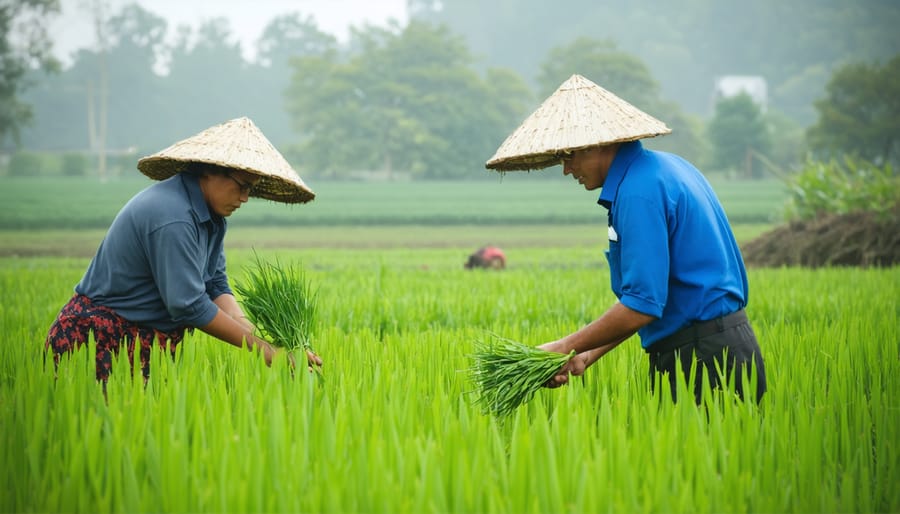
Agricultural extension specialists demonstrating farming techniques to CSA farmers
University agricultural researchers working with local farmers in a field

Student Research Projects

Student research projects on local farms create valuable synergies between academic institutions and agricultural communities. Through hands-on field studies, students contribute to farm innovation while gaining practical experience. These projects often focus on crop yield optimization, sustainable farming techniques, and market analysis, providing farmers with data-driven insights at minimal cost.

Local farms benefit from access to university resources, including soil testing laboratories, agricultural technology, and expert consultation. Students frequently develop solutions for real-world challenges, such as water conservation methods and pest management strategies, which farmers can implement immediately to improve their operations.

The economic impact extends beyond direct farm benefits. Many student researchers go on to establish their own agricultural enterprises in the region, creating jobs and strengthening local food systems. Their research findings often lead to improved farming practices that increase productivity and profitability for the entire farming community.

These collaborative projects also help secure grant funding and agricultural development resources, creating additional economic opportunities for both the university and local agricultural sector.

Flow diagram illustrating economic benefits from university-CSA partnerships to local community
Infographic showing economic impact flow chart of university-CSA partnerships

Community Economic Multiplier Effects

Job Creation and Retention

University-CSA partnerships create significant employment opportunities across multiple sectors of the local economy. These partnerships directly support farmers and farm workers through increased demand for local produce, while also generating positions in food distribution, marketing, and administrative roles.

Success stories like the Green Valley Farm CSA showcase how university partnerships can help sustain full-time farming jobs. After partnering with State University’s dining services, Green Valley Farm expanded from two full-time farmers to a team of six, plus seasonal workers during peak growing seasons.

Beyond direct farm employment, these partnerships create positions in:
– Food hub operations and logistics
– Quality control and food safety
– Student worker programs and internships
– Market coordination and customer service
– Educational outreach and community programs

Universities often integrate CSA programs into their curriculum, creating teaching and research positions. Student workers gain valuable hands-on experience in sustainable agriculture, while graduate assistantships support advanced research in farming practices and food systems.

The multiplier effect extends into the broader community, as increased local food production supports jobs in related industries such as:
– Local food processing
– Restaurant and catering services
– Farmers market management
– Agricultural supplies and equipment
– Marketing and communications

These partnerships also foster entrepreneurship, with many student workers and interns going on to start their own agricultural enterprises, further strengthening the local food economy and job market.

Local Business Growth

Universities serve as powerful catalysts for local business growth, creating a ripple effect that extends far beyond campus boundaries. When students, faculty, and staff become regular customers, nearby restaurants, bookstores, and retail shops experience significant increases in foot traffic and sales. Many successful businesses have flourished by catering specifically to university-related clientele, from coffee shops that become favorite study spots to tech repair services that support student devices.

The presence of a university often leads to the emergence of specialized business clusters. Innovation districts frequently develop around research institutions, attracting startups and established companies eager to tap into academic expertise and the skilled workforce pipeline. These businesses create additional employment opportunities for both students and local residents, contributing to a more diverse and resilient local economy.

Local service providers also benefit from university contracts and purchasing agreements. From catering services for campus events to maintenance contracts for university facilities, these partnerships provide steady revenue streams for local businesses. Additionally, universities often prioritize local vendors in their procurement policies, helping to keep economic benefits within the community.

The hospitality sector sees particular advantages during university events like graduation ceremonies, sports competitions, and academic conferences. Hotels, restaurants, and transportation services experience regular surges in demand, supporting year-round business sustainability and encouraging new entrepreneurial ventures in the area.

Future Growth Potential

The potential for expanding university-CSA partnerships presents exciting opportunities for sustainable growth and enhanced economic impact in local communities. Universities can leverage their resources and influence to create innovative programs that benefit both students and local farmers.

One promising avenue is the integration of CSA programs into university dining services, potentially scaling up to supply multiple campus locations. This expansion could create stable, year-round markets for local farmers while providing fresh, seasonal produce to thousands of students and staff members.

Educational institutions can also develop specialized training programs for aspiring farmers, combining classroom learning with hands-on experience at partner CSA farms. These programs could include business management courses, sustainable farming techniques, and marketing strategies, helping to cultivate the next generation of successful agricultural entrepreneurs.

Technology integration presents another growth opportunity, with universities potentially developing apps and platforms to streamline CSA operations, improve member communication, and track produce distribution. These tools could be shared across multiple CSA partnerships, creating more efficient and sustainable operations.

Research opportunities abound as well, with possibilities for studying sustainable farming methods, analyzing consumer behavior, and developing new crop varieties suited to local growing conditions. Such research could directly benefit partner CSAs while advancing agricultural science.

Looking ahead, universities might establish agricultural innovation centers that serve as hubs for farmer training, research, and community engagement. These centers could become catalysts for regional food system development, creating jobs and strengthening local agricultural economies while promoting sustainable farming practices.

Universities serve as powerful economic engines, generating substantial benefits for their local communities and regions. Through direct employment, research commercialization, student spending, and partnership initiatives, these institutions create ripple effects that strengthen local businesses and foster innovation. The evidence clearly shows that investing in higher education yields significant returns for both urban and rural economies. As we look to the future, universities should continue expanding their economic development programs, fostering more community partnerships, and measuring their impact. Other institutions can follow these successful models by engaging local businesses, supporting student entrepreneurship, and creating targeted initiatives that address community needs. By taking an active role in regional development, universities can help build more resilient and prosperous local economies while fulfilling their educational mission.

Smart Irrigation Software That Saves Time and Water on Your CSA Farm

Posted by darrell on
0
Seasonal Planning and Management
Smart Irrigation Software That Saves Time and Water on Your CSA Farm

Transform your farm’s efficiency with modern irrigation scheduling software – the digital cornerstone of precision agriculture that’s revolutionizing how small-scale farmers manage water resources. Today’s smart irrigation systems combine real-time weather data, soil moisture sensors, and crop-specific algorithms to deliver exactly what your plants need, when they need it.

Gone are the days of guesswork watering. Forward-thinking farmers are cutting water usage by up to 30% while boosting crop yields through automated scheduling that factors in everything from soil type to growth stage. Whether you’re managing a 5-acre organic vegetable operation or a sprawling orchard, these tools provide actionable insights through user-friendly mobile apps and desktop interfaces.

For small-scale organic farmers, irrigation scheduling software offers a perfect balance of sophistication and simplicity – helping you maintain optimal soil moisture levels while saving precious time and resources. It’s not just about water conservation; it’s about growing smarter and more sustainably in an increasingly unpredictable climate.

Why Your CSA Farm Needs Digital Irrigation Management

Water Conservation Benefits

Irrigation scheduling software stands at the forefront of modern smart water-saving techniques, offering substantial benefits for farms of all sizes. By analyzing real-time soil moisture data, weather patterns, and crop requirements, these systems can reduce water consumption by 20-50% while maintaining or even improving crop yields.

The software prevents both over-watering and under-watering by delivering precise amounts of water exactly when plants need it. This precision not only conserves water but also reduces energy costs associated with pumping and distribution. Many farmers report seeing their water bills decrease by up to 30% within the first growing season of implementation.

Additionally, these systems help prevent water runoff and soil erosion, protecting valuable topsoil and reducing nutrient leaching. By maintaining optimal soil moisture levels, the software also creates healthier growing conditions that naturally suppress many common plant diseases, leading to stronger, more resilient crops.

Labor and Time Savings

Irrigation scheduling software dramatically reduces the time farmers spend monitoring and adjusting water systems. Instead of walking the fields multiple times daily to check soil moisture and plant health, farmers can view real-time data from their smartphones or computers. The software automatically tracks weather patterns, soil conditions, and crop water needs, making adjustments without constant human intervention.

Many farmers report saving 15-20 hours per week during peak growing seasons. Take Sarah Miller, an organic vegetable farmer in Colorado, who used to spend her mornings and evenings checking irrigation lines. Now, she simply reviews the software dashboard over breakfast and can focus on other important tasks like harvest planning and market preparation.

The automation also eliminates the need for midnight adjustments during extreme weather events, as the system can respond to unexpected temperature changes or rainfall automatically. This improved work-life balance has been a game-changer for small-scale farmers managing diverse crop operations.

Modern irrigation software dashboard displaying real-time monitoring data and control options
Dashboard view of an irrigation software interface showing weather data, soil moisture levels, and scheduling controls

Key Features of Modern Irrigation Software

Weather Integration

Modern irrigation scheduling software leverages real-time weather data to make smart watering decisions for your crops. These systems connect to local weather stations or online weather services to gather crucial information like rainfall, temperature, humidity, and wind speed. By analyzing this data, the software automatically adjusts your irrigation schedule to provide optimal water amounts.

For example, if unexpected rain is forecasted, the system will postpone scheduled watering to prevent overwatering. During hot, dry spells, it might increase water delivery to compensate for higher evaporation rates. This dynamic response to weather conditions helps conserve water while ensuring crops receive exactly what they need.

Many systems also track historical weather patterns and combine this with soil moisture sensors to create highly accurate watering predictions. Some advanced platforms even factor in microclimates within your growing area, recognizing that different parts of your farm might experience slightly different weather conditions.

This weather-smart approach not only saves water but also protects plants from stress caused by under or overwatering, leading to healthier crops and better yields.

Soil Moisture Monitoring

Modern soil moisture monitoring systems are the eyes and ears of effective irrigation scheduling software. These systems use strategically placed sensors throughout your growing areas to collect real-time data about soil moisture levels at different depths. The software interprets this data and presents it through user-friendly dashboards, helping you understand exactly when and how much to water your crops.

Many farmers find that integrating soil sensors with their irrigation software reduces water usage by 20-30%. The sensors measure important factors like soil moisture tension, temperature, and electrical conductivity, giving you a complete picture of your soil’s health. When the moisture levels drop below preset thresholds, the software can automatically trigger irrigation cycles or send alerts to your phone.

Sarah Wilson, a small-scale organic farmer in Vermont, shares: “Since installing soil moisture sensors, I’ve eliminated the guesswork. My plants get exactly what they need, when they need it, and my water bill has dropped significantly.”

Agricultural professional using mobile device to monitor soil moisture sensors in crop field
Farmer checking soil moisture sensors while referring to mobile app on tablet

Mobile Control and Alerts

Modern irrigation scheduling software puts control right in your pocket through user-friendly mobile apps. These apps let you manage your entire irrigation system from anywhere, whether you’re at the farmers market or taking a well-deserved break. Get real-time updates on soil moisture levels, weather conditions, and system performance through push notifications on your smartphone.

Set custom alerts for critical events like unexpected pressure drops, unusual water flow, or when soil moisture reaches specific thresholds. Many systems also send daily irrigation reports and weather forecasts to help you make informed decisions about your watering schedule.

The mobile interface typically includes an intuitive dashboard where you can adjust watering times, activate or pause zones, and view water usage statistics. Some apps even integrate with smart home systems, allowing you to control irrigation alongside other farm management tools. This connectivity ensures you’re always in tune with your crops’ needs, even when you can’t be physically present in the field.

Implementation Success Story

Green Acres CSA, a 15-acre organic farm in Vermont, transformed their irrigation practices through the implementation of smart scheduling software in 2021. Owner Sarah Mitchell had previously relied on traditional methods and intuition to manage water distribution across her diverse crop fields, but increasing weather unpredictability prompted her to seek a more precise solution.

“Before the software, we were either over-watering or scrambling to catch up during dry spells,” Sarah explains. “We needed a system that could help us make better decisions, especially with our limited labor resources.”

The farm installed soil moisture sensors across different growing zones and connected them to an irrigation management platform. The software integrates local weather data, crop-specific water requirements, and real-time soil moisture readings to generate customized watering schedules for each section of the farm.

The results were remarkable. Within the first growing season, Green Acres reduced their water usage by 30% while maintaining optimal soil moisture levels. The automated alerts helped Sarah’s team respond quickly to changing conditions, preventing both water stress and excess irrigation.

The software proved particularly valuable for their high-value crops like tomatoes and leafy greens. “We saw a 20% increase in our tomato yield,” Sarah notes. “The consistent moisture levels also improved the quality of our salad greens, which our CSA members definitely noticed.”

The system’s user-friendly interface allowed Sarah’s seasonal workers to quickly adapt to the new technology. Daily irrigation tasks that once took hours to plan now require just minutes to review and adjust. The mobile app enables the team to monitor and control irrigation from anywhere on the farm.

The investment paid for itself within two seasons through water savings, reduced labor costs, and improved crop yields. For Sarah, the peace of mind knowing her irrigation decisions are backed by data has been invaluable. “It’s like having an expert irrigation consultant available 24/7,” she says.

Data visualization showing water consumption reduction through smart irrigation implementation
Before/after comparison of water usage charts showing reduction after implementing irrigation software

Getting Started with Irrigation Software

Getting started with irrigation software doesn’t have to be overwhelming. Begin by assessing your farm’s specific needs, including the size of your growing area, types of crops, and local climate conditions. These factors will help narrow down your software options and ensure they align with your CSA planning process.

Start with a basic checklist:
1. List your must-have features (weather integration, mobile access, automated scheduling)
2. Set a realistic budget
3. Check your internet connectivity in the field
4. Consider your comfort level with technology

Many irrigation software providers offer free trials – take advantage of these to test different solutions. Begin with a small area of your farm to experiment and learn the system before scaling up. This approach helps minimize risks and allows you to build confidence with the technology.

When implementing your chosen solution:
– Take time to input accurate field data
– Map out your irrigation zones carefully
– Set up weather station connections if available
– Train any team members who’ll be using the system
– Keep backup manual schedules during the learning phase

Remember to start simple and add more advanced features as you become comfortable with the basics. Many successful farmers begin with basic scheduling functionality and gradually incorporate soil moisture sensors, weather forecasting, and automation tools.

Look for software providers offering good customer support and training resources. Having access to help when you need it makes the transition much smoother and helps you get the most value from your investment.

As we’ve explored throughout this article, irrigation scheduling software has become an invaluable tool for modern farmers and gardeners looking to optimize their water usage while maximizing crop yields. By implementing these smart solutions, growers can save time, reduce water waste, and maintain healthier plants through precise irrigation management.

The benefits are clear: reduced water bills, decreased labor costs, improved crop quality, and a smaller environmental footprint. Many farmers who have adopted this technology report seeing positive results within their first growing season, often achieving water savings of 20-30% while maintaining or improving their harvest quality.

Whether you’re managing a small market garden or a larger agricultural operation, today’s user-friendly irrigation scheduling tools make it easier than ever to embrace sustainable water management practices. With options ranging from simple smartphone apps to comprehensive farm management systems, there’s a solution for every scale and budget.

Take the first step toward smarter irrigation by exploring the various software options available and choosing one that fits your specific needs. Your plants, your wallet, and our planet will thank you for it.

These Powerful Organic Spices Naturally Fight Inflammation (According to Science)

Posted by darrell on
0
Consumer Health and Nutrition
These Powerful Organic Spices Naturally Fight Inflammation (According to Science)

Harness the potent healing power of your spice rack to fight inflammation naturally and effectively. Ancient wisdom meets modern science as research confirms what traditional healers have known for centuries: certain spices possess remarkable anti-inflammatory properties that can help manage chronic pain, reduce disease risk, and support overall wellness.

From the golden warmth of turmeric to the fiery kick of ginger, nature’s medicine cabinet offers a delicious arsenal of inflammation-fighting compounds. These powerful plant allies not only enhance the flavor of your favorite dishes but also work synergistically to combat inflammation at its source – without the side effects commonly associated with conventional medications.

Whether you’re dealing with arthritis, digestive issues, or simply seeking to optimize your health, incorporating these time-tested spices into your daily routine provides a safe, natural approach to managing inflammation. Let’s explore the most effective inflammation-reducing spices and discover simple ways to make them part of your everyday wellness strategy.

Collection of colorful organic spices displayed in ceramic bowls on wooden surface
Assorted organic spices arranged on a rustic wooden table, featuring turmeric, ginger, cinnamon, and black pepper

Why Organic Spices Pack More Anti-Inflammatory Power

The Clean Cultivation Difference

When it comes to harnessing the anti-inflammatory power of spices, growing methods matter significantly. Pesticide-free cultivation allows plants to develop their natural defense mechanisms, resulting in higher concentrations of beneficial compounds. Studies have shown that health benefits of organic foods extend to spices, where clean growing practices lead to enhanced levels of active ingredients like curcumin in turmeric and gingerols in ginger. Without synthetic pesticides, these plants produce more protective compounds to ward off pests naturally, which translates to more potent anti-inflammatory properties for us. Clean-grown spices also eliminate the risk of pesticide residues interfering with their therapeutic effects, ensuring you get the purest form of nature’s inflammation fighters.

Soil Health and Spice Potency

The potency of inflammation-reducing spices is directly linked to the soil they’re grown in. Organic soils, rich in beneficial microorganisms and natural nutrients, help plants produce higher levels of protective compounds like antioxidants and essential oils. These compounds are what give spices their powerful anti-inflammatory properties.

When spices are grown in healthy, organic soil, they develop stronger natural defense mechanisms against pests and environmental stresses. This stress response triggers the production of more beneficial compounds, resulting in more potent medicinal properties. For example, turmeric grown in nutrient-rich organic soil typically contains higher levels of curcumin, its primary anti-inflammatory compound.

Choosing organically grown spices not only ensures you get the most health benefits but also supports sustainable farming practices that maintain soil health for future generations. Look for spices from farmers who prioritize soil biology and natural fertilization methods to get the most anti-inflammatory bang for your buck.

Top Inflammation-Fighting Organic Spices

Turmeric: The Golden Healer

Celebrated as nature’s golden healer, organic turmeric has earned its reputation as one of the most powerful anti-inflammatory spices available. This vibrant yellow root contains curcumin, a compound that actively fights inflammation at the molecular level, making it particularly effective for managing chronic inflammatory conditions.

For maximum benefit, look for fresh organic turmeric root or high-quality organic powder. The addition of black pepper enhances curcumin absorption by up to 2,000%, so they’re perfect partners in your kitchen. Try adding a pinch of both to your morning smoothie, golden milk latte, or curry dishes.

Beyond its inflammation-fighting properties, turmeric supports liver health, boosts immune function, and may even help prevent certain types of cancer. Our local organic farmers have noticed increasing demand for fresh turmeric, leading many to add this versatile root to their crop rotation.

To incorporate turmeric daily, start with 1/4 to 1/2 teaspoon in your cooking. Make a healing tea by simmering fresh turmeric slices with ginger and honey, or blend it into your favorite soups and stews. Remember, consistency is key when using this golden spice for its anti-inflammatory benefits.

Comparison of vibrant organic turmeric roots next to conventional turmeric roots
Side-by-side comparison of organic vs conventional turmeric roots showing color intensity difference

Ginger: Nature’s Pain Relief

Ginger, a humble root with extraordinary powers, has been a cornerstone of traditional medicine for centuries. This vibrant rhizome contains potent compounds called gingerols and shogaols, which work together to combat inflammation throughout the body. When grown organically, ginger develops higher concentrations of these beneficial compounds, making it an even more effective natural remedy.

What makes organic ginger particularly special is its ability to inhibit the production of pro-inflammatory chemicals in our bodies. Regular consumption can help ease joint pain, reduce muscle soreness after exercise, and even alleviate digestive inflammation. For maximum benefit, try incorporating fresh organic ginger into your daily routine through teas, smoothies, or as a flavorful addition to stir-fries.

To harness ginger’s anti-inflammatory properties, start with a thumb-sized piece (about 1-2 inches) daily. You can grate it into hot water for tea, blend it into juices, or add it to your favorite recipes. For those dealing with chronic inflammation, consider taking organic ginger supplements, but always consult with your healthcare provider first.

Looking to grow your own? Organic ginger thrives in partial shade and rich, well-draining soil. With proper care, you can harvest your own inflammation-fighting root right from your garden.

Cinnamon’s Secret Strength

Among the ancient spices celebrated for their healing properties, organic cinnamon stands out as a powerful ally in fighting inflammation. This aromatic bark contains compounds like cinnamaldehyde and cinnamic acid, which work together to reduce inflammatory responses in the body.

What makes organic cinnamon particularly effective is its high concentration of polyphenols, natural antioxidants that help protect our cells from damage. These compounds work by blocking inflammatory molecules, effectively lowering inflammation throughout the body.

Studies have shown that just half a teaspoon of cinnamon daily can help reduce markers of inflammation, particularly beneficial for those managing conditions like arthritis or recovering from exercise-induced inflammation. The key lies in choosing high-quality, organic Ceylon cinnamon, which contains higher levels of beneficial compounds compared to its conventional counterparts.

For maximum benefits, try incorporating organic cinnamon into your morning routine by sprinkling it on oatmeal, blending it into smoothies, or stirring it into your coffee. Remember that consistency is key – regular consumption yields the best anti-inflammatory results.

Black Pepper’s Hidden Powers

Black pepper, the humble kitchen staple, packs a powerful punch against inflammation thanks to its active compound, piperine. This remarkable substance not only gives pepper its characteristic heat but also enhances your body’s ability to absorb other beneficial compounds from food and spices.

When you pair organic black pepper with turmeric, for instance, it increases the bioavailability of curcumin by up to 2000%. This means you get significantly more anti-inflammatory benefits from your golden spice when you add a dash of pepper. The same principle applies to other inflammation-fighting herbs and spices – pepper acts as their natural amplifier.

Beyond its synergistic properties, organic black pepper offers impressive benefits on its own. It helps reduce inflammation markers in the body, supports digestive health, and contains antioxidants that fight free radicals. For maximum benefit, choose whole peppercorns and grind them fresh – pre-ground pepper loses potency quickly.

Try adding freshly ground black pepper to your morning golden milk, anti-inflammatory smoothies, or sprinkle it on roasted vegetables to boost both flavor and health benefits.

Adding These Spices to Your Daily Diet

Simple Spice Combinations

Creating powerful anti-inflammatory combinations is easier than you might think! Pair turmeric with black pepper to enhance curcumin absorption by up to 2000%. Try combining ginger and cinnamon in your morning tea or smoothie to boost your body’s natural defenses. Rosemary and thyme work wonderfully together in roasted vegetables, while garlic and cayenne pepper create a potent inflammation-fighting duo perfect for soups and stir-fries.

For a delicious morning blend, mix 1/4 teaspoon each of cinnamon, ginger, and turmeric with a pinch of black pepper in your oatmeal or tea. Create an evening wellness blend by combining equal parts oregano, basil, and thyme for a Mediterranean-inspired seasoning that fights inflammation while enhancing flavor.

Remember, organic spices contain higher levels of active compounds, making them more effective at reducing inflammation. Store your spice combinations in airtight containers away from direct sunlight to preserve their beneficial properties.

Storage Tips for Maximum Potency

To maintain the potent anti-inflammatory properties of your spices, proper storage is essential. Keep your spices in airtight glass containers away from direct sunlight, heat, and moisture. A cool, dark cabinet or drawer is ideal, avoiding storage above your stove where heat and steam can degrade their beneficial compounds.

Most whole spices stay fresh for up to two years when stored properly, while ground spices maintain their potency for about six months. Consider buying whole spices and grinding them as needed using a dedicated spice grinder or mortar and pestle for maximum freshness and therapeutic benefits.

Label your containers with purchase dates and perform regular “freshness checks” by smelling your spices – if the aroma is weak or they’ve lost their vibrant color, it’s time to replace them. For bulk purchases, store extra spices in the freezer in airtight containers to extend their shelf life while preserving their anti-inflammatory properties.

Remember that organic spices may have shorter shelf lives than conventional ones since they’re free from artificial preservatives, making proper storage even more crucial.

Visual guide demonstrating proper storage techniques for organic spices
Infographic showing proper spice storage methods with mason jars, airtight containers, and optimal temperature conditions

As we’ve explored throughout this article, nature has provided us with powerful allies in the fight against inflammation through these remarkable spices. From the potent curcumin in turmeric to the zingy compounds in ginger, each spice brings its own unique set of anti-inflammatory benefits to your kitchen and your health.

By choosing organic spices, you’re not only ensuring you get the purest form of these healing ingredients but also supporting sustainable farming practices that protect our soil and environment. Remember that these spices work best when incorporated regularly into your daily diet, whether it’s adding cinnamon to your morning oatmeal, sprinkling turmeric into your smoothies, or cooking with ginger in your favorite stir-fries.

Start small by introducing one or two new spices into your regular cooking routine. As you become more comfortable, experiment with different combinations to create flavorful, inflammation-fighting meals. Keep your spices stored in airtight containers in a cool, dark place to preserve their potency and beneficial compounds.

Remember, reducing inflammation doesn’t have to be complicated or expensive. These accessible, natural remedies have been used for centuries across various cultures, and modern science continues to validate their effectiveness. By making these organic spices part of your daily routine, you’re taking a delicious step toward better health while supporting sustainable agriculture practices.

Supercharge Your CSA Farm’s Productivity with Smart Organic Crop Rotations

Posted by darrell on
0
Seasonal Planning and Management
Supercharge Your CSA Farm’s Productivity with Smart Organic Crop Rotations

Transform your organic farm’s productivity by implementing strategic long-term rotation planning that naturally builds soil health while maximizing yields. Alternate nitrogen-fixing legumes with heavy-feeding crops like tomatoes and brassicas to create self-sustaining fertility cycles. Group crops by plant families, rotating through distinct field sections every season to break pest and disease cycles naturally. Map your rotations based on market demand, scheduling high-value crops during peak CSA distribution months while maintaining soil biology.

Growing organic isn’t just about avoiding synthetic inputs – it’s about creating resilient agricultural systems that work in harmony with nature. Through thoughtful crop rotation, farmers build living soils teeming with beneficial microorganisms, reduce pest pressure naturally, and produce nutrient-dense foods that customers can trust. Whether you’re managing a small market garden or a diverse CSA operation, strategic rotation planning forms the foundation of successful organic farming.

The Science Behind Organic Crop Rotation Success

Soil Health and Nutrient Cycling

Crop rotation plays a vital role in maintaining and improving soil health through natural nutrient cycling. Different crops interact with the soil in unique ways, creating a dynamic system that benefits future plantings. Legumes, like peas and beans, form partnerships with soil bacteria to fix nitrogen from the air, enriching the soil naturally. Deep-rooted crops such as carrots and parsnips help break up compacted soil and bring nutrients from lower layers to the surface.

Following heavy feeders like tomatoes with soil-building cover crops allows the land to recover and replenish its nutrient stores. Green manures, such as clover and buckwheat, can be tilled back into the soil, adding organic matter and improving soil structure. These practices encourage beneficial microorganisms and earthworms, which further enhance nutrient availability and soil health.

By alternating between different plant families, farmers create a more resilient soil ecosystem that’s less dependent on external inputs. This natural approach to soil fertility management helps maintain consistent yields while building long-term soil health – a cornerstone of successful organic farming.

Side-by-side comparison of rich, dark organic soil containing earthworms next to lighter, depleted soil
Split comparison photo of healthy soil with earthworms versus depleted soil

Natural Pest Management

Crop rotation serves as a powerful natural defense against pests and diseases in organic farming systems. By changing the location of crops each season, you effectively break the life cycles of many problematic insects and pathogens that tend to target specific plant families. For example, moving your tomatoes to a new bed each year helps disrupt the survival of tomato hornworms and other specialized pests.

This strategic plant shuffling also helps to prevent common plant diseases by reducing the buildup of soil-borne pathogens. When crops from different families follow each other, pest populations often decline naturally without the need for intervention.

Many successful CSA farmers incorporate “trap crops” into their rotation plans – plants that attract pests away from valuable crops. For instance, planting nasturtiums near your brassicas can draw aphids away from your marketable crops. Additionally, including aromatic herbs and flowers in your rotation can help repel certain pests while attracting beneficial insects that prey on harmful bugs.

Remember to maintain detailed records of pest issues and their locations to inform future rotation decisions. This knowledge becomes invaluable for long-term pest management success.

Planning Your CSA Rotation Calendar

Seasonal Planning Strategies

Successful organic crop rotation requires thoughtful seasonal planning that aligns with your CSA planning process. Start by mapping out your growing seasons and dividing your land into distinct sections that will host different crop families throughout the year.

For spring planning, focus on cold-hardy crops like peas, brassicas, and root vegetables. These plants establish well in cooler soil and provide early-season harvests. As you transition to summer, reserve space for heat-loving crops such as tomatoes, peppers, and squash, ensuring they follow nitrogen-fixing spring crops like peas or cover crops.

Fall planning should incorporate quick-growing crops that can be harvested before frost, while also establishing winter cover crops in previously harvested areas. Consider planting cold-tolerant varieties like kale and Brussels sprouts that actually improve in flavor after light frosts.

Winter months are ideal for soil building through cover crops and planning next year’s rotation. Use this time to review your notes from the previous seasons, identifying which crop combinations worked well and which areas might need adjustment.

Remember to maintain flexibility in your rotation schedule – weather patterns, market demands, and crop performance may require adaptations to your original plan. Keep detailed records of planting dates, yields, and soil conditions to refine your rotation strategy year after year.

Circular diagram illustrating crop rotation patterns between plant families across four seasons
Diagram showing different crop families and their rotation sequence over four seasons

Plant Family Groups

Understanding plant families is the foundation of successful crop rotation. Crops within the same family often share similar nutrient needs and are vulnerable to the same pests and diseases, making family-based rotation essential for soil health and pest management.

The main vegetable families include:

Nightshades (Solanaceae): Tomatoes, peppers, eggplants, and potatoes are heavy feeders that benefit from rich, fertile soil. These crops should only return to the same spot every 3-4 years to prevent soil-borne diseases.

Brassicas (Cruciferae): Includes cabbage, broccoli, kale, and radishes. These crops are known for their deep roots and high nutrient demands, particularly nitrogen.

Legumes (Fabaceae): Peas, beans, and other legumes are soil builders that fix nitrogen. Plant these before heavy-feeding crops to naturally enrich your soil.

Cucurbits (Cucurbitaceae): Squash, cucumbers, and melons have sprawling growth habits and moderate nutrient needs. They work well following legumes in rotation.

Alliums (Amaryllidaceae): Onions, garlic, and leeks are light feeders with shallow roots. They can follow heavy feeders in your rotation plan.

Organizing your crops by family makes it easier to plan rotations that maintain soil fertility and minimize pest problems. Keep a garden journal to track where each family grows each season, ensuring they don’t return to the same spot too soon.

Market Demand Balance

Successful CSA farming requires a delicate balance between crop diversity and member satisfaction. When planning your rotation schedule, consider surveying your members about their produce preferences and incorporating this feedback into your planting strategy. This helps ensure your rotation not only maintains soil health but also meets market demands.

Many successful CSA farmers maintain a “core crops” rotation that includes reliable favorites like tomatoes, lettuce, and carrots, while experimenting with specialty crops in smaller plots. This approach helps maximize seasonal yields while keeping members excited about their weekly shares.

Consider creating a flexible rotation plan that allows for adjustments based on member feedback. For example, if members consistently express interest in more cooking greens, you might increase your brassica rotation while reducing space allocated to less popular crops. Keep detailed records of member preferences and crop performance to fine-tune your rotation strategy each season.

Remember to communicate with your members about the benefits of crop rotation and how it affects their weekly shares. Many CSA members appreciate understanding the connection between sustainable farming practices and the variety in their boxes. This education often leads to greater acceptance of seasonal eating patterns and helps maintain member satisfaction throughout the growing season.

Advanced Rotation Techniques for CSA Success

Cover Crop Integration

Cover crops are the unsung heroes of organic crop rotation, serving as powerful allies in building soil health and maintaining farm productivity. These temporary plantings work year-round to enhance your rotation system, even when your main crops aren’t in the ground.

Consider the experience of Sarah Miller, an organic farmer in Vermont, who transformed her depleted fields using a strategic cover crop system. “Adding winter rye and hairy vetch to our rotation was a game-changer,” she shares. “Our soil structure improved dramatically within just two seasons.”

Popular cover crop choices include legumes like clover and peas, which fix nitrogen in the soil, and grasses like rye and oats that prevent erosion and add organic matter. Buckwheat, a warm-season favorite, excels at suppressing weeds and attracting beneficial insects.

To maximize cover crop benefits:
– Plant immediately after harvesting main crops
– Choose species that complement your climate and soil needs
– Consider mixing different cover crops for multiple benefits
– Time termination carefully to avoid seed setting
– Incorporate residue thoroughly before planting next crops

Beyond soil improvement, cover crops provide additional advantages:
– Natural weed suppression
– Beneficial insect habitat
– Erosion control
– Moisture retention
– Enhanced biodiversity

Many successful organic farmers use the “relay planting” technique, where cover crops are established in standing cash crops before harvest. This ensures continuous soil coverage and maximizes the growing season’s potential.

Remember that cover crops aren’t just placeholder plants – they’re active participants in your farm’s ecosystem, contributing to long-term sustainability and productivity.

Lush cover crop field of clover and rye grass being incorporated into soil
Field showing successful cover crop integration with visible green manure crops

Companion Planting in Rotation

Companion planting takes crop rotation to the next level by considering not just what crops follow each other, but also which plants grow best together during the same season. This natural approach creates beneficial relationships that can enhance your rotation strategy while maximizing space and improving overall farm health.

Consider planting nitrogen-fixing legumes like peas or beans alongside heavy-feeding crops such as tomatoes or corn. The legumes enrich the soil while the other crops benefit from the added nutrients. When rotating next season, the following crops will thrive in the nitrogen-rich soil left behind.

A popular companion planting trio known as the “Three Sisters” demonstrates this perfectly: corn provides support for climbing beans, which fix nitrogen in the soil, while squash spreads along the ground, suppressing weeds and retaining moisture. This traditional Native American planting method can be incorporated into your rotation schedule, with the plot being excellent for leafy greens the following year.

Herbs play a crucial role in companion planting rotations too. Aromatic herbs like basil, dill, and cilantro can be planted throughout your rotation blocks to attract beneficial insects and repel pests. As you plan your rotations, consider leaving permanent herb strips between beds to maintain these benefits year-round.

Success story: Sarah Miller from Green Valley Farm found that incorporating companion planting into her rotation increased her tomato yield by 30% after adding basil and marigolds to her rotation blocks. She maintains these beneficial relationships while still following her primary rotation schedule, proving that these methods can work together harmoniously.

Remember to document which companion plantings work best in your specific environment and incorporate these findings into your long-term rotation planning.

Troubleshooting Common Rotation Challenges

Even the most well-planned crop rotations can face challenges, but with the right approach, these hurdles are completely manageable. Let’s explore common rotation challenges and their practical solutions.

Timing mismatches often occur when one crop isn’t ready for harvest before it’s time to plant the next. To address this, maintain a flexible buffer zone in your growing space and consider using quick-growing cover crops to fill temporary gaps. Having backup plans for alternative planting dates can also help manage unexpected weather delays.

Nutrient depletion sometimes happens when heavy-feeding crops are accidentally scheduled too close together. Combat this by keeping detailed soil testing records and adjusting your rotation plan accordingly. Adding compost or green manure crops can help restore balance to depleted areas.

Space allocation issues are another frequent challenge, especially when transitioning between crops of different sizes. Create detailed field maps and use succession planting to maximize space efficiency. Some farmers find success by interplanting compatible crops during transition periods.

Disease and pest pressures can persist despite rotation efforts. Sarah Miller, an organic farmer in Vermont, solved this by extending her rotation length and incorporating disease-resistant varieties. She also added beneficial insect-attracting flowers between crop rows, creating natural pest management zones.

Equipment scheduling conflicts can arise when different crops need attention simultaneously. Develop a detailed calendar that accounts for equipment needs and consider cooperating with neighboring farms to share resources during peak times.

Market timing challenges occur when crop schedules don’t align with peak market demands. Work backward from your target market dates when planning rotations, and maintain season extension options like row covers or high tunnels for flexibility.

Remember that successful rotation management often requires adaptation and creative problem-solving. Keep detailed records of what works and what doesn’t, and don’t be afraid to adjust your plans based on experience and changing conditions.

Organic crop rotation stands as a cornerstone of sustainable agriculture, offering multiple benefits for soil health, pest management, and crop yields. By thoughtfully planning and implementing rotation cycles, farmers can create resilient agricultural systems that work in harmony with nature. Whether you’re managing a small garden plot or a larger CSA operation, the principles remain the same: diverse plantings, careful timing, and attention to soil needs. Start small by rotating between three or four crop families, and gradually expand your rotation plan as you gain confidence. Remember that successful organic rotation isn’t just about following a schedule – it’s about creating a living, breathing ecosystem that sustains both the land and the community it feeds. With patience and dedication, you’ll discover that organic crop rotation isn’t just good farming practice – it’s an investment in our agricultural future.

How Smart Data Analysis Boosts Your CSA Farm’s Yield (Even With Limited Data)

Posted by darrell on
0
Technology and Innovation
How Smart Data Analysis Boosts Your CSA Farm’s Yield (Even With Limited Data)

Transform scattered harvest records and irregular planting data into powerful data-driven farming decisions using straightforward statistical methods designed for small farms. By tracking even sporadic measurements of crop growth, soil conditions, and weather patterns, farmers can uncover valuable insights despite gaps in their data collection.

Modern farming doesn’t require perfect daily records to yield meaningful results. Simple tools like rolling averages and growth curve modeling help identify patterns in your farm’s performance, even with inconsistent documentation. Whether you’re measuring tomato yields twice per season or tracking weekly CSA box contents, these accessible analytical approaches turn fragmentary data into actionable growing strategies.

Think of functional data analysis as connecting dots on a map – even with missing points, you can still see the journey. This practical approach helps small-scale farmers optimize planting schedules, predict harvest windows, and adapt to seasonal changes using whatever data they have available, without getting bogged down in complex statistics or demanding daily record-keeping.

Why Traditional Data Analysis Falls Short for CSA Farms

The Reality of Sparse Data in Small-Scale Farming

Small-scale farming operations often face unique challenges when it comes to data collection. Unlike large industrial farms with automated systems, CSA farmers typically record data manually while juggling multiple tasks throughout the day. This can lead to irregular measurement intervals, missing data points, and varying levels of detail in records.

Weather events, unexpected equipment repairs, or busy harvest days can interrupt regular data collection routines. For example, a farmer might consistently record soil moisture levels every morning for weeks, but miss several days during peak tomato harvest season. Similarly, growth measurements for different crop varieties might be taken at different intervals based on their growing cycles and available time.

These data collection realities don’t mean the information isn’t valuable – it just requires a different approach to analysis. Many successful small-scale farmers work with what we call “sparse data,” making the most of irregular but meaningful observations. They focus on recording critical data points that directly impact decision-making, such as key growth stages, pest presence, and harvest yields.

The key is finding a balance between gathering useful information and maintaining practical, sustainable recording practices that fit into daily farm operations.

When Time Series Analysis Isn’t Enough

While traditional time series analysis has been a go-to method for many farmers tracking crop yields and growth patterns, it sometimes falls short when dealing with real-world farming data. Think about trying to track tomato growth rates when weather disruptions, equipment breakdowns, or staff shortages create gaps in your measurements. These irregular data collection patterns are common on small organic farms, where daily monitoring isn’t always feasible.

Traditional approaches also struggle with capturing the natural flowing patterns of plant growth. When you’re measuring things like soil moisture levels or nutrient uptake, these changes don’t always follow neat, predictable intervals. Your lettuce might grow rapidly after rain, then slow down during a dry spell – creating a pattern that traditional analysis methods weren’t designed to handle.

Moreover, conventional time series methods often require complete, equally-spaced data points. This just isn’t realistic for many small-scale organic operations, where data collection might happen whenever time and resources allow. That’s why more flexible approaches, like functional data analysis, have become increasingly valuable for farmers looking to make sense of their growing patterns and optimize their yields.

Making Sense of Your Farm’s Data Story

Connecting the Dots with Functional Data Analysis

Think of Functional Data Analysis (FDA) as connecting dots to form a smooth, meaningful picture of your farm’s growth patterns. Instead of looking at isolated data points – like yield measurements taken on specific days – FDA helps you see the continuous story of how your crops develop over time.

Imagine plotting your tomato growth data on a graph. Some days you might have several measurements, while other days have none due to weather or time constraints. FDA helps fill in these gaps by creating a smooth curve that represents the most likely growth pattern, based on the data you do have.

This approach is particularly valuable for organic farmers dealing with irregular measurements. Perhaps you track soil moisture weekly during dry spells but less frequently during rainy periods. FDA techniques can work with this varying data frequency, creating a complete picture of soil moisture trends throughout the growing season.

The beauty of FDA lies in its flexibility. Whether you’re tracking plant height, fruit production, or soil nutrients, these techniques can adapt to your unique farming situation. They’re especially helpful when comparing different growing seasons or analyzing how various factors affect crop development over time.

By using FDA, you can make more informed decisions about timing your plantings, adjusting irrigation schedules, or planning harvest dates, even with limited data points.

Comparison of scattered farm yield data points versus a smoothed functional data curve
A split-screen visualization showing raw data points on one side and a smooth functional curve on the other, demonstrating how FDA connects sparse data points

Real Farm Examples: From Numbers to Insights

Let’s look at how real farms have turned their scattered data points into valuable insights. Take Sweet Valley Farm in Vermont, for example. Owner Sarah Mitchell struggled with irregular harvest data due to varying weather patterns and labor availability. By applying functional data analysis to three years of sparse yield records, she identified optimal planting windows for her heirloom tomatoes, leading to a 25% increase in marketable crop.

In California, River Creek CSA transformed their sporadic soil moisture readings into actionable irrigation schedules. Despite having gaps in their data collection due to sensor malfunctions, they used FDA techniques to understand soil moisture patterns throughout the growing season. This helped them reduce water usage by 30% while maintaining crop quality.

Mountain View Organics in Colorado tackled the challenge of predicting harvest times with limited data points. Using FDA on their previous years’ growth patterns, they developed a more accurate harvest forecasting system. This improved their CSA box planning and reduced food waste by 20%.

These success stories share a common thread: farms making the most of their available data, even when it’s not perfect or complete. The key wasn’t having perfect records, but rather using the right tools to understand the patterns in the data they did have.

Simple Tools for Complex Data

Managing farm data doesn’t have to be complicated, even when your measurements aren’t perfectly regular. Many small-scale farmers are discovering the power of simple tools that can help make sense of their growing seasons. A basic spreadsheet program like Excel or Google Sheets can be your starting point for tracking important metrics like crop yields, rainfall patterns, and soil temperature readings.

Consider creating visual timelines of your data points, which can reveal patterns even with gaps in your measurements. Simple scatter plots can help you spot relationships between different variables, like how irrigation timing affects crop development. These visual tools become especially powerful when combined with smart farming analytics that can fill in missing information using proven statistical methods.

Many successful CSA farmers use a combination of digital tools and old-fashioned record-keeping. Sarah, a vegetable farmer in Ontario, keeps a weather diary alongside her digital soil moisture readings. This hybrid approach helps her make sense of irregular data patterns and adjust her growing practices accordingly.

Remember, you don’t need complex software to start analyzing your farm data. Begin with these basic tools:
– Simple spreadsheet for data entry
– Basic graphing capabilities
– Weather tracking app
– Digital camera for visual documentation
– Notes app or journal for daily observations

These accessible tools can help you transform scattered data points into valuable insights for your farm’s success.

Turning Analysis into Action

CSA farmer collecting digital data while standing in a diverse vegetable field
Farmer using a tablet in the field to record crop data, with rows of diverse vegetables in the background

Starting Small: First Steps in Data Collection

Beginning your data collection journey doesn’t have to be complicated. As organic farmers, we understand that every crop has its own story to tell through numbers. Start by identifying just two or three key metrics that matter most to your operation – perhaps germination rates, harvest weights, or weekly growth measurements.

Keep it simple with basic tools like spreadsheets or farming apps. Many successful CSA farmers begin with a notebook in the field and transfer data weekly to digital formats. Focus on consistency rather than quantity – it’s better to have reliable measurements of a few variables than sporadic data on many.

Consider tracking weather patterns alongside your crop data, as this provides valuable context for understanding growth variations. Local weather stations or simple rain gauges can provide this information without much investment. While modern data collection tools offer sophisticated options, starting with basics helps build sustainable habits.

Create a simple routine: perhaps measuring plant growth every Monday morning or recording harvest weights at the same time each week. This consistency helps identify patterns even with limited data points. Remember, successful data collection is about quality over quantity.

One approach that works well for many CSA farmers is focusing on a single crop variety first. This allows you to develop your data collection system without feeling overwhelmed. As you become comfortable with the process, gradually expand to include more crops and measurements.

The key is starting small and building gradually. Your data collection system should grow naturally with your farming operation, always serving your practical needs rather than becoming a burden.

Making Better Growing Decisions

Once you’ve analyzed your farm’s growth data, it’s time to turn those insights into practical decisions that can boost your yields and farm efficiency. Start by identifying your most successful growing periods – these golden windows reveal the optimal conditions for each crop. For example, if your data shows tomatoes thrive when planted in early May rather than late April, adjust your planting schedule accordingly.

Create a seasonal calendar based on your findings, marking key decision points throughout the growing cycle. Pay special attention to patterns that emerge from your analysis, such as which crops perform best in succession planting or which companion plantings show the strongest growth curves.

Use your data to fine-tune irrigation schedules. If growth patterns show slower development during certain periods, you might need to adjust water delivery or soil amendments. Many successful farmers keep a “growth response diary” alongside their data, noting which interventions led to positive changes in their growth curves.

Consider weather patterns in your analysis too. By matching your historical growth data with weather records, you can better predict when to protect crops or adjust planting dates. For instance, if your data shows lettuce bolting earlier in recent seasons, you might choose to plant heat-resistant varieties or adjust your succession planting schedule.

Remember that data-driven decisions don’t have to be complicated. Even simple observations, when tracked consistently, can lead to powerful insights. Start small by focusing on your main crops, then expand your analysis as you become more comfortable with the process. Share your findings with other local farmers – collaborative learning often leads to the most innovative growing solutions.

Decision-making flowchart showing how farm data leads to practical growing decisions
Infographic showing a decision tree with data points leading to different farming decisions, incorporating weather icons and crop symbols

Building a Data-Informed CSA Community

Building a strong data-sharing network among CSA farms can transform how we understand and improve our growing practices. By collaborating and pooling our field data, even with irregular recording patterns, we create a more robust picture of what works best in different growing conditions.

Many successful CSAs have found that creating a digital CSA community helps streamline data sharing and analysis. Through shared spreadsheets, mobile apps, and collaborative platforms, farmers can track everything from planting dates to yield data, making it easier to spot trends and patterns across different farms.

The beauty of community-based data sharing is that it helps fill in the gaps when individual farms have incomplete records. For example, if Farm A missed recording their tomato yields during a busy week, data from nearby farms with similar growing conditions can help estimate the missing information.

Regular community meetings, whether virtual or in-person, provide opportunities to discuss findings and share insights. Many CSAs host seasonal data review sessions where farmers can compare notes on successful growing techniques, timing of plantings, and crop varieties that performed well.

Remember, the goal isn’t perfect record-keeping – it’s about creating a supportive network where farmers can learn from each other’s experiences and data, ultimately leading to better farming practices and more sustainable operations.

As we’ve explored throughout this article, functional data analysis can be a powerful tool for making sense of your farm’s irregular or sparse data patterns. By embracing these analytical methods, you can transform scattered data points into meaningful insights that guide your farming decisions and improve yields.

Remember, you don’t need perfect data to start your journey. Even with limited measurements, modern statistical approaches can help you understand crucial patterns in soil health, crop growth, and seasonal variations. Many successful farmers started small, collecting basic data points, and gradually expanded their analysis as they became more comfortable with the process.

Take inspiration from farmers like Sarah Miller, who used simple spreadsheet tracking to identify optimal planting times for her organic tomatoes, or John Rodriguez, who discovered valuable irrigation patterns by analyzing just two seasons of moisture readings. Their success stories show that the key is to start somewhere and build consistently.

Begin your data journey today by choosing one or two key metrics to track regularly. Whether it’s soil moisture levels, growth rates, or harvest yields, each data point adds value to your understanding. As your confidence grows, you can gradually incorporate more sophisticated analysis methods.

The future of sustainable farming lies in making informed decisions backed by data, no matter how sparse it might seem at first. Your farm’s success story begins with that first measurement and grows with each insight you gain along the way.

CSA Farming Actually Helps Save Our Planet (Here’s The Proof)

Posted by darrell on
0
Environmental Sustainability
CSA Farming Actually Helps Save Our Planet (Here’s The Proof)

Community Supported Agriculture (CSA) programs are revolutionizing our food system’s environmental footprint, one farm share at a time. When local farmers connect directly with consumers through CSA memberships, they create a ripple effect of positive environmental change that extends far beyond their fields. From reducing food miles to building healthier soils, CSAs offer a practical solution to many of our most pressing environmental challenges.

Recent studies show that CSA farms typically use 50% less fossil fuel per food mile compared to conventional agriculture, while their diverse growing practices sequester more carbon and support greater biodiversity. By investing in these local food systems, members not only access fresh, seasonal produce but also become active participants in climate-smart agriculture.

As weather patterns become increasingly unpredictable, CSAs demonstrate remarkable resilience through their diversified crops and strong community networks. This model proves that sustainable farming isn’t just good for the planet – it’s a viable path forward for both farmers and consumers who want to make a meaningful environmental impact through their food choices.

Soil Health: The Foundation of Sustainable Agriculture

Building Living Soil

At the heart of CSA farming lies the art of building living, nutrient-rich soil through sustainable practices. Our farmers implement proven composting practices that transform farm waste into black gold for the soil. By layering organic materials like vegetable scraps, leaves, and grass clippings, they create a thriving ecosystem of beneficial microorganisms.

Crop rotation plays a vital role in maintaining soil health. By changing what’s planted in each field season after season, farmers naturally prevent nutrient depletion while reducing pest and disease problems. Legumes like peas and beans are regularly incorporated into rotation schedules, as they naturally fix nitrogen in the soil.

Natural fertilization methods complete the soil-building trilogy. Cover crops, such as clover and rye, protect and nourish the soil during off-seasons. When turned under, these green manures add organic matter and essential nutrients. Many CSA farmers also integrate animal components, using carefully managed livestock to contribute natural fertilizer while helping to cycle nutrients through the farm ecosystem.

Healthy, nutrient-rich soil with earthworms showing signs of biological activity
Close-up of rich, dark soil with visible organic matter and earthworms

Carbon Sequestration Benefits

CSA farms play a crucial role in fighting climate change through effective carbon sequestration practices. When farmers use organic methods and focus on soil health, they create natural carbon sinks that pull greenhouse gases from the atmosphere and store them in the ground.

Through techniques like cover cropping, minimal tillage, and crop rotation, CSA farmers help build rich, living soil that acts like a carbon vault. Every pound of organic matter in healthy soil can store roughly three pounds of carbon dioxide, making these farming practices powerful tools in climate action.

Local farmer Sarah Chen from Green Valley CSA shares, “Since implementing regenerative practices five years ago, we’ve seen our soil organic matter increase by 2%. That’s not just better for our vegetables – it’s actively helping fight climate change.”

These practices create a positive feedback loop: healthier soil captures more carbon, which in turn supports more robust plant growth and greater biodiversity. The result is a resilient farming system that not only produces nutritious food but also helps mitigate climate change impacts while building long-term environmental sustainability.

Water Conservation Success Stories

Smart Irrigation Techniques

CSA farms are leading the way in implementing innovative water-efficient farming methods that maximize crop yields while minimizing water consumption. These smart irrigation techniques include drip irrigation systems that deliver water directly to plant roots, reducing waste through evaporation and ensuring optimal moisture levels throughout the growing season.

Many CSA farmers utilize soil moisture sensors and weather monitoring systems to make data-driven decisions about when and how much to water their crops. Combined with mulching practices that help retain soil moisture, these techniques can reduce water usage by up to 60% compared to conventional irrigation methods.

Another popular approach is rainwater harvesting, where farmers collect and store rainwater in tanks or ponds for use during drier periods. Some CSAs have even implemented advanced technologies like automated irrigation schedules and precision sprinklers that adjust water distribution based on specific crop needs and soil conditions.

These water-conscious practices not only conserve precious resources but also promote healthier plant growth and reduce the risk of water-related plant diseases, resulting in better yields for CSA members while protecting local water supplies.

Water-efficient drip irrigation system watering organic vegetable crops
Drip irrigation system in action on a vegetable row at sunset

Watershed Protection

CSA farming practices play a vital role in protecting our water resources through multiple interconnected approaches. By utilizing organic farming methods and avoiding synthetic pesticides, CSA farms help prevent harmful chemicals from seeping into groundwater and nearby streams. Cover cropping, a common practice among CSA farmers, helps reduce soil erosion and filters rainwater naturally before it reaches local waterways.

Many CSA farms implement strategic buffer zones along waterways and maintain natural vegetation strips that act as natural filters, trapping sediments and pollutants before they can reach water sources. These farms often use efficient irrigation systems and water conservation techniques, such as drip irrigation and rainwater harvesting, which reduce water waste and protect local water tables.

The diverse crop rotations typical in CSA operations help maintain soil structure and organic matter content, improving the land’s natural ability to retain water and prevent runoff. Some CSA farmers also create wetland areas on their properties, which serve as natural water filtration systems while providing habitat for beneficial wildlife. These combined efforts ensure that CSA farms contribute positively to watershed health while producing nutritious food for their communities.

Biodiversity Boost

Native Species Protection

CSA farms play a vital role in protecting and nurturing native species, creating sanctuaries for local flora and fauna to thrive. By maintaining diverse crop rotations and avoiding harmful pesticides, these farms provide safe habitats for beneficial insects, birds, and small mammals that are essential to the local ecosystem.

Many CSA farmers actively incorporate native plant species into their farming practices, creating hedgerows and buffer zones that serve multiple purposes. These areas not only protect crops from wind damage but also offer shelter and food sources for local wildlife. Native pollinators, such as bees and butterflies, particularly benefit from these dedicated spaces, ensuring continued biodiversity in the area.

Farmers often report increased sightings of native bird species, which help control pest populations naturally. The preservation of soil health through organic practices also supports communities of beneficial organisms, from earthworms to microorganisms, that are crucial for maintaining healthy soil ecosystems.

By supporting local ecosystems, CSA farms create a balanced environment where nature’s own pest control and pollination systems can function effectively, reducing the need for artificial interventions while protecting endangered native species.

Pollinator Paradise

CSA farms play a vital role in creating thriving habitats for pollinators and beneficial insects. By implementing diverse planting strategies and maintaining chemical-free environments, these farms support beneficial pollinators like bees, butterflies, and other essential insects that keep our food systems healthy.

Many CSA farmers plant pollinator-friendly flowers alongside their crops, creating natural corridors that allow bees and other insects to move freely throughout the farm. These flower strips, often including native species like echinacea, bee balm, and goldenrod, provide necessary food sources and shelter throughout the growing season.

The organic practices common in CSA farming, such as avoiding synthetic pesticides and maintaining diverse crop rotations, help create safe havens for pollinator populations. This approach not only benefits the insects but also leads to better crop yields through improved pollination. Some CSA farms even incorporate beekeeping into their operations, providing additional pollination services while producing honey as a bonus crop for their members.

By supporting local CSA farms, members contribute to the preservation of these crucial pollinator habitats and help maintain the delicate balance of our agricultural ecosystems.

Various pollinators including bumblebees and butterflies visiting flowering herbs on a CSA farm
Diverse group of native bees and butterflies on flowering herbs

Food Miles and Carbon Footprint

When you join a CSA, your food travels significantly shorter distances compared to conventional grocery store produce. Most CSA farms deliver their harvest within a 100-mile radius, and many operate within just 20-30 miles of their members. This dramatic reduction in food miles has a substantial positive impact on the environment.

Consider this: the average piece of produce in a supermarket travels about 1,500 miles before reaching your plate. In contrast, CSA produce typically travels less than 60 miles, resulting in up to 96% fewer transportation-related carbon emissions. This local distribution model not only reduces fuel consumption but also minimizes the need for excessive packaging and refrigeration during transport.

Local farmer Sarah Martinez from Green Valley CSA shares, “Our weekly deliveries follow efficient routes that serve multiple members in each neighborhood. We use reusable containers and minimal packaging, which further reduces our environmental footprint.” This thoughtful approach to distribution helps CSAs maintain a significantly lower carbon footprint compared to conventional food distribution systems.

The benefits extend beyond just reduced emissions. Shorter transportation times mean:
– Fresher produce with higher nutritional value
– Less food waste due to shorter storage times
– Reduced need for preservation methods
– Lower energy consumption for cooling and storage
– Fewer plastic packaging materials

Many CSAs are taking additional steps to minimize their delivery impact. Some organize central pickup points where multiple members can collect their shares, while others coordinate with existing delivery routes or encourage members to carpool during pickup times. Some innovative CSAs even partner with bicycle delivery services in urban areas, achieving nearly zero-emission distribution.

By choosing a CSA, you’re not just supporting local agriculture – you’re actively participating in a food system that significantly reduces transportation-related environmental impacts while ensuring the freshest possible produce for your family.

Community Supported Agriculture represents a powerful solution for environmental stewardship while building stronger local food systems. By supporting CSAs, we actively participate in reducing food miles, decreasing packaging waste, and promoting biodiversity in our local ecosystems. The direct farm-to-table connection eliminates multiple transportation steps, significantly lowering carbon emissions compared to conventional food distribution systems.

The environmental benefits extend beyond carbon reduction. CSA farmers typically embrace sustainable practices like crop rotation, natural pest management, and soil conservation techniques. These methods help sequester carbon in the soil, protect water resources, and create habitats for beneficial insects and wildlife.

You can make a meaningful impact by joining a CSA program in your area. Beyond enjoying fresh, seasonal produce, you’ll be supporting agricultural practices that protect our environment for future generations. Consider reaching out to local farms, asking about their growing practices, and taking that first step toward sustainable eating. Every CSA membership helps create a more resilient and environmentally conscious food system, one harvest at a time.

Together, we can cultivate a healthier planet through mindful food choices and support for sustainable farming practices.

How Farmers Markets Are Transforming Juneteenth Celebrations Into Vibrant Food and Culture Festivals

Posted by darrell on
0
Market Events and Community Engagement
How Farmers Markets Are Transforming Juneteenth Celebrations Into Vibrant Food and Culture Festivals

Transform your local farmers market into a vibrant Juneteenth celebration by weaving together African American agricultural heritage, modern sustainable farming, and community traditions. Cultural festivals at farmers markets create unique opportunities to honor Black farmers’ contributions while supporting today’s local growers. Black-owned farms showcase heirloom crops like okra, collard greens, and black-eyed peas alongside educational displays about their historical significance. Live demonstrations of traditional cooking methods, storytelling sessions, and hands-on agricultural workshops connect visitors to generations of farming wisdom. Local artisans display handcrafted goods inspired by African American cultural traditions, while food vendors serve soul food classics made with fresh, market-sourced ingredients. This powerful combination of commerce, culture, and community celebration helps preserve agricultural heritage while building a more sustainable, equitable food system for future generations.

The Perfect Blend: Local Agriculture Meets Cultural Heritage

Farm-to-Festival Food Traditions

Juneteenth celebrations have always centered around food that tells the story of African American resilience and creativity. Local farmers play a vital role in providing fresh ingredients for traditional dishes like barbecued meats, black-eyed peas, collard greens, and sweet potato pie. These dishes, deeply rooted in African American culinary heritage, gain extra significance when prepared with locally grown produce.

Modern Juneteenth festivals often feature collaborations between local Black farmers and community chefs, who work together to create farm-fresh versions of traditional recipes. Festival-goers can enjoy dishes made with ingredients harvested just days before the celebration, adding an authentic farm-to-table experience to the historical significance of the meal.

Popular festival offerings include freshly picked okra for gumbo, vine-ripened tomatoes for seasonal salads, and locally grown strawberries for red drinks – a Juneteenth tradition symbolizing perseverance and resilience. Many festivals now include educational components where farmers share growing techniques and the historical significance of certain crops in African American agriculture, creating a meaningful connection between past and present food traditions.

Black farmers selling fresh produce and traditional Juneteenth dishes at a festive market stall
Vibrant farmers market stall displaying traditional Juneteenth foods and fresh produce, with African American farmers interacting with customers

Supporting Black Farmers and Artisans

Farmers markets at Juneteenth festivals serve as vibrant showcases for Black-owned farms and agricultural businesses, carrying forward a rich legacy of African American farming traditions. These marketplaces offer festival-goers the opportunity to purchase fresh, locally grown produce while directly supporting Black farmers who often face unique challenges in the agricultural industry.

Local farmers bring an abundance of seasonal offerings, from heritage vegetables to traditional crops like okra, collard greens, and sweet potatoes. Many vendors also feature value-added products like honey, preserves, and handcrafted items that reflect generations of agricultural expertise and cultural traditions.

Beyond just selling produce, these markets create valuable networking opportunities for Black farmers to connect with their communities, share sustainable farming practices, and educate visitors about the historical significance of Black land ownership and agriculture. Festival organizers often pair market activities with educational workshops on organic farming techniques and food preservation methods passed down through generations.

The presence of artisans alongside farmers adds another layer of cultural richness, offering handmade crafts, textiles, and artwork that celebrate African American heritage and creativity. This combination of fresh, local produce and artistic expression makes these markets essential gathering spaces during Juneteenth celebrations.

Creating Community Connections Through Food

Educational Opportunities

The educational component of the Juneteenth Cultural Festival offers enriching experiences that celebrate African American agricultural heritage and culinary traditions. Visitors can participate in hands-on workshops exploring traditional farming techniques, from seed saving to sustainable growing practices that have been passed down through generations.

Popular cooking demonstrations showcase soul food preparation using locally sourced ingredients, with expert chefs sharing family recipes and the historical significance behind traditional dishes. Festival-goers learn about the crucial role of Black farmers in American agriculture while gaining practical skills they can apply in their own gardens and kitchens.

The agricultural education program features interactive stations where participants discover heritage crops like black-eyed peas, okra, and sweet potatoes. Master gardeners offer guidance on urban farming techniques, composting, and maintaining small-space gardens, making sustainable agriculture accessible to city dwellers.

Children’s workshops combine storytelling with hands-on planting activities, teaching young people about their cultural heritage while fostering an early appreciation for growing food. The festival also highlights modern African American farmers and their contributions to sustainable agriculture, creating a bridge between historical traditions and contemporary farming practices.

Chef conducting cooking demonstration of Juneteenth dishes at community festival
Live cooking demonstration featuring a Black chef teaching traditional recipes using local ingredients, surrounded by engaged festival attendees

Cross-Cultural Exchange

The Juneteenth Cultural Festival serves as a vibrant hub where diverse communities converge through the universal language of food and farming. Local Black farmers share heritage crops like black-eyed peas, okra, and collard greens, offering festival-goers a taste of history alongside cultivation tips passed down through generations. These farmers often collaborate with growers from other cultural backgrounds, exchanging sustainable farming techniques and traditional agricultural wisdom.

Food vendors at the festival represent various cultural traditions, creating a unique fusion of flavors that honors both Juneteenth’s historical significance and modern multicultural connections. Visitors can sample soul food classics alongside dishes from Latino, Asian, and Indigenous communities, all prepared with locally sourced ingredients.

The festival’s farming demonstrations bring together agricultural experts from different backgrounds, showcasing how various cultural approaches to sustainable farming can complement each other. Workshop leaders share methods for crop rotation, companion planting, and natural pest control that have been refined across different farming traditions.

Community garden representatives highlight successful collaborations between diverse neighborhood groups, demonstrating how shared growing spaces foster cross-cultural understanding and mutual support. These gardens often become year-round gathering spots where cultural knowledge and farming practices continue to blend and evolve.

Sustainable Celebration Planning

Multiple vendors preparing their stalls for Juneteenth farmers market festival
Diverse group of vendors setting up their market stalls with banners and displays for Juneteenth celebration

Vendor Partnership Tips

For vendors looking to participate in the Juneteenth Cultural Festival’s marketplace, success starts with understanding and embracing the celebration’s significance. We encourage vendors to incorporate educational elements about Black agricultural heritage and sustainable farming practices into their displays. Consider creating effective market display strategies that highlight both your products and their cultural connections.

Prospective vendors should submit applications at least two months before the festival. Priority consideration goes to Black-owned farms and businesses, local organic producers, and artisans offering handcrafted goods. Your booth should feature clear signage sharing your story and connection to sustainable agriculture.

We recommend preparing sample-sized portions of your products when applicable, and creating engaging demonstrations that showcase traditional farming techniques or cooking methods. Interactive elements help create meaningful connections with festival attendees.

Required documentation includes:
– Current business license
– Proof of insurance
– Health department certificates (for food vendors)
– Photos of previous market displays
– List of sustainable practices implemented

Vendors are encouraged to participate in pre-festival workshops focused on cultural competency and sustainable business practices. These sessions provide valuable networking opportunities and ensure all participants contribute to an authentic, respectful celebration of Juneteenth’s agricultural legacy.

Community Engagement Strategies

Successful Juneteenth cultural festivals thrive on authentic community engagement and strategic partnerships. Start by forming a diverse planning committee that includes local Black-owned businesses, farmers, artists, and community leaders. Reach out to neighborhood associations, churches, and cultural organizations to build a strong foundation of support and participation.

Create opportunities for local vendors and farmers to showcase their products through dedicated marketplace areas. Partner with agricultural organizations to highlight African American farming heritage and sustainable growing practices. Consider implementing a mentorship program where experienced farmers can share knowledge with aspiring growers.

Engage local schools and youth organizations by organizing educational workshops about Juneteenth history and sustainable agriculture. Encourage participation through interactive activities like seed-starting demonstrations, cooking classes featuring traditional recipes, and hands-on gardening workshops.

Utilize social media and community bulletin boards to spread awareness, and consider creating a festival ambassador program where community members can help promote the event. Partner with local media outlets to share stories about participating farmers and vendors, highlighting their contributions to the community’s food system.

Remember to make the festival accessible to all by offering free admission areas and providing transportation options from underserved neighborhoods. This inclusive approach ensures the celebration reaches its full potential as a community-building event.

The blending of Juneteenth celebrations with local agricultural festivals has created a powerful ripple effect throughout communities nationwide. These combined events have helped strengthen connections between local farmers and residents while preserving important cultural traditions. Many farmers report increased customer relationships that extend well beyond the festival season, leading to year-round support for their organic farming operations.

The impact on local agriculture has been particularly noteworthy. Small-scale farmers have found new markets for their produce, while community members have gained better access to fresh, sustainably grown food. These festivals have also inspired a new generation of gardeners and farmers, with many attendees starting their own backyard gardens or joining community farming initiatives after participating in the events.

Perhaps most significantly, these celebrations have created lasting bridges between different community groups, fostering understanding and appreciation of both African American cultural heritage and sustainable farming practices. The success of these combined festivals demonstrates how cultural celebration and agricultural sustainability can work together to create more resilient, connected, and environmentally conscious communities for future generations.

Red Beans: Your Natural Ally for Blood Sugar Balance

Posted by darrell on
0
Consumer Health and Nutrition
Red Beans: Your Natural Ally for Blood Sugar Balance

Red beans pack a powerful punch of essential nutrients while serving as a sustainable protein powerhouse for health-conscious individuals. These crimson legumes deliver an impressive 15 grams of fiber per cup, helping regulate blood sugar levels and support digestive health naturally. Rich in antioxidants, particularly anthocyanins that give them their distinctive color, red beans offer heart-protective benefits and may help reduce inflammation throughout the body.

While celebrated for their nutritional density, red beans require proper preparation to maximize benefits and minimize potential side effects. When consumed raw or undercooked, they contain lectins that can cause digestive discomfort. However, simple soaking and thorough cooking eliminate these concerns, transforming red beans into a versatile, budget-friendly superfood that supports weight management, blood sugar control, and overall wellness.

Understanding both the benefits and proper preparation methods ensures you can safely incorporate these nutrient-rich legumes into your diet while enjoying their full spectrum of health advantages.

Why Choose Organic Red Beans?

Organic red kidney beans in a wooden bowl showing their rich color and texture
Fresh organic red beans in a rustic wooden bowl with some scattered on a natural linen surface

The Organic Advantage

Choosing organic red beans offers significant advantages over conventionally grown varieties. Studies show that organic beans contain fewer pesticide residues and higher levels of beneficial compounds. The benefits of organic produce extend beyond just avoiding chemicals – organic red beans typically contain more antioxidants and minerals than their conventional counterparts. This nutrient density difference occurs because organic farming practices focus on building healthy soil, which naturally enhances the beans’ nutritional profile. Additionally, organic farmers often grow heritage varieties that are naturally more resistant to pests and diseases, resulting in beans that are both environmentally sustainable and nutritionally superior. When selecting red beans, look for certified organic options from local farmers who can share their growing practices and harvest dates.

Supporting Local Bean Farmers

Supporting your local bean farmers through CSA memberships or farmers’ market purchases offers multiple benefits beyond just getting fresh, nutritious red beans. Local organic farmers typically grow heirloom varieties with superior flavor and nutrient content compared to mass-produced beans. These farmers use sustainable practices that protect soil health and biodiversity, while their shorter supply chains mean fewer transportation emissions. Many local farmers also offer educational opportunities, letting you learn about growing methods and even participate in harvest events. By purchasing directly from local bean farmers, you’re not only ensuring the highest quality produce for your family but also strengthening your community’s food security and supporting sustainable agriculture practices that benefit future generations.

Local farmer harvesting red beans and selling at farmers market
Split screen showing local farmer harvesting organic red beans and packaged beans at a farmer’s market

Blood Sugar Management Benefits

Fiber Content and Glycemic Index

Red beans are a powerhouse when it comes to managing blood sugar levels, thanks to their impressive fiber content. One cup of cooked red beans contains approximately 13 grams of dietary fiber, which works wonders for your metabolic health benefits. This high fiber content creates a slow, steady release of nutrients into your bloodstream, preventing sudden spikes in blood sugar levels.

What makes red beans particularly special is their low glycemic index (GI) of around 24, placing them firmly in the low-GI category. When you enjoy red beans as part of your meal, the fiber forms a gel-like substance in your digestive system, which slows down carbohydrate absorption. This gentle absorption process helps maintain stable blood sugar levels and keeps you feeling satisfied for longer.

For our organic farm customers, we’ve observed that those who regularly incorporate red beans into their diets report feeling more energetic throughout the day, likely due to this balanced blood sugar effect. The combination of soluble and insoluble fiber in red beans also supports healthy gut bacteria, which plays a crucial role in nutrient absorption and overall metabolic health.

Growing red beans organically ensures we preserve their natural fiber content without any chemical interventions that might affect their nutritional integrity. This makes them an excellent choice for anyone looking to maintain healthy blood sugar levels naturally.

Graph comparing blood sugar response with red beans versus without red beans over time
Infographic showing blood glucose levels over time comparing meals with and without red beans

Protein and Complex Carbohydrates

Red beans are a nutritional powerhouse when it comes to providing sustained energy throughout the day. Their impressive protein content – about 15 grams per cup of cooked beans – makes them an excellent choice for those following plant-based diets or looking to reduce their meat consumption while maintaining proper nutrition.

What makes red beans particularly special is their unique combination of protein and complex carbohydrates. These complex carbs break down slowly in your digestive system, providing a steady release of energy instead of the quick spike and crash associated with simple carbohydrates. The fiber content, roughly 13 grams per cup, works alongside these complex carbs to slow digestion even further.

This protein-carb duo helps stabilize blood sugar levels, making red beans an excellent choice for anyone managing diabetes or trying to maintain consistent energy levels throughout the day. The slow-digesting nature of these nutrients also helps you feel fuller for longer, which can support healthy weight management goals.

For organic farmers and home gardeners, growing red beans offers a sustainable way to produce this nutrient-dense food. Their natural ability to fix nitrogen in the soil makes them an excellent choice for crop rotation and soil health improvement, while providing a valuable source of plant-based protein and complex carbohydrates for local communities.

Additional Health Benefits

Heart Health and Antioxidants

Red beans are a heart-healthy powerhouse, packed with compounds that support cardiovascular wellness naturally. These humble legumes contain significant amounts of flavonoids and anthocyanins, powerful antioxidants that help protect your heart by reducing inflammation and fighting harmful free radicals in your body.

The high fiber content in red beans, particularly soluble fiber, works to lower bad cholesterol levels while maintaining good cholesterol. This combination helps reduce the risk of heart disease and supports healthy blood pressure levels. A single cup of cooked red beans provides about 13 grams of fiber, making them an excellent choice for heart-conscious eaters.

What makes red beans especially remarkable is their impressive antioxidant content. In fact, they rank among the top antioxidant-rich foods available, outperforming many berries and other legumes. These antioxidants not only support heart health but also help protect your cells from oxidative stress, which can lead to various chronic conditions.

Regular consumption of red beans as part of a balanced, organic diet can contribute significantly to your heart health goals while providing sustainable nutrition.

Weight Management Support

Red beans are a powerful ally in maintaining a healthy weight, thanks to their unique combination of nutrients and fiber. A single cup of cooked red beans contains about 15 grams of fiber, which helps you feel fuller for longer periods, naturally reducing overall calorie intake throughout the day.

The high protein content in red beans also supports weight management by boosting metabolism and preserving lean muscle mass during weight loss. This protein-fiber duo creates a sustained feeling of satiety, helping to curb unhealthy snacking and overeating.

What makes red beans particularly effective for weight management is their low glycemic index. They release energy slowly into the bloodstream, preventing sudden spikes and crashes in blood sugar levels that can lead to hunger and cravings. Additionally, red beans are naturally low in fat while being nutrient-dense, offering essential vitamins and minerals without excess calories.

For those following a plant-based diet or looking to reduce meat consumption, red beans provide a satisfying alternative that supports weight management goals while promoting sustainable eating habits.

Potential Side Effects and Precautions

While red beans are generally safe and nutritious, it’s essential to be aware of potential side effects and take proper precautions. Raw or undercooked red beans contain high levels of a compound called phytohaemagglutinin, which can cause severe digestive discomfort. Always ensure beans are thoroughly cooked until tender.

Some individuals may experience bloating, gas, or digestive discomfort when consuming red beans. This is common with all legumes and can be minimized by practicing proper digestion of legumes. Start with small portions and gradually increase intake to allow your digestive system to adjust.

People with kidney problems should consult their healthcare provider before adding red beans to their diet, as they’re high in potassium and minerals that may need to be monitored. Those with gout or prone to kidney stones might need to moderate their intake.

To minimize digestive issues, try these helpful tips:
– Soak beans overnight and discard the soaking water
– Rinse thoroughly before cooking
– Add digestive-friendly herbs like bay leaves or cumin while cooking
– Chew thoroughly and eat slowly
– Stay well-hydrated throughout the day

For organic red beans, watch for signs of spoilage or damage before cooking. Store dried beans in a cool, dry place and use within a year for best results. If you experience any unusual reactions after consuming red beans, discontinue use and consult with a healthcare professional.

Red beans are truly a nutritional powerhouse, offering an impressive array of health benefits while being gentle on your wallet. From supporting heart health with their rich fiber content to providing sustained energy through complex carbohydrates, these versatile legumes deserve a regular spot in your meal rotation. By choosing organic red beans, you’re not only investing in your health but also supporting sustainable farming practices that benefit our environment. Consider incorporating them into your weekly menu through classic dishes like red beans and rice, hearty soups, or plant-based burger alternatives. Remember to start with small portions if you’re new to beans, and always ensure proper preparation to maximize their benefits while minimizing any digestive discomfort. With their remarkable nutritional profile and versatility in the kitchen, organic red beans are an excellent choice for anyone looking to enhance their diet naturally.

CSA Farm Shares: Your Prescription for Better Health and Wellness

Posted by darrell on
0
CSA Fundamentals and Benefits
CSA Farm Shares: Your Prescription for Better Health and Wellness

Transform your health journey through Community Supported Agriculture, a revolutionary approach to accessing farm-fresh, nutrient-dense foods that delivers profound benefits for both body and mind. Beyond simply providing organic produce, CSA membership creates a direct connection to local farmers, ensuring access to peak-season vegetables harvested at their nutritional prime. Recent studies show that people who participate in CSAs consume 60% more fruits and vegetables than the average consumer, while experiencing reduced stress levels through meaningful community connections. This sustainable food system not only provides unparalleled freshness and flavor but also supports immune function through higher concentrations of beneficial compounds found in just-picked produce. Whether you’re seeking better nutrition, environmental sustainability, or a stronger connection to your food source, CSA membership offers a powerful pathway to enhanced wellbeing.

Fresh Food, Better Nutrition

Peak-Season Harvesting

CSA farms excel at maximizing the nutritional benefits of CSA programs through strategic peak-season harvesting practices. Unlike conventional produce that’s often picked early for long-distance shipping, CSA farmers harvest fruits and vegetables at their optimal ripeness, ensuring maximum nutrient density and flavor.

Farmers carefully time their harvests to coincide with early morning or late evening hours when temperatures are cooler, helping preserve delicate nutrients that can degrade in intense heat. Many CSA farmers practice succession planting, which means crops are harvested and delivered to members within hours of picking, preserving vital nutrients that begin declining immediately after harvest.

Local CSA farmers also select varieties specifically for their nutritional content rather than shipping durability. They can grow more nutrient-dense heirloom varieties that might be too delicate for conventional distribution. This focus on peak-season harvesting means members receive produce when it’s not only most flavorful but also at its nutritional prime, packed with essential vitamins, minerals, and antioxidants.

Variety Equals Vitality

One of the most exciting aspects of CSA membership is the ever-changing variety of produce you receive throughout the growing season. Each weekly share brings a colorful array of fruits and vegetables that naturally align with your body’s seasonal nutritional needs. This diversity ensures you’re getting a wide spectrum of vitamins, minerals, and antioxidants that might be missing from a more limited grocery store diet.

When you receive different types of produce each week, you’re naturally encouraged to experiment with new recipes and cooking methods. This culinary adventure not only makes healthy eating more enjoyable but also helps you develop a broader palate and better eating habits. Many CSA members report that they eat more vegetables and try new foods they wouldn’t typically purchase.

The seasonal variety also supports gut health through diverse fiber sources and different beneficial plant compounds. From spring’s tender greens to summer’s juicy tomatoes and fall’s hearty squashes, each season brings its own nutritional profile that works in harmony with your body’s changing needs. This natural rotation of produce helps maintain a healthy microbiome and supports overall immune function.

Diverse collection of fresh CSA produce including colorful vegetables and herbs
Colorful array of freshly harvested seasonal vegetables laid out on a rustic wooden table

Mental Health Benefits

Community Connection

Joining a CSA isn’t just about accessing fresh produce – it’s about becoming part of a vibrant community that shares your values and passion for sustainable food. Through building stronger communities through CSAs, members often develop meaningful relationships with their farmers and fellow subscribers.

Weekly pickup days become social gatherings where neighbors exchange recipes, share cooking tips, and discuss their latest kitchen adventures. Many CSAs host seasonal events like harvest festivals, farm tours, and cooking demonstrations that bring members together to celebrate local food culture.

Children especially benefit from this community aspect, learning where their food comes from and developing positive associations with healthy eating through hands-on experiences at the farm. The regular interaction with farmers and other members creates a support network that encourages sustainable living practices and healthy eating habits.

This sense of belonging and shared purpose contributes significantly to mental well-being, as members feel connected to both their food source and their local community. Many CSA members report feeling more grounded and satisfied knowing they’re part of a movement that supports local agriculture while fostering meaningful social connections.

Group of CSA members interacting with farmers and each other while collecting their weekly shares
Smiling community members gathering at a local farm during CSA pickup day

Seasonal Mindfulness

Eating seasonally through a CSA membership does more than nourish your body – it nurtures your mind too. By connecting with the natural rhythm of harvest seasons, you develop a deeper appreciation for nature’s cycles and the food on your plate. This mindful approach to eating helps reduce stress and anxiety while fostering a sense of connection to your local environment.

The anticipation of weekly CSA boxes creates a positive ritual that many members look forward to. Opening your share becomes a moment of discovery and joy, encouraging mindful eating practices and greater awareness of your food choices. This seasonal connection can help combat the disconnection many feel in our fast-paced world.

Members often report feeling more grounded and present when preparing meals with their seasonal produce. The process of cleaning, preparing, and cooking fresh vegetables becomes a form of meditation, offering a peaceful break from daily stresses. Additionally, knowing the story behind your food – who grew it and where it came from – creates a sense of community and belonging that contributes to overall emotional well-being.

The seasonal eating pattern also helps you stay present and engaged with the current moment, rather than always rushing ahead to the next thing.

Physical Wellness Impact

Immune System Support

Fresh, locally grown produce from CSA farms packs a powerful punch when it comes to supporting your immune system. These fruits and vegetables are harvested at peak ripeness, meaning they retain maximum nutritional value and immune-boosting compounds that can help keep you healthy year-round.

The quick journey from farm to table ensures that vital nutrients like vitamin C, beta-carotene, and antioxidants remain intact. Unlike produce that travels long distances, CSA vegetables don’t lose their nutritional potency during extended storage and transportation. This means you’re getting the highest possible levels of immune-supporting nutrients with every bite.

CSA shares typically include a diverse range of colorful vegetables and fruits, each offering unique immune-enhancing properties. Dark leafy greens provide folate and vitamin K, while orange and red vegetables deliver beta-carotene and vitamin A. Many CSA farms also include immunity-boosting herbs and allium vegetables like garlic and onions, known for their natural antimicrobial properties.

Seasonal eating through a CSA also aligns with your body’s natural nutritional needs throughout the year. Winter shares often feature storage crops rich in vitamin C and zinc, helping to ward off seasonal illness, while summer produce provides hydrating foods packed with protective antioxidants.

Local farmers often use organic or low-spray growing methods, reducing your exposure to pesticides while maximizing the beneficial compounds in your produce that support immune function.

Composite image showing organic farming on one side and health metrics like blood pressure and heart rate on the other
Split image showing organic farming practices and common health indicators

Chronic Disease Prevention

Consuming fresh, organic produce through CSA memberships can significantly impact long-term health outcomes and help prevent various chronic diseases. Regular intake of diverse, seasonal vegetables and fruits provides essential nutrients, antioxidants, and fiber that work together to boost your body’s natural defense systems.

Studies have shown that people who consistently eat organic produce have lower risks of developing heart disease, type 2 diabetes, and certain types of cancer. The higher levels of antioxidants found in organic fruits and vegetables help combat inflammation, a key factor in many chronic conditions. Additionally, the absence of synthetic pesticides in organic farming reduces exposure to potentially harmful chemicals linked to various health issues.

CSA members often report making more home-cooked meals and eating a wider variety of vegetables, which naturally leads to better portion control and reduced consumption of processed foods. This dietary shift can help maintain healthy blood pressure, cholesterol levels, and blood sugar balance.

Local farmer Sarah Martinez shares, “Many of our long-term CSA members have told us how their health has improved since joining. One member reversed her pre-diabetes diagnosis after two years of incorporating our seasonal produce into her daily meals.”

The variety of nutrients in seasonal produce also supports immune system function, helping your body ward off illnesses and maintain optimal health throughout the year. Plus, knowing exactly where your food comes from and how it’s grown provides peace of mind about your dietary choices.

Making the Most of Your CSA Share

Getting the most value from your CSA share starts with smart planning and storage. When your weekly bounty arrives, sort produce by ripeness and storage needs. Keep delicate greens in sealed containers with a paper towel to absorb excess moisture, while root vegetables can go in a cool, dark place. This simple organization helps prevent food waste and ensures you’re enjoying everything at peak freshness.

Create a flexible meal plan based on what’s in your share. Start with the most perishable items early in the week, saving hardier vegetables for later. Don’t be afraid to freeze excess produce – many CSA vegetables freeze well when properly prepared, extending their usefulness well beyond the growing season.

Get creative with unfamiliar items by exploring new recipes and cooking methods. Many CSA farmers provide recipe suggestions and cooking tips with their shares. If you receive an abundance of one item, consider batch cooking and freezing prepared dishes for later use. Transform extra vegetables into soups, stews, or stir-fries that can be enjoyed throughout the week.

Make the most of every part of your produce. Many vegetable parts that often get discarded are actually edible and nutritious. Beet greens can be sautéed, carrot tops make excellent pesto, and broccoli stems can be peeled and eaten raw or cooked.

Connect with other CSA members to share recipes and tips. Many farms have social media groups or newsletters where members exchange ideas. This community aspect not only helps you discover new ways to use your produce but also enhances the overall CSA experience through shared knowledge and inspiration.

Consider splitting a share with another household if you’re new to CSA or have a smaller family. This can help you manage the quantity while still enjoying the benefits of fresh, local produce.

Joining a CSA program offers a wealth of health benefits that extend far beyond just fresh produce. From accessing nutrient-rich, seasonal vegetables to fostering mental wellness through community connections, CSA membership can transform your approach to healthy living. The direct farm-to-table relationship ensures you receive the freshest possible produce, packed with essential vitamins and minerals that may be lost in conventional supply chains. By committing to a CSA share, you’re not only investing in your health but also supporting sustainable farming practices that benefit our environment and local communities. Take the first step toward better health today by connecting with a local CSA farm – your body, mind, and local farming community will thank you for it.

Grass-Fed Carnivore Diet: What Really Happens to Your Cholesterol

Posted by darrell on
0
Consumer Health and Nutrition
Grass-Fed Carnivore Diet: What Really Happens to Your Cholesterol

Switching to a carnivore diet dramatically impacts blood cholesterol levels in ways that challenge conventional wisdom about heart health. Recent studies suggest that consuming heart-healthy organic meat can actually improve cholesterol particle size and cardiovascular markers when done correctly. While total cholesterol often rises initially, the increase typically occurs in beneficial HDL cholesterol, with many participants reporting improved triglyceride levels within 3-6 months.

The quality of meat sources plays a crucial role – grass-fed beef, pasture-raised pork, and wild-caught fish provide optimal ratios of omega-3 to omega-6 fatty acids, supporting healthy cholesterol metabolism. These nutrient-dense animal foods contain essential compounds like conjugated linoleic acid (CLA) and carnitine that help regulate lipid profiles.

Understanding these metabolic changes matters because they directly impact how we view the relationship between dietary cholesterol and heart disease risk. Rather than avoiding animal products, focusing on high-quality, properly sourced meats may offer unexpected benefits for cardiovascular health when combined with regular monitoring and personalized adjustments based on individual responses.

Understanding Cholesterol in Organic vs. Conventional Meat

Grass-Fed vs. Grain-Fed: The Lipid Profile Difference

The way cattle are fed can significantly impact the nutritional profile of their meat. Grass-fed beef typically contains higher levels of omega-3 fatty acids and a more favorable omega-3 to omega-6 ratio compared to grain-fed beef. These healthy fats play a crucial role in maintaining heart health and reducing inflammation throughout the body.

When cattle graze on their natural diet of grass, they produce meat that’s richer in conjugated linoleic acid (CLA), a beneficial fat that may help improve cholesterol levels. Grass-fed beef also tends to be leaner overall, with less total fat content than its grain-fed counterpart.

In contrast, grain-fed cattle produce meat with higher levels of omega-6 fatty acids and saturated fats. While these aren’t necessarily harmful in moderation, the modern Western diet often contains an abundance of omega-6 fats, which can promote inflammation when consumed in excess.

Local farmers who raise grass-fed cattle often report that their animals are healthier overall, requiring fewer antibiotics and producing meat with a more complex, nutrient-dense profile. This natural approach to raising cattle aligns well with both human health and environmental sustainability.

Visual comparison of grass-fed beef (leaner, darker red) versus grain-fed beef (more marbling, lighter red)
Side-by-side comparison of grass-fed and grain-fed beef showing marbling and color differences

The Omega-3 Factor in Organic Meat

When it comes to organic meat’s impact on cholesterol, the omega-3 content plays a crucial role in supporting heart health. Grass-fed and pasture-raised animals naturally accumulate higher levels of beneficial omega-3 fatty acids compared to their conventionally raised counterparts. These healthy fats, similar to those found in omega-3 rich organic seafood, help maintain a balanced ratio of omega-3 to omega-6 fatty acids in our bodies.

Local farmers who raise their animals on organic pastures report that their livestock produces meat with up to three times more omega-3s than conventional meat. These essential fatty acids work to reduce inflammation, support healthy cholesterol levels, and protect against heart disease. They help increase HDL (good) cholesterol while potentially lowering harmful triglycerides.

The key lies in how these animals are raised – freely grazing on diverse grasses and plants rather than being confined and fed grain-based diets. This natural feeding pattern results in meat that’s not just better for our hearts but also more flavorful and nutrient-dense. For those following a carnivore diet, choosing organic, grass-fed options can help optimize their cardiovascular health while supporting sustainable farming practices.

How Your Body Responds to a Carnivore Diet

Initial Cholesterol Changes

When transitioning to a carnivore diet, many people experience temporary fluctuations in their cholesterol levels during the first few months. This adaptation period is normal as your body adjusts to processing primarily animal-based nutrients. Initially, you might notice an increase in total cholesterol and LDL (often called “bad” cholesterol), but these changes typically stabilize over time as your metabolic health and digestion adapt to the new eating pattern.

During the first month, some individuals report seeing their cholesterol numbers rise by 10-30%, which can be concerning. However, it’s important to understand that these changes often reflect your body’s shift to using fat as its primary fuel source. The temporary spike usually occurs because your body is becoming more efficient at fat metabolism and cholesterol transport.

Many farmers who supply organic, grass-fed meat have reported that their customers experience better outcomes when using high-quality, pasture-raised animals. This makes sense, as these animals typically have better fatty acid profiles and higher nutritional content compared to conventionally raised livestock.

To help ease the transition, consider starting with lean cuts and gradually increasing fat intake. This approach can help your body adjust more smoothly while supporting healthy cholesterol adaptation. Regular monitoring with your healthcare provider during this period is recommended to ensure your levels remain within a healthy range.

Long-term Cholesterol Adaptations

Studies tracking long-term carnivore dieters have revealed fascinating adaptations in cholesterol markers over time. While initial spikes in total cholesterol are common, many individuals experience a stabilization period after 6-12 months of consistent meat-based eating. The body appears to optimize its processing of dietary cholesterol and fat, often leading to improved HDL (good cholesterol) levels and more favorable HDL to LDL ratios.

Research from sustainable farming communities shows that the quality of meat sources plays a crucial role in these adaptations. Grass-fed, organically raised animals tend to have better fatty acid profiles, which can positively influence cardiovascular markers in consumers. Local farmers report that their customers following carnivore diets often maintain healthy cholesterol levels while supporting environmentally conscious farming practices.

It’s worth noting that individual responses vary significantly. Some people naturally adapt better to high-fat, meat-based diets than others, likely due to genetic factors and overall lifestyle habits. Regular monitoring of cardiovascular markers is recommended, especially during the first year of transition.

Many successful long-term carnivore dieters incorporate organ meats and fatty cuts from pasture-raised animals, which provide essential nutrients that support healthy cholesterol metabolism. This approach aligns with both optimal nutrition and sustainable farming practices, creating a win-win situation for both consumer health and local agriculture.

Timeline graph showing HDL, LDL, and total cholesterol adaptations during carnivore diet transition
Infographic showing cholesterol markers and their changes over time on a carnivore diet
Various cuts of organic, grass-fed meat displayed at a local farm store with quality certification labels visible
High-quality organic meat selection at a local farm

Choosing the Right Meat Sources

Local Farm Partnerships

For those following a carnivore diet, partnering with local farms through Community Supported Agriculture (CSA) programs offers numerous benefits for both health and community. Local organic farms typically raise their cattle on natural pastures, resulting in meat with higher omega-3 content and better overall nutrient profiles compared to conventionally raised livestock.

When you join a meat CSA, you’re not just getting premium-quality organic meat; you’re investing in sustainable farming practices that benefit your local ecosystem. Many local farmers implement rotational grazing techniques, which improve soil health and naturally enhance the nutritional value of their meat products.

Building relationships with local farmers also gives you transparency about how your food is raised. You can visit the farm, understand their practices, and make informed decisions about your meat sources. Many local farmers offer various cuts and organ meats, which are essential components of a healthy carnivore diet.

Consider splitting a bulk meat order with family or friends if storage space is limited. This approach not only makes high-quality organic meat more affordable but also supports local agriculture while ensuring you have access to the cleanest possible protein sources for your carnivore lifestyle.

Quality Indicators

When selecting quality meat products for your carnivore diet, look for specific indicators that signal superior nutrition and ethical farming practices. Choose grass-fed and grass-finished beef, which typically contains higher levels of omega-3 fatty acids and essential nutrients compared to grain-fed alternatives. The meat should have a rich, dark red color and minimal marbling unless you’re specifically seeking fatty cuts.

For poultry, prioritize free-range or pastured birds that have had access to natural diets including insects and plants. The skin should be intact and clear of blemishes, with flesh that’s firm to the touch. When purchasing lamb or pork, seek out heritage breeds raised on small farms where animals have ample space to roam and forage.

Look for certifications like USDA Organic, Animal Welfare Approved, or Certified Humane. These labels ensure the animals weren’t treated with antibiotics or growth hormones. Building relationships with local farmers at markets can provide insight into their raising practices and help ensure you’re getting the highest quality meat available.

Remember that properly stored meat should have no off-putting odors and should be fresh or properly frozen. The packaging should be intact, with clear labeling showing the cut, date, and source of the meat.

Monitoring Your Heart Health

Key Health Markers to Track

When following a carnivore diet, it’s essential to monitor several key health markers to ensure your body is responding well to the dietary change. Regular blood work should include a comprehensive lipid panel that measures total cholesterol, HDL (good cholesterol), LDL (bad cholesterol), and triglycerides. Many people discover that the cardiovascular benefits of organic meat can be seen through improved HDL levels and healthier triglyceride ratios.

Beyond cholesterol, keep track of your blood pressure, fasting blood glucose, and inflammatory markers like C-reactive protein (CRP). These indicators provide a more complete picture of your cardiovascular health. It’s also helpful to monitor your body composition, including weight, waist circumference, and body fat percentage.

Consider tracking these markers every 3-6 months, especially during your first year on the carnivore diet. Keep a detailed log of your results and share them with your healthcare provider. Some people find it useful to track their energy levels, sleep quality, and digestive health alongside these clinical markers.

Remember that individual responses to the carnivore diet can vary significantly. What works well for one person may not work the same for another, which is why regular monitoring is crucial for making informed decisions about your dietary choices.

When to Consult Healthcare Providers

While the carnivore diet can work well for many people, it’s essential to partner with healthcare providers to monitor your cholesterol levels and overall health. Schedule a consultation with your doctor before starting the diet, especially if you have existing heart conditions, high cholesterol, or other health concerns.

Regular check-ups and blood work are crucial during the first few months of the diet. Your healthcare provider can track important markers, including LDL, HDL, and triglyceride levels, helping you understand how your body responds to the increased meat consumption.

Consider seeking guidance from a registered dietitian who’s familiar with low-carb and carnivore diets. They can help you select the best quality organic meats and ensure you’re meeting all your nutritional needs while maintaining healthy cholesterol levels.

Schedule immediate medical attention if you experience:
– Chest pain or pressure
– Unusual shortness of breath
– Severe headaches
– Dizziness or fainting
– Unexpected weight changes

Remember that everyone’s body responds differently to dietary changes. Your healthcare team can help you make informed decisions about continuing or modifying the diet based on your individual health markers and needs. They can also guide you in selecting high-quality, sustainably-raised meats from local farmers to optimize your nutrition while supporting environmentally conscious practices.

The impact of a carnivore diet on cholesterol levels varies significantly among individuals, with research showing mixed results. While some people experience increased total cholesterol, others maintain healthy levels, particularly when choosing high-quality, organic meat sources. The key takeaway is that the quality of meat matters – grass-fed, organic options typically provide better nutritional profiles and may help maintain healthier cholesterol levels.

For those considering or currently following a carnivore diet, it’s essential to work closely with healthcare providers to monitor cholesterol levels and overall cardiovascular health. Regular blood work can help track changes and make necessary adjustments. Consider incorporating organ meats from organic sources, which provide additional nutrients that support heart health.

Success on the carnivore diet often comes down to choosing the right sources. Supporting local farmers who raise their animals naturally and sustainably not only benefits your health but also contributes to environmental sustainability. Many people find that transitioning gradually and focusing on organic, grass-fed options helps their bodies adjust more effectively.

Remember that individual responses vary, and what works for one person may not work for another. Listen to your body, maintain open communication with your healthcare team, and make adjustments as needed. The most sustainable approach is one that considers both your health goals and the quality of your food sources.