What CSA Farms Actually Need to Know About FSMA Compliance
 darrell on
The Food Safety Modernization Act (FSMA) Produce Safety Rule fundamentally changed how fruit and vegetable growers approach food safety—but here’s the good news: **many small-scale CSA operations qualify for exemptions**. If your farm’s average annual produce sales total less than $25,000, you’re automatically exempt. Farms earning between $25,000 and $500,000 may qualify for a “qualified exemption” if you sell more than half your food directly to consumers or local retailers within your state or within 275 miles.
Understanding your exemption status matters because it determines whether you’ll need to implement detailed record-keeping, worker training protocols, and water testing requirements. For farms that don’t qualify for exemptions, the rule covers five key areas: agricultural water quality, biological soil amendments (like compost), worker health and hygiene, equipment and tools, and domesticated and wild animals.
The path to compliance doesn’t have to overwhelm your operation or drain your budget. Many experienced farmers have integrated FSMA requirements into their existing practices through simple adjustments—like establishing designated handwashing stations, documenting compost aging processes, and creating basic water-use logs. This guide walks you through determining your exemption status, understanding what applies to your specific situation, and implementing practical solutions that protect both your customers and your farming livelihood.
The FSMA Produce Safety Rule in Plain English

Why This Rule Exists (And Why It Matters to You)
The FSMA Produce Safety Rule emerged from a simple truth: preventing foodborne illness protects everyone in the farm-to-table chain. Before this rule took effect in 2016, the U.S. saw numerous outbreaks traced back to contaminated produce—romaine lettuce, cantaloupe, spinach—that damaged consumer trust and devastated farms overnight.
This rule matters because it creates a level playing field where all growers follow basic safety practices around water quality, soil amendments, worker health and hygiene, and equipment sanitation. For small-scale farmers especially, compliance isn’t just about avoiding penalties—it’s about protecting your reputation and the relationships you’ve built with your community.
Consider Sarah Martinez, who runs a three-acre organic farm in Vermont. After implementing FSMA practices, she discovered that documenting her safety protocols actually became a selling point at farmers markets. Customers appreciated seeing her commitment to their wellbeing, and her CSA membership grew by 40% the following season.
The rule recognizes that most farmers already care deeply about food safety. It simply provides a standardized framework that helps you demonstrate that care while safeguarding both your customers and your livelihood.
Does Your CSA Farm Need to Comply?
The Direct Marketing Exemption Most CSAs Qualify For
Great news for CSA operators: most community-supported agriculture farms naturally qualify for what’s called the “qualified exemption” under the FSMA Produce Safety Rule. This exemption exists specifically to support small-scale operations selling directly to their communities.
Here’s how it works: Your farm qualifies if you meet two straightforward criteria. First, your farm’s average annual produce sales must be $25,000 or less over the previous three years. This threshold accounts for the cyclical nature of farming and gives new operations time to establish themselves. Second, more than half of your food sales must go directly to “qualified end-users”—that’s either individual consumers (your CSA members!) or local restaurants and retailers within your state or within 275 miles of your farm.
For most CSAs, this exemption is a natural fit. When Sarah Chen started her 30-member CSA in Vermont, she discovered she automatically qualified because her entire business model centered on direct-to-consumer weekly boxes. “I was worried about navigating complex regulations,” Sarah shares, “but realized my farm was already structured in a way that qualified for the exemption.”
Even if your sales exceed $25,000, that second requirement—direct sales to consumers and nearby businesses—often keeps CSAs exempt as they grow. You’ll need to maintain simple documentation showing where your produce goes, but the beauty of CSA operations is that member lists and delivery records naturally provide this proof.
When You DO Need to Follow the Rules
While many small CSA operations qualify for exemptions, certain situations trigger full FSMA compliance requirements. If your farm exceeds $25,000 in annual produce sales (averaged over three years), you’ll need to pay close attention to these regulations.
Size matters significantly here. Farms generating over $500,000 in annual produce sales don’t qualify for the qualified exemption, meaning full compliance becomes mandatory. This typically affects CSA operations that have scaled beyond neighborhood distribution or added substantial wholesale accounts.
Your customer base also determines your requirements. If more than half your food sales go to qualified end-users (like restaurants, grocery stores, or distributors rather than direct consumers), you’ll likely need full compliance. Even smaller farms can trigger this threshold when expanding into farmers’ markets alongside their CSA boxes.
Certain crops carry higher risk designations under FSMA, particularly leafy greens, sprouts, and fresh-cut produce. Growing these commercially may subject you to stricter oversight regardless of farm size.
The good news? Many established CSA farmers who’ve crossed these thresholds report that implementing proper food safety practices actually strengthened their operations. Better record-keeping and systematic approaches to water quality and soil amendments often lead to healthier crops and increased customer confidence in your products.
Core Requirements Every CSA Should Understand

Water Quality and Testing
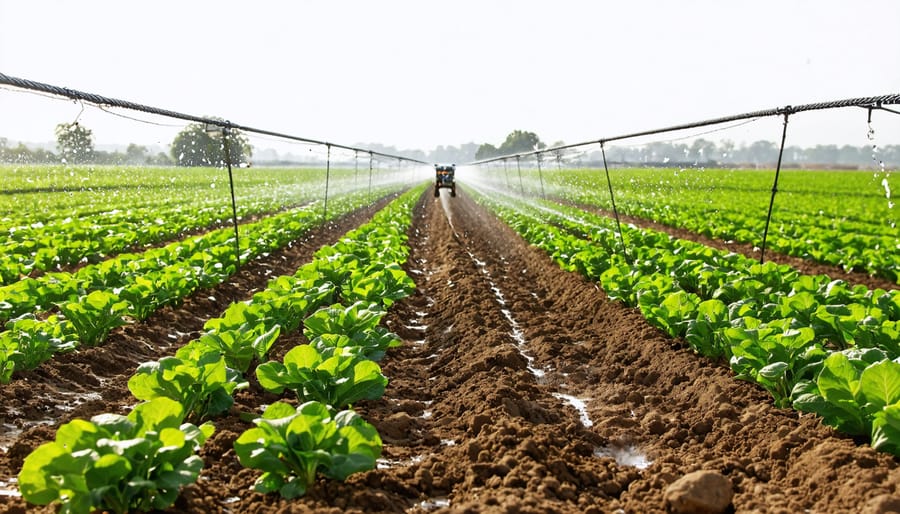
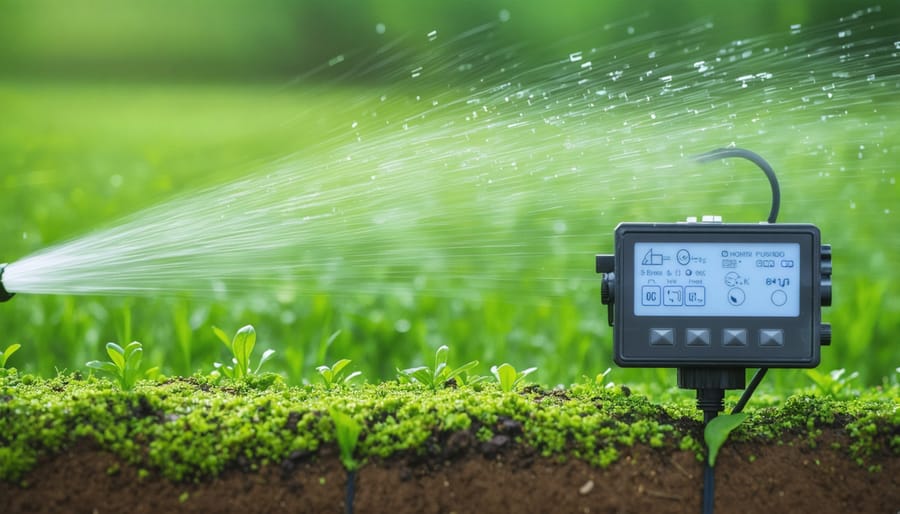
Water quality is one of the most critical aspects of FSMA compliance, but don’t let it overwhelm you—there are practical ways to manage this requirement even on small operations. The rule distinguishes between agricultural water used during growing (irrigation, frost protection) and post-harvest water (washing, cooling produce).
For growing water, you’ll need to test untreated surface water sources using two tests: generic E. coli and a geometric mean calculation. The good news? Many small farms already use well water, which typically requires less frequent testing. Start by identifying all your water sources and how you use them—this helps you understand which testing protocols apply.
Post-harvest water that touches produce must meet stricter standards, similar to drinking water quality. Many farms address this by using municipal water or installing simple filtration systems. Consider partnering with neighboring farms to share testing costs—it’s a strategy that’s worked beautifully for several community-supported agriculture operations.
Keep detailed records of your water sources, test results, and any corrective actions. Simple logbooks or spreadsheets work perfectly. Remember, inspectors appreciate farmers who demonstrate good-faith efforts toward safe practices, even if your system isn’t perfect immediately.
Composting and Soil Amendments Done Safely
One of FSMA’s most important focuses is how you treat and apply compost and manure to your produce fields. The rule distinguishes between treated and untreated biological soil amendments of animal origin (BSAAO). Treated compost—meaning it’s been processed through proper hot composting that reaches 131-170°F for specific durations—can be applied closer to harvest time. Untreated manure, however, requires longer waiting periods.
Here’s the key: you must wait at least 90 days between applying untreated BSAAO and harvesting produce that doesn’t touch the soil (like trellised tomatoes), and 120 days for crops that do contact soil or are eaten raw (lettuce, carrots, strawberries). Properly composted amendments significantly reduce this wait time, making them ideal for smaller farms with quick crop rotations.
**Practical tip:** Keep detailed records of when and where you apply amendments. Take-home farmer Maria Rodriguez from Green Valley Farm shares: “We switched to hot composting three years ago. The flexibility it gives us with planting schedules has been a game-changer—plus our soil health has never been better!”
Testing your compost process initially ensures you’re meeting FSMA standards while building nutrient-rich soil sustainably.
Worker Health and Hygiene Basics
The FSMA Produce Safety Rule recognizes that healthy workers mean safe produce. At its core, the regulation requires common-sense practices that protect everyone on your farm.
**Handwashing and Restrooms**
You’ll need to provide adequate handwashing facilities with soap, running water, and single-use towels wherever workers handle produce. These stations should be easily accessible—within a quarter mile of workers or at field entry points. Clean, well-maintained restrooms must also be available and regularly serviced.
**Health and Hygiene Training**
All workers need basic training on proper handwashing techniques, when to wash hands (before starting work, after restroom breaks, after handling animals), and the importance of reporting illnesses. The good news? This doesn’t require expensive consultants. Many growers incorporate quick demonstrations during morning check-ins.
One Vermont organic farmer shared how she turned hygiene training into a team-building opportunity, creating simple visual guides in multiple languages and celebrating their farm’s commitment to safety. Her approach not only ensured compliance but strengthened her crew’s sense of pride in their work.
Remember, these practices aren’t just regulatory boxes to check—they’re investments in your team’s wellbeing and your farm’s reputation for producing the safest, highest-quality food possible.
Making Compliance Work for Your CSA
Documentation That Actually Helps Your Farm
Good documentation doesn’t have to mean drowning in paperwork. Think of your FSMA records as tools that help you run a better farm, not just check boxes for inspectors.
Start with a simple farm map showing your water sources, growing areas, and composting spots. This visual reference helps new workers understand your layout while satisfying documentation requirements. Many farmers discover unknown cross-contamination risks just by creating this map.
Keep a basic logbook near your water source. Note the date, who tested it, and results. Over time, you’ll spot patterns—maybe your well water quality drops after heavy rains, giving you valuable insight for irrigation timing.
Track your soil amendments in a notebook or spreadsheet. Record what you applied, where, and when. This simple practice prevents over-application, saves money, and documents your 90-120 day waiting periods between raw manure application and harvest.
For worker training, photograph your handwashing stations and create a one-page guide with pictures. Keep a sign-in sheet when you review hygiene practices during spring orientation. It takes five minutes and proves you’re taking food safety seriously.
**Real farmer tip**: Sarah, who runs a three-acre market garden in Vermont, uses her phone to photograph her daily harvest logs. “I text them to myself, and they’re timestamped and backed up automatically,” she explains. “It’s faster than paper and I never lose records.”
The goal is creating systems you’ll actually use year after year—documentation that works for your operation, not against it.

Real CSA Farmers Share Their Compliance Journey
Meet Sarah Chen from Green Valley Farm in Vermont, who initially felt overwhelmed when she realized her 60-member CSA needed FSMA compliance. “I thought it would mean expensive infrastructure changes we couldn’t afford,” she recalls. Instead, Sarah discovered that documenting her existing practices covered most requirements. She invested in a simple handwashing station for $150 and created straightforward record-keeping templates. “The biggest surprise? Our members loved seeing our food safety protocols. It actually became a selling point that set us apart from other farms.”
Over in Oregon, Marcus and Jen Thompson of Riverside Community Farm turned FSMA compliance into an educational opportunity. Their 40-member CSA now offers quarterly farm tours where they showcase their water testing procedures and harvest sanitation practices. “We explained how we follow FSMA guidelines to protect food safety, and members became even more confident in our produce,” Marcus shares. The couple admits the initial learning curve felt steep, but they connected with their state’s produce safety alliance for free training. Their top tip? Start with water testing and employee training—the foundations that make everything else easier.
Wildflower CSA in North Carolina, run by Emma Rodriguez, demonstrates how compliance can streamline operations. With 75 members, Emma needed better organization anyway. “FSMA gave us the framework to professionalize without losing our farm’s heart,” she explains. She implemented color-coded harvest bins to prevent cross-contamination and created a simple daily checklist that takes just ten minutes. Emma emphasizes talking with other CSA farmers: “We formed a local cohort to share resources and templates. Nobody needs to reinvent the wheel.”
These farmers agree that starting small, using available resources, and viewing FSMA as a quality enhancement rather than a burden made all the difference in their successful compliance journeys.
Resources and Support for CSA Compliance
Navigating FSMA compliance doesn’t mean going it alone—there’s a wealth of free and low-cost support available to help you succeed. Your local Cooperative Extension Service is an excellent starting point, offering personalized guidance tailored to your region’s growing conditions and regulatory landscape. Many extension agents specialize in food safety and can even conduct on-farm consultations at no charge.
The FDA-funded Produce Safety Alliance (PSA) provides comprehensive training courses that cover everything from worker hygiene to water testing protocols. These grower training courses, often priced under $50, satisfy the qualified supervisor requirement and connect you with fellow farmers facing similar challenges. Check your state’s extension website for upcoming sessions—many are now offered online for added convenience.
Financial assistance programs can ease the burden of compliance costs. The USDA’s Environmental Quality Incentives Program (EQIP) offers cost-share funding for improvements like well upgrades or handwashing stations. Some states also provide grants specifically for small-scale produce growers implementing food safety measures.
For quick questions, the FDA’s Technical Assistance Network provides direct access to regulatory experts who understand the unique needs of small farms. State agriculture departments often maintain dedicated hotlines too. Remember, asking for help isn’t just smart—it’s what successful farmers do. One Oregon berry grower shared how a simple extension call saved her thousands by identifying which records she actually needed versus what she thought was required.
The good news? Most small-scale CSAs either qualify for exemptions or can meet FSMA Produce Safety Rule requirements with manageable, common-sense adjustments. If you’re already growing thoughtfully and communicating with your members, you’re likely closer to compliance than you realize.
Rather than viewing these regulations as burdensome, consider them an opportunity to strengthen your operation. Implementing basic food safety practices—like testing your water source, tracking amendments, and documenting your procedures—protects both your members and your farm’s reputation. Many CSA farmers have discovered that sharing their food safety efforts actually deepens member trust and loyalty.
Remember, you’re not alone in navigating these requirements. Cooperative Extension offices offer free training through the Produce Safety Alliance, covering everything you need to know in accessible, farmer-friendly terms. State departments of agriculture often provide additional resources tailored to small growers.
Start by determining your exemption status, then take incremental steps toward any needed compliance. Whether you qualify for an exemption today or anticipate growth that will eventually require full compliance, proactive food safety practices demonstrate your commitment to the people who support your farm. That dedication to quality and transparency is what makes the CSA model so powerful.