Yearly Archives

291 Articles

Smart Food Storage Secrets That Cut Waste and Save Money

Posted by darrell on
0
CSA Fundamentals and Benefits
Smart Food Storage Secrets That Cut Waste and Save Money

Transform surplus food into nutritious meals by partnering with local food banks and community kitchens to redistribute perfectly edible items before they spoil. Plan weekly menus and shopping lists meticulously, tracking household consumption patterns to prevent overbuying and reduce the growing food waste crisis that sends one-third of global food production to landfills each year.

Store produce properly using ethylene-sensitive groupings, keeping apples separate from leafy greens, and utilizing preservation techniques like freezing, canning, and fermenting to extend shelf life. Convert vegetable scraps, coffee grounds, and fruit peels into rich compost for garden beds, creating a closed-loop system that returns nutrients to the soil while diverting organic waste from landfills.

Embrace “ugly” produce at farmers’ markets and grocery stores, understanding that cosmetic imperfections don’t affect nutritional value or taste. Connect with local farmers to purchase surplus crops at reduced prices, supporting sustainable agriculture while preventing perfectly good food from going to waste. Build community sharing networks through apps and social media groups to redistribute excess garden harvests and pantry items before they spoil.

Why Your Food Storage Methods Matter More Than You Think

Temperature Control: The Golden Rule

Maintaining proper storage temperatures is your most powerful ally in the fight against food waste. Your refrigerator should stay between 35-38°F (1.7-3.3°C) to maximize food preservation while preventing freezing damage. The freezer works best at 0°F (-18°C) or slightly below.

Fresh produce has varying temperature needs. Store potatoes, onions, and garlic in a cool, dark place around 50-60°F (10-15.5°C). Most fruits and vegetables belong in the crisper drawer at about 40°F (4°C), but keep bananas, tomatoes, and avocados at room temperature until ripe.

For proteins, maintain strict temperature control. Store raw meat, fish, and dairy products at 40°F (4°C) or below. When cooking, use a food thermometer to ensure proper internal temperatures: 165°F (74°C) for poultry, 160°F (71°C) for ground meats, and 145°F (63°C) for whole cuts.

Remember the “2-Hour Rule”: don’t leave perishable foods at room temperature for more than two hours, or one hour if it’s above 90°F (32°C) outside. When in doubt, use this simple motto: “When in doubt, throw it out.”

Well-organized refrigerator with clearly labeled temperature zones and properly stored fresh produce, dairy, and meat
Organized refrigerator interior showing proper food storage zones and temperature control

Storage Container Solutions That Actually Work

Investing in the right storage containers can dramatically extend the life of your produce and reduce food waste. Glass containers with snap-tight lids are excellent for storing prepared meals and leftovers, as they’re airtight and allow you to easily see what’s inside. For fresh produce, consider containers with built-in ventilation systems that regulate moisture and airflow – these can keep your greens crisp for up to two weeks.

Reusable silicone bags are perfect for storing herbs and smaller portions, while mesh produce bags help fruits and vegetables breathe while keeping them organized. A game-changer for many home cooks is the set of stackable containers with adjustable dividers, letting you customize storage space based on your needs.

Don’t overlook the power of proper packaging methods. Using paper towels to absorb excess moisture in greens containers, storing herbs upright in water like flowers, and separating ethylene-producing fruits from other produce can significantly extend shelf life. Remember to label containers with contents and dates to keep track of what needs to be used first.

Smart Shopping Strategies That Prevent Waste

Smartphone screen showing a meal planning app with weekly calendar, shopping list, and food inventory tracking
Digital meal planning calendar with shopping list and ingredient inventory

The Meal Planning Method

Effective meal planning is a cornerstone of reducing food waste while helping you save money on fresh produce. Start by conducting a weekly kitchen inventory before planning your meals. Take note of items that need to be used soon, especially perishables like fresh vegetables and fruits.

Create a flexible weekly menu that incorporates ingredients you already have, focusing on using items with shorter shelf lives early in the week. When planning portions, be realistic about how much your household actually eats rather than preparing excess amounts.

Consider implementing a “cook once, eat twice” strategy by planning meals that can utilize leftover ingredients. For example, roasted vegetables from dinner can become part of tomorrow’s lunch salad or soup. Keep a running list of “flexible meals” – recipes that can accommodate various ingredient substitutions based on what you have on hand.

When shopping, stick to your meal plan list and avoid impulse purchases. Store your ingredients properly and organize your fridge with “eat first” sections for items that need to be used quickly. Review your meal plan mid-week and adjust as needed – it’s okay to swap meals around based on changing schedules or leftover ingredients.

Remember to factor in occasional dining out or unexpected events that might affect your meal schedule. This realistic approach helps prevent over-purchasing and ensures your meal plan serves as a practical guide rather than a rigid structure.

Shopping List Success

A well-planned shopping list is your secret weapon in the fight against food waste. Start by conducting a thorough kitchen inventory before heading to the store – check your pantry, refrigerator, and freezer to avoid buying duplicates. Create your list based on specific meals you plan to prepare for the week, considering portion sizes and any upcoming events that might affect your dining schedule.

Consider organizing your shopping list by store layout or food categories to shop more efficiently and avoid impulse purchases. Include quantities next to each item to prevent overbuying, and always note when you’ll use each ingredient in your meal plan. Keep a running list throughout the week as you notice items running low, rather than trying to remember everything at once.

Before finalizing your list, check for seasonal produce availability and local market schedules. This helps you plan around fresh, seasonal ingredients that typically last longer and offer better value. Use your phone to take photos of your pantry or keep a digital list that you can easily update and share with family members.

Remember the “shop the perimeter” rule – most fresh, perishable items are located along the store’s outer edges. This helps you focus on whole foods first and ensures you’re mindful of items that need to be used quickly. Finally, never shop hungry – it leads to impulsive purchases that often end up as waste.

Creative Ways to Use ‘Imperfect’ Produce

Beyond the Compost Bin

Don’t let aging produce go to waste! Those spotty bananas can transform into delicious banana bread, while overripe berries make perfect smoothie ingredients or homemade jam. Wilting herbs can be dried or blended into flavorful pestos and sauces. Even vegetable scraps have potential – carrot tops, beet greens, and broccoli stems can become nutritious additions to soups and stir-fries.

Create your own “use it up” recipes by combining aging produce with pantry staples. Soft tomatoes are perfect for homemade sauce, while wrinkled bell peppers add wonderful flavor to fajitas. Bruised apples make excellent applesauce or can be added to morning oatmeal. Stale bread becomes croutons, breadcrumbs, or the base for a savory bread pudding.

Consider preservation methods like pickling, dehydrating, or freezing to extend produce life. Pickle those cucumber extras, dehydrate fruit for healthy snacks, or freeze herb cubes in olive oil for future cooking. Remember that many “imperfect” vegetables can still shine in dishes where appearance isn’t crucial – think soups, casseroles, or blended dips.

Get creative and experiment with new recipes. Sometimes the most delicious dishes come from finding innovative ways to use what you already have.

Preservation Techniques

Proper preservation techniques can significantly extend the life of fresh produce and reduce food waste in your home. Start by understanding the optimal storage conditions for different types of fruits and vegetables. Some produce, like apples and bananas, release ethylene gas that can speed up ripening in other foods, so store them separately.

For longer-term preservation, consider traditional methods like canning, pickling, and fermentation. These techniques not only prevent waste but also create delicious preserved foods that can be enjoyed throughout the year. Freezing is another excellent option – blanch vegetables briefly before freezing to maintain their quality and nutritional value.

Dehydrating fruits and vegetables is an energy-efficient preservation method that creates portable, long-lasting snacks. Modern food dehydrators make this process simple, but you can also use your oven on its lowest setting or even sun-dry certain items.

Root cellaring is a time-tested technique for storing hardy vegetables like potatoes, onions, and winter squash. A cool, dark, and slightly humid environment can keep these items fresh for months. Even without a dedicated root cellar, you can create similar conditions in a basement or garage.

Remember to check stored produce regularly and use the “first in, first out” principle to minimize spoilage.

Community-Level Solutions

Food Sharing Networks

Food sharing networks are revolutionizing the way communities tackle food waste while strengthening local connections. These grassroots initiatives, often emerging from community supported agriculture programs, create efficient systems to redistribute surplus food to those who can use it.

Popular apps like OLIO and Too Good To Go make it easy to connect with neighbors and share excess food that might otherwise go to waste. Whether it’s garden vegetables, pantry items, or prepared meals, these platforms help ensure good food finds a home rather than a landfill.

Community fridges are another innovative solution gaining traction. These publicly accessible refrigerators allow anyone to donate or take food, operating on a simple “give what you can, take what you need” principle. Local businesses, restaurants, and individuals can contribute surplus food, creating a sustainable cycle of sharing.

Starting a food sharing initiative in your neighborhood is surprisingly simple. Begin by creating a social media group or joining existing platforms. Partner with local grocery stores, restaurants, and farmers for regular donations. Remember to establish clear guidelines for food safety and quality standards.

For maximum impact, coordinate with local food banks and shelters to ensure surplus food reaches those who need it most. Regular community events like “share fairs” can also help normalize food sharing while building stronger neighborhood connections.

Diverse group of volunteers sorting and sharing rescued food items at a community food sharing event
Community food sharing event with volunteers distributing surplus food

Local Food Recovery Programs

Local food recovery programs serve as vital bridges between surplus food and communities in need. These grassroots initiatives work directly with farms, restaurants, and grocery stores to rescue perfectly good food that would otherwise go to waste. By participating in food sharing initiatives, community members can make a significant impact in reducing food waste while helping neighbors in need.

To get involved, start by connecting with local food banks and community organizations that already have recovery networks in place. Many CSA farms participate in these programs, donating excess produce that doesn’t meet retail standards but is still perfectly nutritious. Volunteers can help with gleaning – collecting leftover crops from fields after commercial harvest – or assist with transportation and distribution.

Consider starting a neighborhood food rescue group using social media or community bulletin boards to coordinate collection and distribution. Restaurant owners can partner with recovery programs to donate prepared foods that haven’t been served, while following proper food safety guidelines.

Technology plays an increasingly important role, with apps connecting donors to nearby recipient organizations in real-time. These platforms make it easier for small businesses and individuals to participate in food recovery while ensuring quick distribution of perishable items.

Success stories from local programs show that even small-scale efforts can yield impressive results, with some communities reducing food waste by up to 30% through coordinated recovery efforts.

Reducing food waste is a journey we can all embark on today, and every small step counts toward creating a more sustainable future. By implementing smart shopping practices, proper food storage techniques, and creative cooking methods, we can significantly decrease the amount of food that ends up in landfills. Remember that meal planning, portion control, and understanding food labels are powerful tools in our waste-reduction toolkit.

Community-level initiatives like food sharing programs, composting networks, and educational workshops have shown remarkable success in reducing waste across neighborhoods and cities. Local farmers and food banks are valuable partners in this effort, helping to redistribute surplus food to those in need.

The time to act is now. Start with one simple change this week, whether it’s creating a meal plan, setting up a composting bin, or connecting with local food rescue organizations. As more people embrace these practices, we create a ripple effect that transforms how our society values and handles food. Together, we can build a future where food waste becomes the exception rather than the norm.

CSA Health Benefits: Your Fresh Path to Better Living

Posted by darrell on
0
CSA Fundamentals and Benefits
CSA Health Benefits: Your Fresh Path to Better Living

Discover the life-changing impact of health and welfare benefits through Community Supported Agriculture (CSA) programs that are actively transforming health and nutrition in communities across the country. These comprehensive wellness programs deliver fresh, seasonal produce directly to your doorstep while supporting local farmers and sustainable agriculture practices. Beyond just fruits and vegetables, CSA health and welfare benefits encompass mental well-being through connection to local food systems, enhanced nutritional education, and direct access to farmers who share valuable insights about sustainable living. For families and individuals seeking to improve their overall health, CSA programs offer a practical, community-centered approach that combines immediate nutritional benefits with long-term wellness support, making it easier than ever to embrace a healthier, more sustainable lifestyle.

Fresh Food, Fresh Benefits: Understanding CSA Health Advantages

Assorted fresh vegetables and fruits arranged in a wooden CSA delivery box
Vibrant display of fresh, seasonal produce from a CSA box including colorful vegetables and fruits

Nutritional Excellence

Fresh, seasonal produce from local farms offers superior nutritional benefits compared to conventional store-bought alternatives. When fruits and vegetables are harvested at peak ripeness and consumed shortly after, they retain their maximum nutritional value. This means higher levels of essential vitamins, minerals, and antioxidants that support overall health and wellness.

Seasonal produce naturally aligns with our body’s nutritional needs throughout the year. For instance, summer vegetables like tomatoes and cucumbers provide hydration and cooling properties, while winter root vegetables offer dense nutrients and warming comfort. Local farmers often grow diverse varieties of crops, including heritage varieties known for their exceptional nutritional profiles.

The short journey from farm to table ensures minimal nutrient loss, unlike produce that travels long distances and sits in storage. Additionally, small-scale farmers frequently use organic or low-intervention growing methods, resulting in produce with higher concentrations of beneficial compounds. Many farmers also focus on building healthy soil, which directly correlates to the nutritional density of the crops they grow.

Research shows that people who regularly consume fresh, local produce tend to have more varied and nutritionally complete diets.

Peak-Season Harvesting

Enjoying produce at its peak ripeness offers incredible health and flavor benefits that simply can’t be matched by off-season alternatives. When fruits and vegetables are harvested at their optimal maturity, they contain higher levels of essential nutrients, vitamins, and minerals. Local farmers can pick their crops at exactly the right moment, ensuring maximum nutritional value and taste.

Peak-season produce doesn’t need to travel long distances or sit in storage, which means less nutrient loss between harvest and consumption. For example, tomatoes picked at their peak contain significantly more vitamin C and antioxidants than those harvested early for long-distance shipping. Similarly, freshly picked greens offer superior levels of folate and iron compared to their store-bought counterparts.

The enhanced flavor of peak-season produce also encourages increased consumption of healthy foods. When vegetables and fruits taste their best, families are more likely to incorporate them into meals and snacks, naturally boosting their daily intake of essential nutrients. This direct connection to seasonal eating helps establish healthier dietary habits while supporting local agricultural communities.

Wellness Beyond the Plate

Mental Health Connection

The connection between farm-fresh eating and mental health is becoming increasingly clear, as research shows that participating in a CSA program can revolutionize your kitchen and health, including your psychological well-being. When you receive your weekly box of vibrant, locally grown produce, you’re not just getting nutrients – you’re gaining a mindful connection to your food that can boost your mood and reduce stress.

Many CSA members report feeling a sense of joy and accomplishment in preparing meals with fresh, seasonal ingredients. This creative process of cooking with farm-fresh produce can be therapeutic, offering a welcome break from daily stresses. The ritual of unpacking your CSA box, planning meals, and connecting with your food source creates mindful moments that contribute to emotional well-being.

Additionally, knowing where your food comes from and supporting local farmers can provide a sense of community and purpose. This social connection, combined with the satisfaction of making healthy choices, has been linked to reduced anxiety and improved overall mental outlook. Regular exposure to fresh, colorful produce also supports brain health through essential nutrients that regulate mood and cognitive function.

The seasonal eating patterns encouraged by CSA membership help create a natural rhythm to your diet and lifestyle, which many find grounding and stabilizing. This connection to nature’s cycles can help reduce the mental fatigue often associated with decision-making around food choices.

Community Health Integration

CSA programs create powerful ripple effects throughout local communities, fostering connections and promoting collective well-being. When members gather at pickup locations or farm events, they naturally form bonds with fellow participants who share their values for healthy, sustainable living. These social connections often evolve into recipe exchanges, shared meals, and lasting friendships that enhance mental and emotional wellness.

Many CSAs organize community events like harvest festivals, cooking demonstrations, and educational workshops that bring people together while promoting healthy eating habits and sustainable living practices. Children especially benefit from these gatherings, learning about food origins and developing positive relationships with fresh produce through hands-on experiences.

The community aspect extends beyond just social benefits. CSA members often report feeling more connected to their local food system and agricultural heritage. This enhanced awareness typically leads to more mindful consumption habits and increased support for other local food initiatives, creating a healthier food environment for everyone.

Some CSAs partner with local schools and community organizations to provide educational programs and donate surplus produce to food banks, extending their health benefits to the broader community. This collaborative approach helps address food security issues while promoting nutrition education and sustainable farming practices across different demographic groups.

Parents and children preparing a healthy meal with fresh CSA produce
Family cooking together with CSA vegetables in a bright kitchen setting

Making the Most of Your CSA Health Benefits

Seasonal Cooking Strategies

Eating seasonally isn’t just good for your wallet – it’s a delicious way to maximize the nutritional value of your meals. When fruits and vegetables are harvested at peak ripeness, they contain their highest levels of vitamins, minerals, and antioxidants. To make the most of seasonal produce, start by familiarizing yourself with local growing calendars and planning your meals accordingly.

In spring, incorporate tender greens like spinach, arugula, and fresh herbs into salads and pestos. Light stir-fries with asparagus, peas, and early root vegetables make perfect transitional meals. Summer brings an abundance of tomatoes, peppers, and zucchini – ideal for grilling, fresh salsas, and vegetable-forward pasta dishes.

Fall harvest calls for hearty soups and roasted vegetable medleys featuring squash, sweet potatoes, and Brussels sprouts. Winter cooking can focus on stored root vegetables, hardy greens like kale, and preserved summer bounty. Consider batch cooking and freezing seasonal ingredients when they’re plentiful.

Get creative with preservation methods like pickling, canning, and dehydrating to extend the seasonal bounty. Join a local cooking class or community kitchen to learn new techniques for preparing unfamiliar vegetables. Remember that eating seasonally connects you not just to better nutrition, but to the natural rhythms of your local food system.

Storage and Preservation

To maximize the nutritional benefits of your CSA produce, implementing proper storage methods is essential. Start by sorting your vegetables as soon as you receive them, removing rubber bands and twist ties that can speed up deterioration. Store leafy greens in airtight containers with a paper towel to absorb excess moisture, extending their freshness for up to a week.

Root vegetables like carrots and potatoes prefer cool, dark environments and can last several weeks when stored properly in your pantry or cellar. For herbs, treat them like fresh flowers by trimming the stems and placing them in water, covered loosely with a plastic bag in your refrigerator.

Fruits generally need different storage conditions than vegetables. Keep ethylene-producing fruits like apples and pears separate from other produce, as they can cause premature ripening. Most berries should be stored unwashed in the refrigerator and cleaned just before eating to prevent mold growth.

Consider investing in produce-saving containers or bags designed to extend shelf life. Many CSA members find success using beeswax wraps as an eco-friendly alternative to plastic. Remember to check your stored produce regularly and use items that ripen first to minimize waste and maintain the highest nutritional value.

Visual guide demonstrating storage techniques for various fruits and vegetables
Infographic showing proper storage methods for different types of produce

Joining a CSA program offers a wealth of health and wellness benefits that extend far beyond just having fresh produce delivered to your doorstep. From accessing nutrient-rich, seasonal vegetables to becoming part of a vibrant community of health-conscious individuals, CSA membership can transform your approach to eating and living well. The direct connection to your local farm ensures you’re getting the freshest possible produce, packed with essential vitamins and minerals that are often diminished in store-bought alternatives.

Remember, investing in a CSA isn’t just about improving your personal health – it’s about supporting a sustainable food system that benefits everyone. By participating in a CSA, you’re making a conscious choice to nourish your body with clean, wholesome food while supporting local farmers and environmental stewardship. Whether you’re looking to enhance your nutrition, reduce your environmental impact, or simply enjoy better-tasting food, CSA membership offers a practical and rewarding path to achieving these goals.

Take the first step toward better health by exploring CSA options in your area. Your body, local farmers, and the planet will thank you for it.

Turn Your CSA Bounty into Probiotic Gold: Master Vegetable Fermentation at Home

Posted by darrell on
0
Culinary and Food Preservation
Turn Your CSA Bounty into Probiotic Gold: Master Vegetable Fermentation at Home

Transform your seasonal vegetables into probiotic powerhouses using time-tested traditional preservation methods. Harness the natural fermentation process by creating your own starter culture from organic cabbage leaves, which naturally harbor beneficial lactobacillus bacteria. Mix one tablespoon of sea salt per cup of filtered water to create the perfect brine concentration that encourages good bacteria while inhibiting harmful microorganisms. Combine this living starter with fresh vegetables from your CSA share to kickstart fermentation within 24-48 hours, preserving nutrients and developing complex flavors that enhance your seasonal produce. This natural process not only extends the life of your harvest but also creates enzyme-rich foods packed with beneficial probiotics that support gut health and immune function.

Why Start with a Fermentation Starter?

Starting your fermentation journey with a proper starter culture is like giving your vegetables a head start in their transformation journey. While vegetables can ferment naturally with their own wild bacteria, using a starter culture helps ensure more consistent and reliable results. Think of it as introducing a team of friendly bacteria that already know exactly what to do!

These beneficial microorganisms quickly colonize your ferment, creating an environment that promotes good bacteria while discouraging unwanted organisms. This means your fermented vegetables are not only safer to eat but also develop their characteristic tangy flavors more predictably and often more quickly.

For CSA members dealing with abundant seasonal produce, using a starter can be particularly valuable. It helps reduce the risk of failed ferments, which means less waste of your precious organic vegetables. Plus, starter cultures often contain specific strains of probiotics that can enhance the nutritional value of your fermented foods.

Many successful home fermenters have found that using starters gives them more confidence in their preservation projects. Sarah, a local CSA member, shares, “Once I started using a proper starter culture, my success rate with kimchi and sauerkraut improved dramatically. The peace of mind alone is worth it!”

Starting with a fermentation starter is especially recommended for beginners or when working with more delicate vegetables that might benefit from extra protection during the fermentation process.

Active fermentation process in a glass jar with layered vegetables and bubbling brine
Glass jar showing layers of vegetables being fermented with visible brine and bubbles

Natural vs. Commercial Starters for Your CSA Vegetables

Making Your Own Starter from Scratch

Creating your own fermentation starter is simpler than you might think. Begin by choosing fresh, organic vegetables like cabbage, carrots, or radishes. Finely chop or grate about 2 cups of vegetables and place them in a clean glass jar. Add 2 tablespoons of non-iodized salt and massage it into the vegetables until they release their natural juices.

Fill the jar with filtered water until the vegetables are completely submerged, leaving about an inch of headspace at the top. Cover the jar with a clean cloth or coffee filter secured with a rubber band to keep out dust while allowing air flow.

Place the jar in a warm spot (65-75°F) away from direct sunlight. After 3-5 days, you should notice bubbling and a slightly sour smell – these are signs of active fermentation. Taste the liquid daily until it develops a pleasant, tangy flavor.

Once your starter is ready, strain the liquid and store it in an airtight container in the refrigerator. It will keep for several months and can be used to kickstart future fermentation projects.

Four images showing the progression of making a natural fermentation starter from cabbage
Step-by-step process of making a natural cabbage-based starter culture

Ready-Made Starter Options

While many fermentation enthusiasts prefer creating their own starters, commercial options can be a convenient and reliable choice, especially for beginners. These ready-made starters typically come in powder or liquid form and contain carefully selected strains of beneficial bacteria that kickstart the fermentation process.

Look for starters containing Lactobacillus species, which are particularly effective for vegetable fermentation. These can be found at natural food stores, brewing supply shops, or through online retailers. Some popular brands include Cutting Edge Cultures and Body Ecology, which offer vegetable-specific culture blends.

Commercial starters are particularly useful when:
– You’re new to fermentation and want consistent results
– Working with expensive or special ingredients
– Fermenting in challenging conditions (extreme temperatures)
– Seeking specific probiotic strains
– Need to complete fermentation quickly

While using commercial starters adds a small cost to your fermentation projects, they provide peace of mind and reliability. Remember that once you’re comfortable with the process, you can transition to using juice from previous successful ferments as a starter, making your practice more sustainable and cost-effective.

Matching Starters to Your CSA Vegetables

Summer Produce Fermentation

Summer brings an abundance of seasonal summer vegetables perfect for fermentation. Tomatoes, cucumbers, and zucchini require special attention due to their high water content. For successful summer ferments, use a 3-4% salt brine solution and keep vegetables fully submerged to prevent mold growth in warmer temperatures.

Add grape, oak, or horseradish leaves to maintain crispness in cucumber ferments. For tomatoes, pierce the skin several times before fermenting to prevent splitting. Zucchini works best when cut into uniform spears or coins, and adding garlic and dill creates a delicious pickle.

Summer herbs like basil, dill, and oregano make excellent flavor additions. Maintain fermentation temperatures between 65-75°F (18-24°C) using cool, dark storage spaces or basement areas. Check ferments daily during hot weather, as they progress more quickly than in cooler seasons. Most summer vegetable ferments reach optimal flavor within 3-7 days.

Fall and Winter Vegetable Fermentation

Fall and winter vegetables offer unique opportunities for fermentation, with their dense, crisp textures perfectly suited for preservation. Root vegetables like carrots, beets, and turnips maintain excellent crunch through the fermentation process, while cabbage family crops create deliciously tangy ferments. Cold-season crops typically have higher sugar content, which can speed up fermentation, so monitoring your batches closely is essential.

For best results with autumn and winter vegetables, maintain a slightly cooler fermentation temperature between 65-68°F (18-20°C). This slower fermentation helps develop complex flavors while preventing mushiness. Consider combining hardy winter vegetables like rutabaga with warming spices such as ginger or garlic for robust seasonal ferments.

Storage crops like winter squash can also be fermented, though they require careful preparation to maintain texture. A salt concentration of 2-2.5% typically works well for most cold-season vegetables, helping preserve their natural crispness while ensuring safe fermentation.

Visual guide showing normal vs problematic fermentation signs including kahm yeast and mold
Comparison chart showing common fermentation problems with visual examples

Troubleshooting Your Ferments

Even with the best food preservation techniques, fermentation projects can sometimes go awry. Here’s how to address common challenges when using vegetable fermentation starters:

If your ferment develops a white film on top, don’t panic! This is usually kahm yeast, which is harmless though not particularly appealing. Simply skim it off and ensure vegetables remain fully submerged in brine.

Soft or mushy vegetables often indicate too-warm fermentation temperatures. Keep your ferments between 65-72°F (18-22°C) for best results. If vegetables float above the brine, try using a fermentation weight or cabbage leaf to keep them submerged.

Noticing an odd smell? While ferments should smell tangy and pleasantly sour, any rotten or truly offensive odors indicate something’s wrong. Trust your nose – if it smells bad, it probably is. Start fresh with clean equipment and precise measurements of starter culture.

For ferments that aren’t becoming acidic enough, check your salt ratios and ensure you’re using the right amount of starter culture. Too much salt can slow fermentation, while too little might not protect against harmful bacteria.

Mold is never welcome in fermentation. If you spot any colored or fuzzy growth, especially black, blue, or green, discard the batch and start over. Prevention is key: always use clean equipment, proper salt ratios, and keep vegetables submerged.

Remember that bubbling, a slight tang, and a clean, sour smell are all signs of healthy fermentation. When in doubt, start fresh rather than risk consuming spoiled food.

Embarking on your fermentation journey is an exciting adventure that combines science, tradition, and creativity. While this guide provides a solid foundation for getting started with vegetable fermentation starters, remember that experimentation is key to finding what works best for you. Start with simple ferments like cabbage or carrots, and as your confidence grows, explore different vegetable combinations and starter cultures.

Always prioritize food safety by maintaining clean equipment, using appropriate salt ratios, and monitoring your ferments regularly. Pay attention to signs of successful fermentation, such as bubbling activity and pleasant sour aromas. If you notice any unusual colors, off-putting smells, or mold growth, it’s better to err on the side of caution and start fresh.

Join local fermentation communities or online forums to share experiences and learn from others. Each batch of fermented vegetables tells a story and contributes to the age-old tradition of food preservation. With practice and patience, you’ll develop an intuitive understanding of the process and create delicious, probiotic-rich foods that can be enjoyed throughout the year.

CSA Farm Shares: A Win-Win Partnership Between Farmers and Communities?

Posted by darrell on
0
CSA Fundamentals and Benefits
CSA Farm Shares: A Win-Win Partnership Between Farmers and Communities?

Imagine picking up a box of farm-fresh vegetables, knowing exactly who grew them and how your purchase directly supports local agriculture. Community supported agriculture has emerged as a powerful solution bridging the gap between farmers and consumers, but it comes with distinct advantages and challenges worth considering. As urban communities increasingly seek connections to their food sources, CSA programs offer a unique model that transforms the traditional farmer-consumer relationship into a partnership based on shared risk and reward.

This direct farm-to-table approach revolutionizes how we think about food security, sustainable agriculture, and community resilience. Whether you’re a health-conscious consumer, an advocate for local food systems, or simply curious about alternative food sourcing, understanding the full spectrum of CSA benefits and limitations helps make an informed decision about participation. From guaranteed fresh produce and environmental sustainability to scheduling challenges and seasonal limitations, let’s explore how CSA programs impact both individual participants and their broader communities.

Direct Community Benefits of CSA Programs

Fresh, Seasonal Food Access

One of the most compelling advantages of joining a CSA is the unparalleled access to fresh, locally grown produce throughout the growing season. Members receive a regular supply of vegetables, fruits, and herbs harvested at peak ripeness, ensuring maximum nutritional value and flavor. These seasonal produce benefits extend beyond just taste – you’ll discover new varieties of vegetables and learn to cook with ingredients you might not typically find at the grocery store.

CSA members often report feeling more connected to the natural growing cycles of their region, as their weekly shares reflect what’s currently thriving in local fields. This direct farm-to-table connection means produce typically reaches your kitchen within 24-48 hours of harvest, compared to the week or longer it takes for conventional grocery store produce to arrive on shelves.

The variety and abundance of fresh produce often encourage members to adopt healthier eating habits and experiment with new recipes. Many CSA farmers also provide storage tips and recipe suggestions, helping members make the most of their seasonal bounty while reducing food waste.

Fresh CSA box contents including colorful seasonal produce and leafy greens
Diverse array of seasonal vegetables and fruits in CSA box being unpacked

Economic Support for Local Farmers

CSAs provide crucial financial stability for local farmers through upfront payments at the start of the growing season. This advance funding helps farmers purchase seeds, equipment, and supplies without taking on substantial debt. When community members invest in CSA shares, they essentially become partners in the farm’s success, sharing both the rewards and risks of agriculture.

Many small-scale farmers report that CSA programs have been instrumental in keeping their farms viable. The guaranteed income stream allows them to focus on growing quality produce rather than worrying about marketing and sales. This model also helps farmers better plan their crops and manage resources efficiently, knowing exactly how many members they need to feed.

Beyond direct financial support, CSAs often create lasting relationships between farmers and consumers. These connections can lead to additional business opportunities, such as special orders, farm events, and educational workshops. Some CSA farmers have even expanded their operations to include value-added products like jams, pickles, and baked goods, further diversifying their income streams.

The steady support from CSA members also enables farmers to employ sustainable farming practices that might be too risky or costly under traditional market-driven agriculture.

Educational Opportunities

CSA memberships offer unique learning opportunities that extend beyond just receiving fresh produce. Many farms welcome members for educational visits, where you can witness firsthand how your food is grown and learn about sustainable farming practices. Farm newsletters typically include seasonal recipes, growing tips, and insights into agricultural challenges and successes. Children especially benefit from these experiences, gaining hands-on knowledge about food production through farm tours and harvest celebrations. Some CSAs even offer workshops on food preservation, cooking demonstrations, and gardening classes, helping members develop valuable skills while fostering a deeper connection to their food source. These educational components create an interactive experience that transforms members from passive consumers into knowledgeable participants in their local food system.

Challenges and Considerations

Community members helping local farmer harvest vegetables in field
Farmer and CSA members working together during harvest day

Share Management Responsibilities

Being part of a CSA program involves more than just receiving fresh produce – it requires active participation in food planning and time management. Members need to set aside time each week to pick up their shares, often during specific hours at designated locations. This commitment can be challenging for those with unpredictable schedules or frequent travel plans.

Food planning becomes a weekly adventure as members learn to work with seasonal ingredients and varying quantities. While exciting for cooking enthusiasts, it can feel overwhelming when you receive unfamiliar vegetables or larger quantities than expected. Some weeks might bring an abundance of tomatoes and zucchini, requiring quick decisions about preserving, sharing, or incorporating them into multiple meals.

Many CSA members find success by developing weekly meal planning routines around their expected share contents. Some farms provide advance notice of upcoming produce, making it easier to plan accordingly. However, weather conditions and crop yields can affect what actually arrives in your box, requiring flexibility and creativity in the kitchen.

Storage management is another crucial aspect. Members need adequate refrigerator space and knowledge of proper storage techniques to keep their produce fresh throughout the week. Some CSAs offer storage tips and recipe suggestions, helping members maximize their share’s potential and minimize food waste.

The time investment extends beyond pickup and storage. Processing and preparing fresh produce takes more time than using pre-cut vegetables from the grocery store, but many members find this hands-on connection with their food deeply satisfying.

Cost and Accessibility Factors

CSA memberships typically require an upfront payment for the entire growing season, which can range from $300 to $1,000 depending on share size and location. While this initial investment might seem steep, it often breaks down to $20-40 per week for fresh, locally grown produce – comparable to or less than organic grocery store prices.

Many CSAs offer flexible payment plans to make shares more accessible, including monthly installments or sliding-scale pricing based on income. Some farms accept SNAP benefits (food stamps) and offer scholarship programs for low-income families. Work-share opportunities are also common, allowing members to reduce costs by contributing labor on the farm.

The payment structure benefits farmers by providing crucial early-season capital for seeds, equipment, and operating expenses. However, members should understand they’re sharing both the bounty and risks of farming. If crops fail due to weather or pests, the weekly share quantity might decrease.

Share pickup logistics can affect accessibility. Most CSAs offer convenient pickup locations at farmers’ markets, community centers, or workplace delivery. Some farms provide home delivery for an additional fee. However, members need reliable transportation and must commit to picking up their share during designated times to avoid food waste.

For budget-conscious consumers, splitting a share with another household can make CSA participation more manageable while maintaining the benefits of fresh, seasonal produce.

Long-term Community Impact

Environmental Sustainability

Community Supported Agriculture significantly reduces the environmental impact of food production through several key mechanisms. One of the most notable benefits is the dramatic reduction in food miles – the distance food travels from farm to plate. When you participate in a CSA, your produce typically travels just a few miles rather than thousands, substantially decreasing transportation-related carbon emissions.

CSA farms generally embrace sustainable farming practices that protect and enhance the local ecosystem. These methods often include crop rotation, natural pest management, and soil conservation techniques that maintain soil health without relying heavily on synthetic fertilizers or pesticides. Many CSA farmers also implement water-saving irrigation systems and use renewable energy sources for farm operations.

The seasonal nature of CSAs naturally promotes biodiversity, as farmers grow various crops suited to local climate conditions. This diversity helps create resilient agricultural systems that better withstand climate challenges while providing habitat for beneficial insects and wildlife. Additionally, CSA farms often maintain buffer zones and hedgerows that further support local ecosystems.

CSA programs also reduce packaging waste significantly. Unlike supermarket produce wrapped in plastic, CSA shares typically come in reusable boxes or bags. Many CSA farms also compost organic waste on-site, creating a closed-loop system that minimizes environmental impact while enriching their soil naturally.

Visual comparison of traditional vs CSA food distribution environmental impact
Infographic showing reduced food miles and environmental impact of CSA

Community Building

CSA programs create vibrant social networks that extend far beyond simple food distribution. When you join a CSA, you become part of a close-knit community of people who share your values about sustainable agriculture and healthy eating. Regular pick-up days become social events where members exchange recipes, share cooking tips, and forge lasting friendships.

These programs are instrumental in building stronger communities through various shared activities. Many CSAs host harvest festivals, farm dinners, and educational workshops where members can learn about sustainable farming practices while connecting with their neighbors. Children particularly benefit from these gatherings, developing an early understanding of where their food comes from and forming positive associations with healthy eating.

The community aspect of CSAs also creates a resilient local food system. When members invest in local farms, they help preserve agricultural land and support farming families who become integral parts of the community. This mutual support system proves especially valuable during challenging times, such as natural disasters or economic downturns, when communities can rely on their established local food networks.

Additionally, CSA members often develop a deeper appreciation for seasonal eating and local food traditions, leading to the sharing of cultural knowledge and cooking practices across different community groups. This exchange of ideas and experiences enriches the community’s collective understanding of sustainable living and food security.

Food System Transformation

Community Supported Agriculture (CSA) programs are playing a pivotal role in reshaping our local food systems from the ground up. By creating direct connections between farmers and consumers, CSAs help build a more resilient and sustainable food network that benefits both rural and urban communities.

Through CSA programs, farmers can better predict their income and plan their crops with confidence, leading to reduced food waste and more efficient land use. This stability allows them to focus on sustainable farming practices and crop diversity rather than just high-yield commercial crops. Many CSA farmers report being able to experiment with heritage varieties and innovative growing techniques, knowing they have a guaranteed market for their produce.

The impact extends beyond individual farms to create ripple effects throughout the local economy. When consumers spend their food dollars on CSAs, more money stays within the community, supporting local businesses and creating agricultural jobs. This economic model has inspired many young farmers to start their own operations, helping to preserve farmland and agricultural knowledge for future generations.

CSAs also serve as educational hubs, teaching members about seasonal eating, food preparation, and sustainable agriculture. This knowledge sharing helps create more informed consumers who make environmentally conscious food choices. Many communities have seen CSA programs spark interest in other local food initiatives, from farmers’ markets to school gardens, creating a more connected and sustainable food system.

Community Supported Agriculture represents a powerful model for strengthening local food systems while fostering meaningful connections between farmers and consumers. While CSA participation comes with its share of challenges, including seasonal variability and the need for meal planning flexibility, the benefits often extend far beyond the dinner table.

By joining a CSA, members become active participants in their local food economy, directly supporting small-scale farmers and helping preserve agricultural land. This partnership creates resilient communities where farmers can focus on sustainable growing practices without the pressures of traditional market forces.

The impact of CSAs ripples through communities, from creating local jobs to reducing food miles and environmental impact. Members often report feeling more connected to their food sources, developing new cooking skills, and sharing in both the bounty and challenges of seasonal farming.

For those considering CSA membership, success often lies in understanding and accepting both the rewards and responsibilities. While it may require adapting to seasonal eating patterns and occasionally dealing with produce surplus, many members find the experience transforms their relationship with food and their local community.

Whether you’re a seasoned cook or just beginning to explore local food options, CSA participation offers a unique opportunity to support sustainable agriculture while enjoying fresh, nutritious produce. The key is finding the right program that aligns with your household needs and values, creating a mutually beneficial relationship between you and your local farmer.

How Global Learning Networks Are Revolutionizing School Garden Programs

Posted by darrell on
0
Educational Programs and Partnerships
How Global Learning Networks Are Revolutionizing School Garden Programs

Global collaborative learning revolutionizes agricultural education by connecting students across continents to share sustainable farming practices, cultural knowledge, and practical growing techniques. Students in Canada partner with peers in Mexico to compare soil health strategies, while young farmers in India exchange organic pest control methods with counterparts in Brazil – all through transforming education through school gardens and digital platforms.

This hands-on approach creates a living laboratory where traditional farming wisdom meets modern sustainable practices. Young learners document their growing seasons, share real-time data about crop yields, and solve common agricultural challenges together through video conferences and collaborative online projects. The result? A new generation of globally-minded farmers who understand both hyperlocal growing conditions and universal principles of sustainable agriculture.

By breaking down geographical barriers, this educational model enables students to witness firsthand how climate change affects growing seasons differently worldwide, fostering environmental awareness and practical problem-solving skills. Local success becomes global knowledge, creating a ripple effect of sustainable farming innovations that benefit communities worldwide.

Building Bridges Between Farms and Classrooms

Digital Farm-to-School Connections

Digital technology has revolutionized how students connect with farms, creating exciting opportunities within farm-based education networks. Virtual farm tours now allow classrooms to experience the seasonal rhythms of farming, from spring planting to fall harvest, without leaving their desks. Farmers use mobile devices to host live Q&A sessions, sharing their passion for sustainable agriculture while students watch crops grow and learn about organic farming practices.

Popular digital collaboration tools like Padlet and Flipgrid enable students to document their own growing projects and share experiences with peers across the globe. Online workshops covering topics from composting to seed saving help young learners develop practical skills, while interactive platforms let them design virtual garden layouts and track plant growth.

These digital connections create meaningful learning experiences that bridge the gap between urban and rural communities, fostering an appreciation for sustainable food systems among the next generation of conscious consumers and potential farmers.

Diverse group of students sharing their garden harvests during an international video conference
Students from different countries connecting via video call while showing their garden harvests

Cross-Cultural Growing Experiences

Students across different continents share their unique gardening wisdom through digital platforms, creating a rich tapestry of agricultural knowledge. A student in Mexico might demonstrate traditional Three Sisters planting techniques, while peers in Japan share their expertise in space-efficient vertical farming methods. These cross-cultural exchanges help learners understand how climate, cultural practices, and local resources influence growing techniques.

Virtual garden tours and live-streamed harvesting sessions allow students to witness firsthand how different communities approach sustainable farming. For example, students in India have taught others about natural pest control using neem leaves, while Australian students share their knowledge of drought-resistant plants and water conservation methods.

Collaborative projects often involve growing the same crop varieties in different regions and documenting the variations in growth patterns, challenges, and solutions. This hands-on experience helps students develop a global perspective on food production while fostering cultural appreciation and environmental awareness. Through these exchanges, learners not only improve their gardening skills but also build lasting international friendships rooted in a shared passion for sustainable agriculture.

Real-World Learning Through CSA Integration

Math and Science in the Garden

Gardens serve as living laboratories where mathematical concepts and scientific principles come to life naturally. Students collaborate across geographical boundaries to share and analyze data from their garden plots, creating meaningful connections between abstract concepts and real-world applications.

When planning garden beds, students apply geometry and measurement skills to calculate optimal spacing, plot sizes, and planting depths. They work with fractions and percentages when mixing soil amendments and determining seed spacing. These practical applications make mathematical concepts tangible and relevant.

The science curriculum flourishes in the garden setting as students track plant growth rates, monitor weather patterns, and document soil conditions. Through shared online platforms, learners compare their data with partner schools in different climate zones, fostering understanding of environmental factors and their impact on plant growth.

Harvest time brings opportunities for data collection and statistical analysis. Students weigh produce, calculate yields, and create graphs to visualize their results. They share these findings with global learning partners, leading to fascinating discussions about varying growing conditions and their effects on crop success.

This hands-on approach to math and science encourages critical thinking and problem-solving skills. When students in different regions notice varying growth rates or yields, they collaborate to hypothesize reasons for these differences, designing experiments to test their theories and sharing results across their global network.

Students using mathematical concepts to measure and analyze garden data
Split-screen infographic showing students measuring plant growth and calculating harvest yields

Cultural Studies Through Food

Community Supported Agriculture (CSA) programs offer a unique opportunity to explore global cultures through the universal language of food. When members receive their weekly share of seasonal produce, they’re not just getting fresh vegetables – they’re gaining a window into diverse culinary traditions and agricultural practices from around the world.

Many CSA farms intentionally grow heritage varieties of vegetables from different cultures, such as Japanese kabocha squash, Mexican tomatillos, or Indian bitter melons. These crops serve as starting points for cultural exploration and learning. Members often share recipes and cooking techniques from their own backgrounds, creating an organic exchange of knowledge and traditions.

Some CSA programs enhance this cultural learning by organizing cooking demonstrations featuring traditional preparation methods for unfamiliar vegetables. These hands-on experiences help members understand not just how to prepare these ingredients, but also their cultural significance and historical context.

Farm newsletters often include stories about the origin of different crops, traditional growing methods, and their roles in various cuisines worldwide. This educational component helps members appreciate the global nature of our food system while supporting local agriculture. Many farms also host multicultural harvest festivals where members can share dishes made from their CSA produce, celebrating the diversity of their community through food.

Through these food-based cultural exchanges, CSA programs foster cross-cultural understanding and appreciation, making global learning a natural part of the local food experience.

Multi-cultural cooking activities using school garden harvest
Collage of students cooking dishes from different cultures using locally grown ingredients

Collaborative Curriculum Development

Seasonal Learning Plans

Aligning educational activities with natural growing cycles creates powerful learning opportunities in global collaborative settings. Through integrated collaborative teaching, students worldwide can connect and learn from each other’s local agricultural patterns and cultural practices.

Spring activities focus on seed starting, soil preparation, and planning, allowing students to share indigenous growing knowledge and regional planting techniques. Summer learning emphasizes crop maintenance, pest management, and water conservation strategies unique to different climates. Fall curriculum centers on harvest methods, food preservation, and cultural celebrations, while winter months are dedicated to data analysis, comparing yields across regions, and planning for the next growing season.

This cyclical approach enables students to understand global agricultural diversity while respecting local growing conditions. For example, when students in Canada are starting indoor seedlings, they can learn from peers in warmer climates who are already harvesting early crops. This creates a year-round learning environment where seasonal differences become teaching opportunities rather than limitations.

Digital collaboration tools allow students to share real-time updates, compare growing techniques, and solve common challenges together, fostering a deeper understanding of global food systems and sustainable agriculture practices.

Student-Led Projects

Student initiatives have proven to be powerful drivers of successful CSA-school partnerships, creating meaningful connections between young learners and sustainable agriculture. At Green Valley High School in California, students developed a “Farm-to-Cafeteria” program that now supplies 30% of their school’s produce needs. The students manage everything from crop planning to harvest scheduling, working directly with local organic farmers.

In Massachusetts, the “Youth Food Justice Network” started as a small after-school project and grew into a regional movement. Students from five different schools collaborate with local CSAs to learn about sustainable farming while addressing food security in their communities. They organize monthly farmers markets, run cooking demonstrations, and maintain school gardens.

The “Global Seeds Exchange” program, initiated by students in Minnesota, connects young farmers across continents. Through virtual meetings and shared growing experiments, students exchange knowledge about indigenous farming practices and climate-adaptive techniques. This project has fostered partnerships between schools in the United States, Mexico, and Kenya.

These student-led initiatives demonstrate how young people can drive positive change in sustainable agriculture. They not only learn valuable skills but also help build stronger connections between schools and local farms, creating lasting impact in their communities.

Success Stories and Impact

Community Benefits

Global collaborative learning initiatives in sustainable agriculture create ripple effects that strengthen local communities in numerous ways. When communities engage in shared learning experiences around food systems, they develop deeper connections and a stronger sense of collective purpose. The CSA education impact on communities extends far beyond the farm gate, fostering meaningful relationships between producers and consumers.

These programs create natural networking opportunities where farmers can share knowledge, resources, and equipment, reducing individual costs while maximizing collective efficiency. Community members develop a deeper understanding of their local food system, leading to increased support for local farmers and enhanced food security. Young people gain valuable hands-on experience and mentorship opportunities, encouraging the next generation of sustainable farmers.

The collaborative nature of these programs also helps preserve traditional farming knowledge while incorporating modern sustainable practices. Regular community gatherings, workshops, and harvest celebrations strengthen social bonds and create a shared sense of purpose around food production. Participants often report feeling more connected to their neighbors and more invested in their community’s wellbeing.

These initiatives frequently lead to the development of additional community projects, such as seed libraries, tool-sharing programs, and community kitchens. Local businesses benefit from increased foot traffic and spending when communities gather for farming-related events and markets. The resulting economic boost helps create more resilient local economies while reducing dependence on distant food sources.

Through shared learning experiences, communities develop a stronger voice in local food policy and environmental stewardship, ensuring that sustainable practices become deeply rooted in local culture and decision-making processes.

Educational Outcomes

Global collaborative learning has demonstrated significant positive impacts on student achievement and engagement across multiple areas. Studies show that students participating in cross-cultural learning projects typically experience a 25-30% improvement in their understanding of global environmental challenges and sustainable agriculture practices.

Students engaged in collaborative projects show enhanced critical thinking skills, with many developing innovative solutions to real-world farming challenges. For example, when students from different regions share their local growing techniques, they gain deeper insights into climate adaptation strategies and diverse agricultural approaches.

Communication skills see marked improvement, with participants reporting increased confidence in expressing ideas across cultural and linguistic boundaries. Many students demonstrate a 40% increase in their ability to effectively collaborate with peers from different backgrounds, a crucial skill in today’s interconnected world.

Digital literacy also improves substantially, as students learn to use various online tools and platforms to connect with their global partners. This technological proficiency extends beyond the classroom, preparing them for future careers in modern agriculture and sustainable development.

Perhaps most notably, student engagement levels typically increase by 35% when participating in global collaborative projects. The hands-on nature of agricultural learning, combined with real-world connections to international peers, creates a compelling educational experience that resonates with diverse learning styles.

Assessment data shows that students retain information longer and develop a more nuanced understanding of sustainable farming practices when learning in collaborative global contexts. This improved retention translates to better practical application of concepts and more innovative approaches to local growing challenges.

Global collaborative learning has emerged as a powerful force in transforming Community Supported Agriculture education, creating ripples of positive change that extend far beyond individual farms and communities. By connecting farmers, educators, and learners across geographical boundaries, this approach has opened up unprecedented opportunities for sharing knowledge, techniques, and cultural perspectives on sustainable farming practices.

The beauty of this collaborative model lies in its ability to create a rich tapestry of learning experiences, where traditional farming wisdom meets modern sustainable practices. Farmers in California can learn about drought-resistant techniques from Australian counterparts, while European CSA members might share innovative community engagement strategies with emerging programs in South America.

Success stories from around the world demonstrate how global collaboration strengthens local food systems while building a more resilient and connected agricultural community. From virtual farm tours to international student exchanges, these learning opportunities have helped create more informed and engaged CSA members, innovative farmers, and stronger local food communities.

Looking ahead, the potential for global collaborative learning in CSA education continues to expand with advancing technology and growing interest in sustainable agriculture. This approach not only enriches educational experiences but also builds a worldwide community of practice dedicated to creating more sustainable, equitable, and resilient food systems for future generations.

How CSA Farms Transform Communities Through 3E Sustainability

Posted by darrell on
0
CSA Fundamentals and Benefits
How CSA Farms Transform Communities Through 3E Sustainability

The three E’s of sustainability – Environmental stewardship, Economic viability, and social Equity – form the cornerstone of modern sustainable agriculture. In today’s rapidly evolving food landscape, these principles offer a robust framework for creating resilient farming systems that nourish both communities and the planet. From small-scale organic farms to community-supported agriculture programs, successful sustainable initiatives consistently demonstrate how balancing these three elements leads to thriving agricultural enterprises. By understanding and implementing these interconnected principles, farmers and food system advocates can build operations that protect natural resources, generate fair profits, and ensure equitable access to healthy food for all community members. This holistic approach not only helps create more resilient local food systems but also addresses pressing global challenges like climate change, food security, and social justice in agriculture.

Environmental Sustainability in CSA Farming

Soil and Water Conservation

Healthy soil and clean water are the foundations of sustainable agriculture, and many CSA farms lead the way in implementing regenerative farming practices that protect these vital resources. By using methods like cover cropping, crop rotation, and minimal tillage, farms build soil organic matter and improve water retention naturally.

Smart water management plays a crucial role in conservation efforts. Many CSA farms install efficient drip irrigation systems that deliver water directly to plant roots, reducing waste and preventing soil erosion. Rainwater harvesting through collection tanks and swales helps farms become more self-sufficient while reducing pressure on local water sources.

Composting is another key practice that closes the nutrient loop on farms. By converting plant waste and food scraps into rich organic matter, farms reduce the need for external inputs while improving soil structure. This enhanced soil acts like a sponge, holding more water and nutrients for crops to access when needed.

Some innovative farms are also implementing greywater systems and constructed wetlands to naturally filter and reuse water. These systems not only conserve water but also create valuable wildlife habitat and increase biodiversity on the farm. Through these integrated approaches, CSA farms demonstrate how agriculture can work in harmony with natural systems while producing abundant, healthy food.

Sustainable farming practices showing diverse crop rows, drip irrigation, and rich soil
Diverse vegetables growing in healthy soil with visible composting and irrigation systems

Biodiversity and Natural Pest Control

Preserving biodiversity in farming creates a natural defense system against pests and diseases. By maintaining diverse plant species and creating habitats for beneficial insects, farmers can reduce their reliance on chemical pesticides while building resilient ecosystems.

Many CSA farmers incorporate companion planting techniques, pairing crops that naturally support each other’s growth and pest resistance. For example, planting marigolds alongside tomatoes helps repel harmful nematodes, while basil improves tomato flavor and deters unwanted insects. Native flowering plants attract pollinators and beneficial predatory insects that naturally control pest populations.

Local farmer Sarah Martinez shares her success with hedgerows: “Creating diverse border plantings around our fields has dramatically reduced pest problems. We now have thriving populations of ladybugs, praying mantises, and birds that keep harmful insects in check naturally.”

Other effective organic pest management strategies include:
– Crop rotation to prevent pest and disease buildup
– Cover cropping to improve soil health and suppress weeds
– Physical barriers like row covers to protect vulnerable crops
– Release of beneficial insects like parasitic wasps
– Natural pest deterrents such as neem oil and garlic sprays

These methods not only protect crops but also support local wildlife, creating a balanced ecosystem where nature does most of the pest control work. The result is healthier soil, cleaner water, and more nutritious produce for CSA members.

Economic Sustainability for Farmers and Communities

Fair Pricing and Income Security

Community Supported Agriculture (CSA) programs establish a direct partnership between farmers and consumers, creating a sustainable economic model that ensures fair compensation for agricultural producers. Through economic benefits of CSA membership, farmers receive upfront payments at the beginning of the growing season, providing them with crucial financial stability and predictable income streams.

This advance payment system allows farmers to better plan their crops, invest in necessary equipment, and maintain their operations without relying on costly loans. By eliminating middlemen and establishing direct market connections, farmers retain a larger portion of food dollars, often earning 60-80% more than through conventional distribution channels.

Many CSA farms also implement sliding-scale payment options and work-share programs, making fresh, local produce accessible to community members across different income levels while maintaining fair compensation for farmers. This innovative approach helps create a more equitable food system where both producers and consumers benefit.

Success stories from CSA farmers demonstrate how this model has helped them achieve financial sustainability. Take Sarah from Green Meadows Farm, who transformed her small family operation into a thriving business supporting three full-time employees thanks to her loyal CSA member base. These real-world examples show how CSA programs contribute to building resilient local food economies while ensuring farmers receive living wages for their essential work.

CSA farmer processing electronic benefit payments at farmers market
Farmer at market stand accepting various forms of payment including SNAP/EBT cards

Local Economic Growth

Community Supported Agriculture (CSA) farms play a vital role in strengthening local economies by creating sustainable job opportunities and fostering economic resilience. When consumers purchase CSA shares, their money directly supports local farmers and agricultural workers, creating a multiplier effect that benefits the entire community.

CSA farms typically employ more workers per acre than conventional farming operations, providing both full-time and seasonal employment opportunities. These jobs range from farm managers and field workers to marketing specialists and delivery drivers. Many CSA farms also offer apprenticeship programs, training the next generation of sustainable farmers while creating additional employment pathways.

The economic impact extends beyond the farm itself. Local businesses, including farmers’ markets, food co-ops, and restaurants, benefit from partnerships with CSA farms. These relationships create additional revenue streams and strengthen the local food system infrastructure. Equipment suppliers, seed companies, and other agricultural service providers also see increased business from CSA operations.

Success stories abound, like River Valley Farm, which started with just 20 members and now supports 15 full-time employees while contributing over $500,000 annually to their local economy. The farm’s growth has sparked the development of complementary businesses, including a local food processing facility and an organic bakery.

By keeping food dollars within the community and creating diverse employment opportunities, CSA farms help build more resilient local economies while promoting sustainable agricultural practices.

Social Equity in CSA Programs

Food Access Programs

Food access programs are revolutionizing CSA memberships by making fresh, local produce available to everyone, regardless of income level. Many CSAs now participate in SNAP/EBT programs, allowing members to use food assistance benefits for their shares. Sliding-scale payment options enable households to pay based on their income, while scholarship programs funded by community donations help cover costs for families facing financial challenges.

Work-share opportunities present another innovative solution, where members can exchange farm labor for their weekly produce shares. This arrangement not only makes fresh food more accessible but also provides valuable hands-on farming experience and strengthens community connections.

Several CSAs have partnered with local organizations to create subsidized share programs. These initiatives often receive support from healthcare providers, recognizing the vital connection between fresh produce access and community health outcomes. Some medical centers even offer “prescription” programs where healthcare providers can prescribe CSA memberships to patients who would benefit from improved nutrition.

Payment flexibility is another key component, with many farms offering installment plans, early-bird discounts, and winter payment options to spread costs throughout the year. Some CSAs have implemented buddy systems, allowing two families to split a share, making portions and prices more manageable for smaller households or those new to CSA programs.
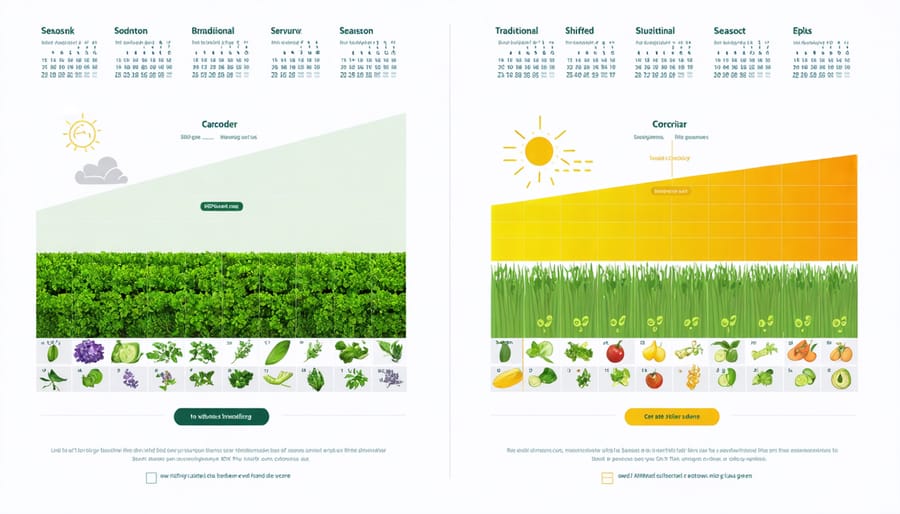
These creative solutions ensure that sustainable, locally grown food reaches all community members while maintaining fair compensation for farmers.

Community Education and Engagement

Community education and engagement forms the cornerstone of sustainable CSA practices, creating lasting connections between farmers and community members. Through hands-on workshops, farm tours, and seasonal cooking demonstrations, CSAs effectively share knowledge about sustainable agriculture while building stronger communities through CSA partnerships.

Many CSA farms host regular educational events where members learn about organic farming methods, composting techniques, and seasonal crop planning. These interactive sessions help participants understand the importance of sustainable agriculture while developing practical skills they can apply in their own gardens. Children’s programs, including farm field trips and youth gardening clubs, cultivate environmental awareness in the next generation.

Community engagement extends beyond traditional education through harvest festivals, member potlucks, and volunteer days. These events create opportunities for neighbors to connect while participating in farm activities like planting, weeding, and harvesting. Newsletter communications keep members informed about farm happenings, seasonal recipes, and sustainability tips, fostering a sense of connection to their food source.

Digital platforms also play a crucial role, with many CSAs utilizing social media and online forums to share educational content, facilitate discussion, and maintain year-round engagement. This blend of in-person and virtual community building ensures that sustainable agriculture education reaches diverse audiences while strengthening local food systems.

Multi-generational group learning about sustainable farming practices
Community members of diverse ages and backgrounds participating in farm education workshop

The 3E approach to sustainability in CSA farming represents a powerful framework that harmoniously balances environmental stewardship, economic viability, and social equity. By embracing these principles, farms create resilient local food systems that benefit both producers and consumers while safeguarding our planet’s resources for future generations.

Through sustainable practices, CSA farms demonstrate that profitability and environmental consciousness can coexist, creating meaningful employment opportunities while building stronger community bonds. The success stories of farms implementing the 3E framework prove that this holistic approach not only ensures long-term sustainability but also enhances food security and promotes healthier lifestyles.

You can be part of this transformative movement by supporting local CSA farms, volunteering at community gardens, or even starting your own sustainable growing project. Every choice to engage with sustainable agriculture strengthens our food system and contributes to a more equitable future.

Remember, sustainable farming isn’t just about growing food—it’s about nurturing communities, protecting our environment, and creating lasting economic opportunities. Together, we can build a more sustainable and resilient food system for generations to come.

How CSA Farms Can Boost Growth Through Smart Corporate Partnerships

Posted by darrell on
0
Community Partnerships and Networks
How CSA Farms Can Boost Growth Through Smart Corporate Partnerships

Transform your CSA farm’s impact by forging strategic partnerships with mission-aligned corporations. These collaborations not only supercharge your farm’s success but create lasting community value. Leading companies increasingly seek authentic sustainability partnerships, making CSA farms natural allies in their corporate social responsibility initiatives.

Fortune 500 corporations currently invest over $20 billion annually in sustainability programs, with local food systems receiving growing attention. By positioning your CSA as a turnkey solution for employee wellness programs, sustainable sourcing initiatives, and community engagement, you’ll access new revenue streams while maintaining your values.

Successful farm-corporate partnerships take many forms: workplace CSA programs delivering fresh produce to employees, corporate funding for food access initiatives, or co-branded sustainability education programs. The key is finding alignment between your farm’s mission and your corporate partner’s goals.

Start by identifying companies whose values match yours, develop a clear partnership proposal highlighting mutual benefits, and create structured programs that scale without compromising your sustainable agriculture principles. With thoughtful planning, these partnerships can provide stable funding while amplifying your community impact.

Why Corporate Partnerships Matter for CSA Growth

Financial Stability and Predictable Revenue

Corporate partnerships offer CSA farms a vital lifeline through predictable revenue streams and consistent member bases. When companies sponsor employee CSA memberships as wellness benefits, farms can count on stable seasonal income and plan their crop production with greater confidence. These partnerships often guarantee a minimum number of shares each season, reducing the financial uncertainty that many small-scale farmers face.

Beyond direct revenue, corporate partnerships help farms establish reliable cash flow through upfront payments and subscription commitments. Many companies opt for quarterly or annual billing cycles, providing farms with working capital for seeds, equipment, and labor costs throughout the growing season. This financial stability enables farmers to focus on sustainable growing practices rather than constant marketing efforts.

These relationships also create natural member retention, as employees typically continue their CSA participation when it’s conveniently offered through their workplace. The steady member base helps farms better predict demand, reduce food waste, and maintain consistent pricing structures. Additionally, corporate partners often promote the CSA program internally, reducing marketing costs while expanding the farm’s community reach.

Expanded Market Reach

Corporate partnerships open exciting possibilities for CSA farms to reach new customer segments through workplace wellness programs and employee benefits. When companies offer CSA shares as part of their benefits package, farms gain instant access to large pools of potential members who might not have discovered local agriculture otherwise.

These workplace programs create win-win situations – employees get convenient access to fresh, organic produce delivered right to their office, while farms secure committed members and predictable revenue streams. Many companies even subsidize a portion of the share cost as a health and sustainability initiative, making participation more attractive to employees.

Additionally, corporate partnerships often lead to increased visibility through company newsletters, wellness fairs, and internal communications. This expanded exposure helps farms connect with environmentally conscious professionals who value healthy eating and sustainable living. The workplace setting also facilitates community building, as coworkers can share recipes, cooking tips, and excitement about their weekly produce shares.

For farms looking to grow sustainably, corporate partnerships provide a strategic way to expand membership while staying true to their values and mission of promoting local, organic agriculture.

Building Successful Corporate Partnership Programs

Farm manager and corporate representative discussing partnership opportunities at a conference table
Professional meeting between a CSA farm manager and corporate wellness program coordinator in an office setting

Identifying Compatible Corporate Partners

Finding the right corporate partners for your CSA begins with identifying companies that share your commitment to sustainable agriculture and community well-being. Recent trends in local farms and businesses partnerships show that many companies are eager to support sustainable food initiatives.

Start by researching local businesses that prioritize employee wellness, environmental sustainability, or community engagement. Look for companies that already offer health-focused employee benefits or have strong environmental policies. Tech companies, healthcare organizations, and environmentally conscious businesses often make excellent partners.

Create a prospect list by:
– Attending local business networking events
– Connecting with your chamber of commerce
– Following companies’ sustainability initiatives on social media
– Reviewing corporate social responsibility reports

Before reaching out, develop a clear value proposition that highlights mutual benefits. Focus on how your CSA program can support their employee wellness goals, enhance their sustainability credentials, and create positive community impact.

When approaching potential partners, prepare a concise presentation that includes:
– Your farm’s story and mission
– Program logistics and flexibility options
– Employee participation benefits
– Environmental impact metrics
– Success stories from similar partnerships

Remember to start with smaller, local companies before approaching larger corporations. This allows you to refine your partnership model and build a strong track record of success.

Structuring Win-Win Partnerships

Creating successful partnerships between farms and corporations requires careful planning and a focus on mutual benefits. The key is to develop models where both parties gain meaningful value while supporting sustainable agriculture and community well-being.

For farms, these partnerships can provide stable income through bulk CSA memberships, guaranteed produce purchases, and corporate event hosting opportunities. They might also receive marketing support, business expertise, and access to broader networks. Some farms have found success by offering team-building workshops or wellness programs that incorporate farm activities.

Corporations benefit by providing unique employee perks, strengthening their sustainability initiatives, and demonstrating community engagement. Employee wellness programs featuring fresh, local produce can reduce healthcare costs and boost workplace satisfaction. Companies can also enhance their brand image through authentic environmental stewardship and local economic support.

Consider these proven partnership structures:
– Subsidized CSA memberships for employees
– Corporate wellness programs featuring farm-fresh meals
– On-site farmers markets at corporate campuses
– Educational workshops and farm tours
– Corporate volunteer days at the farm
– Branded farm-to-office delivery programs

Success stories often feature clear agreements outlining expectations, delivery schedules, payment terms, and communication protocols. The most sustainable partnerships start small and grow organically, allowing both parties to adjust and scale based on results and feedback.

Remember to maintain transparency and regular communication to ensure both partners’ needs are met while staying true to sustainable farming principles.

Managing Corporate CSA Programs

Running a successful corporate CSA program requires careful attention to logistics, communication, and delivery systems. Start by establishing clear pickup locations at partner companies – ideally in break rooms or other easily accessible areas. Consider designating CSA champions within each company to help coordinate distributions and serve as point persons for questions.

Communication is key to keeping corporate members engaged. Create a weekly newsletter highlighting what’s in the share, storage tips, and simple recipes. Many farms find success using messaging platforms like Slack or Teams to connect directly with corporate members and share updates about harvest schedules or delivery changes.

When planning deliveries, timing is everything. Most corporate partners prefer mid-week deliveries during standard business hours. Package shares in sturdy, stackable containers that protect produce and make transport efficient. Some farms offer customization options through online platforms where members can swap items or add extra products.

Consider offering educational lunch-and-learns or virtual farm tours to deepen corporate engagement. These events help members feel connected to the farm and understand seasonal growing patterns. Track feedback through regular surveys and maintain open dialogue with HR departments to continuously improve the program.

Remember to plan for holidays and company closures by coordinating alternate pickup dates or locations. Having clear policies for missed pickups and a system for donating unclaimed shares helps minimize waste and maintain program efficiency.

Real Success Stories

Small Farm, Big Impact

Green Valley Farm, a small 5-acre CSA operation run by Sarah Chen, transformed its impact through an innovative partnership with local tech company ByteWise Solutions. What started as a casual conversation at a farmers’ market evolved into a thriving collaboration that benefits both the farm and hundreds of tech employees.

ByteWise now sponsors 50 CSA shares for their employees, providing them with weekly boxes of fresh, organic produce delivered directly to their office. The partnership goes beyond simple product delivery – ByteWise employees regularly participate in volunteer harvest days and educational workshops at the farm.

“This partnership has allowed us to invest in infrastructure we couldn’t afford before,” explains Chen. “We’ve added two new greenhouses and expanded our growing season by nearly two months.” The farm now produces year-round, employs three full-time workers, and has doubled its community outreach programs.

For ByteWise, the partnership aligns perfectly with their wellness initiatives. HR Director James Martinez notes, “Our employees are more engaged, healthier, and appreciate having access to local, organic produce. It’s become one of our most popular benefits.”

The success has inspired other local farms to explore similar partnerships. Chen regularly hosts workshops sharing her experience, helping other small farms develop sustainable corporate relationships while staying true to their agricultural values.

Group of office workers picking up fresh produce boxes from their company's CSA program
Employees collecting their CSA shares at a workplace distribution point

Multi-Farm Collaborative

The Multi-Farm Collaborative model has emerged as a powerful solution for small-scale organic farms looking to serve corporate clients while maintaining their independent operations. One notable example is the Heartland Farm Alliance, where twelve family farms in the Midwest joined forces to supply fresh produce to major tech companies and healthcare facilities.

By pooling their resources and coordinating growing schedules, these farms can meet the consistent volume demands of large corporate cafeterias while sharing the logistics and delivery responsibilities. Each farm specializes in specific crops based on their expertise and growing conditions, creating an efficient and sustainable production system.

The collaborative approach has helped these farms overcome common challenges like seasonal fluctuations and limited individual capacity. For instance, when one farm experiences a crop failure due to weather conditions, others in the network can step in to maintain steady supply. This arrangement has increased annual revenue for participating farms by an average of 40% while reducing individual marketing and distribution costs.

The model also benefits corporate partners, who gain access to a diverse selection of locally grown produce through a single point of contact. Many participating companies report higher employee satisfaction with their cafeteria offerings and strengthened community relationships through their support of local agriculture.

Side-by-side comparison of farm harvesting and organized corporate CSA distribution
Split view showing small-scale farming operations alongside corporate delivery logistics

Overcoming Common Challenges

Scaling Production Sustainably

As corporate partnerships expand, maintaining the delicate balance between growth and sustainability becomes crucial for CSA farms. Successful scaling requires thoughtful planning and a strong commitment to core values. Many farms find success by implementing staged growth strategies, gradually increasing production capacity while ensuring soil health and biodiversity remain priorities.

Take Fresh Earth Farm in Vermont, for example. When partnering with three local tech companies, they methodically expanded their growing areas over three seasons rather than all at once. This approach allowed them to maintain their organic practices while training new staff and developing efficient systems for increased production.

Key strategies for sustainable scaling include investing in infrastructure improvements, developing strong relationships with multiple local suppliers, and creating detailed production schedules that account for seasonal variations. It’s also essential to document and standardize growing practices to ensure consistency as new team members join.

Remember that scaling doesn’t always mean getting bigger – sometimes it means getting better at what you already do. Focus on optimizing current operations before expanding, and always prioritize quality over quantity to maintain the trust of both individual and corporate members.

Maintaining Personal Connection

While corporate partnerships can expand your CSA’s reach, maintaining that essential personal connection is crucial for preserving your farm’s community spirit. Regular farm visits and harvest celebrations help corporate members feel connected to their food source, just like traditional CSA members. Consider hosting special corporate wellness days where employees can participate in farm activities, fostering a deeper connection to sustainable agriculture.

Effective communication remains key, and building digital CSA communities can help bridge the gap between your farm and corporate members. Create dedicated Slack channels or newsletters for each corporate partner, sharing weekly harvest updates, farmer stories, and behind-the-scenes glimpses of farm life.

Encourage corporate members to participate in volunteer opportunities and educational workshops, just as you would with individual members. This engagement helps maintain the authentic CSA experience while scaling your program. Consider appointing workplace CSA ambassadors who can help coordinate activities and maintain that crucial personal touch, ensuring your farm’s values and community spirit remain strong even as you grow.

Corporate partnerships represent an exciting frontier for CSA farms, offering tremendous potential for growth, stability, and increased community impact. By collaborating with businesses, farms can expand their reach, secure consistent revenue streams, and bring fresh, local produce to more people while maintaining their core values and sustainable practices.

Throughout this exploration of nonprofit corporate partnerships, we’ve seen how these collaborations can transform CSA operations through workplace delivery programs, employee wellness initiatives, and shared marketing opportunities. Success stories from farms across the country demonstrate that when approached thoughtfully, these partnerships can create win-win situations that benefit farmers, corporations, employees, and local communities alike.

For CSA farms considering this path, remember to start small, focus on building genuine relationships, and stay true to your mission. Begin by identifying local businesses that align with your values and approach them with clear, mutually beneficial proposals. Document your impact, gather testimonials, and use this evidence to expand your partnership program gradually.

The future of sustainable agriculture depends on innovative solutions and strong community connections. Corporate partnerships offer CSA farms a powerful tool to strengthen these connections while building more resilient local food systems. Take the first step today by reaching out to potential partners in your community and exploring how you can work together to create positive change through sustainable agriculture.

How CSA Farms Are Saving Local Wildlife While Growing Your Food

Posted by darrell on
0
CSA Fundamentals and Benefits
How CSA Farms Are Saving Local Wildlife While Growing Your Food

Modern agriculture stands at a critical crossroads with global biodiversity. As industrial farming practices expand across landscapes, we’re witnessing one of the most significant threats to Earth’s species diversity in human history. Studies show that agricultural expansion and intensification are responsible for nearly 70% of projected biodiversity loss worldwide, creating an urgent need for transformative solutions.

Yet amid these challenges, innovative farmers are revolutionizing sustainable agriculture through practices that protect and enhance biodiversity. From creating wildlife corridors between croplands to maintaining native plant species alongside food production, forward-thinking agricultural methods demonstrate that farming and biodiversity conservation can coexist harmoniously.

This delicate balance between feeding a growing global population and preserving Earth’s rich tapestry of life represents one of the most pressing environmental challenges of our time. Understanding how agricultural choices impact local ecosystems – and how we can improve these relationships – has never been more crucial for our planet’s future.

The Hidden Cost of Traditional Farming on Wildlife

Contrasting aerial view: industrial monoculture on left, biodiverse CSA farm with varied crops on right
Split-screen comparison showing monoculture field versus diverse CSA farm landscape

Common Agricultural Practices That Harm Wildlife

Several common farming practices can significantly impact local wildlife and ecosystem health. Extensive land clearing removes natural habitats and corridors that animals need for survival. Heavy pesticide use not only affects target pests but also beneficial insects like bees and butterflies, disrupting crucial pollination cycles. Intensive tilling disturbs soil structure and destroys ground-nesting habitats for birds and small mammals. Monoculture farming, where single crops cover vast areas, eliminates the diversity of food sources and shelter that wildlife needs. Drainage of wetlands for farmland removes essential habitats for amphibians and water birds. Even conventional irrigation methods can lower water tables and affect nearby natural water sources that wildlife depends on. The widespread use of synthetic fertilizers can lead to water pollution, harming aquatic life in surrounding streams and ponds.

Local Species Most Affected by Agricultural Expansion

Local wildlife faces unique challenges as farming activities expand in our communities. Birds like meadowlarks and bobolinks, which nest in grasslands, have seen significant population declines due to habitat loss. Small mammals such as field mice and rabbits often lose their homes when natural areas are converted to cropland.

Our native pollinators, including various bee species and butterflies, are particularly vulnerable to changes in land use and exposure to agricultural chemicals. Amphibians like salamanders and tree frogs, which need both aquatic and terrestrial habitats to survive, struggle when wetlands are drained for farming.

The good news is that many farmers are now implementing wildlife-friendly practices. By maintaining hedgerows, creating buffer zones near water sources, and practicing crop rotation, they’re helping protect these sensitive species. Some farmers even designate specific areas of their land as wildlife corridors, allowing animals to move safely between natural habitats.

CSA Farms: A Natural Haven for Local Wildlife

Diverse Crop Rotation Benefits

Diverse crop rotation transforms farmland into vibrant wildlife sanctuaries throughout the growing season. When farmers plant different crops in sequence, they create a dynamic landscape that attracts and supports various beneficial creatures. For instance, flowering crops like buckwheat and clover provide essential nectar for pollinators, while tall corn and sunflowers offer nesting sites for birds.

This varied planting approach creates multiple “habitat layers” – from ground cover crops that shelter small mammals and beneficial insects, to taller plants that provide perches for birds of prey that help control pest populations naturally. As crops change throughout the seasons, different species find food and shelter, maintaining a healthy ecosystem year-round.

Local farmer Sarah Chen shares, “Since implementing diverse rotation on our farm, we’ve seen everything from monarch butterflies to hawks making homes here. It’s amazing how quickly wildlife returns when you give them what they need.” The benefits extend beyond the growing season, as crop residues left over winter provide crucial habitat for overwintering insects and birds, ensuring continued biodiversity support throughout the year.

Colorful rows of vegetables interspersed with flowering plants attracting butterflies and bees
Diverse crop rows with integrated wildflower strips and beneficial insects

Natural Pest Management Solutions

Natural pest management offers farmers effective ways to protect crops while preserving beneficial insects and wildlife. By implementing sustainable farming practices, farmers can create a balanced ecosystem where nature does most of the pest control work. Companion planting with aromatic herbs like basil and marigolds naturally repels unwanted insects, while attracting pollinators and beneficial predatory insects that feed on crop-damaging pests.

Encouraging natural predators like birds and bats through habitat creation provides round-the-clock pest control. Installing bird boxes, bat houses, and maintaining hedgerows gives these helpful creatures a home while they keep pest populations in check. Many farmers also use physical barriers like row covers and introduce beneficial insects like ladybugs and praying mantises to manage pests without harmful chemicals.

These methods create a thriving ecosystem where crops and wildlife coexist harmoniously, proving that productive farming and biodiversity protection can work hand in hand.

Creating Wildlife Corridors

CSA farms play a vital role in preserving wildlife movement by creating and maintaining natural corridors throughout their properties. These pathways allow animals to travel safely between different habitats, supporting healthy ecosystem functions and genetic diversity among local species.

Many CSA farmers deliberately leave strips of undeveloped land between crop areas, creating green highways that connect larger natural areas. These corridors often feature native plants, shrubs, and trees that provide food and shelter for birds, small mammals, and beneficial insects. Some farmers enhance these passages by maintaining hedgerows, creating small ponds, or preserving existing natural features like streams and woodland edges.

These wildlife-friendly farming practices help maintain essential pollinator routes for bees and butterflies while giving larger animals safe passage through agricultural landscapes. By integrating these natural pathways into their farm design, CSA farmers demonstrate how agriculture can coexist with and support local wildlife populations, creating a more resilient and biodiverse environment for all.

Natural hedgerow connecting wooded areas with deer and birds visible along pathway
Local wildlife using hedgerow corridor on CSA farm

Success Stories: CSA Farms Making a Difference

Across the country, CSA farms are proving that agricultural success and biodiversity conservation can go hand in hand. Take Green Meadows Farm in Vermont, for instance. Farmers Sarah and Tom Wilson transformed 20 acres of conventional farmland into a thriving ecosystem by incorporating native plant hedgerows and maintaining undisturbed wildlife corridors. Their efforts have attracted over 30 species of birds and created a haven for beneficial insects while producing enough food for 150 CSA members.

In California’s Central Valley, River Creek CSA demonstrates how smart water management can benefit both crops and local wildlife. By implementing a pond system that doubles as irrigation storage and habitat for amphibians, they’ve seen the return of endangered California red-legged frogs while maintaining productive vegetable fields. Their strategic planting schedule also ensures year-round flowers for native pollinators.

Prairie Sun Farm in Minnesota showcases the power of rotational grazing. Their livestock management system allows native prairie grasses to recover between grazing periods, creating perfect conditions for ground-nesting birds and small mammals. The farm has documented a 40% increase in grassland bird species since adopting these practices five years ago.

On a smaller scale, Urban Roots CSA in Seattle proves that even city farms can support biodiversity. Their innovative vertical growing systems and rooftop gardens incorporate native plant species, creating stepping stones for urban wildlife. They’ve partnered with local schools to monitor and document butterfly populations, noting a significant increase in monarch butterfly sightings.

These success stories share common elements: thoughtful planning, diverse planting strategies, and a commitment to working with natural systems rather than against them. Through careful observation and adaptive management, these farms demonstrate that supporting local biodiversity isn’t just good for the environment – it creates more resilient and productive agricultural systems that benefit both farmers and their communities.

How Your CSA Membership Helps Protect Wildlife

When you join a CSA, you’re doing more than just securing fresh, seasonal produce – you’re actively participating in wildlife conservation. CSAs typically maintain diverse crop rotations and create natural habitats that support local wildlife populations. By supporting these farms, you help preserve the importance of biodiversity in farming and protect countless species.

Your membership enables farmers to maintain hedgerows, buffer zones, and natural corridors that provide shelter and food for birds, beneficial insects, and small mammals. These features are essential for wildlife movement and survival but are often eliminated in conventional farming systems due to economic pressures.

CSA farmers usually avoid harmful pesticides, allowing beneficial insects like bees, butterflies, and ladybugs to thrive. These insects are crucial for pollination and natural pest control. Your support helps maintain chemical-free zones where these helpful creatures can flourish.

Many CSA farms also incorporate cover crops and maintain year-round plant coverage, creating winter habitats for ground-nesting birds and other wildlife. Some farms even dedicate portions of their land to wildflower meadows or native plant species, further enhancing biodiversity.

By choosing a CSA membership, you’re voting with your dollars for farming practices that protect:
– Native pollinators and beneficial insects
– Local bird populations
– Soil microorganisms
– Small mammals and reptiles
– Native plant species

Your commitment to local, sustainable agriculture helps create a balanced ecosystem where farming and wildlife can coexist harmoniously. Every share purchased strengthens these conservation efforts and ensures these wildlife-friendly practices can continue.

Community Supported Agriculture represents a beacon of hope for biodiversity conservation in our increasingly industrialized food system. Through their commitment to sustainable farming practices, crop diversity, and habitat preservation, CSA farms create vital sanctuaries for local wildlife while producing healthy, nutritious food for their communities.

By supporting your local CSA, you’re not just investing in fresh, seasonal produce – you’re actively contributing to the preservation of biodiversity in your region. Every membership helps maintain these biodiverse farming spaces that provide crucial habitat for beneficial insects, birds, and native plant species.

The path to protecting our planet’s biodiversity starts right in our own communities. Consider joining a CSA, volunteering at a local organic farm, or spreading awareness about the importance of sustainable agriculture. Together, we can create a future where farming works in harmony with nature, ensuring both food security and thriving ecosystems for generations to come.

Take action today by researching CSAs in your area and discovering how you can be part of this vital movement toward sustainable, biodiversity-supporting agriculture.

Z-Seed Technology: Future-Proofing Your Garden Against Climate Change

Posted by darrell on
0
Seed Preservation and Biodiversity
Z-Seed Technology: Future-Proofing Your Garden Against Climate Change

Transform your garden’s resilience with z-seed, a breakthrough category of climate-smart seeds engineered to thrive in unpredictable weather conditions. These innovative seeds combine traditional breeding techniques with modern science to produce crops that withstand extreme temperatures, resist drought, and maintain high yields despite challenging growing conditions.

Unlike conventional seeds, z-seeds activate specific genetic traits when exposed to environmental stress, enabling plants to adapt in real-time to changing conditions. This revolutionary technology offers home gardeners and small-scale farmers a practical solution for maintaining consistent harvests throughout increasingly volatile growing seasons.

What makes z-seeds particularly remarkable is their ability to enhance soil health while producing more nutritious crops. By developing stronger root systems and improving nutrient uptake, these seeds create a more sustainable and resilient garden ecosystem that becomes stronger with each growing cycle.

For gardeners seeking food security and environmental sustainability, z-seeds represent the next evolution in climate-adaptive agriculture. Whether you’re growing tomatoes on your balcony or managing a small market garden, these seeds provide the reliability and performance needed in today’s changing climate.

What Makes Z-Seed Different?

Drought Tolerance Features

Z-seed varieties showcase remarkable adaptations to water-scarce conditions, making them invaluable for sustainable farming in challenging climates. These specialized seeds have been developed to maintain productivity even when water is limited, demonstrating how seed diversity for resilience can help farmers adapt to changing weather patterns.

The secret lies in their enhanced root systems, which grow deeper into the soil to access water reserves other plants can’t reach. These seeds also develop stronger cell walls that help prevent water loss during dry spells. Many z-seed varieties feature specialized leaf structures with a waxy coating that reduces evaporation and smaller leaf surfaces that require less water to maintain.

What makes z-seeds particularly remarkable is their ability to enter a state of dormancy when water is scarce, essentially pressing pause on their growth until conditions improve. Once water becomes available again, they quickly resume growing without significant yield loss. This natural efficiency means gardeners can maintain productive plots while using up to 30% less water compared to conventional varieties.

Side-by-side comparison of withered traditional plants and thriving z-seed plants during drought
Split-screen comparison showing traditional seed vs z-seed plant growth under drought conditions

Temperature Resilience

Z-seed varieties have been specifically engineered to withstand extreme temperature fluctuations, making them ideal for regions experiencing unpredictable weather patterns. These seeds can maintain their viability in temperatures ranging from 35°F to 95°F (2°C to 35°C), offering remarkable flexibility for various growing seasons and climate zones.

What makes these seeds particularly impressive is their ability to germinate even after exposure to brief temperature spikes or drops. During testing, z-seeds demonstrated a 90% germination rate after experiencing temperature stress, compared to traditional seeds which often show significant decline in similar conditions.

Local farmer Sarah Martinez from Arizona shares, “Z-seeds have been a game-changer for my desert garden. Even during our scorching summers, these plants continue to thrive when other varieties struggle.” Similarly, in colder regions, growers report successful harvests well into the early frost season.

This temperature resilience doesn’t just protect the seeds – it extends to the mature plants as well, resulting in more reliable crop yields throughout challenging weather conditions. For home gardeners, this means less worry about unexpected heat waves or cold snaps damaging their carefully tended plants.

Growing Z-Seed Varieties in Your Garden

Illustrated diagram demonstrating correct z-seed planting techniques
Step-by-step visual guide showing proper z-seed planting depth, spacing, and soil preparation

Best Planting Practices

For successful z-seed planting, timing is everything. Start by preparing your soil in early spring, once the ground temperature reaches at least 55°F (13°C). The soil should be well-draining and enriched with organic matter for optimal results.

Begin by creating shallow furrows about 1/2 inch deep, spacing them 12-15 inches apart. Place z-seeds individually, maintaining 4-6 inches between each seed. A helpful trick is to use a ruler or marked string to ensure consistent spacing.

Water the planted area thoroughly but gently to avoid displacing the seeds. Keep the soil consistently moist but not waterlogged during the germination period, which typically takes 7-10 days. Once seedlings emerge, maintain regular watering schedules, preferably in the morning.

Thin the seedlings when they reach about 2 inches tall, keeping the strongest plants. Apply a layer of organic mulch around the plants to retain moisture and suppress weeds. This also helps maintain stable soil temperatures.

For continuous harvests, practice succession planting by sowing new batches every 2-3 weeks throughout the growing season. In warmer climates, you can plant z-seeds from early spring through late summer. In cooler regions, focus your planting between late spring and mid-summer.

Remember to monitor your plants regularly for signs of stress or pest issues, and adjust care accordingly. Many gardeners find success by keeping a planting journal to track their timing and results.

Maintenance Tips

To ensure your z-seed thrives, maintaining optimal growing conditions is crucial. Start by monitoring soil moisture levels daily, keeping the soil consistently moist but not waterlogged. A moisture meter can help you achieve the perfect balance, especially during the germination phase.

Temperature control plays a vital role in z-seed success. Maintain greenhouse or indoor temperatures between 68-75°F (20-24°C) during the day and slightly cooler at night. Use a thermometer to track conditions and adjust ventilation as needed.

Regular fertilization is essential, but less is more. Apply an organic, balanced fertilizer every 4-6 weeks during the growing season. Watch for signs of nutrient deficiency, such as yellowing leaves or stunted growth, and adjust your feeding schedule accordingly.

Practice good garden hygiene by removing any dead or diseased plant material promptly. This prevents pest problems and fungal diseases that can affect your z-seed crops. Additionally, implementing proper seed storage techniques between growing seasons will maintain seed viability and ensure successful future plantings.

For outdoor plantings, install wind barriers if needed and consider using row covers during extreme weather events. These protective measures help create a stable microclimate that promotes healthy growth and maximizes your z-seed’s resilience.

Smiling farmer showcasing healthy z-seed crops on their farm
Portrait of a local farmer standing in their successful z-seed crop field

Success Stories from Local Farmers

The impact of z-seed technology is best illustrated through the experiences of local farmers who’ve embraced this innovative approach. Sarah Martinez, a CSA farmer in California’s Central Valley, reported a 40% increase in crop yield after implementing z-seed in her drought-prone fields. “What amazed me most wasn’t just the higher yields, but how my vegetables maintained their flavor and nutritional value even during our toughest summer months,” she shares.

In Vermont, the Miller Family Farm faced challenges with their short growing season. After switching to z-seed varieties, they extended their harvest period by nearly three weeks on both ends of the season. “We’re now able to offer our CSA members fresh produce longer than ever before,” explains Tom Miller. “Plus, our energy costs have decreased since these plants require less intensive care.”

Urban farmer Jessica Chen in Chicago transformed a small community garden into a thriving mini-farm using z-seed. “In our first year, we produced enough food to support 15 families through our CSA program. The plants’ resilience to urban stress factors like pollution and temperature fluctuations has been remarkable,” she notes.

Perhaps most inspiring is the story of the Green Valley Cooperative in New Mexico, where five small-scale farmers pooled resources to implement z-seed across their combined 20 acres. Within two growing seasons, they reduced water usage by 30% while increasing their CSA membership from 50 to 125 families.

These success stories demonstrate how z-seed technology is helping local farmers create more sustainable and productive agricultural systems while strengthening community food security.

Where to Find Z-Seed Varieties

Z-seed varieties are becoming increasingly accessible through various channels, making it easier for gardeners and small-scale farmers to incorporate these climate-resilient seeds into their growing plans. Local seed companies and agricultural cooperatives often stock region-specific Z-seed varieties, ensuring they’re well-adapted to your specific growing conditions.

Many independent garden centers and nurseries now carry Z-seed selections, particularly those focusing on sustainable and organic gardening practices. Online seed retailers have also expanded their offerings, with companies like Baker Creek Heirloom Seeds, Johnny’s Selected Seeds, and High Mowing Organic Seeds featuring diverse Z-seed collections.

Community-based seed saving networks are excellent resources for finding and sharing Z-seed varieties. These networks often organize seed swaps and maintain seed libraries where members can access and contribute to the growing collection of adaptive seeds.

Agricultural extension offices and university research programs frequently partner with local farmers to distribute Z-seed varieties. Many of these institutions offer trial programs where gardeners can test new varieties and provide feedback on their performance.

For those interested in bulk quantities, agricultural supply stores and farming cooperatives often provide wholesale options. Some seed companies also offer special pricing for community gardens and farming collectives, making it more affordable to experiment with multiple Z-seed varieties.

Z-seed varieties represent a significant leap forward in sustainable agriculture, offering hope for both small-scale gardeners and farmers facing climate challenges. These innovative seeds have proven their worth through improved drought resistance, better yields, and enhanced nutritional content – all while maintaining organic growing principles. Success stories from community gardens and family farms demonstrate how z-seed varieties can thrive in diverse growing conditions while reducing water usage and chemical inputs. As climate patterns continue to shift, these adaptable seeds will likely play an increasingly vital role in food security and sustainable agriculture. Looking ahead, ongoing research and development of new z-seed varieties promises even more resilient and productive options for environmentally conscious growers. By choosing z-seed varieties, gardeners and farmers aren’t just growing food – they’re participating in the future of sustainable agriculture.

How Digital Seed Libraries Are Saving Agriculture’s Future

Posted by darrell on
0
Seed Preservation and Biodiversity
How Digital Seed Libraries Are Saving Agriculture’s Future

Safeguard humanity’s agricultural heritage through modern digital seed banks and preservation systems that protect critical genetic diversity for future generations. These sophisticated digital vaults combine temperature-controlled storage, detailed genetic mapping, and cloud-based documentation to maintain viable seed collections indefinitely. Beyond mere storage, today’s preservation systems track germination rates, document indigenous growing practices, and create searchable databases of vital crop varieties. For farmers and researchers alike, these systems serve as living libraries of agricultural biodiversity, safeguarding rare heirloom varieties and ensuring food security in the face of climate change. By digitizing traditional knowledge alongside genetic resources, these preservation networks connect local farming communities while protecting centuries of agricultural wisdom for tomorrow’s growers.

What Makes Digital Seed Preservation Essential

Traditional vs. Digital Preservation Methods

Traditional seed preservation methods, such as drying and storing seeds in paper envelopes or glass jars, have served farmers well for generations. While these seed preservation techniques remain valuable, digital systems now offer enhanced capabilities for maintaining seed viability and genetic diversity.

Modern digital preservation combines traditional wisdom with technology, using climate-controlled storage units monitored by sensors that track temperature, humidity, and light exposure. These systems automatically adjust conditions to maintain optimal preservation environments, something that was previously done manually through regular checking and adjusting.

Digital tracking systems also allow farmers to maintain detailed records of seed varieties, germination rates, and storage conditions. Unlike traditional paper logs, digital databases can store vast amounts of information, making it easier to track seed lineage, share data with other growers, and ensure the long-term survival of precious heirloom varieties.

Side-by-side comparison of traditional physical seed storage versus digital seed library interface
Split-screen comparison showing traditional seed storage methods (paper envelopes, jars) alongside modern digital cataloging system on computer screen

Benefits for Local Farmers and Communities

Digital preservation systems have revolutionized how local farmers maintain and share their seed heritage, leading to stronger and more resilient farming communities. These systems enable farmers to document traditional growing methods, track successful crop varieties, and share knowledge with neighboring farms. By digitally cataloging their seed collections, farmers can better plan crop rotations, predict yields, and maintain crop diversity.

The technology also helps create valuable connections between farmers and local food organizations, fostering community-supported agriculture programs and farmers’ markets. Small-scale farmers can now efficiently manage their seed inventory, reducing waste and improving profitability. This digital approach has proven particularly beneficial for organic farmers, who can better track their heirloom varieties and maintain detailed records for certification purposes.

Many farming communities have reported increased collaboration and knowledge sharing since adopting these systems, leading to improved crop resilience and better market opportunities. The preservation of local seed varieties has also helped strengthen food security and cultural heritage in rural areas.

Core Components of Digital Seed Libraries

Laboratory technician digitally cataloging seed specimens using specialized equipment
Close-up of scientist scanning seed specimens with detailed data entry interface visible on monitor

Cataloging and Classification Systems

Modern digital preservation systems employ sophisticated cataloging methods to keep track of seed collections effectively. Each seed variety is assigned a unique identifier and documented with detailed information including species name, variety, source location, harvest date, and germination rates. Many systems use standardized classification schemes like the International Code of Nomenclature for Cultivated Plants (ICNCP) to ensure consistency across different collections.

Digital platforms often incorporate searchable databases with multiple filtering options, making it easy for farmers and researchers to locate specific varieties. High-resolution photographs, growth characteristics, and historical cultivation data are linked to each entry, providing a comprehensive profile for every seed type. Some advanced systems also include GPS coordinates for wild-collected specimens and environmental conditions from their original habitats.

Tags and keywords help organize seeds by characteristics such as drought tolerance, disease resistance, or culinary uses. Cross-referencing capabilities allow users to track relationships between different varieties and their parent plants, essential for breeding programs and maintaining genetic diversity. Regular database updates ensure that germination test results and storage conditions are current, helping preserve the viability of these precious genetic resources.

Educational Resources Integration

Digital preservation systems often include valuable educational components that make learning about seed saving and sustainable agriculture more accessible. These integrated resources typically feature step-by-step guides, video tutorials, and interactive modules that help users understand proper seed storage techniques and preservation methods.

Many systems offer downloadable worksheets and planting calendars that farmers and gardeners can use to track their preservation efforts throughout the growing season. Virtual workshops and webinars connect users with experienced seed savers and agricultural experts, creating opportunities for real-time learning and problem-solving.

Documentation tools within these systems allow users to record their experiences, successes, and challenges, creating a valuable knowledge base for future reference. Some platforms include community forums where users can share tips and ask questions, fostering a collaborative learning environment.

For educators and agricultural programs, these systems often provide curriculum materials and lesson plans that can be integrated into formal training programs, making them particularly valuable for agricultural education initiatives and community garden projects.

Real-World Applications

Community Seed Libraries

Local communities are increasingly embracing community seed libraries supported by digital preservation systems to maintain and share their agricultural heritage. These innovative platforms combine traditional seed-saving practices with modern technology, creating accessible databases that track seed varieties, growing conditions, and success rates.

Digital tools help members catalog their seeds, record planting dates, and share growing tips through user-friendly interfaces. Many communities use cloud-based systems to manage seed inventories, allowing members to browse available varieties online and reserve seeds for the upcoming growing season. These platforms often include features for documenting germination rates, harvest yields, and specific growing conditions that worked best in local environments.

Success stories abound, like the Green Thumb Initiative in Portland, where their digital seed library system helped preserve over 200 heirloom varieties in just two years. Members can scan QR codes on seed packets to access detailed growing instructions, view photos of mature plants, and connect with experienced growers in their area.

The digital aspect of these libraries ensures that valuable growing information isn’t lost between seasons. Weather patterns, pest challenges, and successful growing techniques are recorded and shared, creating a knowledge base that strengthens local food security and promotes biodiversity. This blend of traditional wisdom and modern technology helps ensure these vital resources remain available for future generations.

People using interactive digital seed library terminal at community center
Community members accessing digital seed library at local agricultural center, with interactive touchscreen display showing seed database

Research Institutions and Universities

Research institutions and universities play a vital role in advancing digital preservation technologies and practices. These academic centers serve as living laboratories where innovative preservation methods are developed, tested, and refined. For example, Cornell University’s Digital Preservation Program has pioneered numerous techniques for maintaining digital collections, while offering valuable resources to smaller institutions and community organizations.

Universities often collaborate with libraries and archives to create comprehensive digital preservation strategies. These partnerships have led to breakthrough developments in storage solutions, metadata management, and long-term accessibility protocols. The University of Michigan’s Digital Preservation Network, for instance, has helped numerous organizations implement sustainable preservation practices while training the next generation of digital archivists.

Academic institutions also provide essential educational resources and training programs. Through workshops, online courses, and certification programs, they help professionals develop the skills needed to manage digital preservation systems effectively. Many universities maintain experimental digital archives where students can gain hands-on experience with preservation tools and techniques.

The research conducted at these institutions often focuses on making digital preservation more accessible and cost-effective for smaller organizations. By developing open-source solutions and sharing best practices, universities help democratize access to preservation technology, ensuring that valuable digital content can be preserved regardless of an organization’s size or budget.

Getting Started with Digital Seed Preservation

Starting your digital seed preservation journey doesn’t have to be complicated. Begin by creating a dedicated digital workspace on your computer, organizing folders by seed varieties, growing seasons, and preservation dates. A simple spreadsheet can serve as your digital seed inventory, tracking essential details like germination rates, harvest dates, and storage conditions.

Next, invest in basic digitization equipment. A good quality scanner or high-resolution camera is essential for capturing detailed images of your seeds and their original packaging. Take multiple photos from different angles, ensuring clear visibility of size, color, and unique characteristics. Remember to include a size reference in your photos, such as a ruler or coin.

Document your preservation process using note-taking apps or digital journals. Record important information about each seed variety, including:
– Source and acquisition date
– Growing conditions and requirements
– Success rates and challenges
– Special care instructions
– Traditional uses and cultural significance

Back up your digital records regularly using cloud storage services or external hard drives. Consider using preservation-specific software that can help manage your seed database and generate detailed reports. Many of these programs offer features like environmental monitoring, inventory tracking, and genealogy mapping.

Create a simple naming convention for your files that includes the date, variety name, and any specific identifiers. This makes it easier to search and organize your digital archive as it grows. Share your knowledge with other seed savers through online communities and digital platforms, contributing to the broader mission of seed preservation while learning from others’ experiences.

Start small with a few varieties and expand your digital preservation efforts as you become more comfortable with the process. Remember, consistent documentation is key to building a valuable digital seed library for future generations.

Digital seed preservation systems represent a crucial bridge between traditional farming wisdom and modern technology, ensuring the survival of valuable plant genetics for future generations. As climate change and environmental challenges continue to impact agriculture, these digital systems provide a robust framework for protecting and managing seed diversity. The growing adoption of these technologies by seed banks, research institutions, and farming communities worldwide demonstrates their vital role in sustainable agriculture.

Looking ahead, we can expect to see even more sophisticated preservation systems incorporating artificial intelligence, blockchain technology, and advanced environmental monitoring. These innovations will make seed preservation more accessible to small-scale farmers while improving tracking and security measures. Community seed libraries are increasingly integrating digital tools to manage their collections, creating valuable networks of shared resources and knowledge.

The success of digital preservation systems ultimately depends on continued collaboration between farmers, technologists, and agricultural institutions. By embracing these tools while honoring traditional preservation methods, we can build a more resilient and sustainable future for agriculture, ensuring food security for generations to come.