
How CSA Cooking Classes Turn Farm-Fresh Produce Into Confident Home Cooks
 darrell on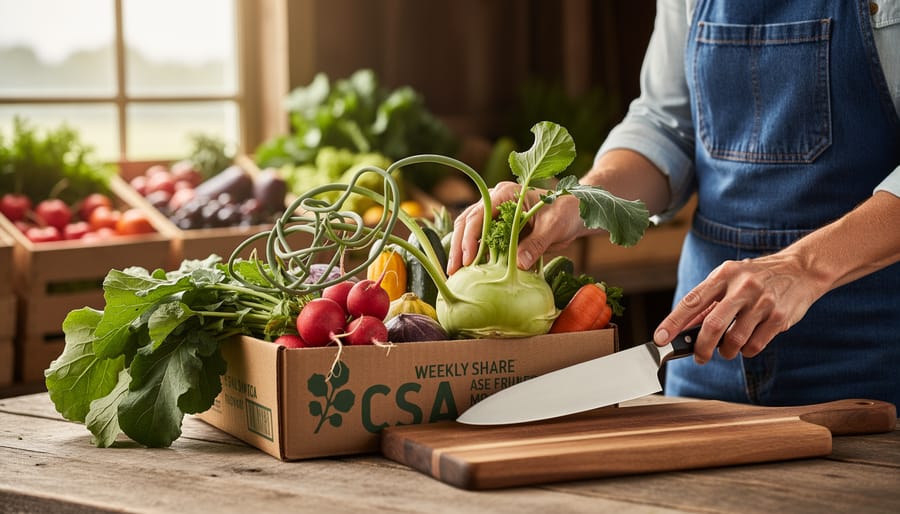
Cooking basics classes offered through Community Supported Agriculture programs teach CSA members how to prepare unfamiliar seasonal vegetables and transform their weekly produce boxes into practical, delicious meals. These hands-on workshops typically run 60 to 90 minutes and cover knife skills, vegetable preparation techniques, and simple recipes designed around what’s actually in season at your farm.
If you’ve ever stared at a kohlrabi or a bundle of garlic scapes wondering what to do next, you’re exactly who these classes serve. CSA farms across North America have discovered that educational programming doesn’t just help members use their shares more fully. It dramatically reduces turnover, builds community connections, and turns nervous novice cooks into confident advocates who renew year after year.
The concept is straightforward but powerful. Rather than generic cooking instruction, these classes focus on the vegetables members receive in their boxes each week. A June class might tackle spring greens and radishes, while August sessions dive into tomato preservation and summer squash creativity. Many farms bring the instruction right to pickup sites, making it convenient for members to attend before grabbing their CSA meals for the week.
Farmers benefit from reduced waste and stronger member relationships. Members gain practical skills that make their CSA investment more valuable. Whether you’re a farm considering adding classes or a consumer researching which CSA offers the best support, understanding how these programs work helps you make informed decisions about your local food journey.
Why CSA Members Need Cooking Basics Classes
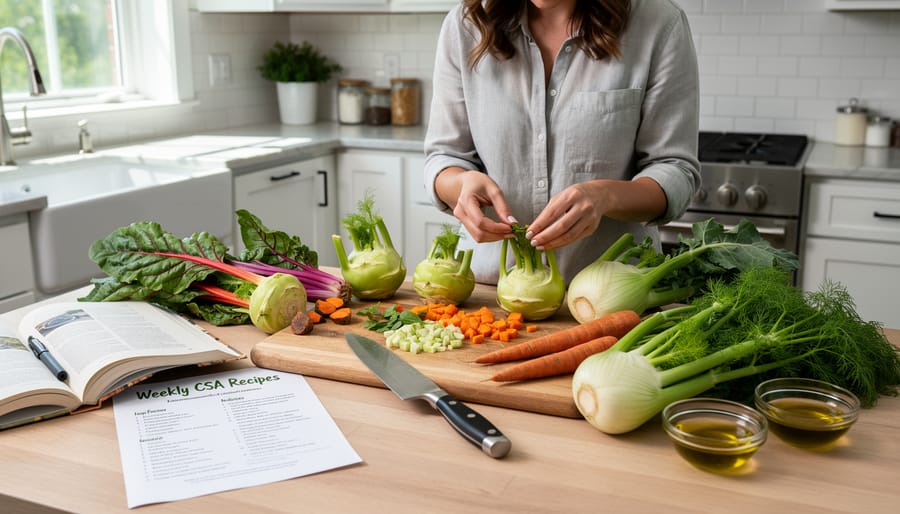
Picture this: you’ve just picked up your CSA box, brimming with vibrant greens, oddly-shaped root vegetables, and a bunch of herbs you can’t quite identify. You’re excited about supporting local agriculture, but as you stand in your kitchen staring at three pounds of chard and something labeled “kohlrabi,” a familiar anxiety sets in. You’re not alone. Thousands of well-intentioned CSA members face this weekly dilemma, caught between their commitment to sustainable eating and the practical reality of cooking with unfamiliar, seasonal ingredients.
The challenges stack up quickly:
- What do I do with kohlrabi, and why does it look like an alien vegetable?
- How to use a whole bunch of kale before it wilts into a soggy mess
- Cooking for two when you receive enough produce for six people
- Making dinner after work when every vegetable needs washing, trimming, and figuring out
- Avoiding the guilt of throwing away expensive organic produce you couldn’t get to in time
This disconnect costs farms members. When subscribers repeatedly waste produce or feel overwhelmed, they don’t renew. Research shows that knowledge shapes household waste patterns, meaning the gap isn’t commitment but capability. Most CSA dropouts genuinely wanted to continue, they just didn’t know how to turn their weekly shares into actual meals their families would eat.
That’s where cooking workshops change everything. When farms teach practical skills aligned with what’s currently in the box, cooking techniques improve engagement and retention rates. Members gain confidence, waste drops, and the investment in organic produce finally feels manageable rather than stressful. The box transforms from a weekly puzzle into something you actually look forward to unpacking.
What Makes CSA-Based Cooking Workshops Different
CSA cooking workshops aren’t your typical cooking class where you follow a predetermined menu from a glossy cookbook. These sessions respond directly to what’s ripe right now, what’s packed in your share this week, and what’s growing just steps away from the kitchen. That connection creates an entirely different learning experience.
When you walk into a CSA workshop, you’re often handling vegetables harvested that morning. The instructor might point to the field where your rainbow chard came from or explain why this week’s tomatoes taste different from last week’s. This farm-to-table immediacy means the skills you learn apply instantly to the produce sitting in your fridge at home. There’s no wondering whether you can find the ingredients or whether they’ll be as fresh.
The seasonal focus distinguishes these classes from generic cooking instruction. Instead of learning to prepare asparagus in November, you’re mastering what to do with an abundance of summer zucchini or late-fall Brussels sprouts. The curriculum follows nature’s schedule, building your confidence with each season’s unique challenges. You’ll learn preservation when tomatoes flood your box in August, not as an abstract skill but as an immediate solution to the thirty pounds of sauce tomatoes you just brought home.
Perhaps most importantly, you’re learning alongside fellow CSA members who share your specific questions and frustrations. Everyone in the room received the same mysterious kohlrabi or overflowing bunch of kale. This shared experience creates genuine community, transforming isolated home cooks into a supportive network that continues exchanging tips and recipes long after the workshop ends. You’re not just taking a class; you’re joining a community that’s figuring out seasonal eating together.
Essential Skills Covered in CSA Cooking Basics Classes
Knife Skills and Vegetable Prep
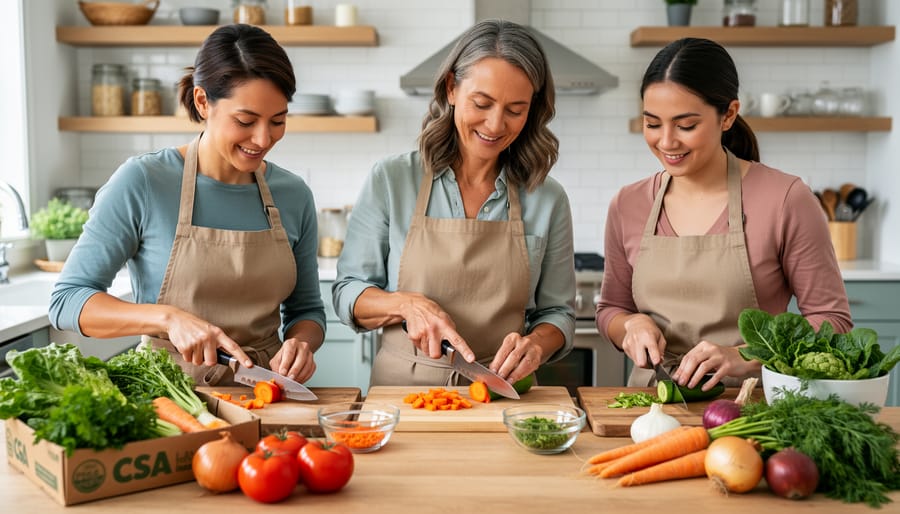
Most CSA cooking workshops start with the knife work that intimidates people most: turning a knobby kohlrabi or dense butternut squash into dinner-ready pieces without losing a fingernger or spending 20 minutes wrestling with produce.
Instructors typically begin with proper grip and a stable cutting board, then move quickly to the vegetables members actually struggle with. You’ll learn the peeler trick for kohlrabi’s thick skin, how to safely halve winter squash (microwave it for 90 seconds first), and the fastest way to strip kale leaves from their tough stems. These aren’t restaurant techniques, they’re shortcuts that get food on the table faster.
The real value comes from handling vegetables you’ve never cooked before while someone experienced guides you. When your CSA box arrives with celeriac or romanesco, you’ll remember exactly how to break it down instead of shoving it to the back of the fridge. Workshops often provide cheap Y-peelers and basic chef’s knives so members can practice with decent tools, and many farmers send participants home with technique cards showing the vegetables they’re most likely to encounter in upcoming shares.
Preservation Techniques for Abundant Harvests
When your CSA box overflows with greens or delivers a dozen summer squash at once, knowing simple preservation tricks becomes essential. Most CSA cooking classes dedicate time to quick techniques that make produce last without requiring elaborate equipment or hours of work.
Blanching and freezing greens takes minutes: briefly dunk kale or chard in boiling water, shock in ice water, squeeze dry, and freeze flat in bags. You’ll have ready-to-use greens for soups and sautés all winter. Quick pickling transforms surplus cucumbers, radishes, or green beans into crunchy additions, just pack vegetables in jars with hot vinegar, salt, and spices. They’re fridge-ready within hours.
Herb pastes preserve summer’s bounty beautifully. Blend basil, cilantro, or parsley with olive oil and freeze in ice cube trays for instant flavor bombs. For members who want to go deeper, workshops often introduce basic canning methods like water-bath processing for tomatoes and jams.
Simple storage wisdom matters too: keeping carrots in damp sand, storing potatoes in darkness, wrapping greens in damp towels. These aren’t complex skills, they’re confidence-builders that prevent the heartbreak of wasted organic produce.
Building Flavor Without Complicated Recipes
The real transformation in CSA cooking classes happens when members stop following recipes line-by-line and start understanding flavor principles. Most workshops dedicate time to building confidence with simple seasoning frameworks that work no matter what vegetables arrive in your box.
The teaching starts with salt, acid, fat, and heat as foundational elements rather than mysterious chef secrets. A drizzle of olive oil, a squeeze of lemon, and a pinch of flaky salt can elevate roasted turnips or sautéed greens equally well. Instructors demonstrate this principle with whatever produce is abundant that week, showing how the same technique transforms completely different vegetables.
Many farms teach what they call “formula cooking” rather than rigid recipes. A basic stir-fry formula works for bok choy, snap peas, or sliced kohlrabi: hot pan plus oil plus aromatics plus vegetables plus finishing sauce. Members learn to swap vegetables freely while keeping the method constant, which builds genuine cooking confidence.
Simple sauce templates become game-changers for nervous cooks. A tahini-lemon dressing, a quick garlic-butter finish, or a honey-vinegar glaze each have three ingredients but transform anything from roasted carrots to steamed kale. Workshops often send members home with a handful of these foundational formulas written on cards, creating a toolkit rather than a collection of single-use recipes.
The focus stays relentlessly practical: get dinner on the table using what you have, not what a cookbook assumes you have.
How CSA Farms Structure Their Cooking Workshops
CSA farms have developed diverse workshop models to fit their resources, member needs, and seasonal rhythms. The key is finding a format sustainable for the farm while genuinely helpful to members navigating their weekly shares.
On-farm workshops create the strongest connection between food and place. Members gather in a farm kitchen, barn, or outdoor pavilion while the farmer or guest instructor demonstrates techniques using that week’s harvest. These typically run 90 minutes to two hours, often on weekends when members pick up shares. Equipment and ingredients come from the farm, though participants might bring their own knives or storage containers to practice with tools they’ll actually use at home. The hands-on environment builds community naturally as people chop alongside neighbors.
Virtual demonstrations exploded during 2020 and stuck around because they solve real problems: commute time, childcare conflicts, and weather uncertainties. A farmer can stream a 30-minute demo from their kitchen, showing members how to tackle the week’s challenging vegetable while answering questions in real time. Production quality doesn’t need to be fancy. Members care more about seeing actual techniques than perfect lighting. Recordings stay available for members who couldn’t attend live, extending the workshop’s value.
Seasonal series work well for farms wanting structured programming without weekly commitment. Four sessions timed to spring greens, summer abundance, fall roots, and winter storage crops give members a framework for the entire year. This model allows farms to bring in professional chefs or nutritionists for specific sessions, spreading costs across committed participants who pay upfront for the series.
| Format | Best For | Typical Cost | Time Commitment |
|---|---|---|---|
| On-Farm Classes | Building community, hands-on learners | $25-45 per session | 2 hours plus travel |
| Virtual Demos | Busy members, recorded access | Free-$15 per session | 30-45 minutes |
| Seasonal Series | Committed learners, deeper skills | $80-150 for 4 sessions | 6-8 hours over season |
| Drop-In Sessions | Flexible schedules, low barrier | Free or donation-based | 45-60 minutes |
Drop-in sessions offer the lowest barrier to entry. Farms schedule informal cooking demos during regular pickup times, perhaps the first Saturday of each month. Members stop by if interested, watch for a bit, grab a recipe card, and continue with their day. No registration, no separate trip required. While engagement runs shallower than dedicated workshops, these casual sessions reach members who wouldn’t commit to a formal class but still need guidance.
Most farms bundle workshop costs into share prices or keep fees minimal, viewing education as member retention rather than profit center. Equipment stays simple: farms provide cutting boards, bowls, and basic tools, but participants bring their own knives to practice with familiar equipment.
Success Stories: Farms Making It Work
Three farms across North America show how cooking workshops transform CSA operations from delivery services into thriving food communities.
Willow Creek Farm: Monthly Potluck Model
Sarah Chen runs a 40-member CSA outside Portland and started hosting monthly potluck cooking sessions in her barn three years ago. Members bring one dish made from their shares while Sarah demonstrates a seasonal technique, like roasting root vegetables or quick-pickling summer squash. “I spend maybe two hours prepping, and members handle the rest,” Sarah explains. Her renewal rate jumped from 62% to 89% after introducing the potlucks. The secret? Members now know each other by name and share recipes via text between sessions. Several have become her farm volunteers during harvest crunch times.
Green Valley Farm: Professional Chef Partnership
This 200-member operation in Vermont partners with a local culinary instructor who leads quarterly hands-on workshops in a rented commercial kitchen. Members pay $25 per class, which covers ingredients and take-home recipe cards. Farm manager Tom Rodriguez initially worried about the logistics but found the investment worthwhile. “We calculated that keeping just eight more members each season pays for the entire workshop program,” he notes. The classes also became unexpected marketing, as participants often bring friends who later join the CSA. The farm-to-table CSA model strengthens when members see exactly how restaurant-quality meals come from their weekly boxes.
Midwest Growers Cooperative: Pooled Resources
Five small farms formed a cooperative that rotates hosting biweekly cooking demos at their farmers market booth. Each farm contributes one session per month, featuring their specialty crops. This shared approach lets tiny operations offer consistent programming without overwhelming any single farmer. Member retention across all five farms improved by an average of 23% in the first year, and the cooperative gained visibility that helped recruit 40 new members collectively.
Finding or Starting a CSA Cooking Workshop
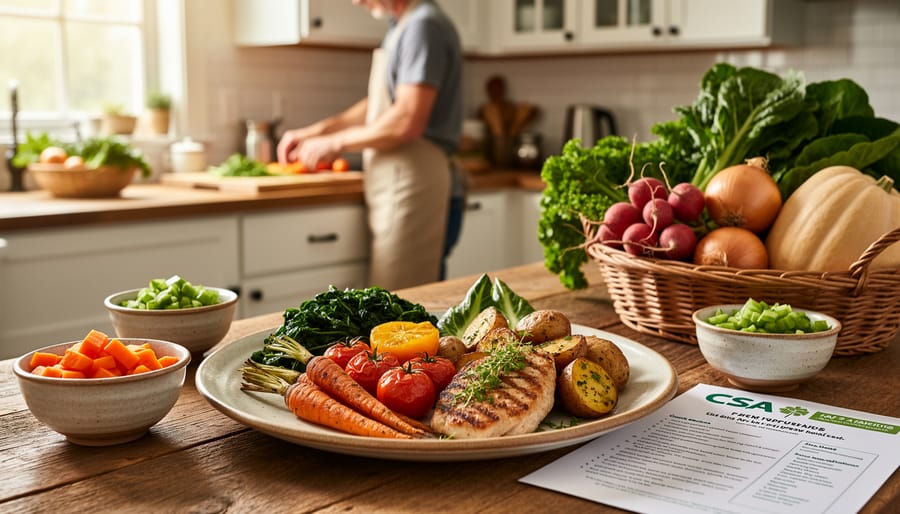
Most CSA farms don’t advertise cooking workshops on their main websites, so your first step is simply asking. Email or call your farmer during the off-season when they’re less buried in harvest work. Frame it as member feedback: “I’d love to use more of my share but need help preparing unfamiliar vegetables. Would you consider hosting cooking demonstrations?”
If your farm already runs workshops, ask about frequency, cost, and whether they’re included in membership fees or offered as add-ons. Some farms bundle classes with premium share tiers, while others charge per session to cover instructor costs.
For CSA members wanting to start something new, gauge interest through your farm’s Facebook group or member newsletter. A simple poll asking “Would you attend monthly cooking sessions if offered?” gives farmers concrete data. When half a dozen members express interest, you’ve made a compelling case.
Farmers considering this addition should start small. Partner with a member who’s already a confident cook for an informal harvest potluck where everyone prepares one dish from that week’s box. This tests interest without major investment. Local extension offices and culinary schools often connect farms with instructors seeking teaching experience, sometimes at reduced rates or through grant-funded programs.
The National Sustainable Agriculture Information Service offers planning templates specifically for farm-based educational programming. Your state’s organic farming association likely lists farms successfully running workshops who’ll share their approach.
Cooking basics classes transform the CSA experience from a weekly challenge into a genuine partnership between farm and table. When members gain confidence with their produce, they stop viewing unusual vegetables as intimidating obstacles and start seeing them as exciting possibilities. This shift matters profoundly for both individual households and the broader local food movement.
The ripple effects extend beyond individual kitchens. Members who understand how to use their shares waste less food, support their farmers more enthusiastically, and often renew their memberships year after year. They become ambassadors for seasonal eating, sharing techniques with friends and family who might then join a CSA themselves.
Whether you’re already part of a farm share or considering joining one, cooking workshops deserve attention. Ask your farmer about existing classes or express interest in starting them. For those between CSA seasons, local extension offices and farm cooperatives often know which operations offer this support.
These classes represent sustainable living in action: reducing waste, strengthening local agriculture, building community skills, and celebrating the honest work of growing good food. That’s a recipe worth following.