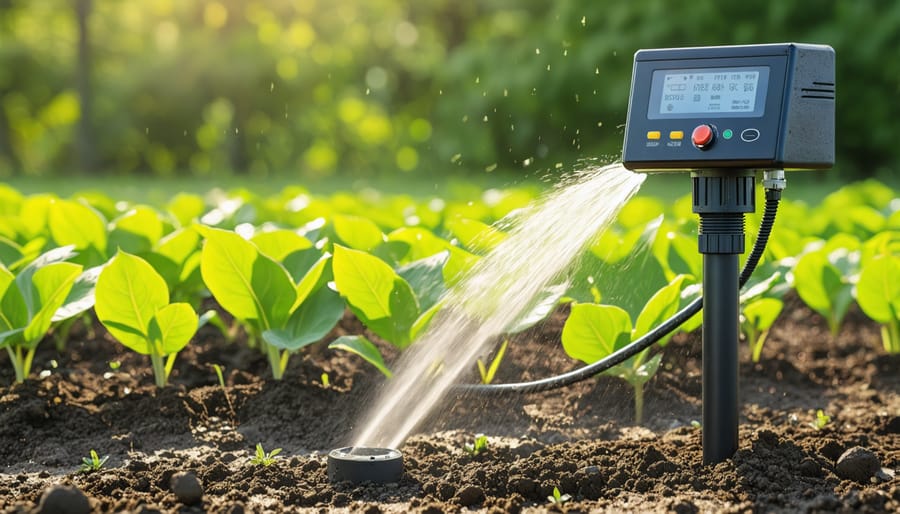
When it comes to maintaining lush, green spaces, Turf Boss pumps play a crucial role right from the first drop of water.
Imagine stepping onto a golf course early in the morning.
The fairways glisten with dew, and the greens look as smooth as velvet.
That perfect look isn’t just luck — it’s the result of careful irrigation powered by specialized pumps designed to handle tough turf demands.
Keeping Grass Alive Is No Small Task
I still remember the first time I helped my uncle prepare a local soccer field before the summer tournament.
It was scorching hot, and the grass looked more like straw than a playing surface.
We had to set up the irrigation system at dawn, hoping to bring back that bright green everyone expects.
Watering large fields evenly and efficiently isn’t just about spraying water around.
It requires a reliable system that can push water at the right pressure and volume, without fail.
That’s where these specialized pumps come in, moving thousands of gallons day after day without missing a beat.
A field manager once told me, “If the pump goes down, we’re toast for the season.”
They weren’t kidding — one week without proper watering, and the grass starts turning patchy and brown.
The Secret Engine Behind Lush Greens
These pumps act like the heart of an irrigation system.
They pull water from storage tanks, lakes, or underground wells and distribute it through a complex network of pipes.
When working with large areas, consistency is everything.
You don’t want to see dry patches popping up halfway through the season.
That’s why choosing a pump designed for high-demand turf environments is essential.
Not every pump can handle the grit, debris, and constant start-stop cycles that come with sports field and golf course irrigation.
It’s like comparing a city commuter car to an off-road truck — both can drive, but only one is built for the rough stuff.
Here’s a handy resource on Turf Boss pumps to learn more about the technology behind these irrigation workhorses.
Why Reliability Beats All
Once, during a golf tournament, I witnessed a panic moment when a pump suddenly lost pressure.
Half of the fairway started drying out, and groundskeepers had to scramble with hoses to keep it playable.
Since then, the maintenance team has made it clear: no cutting corners with irrigation equipment.
Turf pumps are designed to work even when water sources are a bit murky or filled with natural debris.
Some models even come with self-priming capabilities, meaning they can handle air pockets and prevent system stalls.
This feature alone has saved countless hours of manual labor and kept fields in game-ready condition.
Durability You Can Count On
A friend of mine manages a training facility for a local soccer academy.
He once joked that his pump has “seen more sunrises than most of the players.”
He wasn’t exaggerating — many of these pumps run daily, sometimes multiple times, especially in hot, dry climates.
Durability isn’t just a nice-to-have; it’s a must.
From the scorching heat of a July afternoon to unexpected cold snaps in early spring, these pumps keep working.
Without them, groundskeepers would be stuck patching up bare spots and field closures would become a nightmare.
Easy Maintenance Means Less Downtime
Anyone who’s had to work on a field irrigation system knows that maintenance can be a major headache.
The best pumps are designed to be accessible, with parts that are easy to check and replace.
Imagine having to disassemble a whole setup in the middle of the season — not ideal when tournaments are booked back-to-back.
Because these pumps are built with field challenges in mind, maintenance schedules are more predictable and less frequent.
This means fewer surprises and more time focusing on keeping the turf healthy.
Efficiency That Saves Resources
Large sports fields and golf courses require massive amounts of water.
A system that wastes even a little adds up quickly — both in water costs and environmental impact.
Pumps that run efficiently help reduce water waste by delivering the exact amount needed at the right time.
One course superintendent shared that, after upgrading to a better pump system, they saved thousands of dollars in water bills within a single season.
That money went right back into field improvements, better equipment, and even new landscaping projects.
Bringing It All Together
The magic of a flawless sports field or a championship-level golf course doesn’t happen by accident.
It’s the result of dedicated people and dependable equipment working together every day.
From my own experience helping on local fields to hearing stories from pros managing big-name courses, one thing is clear: reliable irrigation is non-negotiable.
Choosing the right pump — one built for heavy-duty, high-volume tasks — can make or break the season.
Whether it’s during a heated summer match or a quiet morning on the green, these pumps are always working behind the scenes to keep turf vibrant and healthy.
If you’ve ever enjoyed a game on a perfectly kept field or sunk a putt on a pristine green, there’s a good chance a strong, dependable pump helped make that moment possible.
Transform your farm’s growth strategy with the market growth matrix – a powerful tool that’s revolutionizing how local farms expand their customer base and boost profitability. Unlike traditional business models, this dynamic framework specifically helps small-scale farmers identify untapped opportunities in their local food markets while maximizing existing customer relationships.
Picture your CSA operation as a growing organism, with four distinct pathways for expansion: deeper penetration into your current market, geographic expansion to new areas, product diversification for existing customers, and completely new ventures. Each pathway offers unique advantages for sustainable farm growth, particularly relevant in today’s evolving local food landscape.
Whether you’re a seasoned farmer looking to scale up or a new grower planning your first expansion, the market growth matrix provides clear, actionable directions for growth while maintaining the personal touch that makes CSA farming special. By understanding and applying this strategic tool, you’ll be equipped to make informed decisions about where to invest your limited resources for maximum impact in your farming operation.
Let’s explore how this practical framework can help your farm thrive in an increasingly competitive local food market, starting with the four key growth strategies that have proven successful for small-scale farmers across the country.
Understanding the Market Growth Matrix for CSAs
A 2×2 market growth matrix diagram customized for CSA farms, showing the four quadrants with agriculture-specific examples
The Four Growth Quadrants
The market growth matrix for CSA operations can be broken down into four distinct quadrants, each offering unique opportunities for farm growth and sustainability. Let’s explore how these strategies work in the context of community-supported agriculture.
Market penetration focuses on increasing sales of existing produce to current customers. For CSA farms, this might mean encouraging members to upgrade from half shares to full shares, or offering add-on products like eggs or honey to existing subscribers. Success story: Sweet Meadow Farm increased their membership retention by 30% by introducing flexible payment plans and implementing a member referral program.
Market development involves taking your current produce offerings to new customer segments or geographical areas. This could mean expanding delivery routes to reach new neighborhoods, partnering with workplace wellness programs, or setting up satellite pickup locations. Many CSA farms have found success by collaborating with local schools and institutions to reach families who weren’t previously aware of local farming options.
Product development keeps your current customer base excited with new offerings. This might include introducing new crop varieties, value-added products like preserves or dried herbs, or seasonal specialty items. Consider how Blue Sky Farm added microgreens to their winter shares, providing fresh produce year-round and maintaining steady income during traditionally slower months.
Diversification combines new products with new markets, representing the biggest leap but also potentially the greatest rewards. This could involve launching an on-farm education program, starting a farm-to-table dinner series, or developing processed products for retail sale. While more challenging, diversification can help create multiple income streams and greater financial stability for your CSA operation.
Market Penetration Strategies for Your CSA
Engaging Current Members
Growing your CSA membership base isn’t just about attracting new members – it’s equally important to nurture relationships with existing ones. Implementing effective market penetration strategies can help increase share sizes and strengthen member loyalty.
Start by offering flexible payment plans and share sizes to accommodate different household needs. Consider introducing add-on options like eggs, honey, or flowers that members can include with their regular shares. This not only increases revenue but also enhances the overall CSA experience.
Regular communication is crucial – share weekly newsletters featuring recipes, farm updates, and storage tips. Host on-farm events like harvest festivals or cooking demonstrations to create a stronger sense of community. These personal touches help keep members coming back season after season.
Implement a referral program where existing members earn credits or bonus products for bringing in new subscribers. Consider early-bird discounts for members who commit to the next season before the current one ends. Seek feedback through surveys and actively respond to suggestions, showing members their input matters.
Remember to celebrate your long-term members through special recognition or exclusive perks. This builds a loyal community while encouraging others to maintain their memberships for similar benefits.
Happy CSA members picking up their weekly shares at a farm distribution point, interacting with farmers
Local Market Expansion
Expanding your local market presence requires a strategic blend of community engagement and targeted marketing efforts. Start by analyzing your current customer demographics and identifying underserved segments within your existing service area. Consider partnering with local businesses, schools, and community organizations to increase visibility and build trust.
Success stories like Green Valley Farm showcase effective local growth strategies. They doubled their membership by hosting weekly farm-to-table events and educational workshops, making organic farming accessible and engaging for suburban families. Similarly, River Oak CSA found success through targeted social media campaigns highlighting their sustainable practices and member testimonials.
Implement a referral program that rewards existing members for bringing in new subscribers. This creates organic growth through word-of-mouth marketing while strengthening community bonds. Consider offering flexible membership options, such as bi-weekly shares or seasonal memberships, to accommodate different household needs and budgets.
Enhance your presence at local farmers’ markets and food festivals, using these venues as educational platforms to demonstrate the value of CSA membership. Create engaging displays featuring sample shares and seasonal produce calendars. Many successful CSAs also leverage email newsletters and social media to share recipes, farming updates, and member spotlights, keeping their community engaged and attracting new members through consistent, valuable content.
Remember to collect and act on member feedback regularly, adjusting your offerings and communication strategies to better serve your local market’s evolving needs.
Product Development for Growth
Value-Added Products
Moving beyond basic produce shares can significantly boost your CSA’s revenue and customer satisfaction. Consider creating value-added products that transform excess produce into shelf-stable items like jams, pickles, and herb-infused oils. These products not only reduce waste but can command premium prices when paired with effective pricing strategies.
Popular value-added options include farm-made sauces, dried herb blends, and seasonal preserves. Many CSAs have found success offering DIY kits, such as salsa-making packages or pickle-your-own vegetable boxes, which appeal to hands-on customers. Ready-to-cook meal kits featuring farm ingredients and recipe cards are another hit, especially with busy families.
Educational resources like seasonal cooking guides, farm-to-table cookbooks, or online cooking demonstrations can become valuable digital products. Consider collaborating with local artisans to create farm-branded merchandise or specialty items like honey, cheese, or bread made with your ingredients. These additions not only diversify your income streams but also strengthen customer relationships and brand loyalty.
Collection of value-added CSA products including jams, preserved vegetables, and prepared meal kits
Implementing Your Growth Strategy
Success Metrics
To effectively track your CSA farm’s growth using the market growth matrix, focus on key performance indicators that align with both market penetration and development goals. Start by monitoring your member retention rate and seasonal subscription renewals, aiming for at least an 80% retention rate. Track your weekly basket fill rate and member satisfaction scores through regular surveys, which help identify areas for improvement.
For market development initiatives, measure new member acquisition rates, referral numbers, and conversion rates from various marketing channels. Keep detailed records of crop diversity and yields to ensure you’re meeting expanding market demands. Social media engagement metrics and website traffic can indicate growing community awareness and interest in your CSA program.
Financial metrics are crucial – track revenue growth, profit margins per basket type, and cost-efficiency ratios. These numbers help you measure economic impact and make informed scaling decisions. Document your distribution efficiency by monitoring delivery times and maintaining accurate inventory records.
Set quarterly benchmarks for each metric and regularly review progress with your team. This data-driven approach ensures your growth strategies remain aligned with both market opportunities and operational capabilities.
The market growth matrix is a powerful tool that can transform your CSA farm from a small local operation into a thriving sustainable business. By understanding and applying the four key strategies – market penetration, market development, product development, and diversification – you can create a roadmap for sustainable growth that aligns with your values and meets your community’s needs.
Remember that success doesn’t happen overnight. Start by evaluating your current position and choosing one strategy to focus on initially. Whether you decide to deepen relationships with existing customers, expand into new markets, develop value-added products, or explore innovative farming techniques, make sure your choices align with your farm’s mission and capabilities.
Take action today by assessing your current market position and identifying opportunities for growth. Connect with other successful CSA farmers, listen to your customers’ feedback, and stay informed about emerging trends in sustainable agriculture. With careful planning and strategic implementation of the market growth matrix, you can build a resilient farm business that serves your community while promoting sustainable farming practices for generations to come.
Transform your CSA workshop offerings with professional vegan cooking certification, empowering members to maximize their seasonal produce through expert plant-based cooking classes. Elevate your community’s culinary skills while creating additional revenue streams through structured certification programs that blend hands-on training with sustainable food practices. Master essential techniques from plant-based protein preparation to creative vegetable transformation, ensuring workshop participants gain confidence in crafting nutritious, locally-sourced vegan meals. Build a stronger, more engaged CSA community by offering certified instruction that connects members directly to their food source while developing valuable skills they can share with others. This professional certification opens doors to expanded workshop opportunities, increased member retention, and enhanced value for your CSA program.
Why Vegan Certification Matters for CSA Cooking Workshops
Meeting Community Dietary Needs
Vegan cooking certification equips CSA farmers and workshop leaders with the expertise to serve an increasingly diverse community of members. Through CSA community cooking workshops, certified instructors can confidently create inclusive meal planning solutions that accommodate various dietary preferences and restrictions.
This certification ensures that workshop leaders understand the nuances of plant-based cooking, from proper protein combinations to creative uses of seasonal produce. They learn to transform familiar farm-fresh ingredients into satisfying vegan meals that appeal to both plant-based and omnivorous members. This knowledge helps build stronger connections within the CSA community by ensuring no member feels left out during shared cooking experiences.
Many CSA programs report increased member satisfaction and retention after introducing vegan-certified cooking instruction. Members appreciate learning how to prepare versatile meals that can be easily adapted for different dietary needs, while farmers benefit from improved crop utilization as members learn creative ways to use all available produce. This inclusive approach helps create a more sustainable and supportive local food community.
Professional Credibility
Obtaining vegan cooking certification significantly enhances a workshop leader’s professional standing within the CSA and broader plant-based community. Certified instructors demonstrate a deeper understanding of plant-based nutrition, ingredient substitutions, and specialized cooking techniques, which builds trust with workshop participants.
Many workshop participants specifically seek out certified instructors, viewing certification as a mark of expertise and commitment to professional development. This credential helps distinguish your workshops from informal cooking gatherings, potentially attracting more participants and allowing you to command higher workshop fees.
Certification also provides networking opportunities within the vegan culinary community, connecting you with other professionals and expanding your resource base. These connections often lead to collaborative opportunities and knowledge sharing that benefit your workshop participants.
From a practical standpoint, certification can help secure partnerships with local businesses, wellness centers, and educational institutions. Many organizations prefer working with certified professionals for their programming, viewing it as a form of quality assurance. This credential also adds weight to grant applications and funding requests for community-based cooking initiatives.
Professional chef demonstrating vegan cooking techniques to a group in a workshop setting
Popular Vegan Certification Programs
Online vs. In-Person Programs
Both online and in-person vegan cooking certification programs offer unique advantages, allowing you to choose the format that best fits your lifestyle and learning preferences. Online programs provide flexibility, enabling you to learn at your own pace and review materials whenever needed. They often include video demonstrations, interactive quizzes, and virtual cooking assignments that can be completed in your home kitchen.
In-person certification programs offer hands-on experience and immediate feedback from instructors. You’ll benefit from direct interaction with peers, real-time problem-solving, and the opportunity to taste and evaluate dishes together. These programs typically feature intensive workshop sessions where you can master techniques like knife skills, plant-based cheese making, and creative plating under expert supervision.
Some certification programs now offer hybrid models, combining online theoretical coursework with in-person practical sessions. This format provides the best of both worlds: convenient access to learning materials and scheduled hands-on practice sessions.
When choosing between formats, consider factors like your schedule, learning style, and professional goals. Online programs work well for busy professionals or those in remote areas, while in-person training might be preferable for those who thrive on direct interaction and immediate feedback. Both formats can lead to comprehensive certification, with many programs offering the same curriculum and recognition regardless of delivery method.
Cost and Time Investment
The investment required for vegan cooking certification varies depending on the program and level of certification you choose. Most basic certification programs range from $300 to $800, while comprehensive professional certifications can cost between $1,500 and $3,000. These fees typically include course materials, online learning platforms, and certification exams.
Time commitment is another important consideration. Basic certificates can be completed in 2-3 months with 5-10 hours of weekly study. Professional certifications usually require 6-12 months, with 10-15 hours per week dedicated to coursework, practical assignments, and hands-on training.
Many programs offer flexible learning schedules, perfect for busy CSA operators who need to work around harvest seasons. Some certification providers even offer payment plans and early-bird discounts, making the investment more manageable. Additionally, several programs include valuable bonus materials like recipe collections, business planning guides, and marketing resources.
When calculating total costs, consider additional expenses such as ingredients for practice sessions, any required kitchen equipment, and potential travel costs for in-person workshops. However, these investments often pay off through increased workshop attendance, higher participant satisfaction, and the ability to offer premium services to your CSA members.
Remember that certification is an investment in both your personal growth and your CSA’s success. Many graduates report recovering their certification costs within the first year through expanded workshop offerings and increased member engagement.
Implementing Certification in Your CSA Workshops
Seasonal Menu Planning
Effective menu planning is a crucial skill for vegan cooking certification, especially when working with seasonal produce availability through CSA programs. Students learn to create versatile menus that adapt to the changing harvest schedule while maintaining nutritional balance and culinary excitement throughout the year.
The certification program teaches how to analyze weekly CSA boxes and develop flexible recipe frameworks that accommodate varying ingredients. Students master techniques for preserving seasonal abundance through fermentation, dehydration, and freezing, enabling year-round menu diversity. They also learn to create signature dishes that showcase the unique flavors of each season.
Special attention is given to understanding crop rotation patterns and building relationships with local farmers to anticipate upcoming harvests. This knowledge helps in developing advance menu templates that can be easily modified based on available produce. The course covers creative substitution strategies for when certain ingredients are unavailable or in limited supply.
Participants learn to balance nutrition, flavor profiles, and texture combinations while working with seasonal constraints. The program emphasizes teaching others how to appreciate and utilize less common vegetables, turning potential challenges into opportunities for culinary innovation. This comprehensive approach ensures that certified vegan cooking instructors can confidently guide CSA members in making the most of their weekly shares.
Equipment and Infrastructure
A well-equipped vegan cooking workspace requires specific tools and infrastructure to ensure successful certification workshops. Essential equipment includes high-quality stainless steel cookware, food processors, blenders, and specialized tools like nut milk bags and dehydrators. A spacious prep area with multiple workstations allows students to practice techniques comfortably.
Kitchen infrastructure should feature adequate ventilation, proper lighting, and non-slip flooring for safety. Multiple sinks are necessary for washing produce and maintaining hygiene during food preparation. Storage areas must include separate sections for dry goods, fresh produce, and temperature-sensitive ingredients.
Modern appliances like induction cooktops and convection ovens help maintain precise temperature control for plant-based cooking techniques. Dedicated equipment for specific tasks, such as high-powered blenders for smooth nut-based sauces and stand mixers for bread making, ensures professional results.
Workshop spaces should include demonstration areas with good visibility and recording capabilities for remote learning options. Clear labeling systems help maintain organization and prevent cross-contamination. A comprehensive first aid kit and fire safety equipment are mandatory.
Consider sustainable options like energy-efficient appliances and water-saving fixtures. Include composting facilities for food waste and recycling stations to demonstrate environmental responsibility. Digital tools like tablets or screens can display recipes and techniques while reducing paper waste.
Remember to maintain backup equipment and replacement parts to prevent workshop disruptions. Regular maintenance schedules help ensure all tools remain in optimal condition for certification training.
Colorful spread of seasonal CSA produce arranged with vegan cooking tools and equipmentPortrait of a smiling certified CSA workshop leader in their teaching kitchen
Success Stories from Certified CSA Coaches
Meet Sarah Chen, a CSA workshop leader from Vancouver who transformed her local farm’s educational programs through vegan cooking certification. “After getting certified, our workshop attendance doubled, and we’ve created lasting connections within our community,” shares Sarah. Her community cooking success stories include launching a popular monthly vegan feast that brings together CSA members to explore creative ways of preparing seasonal produce.
In Ontario, Marcus Rodriguez turned his small CSA operation into a hub for plant-based education after completing his vegan cooking certification. “Our members were increasingly asking for guidance on preparing unfamiliar vegetables. The certification gave me the confidence and skills to help them embrace plant-based cooking,” he explains. Marcus now runs sold-out weekly workshops teaching members how to transform root vegetables and leafy greens into delicious vegan meals.
Emily Watson, a certified vegan coach from Nova Scotia, credits her certification for helping her CSA program retain members year-round. “Winter can be challenging for CSA participation, but our vegan cooking workshops keep members engaged even during the root vegetable season,” she notes. Emily’s innovative approach includes virtual cooking classes and seasonal recipe development that has inspired many members to adopt more plant-based meals into their routines.
These success stories highlight how vegan cooking certification can enhance CSA programs while building stronger communities. Certified coaches report increased member satisfaction, better produce utilization, and stronger connections between farmers and consumers. Many have expanded their offerings to include specialized workshops for families, beginners, and those with dietary restrictions, creating inclusive spaces where everyone can learn and grow together.
Obtaining a vegan cooking certification can significantly enhance your CSA workshop offerings, creating a more inclusive and diverse learning environment for your community members. By incorporating certified vegan cooking skills into your programming, you’ll be able to serve a broader audience while promoting sustainable, plant-based eating habits that align perfectly with the CSA philosophy of environmental stewardship.
The certification process not only validates your expertise but also provides you with valuable tools and knowledge to create engaging, educational workshops that showcase the versatility of your CSA produce. Your certified status can help build trust with participants and potentially attract new members who might have been hesitant to join due to dietary concerns.
Ready to take the next step? Begin by researching accredited vegan cooking certification programs that match your schedule and budget. Consider starting with online courses to build a foundation, then progress to hands-on training if available in your area. Connect with other certified vegan cooking instructors in the CSA community to learn from their experiences and build a supportive network.
Remember that certification is just the beginning – use your new credentials to develop innovative workshop series, create seasonal recipe collections, and foster a welcoming space where all members can learn to prepare delicious, plant-based meals using their CSA shares.
Transform your skincare routine with vitamin E oil, a potent antioxidant that stands out among other natural oils for skin healing. This powerful nutrient penetrates deep into skin layers, neutralizing free radicals and supporting cellular regeneration. Research shows vitamin E oil significantly reduces the appearance of scars, combats premature aging, and provides intense moisture without clogging pores. Whether applied directly or mixed with your favorite moisturizer, this natural remedy helps protect against environmental damage while promoting a healthy, radiant complexion. Modern studies have confirmed what holistic practitioners have known for generations: vitamin E oil’s molecular structure makes it uniquely effective at supporting skin’s natural healing processes and maintaining its protective barrier. For those seeking an organic solution to common skin concerns, vitamin E oil offers scientifically-backed benefits that align perfectly with a natural skincare approach.
The Natural Power of Vitamin E Oil
Close-up photograph of vitamin E oil droplets and capsules next to natural sources like almonds and sunflower seeds
Understanding Organic vs. Synthetic Vitamin E
When it comes to vitamin E for skincare, not all forms are created equal. Natural (organic) vitamin E, also known as d-alpha-tocopherol, is derived from plant-based sources like nuts, seeds, and vegetable oils. This form is more readily absorbed by your skin compared to its synthetic counterpart. As part of the family of organic skincare oils, natural vitamin E contains a complex mixture of tocopherols and tocotrienols that work together to enhance its beneficial properties.
Synthetic vitamin E (dl-alpha-tocopherol) is laboratory-created and typically costs less, but research suggests it’s only about half as potent as natural vitamin E. While both forms offer antioxidant protection, organic vitamin E provides additional compounds that support skin health, including gamma-tocopherol, which has unique anti-inflammatory properties.
When shopping for vitamin E oil, look for products listing “d-alpha-tocopherol” rather than “dl-alpha-tocopherol” on the label. The best sources come from organic, cold-pressed oils like sunflower, wheat germ, or almond oil. These natural forms not only provide pure vitamin E but also deliver complementary nutrients that enhance its skin-nourishing effects. While both types can benefit your skin, choosing organic vitamin E ensures you’re getting the most potent and bioavailable form of this powerful antioxidant.
Key Skin Benefits of Vitamin E Oil
Anti-inflammatory Properties
Vitamin E oil stands out as a powerful natural anti-inflammatory agent that helps fight inflammation naturally and calm irritated skin. When applied topically, this nutrient-rich oil works by neutralizing free radicals that can trigger inflammatory responses in the skin. Its soothing properties are particularly beneficial for those dealing with conditions like sunburn, eczema, or general skin redness.
The oil’s antioxidant properties help reduce inflammation at the cellular level, providing relief from discomfort while supporting the skin’s natural healing process. What makes vitamin E especially effective is its ability to penetrate deep into the skin layers, where it can work to reduce swelling and redness from within.
For those with sensitive skin, vitamin E oil can be particularly helpful in calming irritation caused by environmental factors or harsh skincare products. It works gently yet effectively to restore skin balance and provide a protective barrier against further irritation. When combined with other natural ingredients like aloe vera or chamomile, its anti-inflammatory benefits are even more pronounced, making it a valuable addition to any organic skincare routine.
Antioxidant Protection
One of vitamin E oil’s most powerful benefits is its role as a natural antioxidant, protecting your skin from harmful free radicals. These unstable molecules, produced by everything from UV rays to pollution, can damage skin cells and accelerate aging. Vitamin E works like a shield, neutralizing these free radicals before they can harm your skin’s structure.
When applied topically, vitamin E oil creates a protective barrier that helps prevent oxidative stress, which is responsible for premature wrinkles, dark spots, and loss of skin elasticity. Its antioxidant properties are particularly effective when combined with your skin’s natural vitamin C, creating a synergistic effect that enhances overall protection.
What makes vitamin E especially valuable is its ability to remain active in the skin for up to 48 hours after application. This long-lasting protection helps maintain your skin’s natural defense system, supporting its ability to repair and regenerate. Regular use can help prevent environmental damage while maintaining your skin’s youthful appearance and natural glow.
Studies have shown that vitamin E’s antioxidant protection is most effective when used consistently as part of your daily skincare routine, particularly in the morning before sun exposure.
Split-screen microscopic visualization showing skin cells before and after vitamin E application
Moisture and Healing
Vitamin E oil is a powerful moisturizer that works wonders for maintaining skin hydration. It creates a protective barrier on your skin that locks in moisture while allowing your skin to breathe naturally. This nourishing oil penetrates deep into the skin layers, helping to maintain suppleness and prevent water loss throughout the day.
When it comes to healing, vitamin E oil truly shines. It supports your skin’s natural healing process by promoting cell regeneration and reducing inflammation. Whether you’re dealing with minor cuts, burns, or surgical scars, regular application of vitamin E oil can help speed up healing and minimize scarring. Its antioxidant properties also protect the healing skin from environmental damage, ensuring optimal recovery.
For best results, apply vitamin E oil to damp skin after cleansing, when your pores are most receptive to absorbing its healing benefits.
Step-by-step demonstration of proper vitamin E oil application on face
Best Practices for Using Vitamin E Oil
To get the most out of vitamin E oil for your skin, start by doing a patch test on a small area to ensure you don’t have any sensitivity. Apply the oil in the evening after cleansing your face, as vitamin E works best when your skin can absorb it overnight without exposure to sun or environmental stressors.
For facial application, mix 2-3 drops of pure vitamin E oil with your regular moisturizer or facial oil to prevent the thick consistency from clogging pores. When applying directly to scars or specific areas, use your ring finger to gently pat the oil into your skin rather than rubbing it.
Consider these helpful tips for optimal results:
– Store your vitamin E oil in a cool, dark place to maintain its potency
– Use only once daily to avoid overwhelming your skin
– Combine with vitamin C for enhanced antioxidant benefits
– Apply to slightly damp skin to improve absorption
– Don’t forget your neck and décolletage area
If you’re new to vitamin E oil, start by using it every other day and gradually increase frequency as your skin adjusts. For sensitive skin types, dilute the oil with a carrier oil like jojoba or sweet almond oil before application.
Remember that consistency is key – while results vary from person to person, regular use typically shows improvements in skin texture and tone within 4-8 weeks.
Vitamin E oil stands as a powerful natural ally in your skincare journey, offering remarkable benefits from deep moisturization to protection against environmental damage. As we’ve explored, this versatile oil can help reduce scarring, fight signs of aging, and support your skin’s natural healing processes. By incorporating vitamin E oil into your daily routine and combining it with other natural ingredients, you’re choosing a sustainable, earth-friendly approach to skin health. Remember to start slowly, perform a patch test, and listen to your skin’s needs. Whether you’re using pure vitamin E oil or products enriched with this powerful antioxidant, you’re taking a positive step toward healthier, more radiant skin while embracing the power of nature’s remedies.
Discover how Regenerative Organic Certified (ROC) products are revolutionizing sustainable agriculture by going beyond traditional organic standards. Through regenerative agriculture practices, farmers restore soil health, enhance biodiversity, and improve seed vitality while producing nutrient-dense food. This rigorous certification ensures products meet the highest standards of soil health, animal welfare, and social fairness.
Unlike conventional organic certification, ROC products come from farms that actively rebuild ecosystems, capture carbon, and strengthen local food communities. For conscious consumers and home gardeners, these products represent a direct investment in Earth’s future, offering seeds and foods that are not just sustainably grown, but actually improve the environment with each harvest.
When you choose ROC products, you’re supporting a system that preserves heirloom varieties, promotes genetic diversity, and ensures future generations have access to resilient, adaptive food sources. This holistic approach to agriculture doesn’t just maintain the status quo—it actively heals our planet while producing exceptional quality food and seeds.
Understanding Regenerative Organic Certification
The Three Pillars of ROC
Regenerative Organic Certified (ROC) products stand on three fundamental pillars that work together to create a holistic approach to sustainable agriculture. The first pillar, soil health, focuses on practices that build rich, living soil through methods like cover cropping, crop rotation, and composting. These techniques naturally increase organic matter, improve water retention, and foster beneficial microorganisms that support plant growth.
Animal welfare, the second pillar, ensures that livestock are treated humanely and allowed to express their natural behaviors. This includes providing adequate outdoor access, proper shelter, and appropriate feed. Happy, healthy animals contribute to the farm ecosystem through natural fertilization and grazing patterns that help maintain pasture health.
The third pillar, social fairness, addresses the human element of farming. This standard ensures fair wages and safe working conditions for farm workers, while promoting transparent business practices and supporting local communities. Farmers must provide proper training, healthcare benefits, and fair labor practices to create a sustainable workplace environment.
Together, these pillars create a certification framework that benefits the entire agricultural ecosystem – from the soil beneath our feet to the communities that depend on farming for their livelihood.
Infographic showing the three pillars of ROC certification with icons representing soil health, animal welfare, and social fairness
Beyond Traditional Organic
While traditional organic certification focuses primarily on avoiding synthetic pesticides and fertilizers, Regenerative Organic Certified (ROC) takes environmental stewardship to the next level. This enhanced certification builds upon the USDA organic standards by incorporating strict requirements for soil health, animal welfare, and social fairness.
ROC farmers must demonstrate continuous improvement in soil organic matter through practices like cover cropping, crop rotation, and minimal tillage. Unlike standard organic certification, ROC requires farmers to measure and document soil health metrics annually, ensuring real progress in carbon sequestration and soil biodiversity.
The social fairness component sets ROC apart by requiring fair wages, safe working conditions, and community engagement – elements not addressed in basic organic certification. For animal welfare, ROC standards exceed organic requirements with specific guidelines for pasture access, animal handling, and living conditions.
Think of ROC as organic certification “plus” – it maintains all organic standards while adding layers of environmental and social responsibility that create a more sustainable and equitable food system.
Seed Preservation Through ROC Practices
Building Living Soil
Building a living soil ecosystem is at the heart of regenerative organic farming and plays a crucial role in seed vitality. When soil teems with beneficial microorganisms, earthworms, and organic matter, it creates the perfect environment for seeds to thrive and develop into strong, resilient plants.
Healthy soil does more than just support plant growth – it actively preserves genetic diversity and enhances seed quality. As plants grow in nutrient-rich soil, they develop stronger natural defense mechanisms and produce more viable seeds for future generations. This creates a positive feedback loop where each successive generation becomes better adapted to local growing conditions.
Farmers practicing regenerative organic methods report that their seeds show improved germination rates and produce more vigorous seedlings. They achieve this by incorporating cover crops, applying compost, and minimizing soil disturbance. These practices increase organic matter content and support beneficial soil microbes that form symbiotic relationships with plant roots.
For home gardeners and small-scale farmers, building living soil starts with simple steps like adding organic matter, avoiding synthetic fertilizers, and maintaining soil moisture. Over time, this approach not only improves seed quality but also reduces the need for external inputs, creating a more sustainable and resilient growing system.
Close-up photograph of rich, dark soil teeming with earthworms and organic matter
Traditional Breeding Methods
Regenerative Organic Certified (ROC) products champion the preservation and development of heritage seeds through time-tested traditional breeding methods. These practices focus on selecting and saving seeds from plants that demonstrate exceptional vigor, disease resistance, and adaptation to local growing conditions.
Farmers working under ROC guidelines actively participate in seed preservation by maintaining seed banks of diverse crop varieties. They carefully choose parent plants based on desirable traits like drought tolerance, pest resistance, and superior flavor profiles. Through selective breeding over multiple generations, they develop robust plant varieties that thrive without synthetic inputs.
The certification encourages farmers to work with local seed producers and seed-saving networks, fostering community resilience and agricultural biodiversity. This collaborative approach helps preserve rare and endangered crop varieties while developing new strains suited to changing climate conditions.
ROC farmers often document their breeding processes, sharing knowledge about successful crosses and growing techniques with other producers. This exchange of information strengthens the collective understanding of heritage seed development and ensures these valuable genetic resources continue to evolve and adapt.
By supporting traditional breeding methods, ROC helps maintain crop genetic diversity, which is crucial for food security and agricultural sustainability. These efforts result in plants that are naturally vigorous, well-adapted to organic growing conditions, and capable of producing nutritious, flavorful harvests for generations to come.
Benefits for Home Gardeners
Side-by-side comparison of heritage seed varieties showing diverse colors and shapes
Superior Seed Quality
Seeds from regenerative organic certified farms consistently demonstrate exceptional germination rates, often exceeding industry standards by 15-20%. This superior quality stems from the holistic approach to soil health and plant care that regenerative practices provide. When plants grow in nutrient-rich, living soil, they produce stronger, more viable seeds with improved genetic expression.
Local farmer Sarah Martinez shares, “Since transitioning to regenerative methods, our tomato seeds show a 95% germination rate, and the seedlings display remarkable vigor right from the start.” This enhanced seed quality translates to stronger plants with better natural resistance to pests and diseases, reducing the need for interventions during the growing season.
The careful selection and saving of seeds from the healthiest plants, combined with soil-building practices, creates a positive feedback loop. Each generation of seeds becomes increasingly well-adapted to local growing conditions, resulting in more resilient and productive crops for both commercial farmers and home gardeners.
Supporting Sustainable Agriculture
When you choose Regenerative Organic Certified (ROC) products, you’re supporting a system that actively preserves our agricultural heritage through organic seed preservation and genetic diversity. ROC farmers maintain and cultivate various heirloom and traditional crop varieties, protecting them from extinction. This practice ensures we don’t lose valuable plant genetics that have evolved over generations to resist specific pests, diseases, and climate conditions.
By growing multiple varieties of crops, ROC farmers create resilient food systems that can better withstand environmental challenges. They save seeds from their strongest plants, allowing beneficial traits to persist and adapt to local conditions. This approach stands in stark contrast to industrial agriculture’s reliance on a narrow range of commercial varieties.
Your purchase of ROC products directly supports farmers who maintain seed libraries and participate in seed-sharing networks, ensuring these precious genetic resources remain available for future generations.
Finding ROC Seeds and Products
Finding Regenerative Organic Certified (ROC) products is becoming easier as more farms and businesses embrace this rigorous certification. The best place to start your search is the Regenerative Organic Alliance’s official directory, which maintains an up-to-date list of certified producers and products.
Local farmers’ markets often feature ROC vendors, making them excellent spots to discover fresh produce and meet the farmers behind these sustainable practices. Many ROC farmers are happy to share their growing methods and can become valuable resources for learning about regenerative agriculture.
Several online marketplaces now specialize in ROC products. Look for trusted retailers like Dr. Bronner’s, Patagonia Provisions, and Nature’s Path, which have committed to sourcing ROC ingredients. These companies often provide detailed information about their farming partners and sustainable practices on their websites.
For those interested in growing their own food, some seed companies now offer ROC-certified seeds. While these are still relatively rare, the number of certified seed producers is growing. Companies like Row 7 Seeds and Hudson Valley Seed Company are leading the way in sustainable seed production.
Here are some practical tips for finding ROC products:
– Subscribe to newsletters from ROC-certified companies
– Join local food co-ops that prioritize regenerative agriculture
– Check natural food stores and ask about their ROC product selection
– Follow social media accounts of ROC farms and producers
– Attend sustainable agriculture conferences and farmers’ events
Remember that ROC is a relatively new certification, so availability may vary by region. Don’t be discouraged if you can’t find everything you’re looking for right away. The number of certified products is steadily increasing as more producers recognize the importance of regenerative organic practices.
Consider starting relationships with local ROC farmers – many offer CSA programs or direct-to-consumer sales. This not only ensures access to certified products but also supports the growth of regenerative agriculture in your community.
Regenerative Organic Certification represents a vital step forward in protecting our seed heritage and building a more sustainable food system. By supporting ROC products, you’re not just choosing healthier food – you’re helping preserve genetic diversity, protect traditional farming wisdom, and ensure future generations have access to resilient, naturally adapted seeds. Every purchase of ROC certified products sends a clear message that consumers value sustainable practices and seed preservation. Start small by choosing ROC certified products at your local market, or consider growing your own garden using ROC certified seeds. Together, we can nurture a food system that regenerates our soil, protects our seeds, and creates a healthier planet for generations to come. Your choices matter – be part of the solution by supporting regenerative organic practices today.
Transform your food distribution challenges into growth opportunities by partnering with specialized 3PL providers who understand the unique demands of temperature-controlled logistics. Modern third-party logistics companies now offer farm-to-table solutions that integrate seamlessly with local food networks, ensuring fresh produce reaches consumers at peak quality. Small-scale producers can leverage these partnerships to access sophisticated cold chain management, real-time inventory tracking, and flexible delivery schedules without massive infrastructure investments. From same-day delivery options to HACCP-certified storage facilities, 3PL partnerships help local food businesses scale efficiently while maintaining product integrity and meeting stringent food safety requirements. The right logistics partner becomes an extension of your operation, handling everything from proper temperature monitoring to last-mile delivery, allowing producers to focus on what matters most: growing exceptional food.
Why Local Food Networks Need 3PL Support
Common Distribution Challenges for Local Farmers
Local farmers face several significant distribution challenges that can impact their ability to get fresh produce to market efficiently. Limited cold storage capacity often forces farmers to sell their harvest quickly, sometimes at reduced prices. Transportation presents another major hurdle, as many small-scale farmers lack refrigerated vehicles or must coordinate multiple delivery routes that eat into valuable farming time.
Seasonal fluctuations in produce volume can make it difficult to maintain consistent relationships with buyers, while meeting delivery schedules for multiple customers across different locations stretches resources thin. Many farmers struggle with inventory management, especially when dealing with varying shelf lives of different products.
Order fulfillment becomes particularly challenging during peak harvest seasons, and the lack of proper tracking systems can lead to delivery errors or product waste. Additionally, farmers often find themselves spending more time managing logistics than focusing on crop production, which can affect overall farm productivity and profitability.
These challenges highlight why many local farmers are turning to specialized distribution solutions to streamline their operations and maintain product freshness.
Benefits of 3PL Partnerships
Partnering with a 3PL provider can transform your local food distribution operations, offering solutions to common challenges while helping you grow your business sustainably. These partnerships provide access to established distribution networks, temperature-controlled storage facilities, and efficient delivery systems without the need for major capital investments.
Small producers particularly benefit from scalable warehousing solutions that flex with seasonal demands and varying inventory levels. 3PLs handle the complex logistics of food safety compliance, maintaining cold chains, and managing delivery schedules, allowing farmers and producers to focus on what they do best – growing and creating quality food products.
Cost efficiency is another key advantage, as 3PLs spread operational expenses across multiple clients. Their expertise in route optimization and load consolidation helps reduce transportation costs and environmental impact. Additionally, modern 3PL providers offer real-time tracking and inventory management systems, providing transparency that today’s consumers expect and appreciate.
For local food networks, these partnerships can significantly expand market reach while maintaining product freshness and quality throughout the distribution process.
Essential 3PL Services for Local Food Distribution
Temperature-Controlled Storage Solutions
Maintaining the quality and safety of local food products demands precise temperature-controlled storage solutions throughout the distribution process. Modern 3PL providers offer specialized cold storage facilities equipped with advanced monitoring systems that maintain optimal temperatures for different food categories – from frozen goods at -18°C to fresh produce at 2-8°C.
These facilities feature multiple temperature zones to accommodate various products simultaneously, ensuring that delicate local berries remain perfectly chilled while frozen artisanal ice cream stays rock-solid. Real-time temperature monitoring, backed by automated alerts, helps prevent any fluctuations that could compromise food quality.
Local food producers benefit from flexible storage options, ranging from dedicated spaces for seasonal harvests to shared facilities that optimize costs for smaller batches. Many facilities also offer value-added services like pre-cooling for freshly harvested produce and blast freezing for prepared meals.
Temperature-controlled loading docks and staging areas complete the cold chain, protecting products during handling and transfer. This comprehensive approach ensures that farm-fresh quality reaches consumers exactly as intended.
Modern temperature-controlled warehouse with workers handling fresh produce
Last-Mile Delivery Options
Last-mile delivery presents unique challenges in food logistics, especially for temperature-sensitive and perishable items. Many 3PL providers now offer specialized solutions including same-day delivery, route optimization, and real-time tracking to ensure fresh products reach their destination in optimal condition. Local food businesses can choose from various delivery options, including dedicated refrigerated vans, cargo bikes for urban areas, and even crowdsourced delivery platforms.
To maintain food quality and safety, successful last-mile delivery strategies often incorporate temperature-controlled containers, time-specific delivery windows, and proper handling protocols. Some 3PLs partner with local courier services who understand the neighborhood dynamics and can provide personalized delivery experiences. Many also offer flexible delivery schedules to accommodate both residential and commercial recipients.
The rise of sustainable delivery practices has led to the adoption of electric vehicles and eco-friendly packaging solutions, helping local food businesses reduce their environmental impact while meeting customer expectations for quick, reliable delivery.
Delivery van with temperature control features delivering to local market
Order Fulfillment and Processing
In the local food distribution landscape, efficient order fulfillment and processing are crucial components of successful 3PL operations. Modern warehouse management systems enable real-time inventory tracking, ensuring fresh produce and perishable goods are handled with precision timing. These systems coordinate picking, packing, and shipping activities while maintaining proper temperature controls throughout the process.
Food-specific 3PL providers implement strict FIFO (First-In-First-Out) protocols to manage product shelf life effectively. They utilize specialized software that monitors expiration dates and lot numbers, helping prevent food waste and ensuring compliance with food safety regulations. Many providers also offer value-added services like custom labeling, kitting, and special packaging for delicate items.
For local food producers, these systems streamline order processing by automatically generating pick lists, shipping labels, and tracking information. This automation reduces human error and speeds up delivery times, crucial for maintaining the freshness and quality of local produce. Some 3PLs even provide real-time order status updates to both producers and customers, enhancing transparency throughout the supply chain.
Choosing the Right 3PL Partner
Key Considerations for Small Producers
When selecting a 3PL partner for your food business, several crucial factors need careful consideration. First, ensure the provider has experience handling perishable goods and maintains proper temperature controls throughout the storage and transportation process. This is vital for preserving product quality and meeting food safety regulations.
Look for partners who offer flexible scaling options and can accommodate seasonal fluctuations common in local food production. Your chosen 3PL should provide distribution solutions for small farms that align with your growth trajectory without requiring overwhelming minimum volume commitments.
Technology integration is another key factor – the 3PL’s systems should offer real-time tracking, inventory management, and clear communication channels. This transparency helps maintain product freshness and builds trust with your customers.
Consider their geographic coverage and delivery frequency. Local food businesses often need partners who can service specific regions efficiently and maintain regular delivery schedules to ensure product freshness.
Finally, evaluate their food safety certifications and compliance records. Your 3PL partner should demonstrate a thorough understanding of food handling regulations and maintain spotless facility conditions.
Cost-Effective Scaling Strategies
Growing your food distribution network doesn’t have to break the bank. Start by identifying peak seasons and adjusting storage capacity accordingly through flexible warehouse agreements. Partner with other local producers to share transportation costs and maximize truck capacity during deliveries. Many successful food businesses begin with partial truckload services and gradually transition to full truckload as volume increases.
Consider implementing a hub-and-spoke distribution model, where regional storage points feed into smaller local delivery routes. This approach reduces long-distance transportation costs while maintaining product freshness. Technology investments in route optimization software can significantly cut fuel costs and improve delivery efficiency.
Look for 3PL partners offering scalable solutions that grow with your business. Many providers offer pay-as-you-go models for storage and transportation, eliminating the need for large upfront investments. Cross-docking facilities can help reduce storage costs while keeping products moving efficiently through the supply chain.
Remember to regularly analyze your distribution data to identify cost-saving opportunities. Sometimes, consolidating shipments or adjusting delivery schedules can lead to substantial savings without compromising service quality. Working with a 3PL that understands seasonal fluctuations in food distribution can help optimize costs throughout the year.
Infographic showing connection between small farmers, 3PL provider, and end customers
Success Stories: Local Food Distribution Transformed
Farm Fresh Organics, a collective of small-scale farmers in Vermont, transformed their distribution challenges into opportunities by partnering with Green Mile Logistics, a specialized 3PL provider. Before the partnership, these farmers struggled to maintain consistent delivery schedules and proper temperature control for their organic produce. Within six months of collaboration, they expanded their delivery radius by 150% while reducing food waste by 40%.
In California’s Central Valley, the Sierra Food Hub initiative partnered with Cool Chain Solutions to create a streamlined distribution network connecting 25 local farms with urban markets. The 3PL provider’s sophisticated inventory management system and temperature-controlled fleet enabled same-day delivery of fresh produce to restaurants and retailers across three major cities. This partnership increased participating farmers’ revenue by an average of 35% in the first year.
Another inspiring example comes from the Midwest, where Prairie Fields Cooperative found success working with Regional Food Express, a 3PL specializing in local food distribution. The partnership introduced mobile cold storage solutions and route optimization technology, allowing small farmers to aggregate their deliveries efficiently. This collaboration helped reduce delivery costs by 28% and expanded market access to previously unreachable customers.
The Fresh Routes Initiative in Texas demonstrates how 3PL partnerships can support food security goals. By working with Community Logistics Partners, they created a hub-and-spoke distribution model that connects urban food deserts with local farmers. Their innovative approach combines traditional delivery services with mobile farmers’ markets, resulting in fresh, local produce reaching over 50,000 new households annually.
In today’s evolving local food landscape, 3PL solutions have become essential pillars supporting the growth and sustainability of regional food networks. These partnerships enable small-scale farmers and producers to focus on what they do best – growing and creating quality food products – while leaving the complex logistics to specialized experts. By leveraging professional warehousing, transportation, and distribution services, local food businesses can expand their reach, maintain product freshness, and meet increasing consumer demand for locally sourced foods.
The impact of 3PL partnerships extends beyond individual businesses, strengthening entire communities by creating more resilient and efficient local food systems. These collaborations help reduce food waste, lower transportation costs, and ensure consistent delivery schedules – all crucial factors in sustaining local food networks. For small producers, the ability to tap into established distribution networks means better market access and improved competitive positioning against larger food corporations.
Looking ahead, the continued integration of 3PL services in local food distribution will play a vital role in scaling up regional food systems, supporting food security initiatives, and fostering stronger connections between producers and consumers. As these partnerships evolve, they’ll continue to drive innovation and sustainability in local food distribution, creating lasting positive impacts on our communities and food systems.
Every dollar spent at local farmers’ markets generates nearly three times the economic impact compared to conventional retail channels, according to recent economic impact studies. When communities invest in local food systems, they create a powerful ripple effect that transforms neighborhoods into thriving economic hubs. Local farms employ an average of 13 people per $1 million in revenue—nearly twice the job creation rate of large-scale industrial agriculture. Beyond direct sales, these agricultural ventures spark entrepreneurial growth through value-added products, agritourism, and specialized services that keep wealth circulating within the community. From farmers’ markets that generate $8.7 billion in annual sales nationwide to CSA programs that infuse regular capital into small farms, local food economies represent a sustainable path toward community resilience and prosperity. By understanding these economic dynamics, we can make informed choices that strengthen our local agricultural systems while building more robust, self-reliant communities.
The Ripple Effect of Local Food Dollars
Farmers market transaction showing customer handing money to a local farmer
The Multiplier Effect
When you spend a dollar at your local farmers’ market or CSA farm, you’re not just making a simple transaction – you’re initiating a powerful economic chain reaction that can help transform local economies. This phenomenon, known as the multiplier effect, shows how your initial purchase creates waves of economic activity throughout your community.
Here’s how it works: When you buy produce from a local farmer, they use that income to pay their workers, purchase supplies from local businesses, and reinvest in their farm operations. Their employees then spend their wages at local restaurants, shops, and services. The local suppliers, in turn, use that revenue to pay their own staff and expenses, creating another wave of spending.
Studies show that every dollar spent at local food producers generates between $1.80 to $2.60 in additional economic activity within the community. This is significantly higher than the multiplier effect of purchases made at large chain stores, where much of the money leaves the local economy immediately.
For example, when you spend $100 at your local CSA farm, it could generate up to $260 in total economic activity for your community. This ripple effect strengthens local businesses, creates jobs, and helps build a more resilient local economy that benefits everyone.
Job Creation and Retention
Local food systems are powerful engines for job creation, generating employment opportunities across various sectors of the community. When farmers sell directly to consumers through farmers’ markets, CSA programs, and local retailers, they typically employ more workers per acre than large industrial farms. These jobs range from field workers and farm managers to market coordinators and delivery drivers.
A study by the USDA found that farms selling locally create 13 full-time jobs per $1 million in revenue, compared to just 3 jobs for farms that don’t sell locally. Beyond direct farm employment, local food systems support auxiliary businesses like food processing facilities, distribution companies, and marketing services.
Take Sarah’s Fresh Farm Market in Vermont as an example. What started as a small family farm has grown into a thriving business employing 15 local residents year-round and an additional 10 seasonal workers. The market’s success has also sparked the creation of three new food-related businesses in the area, including a commercial kitchen and a local delivery service.
Local restaurants featuring farm-to-table menus create additional employment opportunities while supporting regional farmers. Food hubs, which aggregate and distribute local produce, have become significant job creators, often providing living wages and benefits to their employees. Many of these positions offer valuable skill development and career advancement opportunities in sustainable agriculture and food system management.
Direct Economic Benefits to Local Farmers
Price Premium Advantages
When farmers sell directly to consumers through farmers’ markets, CSA programs, or farm stands, they can command better prices for their produce compared to wholesale distribution. This “price premium” allows farmers to support local farmers while earning a living wage from their work.
Direct sales eliminate middlemen and allow farmers to set fair prices that reflect their true production costs. For example, a farmer might receive $2 per pound for tomatoes sold directly to customers, compared to just 50 cents through traditional distribution channels. This increased profit margin makes small-scale farming more economically viable.
Local farmers can also capitalize on the growing consumer demand for fresh, organic produce. Many customers are willing to pay more for high-quality, locally grown food with known origins. This premium pricing helps offset the higher costs associated with sustainable farming practices.
Success stories abound – like Sarah’s Fresh Farm Stand, which increased revenues by 40% after transitioning from wholesale to direct marketing. By building relationships with customers and educating them about farming practices, local producers can justify higher prices while providing superior value through freshness and quality.
Reduced Distribution Costs
One of the most significant advantages of local food systems is their ability to dramatically reduce distribution costs. When produce travels directly from farm to table, it eliminates multiple middlemen and lengthy transportation routes that typically add substantial costs to food prices. Local farmers can deliver their harvest to nearby markets or directly to consumers, often within a 50-mile radius, cutting fuel expenses and reducing the need for expensive cooling and storage facilities.
For example, a typical head of lettuce in the conventional food system might travel over 1,500 miles before reaching your plate, requiring multiple handling stages and temperature-controlled transportation. In contrast, locally grown lettuce might travel just 20 miles from farm to market, resulting in transportation cost savings of up to 75%.
These reduced distribution costs benefit both farmers and consumers. Farmers retain a larger portion of the food dollar, often receiving 70-80% of the retail price compared to just 20% in conventional systems. Meanwhile, consumers often enjoy fresher produce at competitive prices, especially during peak growing seasons. The savings extend beyond direct costs, as shorter supply chains also minimize food waste and packaging requirements, creating additional economic efficiencies that strengthen local food systems and community resilience.
Community-Wide Economic Impact
Supporting Local Businesses
When local food systems thrive, they create a powerful ripple effect that ends up reshaping your community in remarkable ways. Local farmers markets and CSA programs naturally attract customers to nearby businesses, creating bustling commercial zones that benefit everyone. For instance, when shoppers visit their local farmers market, they often extend their outing to include stops at neighboring cafes, boutiques, and other small businesses.
These food-centered community hubs foster business-to-business relationships too. Local restaurants partner with farmers to source fresh ingredients, food trucks set up at farm events, and artisanal food producers collaborate with growers to create unique products. This interconnected network strengthens the entire local business ecosystem.
The impact extends beyond direct food sales. Local farms often need supplies, equipment, and services from other local businesses, including hardware stores, mechanics, and agricultural service providers. They also create employment opportunities, from farm workers to market managers and delivery drivers.
Additionally, successful local food systems attract tourism, with food lovers traveling to experience farm-to-table restaurants, agricultural festivals, and farm tours. This increased visitor traffic benefits hotels, shops, and other tourism-related businesses, creating a sustainable cycle of economic growth that keeps money circulating within the community.
Collage of local food businesses including restaurant, bakery, and farm store
Tourism and Regional Identity
Local food systems play a vital role in shaping tourism and regional identity, creating unique experiences that attract visitors and strengthen community bonds. When local farms and markets thrive, they become destination spots that draw tourists eager to experience authentic farm-to-table dining, pick-your-own produce adventures, and agricultural festivals.
Many communities have successfully branded themselves through their local food culture, from wine regions to apple-growing valleys. These distinct identities not only attract tourism dollars but also foster community pride and cultural preservation. Farmers markets often become community gathering spaces where locals and visitors alike can experience the region’s unique flavors and traditions.
The agritourism sector has seen remarkable growth, with farms offering activities like harvest festivals, cooking classes, and educational tours. These experiences create memorable connections between visitors and local agriculture while generating additional revenue streams for farmers. Local restaurants featuring regional specialties and farm-fresh ingredients further enhance the area’s appeal and economic vitality.
This agricultural heritage becomes part of the community’s storytelling, creating a narrative that resonates with both residents and tourists. When visitors spend time and money experiencing local food culture, they contribute to preserving traditional farming practices and supporting the unique character that makes each region special. This cyclical relationship between tourism and local agriculture helps ensure the long-term sustainability of both sectors.
Supporting Your Local Food Economy
Community members participating in a CSA pickup event
Direct Purchase Options
Direct connections between farmers and consumers create powerful economic relationships that benefit both parties. Farmers markets serve as vibrant community hubs where local growers showcase fresh produce, artisanal products, and seasonal specialties. These markets typically operate weekly, providing regular income for farmers while offering consumers access to the freshest possible produce at competitive prices.
Community Supported Agriculture (CSA) programs represent another direct purchasing model where consumers become seasonal shareholders in local farms. Members receive weekly boxes of fresh produce throughout the growing season, providing farmers with stable income and helping them plan crop production more effectively. This model builds lasting relationships between farmers and families while ensuring a reliable market for farm products.
Farm stands, whether seasonal or year-round, offer another convenient direct-to-consumer option. These on-site retail locations allow farmers to sell produce at peak freshness while eliminating transportation costs and middleman markups. Many stands have evolved into destination shopping experiences, offering value-added products like jams, baked goods, and prepared foods that increase profit margins for farmers.
Each of these direct purchase options keeps money circulating within the local economy. Studies show that every dollar spent at farmers markets generates approximately $2.80 in local economic activity, compared to just $1.70 when shopping at conventional grocery stores. By choosing these direct purchase options, consumers support local farm families while enjoying superior quality and freshness in their food purchases.
Community Investment Opportunities
Supporting your local food system isn’t just about buying produce – there are numerous ways to invest in and strengthen your community’s agricultural economy. One of the most direct approaches is becoming a member of a Community Supported Agriculture (CSA) program, where you prepay for a season’s worth of fresh produce while providing farmers with crucial early-season capital.
Consider investing in local food cooperatives, which allow community members to become partial owners while supporting sustainable food systems. Many co-ops offer dividend payments and member discounts, making them both socially and financially rewarding investments.
For those with more substantial resources, look into opportunities to purchase farmland and lease it to local farmers. This arrangement helps preserve agricultural land while providing affordable access to aspiring farmers who might otherwise struggle to acquire property.
Micro-lending and crowdfunding platforms specifically designed for agricultural projects offer another avenue for investment. These platforms allow you to support specific farm projects, equipment purchases, or expansion plans with investments as small as $25.
Local food processing facilities and distribution centers also present investment opportunities. These vital infrastructure components help small farmers reach larger markets and add value to their products. Some communities have successfully launched food hubs through community investment initiatives.
Don’t overlook educational investments – supporting agricultural training programs, farm incubators, and youth farming initiatives helps ensure a sustainable future for local agriculture while building valuable community resources.
Supporting local food systems isn’t just about enjoying fresher produce – it’s an investment in our community’s economic vitality. When we choose locally grown food, we create a powerful ripple effect that strengthens our regional economy. Every dollar spent at local farms and markets typically generates two to three times more economic activity compared to conventional retail purchases.
Local food systems create sustainable job opportunities, from farm workers and market managers to food processors and distributors. These positions often provide living wages and keep wealth circulating within the community. Successful local farms also contribute to agricultural tourism, drawing visitors who spend money at other local businesses.
The economic benefits extend beyond direct sales. Local farms preserve agricultural land, maintaining property values and reducing development pressure. They also support related businesses like farm equipment suppliers, seed companies, and local restaurants featuring farm-to-table cuisine.
By choosing local food, we’re building resilient economic networks that can better withstand global market fluctuations. Small-scale farmers typically spend their earnings locally, creating a multiplier effect that benefits the entire community. They also often adopt sustainable practices that reduce environmental costs and preserve natural resources for future generations.
The choice to support local food systems is an investment in our community’s future, creating a stronger, more sustainable local economy that benefits everyone.
Build climate resilience by diversifying crop varieties, implementing water-smart irrigation systems, and establishing robust soil management practices. To future-proof your farming operation, combine drought-resistant cultivars with strategic companion planting to create natural buffers against extreme weather events. Install rainwater harvesting systems and moisture sensors to optimize water usage during dry spells, while maintaining healthy soil structure through cover cropping and minimal tillage practices. These integrated approaches protect agricultural productivity against increasingly unpredictable weather patterns while building long-term sustainability into farming operations.
Develop weather monitoring systems and establish early warning protocols for extreme events, enabling rapid response to protect crops and infrastructure. Create flexible planting schedules that adapt to changing seasonal patterns, and maintain diverse revenue streams through value-added products and direct-to-consumer sales channels. These practical strategies help farms remain productive and profitable despite climate challenges.
Understanding Climate Challenges in Modern Farming
Common Climate Threats to Farm Operations
Today’s farmers face increasingly unpredictable climate challenges that can seriously impact their operations. Drought ranks among the most severe threats, often leading to crop failures and reduced yields. Many regions are experiencing longer dry spells, forcing farmers to adapt their water management strategies and crop selections.
Extreme weather events pose another significant risk, with more frequent and intense storms, hail, and flooding threatening to damage or destroy crops overnight. These events can wash away precious topsoil, damage infrastructure, and create lasting impacts on soil health.
Changing growing seasons have become particularly challenging for farmers to navigate. Earlier spring thaws, later first frosts, and unpredictable temperature swings can confuse both plants and beneficial insects. These shifts can lead to early blooming followed by frost damage, or create mismatches between crop flowering times and pollinator activity.
Heat stress is increasingly common, affecting both plant health and worker safety. Extended periods of high temperatures can reduce crop quality, increase pest pressure, and create challenging working conditions during critical harvest periods.
These climate threats often compound each other, making it essential for farmers to develop comprehensive resilience strategies that address multiple challenges simultaneously.
Aerial view of drought-impacted farmland showing contrast between irrigated and non-irrigated fields
Smart Water Management Techniques
Drought-Resistant Irrigation Systems
Modern farming demands smarter water management solutions, especially as climate change brings unpredictable rainfall patterns. Implementing efficient water-saving irrigation techniques can help farms stay productive even during dry spells. Drip irrigation systems deliver water directly to plant roots, reducing waste through evaporation and ensuring optimal moisture levels. These systems can be enhanced with soil moisture sensors and automated controls, allowing farmers to precisely manage water distribution based on real-time conditions.
Many successful farms combine these technologies with rainwater harvesting systems and drought-resistant mulching practices. For example, local farmer Sarah Thompson reduced her water usage by 40% after installing a smart irrigation system with weather monitoring capabilities. Adding moisture-retaining ground covers and organic mulch further improves water efficiency while maintaining soil health. These integrated approaches not only conserve water but also promote stronger root systems and more resilient crops.
Modern drip irrigation system in action with water-efficient emitters and soil moisture sensors
Water Storage and Conservation Methods
Effective water management is crucial for climate resilience in farming operations. Rain barrels and cisterns offer simple solutions for collecting rainwater, which can be used during dry spells or to supplement irrigation needs. Installing drip irrigation systems helps minimize water waste by delivering moisture directly to plant roots, while mulching garden beds with organic materials like straw or wood chips reduces evaporation and maintains soil moisture.
Consider building swales – shallow trenches that follow land contours – to capture and slow water movement across your property. These passive water-harvesting features help recharge groundwater and prevent erosion during heavy rains. For greenhouse operations, installing gutters and storage tanks can capture significant amounts of rainwater from roof surfaces.
Smart scheduling of watering times (early morning or evening) and using soil moisture meters helps optimize water usage. Some farmers have found success with keyline design systems, which use natural landscape features to distribute water more evenly across their land.
Soil Health and Protection Strategies
Split screen showing healthy soil structure with cover crops versus degraded soil
Building Climate-Ready Soil
Building climate-resilient soil starts with implementing effective soil health management practices that enhance its structure and organic matter content. Adding compost and incorporating cover crops helps build carbon-rich soil that retains moisture better during droughts and drains effectively during heavy rains. Mulching with organic materials protects soil from erosion while regulating temperature and moisture levels. Regular soil testing guides informed decisions about amendments and helps maintain optimal pH levels. These practices create a living soil ecosystem that’s more resilient to weather extremes and supports healthier crop growth, ultimately leading to more stable yields despite challenging climate conditions.
Crop Diversification and Planning
Diversifying your crop selection is like not putting all your eggs in one basket – it’s a smart strategy for building climate resilience. By growing multiple crop varieties with different climate tolerances and harvest times, you create a natural buffer against weather-related challenges.
Consider planting both heat-loving crops like tomatoes and peppers alongside cooler-season vegetables such as lettuce and peas. This approach ensures that even if one crop struggles due to unusual weather patterns, others can still thrive. Many successful farmers pair drought-resistant varieties with those that need more water, helping to maintain consistent harvests regardless of rainfall patterns.
Timing is equally crucial. Staggered planting dates spread your risk across the growing season and provide a steady harvest flow. For example, planting sweet corn in 2-week intervals ensures you’ll have some crop success even if one planting gets damaged by extreme weather.
Local farmer Maria Rodriguez implemented this strategy on her small farm: “We used to grow just three main crops. Now we grow twelve different varieties throughout the season, and our farm income has become much more stable despite unpredictable weather.”
Season Extension Techniques
Extending your growing season is crucial for maintaining consistent crop production despite climate uncertainties. High tunnels and hoop houses provide affordable protection from frost and harsh weather while allowing you to start planting earlier in spring and continue later into fall. Row covers and cold frames offer additional layers of defense for tender plants, acting like mini-greenhouses to trap heat and shield crops from cold winds. Consider using thermal mass techniques, such as water-filled containers or stone walls, to store daytime heat and release it slowly overnight. Succession planting helps maintain continuous harvests, while selecting cold-hardy varieties for shoulder seasons can maximize your growing window. These methods not only protect against unpredictable weather but also help ensure a steady supply of fresh produce throughout the year.
Building climate resilience isn’t just about protecting our farms – it’s about securing our food future. By implementing strategies like water-smart irrigation, diverse crop selection, and soil health practices, we can create more resilient agricultural systems. Start small with cover cropping or composting, then gradually expand your climate-smart practices. Remember, every step toward climate resilience helps create a more sustainable and food-secure future for our communities.
Imagine a lush garden flourishing 20 stories above the city streets, where lettuce, tomatoes, and herbs grow in perfect harmony without a speck of soil. Hydroponics urban farming is revolutionizing how we think about food production in our increasingly crowded cities, offering a sustainable solution to urban food deserts and environmental challenges.
As vertical farms and rooftop gardens multiply across metropolitan landscapes, hydroponic systems are proving that agriculture doesn’t need acres of land to thrive. These soil-less growing methods use up to 90% less water than traditional farming while producing yields up to 10 times greater in the same space. By bringing food production closer to consumers, urban hydroponic farms slash transportation costs and carbon emissions while delivering fresher, more nutritious produce to city dwellers.
The fusion of technology and traditional farming principles in hydroponics is creating new opportunities for urban food security and entrepreneurship. From compact window systems to commercial-scale vertical farms, hydroponic agriculture is transforming unused urban spaces into productive green oases. This innovative approach to farming isn’t just feeding cities – it’s creating jobs, building communities, and reshaping our understanding of what sustainable urban living can look like.
Let’s explore how you can become part of this growing revolution in urban agriculture.
Why Hydroponics is Perfect for Urban Farming
Space Efficiency and Vertical Growing
One of hydroponic farming’s greatest advantages in urban environments is its ability to maximize limited space through vertical growing solutions. By stacking growing systems upward rather than spreading them horizontally, urban farmers can produce up to 10 times more crops per square foot compared to traditional soil-based methods.
Modern vertical hydroponic systems come in various configurations, from sleek wall-mounted gardens to multi-tiered growing racks. These setups are perfect for transforming unused spaces like rooftops, basement areas, and even narrow alleyways into productive growing zones. A single 10-foot wall can support dozens of plants, making it possible to grow substantial amounts of fresh produce in spaces as small as a studio apartment.
The vertical approach also creates opportunities for microclimate control, as different levels can be optimized for specific crops. For instance, shade-loving herbs can thrive on lower tiers while sun-loving tomatoes flourish up top. This efficient use of space doesn’t just maximize yield – it also reduces the overall environmental footprint of urban food production while bringing fresh, local produce closer to consumers.
Modern vertical hydroponic system in an urban apartment, showing multiple levels of growing lettuce and herbs
Water Conservation Benefits
One of the most remarkable advantages of hydroponic urban farming is its exceptional water efficiency. Unlike traditional soil-based agriculture, hydroponic systems utilize efficient water management systems that can save up to 90% more water compared to conventional farming methods. This is achieved through a closed-loop system where water continuously circulates, delivering nutrients directly to plant roots while minimizing waste.
In urban hydroponic setups, water that isn’t absorbed by plants is collected, filtered, and reused, creating a sustainable cycle that dramatically reduces consumption. A typical lettuce crop in traditional farming might require 250 liters of water, while the same crop in a hydroponic system needs only 20 liters. This water-saving benefit is particularly valuable in urban areas where water resources are often limited or expensive.
The system’s precision also means less water is lost to evaporation, runoff, or overwatering, making hydroponics an ideal solution for sustainable urban agriculture. For city dwellers concerned about their environmental impact, this water-efficient approach offers a practical way to grow fresh produce while conserving precious resources.
Setting Up Your Urban Hydroponic Garden
Choosing Your System Type
When setting up your urban hydroponic farm, choosing the right system is crucial for success. Several options work well in city environments, each with unique advantages for different spaces and growing goals.
Deep Water Culture (DWC) systems are perfect for beginners and small spaces. Plants float on rafts above nutrient-rich water, making them ideal for leafy greens and herbs. These systems are low-maintenance and cost-effective, though they require careful monitoring of water quality.
Nutrient Film Technique (NFT) systems work wonderfully for vertical installations, maximizing limited urban space. A thin film of nutrient solution flows through channels, making them perfect for growing lettuce, strawberries, and other compact plants. While they’re energy-efficient, NFT systems need reliable electricity for continuous pump operation.
For those with more space, Dutch Bucket systems excel at growing larger plants like tomatoes and cucumbers. These systems are highly adaptable and can be scaled easily, though they require more initial setup time.
Aeroponic systems, while more advanced, offer the highest space efficiency and fastest growth rates. Plants grow in vertical towers with roots suspended in air, making them perfect for urban rooftops. However, they need more technical knowledge and careful maintenance.
Remember to consider your available space, budget, and time commitment when choosing your system. Start small with a simple setup, and expand as you gain experience and confidence.
Detailed diagram of a basic hydroponic system setup showing key components like reservoir, pump, growing medium, and plants
Essential Equipment and Setup
Setting up a hydroponic urban farm requires careful planning and the right equipment. While it may seem complex at first, modern hydroponic systems have evolved alongside other modern farming equipment to become more user-friendly and efficient.
Essential components for your hydroponic setup include:
Growing Container System
– Reservoir tanks to hold nutrient solution
– Growing trays or channels
– Support structures for plants
– Net pots or growing medium holders
Water and Nutrient Management
– Water pump for circulation
– Air pump and air stones for oxygenation
– pH testing kit
– EC/TDS meter for measuring nutrient levels
– Quality nutrients specifically formulated for hydroponics
Lighting System
– LED grow lights (recommended for energy efficiency)
– Light hangers and adjustable chains
– Timer for automated light cycles
Environmental Control
– Ventilation fans
– Temperature and humidity monitors
– Climate control system (for larger setups)
– Growing medium (rockwool, coco coir, or clay pellets)
When setting up your system, start by choosing a clean, well-ventilated space with access to electricity and water. Position your growing containers on a level surface and ensure proper drainage systems are in place. Install your lighting system at appropriate heights, typically 12-36 inches above plants, depending on the growth stage and light intensity.
Connect your water pump and air stones to create proper circulation and oxygenation. Before adding plants, test your nutrient solution and adjust pH levels to the optimal range (typically 5.5-6.5). Remember to maintain cleanliness throughout your setup process to prevent contamination and promote healthy plant growth.
Best Crops for Urban Hydroponic Systems
Quick-Growing Leafy Greens
Leafy greens are the superstars of hydroponic farming, offering quick harvests and excellent returns on investment. Lettuce varieties like butterhead, romaine, and leaf lettuce can be ready for harvest in just 30-45 days, making them perfect for urban farmers looking to maintain consistent production cycles.
Herbs are another fast-growing option that thrive in hydroponic systems. Basil, cilantro, and mint can be harvested within 3-4 weeks of planting, and their compact growth habits make them ideal for vertical farming setups. These aromatic plants not only grow quickly but also command premium prices at local markets and restaurants.
Swiss chard, kale, and spinach are nutrient-dense options that can be harvested continuously through a “cut-and-come-again” method. These greens typically reach harvestable size within 25-35 days and can continue producing for several months with proper care.
For urban farmers just starting out, microgreens offer perhaps the quickest return, ready for harvest in just 7-14 days. These nutrient-packed seedlings are highly sought after by high-end restaurants and health-conscious consumers.
Success tip: Maintain consistent temperature and pH levels to ensure optimal growth rates. Most leafy greens prefer temperatures between 65-75°F and a slightly acidic pH of 5.5-6.5. With proper environmental control, these quick-growing crops can provide year-round harvests in even the smallest urban farming operations.
Year-Round Vegetables
One of the most exciting advantages of hydroponic urban farming is the ability to grow fresh vegetables throughout the year, regardless of outdoor weather conditions. By controlling temperature, light, and nutrients in an indoor environment, you can maintain a constant harvest cycle that defies traditional growing seasons.
Leafy greens are particularly well-suited for year-round cultivation, with lettuce, spinach, and kale thriving in hydroponic systems. These fast-growing crops can be harvested every 30-45 days, providing a steady supply of nutrient-rich greens. Herbs like basil, mint, and cilantro also flourish year-round, adding fresh flavors to your kitchen regardless of the season.
Fruiting vegetables such as tomatoes, peppers, and cucumbers can produce continuously in a well-maintained hydroponic setup. While these plants traditionally have specific growing seasons outdoors, controlled indoor environments allow them to fruit throughout the year. Many urban farmers have success with compact varieties bred specifically for indoor growing.
Root vegetables like radishes and small carrots can also be grown hydroponically, though they require deeper growing systems. Even strawberries, which typically have a limited outdoor growing season, can produce fruit year-round in hydroponic systems when provided with appropriate lighting and temperature control.
Success story: Sarah Chen, an urban farmer in Boston, produces over 500 pounds of vegetables annually from her 400-square-foot hydroponic setup, supplying fresh produce to local restaurants throughout all four seasons.
Integration with Urban Ecosystems
Community Benefits
Hydroponic urban farming brings remarkable benefits to communities, transforming food deserts into thriving local food networks. These innovative growing systems create opportunities for neighborhoods to access fresh, nutritious produce year-round, regardless of traditional growing seasons or space limitations.
Many successful urban farming projects have shown how hydroponics can unite communities through shared learning experiences and volunteer opportunities. Schools often incorporate hydroponic systems into their science curriculum, teaching students about sustainable agriculture while providing fresh vegetables for school lunches.
The impact extends beyond just food production. These urban farms create local jobs, provide educational workshops, and foster environmental awareness. Community members can participate in harvest events, learning sessions, and farmers’ markets, strengthening neighborhood bonds while supporting sustainable food production.
For seniors and mobility-challenged individuals, vertical hydroponic systems make gardening more accessible, providing therapeutic benefits and a sense of purpose. The farms also serve as gathering spaces where people can connect, share knowledge, and collaborate on sustainable living practices.
By producing food locally, these systems reduce transportation costs and carbon emissions while ensuring communities have direct access to fresh, pesticide-free produce. This self-sufficiency helps build food security and resilience, particularly important during supply chain disruptions or economic challenges.
Rooftop hydroponic greenhouse on an urban building with city skyline in background
Environmental Impact
Hydroponic urban farming stands out as a beacon of environmental sustainability in modern agriculture. By using up to 95% less water than traditional farming methods, these systems significantly reduce water consumption while preventing soil erosion and groundwater pollution. The closed-loop nature of hydroponic systems means that nutrients are recycled, minimizing waste and environmental impact.
In urban settings, hydroponic farms transform unused spaces into productive green areas, helping combat the heat island effect common in cities. Rooftop gardens and vertical farms can insulate buildings, reducing energy costs for heating and cooling. These systems also support local biodiversity by creating new habitats for beneficial insects and birds, even in dense urban environments.
The proximity of urban hydroponic farms to consumers dramatically reduces transportation distances, cutting down on carbon emissions associated with food distribution. Studies show that locally grown hydroponic produce can reduce transportation-related emissions by up to 90% compared to conventional farming methods.
Additionally, hydroponic systems eliminate the need for chemical pesticides and herbicides, as the controlled environment naturally reduces pest problems. This results in cleaner water runoff and healthier urban ecosystems. Many urban hydroponic farmers also incorporate renewable energy sources like solar panels to power their operations, further reducing their environmental footprint and creating truly sustainable food production systems.
Urban hydroponic farming stands at the forefront of sustainable agriculture, offering a promising solution to our growing need for local, fresh produce in cities. As we’ve explored throughout this article, these innovative growing systems can transform unused urban spaces into productive food gardens, creating green oases in concrete jungles while reducing water consumption and eliminating the need for soil.
The potential for urban hydroponic farming extends beyond just growing food – it’s about building resilient communities, reducing carbon footprints, and creating new opportunities for entrepreneurship and education. From rooftop gardens to basement grow rooms, the possibilities are limited only by our imagination and initiative.
Ready to start your hydroponic journey? Begin small with a simple home system to grow herbs or leafy greens. Join local urban farming communities to learn from experienced growers and share resources. Consider taking workshops or online courses to deepen your knowledge of hydroponic techniques. If you’re business-minded, explore opportunities to create a commercial operation serving your local community.
Remember, every urban hydroponic garden contributes to a more sustainable food system. Whether you’re growing food for your family or starting a commercial venture, you’re part of a growing movement that’s reshaping how we think about agriculture in urban environments. The future of farming is here, and it’s growing up instead of out.
Transform your backyard into a thriving garden by mastering three essential first steps in starting a garden for beginners. Select a sunny location receiving 6-8 hours of direct sunlight daily, then test your soil’s pH using an affordable home testing kit to ensure optimal growing conditions. Start small with just 3-4 vegetable varieties known for reliability – tomatoes, lettuce, and bush beans adapt well to most conditions and deliver satisfying harvests. Build raised beds 4 feet wide to easily reach the center without stepping on soil, filling them with a mix of 60% topsoil, 30% compost, and 10% perlite for ideal drainage and nutrients. This foundation sets you up for success while avoiding common beginner mistakes that can derail your gardening journey.
Choose Your Garden Space Wisely
Sunlight Requirements
Understanding sunlight requirements is crucial for a successful garden. Start by observing your garden space throughout the day to track sun patterns. Most vegetables and herbs need 6-8 hours of direct sunlight daily to thrive. Use a simple notebook to record sunny and shady spots at different times – morning, noon, and afternoon.
South-facing areas typically receive the most sunlight, making them ideal for sun-loving plants like tomatoes, peppers, and squash. Don’t worry if your garden has partial shade; leafy greens, herbs, and root vegetables can flourish with 4-6 hours of sun. For urban gardeners with limited direct sunlight, consider container gardens that can be moved to follow the sun.
Remember that seasonal changes affect sun patterns, so what’s sunny in summer might be shaded in fall. Make your observations during the growing season for the most accurate planning.
Split image showing different garden locations with varying sunlight exposure, demonstrating ideal vs poor placement
Space Assessment
Starting small is key for first-time gardeners, even if you’re excited to grow everything at once. Begin by assessing your available space realistically – whether it’s a sunny windowsill, small balcony, or backyard plot. Remember, successful gardening is about quality over quantity.
For apartment dwellers, focus on container gardening. A few well-maintained pots can yield impressive harvests of herbs, cherry tomatoes, or leafy greens. South-facing windows or balconies typically offer the best growing conditions. If you’re working with a patio, consider vertical gardening using trellises or wall-mounted planters to maximize your growing area.
Those with yard space should start with a manageable 4×8 foot raised bed. This size provides enough room to grow several different crops while remaining easy to maintain. When planning your layout, leave adequate walking space between planting areas and ensure you can reach the center of each bed without stepping on the soil.
For any space, prioritize crops that give you the most value for your area. Fast-growing vegetables like radishes and lettuce offer quick rewards, while compact varieties of popular vegetables help maximize limited space.
Soil Basics for Beginners
Hand holding rich garden soil next to a simple soil testing kit
Getting Started with Good Soil
Good soil is the foundation of a successful garden, and testing your soil doesn’t have to be complicated. Start by grabbing a handful of soil and giving it the squeeze test – if it holds shape when pressed but crumbles easily, you’re on the right track. For a more thorough assessment, pick up a basic soil testing kit from your local garden center to check pH levels and nutrient content.
To improve your soil naturally, add organic matter like compost, aged manure, or leaf mulch. A good rule of thumb is to incorporate 2-3 inches of compost into the top 6-8 inches of soil. This helps with drainage, adds nutrients, and creates a welcoming environment for beneficial organisms.
If your soil is particularly clay-heavy or sandy, don’t worry! Clay soil can be improved by adding organic matter and coarse sand, while sandy soil benefits from extra compost to help retain moisture. Remember, building good soil is a gradual process, so be patient and consistent with your improvements. Your plants will thank you with abundant growth and healthy yields.
For best results, prepare your soil a few weeks before planting to give amendments time to integrate naturally.
Container vs. Ground Planting
Starting your first garden presents two main options: container gardening or planting directly in the ground. Each approach has its unique benefits for beginners. Container gardening offers excellent flexibility – you can grow plants on patios, balconies, or even windowsills. It’s perfect for those with limited space or renters who can’t modify their yard. Containers also make it easier to control soil quality and manage pests.
Ground planting, however, gives plants more room to develop strong root systems and typically requires less frequent watering. It’s ideal if you have a suitable yard space and plan to grow larger vegetables like tomatoes, squash, or root crops. The initial setup cost is usually lower, though you may need to invest in soil improvement.
For first-time gardeners, we often recommend starting with a mix of both methods. Try growing herbs and compact vegetables like lettuce or peppers in containers while experimenting with heartier plants in the ground. This combination allows you to learn different growing techniques while minimizing risk and maximizing your chances of success.
Organized collection of beginner-friendly vegetables and herbs labeled for easy identification
Beginner-Friendly Plants
Foolproof Vegetables
Starting your garden with easy-to-grow vegetables builds confidence and ensures early success. Leafy greens like lettuce, spinach, and kale are perfect choices as they grow quickly and can be harvested continuously. Radishes are another beginner-friendly option, ready to harvest in just 3-4 weeks.
Bush beans and snap peas are excellent choices that provide abundant yields with minimal maintenance. Cherry tomatoes are more forgiving than their larger cousins and produce fruits throughout the season. For root vegetables, try carrots and beets – they’re straightforward to grow and offer the satisfaction of pulling fresh produce from the earth.
Zucchini and summer squash are known for their generous harvests – one or two plants will feed a family all season. Herbs like basil, mint, and parsley are also foolproof additions that enhance both your garden and your cooking. These plants not only thrive with basic care but also provide a steady supply of fresh, homegrown vegetables for your table.
Simple Herbs
Herbs are the perfect gateway into gardening, offering quick rewards with minimal effort. Start with resilient varieties like basil, mint, rosemary, and thyme – these hardy plants forgive most beginner mistakes. Plant them in well-draining soil, either in containers or directly in your garden bed, making sure they receive at least 6 hours of sunlight daily.
Mint is particularly vigorous (some might say aggressive), so consider growing it in a separate container to prevent it from taking over. Basil loves warm conditions and pairs beautifully with summer tomatoes, while rosemary and thyme thrive in drier conditions and provide year-round harvests in many climates.
Remember to pinch off flower buds to encourage leaf growth, and regularly harvest your herbs to promote bushier growth. Most herbs actually become more productive when frequently trimmed, making them perfect for everyday cooking use. Just avoid cutting more than one-third of the plant at once to ensure healthy regrowth.
Basic Care and Maintenance
Watering Done Right
Proper watering is crucial for garden success, and it’s simpler than you might think. The key is finding the right balance – not too much, not too little. Start by checking your soil moisture with the finger test: stick your finger about an inch into the soil. If it feels dry at that depth, it’s time to water.
Water deeply but less frequently to encourage strong root growth. This means giving your plants a good soak until water reaches the root zone, rather than frequent light sprinklings. The best water for your plants comes early in the morning, allowing leaves to dry before evening and preventing fungal issues.
Different plants have different needs, but most vegetables prefer about 1-1.5 inches of water per week. Use mulch around your plants to retain moisture and reduce evaporation. Watch your plants for signs of water stress – wilting leaves in the morning usually indicate underwatering, while yellowing leaves might mean you’re overdoing it.
Remember, rainwater is nature’s perfect irrigation system, so consider installing a rain barrel to capture this free resource for your garden.
Weed Management
Weeds can quickly become a gardener’s biggest challenge, but don’t let them overwhelm you! The key to successful weed management is prevention and regular maintenance. Start by laying down a 2-3 inch layer of organic mulch around your plants, which helps suppress weed growth while retaining soil moisture. Consider using landscape fabric in pathways and between rows for added protection.
Make weeding a part of your daily garden routine – just 10 minutes each morning can prevent small problems from becoming major headaches. Pull weeds when they’re young and the soil is slightly damp, making sure to remove the entire root system. A handheld cultivator or hoe can help disturb weed seedlings before they establish themselves.
For an eco-friendly approach, try companion planting with ground covers or dense plantings that naturally crowd out weeds. Remember, bare soil is an invitation for weeds, so keep your garden beds planted or mulched throughout the growing season.
Pest Prevention
Protecting your garden from unwanted visitors doesn’t have to involve harsh chemicals. Start by choosing companion plants like marigolds, lavender, and basil, which naturally repel many common pests. Create physical barriers using row covers or netting to shield young plants from insects and birds. Regularly inspect your plants for signs of pest damage and remove any affected leaves promptly. Encourage beneficial insects like ladybugs and praying mantises by providing water sources and native flowering plants. For a comprehensive approach to natural pest control methods, maintain healthy soil and proper plant spacing to prevent pest-friendly conditions. Hand-picking larger pests like caterpillars and beetles can be surprisingly effective. Remember, a few nibbled leaves aren’t a disaster – focus on maintaining overall plant health rather than achieving perfection.
Starting your first garden is an exciting journey that connects you with nature and provides a sense of accomplishment like no other. Remember, every experienced gardener started exactly where you are now, and each season brings new learning opportunities. Don’t be discouraged by early setbacks – they’re valuable lessons that will help you grow into a more skilled gardener.
Begin small, stay patient, and celebrate your successes, whether it’s your first sprouted seed or your first homegrown salad. Keep a garden journal to track what works and what doesn’t, and don’t hesitate to join local gardening groups or online communities for support and advice.
As you gain confidence, gradually expand your garden and experiment with different plants and techniques. The satisfaction of harvesting food you’ve grown yourself is truly unmatched, and your garden will become more productive with each passing season.
Take that first step today – whether it’s planning your garden layout, preparing your soil, or planting your first seeds. Your gardening adventure awaits, and you’re now equipped with the basic knowledge to begin this rewarding journey.