darrell


Protect Your CSA Farm’s Digital Assets: Smart Security for Small-Scale Agriculture

Posted by darrell on
0
Technology and Innovation
Protect Your CSA Farm’s Digital Assets: Smart Security for Small-Scale Agriculture

Protect your CSA’s digital operations with robust cybersecurity measures that won’t break the bank. As small-scale farmers increasingly rely on digital tools for member management, payment processing, and crop planning, securing sensitive data has become as crucial as protecting the harvest. Recent cyber attacks on agricultural businesses have highlighted vulnerabilities in farm management software, online ordering systems, and customer databases – making cybersecurity essential for modern CSA operations.

Implementing basic security measures like strong password policies, regular software updates, and encrypted payment processing can shield your farm business from common cyber threats. Small investments in security software and employee training now can prevent costly data breaches later. Whether you’re managing weekly share distributions, coordinating volunteer schedules, or handling member information, maintaining digital security ensures your CSA’s reputation and your members’ trust remain as strong as your commitment to sustainable agriculture.

Start safeguarding your CSA’s digital assets today – your members and your farm’s future depend on it.

Why Your CSA Farm Needs Digital Protection

Digital Tools in Modern CSA Operations

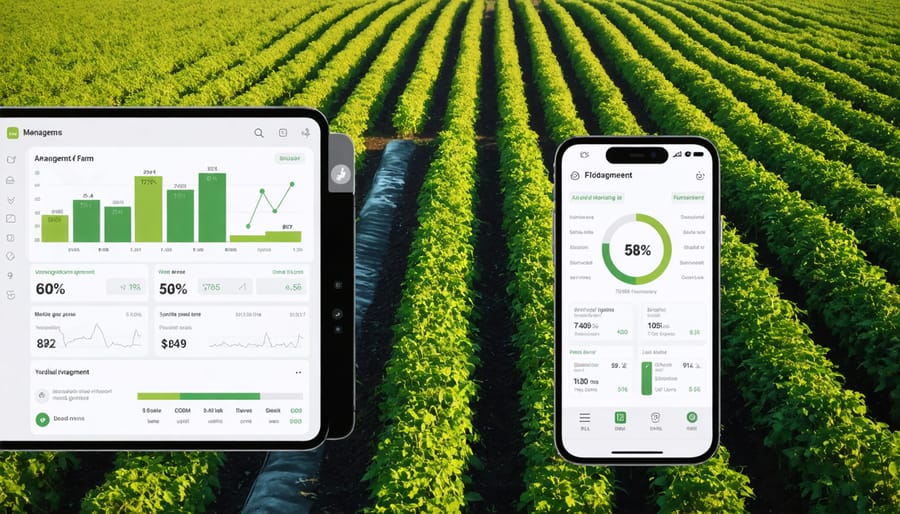
Modern CSA operations increasingly rely on digital farm management tools to streamline their day-to-day activities. Essential platforms include member management systems that track subscriptions, preferences, and delivery schedules, making it easier to maintain strong relationships with shareholders. Secure payment processing systems enable smooth transactions while protecting sensitive financial information, often integrating with popular services like Square or Stripe.

Communication platforms have become vital for keeping members informed about harvest updates, pickup times, and farm events. Many CSAs use email marketing services, SMS notifications, and member portals to share updates and recipes. Cloud-based inventory management helps track produce availability and automate share planning, while scheduling software coordinates volunteer activities and special events.

These digital solutions enhance efficiency but require proper security measures to protect both the farm’s operations and member data. Regular updates, strong passwords, and data backups are essential practices for maintaining these systems safely.

Farmer reviewing digital CSA member records on a laptop in an agricultural setting
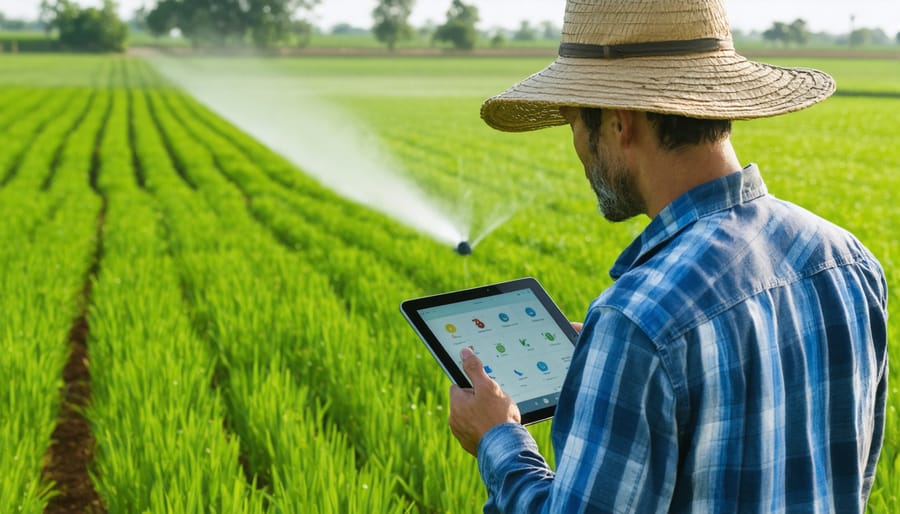
Farmer using laptop in field while accessing CSA management software

Common Security Risks for Small Farms

Small farms face several unique cybersecurity challenges that can impact their CSA operations. Common threats include payment system breaches during member sign-ups and recurring payments, compromised email accounts leading to communication disruptions, and unauthorized access to member databases containing sensitive information. Many farmers store valuable crop planning data, harvest schedules, and financial records on their computers or cloud services, making them attractive targets for ransomware attacks.

Social engineering scams targeting small farms are also on the rise, with cybercriminals posing as potential CSA members or vendors to gain access to farm systems. Mobile devices used for farmers’ market sales and CSA distribution tracking are particularly vulnerable to malware and data theft. Additionally, farms using smart agriculture technology for irrigation, climate control, or inventory management face risks from IoT device vulnerabilities.

The good news is that most of these security risks can be managed with simple, affordable solutions and good digital habits.

Essential Security Measures for CSA Digital Systems

Visual representation of cybersecurity risks specific to CSA farms
Infographic showing common cybersecurity threats with farm-related icons

Secure Member Data Management

Protecting your CSA members’ personal and financial information is crucial for maintaining trust and complying with data protection regulations. Start by implementing a secure payment processing system that uses encryption and follows PCI DSS standards. Many small farms find success with established platforms like Square or Stripe, which offer built-in security features.

Store member information in a password-protected database, and limit access to only those team members who absolutely need it. Create unique login credentials for each staff member and regularly update passwords. Consider using a reliable cloud-based management system specifically designed for CSA operations, which typically includes security features and regular backups.

Keep your members’ email addresses secure by using blind carbon copy (BCC) when sending group communications. Regularly update your computer systems and use current antivirus software to prevent data breaches. Back up all member data regularly and store it in a separate, secure location.

Develop a clear privacy policy that outlines how you collect, use, and protect member information. Share this policy with your members and get their consent for data collection. Create a response plan for potential data breaches, including steps for notifying affected members and addressing security vulnerabilities.

Train your staff on data security best practices, including proper handling of paper documents containing sensitive information and secure disposal methods when needed.

Safe Online Communication Channels

Establishing secure communication channels with your CSA members is essential for protecting sensitive information and maintaining trust. Start by implementing encrypted email services like ProtonMail or Tutanota for handling member data and payment details. These platforms offer free basic plans perfect for small-scale farms while ensuring your communications remain private.

For regular updates and newsletters, consider using established platforms like MailChimp or Constant Contact, which provide built-in security features and help maintain compliance with data protection regulations. When sharing weekly harvest updates or coordinating pickup times, use secure messaging apps like Signal or WhatsApp Business, which offer end-to-end encryption.

Creating a members-only section on your website can provide a secure space for sharing sensitive information while implementing secure digital marketing practices. This area should be protected with strong password requirements and two-factor authentication when possible.

Remember to regularly update your communication tools and platforms to their latest versions, as these updates often include important security patches. Train your team members on proper communication protocols, such as avoiding sharing sensitive information through unsecured channels and recognizing potential phishing attempts. By maintaining secure communication channels, you’ll protect both your farm’s operations and your members’ trust.

Budget-Friendly Security Solutions

Free and Low-Cost Security Tools

Protecting your CSA doesn’t have to break the bank. Several reliable, budget-friendly security tools can help safeguard your farm’s digital operations. Start with Malwarebytes Free, which offers solid protection against malware and suspicious websites. For email security, consider using Thunderbird with its built-in spam filtering and encryption capabilities.

Password management is crucial, and Bitwarden’s free version provides excellent security for storing and generating strong passwords. To protect your CSA’s files, VeraCrypt offers free, powerful encryption that keeps sensitive customer and financial data safe.

For basic firewall protection, Windows Defender (included with Windows) or UFW (for Linux systems) provide adequate security for most small farm operations. Google Authenticator adds an extra layer of security to your accounts at no cost, while CloudFlare’s free tier offers website protection and basic DDoS prevention.

Many CSA operators have found success using these tools in combination with common-sense security practices, like regular backups and careful email handling. Remember, even basic security measures can significantly reduce your risk of cyber incidents.

DIY Security Best Practices

Protecting your CSA’s digital assets doesn’t have to be complicated or expensive. Start by creating strong, unique passwords for all your accounts and consider using a password manager to keep track of them securely. Enable two-factor authentication whenever possible, especially for your email and financial accounts.

Regularly back up your important files, including member lists, delivery schedules, and financial records, to both a local external drive and a cloud storage service. Keep your devices’ operating systems and software up to date by enabling automatic updates.

Be cautious with email attachments and links, even if they appear to come from known contacts. When using public Wi-Fi at farmers’ markets or events, avoid accessing sensitive information or conducting financial transactions unless you’re using a VPN.

Create separate accounts for different farm workers rather than sharing login credentials. This helps track who accesses what and when. Finally, maintain a written security policy that outlines basic procedures, and regularly discuss these practices with your team members to ensure everyone follows the same safety protocols.

Remember to periodically review and update these security measures as your CSA grows and technology evolves.

Building a Security-Aware Farm Community

Staff Training Essentials

Training your farm staff in basic cybersecurity practices is essential for protecting your CSA operation. Start by establishing clear guidelines for password management, requiring unique, strong passwords for all farm-related accounts. Teach workers how to recognize common phishing attempts and suspicious emails, especially those claiming to be from vendors or members.

Create a simple checklist for daily security practices, such as logging out of shared devices, avoiding suspicious downloads, and keeping mobile devices updated. Implement a buddy system where experienced staff members can guide newcomers through security protocols.

Regular monthly meetings to discuss security updates and share potential threats help keep everyone informed and vigilant. Consider role-playing exercises to practice responding to security incidents, like unauthorized access attempts or suspicious phone calls requesting sensitive information.

Remember to document all training sessions and have staff sign acknowledgment forms to ensure accountability and demonstrate your commitment to protecting member data.

Farm staff engaged in digital security training workshop
Small group of farm workers participating in a cybersecurity training session

Member Education and Communication

Regular communication about cybersecurity best practices is essential to protect your CSA’s digital assets. Create a monthly newsletter section dedicated to security tips, using simple language that resonates with your members. Share practical advice like password management techniques, how to spot phishing emails, and safe online payment practices.

As you engage with your CSA community, incorporate security reminders into your regular updates. Consider hosting virtual workshops to demonstrate secure account management and safe browsing habits. Create easy-to-follow infographics that members can save and reference.

Remember to explain why these security measures matter, using real-world examples that relate to your CSA operations. When members understand how their data protection connects to their fresh produce delivery, they’re more likely to follow security guidelines. Keep communication friendly and encouraging, avoiding technical jargon that might overwhelm members.

In today’s digital age, protecting your CSA’s online presence and data is just as important as tending to your crops. By implementing basic cybersecurity measures, you can safeguard your farm’s future and maintain the trust of your members. Start with simple steps like strong passwords and regular software updates, then gradually build up your security practices as your operation grows.

Remember that cybersecurity doesn’t have to be overwhelming or expensive. Many effective solutions, like two-factor authentication and basic encryption tools, are free or low-cost. The key is consistency and awareness – make security part of your daily farm management routine, just like checking the weather or watering your plants.

Take action today by conducting a security assessment of your current systems and creating a plan to address any vulnerabilities. Your CSA members rely on you not just for fresh, healthy produce, but also for protecting their personal and payment information. By prioritizing cybersecurity, you’re cultivating not only sustainable agriculture but also sustainable business practices that will help your farm thrive in the digital era.

Transform Your Agricultural Teaching Career: GAPSC-Approved CSA Educator Certification

Posted by darrell on
0
Educational Programs and Partnerships
Transform Your Agricultural Teaching Career: GAPSC-Approved CSA Educator Certification

Becoming a certified educator through a GAPSC-approved preparation program opens doors to transformative teaching careers while ensuring Georgia’s students receive high-quality instruction from well-prepared professionals. These rigorous programs combine intensive coursework, hands-on classroom experience, and mentorship opportunities to develop educators who meet the state’s exacting standards. Whether you’re a career changer pursuing your passion for teaching or a recent graduate eager to make a difference in students’ lives, GAPSC-approved programs provide the foundational knowledge, practical skills, and professional credentials required for success in Georgia’s classrooms. With options available at numerous accredited institutions across the state, these programs offer flexible pathways to certification while maintaining the high standards that have made Georgia a leader in educator preparation and professional development.

What Makes a GAPSC-Approved CSA Educator Program Special

Core Certification Requirements

To embark on your journey as a certified educator through GAPSC-approved teacher education programs, you’ll need to meet several key requirements. First, you must hold a bachelor’s degree from an accredited institution with a minimum GPA of 2.5. A passing score on the GACE Program Admission Assessment is essential, unless you qualify for an exemption through SAT, ACT, or GRE scores.

You’ll also need to complete a Georgia Educator Ethics Assessment and undergo a comprehensive background check. Content knowledge is verified through the GACE Content Assessment in your intended teaching field. For those interested in agricultural education, specific coursework in sustainable farming practices and environmental science is highly recommended.

The certification process includes completing supervised field experiences and student teaching, typically lasting one semester. During this time, you’ll work alongside experienced educators, developing practical teaching skills while implementing sustainable agriculture concepts in real classroom settings. Maintaining professional development hours and adhering to ethical standards throughout your career ensures your certification remains active and current.

Program Standards and Quality Assurance

The Georgia Professional Standards Commission (GAPSC) maintains rigorous standards for educator preparation programs through a comprehensive quality assurance system. This system includes regular program reviews, data monitoring, and continuous improvement processes to ensure excellence in teacher preparation.

Programs undergo periodic assessments where experts evaluate curriculum alignment, field experience quality, and candidate performance. Each program must demonstrate how they prepare educators to meet state standards and implement effective teaching strategies in their classrooms.

Performance metrics track various aspects including graduation rates, certification exam pass rates, and teaching effectiveness of program graduates. Programs must maintain specific benchmarks and show evidence of addressing any areas needing improvement.

To ensure relevance and effectiveness, GAPSC collaborates with education stakeholders, including school districts, teachers, and administrators. This partnership approach helps programs stay current with evolving educational needs and best practices.

Programs also participate in annual reporting and must show evidence of incorporating feedback from multiple sources, including mentor teachers, school partners, and program graduates. This comprehensive approach helps maintain high-quality educator preparation across Georgia.

Practical Skills Development in CSA Education

Group of educator candidates practicing farming techniques in a community garden
Student teachers gaining hands-on experience in a sustainable farm setting

Field Experience Requirements

Field experience is a crucial component of the GAPSC-approved educator preparation program, combining classroom learning with practical application. Aspiring educators must complete a minimum of 900 hours of supervised field experience, typically spread across three semesters. These experiences include classroom observation, student teaching, and hands-on agricultural education opportunities in various educational settings.

During the first semester, candidates spend approximately 200 hours observing experienced teachers and participating in guided teaching activities. The second semester involves 300 hours of increased classroom responsibility, including lesson planning, small group instruction, and assessment development. The final semester requires 400 hours of full-time student teaching, where candidates take on complete classroom management responsibilities under mentor supervision.

Candidates must document their experiences through detailed logs, reflection journals, and portfolio development. These materials demonstrate growth in teaching competencies and understanding of diverse learning environments. Additionally, regular evaluations from supervising teachers and program coordinators ensure candidates meet professional teaching standards and develop effective classroom management skills.

All field experiences must be completed at GAPSC-approved school sites, with at least one placement in a Title I school to ensure exposure to diverse student populations and teaching environments.

Teaching Methodology for CSA Concepts

The teaching methodology for CSA concepts embraces a hands-on, experiential learning approach that connects theory with practical application. Educators in this program learn to create engaging lesson plans that incorporate real-world farming scenarios, seasonal growing cycles, and sustainable agricultural practices.

Students are taught through a blend of classroom instruction and field experiences, with emphasis on demonstration gardens and school-based farming projects. Future teachers learn to guide their students through the complete growing process, from seed selection to harvest, while incorporating essential scientific concepts and environmental stewardship principles.

The program emphasizes interactive teaching methods such as group projects, peer learning, and community engagement activities. Aspiring educators learn to facilitate discussions about food systems, nutrition, and sustainable farming practices in ways that resonate with diverse student populations.

Technology integration plays a key role, with instruction on using digital tools for weather tracking, crop planning, and data collection. Teachers-in-training also learn to develop assessment strategies that evaluate both theoretical understanding and practical skills.

Special attention is given to teaching methods that address various learning styles, including visual aids, hands-on activities, and problem-based learning scenarios. The methodology emphasizes the importance of connecting students with local farmers and food producers, creating meaningful community partnerships that enhance the learning experience.

Agricultural educator explaining farming concepts using interactive teaching materials
Teacher in a classroom setting demonstrating agricultural concepts to students

Career Opportunities and Professional Growth

Teaching Positions and Roles

Certified agricultural educators have diverse opportunities to make a meaningful impact in various educational settings. Elementary school positions allow teachers to introduce young minds to basic farming concepts and environmental stewardship. Middle and high school roles focus on more advanced agricultural science, sustainable practices, and hands-on experience with school gardens.

Career and technical education instructors work with students interested in pursuing agricultural careers, teaching both theoretical knowledge and practical skills. Adult education positions involve working with community members interested in sustainable farming practices and home gardening techniques.

Special education teachers can adapt agricultural lessons for students with diverse learning needs, while environmental education specialists often work in nature centers or botanical gardens. Agricultural extension educators serve as community resources, helping local farmers implement sustainable practices.

These positions typically require state certification and specialized training in agricultural education, ensuring educators are well-prepared to inspire the next generation of sustainable farming advocates.

Continuing Education and Development

Once certified through a GAPSC-approved program, educators must maintain their credentials through ongoing professional development. Teachers are required to complete at least 10 professional learning units (PLUs) every five years, with opportunities available through workshops, conferences, and online courses focused on agricultural education and sustainable practices.

Many programs offer specialized training in emerging agricultural technologies, sustainable farming methods, and innovative teaching strategies. For educators interested in expanding into leadership, administration, or program management roles, pursuing an Online Master of Business Administration can provide valuable skills in strategic planning, budgeting, and organisational development. These continuing education opportunities help educators stay current with the latest developments in both teaching methodologies and agricultural practices.

Local agricultural extension offices frequently partner with education programs to provide hands-on workshops where teachers can learn about seasonal growing techniques, organic certification requirements, and community engagement strategies. These practical experiences enhance classroom instruction and help teachers build valuable connections within the farming community.

Additionally, educators can participate in summer institutes, agricultural leadership programs, and professional learning communities that focus on sharing best practices and developing curriculum resources. Many of these programs emphasize experiential learning and sustainable agriculture principles, ensuring teachers can effectively prepare the next generation of agricultural professionals.

Agricultural educators participating in a professional development session
Professional development workshop showing certified educators collaborating

Success Stories and Impact

Meet Sarah Thompson, a certified agricultural educator who transformed her rural Georgia high school’s agriculture program into a thriving learning hub. After completing her GAPSC-approved educator preparation program, Sarah implemented hands-on learning experiences that connect students with sustainable farming practices. Her students now manage a quarter-acre school garden that supplies fresh produce to the cafeteria and local food banks.

James Rodriguez, another program graduate, brought his passion for urban farming to inner-city Atlanta schools. His innovative container gardening program has reached over 500 students, teaching them about food security and entrepreneurship through microgreens production. Several of his former students have gone on to pursue agricultural degrees or start their own small-scale farming operations.

In South Georgia, Maria Gonzalez leverages her certification to bridge the gap between traditional farming communities and modern sustainable practices. Her bilingual agriculture education program has helped over 50 families start successful market gardens, contributing to local food sovereignty while preserving cultural farming traditions.

These educators exemplify how proper certification through GAPSC-approved programs creates ripple effects throughout communities. Their success stories demonstrate the powerful impact of well-trained agricultural educators in fostering the next generation of sustainable farmers and food system leaders. Through their work, they’re not just teaching agriculture – they’re cultivating change in their communities one student at a time.

Pursuing a GAPSC-approved educator preparation program opens doors to meaningful careers in agricultural education while ensuring the highest standards of teaching excellence. These programs equip educators with the essential knowledge and skills needed to inspire the next generation of sustainable farmers and agricultural innovators. By completing a certified program, you’ll gain confidence in teaching complex farming concepts, developing engaging curriculum, and creating hands-on learning experiences that resonate with students.

The certification not only validates your expertise but also demonstrates your commitment to professional growth and educational excellence. As interest in sustainable agriculture and local food systems continues to grow, qualified agricultural educators play an increasingly vital role in shaping our food future. Whether you’re passionate about teaching in traditional classroom settings, community gardens, or CSA programs, GAPSC certification provides the foundation for a rewarding career that bridges education and sustainable agriculture.

Remember, investing in proper certification today means contributing to a more sustainable and food-secure tomorrow while building a fulfilling career in agricultural education.

Green Building Made Simple: Farm-Friendly Construction That Saves Money and Earth

Posted by darrell on
0
Environmental Sustainability
Green Building Made Simple: Farm-Friendly Construction That Saves Money and Earth

Transform your farm or homestead into a beacon of sustainability with eco-friendly building practices that slash energy costs while protecting our planet. Modern agricultural structures now blend time-tested natural materials with cutting-edge green technology, creating buildings that work in harmony with the environment. From solar-powered barn ventilation to rainwater harvesting systems, these innovative approaches are revolutionizing how we construct agricultural spaces.

Smart farmers are discovering that eco-friendly buildings don’t just benefit the environment – they significantly reduce operational costs. Natural lighting, superior insulation, and renewable materials like reclaimed wood and rammed earth create structures that maintain ideal temperatures year-round while minimizing energy consumption. These buildings often pay for themselves through reduced utility bills and increased operational efficiency.

The future of farming demands buildings that produce more than they consume. Whether you’re planning a new greenhouse, converting an existing barn, or designing a processing facility, eco-friendly building techniques offer practical solutions that benefit both your bottom line and the environment.

Natural and Sustainable Building Materials

Local and Recycled Materials

Using local and recycled materials in construction not only reduces environmental impact but also creates unique, character-rich buildings that tell a story. Salvaged wood from old barns, reclaimed bricks, and repurposed metal roofing can significantly lower building costs while preserving valuable resources. Many farmers have found success incorporating materials from their own land, such as stone from field clearing or timber from sustainable woodlots.

Local sourcing keeps transportation costs down and supports regional businesses. Consider working with nearby sawmills for custom-cut lumber, quarries for stone, and salvage yards for unique architectural elements. Many communities also have material exchanges where contractors and homeowners can find or list unused building supplies.

Creative reuse options include converting shipping containers into storage spaces, using old windows for greenhouse construction, and repurposing concrete rubble for foundation work. When sourcing materials locally, build relationships with area contractors who can alert you when quality materials become available from demolition projects.

Remember to inspect all reclaimed materials thoroughly for structural integrity and ensure they meet local building codes before incorporation into your project.

Bio-Based Building Components

Bio-based building materials are revolutionizing sustainable construction by transforming agricultural byproducts into durable building components. Straw bales, once considered mere farm waste, now serve as excellent insulation material, offering superior thermal properties while sequestering carbon. These bales can create walls with R-values between R-30 and R-50, significantly reducing energy costs.

Bamboo has emerged as a sustainable alternative to traditional timber, growing up to 3 feet per day and reaching maturity in just 3-5 years. Its tensile strength rivals steel, making it ideal for flooring, wall panels, and structural supports.

Hemp-based materials are gaining popularity through products like hempcrete, which combines hemp hurds with lime binder. This lightweight material offers excellent insulation, moisture regulation, and fire resistance while being carbon-negative during production.

Other innovative options include mycelium-based insulation, which uses mushroom roots to create naturally fire-resistant panels, and agricultural waste composites that transform rice hulls and corn stalks into sturdy building materials. These alternatives not only support local farming communities but also create healthier, more sustainable building environments.

Eco-friendly barn featuring straw bale walls, recycled timber frame, and natural finishes
A sustainable farm building constructed with straw bales and reclaimed wood

Energy-Efficient Design Elements

Passive Solar Design

Harnessing the power of the sun through thoughtful building design is one of the most cost-effective ways to reduce energy consumption on your farm. By incorporating passive solar principles, you can create structures that naturally maintain comfortable temperatures and reduce lighting costs throughout the year.

Strategic window placement is key to maximizing natural light and heat gain. South-facing windows capture maximum sunlight during winter months, while properly sized overhangs prevent overheating in summer. Thermal mass materials like concrete floors or stone walls absorb heat during the day and release it slowly at night, helping regulate indoor temperatures.

Building orientation plays a crucial role too. Positioning structures to take advantage of prevailing winds can enhance natural ventilation, while careful placement of trees and vegetation provides natural shade during hot seasons. These design elements work together with renewable energy in agriculture systems to create highly efficient farm buildings.

Consider incorporating clerestory windows or skylights in barns and storage areas to reduce artificial lighting needs during daylight hours. For greenhouse structures, implementing thermal curtains and strategic ventilation can help maintain optimal growing conditions while minimizing energy use.

Cross-section illustration of a farm building demonstrating passive solar features including thermal mass walls and strategic window placement
Diagram showing passive solar design principles in a farm structure

Natural Ventilation Systems

Natural ventilation systems harness the power of wind and thermal buoyancy to maintain healthy air quality in buildings without relying on mechanical systems. By strategically placing windows, vents, and other openings, these systems create a natural flow of air that helps regulate temperature and remove stale air.

Cross-ventilation is one of the most effective techniques, achieved by positioning windows on opposite walls to allow air to flow through the building. Stack ventilation takes advantage of warm air’s natural tendency to rise, using high openings or roof vents to release hot air while drawing in cooler air through lower openings.

For agricultural buildings, natural ventilation is particularly beneficial. Well-designed ridge vents in barn roofs help remove excess heat and moisture, while adjustable side panels allow farmers to control airflow based on weather conditions and livestock needs. Solar chimneys can enhance this effect by using the sun’s heat to create stronger upward air movement.

These passive systems not only reduce energy costs but also create healthier environments for both people and animals. When combined with proper building orientation and shade elements, natural ventilation can significantly decrease the need for artificial cooling and ventilation systems.

Water Conservation Features

Rainwater Harvesting

Rainwater harvesting is one of the most effective sustainable water practices you can implement in your eco-friendly building design. By installing gutters, downspouts, and collection tanks, you can capture rainfall for various agricultural uses, from irrigation to livestock watering. A well-designed system typically includes first-flush diverters to remove initial contaminated runoff, mesh filters to keep debris out, and storage tanks sized according to your farm’s needs and local rainfall patterns.

Underground cisterns or above-ground tanks can store thousands of gallons of water, providing a reliable source during dry spells. For maximum efficiency, consider integrating your harvesting system with drip irrigation or other water-conserving distribution methods. Many farmers find that rainwater harvesting not only reduces their water bills but also provides better quality water for their crops, as rainwater is naturally soft and free from added chemicals.

Modern barn roof with gutters connected to large storage tanks for rainwater collection
Integrated rainwater harvesting system on a farm building

Greywater Systems

Greywater systems offer an innovative solution for farms looking to conserve water and reduce environmental impact. These systems capture and filter water from sinks, showers, and washing machines, making it safe for irrigation and other non-potable uses. For farm buildings, implementing a greywater system can significantly reduce water consumption while providing a reliable source for crop irrigation and cleaning equipment.

A basic greywater setup includes collection pipes, a filtration system, and storage tanks. Many farmers have found success using constructed wetlands or biofilters, which naturally clean the water using plants and beneficial bacteria. This filtered water can then be used for various farm tasks, from washing down barn floors to irrigating non-food crops.

When designing your farm’s greywater system, consider factors like soil type, slope, and local regulations. Simple systems can be relatively inexpensive to install and maintain, offering an excellent return on investment through reduced water bills and increased sustainability.

Cost-Effective Implementation

Phased Construction Approaches

Breaking down an eco-friendly building project into phases makes the process more manageable and allows for better budget control. Start with the foundation and basic structure using sustainable materials like reclaimed wood or recycled steel. This initial phase should include proper site planning to maximize natural lighting and ventilation.

The second phase typically focuses on the building envelope, incorporating energy-efficient windows, sustainable insulation materials, and green roofing options. Consider installing a living roof during this stage to support local biodiversity and improve temperature regulation.

Next, implement renewable energy systems and water conservation features. This might include solar panels, rainwater harvesting systems, or greywater recycling setups. These installations can be spread across multiple sub-phases to distribute costs.

The final phase involves interior finishing and landscaping. Choose low-VOC paints, sustainable flooring options, and energy-efficient appliances. Complete the project with drought-resistant landscaping and permeable pathways that complement your farming operation.

Remember to schedule construction during appropriate farming seasons to minimize disruption to agricultural activities. This phased approach allows farmers to continue operations while gradually building their eco-friendly structures.

Available Grants and Incentives

Farmers and agricultural businesses looking to implement sustainable farm features can access various financial support options. The Environmental Farm Plan (EFP) offers grants covering up to 50% of eco-friendly building costs, including solar panel installations and energy-efficient greenhouse systems. The Canadian Agricultural Partnership (CAP) provides funding for sustainable infrastructure improvements, with specific programs varying by province.

Local conservation authorities often offer incentives for implementing water-saving features and sustainable waste management systems. First-time farmers can explore the Young Farmer Loan program, which offers reduced interest rates for eco-friendly building projects. Additionally, many provinces provide tax credits for implementing renewable energy systems and using sustainable building materials.

Remember to check with your local agricultural office, as grant availability and application deadlines vary throughout the year. Some agricultural cooperatives also offer member-specific funding programs for sustainable building initiatives, making eco-friendly construction more accessible for farming communities.

Embracing eco-friendly building practices isn’t just good for the environment – it’s a smart investment in our future. From reduced energy costs and improved air quality to enhanced property values and decreased carbon footprints, the benefits of sustainable construction are clear and compelling. Farmers and agricultural businesses have a unique opportunity to lead by example, implementing green building techniques that complement their sustainable farming practices.

By choosing renewable materials, maximizing natural lighting, installing energy-efficient systems, and incorporating water conservation measures, we can create structures that work in harmony with nature while supporting productive agricultural operations. These choices not only benefit individual farms but contribute to the broader movement toward environmental stewardship.

Whether you’re planning a new barn, greenhouse, or storage facility, consider taking the first step toward sustainable building practices today. Start small with simple improvements or go all-in with a comprehensive green building plan. Every eco-friendly choice makes a difference, creating a healthier environment for current and future generations of farmers and their communities.

JAS Wellness: Why This Japanese-Inspired CSA Program Transforms Health

Posted by darrell on
0
CSA Fundamentals and Benefits
JAS Wellness: Why This Japanese-Inspired CSA Program Transforms Health

Transform your approach to local, sustainable agriculture by embracing Japanese Agricultural Standards (JAS) within CSA programs. Integrate mindful farming practices like crop rotation based on seasonal energy flows, implement natural pest management through companion planting, and cultivate soil health using traditional Japanese composting methods. These time-tested techniques not only enhance produce quality but also promote environmental harmony and personal wellbeing.

Drawing from centuries of Japanese agricultural wisdom, JAS wellness principles elevate modern farming beyond mere food production into a holistic practice that nourishes both land and community. By combining ancient Eastern agricultural philosophy with contemporary sustainable farming methods, growers can create resilient, productive systems that yield exceptional organic produce while maintaining ecological balance.

This innovative approach transforms traditional CSA relationships into dynamic wellness partnerships, where members receive not just fresh, seasonal produce, but also participate in a time-honored system of agricultural practices that promote both environmental and personal health. The result is a more meaningful connection to our food, our farmers, and our natural environment.

The Core Principles of JAS Wellness

Japanese farmer examining JAS-certified organic produce in traditional farming setting
Traditional Japanese farmer inspecting organic vegetables in a well-organized field with certification seal overlay

Seasonal Harmony

At JAS Wellness, we embrace the ancient wisdom of eating in harmony with nature’s cycles. By following seasonal eating patterns, we align our bodies with the natural rhythms of the earth, maximizing both nutritional benefits and environmental sustainability. During spring, we focus on tender leafy greens and early vegetables that help cleanse and rejuvenate after winter. Summer brings an abundance of cooling fruits and vibrant vegetables, perfect for maintaining energy during hot days.

As autumn approaches, we transition to root vegetables, squashes, and warming foods that prepare our bodies for the cooler months ahead. Winter emphasizes hearty, nutrient-dense produce and preserved foods that support our immune systems during the cold season. This cyclical approach not only ensures peak freshness and flavor but also supports local farmers and reduces the carbon footprint associated with out-of-season produce transportation.

By eating seasonally, we connect more deeply with our local environment while receiving the specific nutrients our bodies need during each season. This practice helps maintain optimal wellness throughout the year while supporting sustainable agricultural practices.

Quality Standards

JAS certification represents Japan’s stringent organic and wellness standards, ensuring products meet the highest quality benchmarks for health and sustainability. To achieve JAS certification, farmers and producers must adhere to strict guidelines that prohibit the use of synthetic pesticides, chemical fertilizers, and genetic modification while promoting soil health and biodiversity.

These standards require comprehensive documentation of farming practices, regular soil testing, and maintaining buffer zones between organic and conventional farming areas. Products must be grown in soil that has been free from prohibited substances for at least three years before certification.

The health benefits of JAS-certified products are significant. They typically contain higher levels of antioxidants, vitamins, and minerals compared to conventional produce. Studies have shown that organic foods grown under JAS standards have lower levels of pesticide residues and heavy metals, making them safer for consumption.

For wellness-focused consumers, JAS certification provides assurance that products are produced with environmental stewardship in mind, supporting both personal health and ecological balance. Regular audits and inspections ensure ongoing compliance, maintaining the integrity of the certification system.

Health Benefits of JAS Wellness CSA

Seasonal Japanese vegetables arranged in four quadrants representing spring, summer, fall, and winter harvests
Colorful seasonal produce arrangement showing four distinct seasons of Japanese vegetables

Nutritional Excellence

JAS certification ensures that your produce delivers exceptional nutritional value through strict quality control measures and superior growing practices. When you choose JAS certified products, you’re investing in food that consistently offers higher levels of essential nutrients compared to conventional alternatives.

Research has shown that JAS certified organic produce typically contains more antioxidants, vitamins, and minerals, maximizing the health benefits of fresh produce. For example, JAS certified vegetables often show increased levels of vitamin C, polyphenols, and other beneficial compounds that support overall wellness.

The certification’s emphasis on soil health plays a crucial role in nutrient density. By requiring farmers to maintain optimal soil conditions through natural methods, JAS ensures that plants can access and absorb a full spectrum of minerals and nutrients. This translates to more flavorful and nutritious food on your plate.

What sets JAS certified produce apart is the careful attention to harvest timing and post-harvest handling. Farmers wait until fruits and vegetables reach peak ripeness before harvesting, allowing for maximum nutrient development. Combined with careful handling practices, this ensures that the nutritional value remains intact from farm to table, delivering the full wellness benefits you expect from premium organic produce.

Mindful Consumption

JAS wellness takes a mindful approach to eating, encouraging participants to develop a deeper connection with their food and its origins. This philosophy emphasizes the importance of being present during meals and understanding the journey from farm to table. By engaging with local farmers and receiving fresh, seasonal produce, members naturally develop more conscious eating habits.

The program promotes several key practices for mindful consumption. First, it encourages members to plan meals around their weekly CSA box, reducing food waste and inspiring creativity in the kitchen. Participants learn to appreciate the natural rhythms of seasonal eating, understanding that certain vegetables and fruits taste best when harvested at their peak.

Members are also guided to practice intentional eating by taking time to observe, smell, and savor their meals. This approach helps develop a greater appreciation for fresh, whole foods while fostering better digestion and satisfaction. The program includes educational resources about proper food storage, preparation techniques, and creative ways to use unfamiliar vegetables.

Through community gatherings and cooking workshops, JAS wellness creates opportunities for members to share experiences and learn from each other. These events often feature demonstrations on preserving seasonal bounty through fermentation, canning, and freezing methods, ensuring that nothing goes to waste and members can enjoy local produce year-round.

By embracing these mindful consumption practices, participants often report improved eating habits, reduced stress around food choices, and a stronger sense of connection to their local food system.

Implementing JAS Wellness Principles

Seasonal Menu Planning

Planning meals around your CSA box can be both exciting and challenging. The key is to embrace seasonal eating patterns while maintaining flexibility in your menu planning. Start by examining your weekly CSA newsletter to anticipate upcoming produce, then build your meal plans around these fresh, seasonal ingredients.

Create a basic framework for each season, incorporating staple vegetables that appear regularly. For example, spring menus might feature asparagus, pea shoots, and tender greens, while summer plans could revolve around tomatoes, peppers, and zucchini. Keep a running list of adaptable recipes that work well with various vegetables, such as stir-fries, grain bowls, and roasted vegetable medleys.

Consider batch cooking and preservation methods to manage abundance during peak seasons. When you receive multiple bunches of herbs or greens, prepare pesto or dried herb blends for future use. Root vegetables can be roasted in large quantities and incorporated into different meals throughout the week.

To maximize nutrition and minimize waste, organize your meal plan with a “first in, first out” approach. Use delicate items like lettuce and herbs early in the week, saving hardier vegetables for later. Keep a few “rescue recipes” in your arsenal – soups, smoothies, and veggie-packed pasta dishes that can help use up produce before it spoils.

Remember to stay flexible and creative. Some weeks might bring surprise items or abundant harvests, so be prepared to adjust your plans accordingly.

Storage and Preparation

To maximize the benefits of your CSA produce, understanding proper produce storage techniques is essential. Start by sorting your vegetables as soon as you receive them, removing rubber bands and twist ties that can speed up decay. Store leafy greens in airtight containers lined with slightly damp paper towels to maintain optimal humidity.

Root vegetables like carrots and potatoes prefer cool, dark spaces and should be kept separate from ethylene-producing fruits like apples and pears. For herbs, trim the stems and place them in a glass of water with a loose plastic bag over the top, storing them in the refrigerator. This method can extend their freshness for up to two weeks.

Temperature control is crucial – most vegetables do best in the crisper drawer at around 40°F (4°C). However, tomatoes, onions, and winter squash should be kept at room temperature. When preparing your produce, wash it just before use rather than all at once to prevent premature spoilage.

Consider batch-prepping some items for quick meal assembly throughout the week. Chop hardy vegetables like carrots and celery in advance, storing them in airtight containers with a paper towel to absorb excess moisture. This preparation method not only saves time but also helps you stay committed to using your fresh, nutritious produce regularly.

Infographic demonstrating Japanese methods for storing different types of vegetables
Step-by-step visual guide showing proper vegetable storage techniques in traditional Japanese style

JAS wellness through your local CSA program offers a unique opportunity to embrace both physical health and environmental sustainability. By participating in these community-supported agriculture initiatives, you’re not just receiving fresh, organic produce – you’re becoming part of a movement that promotes better farming practices and healthier communities.

The benefits of JAS wellness extend far beyond the dinner table. From supporting local farmers who adhere to strict Japanese Agricultural Standards to enjoying seasonally appropriate vegetables that align with traditional wellness principles, this approach creates a harmonious relationship between consumer health and agricultural sustainability.

Consider reaching out to your local CSA program today to learn more about their JAS-certified offerings. Many programs offer flexible membership options, allowing you to choose the level of participation that best suits your lifestyle. Some even provide educational resources and community events where you can learn more about sustainable farming practices and seasonal eating patterns.

Remember, every time you choose JAS-certified produce through your CSA, you’re making a positive impact on both your personal wellness journey and the environment. The combination of traditional Japanese agricultural wisdom with modern sustainable practices creates a powerful framework for better living.

Start your JAS wellness journey today by connecting with local CSA programs in your area. Your body, your community, and our planet will thank you for making this conscious choice toward a healthier, more sustainable future.

Fix Your Sick Plants: A Simple Diagnosis Method That Actually Works

Posted by darrell on
0
Home and Urban Gardening
Fix Your Sick Plants: A Simple Diagnosis Method That Actually Works

Diagnose plant problems systematically by examining leaves, stems, and roots for early warning signs of disease, pest damage, or nutrient deficiencies. Start at the base of affected plants, checking soil moisture levels and root health before moving upward to inspect stems for discoloration, spots, or unusual growth patterns. Document symptoms with clear photos and detailed notes, comparing healthy and unhealthy plants to pinpoint specific issues.

Most plant problems stem from just four core issues: improper watering, nutrient imbalances, pest infestations, or environmental stress. Learning to recognize these common indicators – yellowing leaves, wilting, spotted foliage, or stunted growth – transforms mysterious plant ailments into solvable challenges. By following a methodical diagnostic approach, even novice gardeners can become skilled plant detectives, catching problems early when solutions are most effective.

This practical guide will walk you through the essential steps of plant problem diagnosis, helping you identify and correct issues before they compromise your garden’s health.

The Plant Detective Method: Observation First

Visual Inspection Checklist

When inspecting your plants for problems, start with a systematic approach from top to bottom. Examine leaves closely, noting any discoloration, spots, or unusual patterns. Look for yellowing, which often indicates nutrient deficiencies, or brown spots that might signal fungal issues. Check both the upper and lower surfaces of leaves, as pests often hide underneath.

Move on to the stems, checking for any unusual swelling, discoloration, or damage. Healthy stems should be firm and properly colored for the plant variety. Look for signs of splitting, lesions, or unusual growth patterns that might indicate disease or pest problems.

Don’t forget to inspect the roots, though this may require carefully removing the plant from its container. Healthy roots should be firm and light-colored, while problematic roots often appear brown, mushy, or have an unpleasant odor. Be on the lookout for root binding in containers or signs of soil-borne pests.

Remember to document what you observe, perhaps with photos, as this can help track the progression of issues and assist in identifying recurring problems. Consider the overall plant appearance, including its growth pattern and any recent changes in its environment.

Step-by-step visual guide for inspecting plant leaves, stems, and roots
Infographic showing proper plant inspection steps with arrows pointing to key areas to check

Environmental Assessment

Before diving into specific symptoms, it’s crucial to evaluate your plant’s growing environment. Start by assessing the amount and quality of light your plant receives throughout the day. Too much or too little light can cause various issues, from leggy growth to leaf burn. Take note of any recent changes in light patterns or exposure.

Next, examine your watering practices and ensure you’re using the best water for plants. Check soil moisture at different depths using your finger or a moisture meter. Overwatering often causes more problems than underwatering, so pay attention to drainage and water frequency.

Soil quality plays a vital role in plant health. Look for signs of compaction, poor drainage, or nutrient deficiencies. Feel the soil texture and observe its color and smell. Healthy soil should be dark, crumbly, and have an earthy aroma. Consider testing your soil pH, as improper levels can prevent plants from absorbing necessary nutrients.

Remember to factor in temperature fluctuations, humidity levels, and air circulation, as these environmental conditions significantly impact plant health.

Common Symptoms and Their Likely Causes

Side-by-side comparison of healthy green leaves and diseased leaves showing common problems
Split comparison showing healthy vs diseased plant leaves with common symptoms like yellowing, spots, and wilting

Leaf Problems

Leaves are like nature’s warning lights, often revealing the first signs of plant stress before other symptoms appear. Yellow or pale leaves typically indicate nutrient deficiencies, with yellowing between leaf veins pointing to iron issues, while overall yellowing might suggest nitrogen shortage. Brown spots or patches could mean fungal problems, especially if accompanied by fuzzy growth in humid conditions.

Curling leaves often signal water stress – upward curling suggests underwatering, while downward curling might mean overwatering. Watch for irregular holes or chewed edges, as these are telltale signs of insect damage. If you notice black or sticky residue on leaves, look closer – this could be honeydew from sap-sucking pests like aphids.

Leaf patterns can also reveal environmental stress. Crispy brown edges might indicate salt buildup from hard water or excess fertilizer, while pale, bleached spots could mean sun damage. Twisted or distorted growth often points to herbicide exposure or viral infections.

Remember to check both leaf surfaces and examine new growth versus old leaves, as this can help pinpoint whether the issue is ongoing or from past stress. Quick identification of leaf problems allows for timely intervention, helping maintain healthy, productive plants in your garden.

Stem and Root Issues

Stem and root issues often reveal themselves through visible signs that can help you pinpoint problems before they become severe. Watch for stems that appear soft or mushy at the base, as this typically indicates root rot from overwatering or poor drainage. Dark or discolored stems, especially near the soil line, may signal fungal infections that require immediate attention.

Healthy roots should be firm and white or light tan. If you gently pull up a struggling plant, roots that are brown, black, or mushy suggest root rot, while few or stunted roots might indicate nutrient deficiencies or soil compaction. The presence of small knots or swellings on roots often points to nematode damage.

Look for stems that appear weak, bent, or unable to support the plant’s weight, which could indicate structural problems or insufficient light. Cracks or splits in stems might be caused by irregular watering or rapid growth spurts. Some stems may show signs of insect damage, like holes or scarring, requiring close inspection with a magnifying glass to spot tiny pests.

For container plants, gently slide the plant from its pot occasionally to inspect root health. Roots circling the bottom of the pot suggest the plant needs repotting, while a foul smell from the soil often indicates root decay. Remember that healthy stems and roots form the foundation of plant health, so regular monitoring helps catch issues early.

Simple Solutions for Common Problems

Quick Fixes

When you spot trouble with your plants, quick action can often prevent minor issues from becoming major problems. Here are some immediate steps you can take while investigating common plant problems and solutions.

For wilting plants, check soil moisture immediately. If dry, water thoroughly but avoid overwatering. If the soil is already wet, improve drainage by gently loosening the soil around the plant.

Yellow leaves often signal nutrient deficiencies. A quick foliar spray with organic seaweed solution can provide immediate relief while you work on long-term soil improvements.

For pest infestations, remove affected leaves and manually pick off visible insects. A gentle spray of diluted neem oil or insecticidal soap can offer quick protection without harming beneficial insects.

If you notice signs of fungal disease, immediately remove infected plant parts and improve air circulation by pruning crowded areas. A spray of diluted milk solution (1 part milk to 9 parts water) can help control powdery mildew.

For stunted growth, apply a balanced organic fertilizer and mulch around the plant base. This provides immediate nutrients while building long-term soil health.

Remember, these are temporary solutions while you determine the root cause. Always monitor your plants’ response to these quick fixes and adjust your approach accordingly.

Before and after images showing plant recovery process over time
Photo series showing the progression of treating a sick plant back to health

Long-term Prevention

Preventing future plant problems starts with creating a strong foundation for plant health. Think of it as building your garden’s immune system! Start by developing healthy soil through regular composting and crop rotation. These practices naturally build resistance against diseases and pests while promoting vigorous growth.

Maintain detailed garden records to track which plants thrive in specific locations and what issues you’ve encountered. This information becomes invaluable for planning future growing seasons and avoiding repeat problems. Consider implementing companion planting strategies, where certain plant combinations naturally support each other’s health and deter pests.

Regular maintenance is key to long-term prevention. Establish a consistent schedule for pruning, removing dead plant material, and monitoring for early signs of trouble. Keep your tools clean and sharp, sanitizing them between uses to prevent the spread of diseases. Installing proper irrigation systems helps maintain consistent moisture levels, reducing stress on your plants.

Create biodiversity in your garden by incorporating flowering plants that attract beneficial insects. These natural allies help control pest populations without the need for chemical interventions. Consider adding physical barriers like row covers or netting to protect vulnerable plants during critical growth periods.

Remember, healthy plants are naturally more resistant to problems. Focus on providing optimal growing conditions through proper spacing, adequate sunlight, and appropriate nutrient levels. By taking these preventive measures, you’ll spend less time treating problems and more time enjoying your thriving garden.

Successfully diagnosing plant problems doesn’t have to be a daunting task. By following a systematic approach and paying attention to the key signs we’ve discussed, you can become more confident in identifying and addressing issues in your garden. Remember to always start with the basics: examine the entire plant, check the growing conditions, and consider recent environmental factors or changes in care routines.

Keep a garden journal to track symptoms and treatments – this will be invaluable for future reference and help you spot patterns over time. Don’t hesitate to take photos of concerning issues, as these can help document the progression of problems and assist in getting accurate diagnoses from local extension offices or gardening communities.

Most importantly, take preventive action whenever possible. Maintain good garden hygiene, provide appropriate water and nutrients, and regularly monitor your plants for early warning signs. The sooner you catch and address an issue, the better chance your plants have of making a full recovery.

If you’re ever unsure about a diagnosis, don’t be afraid to reach out to experienced gardeners or local agricultural resources. Remember, every gardener faces plant problems at some point – it’s part of the learning journey. With practice and patience, you’ll develop an intuitive understanding of your plants’ needs and become more skilled at keeping them healthy and thriving.

Maximize Your Garden’s Potential with Ancient Three Sisters Wisdom

Posted by darrell on
0
Seasonal Planning and Management
Maximize Your Garden’s Potential with Ancient Three Sisters Wisdom

Transform your garden into a thriving ecosystem with the traditional companion planting method known as Three Sisters gardening. This ancient Native American technique interplants corn, beans, and squash in a strategic layout that maximizes space while creating perfect growing conditions for each crop. Tall corn stalks provide natural trellises for climbing beans, which fix nitrogen in the soil, while sprawling squash leaves create living mulch that retains moisture and suppresses weeds. This space-efficient design produces more food per square foot than growing these crops separately, making it ideal for both small backyard gardens and larger market farms. Whether you’re a novice gardener or experienced grower, this time-tested planting system offers a sustainable solution for organic food production that honors indigenous agricultural wisdom while meeting modern growing needs.

Illustrated diagram showing corn stalks with climbing beans and squash spreading below
Diagram showing the symbiotic relationship between corn, beans, and squash in the Three Sisters planting method

The Perfect Partnership: Understanding Three Sisters Companions

Corn: The Strong Support System

In the Three Sisters garden, corn serves as the backbone of this ingenious planting system. Standing tall and sturdy, corn stalks create a natural living trellis that supports climbing beans. The strong, fibrous stems grow straight and true, typically reaching heights of 6-8 feet, providing the perfect vertical structure for bean vines to twist and climb. As the corn develops its characteristic deep root system, it anchors the entire garden setup firmly in place, preventing toppling even in moderate winds. For best results, choose traditional, tall varieties of dent or flint corn rather than modern sweet corn hybrids – these heritage varieties typically develop thicker stalks and more robust root systems. Plant your corn in blocks rather than single rows to ensure proper pollination and maximum structural support for the climbing beans that will soon join them.

Beans: The Nitrogen Fixers

Beans play a crucial role in the three sisters garden by enriching the soil through nitrogen fixation. These climbing plants form a beneficial partnership with soil bacteria, converting atmospheric nitrogen into a form that plants can use. As the beans grow, they naturally wind their way up the corn stalks, eliminating the need for separate trellising systems.

The twining vines not only support themselves but also help stabilize the corn plants during strong winds. Common varieties like pole beans and runner beans work best, as they actively climb throughout the growing season. As an added bonus, these beans provide a double harvest – tender green beans during the summer and dried beans in fall.

When the growing season ends, the bean plants decompose and release stored nitrogen, preparing the soil for next year’s garden. This natural fertilization process exemplifies the sustainable nature of three sisters gardening.

Squash: The Living Mulch

Squash plants serve as nature’s living carpet in the Three Sisters garden, spreading their broad leaves across the soil to create a protective green blanket. This natural groundcover effectively suppresses weed growth while maintaining soil moisture throughout the growing season. The large leaves also help regulate soil temperature, keeping roots cool during hot summer days and reducing water evaporation. As an added benefit, the prickly stems and leaves of squash plants naturally deter many garden pests, including raccoons and other small animals that might otherwise disturb your corn and beans. The sprawling vines create convenient pathways for pollinators while their yellow blossoms attract beneficial insects that help maintain a healthy garden ecosystem. When harvested, these nutritious fruits provide a lasting food source well into the winter months.

Planning Your Three Sisters Garden

Small Space Layout (10×10 ft)

Even with limited space, you can create a thriving Three Sisters garden in a 10×10 foot plot through careful garden layout planning. Start by dividing your plot into four 5×5 foot squares, using three for planting and leaving one for access paths.

In each planting square, create four corn mounds spaced about 2 feet apart. Plant 4-5 corn seeds in each mound, eventually thinning to the strongest 2-3 plants. Once the corn reaches 6 inches tall, plant four pole bean seeds around each corn stalk, spacing them evenly.

Two weeks later, add squash or pumpkin seeds between the mounds, limiting to two plants per square to prevent overcrowding. Choose compact squash varieties like bush acorn or small sugar pumpkins that won’t overwhelm your space.

This layout typically yields enough corn for fresh eating, beans for both fresh consumption and drying, and 4-6 squash or pumpkins. While smaller than traditional plantings, this design maintains the companion planting benefits while fitting perfectly in an urban or suburban yard.

Bird's eye view diagram of a small Three Sisters garden showing planting mounds and spacing
Overhead view of a 10×10 ft Three Sisters garden layout with measurements and spacing

CSA-Scale Implementation

When scaling up the Three Sisters garden for Community Supported Agriculture (CSA) or small farm operations, careful planning becomes essential. A successful large-scale implementation typically starts with dividing the growing area into multiple plots of 20×20 feet or larger, allowing for efficient crop rotation and maintenance.

For CSA operations serving 20-30 members, consider dedicating at least 1000 square feet to the Three Sisters system. Create wide rows with 5-foot spacing between mounds to accommodate small machinery for initial soil preparation and end-of-season cleanup. Each mound should be approximately 4 feet in diameter, with 4-5 corn plants, 3-4 pole bean plants, and 2-3 squash plants.

Many successful CSA farmers incorporate irrigation systems, using drip lines along the rows to ensure consistent moisture. Some farmers have found success with laying black plastic mulch between rows to suppress weeds and retain soil moisture, significantly reducing maintenance time.

To maximize yield and extend the harvest season, consider staggered planting dates across different plots. This approach not only helps manage workload but also provides CSA members with a steady supply of fresh produce throughout the season.

Sarah Miller, a CSA farmer in Vermont, shares: “We plant our Three Sisters in four successive plots, two weeks apart. This gives us manageable harvesting windows and ensures our members get fresh corn and beans for several weeks instead of all at once.”

Remember to maintain wider paths between plots for easy access with wheelbarrows and harvest bins. Some farmers also incorporate beneficial flower borders around their Three Sisters plots to attract pollinators and beneficial insects, enhancing overall garden productivity.

Four-panel image showing Three Sisters garden development from spring planting to fall harvest
Photo series showing the Three Sisters garden progression through the growing season

Seasonal Timeline and Maintenance

Spring Preparation and Planting

Begin soil preparation in early spring when the ground has warmed to at least 60°F. Start by loosening the soil to a depth of 12-15 inches, incorporating aged compost to enrich the growing medium. Create mounds approximately 4 feet in diameter and 4-6 inches high, spacing them about 4 feet apart to allow adequate room for growth.

Plant corn first, as it will serve as the natural support structure. Place 4-5 corn seeds in each mound in a small circle, about 6 inches apart and 1-2 inches deep. Wait until the corn reaches about 6 inches tall before planting the climbing beans. Position 4-6 bean seeds in a circle around each corn stalk, about 3 inches away from the stalks and 1 inch deep.

One week after planting the beans, add squash or pumpkin seeds. Plant 3-4 seeds around the outer edge of each mound, about 3 inches deep. Once seedlings emerge, thin to the strongest plants: 2-3 corn stalks, 2-3 bean plants, and 2 squash plants per mound. Water the mounds deeply but gently to avoid disturbing the seeds.

Summer Care and Monitoring

Regular monitoring and care during the summer months are essential for a thriving Three Sisters garden. Keep the soil consistently moist but not waterlogged, watering deeply at the base of the plants early in the morning. As the corn grows taller, you may notice the beans naturally winding their way up the stalks – resist the urge to manipulate them too much, as they’ll find their way naturally.

Watch for common pests like squash bugs and cucumber beetles, which can damage your growing plants. Consider using organic pest control methods such as companion planting with marigolds or applying neem oil. Mulching around the squash plants helps retain moisture and suppress weeds, while also preventing the fruits from direct soil contact.

One challenge you might face is the corn stalks leaning under the weight of the climbing beans. Support any struggling stalks with stakes if needed. Remove any yellowing or diseased leaves promptly to prevent the spread of potential issues. As the squash leaves spread, ensure they’re not smothering young bean plants by gently redirecting their growth when necessary.

Remember to harvest regularly, especially squash, to encourage continued production throughout the season.

Fall Harvest Strategy

Each sister in the three sisters garden matures at slightly different times, allowing you to maximize your harvest yield throughout the season. Begin with corn when the ears feel full and kernels release a milky substance when pierced. This typically occurs 20 days after silk appearance. Harvest pole beans once pods are swollen but before they become tough, usually 3-4 months after planting. Continue picking to encourage production. Finally, gather squash when the rinds are hard and rich in color, leaving a few inches of stem attached. For winter squash varieties, harvest before the first frost, while summer squash can be picked young and tender throughout the growing season. Remember to step carefully between plants to avoid damaging remaining crops during harvest.

The Three Sisters gardening method stands as a shining example of how ancient wisdom can address modern agricultural challenges. By implementing this time-tested companion planting system, today’s gardeners and farmers can create resilient, sustainable food production systems while honoring Indigenous agricultural practices.

The benefits of Three Sisters gardening extend far beyond its space-saving design. This method naturally improves soil health through nitrogen fixation from beans and reduces the need for synthetic fertilizers. The natural pest resistance and weed suppression offered by the complementary plantings minimize the requirement for chemical interventions, making it an excellent choice for organic growers.

For home gardeners, the Three Sisters method provides an opportunity to grow more food in limited space while creating a beautiful, productive ecosystem. Small-scale farmers find that this system reduces operational costs while increasing yield diversity, making it particularly valuable for CSA programs and market gardens.

Perhaps most importantly, Three Sisters gardening offers a practical solution for sustainable food production in an era of climate uncertainty. The built-in resilience of this polyculture system helps protect against crop failure, while its water-efficient design makes it well-suited for areas experiencing irregular rainfall patterns.

As we look to create more sustainable food systems, the Three Sisters method reminds us that sometimes the most innovative solutions are rooted in traditional practices. By embracing this ancestral growing technique and adapting it to modern contexts, we can build more resilient, productive, and environmentally friendly gardens that nourish both people and the planet.

How Local Communities Shape Food Research (And Why It Matters for Your CSA)

Posted by darrell on
0
Local Food Systems and Distribution
How Local Communities Shape Food Research (And Why It Matters for Your CSA)

Transform local food systems through community-based participatory research by engaging residents as equal research partners rather than passive subjects. Partner directly with farmers, consumers, and neighborhood organizations to identify pressing challenges in community-supported agriculture and co-create practical solutions.

Empower community members to gather meaningful data through collaborative survey design, focus groups, and on-farm observations that capture both quantitative metrics and rich qualitative insights about local food access. Build research teams that blend academic expertise with vital local knowledge by recruiting diverse stakeholders – from seasoned farmers to food bank clients.

Design studies that deliver immediate value back to participants while building long-term community capacity. Share findings through accessible formats like community presentations, practical guidebooks, and farmer-to-farmer training sessions. Focus on actionable recommendations that strengthen social connections between producers and consumers while making local food systems more equitable and resilient.

This participatory approach ensures research directly serves community needs while building trust, ownership and sustainable positive change in local food networks. By centering community voices and lived experiences, CBPR methods generate more relevant and impactful solutions than traditional top-down research models.

Building Bridges Between Farmers and Researchers

The Power of Local Knowledge

The marriage of traditional farming wisdom and scientific research creates a powerful foundation for sustainable agriculture. Local farmers often possess generations of knowledge about their land, including insight into soil conditions, weather patterns, and crop behavior specific to their region. When this invaluable experience combines with modern research methods, it creates a comprehensive understanding that neither approach could achieve alone.

For example, in the Pacific Northwest, indigenous farming practices have helped researchers better understand sustainable water management techniques. Local farmers’ observations about pest cycles and natural predator relationships have also contributed to developing more effective organic pest control strategies.

This collaborative approach has proven particularly successful in developing climate-resilient farming methods. Farmers’ firsthand experiences with changing weather patterns provide researchers with real-world data that helps validate and refine scientific models. Meanwhile, researchers can help quantify and document traditional practices, making them more accessible to newer generations of farmers.

The exchange of knowledge flows both ways, creating a dynamic learning environment where scientific methodology enhances time-tested farming practices, and traditional wisdom informs research directions.

Creating Meaningful Partnerships

Successful farmer-researcher partnerships have transformed local food systems across the country. In Vermont, the Farm-to-Table Research Alliance paired agricultural scientists with small-scale organic farmers to develop innovative pest management strategies. This collaboration led to natural solutions that increased crop yields by 30% while maintaining organic standards.

Another inspiring example comes from California’s Central Valley, where researchers from UC Davis worked alongside family farms to create water-efficient irrigation systems. The farmers’ practical experience combined with academic expertise resulted in methods that reduced water usage by 40% while improving crop quality.

In Michigan, the Great Lakes Food Alliance shows how multiple stakeholders can work together effectively. Local farmers, university researchers, and community organizations partnered to study soil health improvement techniques. The results helped establish guidelines for regenerative farming practices that have been adopted by over 50 local farms.

These partnerships succeed when researchers respect farmers’ generational knowledge while farmers embrace scientific methods. Regular meetings, shared decision-making, and clear communication channels help maintain strong collaborative relationships. The key is creating an environment where both traditional farming wisdom and academic research are equally valued.

Farmers and agricultural researchers collaborating while reviewing data on tablets in a vegetable field
Diverse group of farmers and researchers examining crop data together in a field

Research Methods That Empower Communities

Participatory Mapping

Participatory mapping brings communities together to create visual representations of their local food landscape. Using simple tools like paper maps, markers, and increasingly, digital mapping applications, community members collaborate to document valuable food resources in their area. This includes identifying locations of community gardens, farmers’ markets, food banks, and informal food sharing networks.

The process typically begins with community workshops where residents share their knowledge about local food sources, distribution points, and areas lacking access to fresh produce. Participants mark these locations on maps while sharing stories and insights about each site. This collective mapping exercise often reveals hidden food resources and highlights gaps in the local food system that need addressing.

Digital tools have revolutionized participatory mapping, allowing communities to create interactive online maps that can be easily updated and shared. Using smartphones and GPS technology, participants can add real-time information about seasonal produce availability, operating hours of food markets, and even document informal food exchange networks between neighbors.

The resulting maps serve multiple purposes: they help newcomers discover local food resources, assist food justice organizations in identifying underserved areas, and support local farmers in planning distribution routes. These visual tools also strengthen community bonds by making visible the often-invisible connections that sustain local food systems, while empowering residents to take an active role in improving food access for all.

Local residents gathered around a large table with maps, marking local food resources and distribution points
Community members participating in a collaborative mapping workshop

Focus Groups and Community Surveys

Focus groups and community surveys serve as powerful tools for understanding local food systems from the ground up. These methods bring together diverse voices – from experienced farmers to everyday consumers – creating a rich tapestry of insights that can shape sustainable food initiatives.

When organizing focus groups, it’s helpful to gather 8-12 participants from different backgrounds. For example, a local CSA might invite long-time members, occasional buyers, and potential customers to discuss their experiences and expectations. These intimate discussions often reveal unexpected challenges and opportunities that surveys alone might miss.

Community surveys, meanwhile, can reach hundreds or even thousands of residents. Digital tools make it easier than ever to collect responses, though paper surveys at farmers’ markets and community centers ensure participation from all demographics. Effective surveys often explore topics like:

– Shopping habits and preferences for local produce
– Barriers to accessing fresh, organic food
– Interest in community gardening initiatives
– Willingness to participate in farm-to-table programs
– Seasonal eating patterns

Success story: The Green Valley Food Coalition used a combination of monthly focus groups and quarterly surveys to identify gaps in their local food distribution. This led to the creation of neighborhood produce pickup points, increasing access to fresh vegetables for seniors and working families.

Remember to share results with participants and the broader community – this transparency builds trust and encourages ongoing participation in local food system development.

Field-Based Learning

Field-based learning in community-based participatory research combines hands-on farming experience with systematic data collection, creating a rich environment for both practical skills development and scientific discovery. Researchers work alongside farmers and community members in the fields, learning traditional growing methods while gathering valuable information about soil health, crop yields, and sustainable farming practices.

This approach often involves setting up demonstration plots where different growing techniques can be tested and documented. Farmers share their generational knowledge while researchers contribute scientific methodology, creating a collaborative learning environment that benefits everyone involved. For example, participants might track rainfall patterns, document pest management strategies, and measure crop productivity while actively participating in daily farming activities.

The beauty of field-based learning lies in its immediacy and authenticity. Researchers experience firsthand the challenges and opportunities that farmers face, leading to more relevant and applicable research outcomes. Community members often participate in harvest days, soil testing workshops, and seasonal planning sessions, making the research process more accessible and meaningful to those it aims to serve.

This hands-on approach also helps build trust between researchers and community members, as everyone literally gets their hands dirty together. The shared experience of working in the fields creates natural opportunities for knowledge exchange and relationship building, which are essential for successful community-based research projects.

Real Impact: Success Stories from the Field

Aerial view of a successful urban rooftop garden with researchers collecting data
Urban rooftop garden research project

The Urban Farming Initiative

The success of urban farming initiatives in downtown Toronto demonstrates the power of community-based participatory research (CBPR) in action. In 2019, researchers from the University of Toronto partnered with local residents to transform vacant lots into productive community gardens, creating a model for sustainable urban agriculture.

The project began with community meetings where researchers and residents collaboratively identified food security challenges and potential solutions. Local participants contributed valuable knowledge about the neighborhood’s needs, soil conditions, and cultural food preferences, while researchers provided technical expertise in sustainable farming methods.

Over two growing seasons, the initiative engaged more than 200 community members who helped design, plant, and maintain six urban garden sites. Participants learned about soil testing, companion planting, and organic pest management through hands-on workshops. The research team documented traditional growing methods shared by elderly community members, incorporating this wisdom into the garden designs.

The results were impressive: the gardens produced over 2,000 pounds of fresh vegetables in their first year, supporting 75 families through a neighborhood food-sharing program. More importantly, the project created lasting change by building community capacity for urban agriculture. Residents reported increased knowledge about sustainable farming practices, stronger social connections, and a greater sense of food sovereignty.

This success story highlights how CBPR methods can bridge the gap between academic research and community needs, creating practical solutions for local food systems. The project’s participatory approach ensured that research outcomes directly benefited community members while generating valuable data about urban agriculture’s potential in dense city environments.

Rural Food Access Study

A compelling example of CBPR’s effectiveness can be found in the Mountain Valley Food Access Initiative, which tackled challenges in food distribution in rural areas. This three-year project brought together local farmers, community members, and researchers to address limited fresh food access in isolated mountain communities.

The research team started by hosting community forums where residents shared their experiences with food accessibility. Local farmers discussed distribution challenges, while elderly residents highlighted transportation difficulties. High school students participated by mapping food desert areas and conducting surveys about shopping habits.

What made this initiative particularly successful was its collaborative approach. Community members weren’t just research subjects – they were active participants in designing solutions. Together, they developed a mobile farmers’ market program, established community pickup points, and created a volunteer-driven delivery service for homebound residents.

The results were impressive: fresh food access increased by 40% in participating communities, and 15 new distribution points were established. Local farmers reported a 30% increase in direct sales, while community satisfaction with food accessibility rose significantly.

The project demonstrated how CBPR can create sustainable solutions by:
– Incorporating local knowledge and experiences
– Building trust between researchers and community members
– Developing practical solutions that reflect real community needs
– Creating ownership and investment in outcomes
– Establishing lasting partnerships between stakeholders

This success story continues to inspire similar initiatives across rural communities, showing how participatory research can transform local food systems through meaningful collaboration.

Getting Started with CBPR in Your Community

Starting a community-based participatory research (CBPR) project in your local food system begins with building genuine relationships. First, identify key stakeholders including local farmers, food bank operators, community gardeners, and residents passionate about food security. Organize informal meet-ups at community centers or local farms to discuss shared concerns and goals.

Create a diverse steering committee that represents various community perspectives. This group should include both experienced researchers and community members to ensure balanced decision-making. Remember that successful community involvement in local food systems requires equal partnerships where everyone’s voice matters.

Begin with small, achievable projects that address immediate community needs. This might include mapping local food assets, conducting surveys about food access, or documenting traditional growing methods from elder farmers. Use accessible tools like community mapping exercises, photo documentation, and simple survey methods that everyone can participate in.

Regular communication is essential. Hold monthly meetings to share progress, discuss challenges, and celebrate successes. Create multiple ways for people to participate, whether through in-person gatherings, online forums, or telephone check-ins. Document everything using simple language and visual aids to keep information accessible to all participants.

Remember that CBPR is an iterative process. Start small, learn together, and allow the project to grow organically based on community needs and interests. Success comes from maintaining transparency, sharing decision-making power, and ensuring that research outcomes directly benefit the community.

Community-based participatory research (CBPR) has proven to be a powerful tool for strengthening local food systems and creating lasting positive change in our communities. By bringing together farmers, researchers, and community members, CBPR creates solutions that are both practical and sustainable, addressing real needs while building stronger connections between food producers and consumers.

The benefits of this collaborative approach extend far beyond the research findings themselves. Communities that embrace CBPR often experience increased engagement in local food initiatives, stronger farmer-consumer relationships, and more effective sustainable farming practices. These partnerships have led to innovative solutions for common challenges, from improving crop yields to developing better distribution systems for small-scale farms.

We encourage you to get involved in community-based research initiatives in your area. Whether you’re a farmer, consumer, or researcher, your perspective and participation are valuable. By working together, we can create more resilient local food systems that benefit everyone. Remember, successful CBPR projects start with small steps and grow through consistent community engagement and open dialogue. Your involvement could be the catalyst for positive change in your local food system.

Farm-to-Table Magic: How Farmer Brothers Are Revolutionizing Artisan Food Collections

Posted by darrell on
0
Market Events and Community Engagement
Farm-to-Table Magic: How Farmer Brothers Are Revolutionizing Artisan Food Collections

In the rolling hills of America’s heartland, a remarkable collaboration between master farmers and skilled artisans is revolutionizing the way we experience specialty coffee and tea. The Artisan Collection by Farmer Brothers represents more than just premium beverages – it embodies a generations-old commitment to craftsmanship, sustainability, and exceptional quality. Drawing from over 100 years of expertise in coffee roasting, Farmer Brothers has carefully curated this distinctive collection by partnering with local farming communities who share their passion for agricultural excellence and environmental stewardship.

Each blend in the Artisan Collection tells a unique story of dedication, from the carefully selected single-origin beans to the meticulously crafted roasting profiles that bring out their finest qualities. These small-batch creations showcase the perfect harmony between traditional farming wisdom and modern artisanal techniques, delivering an authentic farm-to-cup experience that conscious consumers crave. Beyond exceptional taste, this collection represents a sustainable partnership that supports both local farmers and the environment, setting new standards for responsible sourcing in the specialty beverage industry.

The Birth of Farmer Brothers’ Artisan Collection

From Field to Artisan Workshop

The journey from field to finished product at Farmer Brothers begins with meticulous ingredient selection. Our network of artisanal food producers works directly with local farmers to handpick the finest organic produce at peak ripeness. Each ingredient is carefully evaluated for quality, flavor, and sustainable growing practices before making its way to our artisan workshops.

In these specialized facilities, traditional crafting methods merge with modern food safety standards. Master artisans transform raw ingredients using time-honored techniques passed down through generations. Whether it’s small-batch roasting of coffee beans, hand-mixing of specialty spice blends, or careful fermentation of preserved goods, every step is carefully monitored and documented.

The transformation process typically takes several days to weeks, allowing flavors to develop naturally. Our artisans taste-test at various stages to ensure each product meets our exacting standards before being carefully packaged and distributed to our partners and customers.

Craftspeople creating artisanal products from locally sourced farm ingredients
Artisanal food makers working with fresh farm ingredients in a rustic workshop setting

Building Sustainable Partnerships

At the heart of the Artisan Collection lies a deep-rooted partnership between local farmers and skilled artisans, creating a sustainable ecosystem that benefits entire communities. Each collaboration starts with careful selection of farming partners who share our commitment to organic practices and quality craftsmanship. These partnerships extend beyond simple business transactions, fostering long-term relationships that support rural development and preserve traditional farming methods.

Our partner farmers receive fair compensation for their produce, technical training, and access to modern sustainable farming techniques. Meanwhile, artisans gain reliable sources of premium ingredients and opportunities to showcase their craft. This symbiotic relationship has led to the creation of unique, high-quality products while supporting over 200 farming families and 50 artisan workshops across the region.

The success of these partnerships is measured not just in sales figures, but in the thriving communities they help build, with improved local economies and preserved cultural heritage.

Signature Products That Define the Collection

Beautifully arranged collection of handcrafted food products from Farmer Brothers
Display of seasonal artisanal products including jams, preserves, and specialty foods

Small-Batch Specialties

In the heart of our artisanal workshop, skilled farmers handcraft limited quantities of exceptional products that showcase the best of local agriculture. Each small batch is carefully curated, ensuring superior quality and flavor that mass production simply can’t match. Our signature coffee roasts feature single-origin beans, processed in micro-lots of just 50 pounds to maintain precise temperature control and optimal flavor development.

The collection includes specialty items like hand-packed preserves made from seasonal fruits, small-batch honey harvested from our partner apiaries, and artisanal cheese crafted from morning milk collections. Each product reflects the dedication of individual farmers who oversee every step of creation, from cultivation to final packaging.

What makes these specialties truly unique is our commitment to traditional methods combined with innovative techniques. Our farmers work in intimate batches, allowing them to monitor and adjust each process for perfect results. Whether it’s our limited-edition herb-infused oils or our specialty grain blends, every item tells a story of careful cultivation and artisanal expertise.

Seasonal Offerings

The Artisan Collection celebrates nature’s rhythm by offering products that evolve with each growing season. During spring, the collection features bright, fresh flavors like tender microgreens, early herbs, and delicate flower-infused honeys. Summer brings an abundance of sun-ripened tomatoes, transformed into small-batch sauces, alongside vibrant berry preserves and refreshing herb-infused vinegars.

As autumn approaches, the collection transitions to hearty root vegetables, handcrafted pumpkin butter, and warming spice blends created from locally grown aromatics. Winter showcases preserved harvest bounty, featuring greenhouse-grown specialties, fermented vegetables, and carefully dried herbs that capture summer’s essence.

Each seasonal rotation introduces limited-edition collaborations between farmers and local artisans, ensuring products reflect peak harvest times and optimal flavor profiles. This dynamic approach not only supports sustainable farming practices but also encourages customers to connect with natural growing cycles. The farmers carefully plan crop rotations and preservation methods to maintain product availability while honoring each season’s unique offerings.

Supporting Local Food Ecosystems

Economic Benefits

The Artisan Collection by Farmer Brothers creates meaningful economic opportunities for local farmers and artisans while promoting sustainable agriculture practices. Through this initiative, small-scale farmers receive fair compensation for their premium produce, typically earning 20-30% more than conventional market rates. This direct-to-consumer model eliminates middlemen, ensuring that farmers retain a larger share of the profits while building lasting relationships with their community.

Local artisans also benefit significantly, as the collection provides them with a reliable platform to showcase their craft and reach a wider audience. From cheese makers to honey producers, these skilled craftspeople can focus on their expertise while the program handles marketing and distribution. The initiative has helped over 100 farming families and artisans maintain their independence and grow their businesses sustainably.

The economic impact extends beyond individual producers, creating jobs in packaging, distribution, and retail while strengthening the local food economy. This ripple effect helps preserve traditional farming methods and artisanal skills for future generations.

Community Impact

The Artisan Collection’s impact extends far beyond the marketplace, fostering meaningful connections between local farmers and their communities. Through this collaborative initiative, small-scale farmers have gained sustainable income streams while preserving traditional farming methods and cultural heritage.

The program has empowered over 200 family farms across diverse regions, helping them transition from conventional to sustainable farming practices. These partnerships have created more than 500 local jobs, particularly benefiting rural communities where employment opportunities are often limited.

Educational workshops hosted by participating farmers have reached thousands of community members, teaching sustainable agriculture practices and traditional food preservation techniques. The collection has also sparked a revival of forgotten local varieties of produce and ancient farming wisdom, ensuring these valuable practices continue for future generations.

Regular farmers’ markets and community events organized around the collection have strengthened local food systems and fostered direct relationships between producers and consumers. This has led to increased awareness about sustainable farming and encouraged more families to support local agriculture, creating a ripple effect of positive change throughout the community.

Local farmers and food artisans working together at a community gathering
Farmers and artisans collaborating at a local market or community event

Future of Artisan Collaborations

New Product Development

The Artisan Collection continues to evolve with exciting new additions planned for the upcoming season. Farmer Brothers has partnered with several local cheese artisans to develop a line of specialty aged cheeses, crafted using milk from grass-fed dairy cows. A unique honey and lavender spread, created in collaboration with regional beekeepers, is currently in the final testing phase.

The development team is also working on a series of small-batch preserves featuring heritage fruit varieties grown by family farms. These include rare apple butter from century-old orchards and traditional stone-fruit preserves using time-honored recipes. Additionally, a collection of artisanal vinegars, infused with locally grown herbs and flowers, is being perfected through careful fermentation processes.

Each new product undergoes extensive taste testing with community members and culinary experts to ensure they meet both quality standards and sustainability goals. The team expects to launch these additions gradually throughout the year, maintaining their commitment to seasonal ingredients and traditional crafting methods.

Growing the Network

The Artisan Collection continues to expand its network through strategic partnerships with local farmers and artisanal producers across the country. Farmer Brothers actively scouts for skilled craftspeople who share their commitment to sustainable agriculture and exceptional quality. Each new partnership undergoes a careful vetting process to ensure alignment with the collection’s values and standards.

Recent initiatives include mentorship programs connecting experienced artisans with emerging farmers, helping them develop specialized skills in organic farming and artisanal food production. The company has also launched a digital platform where potential partners can showcase their products and connect with the Artisan Collection team.

Looking ahead, Farmer Brothers plans to establish regional hubs in key agricultural areas, making it easier for small-scale producers to join the network. These hubs will serve as community centers for knowledge sharing, product development, and distribution coordination, furthering the collection’s mission of supporting sustainable local food systems.

The collaboration between artisans and farmer brothers represents more than just a business partnership – it’s a testament to the power of sustainable agriculture and community-driven food production. These artisanal collaborations have created ripple effects throughout local economies, supporting small-scale farmers while delivering exceptional products to conscious consumers. By working together, farmers and artisans preserve traditional techniques while innovating for the future, ensuring that sustainable farming practices continue to thrive.

These partnerships have shown that when farmers receive fair compensation and recognition for their work, they’re more likely to invest in sustainable practices and maintain high-quality standards. The success of these collaborations has inspired a new generation of farmers to explore artisanal production methods, creating a positive cycle of innovation and sustainability in agriculture.

As we look to the future, these farmer-artisan partnerships serve as a model for building resilient food systems that benefit producers, consumers, and the environment alike. They remind us that sustainable agriculture isn’t just about growing food – it’s about growing communities, preserving traditions, and creating lasting positive change in our food system.

Why Homeowners Are Choosing Artificial Grass Burbank for Their Yards

Posted by darrell on
0
Gardening Tips
Why Homeowners Are Choosing Artificial Grass Burbank for Their Yards

Artificial grass Burbank is quickly becoming a smart choice for homeowners looking to ditch the mower and upgrade their curb appeal.
In a city where water restrictions are common and droughts are always around the corner, switching to synthetic turf is more than just a trend—it’s a lifestyle shift.

Back in 2019, I moved into a fixer-upper on a quiet street in Burbank.
The bones of the house were great, but the yard? A sad patchwork of dead grass and dirt.
Every time I watered, it felt like pouring money down the drain.
That’s when I started looking into alternatives and stumbled across artificial grass.
And let me tell you—it changed everything.

Unlike natural grass that browns in the summer and turns to mush after a rare L.A. rainstorm, artificial turf holds its ground—literally.
It stays vibrant year-round and doesn’t require daily watering, weekly mowing, or toxic fertilizers.
It was honestly a no-brainer for me and my neighbors who were tired of the upkeep and unpredictable weather.

Want to explore more about why synthetic turf works so well in Southern California’s climate?
Check out this guide on artificial grass Burbank and how it stacks up against natural options.

A Solution That Works With Burbank’s Weather, Not Against It

Burbank gets hot.
Between the blazing summer sun and limited rainfall, natural lawns turn crispy fast.
Artificial grass doesn’t just survive these conditions—it thrives.

Synthetic turf is UV-resistant and built to withstand extreme heat without fading.
It doesn’t turn brown or patchy, even in August when the temperature pushes past 100 degrees.
And since there’s no soil underneath to soak up water, there’s zero mud, even after rain.

It also means no more worries about runoff or drainage issues that ruin flower beds and walkways.
Some newer models even come with built-in drainage systems to keep surfaces dry and safe.

Save Money Without Sacrificing Beauty

When I installed artificial turf in my front yard, I was nervous about the upfront cost.
But within two years, I had already made the money back through water savings alone.
No more sprinklers running six days a week.
No gardener.
No wasted weekends trimming edges or battling weeds.

The long-term return on investment is real.
Homeowners can save thousands over the lifespan of the turf—often 15 to 20 years.
Plus, there’s peace of mind knowing you’re not contributing to the city’s water crisis.

Pet Owners Are Big Fans Too

If you have dogs, you know how easily they can destroy a patch of real grass.
Urine spots, digging, and endless muddy paw prints—been there.
Since installing artificial turf, our backyard has become a low-maintenance pet haven.
It’s easy to rinse off, doesn’t stain, and is made from non-toxic materials that are safe for animals.

A friend of mine in Magnolia Park has three golden retrievers and swears by her synthetic lawn.
She even hosted a dog birthday party last fall, and the yard looked pristine after.

Ideal for Small Spaces and Rooftops

One of the coolest uses I’ve seen is a rooftop installation near the Media District.
A couple converted their flat rooftop into a green oasis using artificial turf, string lights, and a few planters.
It’s now a mini escape with no mess and zero maintenance.

Whether you live in an apartment, condo, or just have a tiny backyard, synthetic grass makes it easy to add green to your space.
It doesn’t need sunlight or soil, and you can cut it to fit any layout or shape.

Kid-Friendly, Allergy-Free Play Areas

Parents love artificial turf for another big reason—safety.
There are no hidden rocks, holes, or pests like ants or bees that can ruin outdoor playtime.
Many schools and daycare centers in Burbank have already made the switch for this reason.

Plus, allergy sufferers get a break.
Artificial lawns don’t produce pollen or harbor mold the way natural lawns can, especially in shady areas.

Maintenance Is Practically Zero

No mowing.
No watering.
No reseeding.
All you need is a leaf blower and a hose rinse every few weeks to keep it looking fresh.

Some folks even take a broom to fluff up high-traffic areas, but that’s about it.
Compare that to the hours spent each month on lawn care, and it’s easy to see why so many are making the switch.

The Modern Turf Is Nothing Like the Old Stuff

Forget the plastic-looking turf from the early 2000s.
Today’s synthetic grass looks and feels surprisingly real.
It has varied blade lengths, multiple color tones, and soft textures that mimic natural sod.
Unless you’re touching it, most people can’t even tell it’s fake.

And because it doesn’t require harmful chemicals or pesticides, it’s also eco-friendlier than most realize.

A Smart Investment for Burbank Homeowners

Whether you’re renovating your home, flipping a property, or just trying to cut down on chores, artificial turf offers a real advantage.
It boosts curb appeal, saves time, and pays off in long-term value.

In my case, I added a modern touch to a classic Burbank home without sacrificing charm or functionality.
Neighbors started asking for referrals.
Now, three other houses on our block have synthetic turf installed.

Final Thoughts

Switching to artificial grass is more than just a landscaping decision—it’s a lifestyle upgrade.
In a city like Burbank where water is scarce and time is precious, synthetic turf offers homeowners a fresh, easy, and sustainable way to enjoy their outdoor spaces.

If you’re still watering and mowing, maybe it’s time to rethink the way you green your yard.

Why Lowboy Dumpster Rental Is Perfect for Heavy Debris Removal

Posted by darrell on
0
Agroecology and Ecosystem Practices
Why Lowboy Dumpster Rental Is Perfect for Heavy Debris Removal

If you’re managing a home remodel, landscaping overhaul, or a concrete removal project, lowboy dumpster rental might just be your best-kept secret to staying sane and on schedule.

A couple of years ago, I was gutting out an old garage to turn it into a workshop.
Tons of bricks, busted concrete, and old tiles were scattered everywhere.
I thought a regular dumpster would handle it.
Spoiler: it didn’t.
The walls were too high, and hauling heavy chunks over the edge was backbreaking.
That’s when a friend tipped me off about lowboy dumpsters.
Total game-changer.
They sit low to the ground, making it incredibly easy to toss in heavy debris without straining your back.

For anyone looking for the most efficient solution for hauling dense materials, lowboy dumpster rental is where you should start.

What Makes Lowboy Dumpsters Different?

Unlike taller roll-off bins, lowboys are built specifically for weight, not volume.

They usually hold 6 to 10 cubic yards but are wide and shallow.

That makes them ideal for materials like:

  • Concrete
  • Asphalt
  • Brick
  • Dirt
  • Stone

These aren’t things you want to stack high—they’re heavy, and stacking them can easily lead to overage fees or unsafe loads.

Lowboy dumpsters solve that by giving you just enough depth to stay under weight limits while making loading effortless.

When Should You Choose a Lowboy?

If your project involves any kind of demolition or excavation, it’s a clear win.

I once helped my cousin tear out a backyard patio in the middle of summer.
We were drenched in sweat and surrounded by broken flagstones.
Dragging a wheelbarrow up to a tall container would’ve been torture.
Instead, we rented a 6-yard lowboy and rolled everything in with zero hassle.

Some perfect use cases include:

  • Concrete slab removal
  • Driveway replacement
  • Brick wall tear-downs
  • Excavating dirt from a garden or trench
  • Pulling up tile flooring

These projects produce incredibly dense waste.
Lowboys keep it manageable and safe.

The Weight Factor: Why It Matters

Let’s get real—weight limits are the silent budget-killer in the dumpster rental world.

Regular roll-offs can be deceiving.
You think you’re getting more space, but if you exceed the weight cap, the overage charges add up fast.

Lowboys are designed for density.
They typically have higher weight limits per cubic yard, which makes them the smarter choice for heavy debris.
They help you stay on budget without compromising load size.

For example, the average 6-yard lowboy can hold up to 10 tons of concrete.
Compare that to a 10-yard standard roll-off that maxes out at 3–4 tons before overage fees hit.

Accessibility: A Big Win for DIYers

If you’re not a contractor, chances are you’re not operating heavy equipment to toss debris over tall container walls.

That’s what makes lowboy rentals so appealing for homeowners and small-scale projects.

With their low height, you can use tools such as a shovel, wheelbarrow, or even your hands to load debris directly in.
It’s safer and quicker, especially if you’re doing the work yourself or with a small crew.

Real Talk: What I Wish I Knew Before Renting

The first time I rented a dumpster, I didn’t realize how strict cities can be about placement.
Our HOA had limitations on curb space, and the tall container blocked our line of sight from the driveway.
With a lowboy, that problem disappeared.
It was compact enough to fit inside the property boundary and didn’t obstruct traffic or vision.

If you’re dealing with permits or tight spaces, lowboy bins are much more versatile.

Tips Before You Book

  1. Measure your space
    Know where the dumpster will go and make sure the truck can access it easily.
  2. Estimate debris weight
    If it’s stone, dirt, or concrete, assume it’s heavier than you think. Lowboys handle that best.
  3. Ask about restrictions
    Some rentals don’t allow mixing materials like dirt and concrete in the same bin.
    Clarify this upfront to avoid extra fees.
  4. Load smart
    Distribute weight evenly. It’s easy to stack heavy items on one side and end up with an imbalanced load.

Alternative Names You Might Hear

Depending on your location or the rental provider, you might hear other names for lowboys, such as:

  • Concrete bin
  • Heavy debris container
  • 6-yard dumpster for dirt
  • Short roll-off

If someone recommends a “concrete dumpster,” they’re likely talking about a lowboy.

Eco-Friendly Waste Management

One bonus of using a specialized container like this is that it encourages responsible disposal.

Many providers take loads to recycling centers instead of the landfill, especially for materials like asphalt and concrete.

By choosing the right container, you’re not just making your project easier—you’re also reducing waste and promoting sustainability.

Final Thoughts

Lowboy dumpster rental may not be the first thing you think about when starting a project—but it should be.

If you’re dealing with heavy materials, nothing compares to the efficiency, ease of use, and cost-saving potential of a properly sized lowboy.

It’s one of those things you don’t realize you need until halfway through a project—and then wish you had from the start.

Whether you’re a homeowner tearing up a patio or a contractor removing foundation blocks, renting a lowboy can save time, energy, and money.