How Smart Farmers Are Building Food Networks That Actually Work
 darrell on
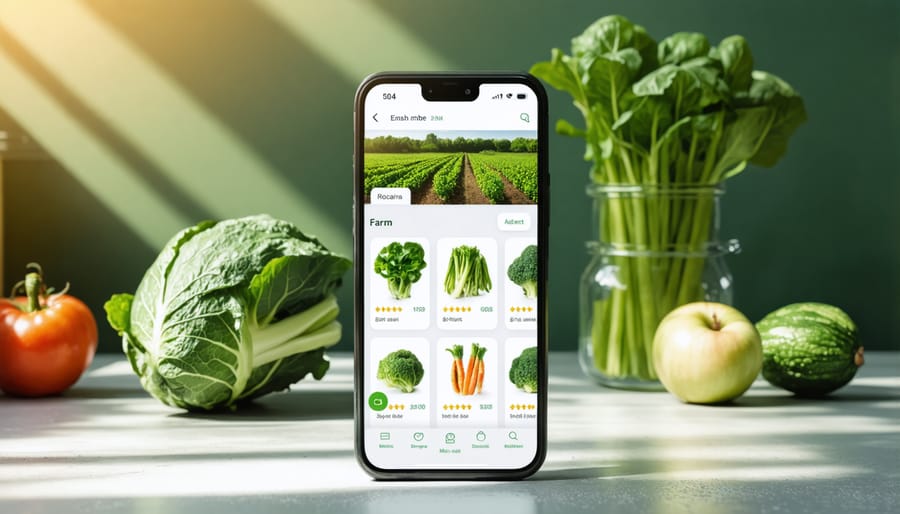
Transform your farm’s reach through innovative digital networks that blend traditional CSA partnerships with modern connectivity. Today’s successful farmers harness social media, mobile apps, and virtual marketplaces to create vibrant food communities that transcend geographical boundaries. By combining weekly harvest updates, real-time crop availability notifications, and interactive farm tours through live streaming, small-scale producers now cultivate deeper connections with their customers while maximizing operational efficiency.
These digital innovations democratize access to fresh, local food while preserving the intimate farmer-consumer relationship that makes sustainable agriculture unique. Smart scheduling systems, collaborative delivery networks, and community-driven platforms have revolutionized how small farms operate, creating resilient local food systems that benefit both producers and consumers. The future of farming isn’t just about growing food—it’s about growing networks that nourish communities through technology-enabled human connections.
Digital Farmers Markets: The New CSA Revolution
Online Ordering Systems That Actually Help Small Farms
Today’s small farms are embracing user-friendly digital platforms that make direct-to-consumer sales easier than ever. These innovative ordering systems go beyond basic e-commerce, offering features specifically designed for Community Supported Agriculture and farm-to-table operations. Popular platforms like Local Food Marketplace and Harvie let farmers showcase their seasonal produce, manage subscriptions, and coordinate deliveries all in one place.
What makes these systems special is their flexibility. Farmers can easily update inventory in real-time, send automated harvest notifications to customers, and manage multiple pickup locations. Some platforms even integrate weather forecasts to help with harvest planning and customer communications.
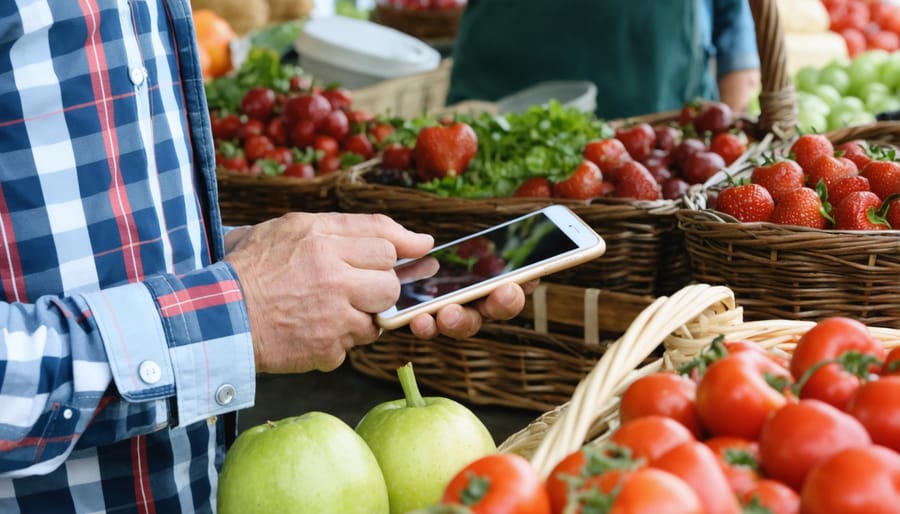
Small farms are reporting significant time savings using these tools. Instead of juggling spreadsheets and phone calls, they can focus on growing food while their ordering system handles the logistics. Many platforms also offer mobile apps, making it simple for farmers to update listings from the field and for customers to modify their orders on the go.
The best part? These systems are becoming more affordable and easier to set up, making them accessible to even the smallest farming operations.
Mobile Apps Connecting Farms to Tables
Mobile technology has revolutionized how farmers connect with their customers, creating efficient pathways from field to fork. Leading the charge is FarmLink, an app that enables small-scale farmers to post real-time updates about their harvest availability, allowing restaurants and home cooks to source ingredients directly from local producers. The app’s built-in messaging system and scheduling tools have helped reduce food waste by 40% among participating farms.
Another success story is LocalHarvest GO, which combines GPS tracking with inventory management to help consumers find the nearest farmers’ markets and CSA pickup locations. The app features profiles of local farmers, complete with their growing practices and specialty crops, helping build trust and transparency in the food system.
For urban farmers, GrowConnect has become an essential tool, linking rooftop gardens and community plots with neighborhood residents. The app’s payment processing system and delivery coordination features have made it easier for small-scale producers to manage their business operations while focusing on what they do best – growing food.
These innovative platforms are transforming local food systems, making fresh, sustainably grown produce more accessible to communities while supporting small-scale farmers.
Collaborative Distribution Solutions
Shared Transportation Networks
Local farmers are discovering the power of collaboration through shared transportation networks, creating efficient and cost-effective delivery systems that benefit both producers and consumers. In Vermont’s Champlain Valley, a group of five organic farms has pioneered a cooperative delivery program that’s revolutionizing how they reach their customers.
The “Green Mountain Food Route” exemplifies this innovative approach. Instead of each farm making individual deliveries, they coordinate their schedules and share delivery vehicles. On Mondays, one truck collects produce from all participating farms and handles deliveries to Burlington’s restaurants. Wednesdays are dedicated to CSA drop-offs, while Fridays focus on farmers’ market deliveries.
In California’s Central Coast region, twelve small farms have pooled resources to purchase a refrigerated truck they share on a rotating schedule. This collaboration has reduced their individual transportation costs by 60% while expanding their delivery range. They’ve even developed a smart scheduling app that helps coordinate pickups and maximize route efficiency.
The Hudson Valley Farm Hub in New York has created a similar network, where farms coordinate deliveries based on geographic zones. This system not only cuts fuel costs and reduces environmental impact but also ensures fresher produce reaches customers faster. Their collaborative approach has become a model for other farming communities nationwide, proving that working together creates stronger, more sustainable local food systems.

Community Food Hubs
Community food hubs are revolutionizing the way we connect with our food system, serving as vital bridges between local farmers and consumers. These innovative distribution centers act as both physical and virtual marketplaces, making fresh, locally grown produce more accessible to communities while providing farmers with reliable sales channels.
These hubs typically operate as centralized facilities where multiple farms can aggregate their harvests, making it easier for restaurants, schools, and families to source local ingredients. Many successful hubs have implemented smart scheduling systems and online platforms that allow customers to pre-order produce, reducing food waste and ensuring farmers harvest exactly what’s needed.
What makes these hubs particularly effective is their ability to solve common distribution challenges. By pooling resources, smaller farms can share delivery costs and access larger markets they couldn’t reach independently. Some hubs have even introduced mobile market programs, bringing fresh produce directly to underserved neighborhoods and food deserts.
The impact extends beyond convenience – these hubs strengthen local economies by keeping food dollars within the community. They also serve as educational centers, hosting workshops on cooking, preservation, and sustainable living. Through these activities, food hubs are helping to rebuild local food systems and create more resilient communities.

Smart Storage Solutions
Community Cold Storage Systems
Community cold storage systems are revolutionizing how local food networks preserve and distribute fresh produce. These shared facilities offer small-scale farmers and gardeners access to professional-grade cooling technology that would be cost-prohibitive for individual operations. By pooling resources, communities can maintain optimal temperature and humidity levels for different types of produce, significantly extending shelf life and reducing food waste.
These systems typically feature multiple temperature zones to accommodate various produce needs. Root vegetables might be stored at 55°F with moderate humidity, while leafy greens require near-freezing temperatures and high humidity levels. Many facilities incorporate energy-efficient designs, using solar power and innovative cooling technologies to minimize environmental impact.
Success stories include the Green Valley Food Hub, where 12 local farms share a converted shipping container equipped with climate controls and inventory management systems. This collaboration has extended their selling season by months and reduced spoilage by 40%.
Some communities have taken the concept further by creating mobile cold storage units that can travel between farms during harvest seasons. These portable solutions help farmers maintain produce quality during transportation and temporary storage at farmers’ markets, ensuring customers receive the freshest possible products while minimizing food waste throughout the distribution chain.
IoT Monitoring for Food Safety
IoT technology is revolutionizing food safety by creating smart monitoring systems that protect produce from farm to table. These innovative networks use sensors to track crucial factors like temperature, humidity, and storage conditions in real-time, ensuring optimal freshness and safety for consumers.
Small-scale farmers are now implementing affordable sensor systems that alert them when storage conditions drift outside ideal ranges. For example, wireless temperature monitors in cold storage units send instant notifications to farmers’ smartphones if temperatures rise above safe levels, preventing crop loss and maintaining quality.
Smart labels and QR codes allow consumers to trace their produce’s journey and verify storage conditions throughout the supply chain. This transparency builds trust and helps farmers demonstrate their commitment to food safety.
Many local farms are combining these monitoring systems with automated climate control in greenhouses and storage facilities. When sensors detect unfavorable conditions, systems automatically adjust ventilation, cooling, or humidity levels to protect produce quality.
For organic farmers, IoT monitoring helps maintain certification standards by documenting growing conditions and tracking potential contamination risks. This technology not only improves food safety but also reduces waste and strengthens connections between farmers and their communities through increased transparency and trust.
Building Resilient Networks
Building resilient farming networks requires a combination of strategic planning and community engagement. Successful networks often start with identifying core partners who share similar values and commitment to sustainable agriculture. These partnerships might include fellow farmers, local restaurants, food co-ops, and dedicated customers who become long-term supporters.
Regular communication plays a vital role in network sustainability. Monthly newsletters, social media updates, and farm events help maintain engagement and create a sense of community. Many thriving networks also implement flexible distribution systems that can adapt to seasonal changes and unexpected challenges.
Consider the story of Green Valley Farm Collective, which strengthened its network by organizing monthly skill-sharing workshops. Farmers teach each other specialized techniques while building lasting relationships that support everyone during challenging times. This approach has helped them weather market fluctuations and natural disasters more effectively.
Technology can enhance network resilience through online ordering systems, shared delivery routes, and collaborative planning tools. However, the human element remains crucial. Successful networks often establish mentorship programs, creating bridges between experienced farmers and newcomers.
Cross-promotional activities, such as farm-to-table events and collaborative CSA boxes, help diversify offerings and distribute risk. Remember to document successful strategies and learn from challenges – this institutional knowledge becomes invaluable as your network grows and evolves over time.
As we look to the future of farming, creative network innovations continue to reshape how farmers connect with their communities and grow their businesses. The integration of digital platforms, mobile apps, and smart farming technologies has opened new possibilities for sustainable agriculture. Successful farmers are increasingly combining traditional growing methods with modern networking tools to build stronger relationships with consumers and improve operational efficiency.
The outlook is promising, with more farmers adopting hybrid approaches that blend in-person experiences with digital convenience. Key takeaways include the importance of maintaining authentic connections while leveraging technology, focusing on community engagement, and staying adaptable to changing consumer preferences.
As we move forward, expect to see more innovative solutions emerging, from blockchain-based transparency systems to AI-powered crop planning tools, all working together to create a more resilient and connected local food system. The future of farming lies in finding the perfect balance between technological advancement and the timeless values of sustainable agriculture.