Monthly Archives

20 Articles

Smart Forecasting Tools That Make CSA Planning Actually Work

Posted by darrell on
0
Seasonal Planning and Management
Smart Forecasting Tools That Make CSA Planning Actually Work

Transform your seasonal planning with modern forecasting tools that streamline your CSA planning checklist and crop management decisions. Today’s farm management software combines weather data, historical yields, and market trends to deliver precise planting schedules and harvest projections. Leading platforms like Agrivi, Croptracker, and FarmLogs now offer user-friendly interfaces that help small-scale farmers predict optimal planting times, estimate harvest volumes, and adjust for seasonal variables.

Smart forecasting tools have revolutionized how organic farmers plan their growing seasons, reducing risk and maximizing crop yields through data-driven decisions. These accessible solutions integrate seamlessly with existing farm operations, providing real-time insights without requiring extensive technical knowledge. From soil temperature monitoring to precipitation forecasts, modern planning software empowers farmers to make confident decisions about their growing seasons while maintaining sustainable farming practices.

By leveraging these digital tools, farmers can better anticipate market demands, optimize resource allocation, and ensure consistent produce quality throughout the season.

Why Digital Forecasting Changes Everything for CSA Farms

From Gut Feelings to Data-Driven Decisions

Traditional farming relied heavily on intuition and generational knowledge passed down through families. While these insights remain valuable, modern CSA operations are discovering the power of data-driven yield predictions to enhance their planning process. Today’s forecasting tools combine historical weather patterns, soil conditions, and crop performance data to create accurate predictions that complement farmers’ expertise. This shift from gut feelings to data-backed decisions helps farms reduce waste, optimize planting schedules, and better meet member expectations. Many successful CSA farmers now use both traditional wisdom and digital tools, creating a balanced approach that honors farming heritage while embracing innovative solutions for more reliable harvests.

Side-by-side comparison of handwritten farm planning notes and a digital forecasting dashboard
Split-screen comparison showing traditional paper-based planning vs modern digital planning interface

Real Benefits for Your CSA Operation

Implementing forecasting software in your CSA operation brings immediate, measurable benefits to your farm’s efficiency and bottom line. By accurately predicting crop yields and harvest times, you can better manage member expectations and delivery schedules. Farmers using these tools report up to 30% reduction in food waste and a 25% improvement in customer satisfaction rates.

The software helps you make data-driven decisions about planting schedules, reducing the guesswork in crop rotation planning. You’ll be able to better anticipate peak harvest periods and coordinate labor needs accordingly. Many CSA farmers find they can optimize their share sizes and pricing based on more accurate yield predictions.

Plus, these tools make it easier to communicate with members about upcoming harvests, helping build stronger relationships and trust within your community.

Essential Forecasting Tools for Your CSA

Crop Planning Software

Modern crop planning software has revolutionized the way farmers and gardeners maximize seasonal harvests through precise succession planting schedules. These digital tools take the guesswork out of timing by incorporating historical weather data, crop-specific growth patterns, and local climate zones to generate reliable planting and harvest forecasts.

Popular platforms like Tend, Agrivi, and Farm Lead offer intuitive interfaces where growers can input their garden beds or field layouts, select crops, and receive customized planting calendars. These tools automatically calculate optimal spacing, projected harvest dates, and even suggest companion planting combinations for better yield.

What sets these tools apart is their ability to adapt to real-time conditions. By integrating current weather data and growth tracking, they can adjust harvest predictions and alert farmers to potential schedule changes. This dynamic approach helps growers maintain consistent produce availability throughout the season.

For small-scale farmers, these platforms often include features like automated task reminders, crop rotation suggestions, and yield tracking. Some even offer mobile apps for convenient field updates and harvest logging. While the learning curve varies, most software provides tutorial resources and community support to help farmers get started.

Remember to regularly update your crop data and observations to improve the accuracy of these forecasting tools over time.

Digital crop planning software interface with calendar view and harvest forecasting charts
Screenshot of a crop planning software interface showing planting schedules and harvest predictions

Weather Integration Tools

Modern weather integration tools have revolutionized how CSA farmers plan their growing seasons by combining real-time weather data with planting schedules. These smart systems help farmers make data-driven decisions about when to plant, protect, and harvest their crops.

Popular platforms like Farmer’s Edge and Cropwise integrate local weather stations with farm management software, providing detailed forecasts alongside customizable planting calendars. These tools typically offer features like frost warnings, precipitation tracking, and growing degree day calculations – essential information for timing crucial farm operations.

Many of these platforms now include mobile apps, allowing farmers to receive instant weather alerts and update their planting schedules on the go. Some standout features include soil temperature monitoring, disease risk assessment based on weather patterns, and automated irrigation scheduling.

Success Story: Sarah Miller, an organic CSA farmer in Vermont, credits weather integration tools for helping her save an entire tomato crop last season. “The frost alert came through at just the right time, giving us several hours to protect our plants. Without that warning, we would have lost thousands of dollars worth of produce.”

For smaller operations, free options like FarmOS and Weather Underground’s agriculture APIs offer basic weather integration features that can be incredibly valuable for planning purposes. These tools help farmers maintain crop quality while reducing weather-related losses, ultimately leading to more reliable CSA shares for members.

Farmer reviewing weather forecasts and planting schedules on tablet computer in vegetable field
Farmer using tablet in field while consulting weather-integrated planning app

Member Management and Share Forecasting

Managing member shares and forecasting crop distributions is a crucial aspect of running a successful CSA program. Modern forecasting tools help farmers accurately predict harvest yields and plan share contents weeks in advance, ensuring member satisfaction and efficient resource allocation.

Popular software solutions like Harvie and Small Farm Central offer dedicated CSA management features that combine member data with crop planning. These tools allow farmers to track member preferences, dietary restrictions, and share sizes while automatically generating packing lists and delivery schedules.

Many farmers find success using customizable spreadsheet templates that integrate with their existing systems. These templates can track historical harvest data, weather patterns, and planting schedules to improve future forecasting accuracy. For example, Local Food Marketplace provides templates specifically designed for CSA operations, helping farmers maintain consistent share values throughout the season.

Smart forecasting tools can also help prevent common CSA challenges like over-or under-filling shares. By analyzing past performance data and current growing conditions, these systems suggest optimal distribution quantities for each crop. This data-driven approach helps maintain share equity while reducing waste.

For smaller operations, simple apps like Tend and Farm Log offer basic forecasting features without the complexity of larger systems. These user-friendly tools help farmers start with digital planning and scale up as their needs grow.

Making These Tools Work for Your Farm

Getting Started Without Getting Overwhelmed

Start with a single forecasting tool that addresses your most pressing need, whether that’s crop yield prediction or customer demand analysis. Many farmers find success by beginning with a basic spreadsheet template before diving into more sophisticated software.

Week 1: Familiarize yourself with your chosen tool’s basic features. Spend 30 minutes each day exploring one function, like data input or simple trend analysis. Remember, you don’t need to master everything at once.

Week 2-3: Start inputting historical data from your previous growing seasons. Focus on one crop family at a time, beginning with your main revenue generators. This methodical approach helps prevent data overwhelm while building a solid foundation.

Week 4: Create your first basic forecast. Many successful CSA farmers start with a 3-month projection for their most popular crops. As you gain confidence, gradually extend your forecasting timeline and add more varieties.

Throughout this process, connect with other local farmers using similar tools. Their experiences can provide valuable insights and shortcuts. Consider joining online farming communities where members share tips about implementing forecasting tools effectively.

Remember, accuracy improves with time and practice. Start small, be consistent with data entry, and celebrate small wins as you build your forecasting system.

Combining Tools for Maximum Impact

For maximum effectiveness in your farm planning, consider combining multiple forecasting tools to create a comprehensive planning system. Many successful CSA farmers use weather prediction software alongside crop planning tools, creating a more robust approach to seasonal forecasting. For example, you might pair a rainfall prediction app with your harvest planning software to better anticipate optimal planting windows.

Start by identifying which aspects of your operation need the most attention. You might combine a basic spreadsheet for crop rotation with specialized software for yield predictions. Many farmers find success using a weather app for daily decisions while maintaining longer-term planning in farm management software.

Think of your forecasting tools as pieces of a puzzle. Your yield calculator can inform your CSA membership predictions, while your weather forecasting tool helps determine planting dates. Together, they create a clearer picture of your farm’s potential output.

Remember to regularly sync data between your tools when possible. Some modern farming apps offer integration features, making it easier to maintain consistent information across platforms. Start with two or three compatible tools and gradually expand your toolkit as you become more comfortable with each system.

Choosing the right forecasting tools for your farm operation can transform the way you plan and manage your CSA program. From weather prediction to crop planning and yield forecasting, these software solutions offer valuable insights that can help you make more informed decisions. By implementing these tools, you’ll be better equipped to handle seasonal challenges, optimize your planting schedules, and meet your members’ expectations.

Remember, the best forecasting tool is one that aligns with your farm’s specific needs and your comfort level with technology. Start small with one or two essential features, and gradually expand your digital toolkit as you become more confident. Whether you’re just starting your CSA journey or looking to enhance your existing operation, investing in the right forecasting software can help you build a more resilient and successful farm business.

Circular Farming: Transform Your CSA Into a Zero-Waste Powerhouse

Posted by darrell on
0
Environmental Sustainability
Circular Farming: Transform Your CSA Into a Zero-Waste Powerhouse

Transform your farm into a self-sustaining ecosystem by implementing circular farming practices that maximize resource efficiency and minimize waste. Like nature’s own cycles, circular farming systems create closed loops where outputs from one process become valuable inputs for another, delivering powerful environmental benefits of CSA farming. Composting crop residues feeds soil microorganisms, while integrated livestock provides natural fertilizer and pest control. Strategic crop rotation and companion planting build soil health naturally, reducing the need for external inputs. By mimicking natural ecosystems, circular farming transforms traditional linear production into regenerative cycles that build fertility, conserve water, and strengthen local food security – all while cutting costs and boosting farm resilience.

The Magic Loop: How Circular Farming Works

Nature’s Perfect Circle

Nature has perfected the art of recycling over billions of years, creating seamless cycles where nothing goes to waste. In natural ecosystems, fallen leaves decompose to nourish soil, which feeds plants that sustain animals, whose waste and eventual remains continue the cycle. Circular farming systems deliberately mirror these natural patterns.

Just as a forest floor transforms dead matter into rich humus, circular farms convert agricultural “waste” into valuable resources. Crop residues become compost or animal feed, while animal manure enriches the soil for future plantings. Water cycles through irrigation systems, getting filtered naturally by soil and plants before being reused.

This interconnected approach creates a resilient system where each element supports the others, just like in nature. By observing and replicating these natural cycles, farmers can create sustainable operations that maintain soil health, conserve water, and reduce external inputs while maximizing productivity.

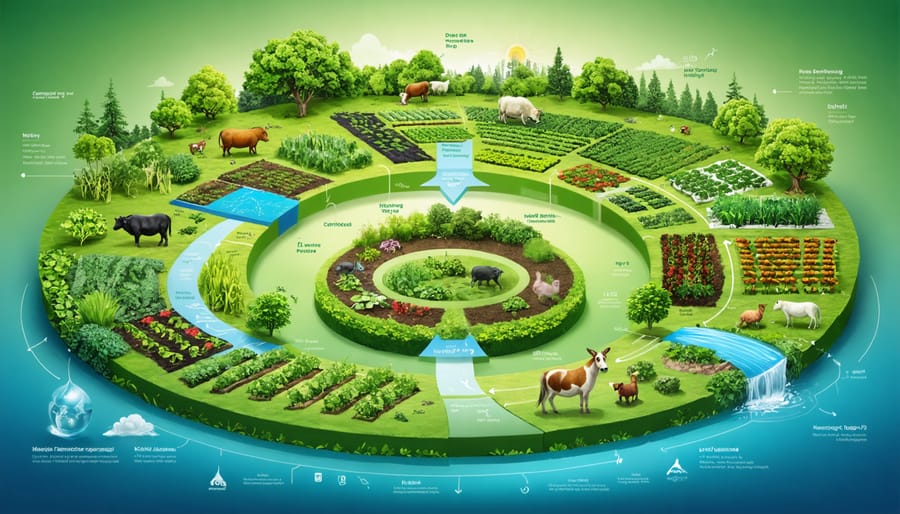
Circular diagram illustrating the connected elements of a sustainable farming system
Infographic showing the interconnected cycles of a circular farming system, including composting, water recycling, and animal integration

From Waste to Resource

In circular farming, waste becomes a valuable resource, creating a sustainable loop that benefits both the environment and farm productivity. Crop residues transform into nutrient-rich compost, while animal manure powers biogas digesters for energy production. Even food processing byproducts find new life as animal feed or soil amendments.

Innovative farmers are discovering creative ways to repurpose materials that were once considered waste. Coffee grounds become mushroom growing medium, while fruit pulp transforms into natural dyes or animal treats. Vegetable trimmings feed chickens, whose manure then enriches garden beds, completing a perfect cycle of nutrients.

Water recycling systems capture and filter runoff for irrigation, while greenhouse condensation provides clean water for sensitive crops. Some farms even partner with local restaurants to collect food scraps, creating premium compost that builds healthy soil. These waste-to-resource practices not only reduce environmental impact but also improve farm economics by cutting input costs and creating new revenue streams.

Building Your Farm’s Circular System

Composting Systems

Creating effective composting systems is essential for circular farming success. The process begins with selecting an ideal location that’s easily accessible and has good drainage. Most successful systems use a three-bin method: one for fresh materials, one for actively decomposing matter, and one for finished compost.

Start by layering green materials (kitchen scraps, fresh grass clippings, and plant waste) with brown materials (dry leaves, straw, and cardboard) in a roughly 3:1 brown-to-green ratio. Maintain moisture levels similar to a wrung-out sponge and turn the pile every few weeks to ensure proper aeration.

Consider adding beneficial materials like aged manure, coffee grounds, and eggshells to enhance nutrient content. Many farmers also incorporate earthworms to speed up decomposition and improve compost quality.

Monitor temperature using a compost thermometer – a healthy pile should reach 130-150°F in its active phase. When the compost looks dark and crumbly with an earthy smell, it’s ready to enrich your soil and complete the circular farming cycle.

Large-scale composting operation with multiple compost rows and clear layering
Active composting system on a CSA farm showing layers of organic matter, with visible steam rising

Water Conservation Loops

Water recycling plays a crucial role in circular farming systems, where every drop counts. By implementing smart water conservation methods, farmers can significantly reduce their environmental impact while maintaining healthy crop yields. Popular techniques include drip irrigation systems, which deliver water directly to plant roots, and rainwater harvesting through collection tanks and swales.

Many successful CSA farms use greywater systems to recycle household water for irrigation, while others incorporate constructed wetlands that naturally filter and purify water for reuse. Smart soil management practices, like adding organic matter and using mulch, help retain moisture and reduce water needs.

Monitoring systems and soil moisture sensors enable farmers to water only when necessary, preventing waste and ensuring optimal plant health. These water-saving strategies not only conserve precious resources but also lead to reduced operational costs and more resilient farming systems.

Animal Integration

Integrating livestock into circular farming systems creates a harmonious cycle where animals contribute to and benefit from the farm’s ecosystem. Chickens, for example, can follow grazing cattle to scratch through manure, eating insect larvae while spreading nutrients across pastures. Pigs excel at turning food scraps and agricultural byproducts into valuable fertilizer while helping to till soil in rotation areas.

Sheep and goats serve as natural weed control specialists, maintaining pastures and clearing unwanted vegetation. Their manure enriches soil fertility, while rotational grazing helps prevent overgrazing and promotes healthy pasture regeneration. Rabbits provide rich fertilizer for gardens while consuming excess vegetation and crop residues.

To successfully integrate animals, create designated rotation schedules that allow livestock to contribute to different areas of your farm throughout the seasons. This approach maximizes benefits while preventing soil compaction or overgrazing. Remember to provide adequate shelter, water sources, and protection from predators in each rotation area.

Real Success Stories

Integrated farm system with livestock and water conservation methods in action
Small-scale CSA farm showcasing integrated systems with chickens grazing between crop rows and rainwater collection system

Small-Scale Success

Green Acres CSA in Vermont showcases how circular farming systems can thrive on just five acres. Farmers Sarah and Mike Thompson transformed their small plot into a model of sustainability through careful planning and innovative resource management.

Their system starts with diverse vegetable production, feeding 50 local families through their CSA program. Kitchen scraps and produce waste from their weekly deliveries return to the farm as compost. They maintain a small flock of chickens that process this organic matter while providing eggs for CSA members. The chickens also help with pest control and soil fertility in rotation through their growing areas.

The Thompsons collect rainwater from their barn roof to irrigate their greenhouse, where they extend their growing season and start seedlings. Cover crops protect their soil during winter months, while their beehives support pollination and produce honey as an additional CSA offering.

“Our small size actually makes it easier to close the loop,” says Sarah. “We can monitor every resource carefully and make adjustments quickly when needed.” Their success proves that circular farming principles can work effectively at any scale.

Scaling Up Circular Practices

Green Valley Farm, a 50-acre CSA operation in Vermont, demonstrates how circular farming practices can work effectively at scale. Under the leadership of Sarah Chen, the farm has transformed from a traditional operation into a model of circular agriculture over the past decade.

The farm integrates multiple sustainable systems, including a composting facility that processes food waste from 200 local households and three restaurants. This generates enough rich compost to fertilize their entire vegetable production area. Their chicken flock of 500 birds rotates through harvested fields, managing pest populations while producing eggs for CSA members.

A series of interconnected ponds captures rainwater and irrigation runoff, which is filtered through constructed wetlands before being reused. The farm’s greenhouse operations are powered by solar panels, while excess biomass from crop residues feeds an on-site biodigester that provides supplemental energy.

Green Valley’s success has inspired neighboring farms to adopt similar practices, creating a regional network of circular farming operations that share resources and knowledge. Their annual workshops attract hundreds of farmers eager to learn about scaling up circular practices.

Getting Started Today

First Steps

Transitioning to circular farming begins with a thorough assessment of your current resources and waste streams. Start by mapping out all inputs and outputs on your farm, including water usage, organic matter, and energy consumption. This visual representation helps identify opportunities for creating closed loops.

Next, implement a comprehensive composting system to transform farm waste into valuable nutrients. Begin collecting kitchen scraps, crop residues, and animal manure if available. Quality compost forms the foundation of soil health in circular systems.

Consider integrating complementary crops and animals that support each other. For example, chickens can help with pest control and provide natural fertilizer, while their scratching behavior aids in soil aeration.

Water management is crucial – install rainwater harvesting systems and explore ways to reuse greywater. Start small with a single rain barrel, then expand as you gain confidence.

Remember, transitioning to circular farming is a journey. Focus on one area at a time, document your progress, and adjust your approach based on what works best for your specific situation.

Common Challenges and Solutions

While circular farming systems offer numerous benefits, farmers often face several key challenges during implementation. Initial setup costs can be significant, particularly when investing in infrastructure for composting and water recycling systems. Many farmers also struggle with managing the complex nutrient cycles and maintaining proper balance in their integrated systems.

Time management presents another hurdle, as circular systems require careful monitoring and coordination between different components. Weather unpredictability can impact closed-loop systems, especially in regions with extreme climate variations.

However, solutions exist for each challenge. Start small and scale gradually to manage costs. Join farmer networks to share knowledge and resources. Implement simple monitoring systems to track nutrient flows. Consider protective structures like hoop houses to minimize weather impacts. Many successful circular farms began with just one or two integrated elements before expanding their systems.

Remember that challenges are learning opportunities. Document your experiences and adjust your approach based on what works best for your specific situation.

Circular farming systems represent a powerful solution for creating a more sustainable and resilient agricultural future. By closing resource loops, minimizing waste, and maximizing efficiency, these systems offer multiple benefits for farmers, communities, and the environment. From reduced operational costs and improved soil health to decreased environmental impact and enhanced food security, the advantages of circular farming are clear and compelling.

Success stories from farmers who have implemented these practices show that circular farming isn’t just an idealistic concept – it’s a practical and profitable approach to agriculture. Whether you’re managing a small garden plot or a large-scale farm, incorporating circular principles can lead to meaningful improvements in your operation’s sustainability and productivity.

The transition to circular farming doesn’t have to happen overnight. Start small by implementing one or two practices, such as composting or water recycling, and gradually expand your circular systems as you become more comfortable with the approach. Remember, every step toward circularity contributes to a more sustainable food system and a healthier planet for future generations. By embracing these practices today, we can help create a more regenerative and resilient agricultural landscape for tomorrow.

Fresh, Local, and Perfect: Your Complete Farmers Market Calendar

Posted by darrell on
0
Market Events and Community Engagement
Fresh, Local, and Perfect: Your Complete Farmers Market Calendar

Step into the vibrant world of seasonal farmers markets, where the bounty of each season unfolds in a colorful tapestry of fresh, local produce. These community gathering spots offer more than just fruits and vegetables – they’re living calendars of nature’s rhythms, connecting consumers directly with the farmers who nurture our food from seed to harvest.

As the seasons shift, so does the market’s offering: crisp asparagus and tender peas herald spring’s arrival, while summer bursts with juicy tomatoes and sweet corn. Fall brings hearty squashes and crisp apples, and even winter markets sparkle with root vegetables, greenhouse greens, and artisanal products crafted by local food artisans.

Beyond produce, today’s farmers markets have evolved into dynamic community hubs, offering cooking demonstrations, live music, and educational programs that celebrate local agriculture. For market managers and organizers, understanding these seasonal patterns is crucial for creating engaging, year-round experiences that keep both vendors and customers coming back week after week.

Spring Bounty: Early Season Market Essentials

March-May Market Stars

Spring ushers in a vibrant array of fresh produce that transforms effective market displays into colorful celebrations of the season. Early spring brings tender asparagus spears, crisp sugar snap peas, and delicate microgreens that perfectly capture the essence of new growth. Look for rainbow-hued radishes, fresh herbs like mint and chives, and early spinach varieties that thrive in cooler temperatures.

By April, markets burst with spring onions, tender lettuce varieties, and aromatic wild ramps. Specialty items like fiddleheads and morel mushrooms make brief but celebrated appearances. Watch for greenhouse-grown tomatoes and cucumbers from local farmers who extend the growing season.

May delivers an abundance of strawberries, rhubarb, and spring garlic. The first baby carrots and beets emerge, along with an array of Asian greens like pak choi and mizuna. Don’t miss seasonal treats like edible flowers, which add both beauty and flavor to spring dishes. Many vendors also offer plant starts for home gardens, locally produced honey, and fresh-cut flower bouquets that celebrate spring’s renewal.

Colorful display of spring vegetables including bunches of asparagus, snap peas, and mixed salad greens at a farmers market stand
Vibrant spring farmers market stall displaying fresh asparagus, peas, and early leafy greens

Spring Market Event Ideas

Spring markets offer the perfect opportunity to celebrate new beginnings and engage your community in sustainable growing practices. Organize a vibrant seedling sale featuring local nurseries and experienced gardeners selling starter plants, from heirloom tomatoes to native pollinator-friendly flowers. Host hands-on gardening workshops where visitors can learn essential skills like soil preparation, companion planting, and organic pest control methods.

Consider launching a “Garden Mentor” program, pairing experienced green thumbs with newcomers for season-long guidance. Weekend workshops on composting basics and rain barrel installation can help market-goers start their growing season sustainably. Create interactive children’s activities like seed starting in recycled containers or painting garden markers.

Partner with local master gardeners to offer free soil testing and personalized growing advice. Set up demonstration plots showing various container gardening methods perfect for urban dwellers. Early spring is also ideal for hosting tool-sharing initiatives and seed swaps, fostering community connections while helping everyone prepare for the growing season ahead.

Round out your spring programming with workshops on preserving early harvests through pickling and fermenting, ensuring nothing goes to waste as the abundant growing season begins.

Aerial view of a bustling farmers market with shoppers browsing multiple vendor stalls on a sunny summer day
Busy summer market scene with multiple vendors and shoppers under colorful canopies

Summer Markets in Full Swing

June-August Harvest Highlights

Summer brings an abundant harvest to farmers markets, with stalls overflowing with vibrant, sun-ripened produce. June kicks off with sweet strawberries and crisp sugar snap peas, while July delivers the first tomatoes, sweet corn, and fragrant basil. Local farmer Maria Rodriguez from Sweet Valley Farm notes, “This is when our heirloom tomatoes really shine – we grow over 12 varieties!”

The peak season brings a rainbow of options: golden yellow squash, deep purple eggplants, and emerald green cucumbers fill market tables. Stone fruits like peaches, plums, and cherries offer nature’s candy, while melons provide refreshing relief from summer heat. Fresh herbs reach their aromatic peak, with cilantro, dill, and parsley in abundance.

August marks the height of pepper season, from sweet bells to spicy jalapeños. Green beans, okra, and tender new potatoes remain steady throughout the summer months. Local honey production peaks as bees enjoy the season’s flowering bounty. Don’t miss specialty items like edible flowers, which add both beauty and flavor to summer meals.

Remember to arrive early for the best selection, as summer’s popular items often sell out quickly. Many vendors offer recipe cards featuring creative ways to use their seasonal produce.

Summer Market Entertainment

Summer markets come alive with vibrant market activities and events that create an engaging atmosphere for visitors. Local musicians often set up near vendor stalls, filling the air with acoustic tunes and creating a festive ambiance. Weekend mornings typically feature solo performers or small bands playing folk, jazz, or contemporary music that perfectly complements the market experience.

Cooking demonstrations have become a market highlight, with local chefs showcasing creative ways to prepare seasonal produce. These live cooking sessions often focus on simple, healthy recipes that shoppers can easily recreate at home. Market-goers gather around to learn valuable cooking tips while sampling delicious dishes made from ingredients available right at the market.

Children’s activities add another layer of entertainment, with face painting, craft stations, and educational workshops about growing food. Many markets host special events like tomato tastings, herb identification contests, and seasonal harvest celebrations. Food artisans demonstrate their craft, from cheese-making to bread-baking, while master gardeners offer free advice at information booths.

These engaging activities transform the market from a simple shopping destination into a community gathering space where learning and entertainment merge naturally with fresh, local food.

Fall Harvest Markets

September-November Features

Fall brings a vibrant burst of color and flavor to farmers markets, with autumn favorites taking center stage. Sweet and crisp apples, ranging from Honeycrisp to Fuji varieties, become abundant alongside fresh-pressed cider. Winter squash varieties like butternut, acorn, and pumpkins fill market stalls, perfect for hearty soups and seasonal decorating.

Root vegetables reach their peak during these months, with carrots, parsnips, and sweet potatoes offering exceptional sweetness after the first frost. Look for Brussels sprouts still on their stalks, rainbow-hued varieties of cauliflower, and dark, leafy greens like kale and Swiss chard that become sweeter in cooler temperatures.

Specialty items unique to fall include fresh cranberries, chestnuts, and unique varieties of mushrooms foraged from local woods. Many vendors also offer value-added products like apple butter, pumpkin bread, and preserved goods perfect for gift-giving. Don’t miss out on decorative items like ornamental corn, gourds, and locally grown chrysanthemums that help create festive autumn displays.

Fall markets often feature special harvest celebrations and tastings, allowing visitors to sample seasonal preparations and learn cooking tips directly from farmers.

Autumn Market Celebrations

Celebrate the bountiful harvest season by transforming your farmers market into a vibrant autumn festival. Host a pumpkin carving contest where local artists can showcase their skills, or organize apple-pressing demonstrations that let visitors create their own fresh cider. Set up hay bales and corn stalks for festive photo opportunities that families will love sharing on social media.

Create interactive workshops where farmers teach visitors about fall crop storage techniques and preserving the harvest through canning and fermentation. Partner with local chefs for seasonal cooking demonstrations featuring autumn vegetables like squash, root crops, and late-season tomatoes. Consider organizing a harvest dinner where community members can enjoy farm-to-table meals prepared with market ingredients.

Kids will delight in fall-themed activities like gourd painting, leaf crown making, and scavenger hunts through vendor stalls. Don’t forget to include live music from local bands and food tastings featuring autumn specialties like roasted chestnuts and warm apple cider. These engaging activities not only draw crowds but also strengthen the connection between farmers and their community while celebrating the season’s abundance.

Winter Market Strategies

December-February Offerings

Even in the coldest months, winter farmers markets offer an impressive array of seasonal delights. Root vegetables take center stage, with local farmers bringing in fresh parsnips, turnips, and various potato varieties. Storage crops like onions, garlic, and winter squash remain abundant, while cold-hardy greens such as kale and collards continue to thrive in greenhouses and cold frames.

Value-added products become particularly popular during this season, featuring homemade preserves, pickles, and fermented vegetables that capture summer’s bounty. Local honey, maple syrup, and artisanal bread provide warming comfort, while farm-fresh eggs maintain steady availability year-round. Many vendors also offer frozen berries and vegetables processed at peak ripeness.

Indoor market spaces buzz with activity as crafters showcase winter-themed items like hand-knitted accessories and natural body care products. Some innovative farmers even offer mushrooms grown indoors and microgreens, ensuring fresh, nutritious options throughout the winter months. Don’t forget to look for root cellared apples and pears, which maintain their crisp texture and sweet flavor well into the season.

Indoor Market Success

Don’t let winter weather dampen your market’s success! Indoor venues like community centers, school gymnasiums, or vacant retail spaces can provide the perfect shelter for your winter market operations. Create a cozy atmosphere with warm lighting and seasonal decorations to maintain that authentic farmers market feel.

Consider arranging vendor booths in a layout that encourages natural flow and social interaction. Focus on winter-hardy produce, greenhouse-grown vegetables, and value-added products like preserves, baked goods, and artisanal crafts to maintain a diverse product mix. Many successful winter markets also incorporate educational workshops, cooking demonstrations, and live music to draw crowds during slower months.

Partner with local businesses and organizations to cross-promote events and expand your customer base. Utilize social media and email newsletters to keep your community informed about indoor market dates, special events, and available products. Remember to maintain consistent hours and location throughout the season to help customers establish new shopping routines.

Encourage vendors to offer pre-orders and subscription boxes, which can provide steady income during winter months while building customer loyalty.

Indoor farmers market display with winter squash, root vegetables, preserves, and craft items
Indoor winter market featuring preserved goods, root vegetables, and artisanal products

Planning a successful year-round farmers market requires dedication, flexibility, and strong community connections. By carefully coordinating seasonal produce availability with engaging events and educational programs, markets can maintain visitor interest throughout the year. The benefits extend far beyond fresh, local food access – these markets create vital economic opportunities for local farmers, foster sustainable agriculture practices, and strengthen community bonds.

Whether through winter markets in heated indoor spaces, seasonal festivals celebrating harvest traditions, or educational workshops on home gardening, successful markets adapt to meet their community’s needs while supporting local agriculture. The lasting impact of well-planned farmers markets can be seen in thriving local food systems, improved access to nutritious food, and the preservation of farming traditions for future generations. By embracing seasonal changes and building strong relationships between farmers and consumers, markets become cornerstone institutions of sustainable local food communities.

Ancient Haitian Harvest Wisdom: Time-Tested Traditions That Honor the Land

Posted by darrell on
0
Cultural Agriculture Practices
Ancient Haitian Harvest Wisdom: Time-Tested Traditions That Honor the Land

Deep within the heart of Haiti’s vibrant culture lies a tapestry of sacred rituals and traditions that have sustained communities for generations. From the rhythmic beats of Vodou ceremonies to the time-honored agricultural practices that mark the changing seasons, Haitian traditions blend African spirituality with Caribbean ingenuity to create uniquely powerful cultural expressions.

These rituals serve not just as spiritual anchors but as practical guides for sustainable living, connecting modern Haitians to their ancestral wisdom. Whether it’s the sacred Vodou ceremony of Manje Yam (feeding the spirits), the communal Konbit farming tradition that brings neighborhoods together for planting and harvest, or the healing practices passed down through generations of Mambos and Houngans, each ritual carries profound significance for both individual and community wellbeing.

Understanding these traditions offers valuable insights into sustainable agriculture, community cooperation, and the delicate balance between human needs and natural forces – lessons that resonate deeply with today’s global challenges in food security and environmental stewardship.

Sacred Preparations: The Vodou Connection to Planting

The Role of Lwa in Agriculture

In Haitian agriculture, Lwa spirits play a vital role in guiding farming decisions and ensuring bountiful harvests. These agricultural deities, particularly Papa Zaka (also known as Azaka or Kouzin Zaka), are considered the divine protectors of crops and farmers. Wearing his signature denim outfit and carrying a machete, Papa Zaka embodies the hardworking farmer spirit and is often honored before planting seasons begin.

Farmers traditionally consult with Houngans (Vodou priests) to determine the best times for planting and harvesting based on the Lwa’s guidance. Small offerings of crops, rum, or tobacco are left at the corners of fields to gain the agricultural Lwa’s favor. Many farmers also create special garden spaces called “jaden Zaka” (Zaka’s gardens) where they grow specific crops dedicated to this powerful spirit.

These spiritual practices blend seamlessly with practical farming knowledge, creating a holistic approach to agriculture. During ceremonies, farmers share traditional growing techniques and seasonal wisdom, fostering community support and sustainable farming practices that have been passed down through generations. This spiritual connection to the land continues to influence modern Haitian farming methods, promoting biodiversity and environmental stewardship.

Pre-Planting Ceremonies

In Haiti, before seeds touch the soil, farmers engage in deeply meaningful sacred planting ceremonies that honor both the earth and their ancestors. These rituals typically begin at dawn, with the farmer and family members gathering to share a traditional meal of cornmeal, plantains, and beans – crops that symbolize abundance and sustenance.

The ceremony often involves pouring libations of rum or water onto the earth while offering prayers to the lwa (spirits) for protection and bountiful harvests. Farmers burn sacred herbs and carefully arrange small offerings of food at the corners of their fields. These offerings might include roasted corn, sweet potatoes, or specific fruits chosen based on family traditions.

A crucial element is the blessing of the seeds themselves. Elders pass the seeds through smoke from ceremonial fires and sprinkle them with holy water. Farmers then store these blessed seeds in special containers woven from local materials until planting day. Many communities also incorporate drumming and traditional songs that have been passed down through generations, creating a powerful connection between past and present agricultural practices.

Haitian farmers gathered in ceremonial circle performing pre-planting Vodou ritual
A group of Haitian farmers performing a traditional Vodou ceremony in a field before planting, with offerings and ritual objects visible

Traditional Haitian Harvesting Techniques

Konbit: Community Harvesting Practice

Konbit, a cherished Haitian tradition of communal farming, exemplifies the spirit of collaboration and mutual support that has sustained rural communities for generations. This practice brings together neighbors and family members who volunteer their time and labor to help each other prepare fields, plant crops, and harvest produce.

During a Konbit, community members gather at sunrise, often accompanied by drums and traditional songs that set the rhythm for the day’s work. The host family provides food and drinks, creating a festive atmosphere that transforms hard agricultural labor into a joyous social occasion. This system ensures that even families with limited resources can maintain productive farms through the power of collective effort.

Today, modern Haitian communities continue to practice Konbit, adapting it to contemporary needs. Some urban gardens and community farming projects have embraced this traditional system, using it to promote food security and sustainable agriculture. The practice has even inspired similar initiatives in other countries, where communities have recognized the value of pooling resources and labor.

Beyond its practical benefits, Konbit reinforces social bonds and cultural identity. It teaches younger generations the importance of community support and environmental stewardship while preserving traditional farming knowledge. This time-honored system demonstrates how ancient agricultural wisdom can offer solutions for modern sustainable farming challenges.

Haitian community members working together during traditional Konbit harvest
Large group of community members participating in a Konbit, working together to harvest crops in a traditional communal farming setting

Moon Phase Harvesting

In Haiti’s rich agricultural traditions, the moon’s phases play a vital role in determining the perfect timing for planting and harvesting crops. Farmers and community elders carefully observe lunar cycles, believing that the moon’s energy directly influences plant growth and vitality. This ancient practice, passed down through generations, combines practical farming wisdom with spiritual beliefs.

During the waxing moon (when it grows fuller), Haitian farmers traditionally plant crops that grow above ground, such as corn, beans, and leafy greens. They believe the increasing moonlight draws plants upward, promoting stronger growth and more abundant yields. As the moon approaches fullness, many farmers harvest medicinal herbs, believing their healing properties are most potent during this phase.

The waning moon period is reserved for root crops like yams, sweet potatoes, and cassava. According to tradition, the decreasing moonlight encourages growth downward into the soil, resulting in healthier root development. This phase is also considered ideal for pruning, weeding, and soil preparation, as the declining lunar energy supports these activities.

New moon periods are typically observed as rest days for the soil and farmers alike. This time is often dedicated to planning, preparing tools, and performing rituals to honor the land and ancestors. Many elders teach that this quiet period allows the earth to rejuvenate before the next growing cycle begins.

Post-Harvest Celebrations and Storage Rituals

Thanksgiving Ceremonies

In Haiti, thanksgiving ceremonies represent a beautiful fusion of spiritual devotion and agricultural celebration. These traditional harvest rituals typically occur after successful growing seasons, bringing communities together in gratitude for nature’s abundance. Farmers and families gather to share their harvested crops, offering first fruits to the lwa (spirits) as a sign of respect and appreciation.

The ceremonies often begin at sunrise, with participants wearing white clothing and bringing offerings of fresh produce, grains, and prepared dishes. A key element is the creation of an altar adorned with harvest symbols, including corn stalks, sugarcane, and seasonal fruits. The community’s spiritual leader, often a Vodou priest or priestess, leads prayers and songs that honor both the earth’s fertility and the ancestral wisdom that guides sustainable farming practices.

These gatherings serve multiple purposes: strengthening community bonds, preserving agricultural knowledge, and expressing gratitude for successful harvests. Participants share meals prepared from their crops, exchange farming tips, and discuss seasonal planning for future plantings. The ceremonies conclude with communal dancing and storytelling, ensuring that agricultural traditions continue to nurture both the land and its people.

Traditional Storage Practices

In Haiti, farmers have long relied on traditional storage methods that reflect both practical wisdom and cultural heritage. These time-tested techniques focus on preserving harvested crops naturally, often without modern refrigeration or chemical preservatives. Many Haitian families still store their yams, sweet potatoes, and cassava in cool, dry spaces underground, using carefully constructed storage pits lined with dried banana leaves and ash to prevent moisture and pests.

Another common practice involves hanging braided strings of onions, garlic, and herbs from wooden rafters, allowing air circulation while keeping produce away from ground moisture. For grains like corn and rice, woven baskets treated with natural pest-deterrent herbs are used, often placed on elevated platforms to protect against rodents and insects.

Perhaps most fascinating is the use of traditional gourds (known as “kalbas” in Creole) for storing seeds and smaller quantities of dried goods. These natural containers are first dried in the sun, cleaned with herb-infused water, and sometimes smoked to enhance their preservation properties. Many of these methods are not only sustainable but also align perfectly with modern organic farming principles, proving that ancient wisdom often holds the key to future solutions.

Traditional Haitian crop storage methods using woven baskets and protective elements
Traditional Haitian storage techniques showing dried corn and beans stored in hand-woven baskets with protective charms

Integrating Haitian Wisdom with Modern Farming

Haiti’s traditional farming wisdom offers valuable insights for modern sustainable agriculture. Local farmers have long practiced companion planting, integrating crops like corn, beans, and squash – a technique known as “trois sœurs” (three sisters) that naturally enhances soil fertility and pest resistance. This ancestral knowledge, passed down through generations, aligns perfectly with today’s organic farming principles.

Many Haitian farmers still follow the lunar calendar for planting and harvesting, a practice that’s gaining scientific recognition for its effectiveness in crop management. They observe natural indicators like bird migration patterns and flowering times of specific plants to determine optimal planting seasons – an approach that proves increasingly valuable as climate patterns become less predictable.

Traditional soil conservation methods, such as building kontou (contour barriers) with local materials and maintaining living fences of vetiver grass, demonstrate sophisticated environmental stewardship. These techniques not only prevent erosion but also promote biodiversity and sustainable land use.

The integration of medicinal plants within food crops, a common practice in Haitian agriculture, creates natural pest deterrents while providing additional resources for the community. Modern organic farmers are now adopting similar polyculture approaches, recognizing their benefits for pest management and soil health.

By combining these time-tested practices with contemporary sustainable farming methods, growers can create resilient agricultural systems that respect both tradition and innovation. This fusion of old and new wisdom helps preserve cultural heritage while advancing food security and environmental sustainability.

Haitian agricultural traditions represent a valuable intersection of cultural wisdom and sustainable farming practices that continue to benefit modern agriculture. These time-tested methods, passed down through generations, offer practical solutions for today’s environmental challenges while preserving cultural heritage. By embracing these traditional techniques, farmers can enhance soil fertility, reduce water usage, and maintain crop diversity while building stronger, more resilient communities. The integration of these practices into contemporary farming not only honors Haiti’s rich agricultural legacy but also contributes to global food security and environmental sustainability. As we face increasing environmental challenges, these ancestral farming methods remind us that sometimes the most effective solutions are rooted in traditional wisdom. Preserving and applying these practices ensures that future generations can benefit from Haiti’s agricultural heritage while building a more sustainable food system.

CSA Food: Your Direct Connection to Farm-Fresh Living

Posted by darrell on
0
CSA Fundamentals and Benefits
CSA Food: Your Direct Connection to Farm-Fresh Living

Transform your relationship with food through Community Supported Agriculture (CSA), a revolutionary farm-to-table movement that connects local farmers directly with consumers. By purchasing a CSA share, you receive weekly boxes of fresh, seasonal produce straight from nearby farms while providing vital early-season capital to farmers. This direct partnership ensures premium-quality, nutrient-rich vegetables, fruits, and sometimes eggs, meat, or flowers, harvested at peak freshness. Unlike traditional grocery shopping, CSA members experience the authentic rhythm of seasonal eating, discover new ingredients, and become active participants in their local food system. Whether you’re passionate about sustainable agriculture, seeking the freshest possible produce, or looking to support local farmers, CSA membership offers an authentic connection to your food’s journey from seed to table.

How CSA Food Programs Transform Your Kitchen

Weekly Farm Boxes Explained

CSA farm boxes offer an exciting journey through the seasons, delivering fresh, locally grown produce directly from farm to table. Each week, members receive a thoughtfully curated selection of vegetables, fruits, and sometimes herbs that reflect what’s currently thriving in the fields. During spring, expect tender greens, asparagus, and early radishes. Summer brings an abundance of tomatoes, peppers, and cucumbers, while fall harvests feature squashes, root vegetables, and hearty greens.

Box sizes typically range from small shares perfect for couples to large family portions. Most farms offer weekly or bi-weekly delivery options throughout their growing season, which usually spans 20-25 weeks. While the exact contents vary based on growing conditions and seasonal availability, farmers often include recipe suggestions and storage tips to help members make the most of their produce.

Some CSAs also offer add-on options like farm-fresh eggs, locally made bread, or seasonal flowers. Many farmers communicate weekly about what to expect in upcoming boxes, helping members plan their meals and reduce food waste. This direct connection to your food source provides not just fresh produce, but also valuable insight into seasonal eating patterns and local agriculture.

Weekly CSA share box filled with seasonal vegetables including carrots, lettuce, tomatoes, and herbs
Colorful array of fresh vegetables arranged in a wooden CSA box

From Farm to Family Table

Joining a CSA transforms the way families approach cooking and meal planning. Instead of starting with recipes and shopping for specific ingredients, CSA members begin with their weekly harvest box and creatively build meals around available seasonal produce. This “backwards” meal planning encourages culinary creativity and helps families discover new vegetables and cooking methods they might not have tried otherwise.

Many CSA members report developing a deeper connection with their food through this process. When fresh, colorful vegetables arrive each week, families often gather in the kitchen to unpack their share, discuss meal possibilities, and cook together. Children become more engaged with their food, learning about different vegetables and developing healthier eating habits.

The seasonal nature of CSA boxes also promotes adaptability in the kitchen. Members learn to preserve excess produce through freezing, canning, or fermenting, reducing food waste and extending the harvest’s benefits throughout the year. This weekly rhythm of cooking with farm-fresh ingredients not only supports local agriculture but also helps families establish sustainable, healthy eating patterns that celebrate the natural growing season.

Building Food Literacy Through CSA Participation

Seasonal Eating Education

One of the most enriching aspects of joining a CSA program is learning about nature’s harvest cycles and transforming health through seasonal eating. When you receive your weekly CSA share, you’re connecting with the natural rhythm of your local growing season, discovering which fruits and vegetables thrive in different months.

Spring brings tender greens, asparagus, and early radishes. Summer explodes with tomatoes, peppers, and fresh herbs. Fall delivers hearty squashes, root vegetables, and cruciferous crops like broccoli and cauliflower. This natural progression helps you develop a deeper understanding of your local food system while expanding your culinary horizons.

Eating seasonally not only provides peak-flavor produce but also ensures you’re getting the most nutritional value from your food. Vegetables and fruits harvested at their prime contain higher levels of vitamins and minerals compared to those picked early for long-distance shipping.

Many CSA farmers provide harvest calendars and seasonal recipes, helping members plan meals and preserve excess produce. This education extends beyond the kitchen, fostering appreciation for sustainable farming practices and the environmental benefits of eating locally. As you learn to work with seasonal ingredients, you’ll discover new cooking techniques and develop a more sustainable approach to meal planning that benefits both your health and the planet.

Local farmer explaining crop cultivation to a small group of CSA members in a field
Farmer teaching CSA members about seasonal growing practices

Hands-On Learning Opportunities

CSA memberships offer numerous hands-on learning experiences that go beyond simply receiving fresh produce. Many farms organize regular member visits where you can tour the fields, learn about different crops, and even participate in harvesting activities. These farm days provide invaluable insights into sustainable farming practices and help members understand the seasonal nature of food production.

Many CSA programs host cooking workshops throughout the growing season, teaching members creative ways to prepare unfamiliar vegetables and preserve abundant harvests. These sessions often feature seasonal recipes, food preservation techniques, and tips for reducing food waste. Some farms partner with local chefs to demonstrate innovative cooking methods and share meal planning strategies for CSA shares.

Community events are another enriching aspect of CSA membership. Potluck dinners, harvest festivals, and farm-to-table gatherings create opportunities to connect with fellow members and farmers while celebrating local food culture. Some CSAs offer educational programs for children, including farm camps and gardening workshops, fostering the next generation’s understanding of sustainable agriculture.

Members can also participate in volunteer days, learning practical skills like seedling care, composting, and natural pest management. These experiences provide deeper appreciation for the farming process and often inspire members to start their own garden projects. Through these interactive opportunities, CSA members gain valuable food knowledge and develop lasting connections with their local agricultural community.

Making the Most of Your CSA Membership

Storage Solutions for Fresh Produce

Making the most of your CSA share starts with knowing how to keep your CSA produce fresh longer. Start by sorting your vegetables as soon as you get home. Remove rubber bands and twist ties, and separate items that need different storage conditions.

For leafy greens, wrap them loosely in slightly damp paper towels and store in reusable plastic bags in the crisper drawer. Root vegetables like carrots and beets should have their greens removed (these can be used in pestos or sautés!) before storing in the refrigerator.

Store herbs upright in a glass of water with a loose plastic bag over them, like a mini greenhouse. Tomatoes, potatoes, and onions prefer cool, dark spots on your counter rather than the fridge. For squash and pumpkins, find a dry, well-ventilated area away from direct sunlight.

Check your produce regularly and use the “first in, first out” method. Place newer items behind older ones in your fridge. Consider batch cooking or freezing extras when you have abundance. Don’t forget that slightly wilted vegetables are perfect for soups and stews, helping you minimize food waste while maximizing your CSA investment.

Various produce storage methods including mesh bags, glass containers, and root vegetable storage bins
Kitchen counter with organized storage solutions for fresh produce

Creative Cooking with Unexpected Items

Getting a CSA box can feel like being a contestant on a cooking show’s mystery basket challenge – and that’s part of the fun! When you find yourself holding an unfamiliar vegetable like kohlrabi or garlic scapes, consider it an opportunity to expand your culinary horizons. Start by researching simple preparation methods and gradually experiment with more creative combinations.

A great approach is to substitute unfamiliar items for similar vegetables in your favorite recipes. For example, use turnip greens in place of spinach, or try roasting rutabaga instead of potatoes. Social media and cooking blogs are excellent resources for seasonal recipe inspiration, and many CSA farmers provide recipe cards with their weekly shares.

Keep a few versatile cooking methods in your back pocket: roasting, sautéing, and adding items to soups are foolproof ways to handle most vegetables. When in doubt, remember that many unusual vegetables taste great simply roasted with olive oil, salt, and pepper. For an abundance of leafy greens, consider batch-processing them into pesto or adding them to smoothies.

Don’t be afraid to freeze excess produce for later use, especially when dealing with peak-season abundance. Many vegetables can be blanched and frozen, ensuring nothing goes to waste while extending your seasonal eating experience throughout the year.

Participating in a CSA program offers far more than just a weekly box of fresh produce. It creates a meaningful connection between consumers and their food sources, fostering a deeper understanding of seasonal eating, agricultural practices, and local food systems. Members often report improved cooking skills, expanded palates, and a greater appreciation for fresh, wholesome ingredients. The educational aspect of CSA participation naturally enhances food literacy, as members learn to identify new varieties of produce, understand harvest seasons, and develop creative ways to use unfamiliar ingredients.

Beyond personal benefits, CSA membership strengthens local food security, supports small-scale farmers, and promotes environmentally sustainable farming practices. The direct farmer-to-consumer relationship ensures fair compensation for producers while providing members with the freshest possible produce at competitive prices. As more people embrace CSA programs, communities become more resilient, environmentally conscious, and food-literate.

Whether you’re a cooking enthusiast, health-conscious consumer, or someone looking to make more sustainable food choices, CSA participation offers a practical and rewarding way to transform your relationship with food while supporting local agriculture.

How the Zofnass Program is Revolutionizing Sustainable Farm Infrastructure

Posted by darrell on
0
Organic Farming and Cultivation
How the Zofnass Program is Revolutionizing Sustainable Farm Infrastructure

In an era where infrastructure development often clashes with environmental preservation, the Zofnass Program for Sustainable Infrastructure stands as a groundbreaking initiative transforming how we build our world. Developed at the Harvard Graduate School of Design, this innovative framework provides comprehensive tools and metrics that help communities and organizations create environmentally responsible, socially equitable, and economically viable infrastructure projects. From water treatment facilities to transportation networks, the program’s rating system evaluates and guides infrastructure development through a holistic lens, considering everything from climate resilience to community wellbeing. By integrating sustainability at every project stage, from planning to maintenance, the Zofnass Program empowers developers, engineers, and policymakers to make informed decisions that benefit both current and future generations. This systematic approach to sustainable infrastructure has already transformed numerous projects worldwide, proving that environmental stewardship and development can work hand in hand to create lasting positive impact.

Building Better Farms Through Sustainable Infrastructure

Water Management Systems

The Zofnass Program emphasizes sustainable water management as a cornerstone of organic farming success. Through innovative infrastructure solutions, farms can maximize water efficiency while maintaining optimal crop health. These systems typically include precision irrigation methods, rainwater harvesting equipment, and water quality monitoring tools that work together seamlessly.

Local farmers have found success with features like soil moisture sensors that trigger automated irrigation only when needed, reducing water waste while ensuring crops receive adequate hydration. Storage systems capture rainwater during wet seasons, providing a reliable water source during drier periods. Additionally, natural filtration systems, including constructed wetlands and bioswales, help purify water while supporting local biodiversity.

The program also encourages the integration of water-saving technologies with traditional farming wisdom. For example, combining modern drip irrigation with companion planting techniques has helped many farmers reduce water usage by up to 30% while improving crop yields. These practical solutions make sustainable farming more accessible and economically viable for organic producers of all sizes.

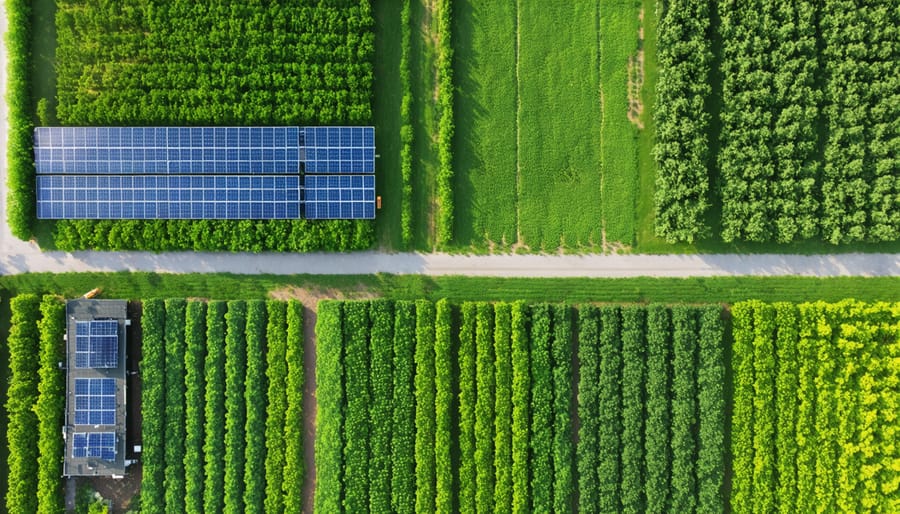
Sustainable water management infrastructure on an organic farm showing irrigation systems and water collection
Aerial view of a modern organic farm implementing sustainable water management systems, including drip irrigation and rainwater harvesting

Energy-Efficient Structures

The Zofnass Program promotes energy-efficient building practices that help farmers reduce their environmental impact while cutting operational costs. These structures incorporate passive solar design, natural ventilation, and high-performance insulation to minimize energy consumption in agricultural facilities.

Solar panels and wind turbines are increasingly integrated into farm buildings, providing clean, renewable energy for daily operations. Many successful farms have implemented geothermal systems for greenhouse climate control, resulting in year-round growing capabilities with minimal energy input.

Smart building materials play a crucial role in creating sustainable farm structures. From recycled steel to sustainably harvested timber, these materials reduce the carbon footprint while maintaining durability. Living roofs and walls provide additional insulation while supporting beneficial insects and improving air quality.

Innovative water management systems, including rainwater harvesting and greywater recycling, are incorporated into building designs. These systems help farms conserve water and reduce dependency on municipal supplies. LED lighting systems and automated climate controls further enhance energy efficiency while optimizing growing conditions for crops.

Farmers who’ve implemented these practices report significant reductions in energy costs, often seeing savings of 30-50% on their utility bills.

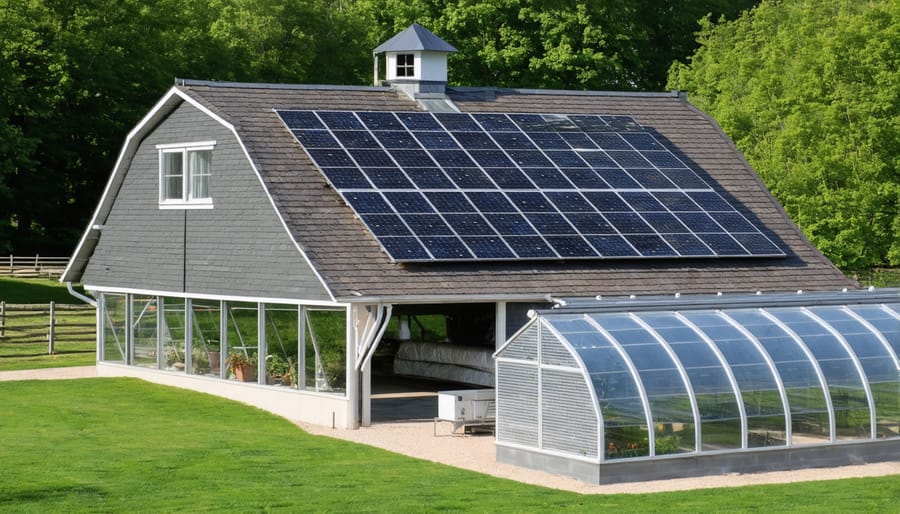
Energy-efficient farm building featuring solar panels and green building design elements
Solar panels installed on a barn roof with integrated greenhouse and energy-efficient storage facilities

Real-World Success Stories

Small-Scale Farm Transformations

The Zofnass Program has witnessed remarkable transformations in small-scale farms across the country through its sustainable infrastructure initiatives. These success stories demonstrate how thoughtful planning and organic farming innovations can revolutionize local agriculture.

Take the Green Valley Farm in Vermont, which implemented water-efficient irrigation systems and solar-powered greenhouse operations. Within two years, they reduced water consumption by 40% while increasing crop yields by 25%. Similarly, Fresh Earth Farms in California integrated smart composting systems and pollinator-friendly landscapes, leading to improved soil health and biodiversity.

The program helped these farms design sustainable infrastructure that works in harmony with natural ecosystems. By incorporating features like rainwater harvesting systems, renewable energy solutions, and efficient storage facilities, these small farms have significantly reduced their environmental impact while improving productivity.

What’s particularly inspiring is how these transformations have created ripple effects in their communities, encouraging neighboring farms to adopt similar practices and fostering a growing network of sustainable agricultural operations.

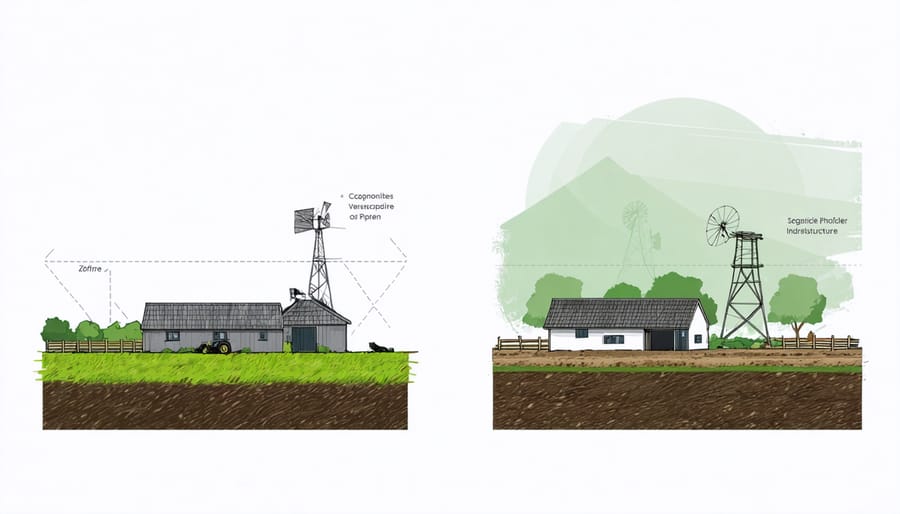
Side-by-side comparison showing farm infrastructure improvements following sustainable guidelines
Before and after comparison of a small farm’s infrastructure transformation using Zofnass Program principles

Community Garden Projects

The Zofnass Program has fostered numerous successful community garden initiatives that showcase the power of sustainable infrastructure at a local level. In Boston’s Dorchester neighborhood, residents transformed a vacant lot into a thriving community garden that now produces over 2,000 pounds of organic vegetables annually. The project incorporated sustainable irrigation systems and composting facilities, becoming a model for urban agriculture.

Another notable success story comes from Seattle, where the Green Gateway Project connected three existing community gardens through eco-friendly pathways and shared resource centers. This integration helped reduce water usage by 40% while increasing overall crop yield. The project also implemented solar-powered tool sheds and rainwater harvesting systems.

In Austin, Texas, the Sustainable Roots Initiative partnered with local schools to create educational garden spaces. These gardens feature permeable pathways, native plant species, and innovative water management systems. The program has not only provided fresh produce to school cafeterias but also serves as a living laboratory for students learning about sustainable agriculture and infrastructure design.

These projects demonstrate how the Zofnass Program’s principles can be successfully applied at the community level, creating lasting positive impact on local food systems and environmental sustainability.

Implementing Sustainable Infrastructure on Your Farm

Assessment and Planning

The Zofnass Program provides comprehensive tools and frameworks to help farmers and infrastructure managers assess their current systems and plan for sustainable improvements. The process begins with a detailed evaluation of existing infrastructure using the Envision rating system, which examines environmental, social, and economic impacts across multiple categories.

To effectively transform your farm infrastructure, start by conducting a baseline assessment. This includes evaluating water management systems, energy usage, waste handling, and transportation networks. The program offers user-friendly checklists and assessment tools that help identify areas needing improvement while highlighting existing sustainable practices.

Once the assessment is complete, the planning phase focuses on developing actionable strategies for enhancement. This involves setting realistic goals, establishing timelines, and prioritizing projects based on their potential impact and available resources. The program encourages collaboration with local stakeholders and experts to ensure plans align with community needs and environmental objectives.

Successful planning also considers future challenges like climate change and population growth. The program provides guidance on incorporating resilience into infrastructure designs, ensuring long-term sustainability. Regular monitoring and adjustment of plans help maintain progress toward sustainability goals while adapting to changing conditions and new technologies.

Resource-Efficient Solutions

The Zofnass Program champions innovative solutions that maximize resource efficiency in agricultural infrastructure. By implementing smart irrigation systems with soil moisture sensors, farms can reduce water consumption by up to 30% while maintaining optimal growing conditions. These systems work alongside rainwater harvesting structures, which capture and store precipitation for use during drier periods.

Energy-efficient greenhouse designs incorporate passive solar heating and natural ventilation, cutting electricity costs while extending growing seasons. Many successful farms have integrated solar panels on equipment sheds and processing facilities, generating clean energy to power daily operations. Some farmers report up to 40% reduction in energy expenses after implementing these improvements.

Composting facilities and organic waste management systems create closed-loop nutrient cycles, transforming farm waste into valuable fertilizer. Modern composting infrastructure can process various organic materials, from crop residues to food processing byproducts, reducing landfill waste while building soil health.

Storage solutions designed with natural cooling and ventilation help preserve harvested crops without excessive energy use. Climate-controlled root cellars and naturally ventilated barn designs maintain proper temperature and humidity levels using minimal resources. These improvements not only reduce operational costs but also enhance product quality and shelf life.

The program also promotes modular infrastructure designs that allow farms to scale operations organically, adding components as needed without disrupting existing systems. This approach helps farmers invest strategically while maintaining operational efficiency.

The Zofnass Program for Sustainable Infrastructure represents a groundbreaking approach to creating more resilient and environmentally conscious farming systems. By implementing these guidelines, farmers and agricultural communities can significantly reduce their environmental impact while improving operational efficiency and long-term viability.

Success stories from farms across the country demonstrate how sustainable infrastructure solutions can lead to substantial water savings, reduced energy consumption, and improved soil health. These benefits extend beyond individual farms to strengthen local food systems and build more resilient agricultural communities.

The program’s comprehensive framework offers practical solutions for farms of all sizes, making sustainable infrastructure accessible to both small family operations and larger agricultural enterprises. From water management systems to renewable energy integration, each element of the program contributes to a more sustainable future for farming.

By embracing these sustainable infrastructure practices, farmers can expect to see reduced operational costs, enhanced crop yields, and increased market competitiveness. Moreover, they’ll be contributing to the broader goals of environmental conservation and climate change mitigation.

As we look to the future of agriculture, the Zofnass Program provides a clear roadmap for creating farming operations that are not only profitable but also environmentally responsible. The time to implement these practices is now – our food security and environmental well-being depend on it.

How Local Farms Transform Your Community’s Economic Growth

Posted by darrell on
0
Business and Economic Impact
How Local Farms Transform Your Community’s Economic Growth

Discover how the five fundamental factors of production – land, labor, capital, entrepreneurship, and knowledge – actively transform local economies through sustainable agriculture. Beyond traditional economics textbooks, these elements form the backbone of modern farming communities, creating resilient food systems that nourish both people and local prosperity. Whether you’re a small-scale farmer, community supporter, or curious consumer, understanding these interconnected factors reveals how sustainable agriculture builds economic strength from the ground up. From fertile soil to innovative farming techniques, each factor plays a crucial role in cultivating not just crops, but thriving agricultural communities that sustain generations to come. Join us as we explore how these timeless economic principles take root in today’s local food movement, fostering growth that extends far beyond the field.

Bird's eye view of a sustainably managed local farm with diverse agricultural zones
Aerial view of a diverse local farm showing different land use patterns, including crop fields, orchards, and sustainable farming practices

Land: The Foundation of Local Food Production

Sustainable Land Use Practices

Sustainable land use practices form the foundation of efficient agricultural production while preserving natural resources for future generations. Smart crop rotation, organic farming methods, and soil conservation techniques help maintain soil fertility and reduce the need for synthetic inputs. For example, cover cropping not only prevents erosion but also naturally enriches the soil with essential nutrients.

Many successful farmers implement integrated pest management and water-efficient irrigation systems to maximize their land’s productivity while minimizing environmental impact. Local farmer Sarah Miller increased her farm’s yield by 30% after adopting no-till farming and companion planting techniques, proving that sustainability and profitability can go hand in hand.

These practices also contribute to biodiversity, creating healthy ecosystems that naturally support agricultural production. By protecting pollinators, maintaining natural habitats, and using biological pest control methods, farmers can create resilient agricultural systems that benefit both the environment and their bottom line. This approach to land management ensures long-term economic viability while preserving our valuable natural resources.

Property Value Impact

Local farms contribute significantly to property values in their surrounding areas, creating a ripple effect of economic benefits. Studies show that properties near well-maintained farms typically experience a 5-15% increase in value compared to similar properties in non-agricultural areas. This boost stems from several factors, including preserved green spaces, improved air quality, and enhanced community character.

Farms that practice sustainable methods and maintain attractive landscapes particularly influence nearby real estate values. Properties adjacent to organic farms often command premium prices, as buyers value access to fresh produce and the aesthetic appeal of farmland views. Additionally, communities with active local food systems tend to attract environmentally conscious residents willing to pay more for homes in these areas.

The presence of successful small farms can also protect surrounding properties from rapid development, helping maintain stable property values over time. Many homebuyers specifically seek locations near CSA farms, viewing them as valuable community assets that enhance their quality of life and investment potential.

Labor: Creating Local Employment Opportunities

Direct Farm Employment

Direct farm employment creates significant economic opportunities in local labor markets, offering both full-time and seasonal positions that support sustainable agriculture. Small-scale organic farms typically employ 2-3 full-time workers per acre, compared to conventional farming’s lower labor requirements. These jobs often pay above minimum wage and provide valuable skills training in sustainable farming practices.

Beyond basic farming tasks, modern agricultural operations create diverse employment opportunities including market coordinators, CSA managers, and value-added product specialists. Many farms also offer apprenticeship programs, helping cultivate the next generation of organic farmers while providing immediate employment.

The multiplier effect of farm employment extends into the community, as farm workers tend to spend their wages locally, supporting other small businesses. This creates a positive cycle of economic growth while maintaining the environmental benefits of sustainable farming practices.

Indirect Employment Benefits

Local food systems create a powerful ripple effect of job opportunities beyond direct farm employment. When farmers prosper, they support numerous related businesses, from local equipment suppliers and seed companies to transportation services and agricultural consultants. For every successful farm operation, multiple positions emerge in food processing, packaging, and distribution.

Take Sarah’s organic farm in Vermont, for instance. Her thriving CSA program not only employs farm workers but also supports a local accounting firm, marketing professionals who manage her social media presence, and delivery drivers who distribute weekly produce boxes. The farm’s success has even sparked the creation of a commercial kitchen nearby, where other entrepreneurs transform excess produce into value-added products like jams and pickles.

These interconnected employment opportunities strengthen the local economy while building a more resilient food system. From farmers’ market coordinators to organic certification specialists, sustainable agriculture creates diverse career paths that keep economic benefits circulating within the community.

Capital: Investment in Local Agriculture

Equipment and Technology

Modern farm equipment and technology represent significant capital investments that directly impact agricultural productivity and efficiency. From tractors and irrigation systems to greenhouse facilities and processing equipment, these tools form the backbone of successful farming operations. Small-scale farmers often start with basic equipment like hand tools and small tillers, gradually scaling up as their operations grow. Many sustainable farms incorporate innovative technologies like solar-powered irrigation systems, automated climate controls for greenhouses, and sophisticated composting equipment.

Smart farming technologies, including soil sensors, weather monitoring systems, and farm management software, help farmers make data-driven decisions about planting, harvesting, and resource allocation. These investments, while substantial, can lead to improved yields, reduced waste, and better resource management. However, successful farmers often emphasize the importance of choosing appropriate technology scales – matching equipment investments to their operation’s size and needs rather than over-investing in unnecessary automation.

Farm workers collaborating with modern farming equipment and traditional tools
Farmers working together using modern agricultural technology alongside traditional farming methods

Financial Returns

Financial returns in local agriculture are unique because they combine traditional profit measures with valuable community benefits. Successful small-scale farms often see returns through multiple revenue streams, including direct sales at farmers’ markets, CSA memberships, and partnerships with local restaurants. Many farmers report profit margins of 40-60% on specialty organic crops when using efficient growing methods and direct marketing strategies.

Beyond monetary gains, farms generate returns through soil improvement, biodiversity enhancement, and increased property values. Local food systems also create economic multipliers – studies show that every dollar spent at local farms generates an additional $2.50 in local economic activity through job creation and business partnerships.

For beginning farmers, initial investments typically take 3-5 years to show substantial returns. However, diversified income streams, value-added products, and agritourism activities can accelerate profitability while building community connections and ensuring long-term sustainability.

Entrepreneurship: Innovation in Local Food Systems

Market Development

Exploring new market opportunities is crucial for local farmers looking to expand their reach and sustainable impact. Successful market development strategies often involve identifying underserved communities, creating innovative distribution channels, and adapting to changing consumer preferences. Many CSA farmers have found success by partnering with local schools, workplace wellness programs, and community centers to reach new customers. Some farmers diversify their offerings by developing value-added products like preserved foods or hosting educational workshops, while others tap into the growing demand for farm-to-table experiences through agritourism initiatives. Local farmers’ markets and food co-ops provide excellent platforms for testing new products and gathering customer feedback. By understanding market trends and consumer needs, farmers can create sustainable growth opportunities while maintaining their commitment to organic practices and community values.

Risk Management

Managing risks is one of the most crucial challenges entrepreneurs face in agricultural production. Successful farmers often employ diverse strategies like crop diversification, proper insurance coverage, and careful market analysis to protect their operations. Weather uncertainties, pest problems, and market fluctuations can significantly impact farm productivity, making it essential to have backup plans and emergency funds.

Many local farmers find success by joining farming cooperatives, which help spread risk and provide collective bargaining power. They also implement sustainable practices like water conservation and soil management to build resilience against environmental challenges. Smart financial planning, including maintaining cash reserves and establishing multiple revenue streams through value-added products, helps buffer against unexpected setbacks.

Learning from experienced farmers’ success stories shows that adaptability and continuous education are key to managing risks effectively. Regular soil testing, weather monitoring, and staying informed about market trends help farmers make proactive decisions rather than reactive ones.

Circular diagram illustrating water conservation, soil health, and resource sustainability in farming
Infographic showing the interconnected cycle of natural resource management in sustainable farming

Natural Resources: Environmental and Economic Balance

Water and Soil Conservation

Water and soil conservation methods play a vital role in sustainable agriculture’s long-term success. Smart irrigation systems, like drip lines and moisture sensors, help farmers use water efficiently while maintaining optimal crop growth. Many local farmers implement rainwater harvesting systems and build retention ponds to reduce reliance on municipal water sources.

Soil health management is equally crucial, with farmers using cover crops, crop rotation, and minimal tillage practices to prevent erosion and maintain soil fertility. Composting and natural fertilizers help build organic matter content, improving both water retention and nutrient availability. These conservation practices not only preserve essential resources but also reduce operating costs over time.

Success stories abound, like Sarah’s Heritage Farm, which reduced water usage by 40% through smart irrigation while improving soil quality through regenerative practices. These methods demonstrate how protecting natural resources can enhance both environmental sustainability and economic viability in local agriculture.

Long-term Sustainability

Long-term sustainability in the factors of production means balancing economic growth with environmental stewardship. Smart resource management ensures that land remains fertile for future generations, while sustainable labor practices create stable employment opportunities in local communities. Many successful organic farms demonstrate how traditional knowledge combined with modern eco-friendly innovations can maintain productivity without depleting natural resources.

Take Fresh Earth Farm in Vermont, for example. By implementing crop rotation, composting, and water conservation methods, they’ve reduced their input costs while maintaining healthy soil for over two decades. Their approach shows how environmental consciousness in production leads to both ecological and economic benefits.

When businesses prioritize sustainable practices, they often see reduced waste, lower energy costs, and increased customer loyalty. This creates a positive cycle where sustainable choices support both environmental health and business longevity, proving that good stewardship and profitability can go hand in hand.

The five factors of production – land, labor, capital, entrepreneurship, and knowledge – work together harmoniously in local agriculture to create a thriving ecosystem of sustainable food production and community wealth. Local farmers leverage these elements to cultivate not just crops, but also economic opportunities that ripple throughout the region. By utilizing land efficiently, employing local workers, investing in sustainable equipment, taking calculated risks, and applying agricultural expertise, small-scale farmers create resilient food systems that benefit everyone involved. The success of local agriculture demonstrates how traditional economic principles can be applied to create modern, sustainable businesses that nourish both the community and the environment. As more consumers embrace locally grown produce, these five factors continue to drive innovation and growth in sustainable farming practices, proving that small-scale agriculture can be both environmentally responsible and economically viable.

How Local Grocery Micro-Fulfillment Centers Are Revolutionizing Farm-to-Table Distribution

Posted by darrell on
0
Local Food Systems and Distribution
How Local Grocery Micro-Fulfillment Centers Are Revolutionizing Farm-to-Table Distribution

Revolutionize local food distribution with micro-fulfillment centers that transform vacant urban spaces into automated grocery hubs. These nimble facilities combine AI-powered robotics and smart storage systems to process orders 5-10 times faster than traditional warehouses, while operating within just 10,000 square feet. By bridging the gap between community-supported agriculture and modern commerce, micro-fulfillment centers enable same-day delivery of fresh, local produce to urban consumers. Small-scale farmers particularly benefit from these neighborhood-based distribution points, which reduce last-mile delivery costs by up to 75% while maintaining produce freshness through precise temperature control and inventory management. This technological revolution in grocery logistics doesn’t just optimize operations—it strengthens local food systems and makes sustainable, farm-fresh options more accessible to urban communities.

What Makes Micro-Fulfillment Different from Traditional Distribution

The Technology Behind Local Food Micro-Fulfillment

Modern micro-fulfillment centers are embracing smart systems in food distribution that make getting local produce to consumers faster and more efficient than ever. These compact facilities use a combination of automated storage systems, robotic picking arms, and intelligent inventory management software to handle fresh produce with care.

The heart of these centers features temperature-controlled zones that maintain optimal conditions for different types of produce. Smart sensors monitor humidity and temperature levels, ensuring that delicate greens stay crisp while root vegetables remain properly stored. Automated conveyor systems gently move products through the facility, while robotic picking systems select items with precision, reducing handling damage.

What makes these systems particularly special is their ability to learn and adapt. The software tracks seasonal availability, predicts demand patterns, and helps reduce food waste by optimizing inventory levels. For local farmers, this means their harvest reaches customers at peak freshness, while maintaining the personal connection that makes community-supported agriculture so special.

These technologies work quietly behind the scenes, supporting rather than replacing the human touch that makes local food systems unique.

Automated robotic system retrieving products from compact storage racks in a micro-fulfillment facility
Modern automated micro-fulfillment center with robotic picking systems and storage racks

Space-Efficient Storage Solutions

Micro-fulfillment centers employ innovative vertical storage systems and compact automation technology to make the most of limited urban spaces. These facilities typically utilize automated storage and retrieval systems (AS/RS) that can stack products up to the ceiling, maximizing vertical space that would otherwise go unused. Smart shelving systems with adjustable configurations adapt to varying product sizes, while mobile robots navigate narrow aisles to efficiently pick and pack orders. Some centers even incorporate temperature-controlled zones within the same compact footprint, allowing for the simultaneous storage of ambient, chilled, and frozen products. This space-efficient design enables these facilities to operate in urban locations closer to customers, reducing delivery times while maintaining a small physical footprint in densely populated areas.

Compact vertical storage system with organized bins of fresh local produce
Vertical storage solution showing efficient use of space with fresh produce bins
Farmer handing boxes of fresh vegetables to warehouse staff at micro-fulfillment facility
Local farmer delivering produce to micro-fulfillment center worker

Benefits for Local Farmers and CSA Programs

Reducing Food Waste Through Smart Inventory

Smart inventory management systems are revolutionizing how local farms and grocery fulfillment centers approach reducing food waste. These systems use artificial intelligence to track produce freshness, predict demand patterns, and optimize storage conditions in real-time.

By monitoring temperature, humidity, and ripeness levels, smart sensors help maintain ideal storage conditions for different types of produce. The technology also alerts staff when items are approaching their peak freshness, allowing for timely distribution and preventing spoilage.

Inventory management software creates detailed reports on seasonal patterns and customer preferences, helping farmers and fulfillment centers make data-driven decisions about harvest timing and storage quantities. This precision ensures that produce moves efficiently from farm to table, maximizing freshness while minimizing waste.

Local farmers like Sarah Chen from Green Valley Farm have reported up to 40% reduction in produce waste after implementing these systems. The technology helps them better match harvest schedules with customer demand, ensuring that fresh, local produce reaches consumers at peak quality while supporting sustainable farming practices.

Expanding Market Reach for Small Farms

Micro-fulfillment centers are revolutionizing how small farms connect with local consumers. By utilizing these compact, automated warehouses strategically placed throughout urban areas, farmers can now extend their reach beyond traditional farmers’ markets and CSA programs.

These facilities act as efficient distribution hubs where farmers can store their fresh produce in temperature-controlled environments, ensuring optimal freshness while serving a broader customer base. A single micro-fulfillment center can help multiple small farms pool their resources, sharing storage and delivery costs while maintaining the quality of their products.

Success stories like Green Acres Farm in Vermont showcase the impact of this technology. After partnering with a local micro-fulfillment center, they expanded their customer base by 300% in just six months. The farm now serves five times more families while reducing food waste and delivery costs.

For consumers, this means easier access to farm-fresh produce, often with same-day delivery options. Small farms can now compete more effectively with larger retailers while maintaining their commitment to sustainable, local agriculture. This technology bridges the gap between small-scale farmers and urban consumers, creating a more resilient local food system.

Real-World Success Stories

Several local food distribution initiatives have successfully implemented micro-fulfillment systems, transforming their operations and community impact. The Fresh Farm Collective in Portland, Oregon, converted a former warehouse into a smart distribution hub, reducing order processing time from 24 hours to just 2 hours. Their automated system now serves over 50 local farms and 2,000 weekly customers, with a 95% accuracy rate in order fulfillment.

In Minneapolis, the Urban Growers Cooperative launched a mobile micro-fulfillment center in 2021, using refrigerated pods and smart inventory management. This innovation allowed them to reduce food waste by 40% while expanding their delivery radius to serve food deserts in the metropolitan area.

The Bay Area Food Hub demonstrates how technology can support traditional farmers’ markets. Their hybrid model combines automated storage systems with personal shopping services, enabling them to process 500 custom orders daily while maintaining the authentic farmers’ market experience. Small-scale farmers report a 30% increase in revenue since joining the program.

Perhaps most inspiring is the success of Rural Routes Distribution in Vermont, which uses micro-fulfillment technology to connect remote farms with urban markets. Their network of small, automated fulfillment centers has helped 75 family farms reach new customers, resulting in a 60% increase in direct-to-consumer sales and creating 15 new local jobs.

These examples show how micro-fulfillment solutions can strengthen local food systems while supporting small-scale producers and improving community access to fresh, local food.

Grocery micro-fulfillment centers are revolutionizing local food distribution by bridging the gap between small-scale farmers and urban consumers. These innovative systems make fresh, locally grown produce more accessible while reducing transportation costs and environmental impact. As technology continues to advance, we can expect to see more efficient automation, improved inventory management, and faster delivery times. This evolution will particularly benefit small farms and CSA programs, allowing them to expand their reach without compromising product quality or freshness. The future of local food distribution looks promising, with micro-fulfillment centers playing a crucial role in creating more resilient and sustainable food systems that support both local economies and environmental stewardship. For communities embracing this technology, the result is fresher food, reduced waste, and stronger connections between producers and consumers.

Local Hydroponics Classes That Transform Your Growing Skills

Posted by darrell on
0
Educational Programs and Partnerships
Local Hydroponics Classes That Transform Your Growing Skills

Transform your gardening passion into practical skills through local hydroponics education programs designed for both beginners and experienced growers. Across the country, innovative learning centers, community colleges, and urban farming organizations now offer hands-on training in soil-free growing techniques, empowering students to master sustainable food production right in their communities.

Whether you’re looking to start a commercial operation or simply grow fresh herbs in your kitchen, these programs provide essential knowledge about nutrient management, system design, and crop selection. Most courses combine classroom instruction with practical experience, allowing students to build and maintain their own hydroponic systems while learning from experienced instructors.

Local hydroponics education creates a powerful foundation for future food security, offering practical solutions for urban agriculture and year-round growing. From weekend workshops to comprehensive certification programs, these learning opportunities connect you with like-minded individuals while developing valuable skills for modern farming.

Why Learn Hydroponics Through Local Programs

Students learning about hydroponics in a hands-on educational environment
A group of students examining hydroponic growing systems in a greenhouse classroom setting

From Hobby to Sustainable Business

Local hydroponics education programs are proving to be powerful stepping stones for hobbyists looking to transform their passion into profitable ventures. These hands-on learning experiences provide essential skills that bridge the gap between casual gardening and professional growing operations. Many participants have successfully transitioned into sustainable agriculture careers, particularly in the CSA market where demand for locally grown produce continues to rise.

Programs typically cover business planning, scaling operations, and market analysis alongside technical growing skills. Success stories include former program graduates who now operate thriving hydroponic CSAs, supplying fresh greens and herbs to local communities year-round. These educational initiatives often include mentorship opportunities, connecting aspiring farmers with experienced growers who can provide practical guidance on transitioning from hobby to business.

The structured learning environment helps participants develop realistic business models while avoiding common pitfalls, making the journey to professional growing more achievable and sustainable.

Community Learning Benefits

Learning hydroponics alongside local experts and fellow enthusiasts creates powerful learning experiences that go beyond what you can achieve through online courses alone. When you join a local hydroponics community, you gain access to seasoned growers who can share their practical insights, troubleshooting tips, and region-specific knowledge. These face-to-face interactions allow you to ask questions in real-time, observe successful growing systems firsthand, and build lasting connections with other gardening enthusiasts.

Community learning also opens doors to equipment sharing, produce swapping, and collaborative projects. Many participants find that the networking opportunities lead to mentorship relationships and even business partnerships. The shared excitement of watching plants grow and solving challenges together creates a supportive environment where both beginners and experienced growers can thrive. Plus, learning locally means you’ll discover growing techniques specifically adapted to your area’s climate and market conditions.

Finding Local Hydroponics Programs

Educational Institutions

Many community colleges and universities now offer comprehensive hydroponics programs, combining hands-on experience with academic learning. These institutions typically provide access to state-of-the-art growing facilities and experienced instructors who bring real-world expertise to the classroom.

For example, local agricultural extension programs often partner with universities to offer certificate courses in hydroponic farming. These programs usually run for 3-6 months and cover essential topics like nutrient management, system design, and crop selection. Students get practical experience maintaining actual hydroponic systems while learning about the business aspects of urban farming.

Technical schools and vocational institutes are also expanding their offerings to include specialized hydroponics training. These programs tend to be more hands-on and career-focused, perfect for those looking to start their own hydroponic operation or work in commercial facilities.

Many institutions offer flexible learning options, including evening classes, weekend workshops, and hybrid courses that combine online learning with in-person lab work. This makes it easier for working professionals to pursue hydroponics education while maintaining their current commitments.

Community Centers and Gardens

Community centers and public gardens across the country are increasingly offering accessible hydroponics education programs for local residents. These neighborhood hubs provide hands-on workshops and training that make learning about soil-less growing methods both fun and practical.

Many centers feature demonstration gardens where you can see working hydroponic systems in action. Experienced growers guide participants through system setup, plant care, and harvesting techniques. You’ll learn alongside other community members who share your interest in sustainable food production.

Local botanical gardens often partner with hydroponic experts to offer seasonal classes perfect for beginners. These programs typically include basic system construction, nutrient management, and tips for growing popular crops like lettuce, herbs, and tomatoes. Some locations even provide starter kits so you can begin your hydroponic journey right away.

Check your city’s parks and recreation department website or contact nearby community gardens to find programs in your area. Many offer free or low-cost options to make hydroponics education accessible to everyone interested in this innovative growing method.

What to Look for in a Hydroponics Program

Curriculum Essentials

Any comprehensive hydroponics education program should cover several fundamental topics to give you a solid foundation. You’ll start with basic plant science, learning about nutrient requirements, growth cycles, and photosynthesis. Understanding water chemistry is crucial, including pH levels, nutrient solutions, and water quality testing methods. The program should teach you about different hydroponic systems like NFT (Nutrient Film Technique), DWC (Deep Water Culture), and media-based setups.

Essential curriculum elements include lighting requirements, covering both natural and artificial light sources, and environmental control techniques for temperature, humidity, and ventilation. You’ll learn about seed starting, transplanting, and plant maintenance, along with pest management strategies specific to hydroponic environments.

Most quality programs incorporate hands-on components where you’ll practice system assembly, maintenance procedures, and troubleshooting common issues. You should also expect to learn about harvest timing, post-harvest handling, and basic business principles if you’re considering commercial applications. Food safety and sanitation protocols are typically covered as well, ensuring your hydroponic operation meets health standards.

Different types of hydroponic growing systems in an educational display
Various types of hydroponic systems displayed in an educational setting, including NFT, DWC, and vertical systems

Hands-on Experience

Hands-on experience is crucial when learning hydroponics, and most quality programs offer extensive practical training opportunities. You’ll get to work directly with real hydroponic systems, planting seeds, managing nutrient solutions, and monitoring plant growth. Many programs feature dedicated lab spaces where students can experiment with different growing techniques and troubleshoot common issues in a controlled environment.

Local community colleges and urban farming centers often provide access to commercial-grade equipment, allowing you to familiarize yourself with the same technology used in professional operations. During these practical sessions, you’ll learn essential skills like pH testing, system maintenance, and harvest techniques. Some programs even let students manage their own small hydroponic garden throughout the course.

The hands-on component helps solidify theoretical knowledge and builds confidence in working with hydroponic systems. Many successful hydroponic farmers credit their practical training experiences as the foundation for their current operations. Look for programs that offer at least 50% hands-on learning time to ensure you’re getting the most value from your education investment.

Hands-on training of nutrient management in hydroponics education
Student measuring pH and nutrient levels in a hydroponic solution while instructor guides

Getting Started with Your First Class

Getting started with your first hydroponics class is an exciting step toward sustainable growing! Begin by reaching out to your chosen program at least two weeks before the start date to secure your spot and gather essential information. Most programs offer flexible scheduling options, including weekend workshops and evening classes to accommodate various schedules.

Before your first class, prepare by gathering basic note-taking materials and wearing comfortable clothes you don’t mind getting slightly wet or dirty. Many programs provide all the necessary equipment, but it’s worth asking if there are any specific items you should bring.

To make the most of your learning experience, familiarize yourself with basic gardening concepts and hydroponics terminology. Don’t worry if you’re completely new to growing – instructors design these courses for beginners and will explain everything step by step.

Expect your first class to cover fundamentals like:
– Understanding different hydroponic systems
– Basic plant nutrition requirements
– Water quality management
– Essential equipment overview
– Safety protocols

Many students find it helpful to join online hydroponics communities or social media groups before starting classes. This allows you to connect with fellow learners and start building your support network early.

Remember to ask about hands-on opportunities during the program. The best learning comes from practical experience, and most courses include supervised time working with actual hydroponic systems. Some programs even offer mentorship opportunities or follow-up sessions after the initial course.

Take advantage of any course materials provided before class starts, and don’t hesitate to reach out to instructors with questions. Their goal is to help you succeed in your hydroponic growing journey!

Learning hydroponics through local education programs is an investment in your future and our planet’s sustainability. These hands-on courses offer invaluable knowledge, practical experience, and connections with like-minded individuals in your community. Whether you’re dreaming of starting a commercial operation or simply want to grow fresh produce at home, the skills you’ll gain from these programs can transform your approach to agriculture.

Don’t wait to start your hydroponics journey. Research the programs we’ve discussed, reach out to local instructors, and take that first step toward mastering soil-less growing. Remember, many facilities offer flexible scheduling and beginner-friendly options, making it easier than ever to fit this valuable education into your life.

Ready to grow? Contact your nearest hydroponics education center today and join the movement toward sustainable, efficient food production. Your journey into the future of farming starts here.

CSA Farm Careers: Where Food, Land, and Community Connect

Posted by darrell on
0
Educational Programs and Partnerships
CSA Farm Careers: Where Food, Land, and Community Connect

Transform your agricultural passion into a fulfilling career through three distinct pathways in Community Supported Agriculture (CSA). From nurturing organic crops in the production cluster to orchestrating farm-to-table distribution networks, or sharing sustainable farming knowledge as an educator, CSA offers diverse opportunities for meaningful work. These career clusters not only provide stable employment but also contribute to building resilient local food systems and healthier communities. Whether you’re an experienced farmer looking to expand your impact or a newcomer drawn to sustainable agriculture, understanding these three interconnected career paths opens doors to both personal growth and environmental stewardship. Discover how your skills and interests align with production, distribution, or education roles – each offering unique ways to shape the future of local, organic farming while earning a living doing work that matters.

Farm Production and Management

Organic Farm Management

Organic farm managers play a crucial role in overseeing Community Supported Agriculture (CSA) operations while implementing sustainable farming practices that benefit both the environment and community members. These professionals coordinate all aspects of farm production, from crop planning and soil management to harvest scheduling and member communications.

Key responsibilities include developing seasonal planting calendars, managing organic certification compliance, and supervising farm staff and volunteers. They must carefully balance crop diversity to ensure CSA members receive varied, nutritious produce throughout the growing season while maintaining soil health through crop rotation and natural pest management methods.

Success in this role requires a unique blend of agricultural expertise and business acumen. Farm managers must track expenses, maintain equipment, and manage relationships with CSA members. They often coordinate educational workshops and farm events, helping to build a stronger connection between the community and their food source.

Many organic farm managers start their careers through apprenticeships or working on established CSA farms. Some have formal education in sustainable agriculture or related fields, while others learn through hands-on experience. The role offers opportunities for continuous learning as managers experiment with new growing techniques and adapt to changing climate conditions.

Organic farmer tending to diverse vegetable crops in a CSA field
Farmer working in organic fields with diverse crops, demonstrating sustainable farming practices

Crop Planning and Production

Crop planning and production roles form the backbone of successful CSA operations, requiring a unique blend of agricultural expertise and strategic thinking. These positions focus on maximizing farm productivity while maintaining sustainable practices throughout the growing season.

Crop planners work closely with farm managers to develop comprehensive planting schedules that ensure a steady supply of diverse produce throughout the harvest season. They carefully consider factors like soil health, climate patterns, and member preferences when deciding what to grow and when to plant.

Production specialists oversee daily growing operations, from seed starting to harvest. Their responsibilities include implementing crop rotation strategies, managing soil fertility, and monitoring plant health. These professionals often work with organic certification standards, ensuring all growing practices align with sustainable agriculture principles.

Seasonal production coordinators play a crucial role in timing harvests to meet weekly CSA box commitments. They track crop maturity dates, coordinate harvest crews, and adjust plans based on weather conditions or unexpected challenges.

Success in these roles typically requires hands-on farming experience combined with strong organizational skills. Many professionals start as farm apprentices or complete agricultural programs before advancing to planning positions. The most successful crop planners often share a common trait: the ability to think several seasons ahead while remaining flexible enough to adapt to changing conditions.

For those passionate about working directly with the land, these positions offer the satisfaction of nurturing crops from seed to harvest while contributing to local food security.

Distribution and Marketing

Members collecting their weekly CSA shares at a farm distribution point
CSA share pickup station with fresh produce boxes and community members

CSA Coordination

CSA Coordinators play a vital role in bridging the gap between farmers and community members, ensuring smooth operations and member satisfaction. These professionals manage member relationships, handle share distributions, and maintain clear communication channels throughout the growing season.

A typical day for a CSA Coordinator involves organizing weekly harvest schedules, coordinating pick-up locations, and managing member databases. They’re responsible for processing memberships, handling payments, and addressing member inquiries about their shares. Many coordinators also create newsletters featuring seasonal recipes, farm updates, and upcoming events to keep members engaged and informed.

Share distribution management requires excellent organizational skills and attention to detail. Coordinators work closely with farmers to ensure proper portioning of produce and create efficient systems for member pick-up or delivery. They often develop innovative solutions for handling surplus produce and implementing flexible share options to accommodate different household sizes and preferences.

The role also involves maintaining strong relationships with host sites, managing volunteers during distribution days, and troubleshooting any logistics-related challenges. Successful coordinators often have experience in customer service, database management, and event planning. Many find this career particularly rewarding as it allows them to strengthen local food systems while building meaningful connections within their communities.

Community Outreach

Community outreach professionals in CSA programs serve as vital bridges between farms and their communities, combining marketing expertise with educational initiatives. These roles focus on building meaningful connections and fostering understanding about sustainable agriculture through various CSA career training opportunities.

Marketing specialists in CSA programs develop engaging content for social media, craft compelling newsletters, and organize farm events that showcase the beauty of local agriculture. They tell the story of their farm’s journey, helping members understand the value of their investment in local food systems.

Education coordinators design and implement programs that bring farming knowledge to diverse audiences. They might lead school tours, host cooking demonstrations with seasonal produce, or organize workshops about sustainable growing practices. These educators often work closely with local schools, community centers, and food advocacy groups to spread awareness about the benefits of CSA membership.

Both roles require excellent communication skills and a genuine passion for sustainable agriculture. Marketing professionals need to be creative storytellers who can effectively communicate the farm’s value proposition, while educators must be patient mentors who can break down complex agricultural concepts into digestible information for various age groups and experience levels.

Education and Support Services

Agricultural Education

Agricultural educators play a vital role in spreading knowledge and nurturing the next generation of CSA farmers. These professionals work in various settings, from hands-on farm training to classroom environments, helping others understand sustainable farming practices and the importance of local food systems.

Many educators in this field lead CSA education programs that combine practical skills with theoretical knowledge. They teach essential topics like soil health, crop planning, sustainable pest management, and business operations. Some work directly with farms, offering apprenticeship programs where aspiring farmers can gain real-world experience while learning from seasoned professionals.

Educational roles within CSA systems often include:
– Farm Education Coordinators who develop and implement training programs
– Workshop Facilitators who teach specific skills to community members
– School Garden Educators who work with children to foster early interest in agriculture
– Adult Education Specialists focusing on farmer training and certification
– Community Outreach Coordinators who organize educational events and workshops

These educators often collaborate with local schools, community centers, and agricultural organizations to create comprehensive learning experiences. They help bridge the gap between farmers and consumers while ensuring sustainable farming practices continue to thrive through knowledge sharing and skill development.

Agricultural educator demonstrating farming techniques to students in a field setting
Farmer leading an educational workshop with a group of aspiring CSA farmers

Technical Support

Technical support professionals in sustainable farming play a vital role in helping farmers adopt and maintain eco-friendly practices while maximizing crop yields. These specialists combine traditional agricultural knowledge with modern technology to solve complex farming challenges.

A typical day might involve conducting soil analysis, troubleshooting irrigation systems, or helping farmers implement new organic pest control methods. Many technical support specialists work closely with farmers to develop customized solutions that align with organic certification requirements while maintaining profitable operations.

Some key responsibilities include monitoring crop health using advanced diagnostic tools, recommending appropriate organic fertilizers, and helping farmers integrate sustainable technologies like solar-powered equipment or water-efficient irrigation systems. These professionals often serve as the bridge between agricultural research and practical implementation on the farm.

Career opportunities in this field are growing as more farms transition to sustainable practices. Technical support specialists might work for agricultural consulting firms, organic certification agencies, or directly for large organic farming operations. The role requires a unique blend of hands-on farming experience and technical expertise, making it perfect for those who enjoy problem-solving and working outdoors.

Success in this career path often comes from building strong relationships with local farmers and staying current with the latest sustainable farming innovations. Many specialists also develop expertise in specific areas like soil health management or organic pest control strategies.

The future of CSA-based agriculture offers exciting opportunities across production, distribution, and education sectors. As consumers increasingly prioritize locally grown, organic produce and sustainable farming practices, career prospects in these areas continue to expand. Success stories from small-scale farmers who have built thriving CSA businesses demonstrate the viability of this career path, with many reporting steady growth in membership and revenue year over year.

The rise of digital platforms and innovative distribution models has created new roles for tech-savvy professionals who can bridge the gap between farmers and consumers. Meanwhile, the growing interest in sustainable agriculture has sparked demand for educators and consultants who can share their expertise with both aspiring farmers and conscious consumers.

Whether you’re passionate about hands-on farming, interested in revolutionizing food distribution systems, or dedicated to teaching others about sustainable agriculture, the CSA movement offers meaningful career opportunities. With increasing awareness of food security and environmental issues, these career paths are not just personally fulfilling but also contribute to building more resilient local food systems for future generations.