Monthly Archives

39 Articles

Boston’s Farm-to-Table Festivals Bring Fresh Local Flavors to Life

Posted by darrell on
0
Farm-to-Table Experiences
Boston’s Farm-to-Table Festivals Bring Fresh Local Flavors to Life

Boston’s vibrant farm-to-table festivals transform the city’s culinary landscape into a celebration of local harvests throughout the year. From the bustling Copley Square Farmers Market to intimate chef-led dinners at Allandale Farm, the city’s farm-to-table movement connects urban dwellers directly with Massachusetts farmers and artisanal food producers. Innovative restaurants like Field & Vine and Loyal Nine have revolutionized seasonal dining by partnering with small-scale farmers within a 50-mile radius, while community-supported agriculture programs flourish across neighborhoods from Jamaica Plain to Somerville. This dynamic ecosystem of growers, chefs, and conscious consumers has established Boston as a northeast hub for sustainable dining, where each plate tells the story of New England’s agricultural heritage and its evolving food future.

Spring Harvest Celebrations

Boston Public Market’s Spring Fling

Each spring, the Boston Public Market transforms into a vibrant celebration of local agriculture during its annual Spring Fling festival. This beloved event brings together over 50 New England farmers, artisans, and food producers under one roof for a weekend of seasonal delights and community connection.

Visitors can explore stalls bursting with early spring produce like fresh asparagus, tender pea shoots, and colorful radishes, all harvested from nearby farms. Local cheese makers, bakers, and specialty food crafters showcase their latest creations, often incorporating seasonal ingredients into special Spring Fling offerings.

The festival features hands-on workshops where attendees can learn about starting their own herb gardens, cooking with spring vegetables, and sustainable farming practices. Children’s activities include seed planting stations and educational demonstrations about the importance of pollinators in our food system.

Live music from local musicians creates a festive atmosphere while visitors sample fresh-pressed ciders, artisanal chocolates, and farm-fresh prepared foods. The market’s regular vendors also participate with special spring-themed products and tastings throughout the weekend.

Harbor Islands Farm Festival

Each summer, Boston’s Harbor Islands transform into a vibrant celebration of local agriculture during the Harbor Islands Farm Festival. This unique event combines the region’s maritime heritage with sustainable farming practices, offering visitors a chance to experience farming in an unexpected island setting.

Spectacle Island and Thompson Island host the main festivities, where local farmers showcase their island-grown produce, herbs, and flowers. Visitors can participate in hands-on farming demonstrations, learn about traditional crop rotation methods, and enjoy guided tours of the islands’ agricultural areas.

The festival features farm-fresh tastings prepared by Boston’s top chefs, who create dishes using ingredients harvested just hours before. Educational workshops cover topics like saltwater-resistant farming techniques and the challenges of island agriculture. Children especially enjoy the interactive planting activities and meeting the heritage breed chickens that help maintain the islands’ ecosystems.

What makes this festival particularly special is its focus on coastal farming innovation and the unique growing conditions of the Harbor Islands. It’s a perfect example of how Boston’s agricultural community continues to adapt and thrive in unexpected places.

Summer Food Festivals
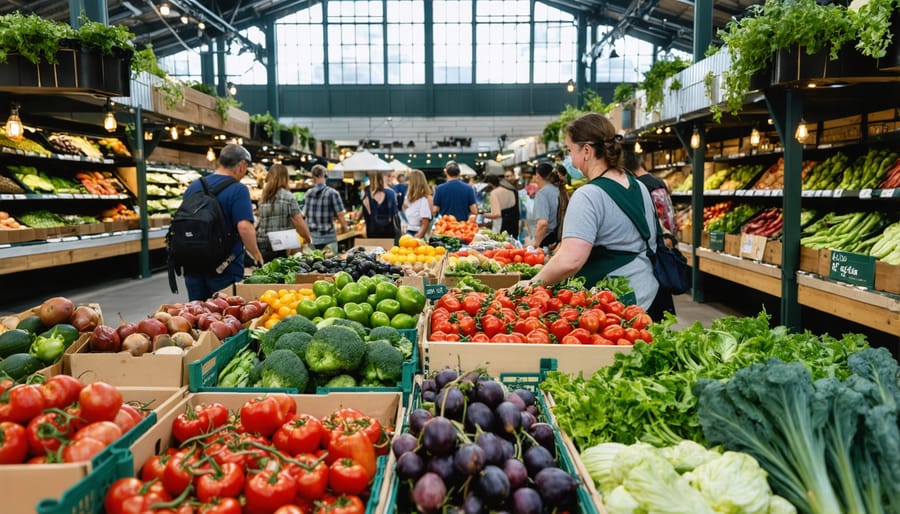
Wide view of Boston Public Market interior showing produce stands and shoppers
The bustling Boston Public Market connects local farmers directly with urban consumers through year-round indoor marketplace experiences.

Boston Local Food Festival

The Boston Local Food Festival stands as the city’s premier celebration of sustainable food culture, drawing over 50,000 visitors annually to the Rose Kennedy Greenway. This free outdoor festival showcases the best of New England’s local food movement, bringing together farmers, chefs, food entrepreneurs, and enthusiastic foodies for a day of culinary exploration and education.

Visitors can sample farm-fresh produce, artisanal cheeses, and locally crafted beverages while watching live cooking demonstrations from Boston’s top chefs. The festival’s “Seafood Throwdown” has become a beloved tradition, where local chefs compete to create spectacular dishes using sustainably caught seafood from regional waters.

What sets this festival apart is its zero-waste policy and commitment to affordability. All vendors must offer at least one $6 tasting item, making local food accessible to everyone. Interactive workshops teach practical skills like container gardening, composting, and food preservation, while the Family Fun Zone engages young visitors with hands-on activities about sustainable food practices.

The festival’s Farmer Market Plaza provides a direct connection between local farmers and consumers, offering everything from heirloom vegetables to grass-fed meats. Food entrepreneurs showcase their innovative products, often telling inspiring stories of how they transformed local ingredients into successful business ventures.

For those interested in sustainable living, the festival’s educational pavilion features talks on urban farming, food justice, and reducing food waste.

Farm-to-Fork Weekend

Boston’s Farm-to-Fork Weekend celebrates the region’s vibrant local food scene with a series of special dining events, farm tours, and culinary workshops. This annual spring celebration connects diners directly with local farmers and chefs, offering unique farm-to-fork dining experiences throughout Greater Boston.

During this three-day event, participating restaurants create special prix-fixe menus showcasing ingredients sourced from nearby farms. Diners can enjoy multi-course meals featuring seasonal produce, locally raised meats, and artisanal products while learning about the farms behind their food. Many restaurants offer meet-and-greet sessions with farmers during dinner service.

The weekend also includes hands-on activities like cooking demonstrations at Boston Public Market, guided tours of urban farming initiatives, and workshops on seasonal cooking. Families can participate in kid-friendly activities such as seed starting and herb gardening classes.

Popular events include the Friday night kick-off celebration at the Boston Harbor Hotel, featuring small bites from 20+ restaurants and local farmers, and Sunday’s Farm Family Brunch series, where participating restaurants host casual brunches with their partner farms.

Tickets typically go on sale two months before the event, with early-bird pricing available. A portion of proceeds supports local farming education programs and helps fund grants for small farms in Massachusetts.

Outdoor restaurant dining scene with seasonal dishes and Boston harbor view
Farm-to-table restaurants along Boston’s waterfront combine fresh local ingredients with stunning harbor views.

Fall Harvest Events

Harvest Moon Festival

Every autumn, Boston transforms into a vibrant celebration of local agriculture during the Harvest Moon Festival. This cherished tradition brings together farmers, chefs, and food enthusiasts for a weekend of farm-fresh feasting and community connection. Building on traditional harvest celebrations, the festival has evolved through strong local farm partnerships to showcase the best of New England’s seasonal bounty.

Held in the historic Boston Common, the festival features long communal tables where guests enjoy family-style meals prepared by the city’s most innovative farm-to-table chefs. Local farmers share their stories while serving up heirloom vegetables, heritage meats, and artisanal cheeses directly from their farms. Interactive workshops teach visitors about seed saving, food preservation, and sustainable cooking techniques.

Children delight in hands-on activities like apple pressing and pumpkin decorating, while adults can sample local craft beverages in the harvest beer garden. As evening falls, string lights illuminate the common, and local musicians provide a soundtrack for this magical celebration of community and sustainable food culture. The festival has become a cherished autumn tradition, connecting urban dwellers with their agricultural roots while supporting local food systems.
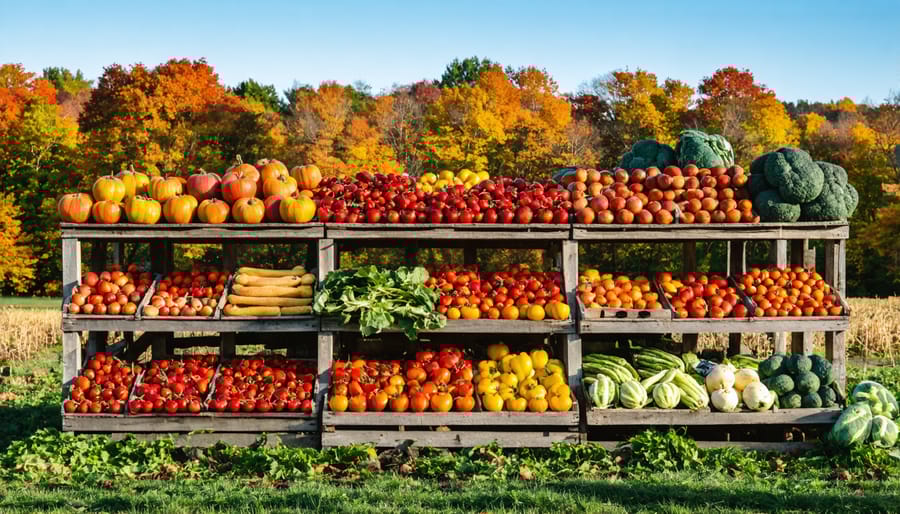
Farm stand display of pumpkins, gourds and apples with fall foliage backdrop
Local farms outside Boston showcase the autumn harvest with traditional farm stands full of seasonal produce.

Apple & Pumpkin Festival

When autumn paints New England in vibrant hues, Boston’s farm-to-table scene comes alive with apple and pumpkin celebrations. Local farms within an hour’s drive of the city transform into festive destinations where families can experience the harvest season firsthand. Popular spots like Honey Pot Hill Orchards and Lookout Farm welcome visitors for apple picking, with varieties ranging from classic McIntosh to heirloom types like Northern Spy.

The festivities typically run from mid-September through October, featuring fresh-pressed cider demonstrations, pumpkin carving workshops, and hayrides through the orchards. Many farms host weekend markets where visitors can purchase homemade apple butter, pumpkin pies, and other seasonal treats made from their harvest. Kids particularly enjoy the hands-on activities like building scarecrows and navigating corn mazes.

Local chefs often participate in these celebrations, offering cooking demonstrations that showcase creative ways to use fall produce. Watch them transform freshly picked apples into everything from savory chutneys to decadent desserts. Several farms also feature cideries where adults can sample hard ciders crafted from local apples.

For those interested in sustainable agriculture, many participating farms offer educational tours explaining their organic growing practices and commitment to preserving heirloom varieties for future generations.

Winter Markets & Events

Boston’s farm-to-table movement doesn’t hibernate during the cold months. The Boston Public Market serves as a year-round indoor haven for local food enthusiasts, hosting over 30 New England vendors who offer everything from fresh produce to artisanal cheeses and freshly baked goods.

Winter Fare, held annually in January, brings together farmers and food producers from across Massachusetts for a celebration of seasonal eating. Visitors can stock up on root vegetables, winter greens, locally made preserves, and maple products while enjoying cooking demonstrations and workshops on winter food preservation.

The SoWa Winter Festival, typically held in early December, transforms the iconic SoWa Power Station into a magical marketplace featuring local farmers, food artisans, and craft vendors. The festival’s famous “Winter Wine Garden” showcases regional wines paired with seasonal farm-fresh dishes.

Several Boston-area farms host special winter events, including Ward’s Berry Farm’s “Greenhouse Tours” and Allandale Farm’s “Winter Growing Workshop Series.” These educational experiences give visitors insight into how local farmers maintain production during the colder months.

Don’t miss the annual “Farm to Fork Winter Feast” series, where prominent Boston chefs partner with local farmers to create multi-course meals highlighting seasonal ingredients. These intimate dining experiences often sell out quickly and showcase the incredible versatility of New England’s winter harvest.

Boston’s vibrant farm-to-table scene flourishes year-round through an exciting calendar of festivals and events that celebrate local agriculture and sustainable food practices. From the springtime Boston Public Market festivals showcasing early harvests to summer’s abundant farmers’ markets in every neighborhood, there’s always an opportunity to connect with local farmers and artisans. Fall brings harvest celebrations and apple-picking festivals throughout the region, while winter features indoor markets and farm-to-table dining events that keep the local food movement alive even in the coldest months. These gatherings not only provide fresh, seasonal produce but also offer educational workshops, cooking demonstrations, and chances to meet the farmers who grow our food. Whether you’re a dedicated locavore or just beginning to explore sustainable eating, Boston’s year-round food events provide endless opportunities to participate in and support our local food ecosystem.

Master These Organic Growing Methods for Your Greenhouse Success

Posted by darrell on
0
Organic Farming and Cultivation
Master These Organic Growing Methods for Your Greenhouse Success

Transform your greenhouse into a thriving organic ecosystem by implementing time-tested growing practices that maximize yield while preserving soil health. Organic cultivation delivers more than just chemical-free produce – it creates a sustainable, balanced growing environment that supports beneficial insects, enriches soil microbiomes, and produces nutrient-dense crops year after year.

Master organic growing by focusing on three core principles: soil vitality, natural pest management, and sustainable resource cycling. Start with building living soil through composting, cover cropping, and beneficial microorganism cultivation. Layer this foundation with integrated pest management strategies like companion planting and beneficial insect habitats. Finally, close the loop by recycling organic matter back into your growing system.

Modern organic greenhouse operations demonstrate that sustainable practices can match or exceed conventional yields while building long-term soil fertility. Whether you’re a home gardener or commercial grower, these methods offer a proven path to successful organic production. The key lies in understanding and working with natural systems rather than against them – creating an environment where plants thrive naturally without synthetic inputs.

Let’s explore the essential techniques that make organic greenhouse growing both productive and sustainable…

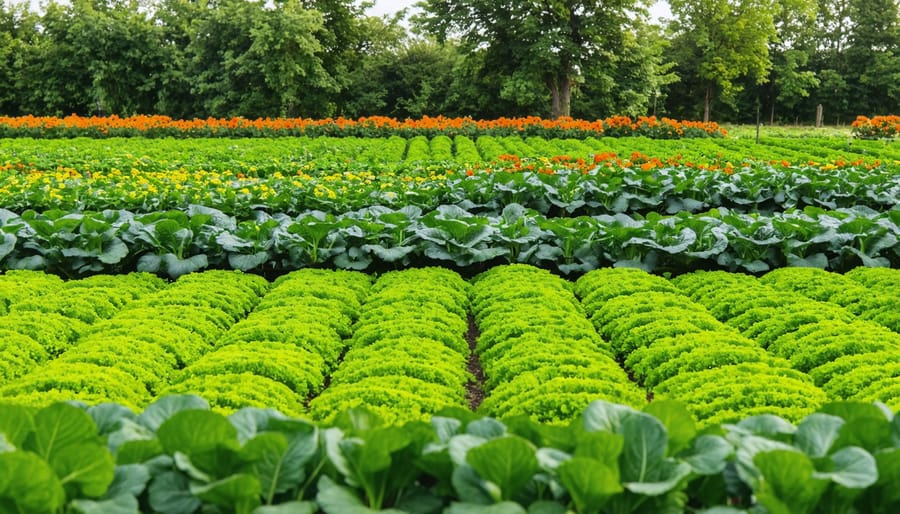
Interior view of organic greenhouse with multiple rows of healthy plants
A thriving organic greenhouse ecosystem showcases diverse plant varieties growing in harmony.

Building Your Organic Greenhouse Foundation

Soil Health Management

The foundation of successful organic growing lies in proper organic soil management, which starts with understanding your soil’s composition and nurturing its natural ecosystem. Building healthy soil involves incorporating high-quality compost, which adds essential nutrients and beneficial microorganisms that support plant growth. Regular additions of organic matter, such as leaf mulch, straw, or well-aged manure, help improve soil structure and water retention.

Creating your own compost is a sustainable way to recycle garden and kitchen waste while producing nutrient-rich soil amendments. Layer green materials (vegetable scraps, grass clippings) with brown materials (dried leaves, straw) in a ratio of roughly 3:1. Maintain proper moisture and turn the pile regularly to ensure even decomposition.

Cover cropping between growing seasons helps prevent soil erosion, fixes nitrogen, and adds organic matter when tilled back into the soil. Popular cover crops include clover, vetch, and winter rye. Remember to rotate your crops annually to maintain soil health and prevent nutrient depletion in specific areas.

Climate Control the Natural Way

Managing greenhouse climate doesn’t always require energy-intensive systems. Smart design and natural solutions can effectively control temperature and humidity while staying true to organic principles. Start by positioning your greenhouse to maximize natural sunlight in winter and implementing shade cloth during summer months.

Ventilation is your best friend in natural climate control. Installing adjustable roof vents allows hot air to escape while drawing in cooler air through lower openings, creating natural airflow. This passive cooling system works wonders for temperature regulation and helps prevent moisture-related issues.

Water walls and thermal mass storage are excellent organic solutions. Place dark-colored water barrels along north-facing walls to absorb heat during the day and release it at night. For humidity control, consider gravel floors that provide natural drainage while releasing moisture gradually.

Living solutions like companion planting can also help. Taller plants can shade heat-sensitive crops, while proper spacing ensures good air circulation. Many experienced organic growers use herbs like basil and mint, which naturally release moisture through transpiration, helping maintain optimal humidity levels.

Remember, observation is key – monitor your greenhouse environment daily and adjust these natural systems accordingly.

Natural Pest Management Solutions

Beneficial Insects

Nature’s own pest control squad can be your greatest ally in organic growing. Beneficial insects are the unsung heroes of sustainable agriculture, providing effective natural pest control methods while maintaining ecological balance in your growing space.

Ladybugs, praying mantises, and parasitic wasps act as natural predators, feeding on common pests like aphids, caterpillars, and whiteflies. These helpful creatures work tirelessly to protect your crops without the need for chemical interventions. Ground beetles patrol the soil surface, controlling slugs and other ground-dwelling pests, while lacewings help manage spider mites and thrips.

To attract and maintain these beneficial insects, create a welcoming environment by planting companion flowers like marigolds, yarrow, and dill throughout your growing area. These flowering plants provide nectar and pollen, essential food sources that keep beneficial insects around when pest populations are low.

Consider introducing specific beneficial insects through controlled releases, especially in greenhouse environments. Many organic growers successfully use this strategy as part of their integrated pest management approach. Remember to provide water sources, such as shallow dishes with pebbles, and avoid using any chemical pesticides that might harm these helpful allies.

By fostering a diverse ecosystem that supports beneficial insects, you’ll create a self-regulating environment that naturally protects your crops while promoting sustainable growing practices.

Plant-Based Solutions

Nature provides some of the most effective solutions for pest control and plant health through companion planting and natural repellents. By strategically placing certain plants together, you can create a harmonious ecosystem that benefits all your crops.

Companion planting works by using natural plant relationships to your advantage. For instance, planting basil near tomatoes not only improves their flavor but also repels common pests like hornworms. Marigolds are excellent companions for most vegetables, as their strong scent deters harmful nematodes and other unwanted insects.

For natural pest control, consider growing aromatic herbs like lavender, rosemary, and mint. These plants naturally repel many common garden pests while attracting beneficial insects like bees and butterflies. Nasturtiums act as sacrifice plants, drawing aphids away from your valuable crops, while garlic and onions help protect against various fungal diseases.

Local farmer Sarah Martinez shares her success story: “Since implementing companion planting in my greenhouse, I’ve reduced pest problems by 70% without using any chemical pesticides. My favorite combination is growing carrots with onions – the strong onion smell masks the scent that usually attracts carrot flies.”

Creating your own natural repellents is simple and cost-effective. A mixture of neem oil and water serves as an excellent all-purpose insecticide, while a solution of crushed garlic and chili peppers helps deter various pests without harming beneficial insects or compromising your organic certification.

Water Management for Organic Success

Smart Irrigation Systems

Smart irrigation systems are the backbone of successful organic greenhouse operations, combining efficient water management techniques with sustainable growing practices. By implementing drip irrigation systems, growers can deliver water directly to plant roots, minimizing waste and preventing leaf diseases common in overhead watering methods.

Modern soil moisture sensors and automated timers help maintain optimal growing conditions while conserving water. These tools can be calibrated to deliver precise amounts of water based on plant needs, soil conditions, and local weather patterns. Many organic farmers are now using rainwater harvesting systems alongside their irrigation setup, creating a self-sustaining water cycle that reduces dependency on municipal supplies.

For smaller operations, soaker hoses and micro-sprinklers offer cost-effective alternatives that still maintain organic certification standards. These systems can be integrated with organic-approved water filters to ensure clean, contamination-free irrigation. Remember to regularly maintain and clean your irrigation components to prevent mineral buildup and ensure even water distribution throughout your growing space.

Close-up of ladybugs and beneficial insects on plant leaves
Natural pest control through beneficial insects maintains ecological balance in organic greenhouses.

Water Quality Management

Water quality is fundamental to successful organic growing, and implementing natural treatment methods ensures both plant health and environmental sustainability. Start by testing your water source regularly to understand its mineral content, pH levels, and potential contaminants. Many organic growers use rainwater harvesting systems, which not only provide naturally pure water but also reduce dependency on municipal sources.

For water treatment, biological filtration systems using beneficial bacteria and aquatic plants can effectively remove impurities. Consider installing a constructed wetland or bio-pond system that naturally filters water through layers of gravel, sand, and specific plant species. These systems mimic nature’s own purification processes while creating additional habitat for beneficial insects.

Conservation strategies are equally important. Drip irrigation systems deliver water directly to plant roots, reducing waste and preventing leaf diseases. Mulching helps retain moisture and decrease evaporation, while soil amendments like compost improve water retention capacity. Some successful organic farmers combine these methods with moisture sensors and timers to optimize water usage while maintaining strict organic standards.

Remember to regularly maintain your water management system and monitor plant response to ensure optimal results.

Organic Fertilization Strategies

Hands mixing dark organic compost into greenhouse soil
High-quality organic compost provides essential nutrients and improves soil structure for greenhouse growing.

Natural Nutrient Sources

In organic growing, success starts with understanding natural fertilization methods and nutrient sources that enrich your soil sustainably. Compost serves as the foundation, created from kitchen scraps, yard waste, and agricultural byproducts. This black gold provides a balanced mix of nutrients while improving soil structure and microbial activity.

Animal-based amendments like worm castings, fish emulsion, and well-aged manure offer concentrated nitrogen sources essential for plant growth. For phosphorus, bone meal and rock phosphate work wonders, while kelp meal and wood ash provide potassium and trace minerals. Cover crops like clover and alfalfa naturally fix nitrogen in the soil when incorporated into your rotation.

Many local farmers swear by homemade compost tea, brewing it with mature compost, molasses, and oxygen to create a nutrient-rich solution that also boosts beneficial microorganisms. Green manures – crops grown specifically to be tilled back into the soil – offer a cost-effective way to improve soil fertility naturally.

Remember to test your soil regularly to understand its specific needs. This helps you choose the right combination of natural amendments without over-applying any single nutrient. Working with nature’s cycles, these organic sources create a sustainable, living soil system that supports healthy plant growth year after year.

Feeding Schedules

Establishing a consistent feeding schedule is crucial for successful organic growing. Unlike synthetic fertilizers, organic nutrients are released slowly, requiring careful timing and planning. Start with a nutrient-rich base soil mixture, then supplement with regular applications of organic amendments throughout the growing season.

For most crops, begin feeding two weeks after transplanting or when seedlings show their first true leaves. Apply compost tea or liquid fish emulsion every 7-14 days during the vegetative growth phase. During the flowering and fruiting stages, transition to phosphorus and potassium-rich amendments like bone meal or kelp extract, applying every 10-14 days.

Heavy feeders like tomatoes and cucumbers benefit from weekly applications, while lighter feeders like herbs may only need monthly feeding. Always monitor plant response and adjust accordingly. Morning applications are ideal, allowing plants to uptake nutrients throughout the day.

Remember to follow the “little and often” principle rather than infrequent heavy feedings. This mimics nature’s feeding patterns and prevents nutrient lockout. Keep detailed records of feeding dates and plant responses to fine-tune your schedule over time. Many experienced organic growers recommend reducing feeding frequency during winter months when plant growth naturally slows.

Always water thoroughly before applying organic nutrients to prevent root burn and ensure optimal nutrient absorption. Your feeding schedule should evolve with the seasons and respond to plant growth stages for best results.

Embracing organic growing practices is more than just a trend – it’s a commitment to healthier food production, environmental stewardship, and sustainable agriculture. Through proper soil management, natural pest control methods, and careful attention to plant health, organic growers can achieve bountiful harvests while protecting our ecosystems for future generations.

Success stories from small-scale organic farmers demonstrate that these methods are not only viable but often more profitable in the long run. Take Sarah from Green Valley Farm, who transformed a conventional greenhouse operation into a thriving organic enterprise, now supplying fresh produce to local restaurants and farmers’ markets year-round.

By implementing the organic practices we’ve discussed – from composting and crop rotation to beneficial insect introduction and natural disease prevention – you’re joining a growing community of conscious cultivators. Remember that transitioning to organic doesn’t have to happen overnight; start with small changes and gradually expand your sustainable practices.

Whether you’re a home gardener or commercial grower, the rewards of organic cultivation extend beyond the harvest. You’ll contribute to soil health, support beneficial wildlife, reduce chemical runoff, and produce nutritious, flavorful crops that your community can trust and enjoy.

Take the first step today by incorporating one or two organic practices into your growing routine. Your plants, the environment, and future generations will thank you for making the switch to organic cultivation.

Boost Your Farm’s Vitality: How Regenerative Agroforestry Creates Thriving Food Ecosystems

Posted by darrell on
0
Regenerative Agriculture Insights
Boost Your Farm’s Vitality: How Regenerative Agroforestry Creates Thriving Food Ecosystems

Transform depleted farmland into thriving ecosystems by implementing regenerative farming practices that layer fruit trees, native hardwoods, and annual crops in strategic combinations. This modern take on ancient forest gardening creates self-sustaining food forests that build soil health, increase biodiversity, and generate multiple income streams from the same acreage.

Nature’s most productive ecosystems are forests, not fields. By mimicking these natural systems, regenerative agroforestry captures more sunlight, stores more carbon, and produces more food per acre than conventional agriculture – all while reducing the need for external inputs. Farmers worldwide are discovering that integrating trees with crops not only restores degraded land but also provides year-round harvests of fruits, nuts, timber, medicinals, and specialty products.

The future of farming looks less like endless rows of single crops and more like carefully designed food forests that work with nature instead of against it. As climate change intensifies and soil health declines globally, regenerative agroforestry offers a proven path toward resilient, productive landscapes that nourish both people and planet.

Layered food forest showing fruit trees, berry bushes, and ground crops growing together
A mature food forest demonstrates the successful integration of multiple crop layers in regenerative agroforestry.

The Power of Trees in Agricultural Systems

Natural Soil Building

Trees are nature’s master soil builders, playing a crucial role in building healthy soil through their extensive root networks and continuous organic matter contribution. Their roots create underground highways that stretch both deep and wide, breaking up compacted soil and creating channels for water, air, and beneficial microorganisms to thrive.

As trees shed their leaves, twigs, and fruit, they create a natural mulch layer that gradually decomposes, enriching the soil with essential nutrients. Their roots also release sugary substances called exudates, which feed beneficial soil bacteria and fungi. These microscopic partners help break down organic matter and make nutrients more available to surrounding plants.

Through a process called hydraulic lift, tree roots pull water from deep underground and redistribute it to shallower soil layers, benefiting nearby plants. Additionally, when tree roots die and decompose, they leave behind organic matter and create vital soil structure, improving water retention and reducing erosion. This natural cycle of growth, decay, and renewal creates increasingly fertile soil over time, supporting a diverse and resilient ecosystem.

Close-up of soil showing tree roots and fungal networks
Healthy soil networks show the complex underground relationships between trees and beneficial fungi.

Water Management Benefits

Trees play a vital role in water management within regenerative agroforestry systems. Their extensive root networks create natural pathways for water to penetrate deep into the soil, acting like living water tanks that store moisture during wet periods and release it gradually during dry spells.

The canopy of trees provides crucial protection against heavy rainfall, breaking the impact of raindrops before they hit the ground. This natural umbrella effect significantly reduces soil erosion and prevents valuable topsoil from washing away. Additionally, fallen leaves create a natural mulch layer that further helps retain moisture and slow water runoff.

In many successful agroforestry projects, farmers have reported up to 30% reduction in irrigation needs compared to conventional farming methods. The improved soil structure around tree roots also enhances water filtration, leading to cleaner groundwater and healthier downstream ecosystems.

Tree rows planted along contours can effectively catch and slow down water movement across slopes, preventing flash floods during heavy rains and ensuring better water distribution throughout the farming system. This natural water management approach creates a more resilient and sustainable agricultural ecosystem that can better withstand both drought and flooding events.

Designing Your Regenerative Food Forest

Choosing Compatible Plants

Selecting the right combination of plants is crucial for successful regenerative agroforestry. The key lies in understanding companion planting strategies and how different species can support each other’s growth while maximizing space and resources.

Start by choosing anchor trees that match your climate and soil conditions. Popular options include nitrogen-fixing trees like black locust or alders, which naturally enrich the soil. Fruit trees such as apples, pears, or citrus can form your productive canopy layer while providing shade for understory plants.

For the middle layer, consider shrubs and smaller trees that thrive in partial shade. Berries, hazelnuts, and coffee plants work well here. The ground layer should include a mix of vegetables, herbs, and cover crops that can handle varying light conditions throughout the seasons.

Look for plants that serve multiple functions: lavender attracts pollinators while providing a marketable crop; comfrey accumulates nutrients and produces mulch material; and strawberries offer ground cover while yielding delicious fruits.

Remember to consider root depths when planning – shallow-rooted herbs can grow alongside deep-rooted trees without competition. By creating these symbiotic relationships, your food forest will become more resilient and productive over time.

Layout Strategies

The success of your regenerative agroforestry system largely depends on thoughtful layout planning. Start by analyzing your land’s natural contours, sun exposure, and wind patterns. Position taller trees on the north side of your plot to prevent shading of shorter plants, gradually decreasing height as you move south.

Create wide alleys between tree rows – typically 20-40 feet apart – to allow sufficient sunlight for understory crops and easy access for maintenance. Within these alleys, arrange complementary plants in guilds, grouping species that benefit each other. For example, pair nitrogen-fixing shrubs with heavy-feeding fruit trees.

Consider implementing a seven-layer system: tall canopy trees, shorter fruit trees, shrubs, herbs, ground covers, vines, and root crops. This vertical stacking maximizes space usage while mimicking natural forest structures. Space individual plants according to their mature size to prevent overcrowding and competition for resources.

For sloped terrain, plant trees along contour lines to prevent erosion and optimize water retention. Incorporate swales – shallow trenches following land contours – to capture and distribute water effectively throughout your system.

Remember to include access paths for harvesting and maintenance. A good rule of thumb is to ensure you can reach every plant without stepping on growing areas. Start small and expand gradually as you learn how different species interact in your specific environment.

Real Success Stories

Let’s explore three inspiring examples of farms that have successfully transformed their land through regenerative agroforestry practices.

Mark and Sarah Wilson’s 15-acre farm in Vermont demonstrates how a small-scale operation can achieve remarkable results. After implementing a silvopasture system in 2015, they now raise heritage chickens and sheep under a canopy of productive nut trees. Their soil organic matter has increased by 3% in just five years, and they’ve seen a 40% increase in overall farm income through diversified products including nuts, eggs, and wool.

In California’s Central Valley, the Rodriguez Family Farm showcases the power of combining traditional fruit orchards with vegetable crops. Their 25-acre food forest includes avocados, citrus, and stone fruits, with seasonal vegetables growing in the understory. By incorporating nitrogen-fixing cover crops and maintaining year-round soil coverage, they’ve reduced water usage by 60% while increasing their crop diversity from 8 to 24 different species.

Perhaps most impressive is the transformation of Hillside Hope Farm in Georgia. Owner James Carter converted a degraded cotton field into a thriving food forest over eight years. His multi-story system now includes pecans, persimmons, and pawpaws in the upper canopy, with berries, herbs, and vegetables below. The farm hosts educational tours and has become a model for climate-resilient agriculture, showing how regenerative practices can restore soil health while creating profitable farming opportunities.

These success stories share common elements: patience during the establishment phase, careful design that maximizes natural synergies, and a focus on building healthy soil. Each farm has not only improved its environmental impact but has also created more resilient and profitable business models through diversification and reduced input costs.

Diverse group of farmers harvesting from mixed fruit trees and bushes
Farmers harvest multiple crops from different layers of their regenerative agroforestry system.

Getting Started with Regenerative Practices

Transitioning to regenerative agroforestry begins with careful observation and planning of your land. Start by assessing your soil health through basic testing and mapping out existing natural features like water flow, sunlight patterns, and native vegetation. This foundation will help you develop a sustainable farm design that works with nature rather than against it.

Begin small by selecting a manageable plot for your first implementation. Choose tree species that are well-adapted to your climate and complement your intended crops. Popular starter combinations include fruit trees with shade-tolerant vegetables or nitrogen-fixing trees with annual crops. Consider starting with fast-growing support species like black locust or autumn olive, which can quickly establish windbreaks and improve soil quality.

Layer your plantings vertically, mimicking natural forest structures. Start with tall canopy trees, then add smaller fruit trees, shrubs, herbs, and ground covers. This creates multiple productive layers while maximizing space usage. Remember to leave adequate spacing between trees to accommodate their mature size and ensure sufficient light reaches lower layers.

Implement soil-building practices from day one. Add organic matter through mulching, cover cropping, and composting. These practices help retain moisture, suppress weeds, and foster beneficial soil organisms. Keep detailed records of your plantings, observations, and outcomes to refine your approach over time.

Connect with local agroforestry practitioners and join community networks for support and knowledge-sharing. Many successful farmers started small and expanded gradually, learning from both successes and challenges along the way.

Regenerative agroforestry represents a powerful solution for healing our planet while producing abundant, nutritious food. By mimicking natural forest ecosystems, this sustainable farming approach helps rebuild soil health, increase biodiversity, and combat climate change through carbon sequestration. The benefits extend beyond environmental impact – farmers practicing regenerative agroforestry often report higher yields, more diverse income streams, and greater resilience to weather extremes.

You don’t need hundreds of acres to make a difference. Whether you’re a backyard gardener, aspiring farmer, or conscious consumer, there are many ways to support and participate in regenerative agroforestry. Start by incorporating fruit trees or nitrogen-fixing shrubs into your garden, supporting local farmers who use these practices, or volunteering at nearby food forests and community gardens.

The future of agriculture lies in working with nature rather than against it. By embracing regenerative agroforestry principles, we can create a more sustainable and abundant food system for generations to come. Take that first step today – plant a tree, visit a local food forest, or simply share what you’ve learned with others. Every action counts toward building a healthier planet.

Farm-to-Table Revolution: How Local Partnerships Are Transforming Our Food Communities

Posted by darrell on
0
Farm-to-Table Experiences
Farm-to-Table Revolution: How Local Partnerships Are Transforming Our Food Communities

The farm-to-table revolution represents a transformative shift in how we connect with our food, bringing fresh ingredients directly from local farms to our plates. This movement goes far beyond a simple food trend – it’s a complete reimagining of our food system that prioritizes freshness, sustainability, and community connections. By shortening the distance between farmers and consumers, farm-to-table creates a transparent food chain where you can trace every ingredient back to its source, often within 100 miles of your table. This direct partnership between local farmers and consumers not only ensures peak-fresh produce but also strengthens local economies, reduces environmental impact, and fosters meaningful relationships between growers and eaters. Whether you’re a home cook passionate about quality ingredients or a conscientious consumer concerned about food sustainability, understanding farm-to-table principles opens the door to more mindful, delicious, and community-centered eating.

The Real Meaning of Farm-to-Table

Beyond the Buzzword

Traditional food systems often involve multiple intermediaries, with produce traveling hundreds or even thousands of miles before reaching your plate. Farm-to-table dramatically shortens this journey, creating a direct line between farmers and consumers. Instead of produce sitting in warehouses or spending days in transit, farm-to-table vegetables often go from harvest to table within 24 hours.

This direct connection benefits everyone involved. Farmers receive fair compensation for their work and maintain control over their growing practices. Restaurants and consumers get fresher, more nutritious produce at peak ripeness. The environmental impact is also significantly reduced, with fewer transportation emissions and less packaging waste.

Consider this: A conventional tomato might change hands 5-6 times and travel over 1,500 miles before reaching your salad. In contrast, a farm-to-table tomato might travel just 30 miles from a local farm to your favorite restaurant or farmers’ market, preserving both flavor and nutritional value.

Key Components of True Farm-to-Table

True farm-to-table practices are built on several essential pillars that work together to create a sustainable and transparent food system. Direct relationships between farmers and consumers form the foundation, with farmers selling their produce directly through farmers’ markets, CSA programs, or partnerships with local restaurants. Seasonal eating is another crucial component, as authentic farm-to-table operations follow natural growing cycles rather than forcing year-round availability.

Traceability plays a vital role, with clear documentation of where food comes from and how it’s grown. This includes transparent farming practices, harvest dates, and delivery methods. Local sourcing is paramount, typically keeping food distribution within a 100-mile radius to maintain freshness and reduce transportation impacts.

Quality and freshness standards are non-negotiable, with produce often harvested within 24-48 hours of reaching the consumer. Sustainable farming practices, including organic methods, soil health management, and responsible water usage, round out the key elements that define genuine farm-to-table operations.

Building Strong Community Partnerships

Farmer-Restaurant Relationships

The heart of farm-to-table dining lies in successful farm-restaurant partnerships that bring fresh, local ingredients directly from fields to plates. These relationships often begin with chefs visiting local farms, getting to know the farmers, and understanding their growing practices. Farmers work closely with restaurants to plan seasonal menus, adjusting their crop schedules to meet culinary needs while maintaining sustainable farming practices.

Many farmers customize their growing plans based on specific restaurant requests, cultivating unique or heritage varieties that add distinctive flavors to dishes. Regular communication helps both parties coordinate harvest times with menu changes, ensuring optimal freshness and reducing food waste. Some partnerships even include restaurant staff participating in harvest days or farmers hosting educational sessions for kitchen teams.

These collaborations often extend beyond simple buying and selling. Many restaurants prominently feature their farm partners on menus and websites, while farmers gain stable income streams and valuable feedback about crop varieties. This mutual support creates a sustainable local food system that benefits both businesses while delighting diners with exceptional fresh flavors.

Community Support Networks

Community support networks form the backbone of the farm-to-table movement, creating vital connections between farmers and consumers. Farmers markets serve as vibrant weekly meeting points where locals can purchase fresh produce directly from growers while learning about seasonal offerings and farming practices. These markets not only provide access to fresh, local food but also foster meaningful relationships between producers and consumers.

Community Supported Agriculture (CSA) programs offer another powerful way to support local farmers. Members pay upfront for a season’s worth of produce, providing farmers with essential early-season capital while sharing in both the bounty and risks of farming. CSA subscribers typically receive weekly boxes of fresh, seasonal produce, often accompanied by newsletters featuring recipes and farm updates.

Food co-ops represent yet another pillar of community support, operating as member-owned grocery stores that prioritize local sourcing. These democratically run organizations often work directly with multiple local farmers, providing year-round market access while keeping prices fair for both producers and consumers. Many co-ops also offer educational programs and cooking classes, helping members make the most of seasonal produce and supporting the broader farm-to-table ecosystem.

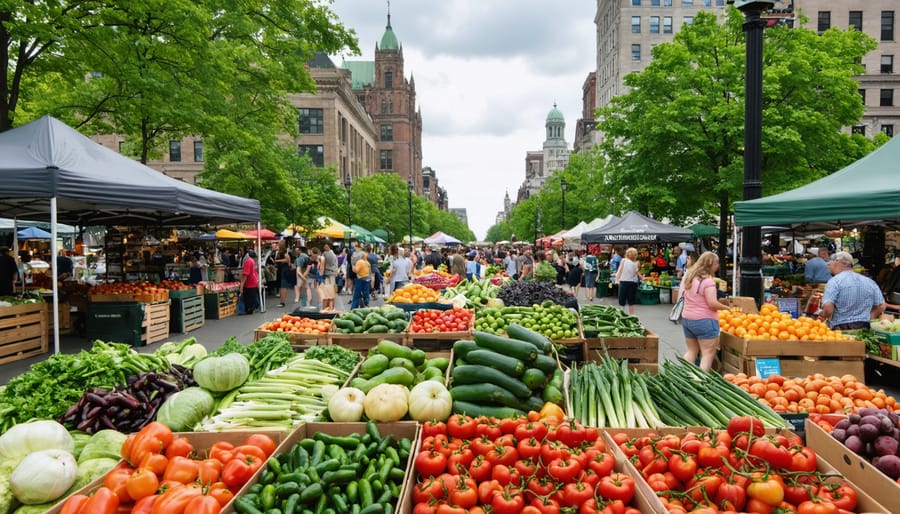
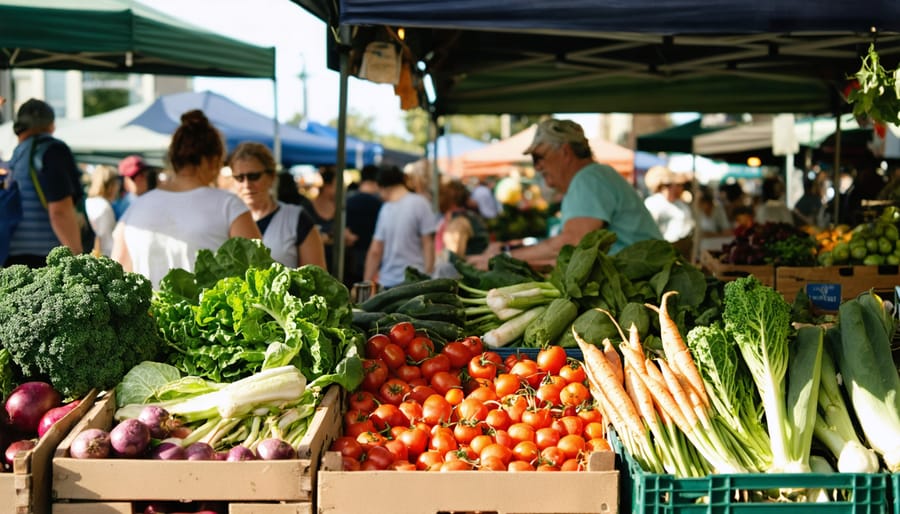
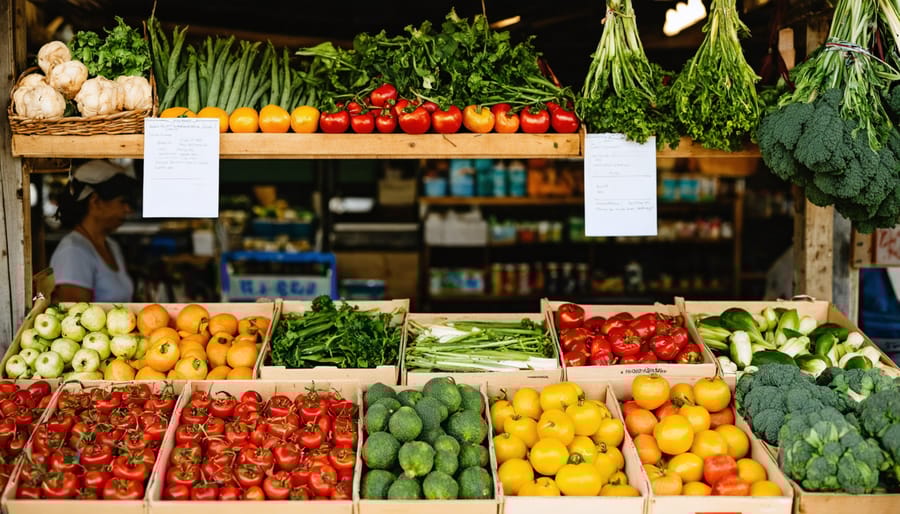
Farmers market scene with vendors displaying fresh produce at wooden stalls
Local farmers market vendors display fresh seasonal produce, demonstrating the direct connection between producers and consumers in farm-to-table systems.

Success Stories from the Field

Local Farm Spotlight

Green Valley Organics, nestled in the rolling hills of Vermont, exemplifies the farm-to-table movement’s success. Sarah and Mike Thompson, former tech professionals turned farmers, transformed their 15-acre plot into a thriving hub of sustainable agriculture that’s become one of our most inspiring local farm success stories.

Their operation specializes in heritage vegetables and rare fruit varieties, supplying fresh produce to five local restaurants and maintaining a 100-member CSA program. What sets Green Valley apart is their innovative approach to community engagement. They host monthly farm-to-table dinners where guests harvest ingredients for their meals, creating an immersive educational experience.

The farm’s success stems from their commitment to regenerative practices, including companion planting and natural pest management. They’ve reduced water usage by 40% through drip irrigation and collect rainwater for their greenhouse operations. Their weekly newsletter connects customers directly with their food source, sharing recipes, farming updates, and upcoming harvest schedules.

The Thompsons prove that sustainable farming isn’t just environmentally conscious – it’s economically viable. Their model demonstrates how small-scale agriculture can thrive while nurturing both community relationships and the land.

Aerial view of small organic farm with diverse crops at sunrise
A thriving small-scale organic farm demonstrates diverse crop cultivation and sustainable farming practices essential to farm-to-table agriculture.
Chef and farmer examining fresh vegetables together in barn setting
A chef and local farmer collaborate to select the day’s harvest, exemplifying the direct relationships at the heart of farm-to-table partnerships.

Restaurant Partnership Case Study

The Blue Hill Restaurant in New York’s Hudson Valley exemplifies a successful farm-to-table partnership that has thrived for over two decades. Working directly with Stone Barns Center for Food and Agriculture, the restaurant sources nearly 80% of its ingredients from within a 30-mile radius.

Chef Dan Barber collaborates closely with local farmers to plan seasonal menus months in advance. This partnership allows farmers to grow specific heritage varieties of vegetables and raise heritage breed livestock that perfectly match the restaurant’s culinary vision. The restaurant’s menu changes daily based on harvest schedules and seasonal availability.

The partnership extends beyond simple purchasing agreements. Blue Hill’s kitchen staff regularly visits the farm to understand growing practices and harvest timing, while farmers participate in menu planning sessions. This close collaboration has created a sustainable economic model that benefits both parties – the restaurant receives ultra-fresh, high-quality ingredients, while farmers enjoy guaranteed purchase agreements and premium prices for their produce.

This partnership has become a model for other restaurants and farms looking to establish meaningful farm-to-table relationships, demonstrating how direct collaboration can create both culinary excellence and agricultural sustainability.

Starting Your Own Farm-to-Table Initiative

Finding Local Partners

Building relationships with local farmers and food producers is easier than you might think. Start by visiting your local farmers’ markets, where you can meet producers face-to-face and learn about their growing practices. Many farmers are eager to establish direct relationships with regular customers and restaurants.

Community Supported Agriculture (CSA) programs offer another excellent way to connect with local farms. These programs typically provide regular deliveries of seasonal produce while supporting local agriculture. Food co-ops and natural food stores often maintain relationships with nearby farmers and can help facilitate connections.

Social media and online directories have made finding local producers simpler than ever. Websites like LocalHarvest and USDA’s Farmers Market Directory can help you locate nearby farms and markets. Don’t forget to check Facebook groups and Instagram accounts focused on local food in your area.

Consider attending agricultural events, farm tours, and food festivals in your region. These gatherings provide opportunities to network with farmers, learn about their operations, and discover new local food sources.

Building Sustainable Relationships

Building successful farm-to-table relationships requires dedication, clear communication, and mutual understanding between farmers and buyers. Start by visiting local farmers’ markets to meet producers and learn about their growing practices. When approaching farmers, be transparent about your needs and expectations while showing genuine interest in their work.

Regular communication is key – establish consistent ordering schedules and discuss seasonal availability well in advance. Consider signing up for CSA programs or joining local food co-ops to support farmers while gaining firsthand experience with the farm-to-table model.

Remember that successful partnerships are built on trust and flexibility. Be understanding of weather-related challenges and seasonal variations that may affect produce availability. Supporting farmers during slower seasons helps maintain strong relationships year-round. Many successful farm-to-table partnerships also include farm visits, harvest celebrations, and community events that strengthen these vital connections.

Celebrate and share your farm-to-table success stories with your community to inspire others and help grow the local food movement.

The farm-to-table movement continues to strengthen communities by fostering direct relationships between farmers and consumers. As more people recognize the value of locally sourced food, these partnerships create lasting benefits for everyone involved. Farmers receive fair compensation for their work, while consumers enjoy fresher, more nutritious produce and a deeper connection to their food sources.

Looking ahead, farm-to-table collaborations are poised to grow even stronger. Local food systems are becoming more resilient through innovative approaches like community-supported agriculture programs, farmers’ markets, and farm-to-school initiatives. These partnerships not only support sustainable agriculture but also boost local economies and promote environmental stewardship.

By participating in farm-to-table initiatives, we can all contribute to a healthier, more sustainable food system. Whether you’re a consumer making conscious food choices, a restaurant owner sourcing local ingredients, or a farmer connecting directly with your community, you’re part of a movement that’s reshaping how we think about and value our food.

Traditional Farm Life: Where Heritage Meets Your Dinner Table

Posted by darrell on
0
Farm-to-Table Experiences
Traditional Farm Life: Where Heritage Meets Your Dinner Table

Picture a sun-dappled meadow where weathered hands work the soil using methods passed down through generations. Traditional farming isn’t just about growing food—it’s about preserving our agricultural heritage while feeding our future. At the heart of today’s thriving farm-to-table movement lies the wisdom of traditional farming practices that have sustained communities for centuries.

These time-tested methods embrace natural cycles, working in harmony with the land rather than against it. From the careful selection of heritage seeds to the practiced art of crop rotation, traditional farms represent a delicate balance between human ingenuity and nature’s wisdom. They stand as living museums of agricultural knowledge, where every furrow tells a story of sustainable food production.

Unlike industrial agriculture’s focus on maximum yield, traditional farming prioritizes soil health, biodiversity, and food quality. These farms serve as blueprints for modern sustainable agriculture, demonstrating how ancient wisdom can address contemporary challenges in food security and environmental stewardship. As we face growing concerns about food quality and environmental impact, traditional farming practices offer proven solutions that nourish both the land and its people.

The Heart of Traditional Farming

Seasonal Rhythms and Crop Rotation

Traditional farmers have long understood the importance of working in harmony with nature’s cycles. By following seasonal rhythms, these farms maintain a natural balance that supports both crop health and soil fertility. During spring, farmers prepare and plant their fields as soil temperatures warm, while summer brings intensive cultivation and care. Fall harvest seasons yield abundant crops, and winter allows the land to rest and regenerate.

Crop rotation stands as a cornerstone of traditional farming wisdom. Farmers typically divide their land into sections, rotating different crop families through these areas over several years. This practice naturally prevents soil depletion, as different plants have varying nutrient needs and root depths. For example, following nitrogen-hungry corn with nitrogen-fixing legumes helps restore soil fertility naturally.

These time-tested methods also help control pests and diseases without chemical interventions. When crops are rotated, pest cycles are disrupted, and beneficial insects find year-round habitat. Many traditional farmers enhance these natural cycles by incorporating cover crops during winter months, protecting soil and adding organic matter that enriches next season’s plantings.

Heritage Livestock Breeds

Heritage livestock breeds represent the living history of farming, carrying genetic traits that have been carefully selected over centuries of agricultural practice. These traditional breeds, such as Devon cattle, Gloucestershire Old Spots pigs, and Plymouth Rock chickens, are naturally adapted to specific local environments and often demonstrate remarkable resilience to weather extremes and disease.

Unlike their modern commercial counterparts, heritage breeds typically thrive on pasture-based systems and require fewer external inputs. They’re known for their excellent mothering abilities, longevity, and ability to produce high-quality meat, milk, or eggs while foraging on natural vegetation.

Preserving these traditional breeds isn’t just about maintaining genetic diversity; it’s about protecting valuable traits that might become crucial for future food security. Many heritage animals produce meat with superior marbling, richer flavor profiles, and higher nutritional content compared to conventional breeds.

Farmers who raise heritage breeds often find themselves becoming stewards of both agricultural history and biodiversity, while providing consumers with unique, high-quality products that connect them to traditional farming methods.

Heritage breed farm animals including chickens, sheep and cattle grazing together in a pastoral setting
Heritage breed livestock grazing together showcases traditional mixed farming practices that promote biodiversity and sustainable land use.

Time-Tested Tools and Techniques

Hand Tools vs. Modern Equipment

Traditional farming relied heavily on hand tools that required physical labor but offered precise control and a intimate connection with the soil. Tools like the hoe, scythe, and pitchfork were essential for tasks ranging from soil preparation to harvesting. These implements, while demanding more time and effort, allowed farmers to tend their crops with careful attention to detail and minimal soil disruption.

Modern farming equipment, in contrast, emphasizes efficiency and large-scale production. Tractors, combines, and specialized machinery can accomplish in hours what once took days or weeks of manual labor. However, this efficiency comes with trade-offs: higher costs, potential soil compaction, and reduced flexibility for small-scale operations.

Many traditional farms today strike a balance between old and new methods. Hand tools remain invaluable for precise tasks like weeding delicate crops or working in smaller spaces, while selected modern equipment helps manage larger areas more efficiently. This hybrid approach allows farmers to maintain the benefits of traditional practices while adapting to current agricultural demands.

For small-scale and organic farmers, traditional hand tools often prove more practical and cost-effective than their modern counterparts. These tools require minimal maintenance, have no fuel costs, and can last for generations when properly cared for. Plus, their use promotes physical activity and a deeper understanding of the land’s needs.

Collection of well-worn traditional farming hand tools displayed on leather work apron
Time-tested traditional farming tools that have proven their worth through generations of use.

Natural Pest Management

Traditional farms excel at managing pests through time-tested natural methods that work in harmony with nature. Instead of relying on chemical pesticides, these farms use companion planting, where certain plants are grown together to naturally repel unwanted insects. For instance, marigolds planted alongside tomatoes help ward off harmful nematodes, while basil protects various crops from flies and mosquitoes.

Beneficial insects play a crucial role in pest management. Farmers actively encourage ladybugs, praying mantises, and parasitic wasps to make their homes in the fields, as these helpful creatures naturally control populations of harmful pests. Creating diverse habitats with hedgerows and flowering plants helps maintain a healthy balance of beneficial insects.

Physical barriers like row covers and netting provide protection without chemicals, while crop rotation disrupts pest life cycles naturally. Many traditional farmers also use ancient techniques like introducing ducks and chickens to their fields, as these birds eagerly feast on slugs, insects, and weed seeds while providing natural fertilizer.

Herbal preparations and natural deterrents, such as garlic and hot pepper sprays, offer additional protection when needed. These solutions are both effective and environmentally friendly, leaving no harmful residues on crops or in the soil. The success of these methods proves that working with nature, rather than against it, creates a resilient and sustainable farming system.

From Field to Fork

Traditional Harvest Methods

Traditional harvest methods reflect the wisdom passed down through generations of farmers who worked in harmony with nature’s rhythms. Hand harvesting remains a cornerstone of these practices, where skilled farmers carefully select produce at peak ripeness, ensuring optimal flavor and nutritional value.

During grain harvests, traditional farmers still employ time-tested techniques like hand scything and bundle tying. These methods, while labor-intensive, allow for selective harvesting and help preserve soil structure by minimizing heavy machinery use. Many small-scale farmers continue to use draft horses for hauling harvested crops, maintaining a gentler approach to field management.

Root vegetables are traditionally harvested using hand forks and spades, allowing farmers to assess soil conditions and protect the crop from damage. Fruit picking involves careful handling and timing, with farmers using traditional picking baskets and following the sun’s position to determine the best harvesting times.

These methods often incorporate companion planting wisdom, where certain crops are harvested together or in sequence to maintain soil health. Traditional storage techniques, such as root cellaring and natural preservation methods, complement these harvest practices, extending the usefulness of crops throughout the year while maintaining their natural qualities.

Storage and Preservation

Before modern refrigeration, traditional farms relied heavily on traditional preservation methods to ensure food availability throughout the year. Root cellars played a vital role in storing vegetables and fruits, maintaining consistent cool temperatures and humidity levels that kept produce fresh for months. These underground storage spaces were particularly effective for potatoes, carrots, onions, and apples.

Farmers also mastered the art of food preservation through fermentation, creating sauerkraut, pickles, and other fermented vegetables. Smoking meats in specially designed smokehouses helped preserve proteins while adding distinctive flavors. Salt-curing was another essential technique, used for both meat and fish preservation.

Drying fruits, vegetables, and herbs was commonplace, with dedicated drying rooms or outdoor racks taking advantage of natural air flow. Many farms featured herb-drying rafters in their kitchens, where bundles of herbs would hang to dry. Fruit preservation often involved making jams and preserves, using sugar as a natural preservative.

These time-tested storage methods not only prevented food waste but also created unique flavors and nutritional profiles that many modern food enthusiasts now seek to recreate.

Interior view of traditional root cellar showing stored produce and preservation methods
Traditional root cellars provide natural climate control for long-term food storage without modern refrigeration.

Living Heritage

Traditional farms serve as living museums, preserving centuries of agricultural wisdom and cultural heritage that might otherwise be lost to time. These farms maintain time-tested techniques passed down through generations, from seed saving practices to natural pest management methods that have proven effective for hundreds of years.

Beyond their role in food production, traditional farms act as educational centers where younger generations can learn about their agricultural heritage. Many of these farms host workshops, demonstrations, and seasonal celebrations that keep old customs alive while fostering community connections through shared experiences and knowledge exchange.

The preservation of heritage livestock breeds and heirloom crop varieties is another vital aspect of traditional farms. These genetic resources represent irreplaceable agricultural diversity, adapted to local conditions over centuries. By maintaining these traditional varieties, farms help ensure food security for future generations while protecting biodiversity.

Traditional farms also preserve cultural practices beyond agriculture, such as traditional food preparation methods, craft-making, and seasonal celebrations tied to the agricultural calendar. These activities help maintain local identity and create meaningful connections between people and the land they inhabit.

Through apprenticeships and mentoring programs, traditional farms ensure that valuable farming knowledge continues to flow from one generation to the next. This living heritage not only maintains important agricultural practices but also helps create resilient local food systems that can adapt to changing times while honoring the wisdom of the past.

Traditional farming methods continue to prove their worth in today’s agricultural landscape, offering valuable lessons for sustainable food production. These time-tested practices, refined over generations, demonstrate how working in harmony with nature can create resilient and productive farming systems. By maintaining soil health through natural fertilization, practicing crop rotation, and utilizing local resources, traditional farms showcase a model of agriculture that’s both environmentally responsible and economically viable.

Modern farmers who incorporate traditional methods often find they can reduce their dependence on chemical inputs while improving their soil’s long-term fertility. These practices not only benefit the environment but also result in healthier, more flavorful produce that consumers increasingly demand. The success of small-scale traditional farms in local food systems shows that old-world wisdom can effectively address contemporary challenges in food security and sustainability.

As we look to the future of agriculture, traditional farming methods offer invaluable insights for creating sustainable food systems. By blending time-honored practices with modern innovations, we can build a more resilient and environmentally conscious agricultural sector that nourishes both people and the planet for generations to come.

Inside the Smart Farm: The Technology Connecting Satellites, Sensors, and AI

Posted by darrell on
0
Technology and Innovation
Inside the Smart Farm: The Technology Connecting Satellites, Sensors, and AI

Farming has undergone massive changes over the last few decades. Earlier, farming activity was mainly based on experience and intuition without any chance to prognose or plan yields and incomes. But what has changed? Modern growers utilize satellite imagery, IoT sensors, and AI analytics to monitor their fields in real-time, even without on-site inspections.

All this data is presented in a clear and understandable format in a crop tracking platform, allowing farmers to view everything in one place: soil conditions, crop health, weather patterns, and growth progress. The result? Smarter farming, better yields, and more sustainable use of every resource.

What Is a Crop Tracking Platform?

A crop tracking platform is a central command center, where a farmer can access data from multiple resources about crop conditions, soil moisture, weather predictions, and more. As a result, growers receive a comprehensive, real-time view of the crop lifecycle through satellite imagery, on-the-ground sensors, and analytical tools. Here, how it works:

  1. Satellites like Sentinel and Landsat capture images of fields in various spectral bands (visible, NIR, and others, depending on the purpose).
  2. Together with satellites, IoT sensors in soil measure moisture, temperature, and other vital indicators. Then this data is sent wirelessly to the farmer’s device.
  3. Real-time information on weather patterns, humidity, and wind is also sent to the platform via an API.
  4. According to gathered data, tractors and harvesters, equipped with GPS on their boards, can synchronise together to adjust irrigation and fertilisation, and report on their general performance.
  5. All data collected and generated are stored in the platform’s cloud and are available from anywhere in the world, ensuring clarity and standardization for every authorized person.

Turning Satellite Light into Insight: How Vegetation Indices Help Farmers Act Early

Sentinel and Landsat satellites are the main sources of imagery in various spectral bands – visible, near-infrared (NIR), and shortwave-infrared (SWIR) wavelengths. Based on this information and vegetation indices, an application builds a map for growers who can improve the planting process before the consequences affect yields and profits. A wide variety of indices serve farmers:

  • NDVI (Normalized Difference Vegetation Index): Measures plant “health” and photosynthetic activity. If NDVI values are low, it means that the plant is experiencing drought stress, pest damage, or nutrient deficiency.
  • EVI (Enhanced Vegetation Index): This index is similar to NDVI, but it is less sensitive to atmospheric conditions and canopy density, making it suitable for areas with dense vegetation.
  • NDWI (Normalized Difference Water Index): This index helps farmers to assess water content on the fields and figure out over- or under-irrigated zones.

The Role of IoT in Smart Farming

The Internet of Things brings a little magic to what is happening on the ground. It combines all the small sensors on the fields and in machinery, creating a comprehensive nervous system for a farm. As a result, all possible data, such as moisture levels, irrigation schedules, temperature, and many other factors, are synchronized in real-time and submitted to a single platform in a clear and understandable format. Therefore, there will be no guesswork for a farmer on what to do next. Generally, the processes can be automated without the need to participate in the core farming activities:

  • Smart Irrigation: Sensors detect the moisture level and give this data to irrigation systems. Then they are adjusted automatically, providing the perfect amount of water for plants and precisely at the times when they need it.
  • Precision Farming: Field borders are synchronised with data from satellites, and tractors are guided with centimeter-level accuracy to avoid waste.
  • Targeted Pest Control: Using data from space and onsite sensors, AI-powered traps enable farmers to spray only where necessary, rather than the entire field.
  • Healthy Equipment: Sensors act like a fitness tracker for tractors and predict if they need maintenance before a breakdown happens. They say it is cheaper and easier to prevent than to cure.

The result is bigger harvests and less wasted water. In fact, the UN’s Food and Agriculture Organization found this tech can boost farm efficiency by up to 25%.

The Future of Smart Farming

Traditional methods for managing crops are no longer effective in modern realities. Supply chains must be stable due to the growing population and climate change. Today, we must precisely predict what plants will need next and identify the factors that can negatively impact them. Here come all the technologies that may not have been developed for farming, but are nevertheless used in it.

Drones will act as tireless scouts, scanning vast kilometers of fields without needing to be charged. AI will continue to advance, automating processes and learning from new circumstances in real-time. Meanwhile, blockchain will create a “digital passport” for all the yields and products from fields. As a result, the logistics will be clear and transparent, and you will have a precise understanding of what is on your shelf and where each food item was produced. This will build a more trusted and safe supply chain. This is how we’ll build a brighter, greener future for farming that boosts profits and strengthens our global food security.

How Small Farms Are Revolutionizing Fresh-to-Fork Dining

Posted by darrell on
0
Farm-to-Table Experiences
How Small Farms Are Revolutionizing Fresh-to-Fork Dining

Imagine stepping into a restaurant where every ingredient tells a story – from the heirloom tomatoes picked that morning to herbs still carrying garden dew. This culinary movement, known as the farm-to-table revolution, has transformed how we think about dining, connecting our plates directly to local farmers and seasonal harvests.

Beyond just a dining trend, farm-to-table represents a return to our culinary roots while embracing modern innovation. Chefs partner with nearby farms to craft menus that change with the seasons, ensuring peak freshness and flavor while supporting local agricultural communities. This direct partnership between farmers and restaurants has created a new ecosystem of sustainable dining that benefits everyone – from the soil to the table.

The impact extends far beyond taste. When restaurants source locally, they reduce their carbon footprint, support regional economies, and preserve traditional farming practices. Each plate becomes a celebration of place and time, offering diners not just a meal, but a connection to their local landscape and the people who tend it.

This movement has sparked a renaissance in American dining, where the story behind each ingredient matters as much as its flavor. As we continue to face global food challenges, farm-to-table cuisine offers a delicious solution that nourishes both people and planet.

Redefining Restaurant-Farm Partnerships

Beyond Traditional Sourcing

Modern chefs are revolutionizing the farm-to-table movement by forming deep partnerships with local farmers, going far beyond simple purchasing relationships. These collaborations often begin months before the growing season, with chefs and farmers sitting down together to plan entire crop schedules and discuss unique varietals that will eventually become signature menu items.

Many restaurants now employ dedicated farm liaisons who work directly with multiple growers, coordinating planting schedules to ensure consistent supply throughout the year. Some chefs are even experimenting with heritage seeds and forgotten varieties, working with farmers to revive ancient grains and heirloom vegetables that offer distinct flavors and textures.

This collaborative approach has led to exciting innovations, such as farmers growing specific micro-greens to a chef’s exact specifications or cultivating unique herb varieties that complement particular dishes. For example, Chef Sarah Martinez of Portland’s Terra works with local farmer John Miller to grow purple snow peas and striped cherry tomatoes exclusively for her seasonal tasting menu.

These partnerships also help reduce food waste, as chefs can plan menus around entire crop yields and work with farmers to utilize everything from root to stem. Some restaurants even arrange for farmers to harvest produce at specific times to maximize flavor and freshness, sometimes just hours before service. This evolving relationship between chef and farmer represents the future of sustainable restaurant cuisine, where the line between kitchen and field becomes increasingly blurred.

Chef and farmer discussing crops in an organic vegetable field during sunset
A chef and local farmer collaborate in the field, exemplifying the direct partnership that defines modern farm-to-table relationships.

Seasonal Menu Innovation

The heart of farm-to-table cuisine lies in its ability to dance with the seasons, creating menus that reflect nature’s ever-changing bounty. Successful restaurants embracing this philosophy understand that adapting their offerings to local harvest schedules isn’t just about sustainability – it’s about capturing the peak flavor and nutritional value of each ingredient.

Chefs who excel in seasonal cooking techniques work closely with local farmers to plan their menus months in advance. They study crop calendars, consider preservation methods, and develop creative ways to showcase each season’s highlights. During spring, tender shoots and early greens take center stage. Summer brings an explosion of colorful vegetables and fruits, while autumn celebrates root vegetables and hardy greens. Even winter offers opportunities with stored crops, preserved ingredients, and greenhouse-grown produce.

Innovation comes through preservation methods like fermentation, pickling, and dehydrating, allowing chefs to extend the use of seasonal ingredients. Many restaurants maintain their own kitchen gardens, giving them access to fresh herbs and specialty items year-round. Some even experiment with indoor growing systems for microgreens and edible flowers.

The key to successful seasonal menu planning lies in flexibility and creativity. Rather than viewing seasonal limitations as restrictions, innovative chefs see them as opportunities to create unique dishes that tell the story of their local foodshed, one plate at a time.

Technology Meets Tradition

Chef preparing fresh local vegetables in professional kitchen
A professional chef transforms fresh local produce into elegant dishes, showcasing farm-to-table cuisine in action.

Smart Farming Integration

Modern technology has revolutionized the way farms and restaurants work together in the farm-to-table movement. Smart farming apps and digital platforms now enable farmers to precisely coordinate their harvests with restaurant demands, ensuring the freshest possible ingredients make it from soil to plate.

Many farmers use crop management software that tracks growing cycles and predicts harvest dates. These tools integrate with restaurant ordering systems, allowing chefs to see real-time updates about when specific produce will be available. This digital coordination helps reduce food waste and ensures restaurants can plan their menus around seasonal availability.

Weather monitoring systems and soil sensors provide valuable data that helps farmers optimize growing conditions and predict potential challenges. When connected to restaurant management systems, this information allows chefs to adjust their menu planning based on how weather might affect crop yields.

Success stories like Green Valley Farm show how this integration works in practice. Their smart irrigation system and harvest tracking app helped them reduce water usage by 30% while better meeting the needs of their restaurant partners. Local chef Sarah Martinez shares, “Having real-time updates about our partner farms’ harvests helps us create more precise seasonal menus and reduce our food waste significantly.”

Some farms even use QR codes on their produce deliveries, allowing restaurants to trace exactly when and where items were harvested. This transparency builds trust and helps restaurants share authentic farm-to-table stories with their customers.

Digital Farm-to-Chef Platforms

The digital revolution has transformed the traditional farm-to-table movement, making it easier than ever for chefs and farmers to connect directly. Modern platforms and mobile apps are streamlining the sourcing process, allowing restaurants to browse local harvests and place orders with just a few taps.

Popular platforms like FarmersWeb and Local Food Marketplace have created virtual marketplaces where farmers can showcase their seasonal produce, while chefs can easily track availability and place orders in real-time. These digital solutions eliminate the need for multiple phone calls and text messages, saving valuable time for both parties.

Success stories abound, like Sarah’s Green Acres in Vermont, which increased its restaurant partnerships by 300% after joining a digital platform. The farm now supplies fresh produce to over 20 local restaurants, with order management fully automated through their chosen app.

These platforms often include features like harvest calendars, delivery scheduling, and automated invoicing. Some even offer predictive analytics to help farmers plan their crops based on restaurant demand patterns. For chefs, many platforms provide detailed information about growing practices, harvest dates, and farm certifications, ensuring complete transparency in sourcing.

The technology also enables better inventory management and reduces food waste, as restaurants can order exactly what they need and farmers can better plan their harvests. Some platforms have even introduced features for consumers, allowing them to see which restaurants source from their favorite local farms.

Creative Preservation Methods

Ancient Meets Modern

In today’s farm-to-table movement, chefs and farmers are creating an exciting fusion of time-tested preservation methods with cutting-edge technology. Traditional techniques like fermentation, pickling, and smoking are being enhanced by precise temperature controls and modern monitoring systems, allowing for consistent, safe results while maintaining authentic flavors.

Take Sarah Miller’s Blue Hill Farm, for example, where centuries-old root cellaring meets smart humidity sensors to create the perfect environment for storing winter vegetables. Her team uses mobile apps to track fermentation progress in their kimchi and sauerkraut, ensuring each batch reaches peak flavor while maintaining food safety standards.

Modern vacuum sealers and sous vide equipment are helping chefs extend the shelf life of seasonal ingredients without compromising their nutritional value. Meanwhile, ancient practices like dry-aging meats and curing fish are being perfected through digital monitoring systems that maintain ideal temperature and humidity levels.

Some innovative restaurants are even combining hydroponics with traditional companion planting methods, growing microgreens and herbs year-round using automated watering systems while following age-old wisdom about which plants grow best together. This marriage of old and new ensures that farm-to-table restaurants can serve fresh, local ingredients throughout the year while honoring traditional preservation techniques that have shaped our culinary heritage.

Zero-Waste Innovation

In today’s farm-to-table movement, innovative chefs and farmers are revolutionizing how we use every part of their harvested ingredients. Root-to-stem cooking has become a cornerstone of sustainable cuisine, transforming what was once considered kitchen waste into culinary gold.

Carrot tops transform into vibrant pestos, while their peels become crispy garnishes. Beet greens, often discarded, are now starring in sautéed side dishes, while their stems pickle beautifully for future use. Creative chefs are even turning corn silk into tea and using tough broccoli stems in slaws and gratins.

Fruit preservation takes on new life with creative applications: citrus peels become candied treats or zesty seasonings, apple cores transform into drinking vinegars, and overripe fruits find purpose in fermented beverages and natural dyes for plant-based food coloring.

Animal proteins receive similar treatment in zero-waste kitchens. Bones become the foundation for rich broths, while organ meats feature in innovative charcuterie. Even fish scales are being transformed into crispy garnishes, while shells from shellfish get pulverized into unique seasonings.

Local farmer Maria Rodriguez shares her success story: “We’ve partnered with three restaurants that use everything we grow. Even our sunflower stalks become natural trellises for next season’s climbing plants. It’s amazing to see zero waste in action from field to plate.”

This whole-ingredient approach not only reduces food waste but also introduces diners to new flavors and textures while honoring the full potential of farm-fresh ingredients.

Success Stories

Beautifully plated seasonal dish featuring local ingredients
An expertly crafted seasonal dish demonstrates the creative possibilities of farm-to-table cuisine.

From Field to Fame

The farm-to-table movement has given rise to numerous success stories across North America, with pioneering restaurants transforming how we experience food. One standout example is Blue Hill at Stone Barns in New York, where Chef Dan Barber has created an innovative ecosystem that seamlessly connects farming and dining. The restaurant’s menu changes daily based on what’s harvested from their 80-acre farm, creating some of the most compelling local produce stories in modern cuisine.

In California, Chez Panisse continues to influence the farm-to-table movement decades after Alice Waters first opened its doors. The restaurant maintains partnerships with over sixty local farmers, ensuring a steady supply of seasonal ingredients that shape their daily-changing menu. Their success has inspired countless restaurants to adopt similar practices.

The Herb Farm in Washington State takes the concept even further by growing most of their ingredients on-site. Their nine-course themed dinners celebrate the Pacific Northwest’s seasonal bounty, with each dish telling a story about the land and its farmers. They’ve mastered the art of turning limitations into opportunities, proving that seasonal constraints can spark culinary creativity.

Outstanding in the Field has reimagined the entire restaurant concept by bringing diners directly to farms. Their traveling restaurant sets up long tables in fields, orchards, and beaches across America, creating unforgettable dining experiences where guests connect directly with farmers and their land. This innovative approach has hosted over 100,000 guests at more than 1,000 locations.

In urban settings, Acre in Memphis demonstrates how rooftop gardens and strategic local partnerships can create a successful farm-to-table restaurant even in city centers. Their 1.5-acre rooftop garden provides fresh herbs and vegetables year-round, while relationships with nearby farmers supply additional ingredients. This hybrid model has become a blueprint for urban restaurants looking to embrace local sourcing.

These success stories show that farm-to-table isn’t just a trend but a sustainable business model that benefits farmers, chefs, and diners alike. Each restaurant has found unique ways to overcome challenges and create memorable dining experiences while supporting local agriculture.

As we look to the future, farm-to-table cuisine continues to evolve and reshape our culinary landscape in exciting ways. Modern chefs and restaurateurs are pushing boundaries by combining traditional local sourcing with cutting-edge technology and innovative growing methods. From rooftop hydroponic gardens to AI-powered crop management, these advancements are making farm-to-table experiences more accessible and sustainable than ever before.

The movement has sparked a lasting transformation in how we think about food, fostering stronger connections between farmers, chefs, and diners. Restaurant kitchens are becoming living laboratories where seasonal ingredients inspire creative dishes, while smart farming techniques help extend growing seasons and reduce environmental impact.

Looking ahead, we can expect to see more integration of urban farming solutions, enhanced traceability systems, and innovative preservation methods that maintain the integrity of local ingredients year-round. The rise of community-supported agriculture programs and educational initiatives will continue to strengthen the bond between producers and consumers, ensuring that farm-to-table remains not just a dining trend, but a fundamental approach to sustainable food systems.

As this movement matures, it’s clear that farm-to-table cuisine has forever changed our relationship with food, creating a more conscious, connected, and sustainable culinary future for generations to come.

Farm-to-Table Revolution: How Local Food Changes Everything

Posted by darrell on
0
Farm-to-Table Experiences
Farm-to-Table Revolution: How Local Food Changes Everything

Imagine biting into a sun-ripened tomato that was harvested just hours ago, its flavor bursting with the essence of local soil and careful stewardship. The farm-to-table movement transcends typical dining experiences, creating a direct connection between farmers and food lovers while experiencing fresh local food in its purest form.

This revolutionary approach to eating transforms our relationship with food by eliminating lengthy supply chains and ensuring maximum nutrition and flavor. From small family farms to innovative urban gardens, the farm-to-table concept celebrates seasonal eating, supports local economies, and dramatically reduces the environmental impact of our food choices.

At its heart, farm-to-table represents a return to our agricultural roots while embracing modern sustainable practices. It’s not just about where our food comes from – it’s about fostering community connections, understanding the rhythm of seasons, and participating in a food system that benefits both people and planet. Whether you’re a home cook, restaurant owner, or conscious consumer, the farm-to-table movement offers a tangible way to make a difference with every meal.

Colorful display of fresh local produce arranged on wooden farmer's market table
Fresh, seasonal produce displayed at a local farmer’s market showcases the variety available through farm-to-table sourcing.

The Real Impact of Farm-to-Table Movement

Environmental Benefits

The farm-to-table movement significantly reduces food’s environmental impact through shorter transportation distances, dramatically cutting carbon emissions from long-haul shipping. When produce travels directly from local farms to nearby tables, the reduced “food miles” mean fewer trucks on the road and less fuel consumption.

This sustainable approach also tackles packaging waste head-on. Local farmers often use minimal, reusable packaging solutions like returnable boxes and bags, eliminating the need for excessive plastic wrapping and disposable containers common in conventional food distribution.

The environmental benefits extend beyond transportation and packaging. Local farmers practicing sustainable agriculture typically employ methods that protect soil health, conserve water, and promote biodiversity. Many use organic farming techniques, avoiding harmful pesticides and synthetic fertilizers that can damage ecosystems. Cover cropping, crop rotation, and natural pest management help create resilient farming systems that work in harmony with nature.

Additionally, seasonal eating encouraged by farm-to-table practices supports natural growing cycles, reducing the energy needed for artificial growing conditions like heated greenhouses or cold storage facilities.

Supporting Local Economy

The farm-to-table movement creates a powerful ripple effect throughout local economies, starting with the farmers themselves. When consumers purchase directly from local farms, roughly 95 cents of every dollar stays within the community, compared to just 15 cents when buying from large chain stores.

Local farmers who participate in farm-to-table programs often report increased financial stability, allowing them to expand their operations and hire additional staff. This growth creates job opportunities not just on farms, but also in transportation, farmers’ markets, and local restaurants that source ingredients directly from nearby producers.

Take Sarah Miller’s Stone Creek Farm in Vermont, for example. After partnering with local restaurants and launching a CSA program, her farm grew from a two-person operation to employing twelve full-time workers within three years. The farm now supplies produce to six restaurants and supports over 200 CSA members.

Beyond direct employment, farm-to-table initiatives spark entrepreneurial opportunities in related businesses like food processing, artisanal products, and agritourism. This interconnected network of local businesses strengthens community bonds while building a more resilient local food system.

From Field to Fork: The Journey

Direct Farm Relationships

Direct farm relationships form the heart of the farm-to-table movement, creating meaningful connections between food producers and consumers. Restaurants and individuals can connect with local farmers through various channels, including farmers’ markets, community-supported agriculture (CSA) programs, and direct farm visits.

Many successful restaurants build lasting partnerships with nearby farms, working closely with farmers to plan seasonal menus and ensure a steady supply of fresh ingredients. These relationships often involve regular farm visits, where chefs can personally select produce and discuss growing practices with farmers. Some restaurants even collaborate with farmers to grow specific varieties of vegetables or herbs tailored to their culinary needs.

For individual consumers, building direct relationships with farmers offers numerous benefits. Regular communication helps them understand seasonal availability, learn about growing practices, and gain insight into the challenges and triumphs of local agriculture. Many farmers welcome visitors to their properties, offering tours and educational experiences that strengthen these connections.

Digital platforms and social media have made it easier than ever to maintain these relationships, with many farms using online tools to share updates, coordinate deliveries, and build community around their agricultural practices. Some farms even offer subscription services or virtual farm tours, making local food more accessible to urban communities.

Chef and farmer discussing crops while walking through organic vegetable field at sunset
A chef and local farmer collaborate directly in the field, representing the personal relationships at the heart of farm-to-table sourcing.

Seasonal Menu Planning

Seasonal menu planning lies at the heart of the farm-to-table concept, requiring chefs and home cooks to work in harmony with nature’s rhythms. Instead of relying on imported produce available year-round, this approach celebrates the unique flavors and nutrients of each season’s harvest.

In spring, menus feature tender greens, asparagus, and early peas, while summer brings an abundance of tomatoes, peppers, and fresh herbs. Fall welcomes hearty root vegetables, squashes, and late-season fruits, and winter showcases storage crops, preserved items, and greenhouse-grown specialties.

Working with seasonal ingredients not only ensures peak flavor and nutritional value but also supports local farmers and reduces environmental impact. Successful seasonal menu planning involves:

– Building relationships with local farmers to understand their growing schedules
– Creating flexible menu templates that can adapt to available produce
– Developing preservation techniques for extending seasonal bounty
– Learning to substitute ingredients based on availability
– Educating customers about seasonal eating benefits

Many restaurants maintain rotating menus that change quarterly or even monthly to reflect local harvests. Some establishments take it further by offering daily specials based on what farmers deliver that morning. This dynamic approach keeps menus exciting while ensuring maximum freshness and supporting sustainable agricultural practices.

For home cooks, seasonal planning might mean joining a CSA program, frequenting farmers’ markets, or maintaining a kitchen garden to better connect with local growing seasons.

Getting Started with Farm-to-Table

Finding Local Producers

Connecting with local producers is easier than ever, thanks to numerous resources and platforms designed to bridge the gap between farmers and consumers. Start by exploring your local farmers’ markets, where you can meet producers face-to-face and learn about their farming practices. These markets often serve as community hubs where relationships between growers and buyers flourish.

Community Supported Agriculture (CSA) programs offer another excellent way to source local produce. Through CSA memberships, you receive regular shares of seasonal produce directly from farms, creating a mutually beneficial relationship that supports local agriculture while providing you with fresh, high-quality food.

Online directories and mobile apps have made finding local producers more convenient. Websites like LocalHarvest and USDA’s Farmers Market Directory can help you locate nearby farms, markets, and CSA programs. Social media platforms also serve as valuable tools, with many farmers maintaining active profiles where they share updates about available produce and farm events.

Don’t overlook agricultural extension offices and local food co-ops, which often maintain lists of area producers and can provide valuable connections. Many regions also have food policy councils or sustainable agriculture organizations that can point you toward local farmers who align with your values.

Remember to visit farms during open house events or scheduled tours to better understand their practices and build lasting relationships with the people growing your food.

Family in kitchen unpacking fresh vegetables from CSA box and preparing meal
A family explores their weekly CSA box contents while preparing a fresh, seasonal meal together.

Seasonal Cooking Tips

Making the most of seasonal produce requires adapting your cooking techniques throughout the year. Cooking with seasonal ingredients not only ensures the best flavors but also helps support local farmers and reduce food miles.

In spring, focus on quick-cooking methods to preserve the delicate flavors of tender greens, asparagus, and early peas. Light steaming or quick sautéing helps maintain their crisp texture and vibrant colors. As summer arrives, embrace raw preparations like fresh salads and cold soups to showcase tomatoes, cucumbers, and fresh herbs at their peak.

Fall brings heartier vegetables that benefit from roasting and braising. Root vegetables, winter squash, and Brussels sprouts develop wonderful caramelization and depth of flavor when roasted with olive oil and herbs. Consider batch cooking and preserving autumn’s abundance through canning, pickling, or freezing.

Winter calls for slow-cooking methods that transform storage vegetables into comforting dishes. Create hearty soups and stews with stored root vegetables, winter squash, and preserved items from previous seasons. Don’t forget to incorporate preserved herbs and frozen produce to maintain variety in your winter meals.

Keep a seasonal cooking calendar in your kitchen to track local harvest times and plan your menus accordingly. Building relationships with local farmers can help you learn about upcoming harvests and get tips for preparing unfamiliar vegetables.

Success Stories

The farm-to-table movement has sprouted numerous success stories across North America, showcasing how this sustainable approach can transform communities and revolutionize our food system. Let’s explore some inspiring stories of local farmers who have made remarkable strides in this field.

Blue Hill at Stone Barns in New York’s Hudson Valley stands as a shining example of farm-to-table excellence. This restaurant-farm partnership has created a closed-loop system where 80% of their ingredients come from their own fields and nearby producers. Their success has inspired countless other establishments to adopt similar practices.

In Vermont, Intervale Community Farm has transformed 350 acres of once-abandoned land into a thriving agricultural hub. Starting with just a handful of CSA members in 1990, they now feed over 600 families annually while maintaining strict organic standards and providing educational programs for the community.

The Urban Farming Collective in Portland, Oregon, demonstrates how farm-to-table can succeed even in city environments. They’ve converted vacant lots into productive gardens, supplying fresh produce to local restaurants and food-insecure neighborhoods. Their model has been replicated in cities nationwide.

Elderberry’s Farm in California showcases the power of direct-to-consumer relationships. What began as a small family farm selling at local markets has evolved into a successful operation supplying 12 restaurants and running a popular farm store. Their transparent practices and community engagement have built unwavering customer loyalty.

Rising Roots Farm in Minnesota proves that young farmers can thrive in the farm-to-table movement. Started by two millennials with minimal farming experience, they now operate a profitable 15-acre diverse vegetable farm, supplying restaurants and running a successful CSA program.

These success stories share common elements: strong community connections, sustainable farming practices, and innovative marketing approaches. They demonstrate that farm-to-table isn’t just an idealistic concept but a viable business model that benefits farmers, consumers, and the environment alike.

The farm-to-table movement represents more than just a dining trend – it’s a powerful way to transform our food system and strengthen local communities. By choosing to support local farmers, participate in CSA programs, or grow your own food, you become part of a sustainable solution that benefits both people and the planet. Whether you start by visiting your local farmers’ market, joining a community garden, or simply making more mindful food choices, every step counts. Together, we can create a healthier, more sustainable food future that connects us directly with the source of our nourishment. Take the first step today by exploring local food options in your area and experiencing the incredible difference that fresh, sustainably grown food can make in your life and community.

Farm Fresh Magic: Real Stories Behind Your Local Produce

Posted by darrell on
0
Farm-to-Table Experiences
Farm Fresh Magic: Real Stories Behind Your Local Produce

From field to fork, farm-to-table produce represents a revolutionary shift in how we connect with our food, transforming the way we eat and support local agriculture. Beyond just fresh vegetables and fruits, it’s a movement that brings farmers and consumers together in a direct relationship that benefits both the environment and our communities. When you bite into a sun-ripened tomato harvested just hours ago or savor greens picked at peak freshness, you’re not just enjoying superior flavor – you’re participating in a sustainable food system that reduces transportation emissions, supports local economies, and ensures optimal nutritional value.

Unlike conventional produce that travels an average of 1,500 miles to reach your plate, farm-to-table products typically journey less than 100 miles from harvest to home. This direct connection doesn’t just guarantee freshness; it creates transparent food chains where consumers know exactly where their food comes from and how it’s grown. As more families and restaurants embrace this farm-fresh revolution, they’re discovering that eating seasonally isn’t just better for the planet – it’s a delicious way to reconnect with our agricultural roots.

The Journey From Soil to Plate

Meet Your Local Farmers

Meet John and Sarah Miller, third-generation farmers who’ve been nurturing the soil at Sunshine Valley Farm for over two decades. Their commitment to organic practices has transformed their 50-acre plot into a thriving ecosystem producing vibrant vegetables and heritage fruits. “We believe healthy soil creates healthy food,” Sarah explains while harvesting rainbow chard.

Just down the road, former tech professional turned farmer Tom Rodriguez runs Blue Creek Gardens, specializing in heirloom tomatoes and rare herb varieties. “Making the switch from coding to farming was the best decision of my life,” Tom shares. “There’s something magical about watching people taste a real tomato for the first time.”

Maria Chen’s vertical farming operation, Green Tower Produce, represents the future of urban agriculture. Operating from a converted warehouse, she grows microgreens and leafy vegetables year-round using hydroponic systems. “We’re proving that fresh, local produce isn’t just for rural areas,” Maria notes.

These farmers share a common goal: bringing the freshest, most nutritious produce directly to their community while preserving the land for future generations.

Fresh harvested organic vegetables including tomatoes, lettuce, carrots, and herbs displayed on wooden surface
Diverse fresh vegetables arranged on a rustic wooden table directly after harvest, with visible soil still on some items

Same-Day Harvest Benefits

When produce is harvested and delivered on the same day, you’re getting nature’s bounty at its absolute peak. The difference in flavor is remarkable – vegetables maintain their natural sweetness, herbs burst with aromatic oils, and fruits deliver their full spectrum of complex flavors. You can truly transform your cooking with fresh produce that hasn’t lost its vitality during lengthy storage and transportation.

The nutritional benefits are equally impressive. Studies show that vegetables begin losing nutrients immediately after harvest, with some varieties losing up to 45% of their nutritional value within just a few days. Same-day harvest ensures you’re getting maximum vitamin content, antioxidants, and minerals in their most bioavailable form.

Fresh-picked produce also lasts longer in your refrigerator because it hasn’t already spent days traveling and sitting in warehouses. This means less food waste and better value for your money. The crisp texture and vibrant colors of same-day harvested produce aren’t just aesthetically pleasing – they’re indicators of peak freshness and optimal nutrient density that your body will thank you for.

Seasonal Success Stories

Restaurant Partnerships

Local chefs are increasingly partnering with farmers to bring the freshest seasonal ingredients directly to their restaurant tables. These partnerships go beyond simple supplier relationships, creating vibrant collaborations that benefit both parties and delight diners with exceptional quality and flavor.

Many chefs now make regular visits to local farms, working closely with farmers to plan seasonal menus and even influence crop selection. Some restaurants have taken this partnership further by participating in farm festivals and events, helping to educate their communities about the importance of local food systems.

Chef Maria Rodriguez of The Harvest Table explains, “Working directly with farmers allows us to serve produce that was harvested just hours before it reaches our kitchen. This not only ensures peak flavor but also helps us tell the story behind each dish.” Her restaurant partners with three local farms, each specializing in different crops throughout the growing season.

These partnerships often lead to innovative menu planning, where chefs adapt their dishes based on what’s available and at its peak. This approach reduces food waste, supports local agriculture, and creates unique dining experiences that celebrate seasonal bounty. Many restaurants also feature farmer profiles on their menus, helping diners connect with the source of their food and understand the value of supporting local agriculture.

Restaurant chef and farmer inspecting vegetables in an organic farm field
Local chef and farmer discussing crops in the field, examining produce together

CSA Program Triumphs

Community Supported Agriculture (CSA) programs have transformed countless small farms into thriving enterprises while building lasting connections between farmers and their communities. Take Sarah and Mike Reynolds’ Sweet Meadow Farm in Vermont, which started with just 20 members in 2015. Today, they serve over 200 families and have expanded their operation to include year-round greenhouse production.

In California, the Martinez Family Farm turned their struggling conventional operation into a successful CSA program by transitioning to organic practices. Their membership grew from 50 to 300 households in just three years, allowing them to preserve their family farm while providing fresh, seasonal produce to their local community.

Urban areas have seen remarkable CSA success stories too. The Green City Growers cooperative in Chicago partners with multiple small-scale farmers to serve over 1,000 members across the city. Their innovative multi-farm model has created jobs for new farmers and brought fresh produce to food desert neighborhoods.

Perhaps most inspiring is the story of Rising Sun Farm in Minnesota, where veteran farmer Jenny Cooper mentors young agriculturists through their CSA program. Five of her former apprentices have gone on to start their own successful CSA farms, creating a ripple effect of sustainable agriculture in the region.

These success stories demonstrate how CSA programs not only provide fresh, local produce but also strengthen community bonds and support sustainable farming practices for future generations.

Supporting Your Local Food System

Vibrant farmers market scene with vendor helping customers and prepared CSA boxes on display
Farmers market stand with customers interacting with farmer, CSA boxes visible

Finding Local Producers

Discovering local producers in your area is easier than ever, thanks to numerous resources and community initiatives. Start by exploring your local farmers’ markets, which serve as excellent hubs for meeting growers face-to-face and learning about their farming practices. Many regions also offer local farm tours, providing firsthand experiences of where your food comes from.

Online directories and apps like Local Harvest and USDA’s Farmers Market Directory can help you locate nearby farms, CSA programs, and market schedules. Social media platforms, particularly Instagram and Facebook, have become valuable tools for connecting with local farmers who regularly share updates about available produce and farm events.

Consider joining your area’s food co-ops or agricultural organizations, which often maintain relationships with local producers. Many communities also have food policy councils that can point you toward trusted local sources. Don’t overlook community bulletin boards at natural food stores, which frequently feature flyers from nearby farms.

Remember to ask questions about growing practices and seasonal availability when meeting farmers. Building these relationships not only ensures access to fresh produce but also helps support your local food system.

Building Direct Relationships

Building direct relationships with local farmers is a rewarding journey that benefits both consumers and producers. Start by visiting your local farmers’ market regularly and engaging in conversations with vendors about their farming practices and seasonal offerings. Many farmers appreciate customers who show genuine interest in their work and are often happy to share their stories and expertise.

Consider signing up for a CSA (Community Supported Agriculture) program, which creates a season-long partnership between you and a local farm. This commitment helps farmers plan their crops while ensuring you receive fresh, seasonal produce throughout the growing season.

Follow local farms on social media platforms and subscribe to their newsletters to stay informed about farm events, U-pick opportunities, and special harvest sales. Many farms host open houses or harvest festivals, providing excellent opportunities to meet farmers face-to-face and learn about their growing methods.

Don’t hesitate to ask farmers about their preferred communication methods and ordering processes. Some may welcome direct text messages for special requests, while others might use online ordering systems. Building these relationships takes time, but the rewards – including access to the freshest produce and insider knowledge about seasonal crops – make it well worth the effort.

The farm-to-table movement represents more than just a way of sourcing food – it’s a powerful connection between farmers, consumers, and the land that sustains us all. By choosing to participate in local food systems, we become active participants in building stronger, more resilient communities while supporting sustainable agricultural practices.

Throughout this journey of discovery, we’ve explored how farm-to-table relationships benefit everyone involved. Farmers receive fair compensation for their hard work and can maintain sustainable practices. Consumers enjoy fresher, more nutritious produce while reducing their environmental impact. Local economies thrive as food dollars stay within the community, creating a ripple effect of positive change.

You don’t need to make dramatic changes to start participating in the farm-to-table movement. Begin with simple steps like visiting your local farmers’ market, joining a CSA program, or growing a few herbs on your windowsill. Each small action contributes to the larger goal of creating a more sustainable and connected food system.

Consider reaching out to local farmers in your area – many welcome visitors and are eager to share their stories and knowledge. Building these personal relationships not only enhances your understanding of where your food comes from but also creates lasting connections that enrich your community experience.

Remember that supporting farm-to-table initiatives is an investment in our collective future. By choosing locally grown produce, we’re helping preserve agricultural land, maintain biodiversity, and ensure that future generations can enjoy fresh, healthy food grown close to home.

Take action today: start a conversation with a local farmer, plant your first garden, or simply choose one locally grown item to add to your weekly shopping list. Every choice matters, and together we can create a more sustainable, connected, and delicious food future.

Step Inside a Virtual Farm: How VR is Revolutionizing CSA Experiences

Posted by darrell on
0
Technology and Innovation
Step Inside a Virtual Farm: How VR is Revolutionizing CSA Experiences

Step into a world where reality bends to imagination as immersive virtual reality transforms how we experience digital environments. Unlike traditional screens, VR technology now enables us to physically walk through digital landscapes, interact with three-dimensional objects using natural hand movements, and engage with virtual spaces as if they were tangibly real. From training surgeons in risk-free environments to enabling architects to walk clients through unbuilt structures, VR has evolved from a gaming novelty into a powerful tool reshaping education, business, and creative expression.

Modern VR systems combine high-resolution displays, precise motion tracking, and haptic feedback to create experiences so convincing that your brain accepts the virtual world as real. This technological convergence opens unprecedented opportunities for remote collaboration, experiential learning, and therapeutic applications that were previously impossible. Whether you’re an educator, business professional, or creative explorer, immersive VR offers a new frontier where the boundaries between physical and digital dissolve, creating possibilities limited only by human imagination.

Individual experiencing virtual reality farm tour with digital crops and farm elements floating around them
Person wearing VR headset while virtual farm elements appear around them

Virtual Farm Tours: Bringing the Fields to Your Living Room

Seasonal Virtual Visits

Through virtual reality, CSA members can now experience the fascinating transformation of their farm throughout the growing season, all from the comfort of their homes. These seasonal virtual visits capture key moments in the farming calendar, from spring soil preparation and seedling emergence to summer harvest peaks and fall cleanup activities.

Members can virtually walk through fields of sprouting vegetables in early spring, witness the vibrant colors of summer flowers in bloom, and explore autumn’s abundance during harvest time. These immersive experiences help members understand how weather patterns, soil conditions, and farming practices influence crop development throughout the year.

The virtual tours are captured using 360-degree cameras and include interactive hotspots where members can learn more about specific crops, seasonal challenges, and farming techniques. Farmers provide narrated explanations of their activities during each season, sharing insights about crop rotation, pest management, and soil health maintenance.

This seasonal documentation creates a deeper appreciation for the farming process and helps members better understand why certain vegetables are available at different times of the year. It’s like having a window into the farm’s yearly rhythm, making the connection between field and table more meaningful and tangible.

Interactive Crop Exploration

Step into a virtual field where you can explore and interact with various crops throughout their growing cycles. Through intuitive hand controls, you’ll experience everything from seed selection to harvest techniques. Watch as virtual tomato plants climb their trellises, observe how companion planting works with basil and marigolds, and learn the intricate details of crop spacing and rotation.

The experience allows you to practice different farming methods, from traditional row planting to advanced permaculture designs. You can experiment with various irrigation systems, test different mulching techniques, and even simulate seasonal challenges. Want to see how your choices affect plant growth? Fast-forward through the growing season to witness the results of your farming decisions.

What makes this feature particularly valuable is the ability to make mistakes and learn from them without real-world consequences. Try different organic pest management strategies, experiment with various composting methods, and perfect your timing for succession planting – all in a risk-free environment. This hands-on virtual practice helps build confidence before applying these techniques in actual gardens or farms.

Educational Benefits of Virtual CSA Experiences

From Seed to Harvest

Step into a virtual greenhouse where you can witness the entire journey of a plant’s life cycle, from the moment a tiny seed nestles into rich soil to the triumphant harvest of fresh produce. This immersive experience lets you fast-forward through weeks of growth in minutes, watching as seedlings emerge, develop their first true leaves, and gradually transform into mature plants laden with fruits or vegetables.

Through interactive touch points, you can learn about crucial growing stages, optimal watering schedules, and the importance of proper soil nutrition. Watch in amazement as root systems develop beneath the soil through X-ray-like visualization, while above-ground growth showcases the daily dance of plants following the sun.

The experience includes virtual demonstrations of different growing techniques, from traditional row planting to vertical gardens and hydroponics. You’ll discover how weather patterns affect plant growth and learn to identify common plant diseases and pest issues. This hands-on virtual learning tool makes complex agricultural concepts accessible and engaging, helping you better understand the dedication and expertise that goes into growing your local produce.

Side-by-side comparison of actual farm field and its virtual reality counterpart
Split screen showing real farm on one side and its VR representation on the other

Sustainable Farming Practices

Step into a virtual classroom where sustainable farming comes to life through immersive VR technology. Experience hands-on organic farming methods without getting your hands dirty – yet. Through interactive 3D simulations, you’ll learn essential techniques like crop rotation, composting, and natural pest management that form the backbone of sustainable agriculture.

Watch as virtual soil ecosystems demonstrate the importance of maintaining healthy microbiomes, and see how companion planting helps crops thrive naturally. The VR experience takes you through the seasons, showing how different organic farming practices adapt to nature’s rhythm.

Get up close with beneficial insects and learn how they contribute to a balanced farm ecosystem. Interactive modules let you practice building compost piles, planning crop layouts, and managing water conservation systems. You’ll even discover how to implement regenerative techniques that improve soil health over time.

These virtual lessons make complex sustainable farming concepts accessible and memorable, preparing you for real-world application while fostering a deeper appreciation for organic growing methods.

Real-World Connection: Enhancing CSA Membership

Farmer wearing VR equipment while teaching sustainable farming practices to remote CSA members
Farmer using VR technology to demonstrate farming techniques to virtual visitors

Building Farmer-Member Relationships

Through virtual meet-and-greets, farmers can now connect with CSA members in ways never before possible. Members can step into the farm environment from their homes, joining live Q&A sessions where they can interact with farmers in real-time. This technology creates an intimate space for dialogue, allowing farmers to share their growing practices, challenges, and successes while building a stronger digital CSA community.

Members can virtually walk alongside farmers during harvest tours, ask questions about specific crops, and learn about sustainable farming methods firsthand. These immersive sessions often include behind-the-scenes looks at daily farm operations, from seed starting to crop rotation planning. Farmers can demonstrate their organic practices, explain their decision-making processes, and share seasonal updates that help members feel more connected to their food source.

These virtual interactions create lasting bonds between producers and consumers, fostering trust and loyalty that strengthens the local food system.

Making Informed Food Choices

Through immersive VR experiences, members can virtually walk through the fields where their food grows, watching crops develop from seed to harvest. These interactive tours help people understand seasonal growing cycles and the careful attention required for organic farming. Users can explore different farming areas, learn about specific cultivation methods, and see firsthand how their food is grown without synthetic pesticides or fertilizers.

The technology allows members to virtually participate in farming activities, from planting seedlings to checking soil health. They can observe sustainable farming practices like crop rotation, companion planting, and natural pest management in action. This hands-on virtual experience helps members make more informed decisions about their food choices by understanding the work that goes into growing their produce.

These virtual visits create a stronger connection between members and their food sources, often inspiring them to make more environmentally conscious food choices and reduce food waste.

Future of Virtual CSA Experiences

The future of virtual CSA experiences is shaping up to be an exciting frontier where technology and sustainable agriculture intersect. As smart farming technology solutions continue to evolve, we’re seeing promising developments in VR hardware and software that could revolutionize how we connect with our local farms.

Upcoming VR technologies are expected to introduce haptic feedback systems that will let CSA members virtually feel the texture of soil and produce, creating an even more immersive farm experience. Imagine being able to participate in virtual harvest sessions where you can learn proper picking techniques for different vegetables, or attend real-time virtual workshops with your farmer from the comfort of your home.

Advanced weather simulation features will soon allow members to understand how environmental conditions affect crop growth throughout the seasons. These innovations will help bridge the knowledge gap between farmers and consumers, making sustainable agriculture more accessible and understandable to everyone.

Future applications may include virtual crop planning sessions where members can provide input on next season’s plantings, interactive troubleshooting guides for home gardeners, and collaborative virtual spaces where CSA communities can gather to share tips and experiences. These developments promise to strengthen the connection between farmers and members while maintaining the personal touch that makes CSA farming special.

Virtual reality is revolutionizing the way we connect with our local farms and food systems. By bridging the gap between urban consumers and rural farmers, VR technology creates meaningful experiences that educate and inspire. CSA members can now virtually walk through their favorite farms, watch crops grow through the seasons, and gain deeper appreciation for sustainable farming practices – all from the comfort of their homes. This technological advancement isn’t just about entertainment; it’s creating more informed and engaged consumers who better understand the value of supporting local agriculture. As VR continues to evolve, it promises to strengthen the bonds between farmers and their communities, making sustainable farming more accessible and appealing to future generations. Whether you’re a curious consumer or an aspiring farmer, exploring these immersive experiences can transform your relationship with local food systems and sustainable agriculture.