Transform Your Cooking: Farm-Fresh Skills That Wow Your Family
 darrell on
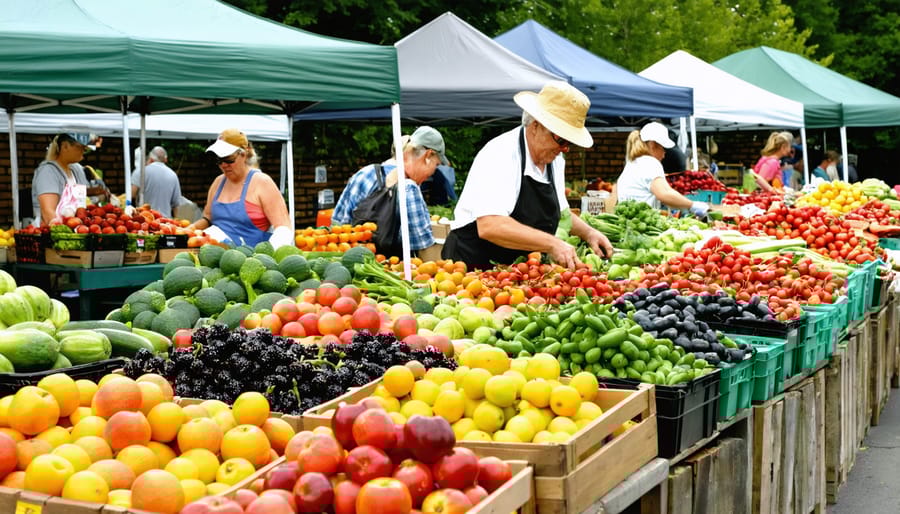
Transform your kitchen into a celebration of local abundance through authentic farm-fresh experiences that connect plate to soil. Step into your local farmers’ market at dawn, when produce still sparkles with morning dew, to select ingredients at their peak flavor and nutritional value. Build relationships with nearby farmers who become your culinary guides, sharing harvest schedules, cooking tips, and seasonal wisdom that elevates every dish you create.
Farm-to-table cooking transcends mere meal preparation – it’s a delicious revolution that shortens the distance between field and fork while supporting local agriculture. By choosing ingredients that travel minutes instead of miles, you’re not just crafting more flavorful dishes; you’re participating in an age-old tradition that strengthens community bonds and preserves agricultural heritage.
Learn to cook with nature’s rhythm, allowing each season’s harvest to inspire your menu. Summer’s sun-ripened tomatoes become vibrant sauces, autumn’s squash transforms into velvety soups, and winter’s hardy roots add depth to hearty stews. This direct connection to your food’s source creates meals that nourish both body and soul while supporting sustainable farming practices that protect our environment for future generations.
Why Farm-to-Table Workshops Change How You Cook
Direct From Earth to Kitchen
Understanding the rhythm of seasonal ingredients is key to mastering farm-to-table cooking. By connecting with local food sources, you’ll discover that each season brings its own culinary treasures. Spring offers tender asparagus and fresh peas, while summer bursts with juicy tomatoes and fragrant herbs. Fall delivers hearty squashes and crisp apples, and winter brings robust root vegetables and hardy greens.
Peak freshness isn’t just about flavor – it’s about capturing nutrients at their highest levels. Vegetables and fruits picked at the right moment contain more vitamins and minerals than those harvested prematurely for long-distance shipping. Learning to recognize signs of ripeness, like the gentle give of a ripe peach or the bright, firm snap of fresh green beans, helps you make the most of nature’s bounty.
Consider keeping a seasonal calendar in your kitchen to track local harvest times. This simple tool can transform your meal planning and ensure you’re always cooking with ingredients at their absolute best.
Skills That Make Fresh Food Shine
Master chefs know that the secret to exceptional farm-to-table cooking lies in letting fresh ingredients speak for themselves. In our workshops, you’ll learn essential techniques that enhance natural flavors without overwhelming them. Start with proper washing and storage methods that preserve freshness and extend the life of your produce.
Discover the art of knife skills that not only make prep work easier but also affect how ingredients release their flavors. Learn to identify peak ripeness for different vegetables and fruits, ensuring you’re cooking each item at its prime. Temperature control is crucial – we’ll show you how gentle cooking methods can preserve nutrients and bring out the best in delicate greens and tender herbs.
Seasoning becomes intuitive as you practice balancing flavors using fresh herbs, citrus, and natural flavor enhancers. Master simple techniques like blanching vegetables to maintain their vibrant colors and crisp textures, or quick-pickling to preserve seasonal bounty. You’ll also learn about complementary ingredient pairings that create memorable dishes while letting each component shine.
These fundamental skills transform simple, fresh ingredients into extraordinary meals that celebrate the essence of farm-to-table cooking.
What to Expect in a Farm-to-Table Workshop

From Field to Kitchen
The journey from field to kitchen begins with understanding the crucial timing of harvest. Experienced farmers know that vegetables and fruits reach their peak flavor and nutritional value when harvested at just the right moment. Morning harvesting, when produce is still cool and crisp from the night air, ensures the best quality and longest shelf life.
Selecting ingredients directly from the farm requires a keen eye and gentle touch. Look for vibrant colors, firm textures, and fresh aromas – these are nature’s indicators of peak readiness. Leafy greens should be perky and bright, root vegetables firm and unblemished, and fruits should have a subtle give when gently squeezed.
Local farmers often share valuable insights about their produce, including optimal storage methods and peak seasons. Many maintain harvest calendars that guide kitchen planning throughout the year. These relationships between farmer and cook create a deeper understanding of ingredients and their journey to the plate.
For home gardeners, the connection is even more intimate. Walking through your garden with basket in hand, selecting perfectly ripe tomatoes still warm from the sun, or snipping fresh herbs moments before cooking, creates an unparalleled cooking experience. This direct connection to our food sources not only ensures the freshest possible ingredients but also promotes sustainable farming practices and reduces food miles.
Hands-On Cooking Sessions
Our hands-on cooking sessions bring the farm-to-table concept to life, allowing participants to transform fresh, seasonal ingredients into delicious, wholesome meals. Each three-hour session begins with a guided harvest walk through our partner farms, where you’ll learn to select the ripest produce and understand peak seasonal availability.
In our teaching kitchen, expert chefs guide small groups of 6-8 participants through essential cooking techniques specifically tailored for fresh, local ingredients. You’ll master skills like properly cleaning and storing fresh herbs, quick-pickling seasonal vegetables, and creating flavorful stocks from kitchen scraps to minimize waste.
Recent workshop favorites include creating vibrant summer salads with edible flowers, preparing root-to-stem vegetable dishes, and crafting homemade pasta using locally milled flour. Participants learn valuable techniques like knife skills, flavor balancing, and proper temperature control while working with ingredients they’ve helped harvest.
Each session concludes with a communal dining experience where participants share their creations and exchange tips. You’ll leave with recipe cards, storage guidelines for fresh produce, and practical knowledge about incorporating seasonal ingredients into your daily cooking routine.
Special workshops focusing on preservation techniques, fermentation, and traditional cooking methods are offered monthly, helping you extend the life of seasonal bounty throughout the year.

The Shared Table Experience
The heart of farm-to-table cooking extends beyond the kitchen and into the dining room, where meals become meaningful moments of connection. When we gather around a table filled with locally sourced ingredients, we’re not just sharing food – we’re sharing stories, traditions, and a deeper appreciation for our local food system.
Community meals create unique opportunities for farmers, chefs, and food enthusiasts to come together and celebrate the journey from soil to plate. These gatherings often feature seasonal ingredients at their peak, allowing diners to experience the true flavors of their region while learning about the farming practices that brought each dish to life.
Many farm-to-table enthusiasts organize regular supper clubs or potluck dinners where participants contribute dishes made with ingredients from local farms. These events strengthen neighborhood bonds and often spark conversations about sustainable agriculture, cooking techniques, and seasonal eating patterns.
The shared table experience also extends to educational opportunities. Cooking workshops often conclude with communal meals where participants can taste their creations and learn from each other’s experiences. Children particularly benefit from these gatherings, developing a natural understanding of where their food comes from and the importance of sustainable eating habits.
By bringing people together around locally sourced meals, we create lasting connections that support our local food systems and inspire a more sustainable future for our communities.
Bringing Workshop Skills Home
Building Your Local Network
Building a strong local network is the foundation of successful farm-to-table cooking. Start by exploring farmers’ markets in your area, where you can meet producers face-to-face and learn about their growing practices. These markets are perfect venues for discovering seasonal offerings and establishing direct relationships with farmers who share your values.
Consider joining a CSA (Community Supported Agriculture) program, which provides regular deliveries of fresh, seasonal produce while supporting local farms. Many CSAs also offer local farm experiences where you can learn about farming practices and participate in harvest events.
Don’t overlook small specialty shops and food co-ops, as they often partner with local producers and can connect you with farmers who might not attend markets. Social media platforms like Instagram and Facebook are valuable tools for discovering nearby farms and following their harvest schedules.
Building relationships with local chefs who prioritize farm-to-table cooking can provide insights into sourcing ingredients and understanding seasonal availability. Many restaurants have established connections with farmers and might be willing to share their network.
Remember to attend agricultural events, food festivals, and farm tours in your region. These gatherings are excellent opportunities to expand your network and learn from experienced farmers and food artisans who can enhance your farm-to-table journey.

Your Seasonal Kitchen
Creating a successful seasonal kitchen starts with understanding and embracing seasonal ingredients. Begin by familiarizing yourself with your local growing calendar and establishing relationships with nearby farmers’ markets and CSA programs. Keep a detailed calendar noting when specific produce items typically become available in your area.
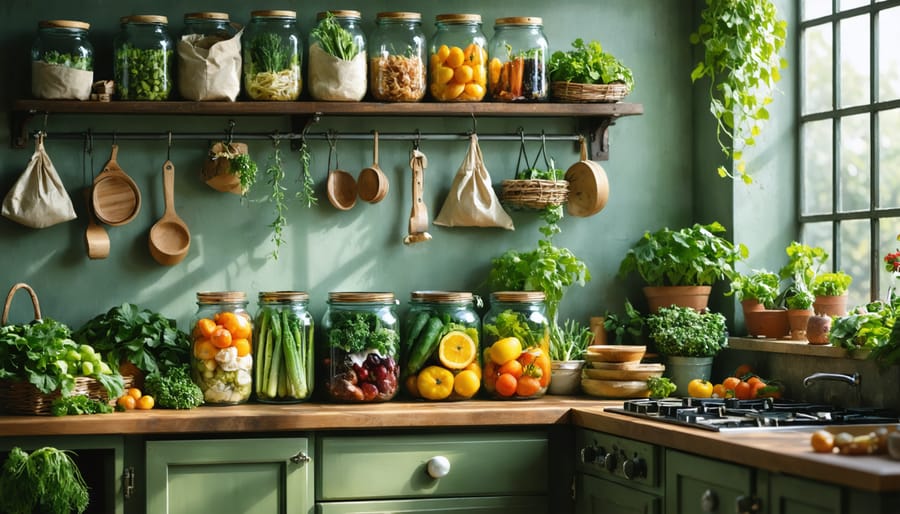
Transform your pantry into a seasonal storage space by organizing it into zones for preserved items, root vegetables, and fresh produce. Invest in proper storage containers and learn basic preservation techniques like canning, fermenting, and dehydrating to extend the life of peak-season bounty.
Develop a flexible meal planning system that adapts to what’s currently available. Rather than strictly following recipes, learn to cook by ingredient categories. For example, master a few versatile cooking methods for leafy greens that work whether you have spinach, kale, or Swiss chard on hand.
Create a seasonal recipe collection organized by month or season. Include notes about substitutions and variations based on availability. Keep a cooking journal to track successful combinations and seasonal variations of your favorite dishes.
Remember that eating seasonally doesn’t mean limiting yourself. Instead, it’s about celebrating each season’s unique offerings and developing a deeper connection with your local food system. Start small by incorporating one or two seasonal items weekly, and gradually build your seasonal cooking practice.
Success Stories: From Workshop to Home Kitchen
The transformative power of farm-to-table cooking workshops is best illustrated through the journeys of participants who’ve embraced local, seasonal cooking in their daily lives. Meet Sarah, a former takeout enthusiast who discovered her passion for cooking after attending our spring harvest workshop. “Learning to work with fresh, local ingredients completely changed my relationship with food,” she shares. “Now I plan my meals around what’s available at the farmers’ market and spend weekends preserving seasonal produce.”
Another inspiring story comes from the Martinez family, who turned their backyard into a thriving kitchen garden after participating in our seed-to-plate series. “We started with a few tomato plants and herbs,” explains Carlos Martinez. “Today, our children help tend to over twenty different vegetables, and we haven’t bought supermarket produce in months.”
Retired teacher Linda Thompson found a new purpose through farm-to-table cooking. After attending three workshops, she now hosts monthly community dinners featuring locally sourced ingredients. “These gatherings have connected me with neighbors who share my passion for sustainable food,” she says. “We exchange recipes, garden tips, and even started a seed-saving collective.”
The Wilson couple credits their workshop experience for helping them reduce their food waste by 80%. “Learning to use every part of our produce and properly store seasonal ingredients has made a huge difference,” notes Beth Wilson. “We’re saving money while eating better than ever.”
Perhaps most remarkable is Jason’s story, a busy professional who transformed his cooking habits after just one workshop. “I used to think cooking with fresh ingredients was too time-consuming,” he admits. “Now I have a weekly routine of prepping seasonal vegetables and batch-cooking grains. My meals are healthier, more flavorful, and actually take less time than before.”
These success stories share a common thread: participants discovered that farm-to-table cooking isn’t just about preparing meals – it’s about building connections with local farmers, understanding seasonal rhythms, and creating sustainable food habits that benefit both personal health and the environment.
Farm-to-table cooking workshops offer more than just culinary skills – they provide a transformative experience that reconnects us with our food sources and local farming communities. By participating in these hands-on learning opportunities, you’ll gain practical knowledge about seasonal ingredients, sustainable cooking methods, and supporting local agriculture. Whether you’re a home cook looking to elevate your meals or someone passionate about food sustainability, these workshops can be your gateway to a more mindful and environmentally conscious cooking journey.
Take the first step today by joining a local workshop, visiting farmers’ markets, or connecting with nearby farms. The skills and relationships you’ll develop will not only enhance your cooking abilities but also contribute to a more sustainable and vibrant local food system. Your participation matters – each meal prepared with locally sourced ingredients helps support farmers, reduce environmental impact, and create lasting connections within your community.