Yearly Archives

291 Articles

Farm Festivals Are Changing How We Experience Fresh Food (Here’s Why)

Posted by darrell on
0
Farm-to-Table Experiences
Farm Festivals Are Changing How We Experience Fresh Food (Here’s Why)

Picture yourself wandering through rows of sun-ripened pumpkins, the autumn air filled with the scent of fresh apple cider and hay rides rumbling past. Farm festivals transform ordinary agricultural spaces into vibrant celebrations of rural life, connecting families directly with the heart of America’s food system. These cherished seasonal gatherings offer more than just entertainment – they provide a crucial bridge between urban communities and local farmers, while creating lasting memories for generations.

From spring flower festivals bursting with colorful blooms to fall harvest celebrations packed with activities like corn mazes and petting zoos, farm festivals showcase the rhythm of agricultural seasons. Children discover where their food comes from by picking their own berries, while adults sample artisanal cheeses and fresh-pressed ciders crafted by local producers. Live music drifts across pastoral fields as visitors learn traditional skills like butter churning or wool spinning from experienced farmers.

Whether you’re seeking fresh air, family entertainment, or a deeper connection to your local food system, farm festivals deliver an authentic slice of rural tradition. These events not only support local agriculture but also help preserve farming heritage while creating sustainable connections between producers and consumers that last long after the festivities end.

Spring Harvest Celebrations

First Fruits of the Season

Spring farm festivals mark the exciting arrival of the season’s first harvests, offering visitors a chance to taste and celebrate the earliest crops of the year. Tender asparagus spears, sweet spring peas, and crisp radishes take center stage at these gatherings, often accompanied by educational demonstrations on early-season growing techniques.

Many festivals feature specialty crops unique to springtime, such as fiddleheads, ramps, and fresh herbs that can only be harvested during this brief window. Farmers proudly showcase their greenhouse-grown lettuce varieties and microgreens, demonstrating how modern growing techniques can extend the traditional growing season.

These early-season celebrations often include guided tours of high tunnels and greenhouses, where visitors can learn about season extension methods. Local chefs frequently participate by offering cooking demonstrations that highlight creative ways to prepare these spring delicacies. Some festivals even feature wild edible walks, teaching visitors about naturally occurring spring foods like morels and dandelion greens.

For many communities, these first fruits festivals serve as a welcome reminder that the abundant growing season lies just ahead, while celebrating the careful planning and hard work that goes into early-season production.

Farmers displaying fresh spring produce and seedlings at a festival market stand
A vibrant farmers market scene with colorful spring vegetables and seedlings on display, with farmers interacting with customers

Hands-On Learning Events

Farm festivals offer invaluable hands-on learning experiences that connect visitors directly with agricultural practices. Watch expert farmers demonstrate essential skills like soil preparation, companion planting, and proper seedling care according to the spring planting schedule. Participate in interactive workshops where you can get your hands dirty while learning to start your own vegetable garden or create herb containers for your kitchen windowsill.

Popular demonstrations include beekeeping basics, where visitors learn about honey production and pollinator protection, and composting workshops that teach visitors how to transform kitchen scraps into garden gold. Children especially enjoy seed-starting activities, where they can plant their own seedlings to take home and nurture.

Many festivals feature live demonstrations of traditional farming techniques alongside modern sustainable practices, offering a unique perspective on agricultural evolution. Experienced farmers share their knowledge through guided tours of working gardens, offering practical tips and answering questions about organic growing methods, pest management, and season extension techniques.

Summer Bounty Festivals

Farm-Fresh Feasts

At the heart of farm festivals, culinary demonstrations take center stage, showcasing farm-fresh cooking techniques that transform just-picked produce into mouth-watering dishes. Local chefs partner with farmers to create seasonal tasting experiences that celebrate the bounty of each harvest. Visitors can watch as expert cooks reveal the secrets to preparing perfect roasted root vegetables, creating vibrant summer salads, or crafting preserves from peak-season fruits.

These interactive food events often feature hands-on opportunities for festival-goers to learn essential skills like herb preparation, vegetable fermentation, and homemade bread baking. Many festivals organize themed tasting stations where visitors can sample different varieties of tomatoes, apples, or honey, developing their palates while learning about the subtle differences in flavor profiles.

Food trucks and vendor booths staffed by local restaurateurs serve up creative farm-to-fork dishes, often incorporating ingredients harvested that very morning. Festival favorites include wood-fired pizzas topped with garden-fresh vegetables, grilled corn dressed with herbs and local butter, and seasonal fruit pies that capture the essence of the harvest.

For those inspired to recreate these dishes at home, many festivals offer take-home recipe cards and ingredient lists, along with tips for selecting and storing produce for maximum flavor and freshness.

Families on a tractor-pulled hayride touring a working farm during a summer festival
Family enjoying a summer hayride through scenic farmland, with children pointing at crops and animals

Family Fun on the Farm

Farm festivals offer an incredible array of hands-on activities that bring agricultural traditions to life for the whole family. The classic hayride remains a perennial favorite, taking visitors on a bumpy journey through picturesque farmland while they learn about crop cultivation and seasonal harvests from knowledgeable farmers.

Corn mazes have evolved into spectacular agricultural artworks, challenging visitors with intricate patterns and engaging themes. Many farms enhance the experience with game elements, like scavenger hunts or trivia questions hidden throughout the maze, making learning about farming both fun and interactive.

Animal interactions provide invaluable opportunities for children to connect with farm life. Petting zoos typically feature friendly goats, sheep, and rabbits, while some farms offer more hands-on experiences like bottle-feeding calves or collecting eggs from the henhouse. These encounters help families understand the vital role of animals in sustainable farming practices.

Many festivals also include interactive demonstrations of traditional farm tasks. Children can try their hand at milking mechanical cows, grinding corn, or making butter using old-fashioned churns. Face painting, pumpkin decorating, and craft stations using natural materials help creative minds flourish while maintaining the agricultural theme.

For the youngest visitors, mini tractors and pedal cars offer exciting ways to imagine life as a farmer, while sandbox areas filled with corn kernels provide sensory play opportunities that connect to the farming experience.

Fall Harvest Events

Traditional Harvest Activities

Traditional harvest activities remain at the heart of farm festivals, offering visitors authentic hands-on experiences that connect them directly with agriculture. Pumpkin patches transform into bustling autumn wonderlands where families can select their perfect jack-o’-lantern while learning about different pumpkin varieties and growing techniques. Many farms enhance the experience with hayrides to the patch and educational demonstrations about pumpkin cultivation.

Apple picking adventures allow festival-goers to fill their baskets with crisp, tree-ripened fruit while learning about heritage apple varieties and sustainable orchard practices. Farmers often provide tours explaining pollination, pruning techniques, and the importance of beneficial insects in organic apple production.

Harvest demonstrations bring agricultural heritage to life through interactive displays of traditional farming methods. Visitors can witness corn husking, wheat threshing, and grain milling using both historic and modern equipment. Some festivals feature skilled artisans demonstrating traditional food preservation techniques like canning, drying, and root cellaring.

Many farms also incorporate educational components into these activities, teaching visitors about crop rotation, soil health, and seasonal growing cycles. Children particularly enjoy hands-on experiences like grinding corn, pressing apple cider, or helping to harvest root vegetables, creating lasting connections with their food sources and the farming community.

Visitors participating in fall harvest activities including apple picking and pumpkin selection
Autumn scene of people picking apples in an orchard with pumpkin patch visible in background

Seasonal Cooking Workshops

At the heart of farm festivals, seasonal cooking workshops offer visitors a chance to transform fresh harvest into delicious meals. Led by experienced local chefs and farming experts, these hands-on classes celebrate the bounty of each season while teaching valuable culinary skills. Participants learn how to preserve seasonal produce through canning, fermenting, and dehydrating, ensuring nothing goes to waste.

Spring workshops focus on preparing tender greens, early herbs, and sprouting vegetables, with popular sessions on crafting pestos and fresh salad dressings. Summer classes showcase tomato canning, pickle-making, and creative ways to use abundant zucchini. As autumn arrives, workshops shift to hearty soups, root vegetable preparations, and apple butter making. Winter sessions emphasize comfort cooking with stored produce and creative uses for preserved foods.

Each workshop includes tips for selecting the freshest ingredients, proper storage techniques, and recipe adaptation based on seasonal availability. Participants take home detailed recipe cards, preservation guides, and often their own prepared foods. These workshops not only build practical skills but also foster a deeper connection between participants and their food sources, creating a community of informed and capable home cooks committed to seasonal eating.

Many festivals offer both beginner-friendly classes and advanced workshops for experienced cooks, ensuring everyone can participate regardless of their skill level. Pre-registration is typically required due to limited space and high demand.

Planning Your Farm Festival Visit

A successful farm festival visit starts with thoughtful planning. Choose a festival that aligns with your interests, whether it’s harvest celebrations, flower festivals, or seasonal produce events. Check the festival’s website or social media pages for exact dates, operating hours, and admission fees. Many festivals offer early bird discounts or family packages that can help you save.

Weather plays a crucial role in your experience, so dress appropriately. Wear comfortable, closed-toe shoes suitable for walking on uneven terrain, and bring layers of clothing to adjust to changing temperatures. Don’t forget sun protection – a hat, sunscreen, and sunglasses are essential for outdoor activities.

Bring cash, as not all vendors may accept cards. Many festivals have ATMs on-site, but they often charge fees and can run out of cash during peak hours. Pack a reusable water bottle and some healthy snacks, even if you plan to enjoy festival food. Consider bringing a cooler or insulated bag for any fresh produce or perishable items you might purchase.

Timing your visit can significantly impact your experience. Early morning hours typically offer smaller crowds and cooler temperatures, perfect for activities like picking produce or participating in workshops. If you’re interested in specific demonstrations or activities, request a schedule in advance and plan your day accordingly.

For families with children, research kid-friendly activities beforehand. Many festivals offer special areas for children with petting zoos, corn mazes, or hands-on crafting stations. Bring wipes, hand sanitizer, and any necessary supplies for little ones.

Consider transportation options carefully. Some festivals offer shuttle services from designated parking areas, while others have on-site parking. If you’re planning to purchase bulky items or lots of produce, park as close as possible to the festival grounds or check if there’s a service to help transport purchases to your car.

Remember to bring a camera to capture memories, and consider bringing a small backpack or tote bag for carrying purchases and festival materials. Most importantly, come with an open mind and ready to learn about local agriculture and sustainable farming practices.

Farm festivals serve as vital bridges between urban communities and rural agricultural heritage, creating meaningful connections that benefit everyone involved. These celebrations do more than just entertain; they educate visitors about local sustainable agriculture while providing crucial support to family farms and local food systems.

Through these festive gatherings, farmers share their stories and expertise directly with consumers, fostering a deeper appreciation for the work that goes into growing our food. Children learn where their food comes from, families create lasting memories, and communities strengthen their bonds through shared experiences centered around local agriculture.

The economic impact of farm festivals extends far beyond the event itself. When visitors purchase fresh produce, artisanal products, and locally made goods, they contribute directly to the sustainability of small farms and rural economies. These events often inspire participants to make more conscious food choices year-round, supporting farmers’ markets and joining CSA programs.

Perhaps most importantly, farm festivals remind us that agriculture isn’t just about food production – it’s about preserving traditions, protecting our environment, and maintaining the character of our rural landscapes. As these events continue to grow in popularity, they help ensure that future generations will understand and value the importance of supporting local farms and the hardworking families who tend them.

Sacred Harvest: Ancient Farm Traditions That Still Enrich Our Gardens Today

Posted by darrell on
0
Cultural Agriculture Practices
Sacred Harvest: Ancient Farm Traditions That Still Enrich Our Gardens Today

Ancient farming rituals hold remarkable power to transform modern organic gardening practices. From the Native American Three Sisters companion planting to the biodynamic calendar’s lunar cycles, these time-tested ceremonies connect us deeply to the land while improving crop yields and soil health.

Traditional harvesting rituals do more than honor cultural heritage – they provide practical solutions for today’s agricultural challenges. Farmers who incorporate mindful planting ceremonies report stronger plant resilience, better pest management, and more vibrant soil ecosystems. These practices, refined over generations, offer wisdom that bridges sustainable agriculture’s past and future.

Whether you’re tending a small garden or managing acres of farmland, integrating ritualistic elements like harvest celebrations, seed blessing ceremonies, and seasonal observances creates a meaningful framework for ecological stewardship. By blending ancient knowledge with modern organic methods, we can cultivate not just healthier crops, but a deeper relationship with the natural cycles that sustain us.

The Wisdom of Moon Phase Harvesting

Moon Phase Timing Guide

Traditional farmers have long recognized the moon’s influence on plant growth and harvest timing. The lunar cycle offers natural guidance for optimal harvesting, with different phases benefiting various crops and farming activities.

During the waxing moon (from new moon to full), rising sap levels make this period ideal for harvesting leafy greens and fruits that benefit from higher moisture content. The two days before a full moon are particularly favorable for gathering herbs and vegetables that will be eaten fresh.

The full moon phase presents a 2-3 day window perfect for harvesting root vegetables and fruits, as their nutrient and moisture content peaks. Many experienced gardeners swear by this timing for obtaining the most flavorful produce.

The waning moon phase (from full to new) is best for harvesting crops meant for storage or drying. Lower moisture levels during this time help prevent rot and improve preservation quality. Root vegetables harvested during the last quarter moon often show better storage longevity.

For medicinal herbs and aromatic plants, early morning gathering during the waxing moon can maximize their essential oil content and therapeutic properties.

Moon phase calendar showing optimal harvesting times for different crops across lunar cycles
Composite photograph showing different phases of the moon with corresponding harvest activities beneath each phase

Modern Scientific Support

Recent scientific studies have begun to validate what traditional farmers have known for generations about moon-phase harvesting. Research conducted at agricultural universities has shown that moisture content in plants fluctuates with lunar cycles, affecting both crop quality and shelf life. During the waxing moon, for example, sap flow increases, resulting in higher nutrient content and better seed germination rates.

A groundbreaking study published in the Journal of Agricultural Science demonstrated that root crops harvested during the waning moon showed 15% longer storage life compared to those harvested at other times. Similarly, fruits picked during specific moon phases contained measurably higher sugar content and maintained freshness longer.

Biodynamic farming practices, which incorporate lunar cycles, have also gained scientific support. Researchers have documented improved soil microbial activity and enhanced plant resistance to pests when farming activities align with traditional moon-phase timing. These findings suggest that our ancestors’ ritualistic approach to agriculture wasn’t merely superstition but was based on observable natural phenomena that modern science is only now beginning to understand and quantify.

Traditional blessing ceremony of farming tools including both heritage and contemporary equipment
Farmer performing traditional tool blessing ceremony with antique and modern farming tools arranged in a circle

Traditional Tool Blessing Ceremonies

Modern Adaptations

Today’s farmers are finding innovative ways to honor and incorporate traditional farming tools into their daily practices. Many organic farmers begin their day by inspecting and cleaning their equipment, expressing gratitude for these essential implements. Some communities have established tool-sharing programs where farmers gather monthly to maintain equipment collectively, sharing knowledge and stories while they work.

Modern adaptations include seasonal blessing ceremonies for new equipment, mindful maintenance routines, and educational workshops teaching proper tool care to apprentice farmers. Some CSA farms have even integrated tool appreciation into their member events, helping customers understand the vital connection between well-maintained equipment and the quality of their produce.

These contemporary practices not only preserve cultural wisdom but also promote sustainable tool use, reducing waste and fostering a deeper connection to the farming process. By combining ancient respect for tools with modern farming needs, these rituals strengthen community bonds and enhance agricultural sustainability.

First Harvest Celebrations

Community Building Through Ritual

Traditional harvest celebrations serve as powerful tools for strengthening bonds between farmers and their local communities. When neighbors gather to celebrate the season’s bounty, they create lasting connections that extend far beyond the festivities themselves. These shared experiences transform casual farm supporters into dedicated CSA members and foster a deeper appreciation for local agriculture.

Many organic farms have revived harvest rituals by hosting annual festivals, community dinners, and crop blessing ceremonies. These events give community members the chance to participate in traditional activities like corn husking, apple pressing, and garland making. Children learn about food origins through hands-on activities, while adults forge meaningful relationships with the farmers who grow their food.

These gatherings also provide natural opportunities for farmers to share knowledge about sustainable growing practices and seasonal eating, creating an informed and engaged customer base that supports local agriculture year-round.

CSA members and farmers celebrating first harvest with displays of seasonal vegetables and fruits
Community harvest festival scene showing diverse group of people celebrating with freshly harvested produce

Preservation Rituals

Throughout history, farming communities have developed intricate preservation rituals that blend practical wisdom with cultural significance. These traditional storage methods weren’t just about keeping food fresh – they were ceremonies that brought communities together and honored the earth’s abundance.

Many cultures practiced smoke blessing ceremonies before storing grains, which actually served as natural pest control while holding deep spiritual meaning. The smoke would effectively deter insects, while the ritual itself marked the transition from harvest to storage season. Similarly, the common practice of hanging dried herbs in bundles near storage areas combined practical preservation with protective symbolism.

Root cellars, still popular among organic farmers today, were often prepared with salt-lined walls and specific arrangements of crops based on both practical storage needs and traditional beliefs. Many communities would perform blessing ceremonies before sealing their root cellars, creating layers of positive energy while ensuring proper ventilation and temperature control.

The timing of preservation activities often aligned with lunar cycles, which modern research suggests may influence moisture content in plants. Communities would gather during specific moon phases to process and store their harvest, combining social bonding with efficient preservation timing.

These ancient practices remind us that successful crop storage isn’t just about technique – it’s about creating mindful connections with our food and community. Many organic farmers today incorporate elements of these traditional rituals, finding that they enhance both crop preservation and the farming experience while fostering a deeper appreciation for sustainable agriculture.

In our journey through sustainable agriculture, we’ve discovered that traditional harvesting rituals offer more than just cultural significance – they provide practical wisdom that enhances modern farming practices. These time-honored ceremonies remind us to farm in harmony with natural cycles, respect the land that feeds us, and maintain a deeper connection to our food sources.

By incorporating these ancestral practices into contemporary organic farming, we create a more mindful and sustainable approach to agriculture. Farmers who maintain traditional rituals often report stronger community bonds, better crop yields, and a more satisfying relationship with their land. These practices help preserve valuable agricultural knowledge while promoting environmental stewardship for future generations.

As we face increasing environmental challenges, these rituals serve as powerful reminders of our responsibility to protect and nurture the earth. Whether you’re managing a large organic farm or tending a small garden plot, embracing these traditional practices can enrich your agricultural journey and contribute to a more sustainable food system. Let’s continue honoring these ancient ways while building a greener, more connected future in farming.

How Food Security Agriculture Is Transforming Local Food Systems

Posted by darrell on
0
Market Events and Community Engagement
How Food Security Agriculture Is Transforming Local Food Systems

Food security agriculture stands at the intersection of sustainable farming practices and global food accessibility, representing our most powerful tool in the fight against hunger. By combining traditional agricultural wisdom with modern innovation, farmers and communities worldwide are revolutionizing how we grow, distribute, and ensure access to nutritious food for all populations.

Local food systems form the backbone of food security, with small-scale farmers producing over 70% of the world’s food supply through sustainable, climate-resilient methods. These agricultural practices not only enhance food availability but also protect biodiversity, improve soil health, and strengthen community resilience against environmental and economic challenges.

The movement toward secure food systems encompasses diverse strategies: from vertical farming in urban centers to regenerative agriculture in rural communities, from community-supported agriculture (CSA) programs to innovative storage solutions that reduce post-harvest losses. This comprehensive approach ensures that communities can produce, access, and maintain stable food supplies year-round.

As climate change threatens traditional farming methods, food security agriculture adapts through water-efficient irrigation systems, drought-resistant crop varieties, and integrated pest management techniques. These solutions demonstrate how sustainable agriculture can simultaneously address food security, environmental protection, and economic development goals.

Through collaborative efforts between farmers, researchers, and communities, food security agriculture continues to evolve, offering hope for a future where nutritious food is accessible to all while preserving our planet’s resources for generations to come.

Building Resilient Local Food Systems

Direct-to-Consumer Networks

Direct-to-consumer networks have emerged as powerful tools for enhancing food security while supporting local agriculture. Local farmers markets provide vibrant community hubs where consumers can purchase fresh produce directly from growers, creating meaningful connections between farmers and their neighbors. These markets not only ensure access to nutritious, seasonal food but also help farmers receive fair compensation for their work.

Community Supported Agriculture (CSA) programs offer another innovative approach to direct food distribution. Members purchase shares of a farm’s harvest in advance, receiving weekly boxes of fresh, locally grown produce throughout the growing season. This model provides farmers with stable income and helps them plan their crops more effectively, while giving consumers access to ultra-fresh produce and a deeper understanding of seasonal eating patterns.

Both these distribution channels strengthen local food systems by cutting out middlemen, reducing transportation costs, and ensuring that more food dollars stay within the community. They also serve as educational platforms, helping consumers understand farming practices and seasonal availability while building lasting relationships between producers and consumers.

Local farmers market with colorful vegetable displays and customers interacting with vendors
Vibrant farmers market scene showing diverse local produce and community interaction

Year-Round Production Methods

Modern farming techniques have revolutionized how we think about year-round food availability, making local produce accessible beyond traditional growing seasons. Greenhouses and high tunnels create protected environments where crops flourish even during colder months, while hydroponic systems allow for indoor cultivation regardless of weather conditions.

Smart farmers are combining these methods with season-appropriate crop selection. Cold-hardy vegetables like kale, spinach, and root crops thrive in winter greenhouses, while heat-loving plants flourish in summer. Deep winter growing techniques, pioneered by innovative farmers in cold climates, use passive solar heating and thermal mass to maintain growing temperatures naturally.

Vertical farming is gaining traction in urban areas, maximizing space efficiency while providing fresh produce year-round. These systems often incorporate LED grow lights and automated climate control, ensuring optimal growing conditions throughout the seasons. Storage crops and preservation methods complement these production techniques, creating a robust local food system that supports community food security throughout the year.

Sustainable Farming Practices for Food Security

Diverse agricultural field showing crop rotation and variety with different vegetables and grains
Split image showing multiple crop varieties in different growth stages

Crop Diversity and Planning

Growing a diverse range of crops is like creating a living insurance policy for your food security. When you plant different varieties of vegetables, fruits, and grains, you’re not just ensuring a more interesting harvest – you’re protecting against crop failure and building a more resilient food system.

Smart farmers know that if one crop faces challenges from pests or weather conditions, others may still thrive. For example, while your tomatoes might struggle during an unusually wet season, your root vegetables could flourish in those same conditions. This diversity helps maintain a steady food supply throughout the growing season.

Succession planting takes this strategy even further by staggering crop plantings throughout the season. Instead of planting all your lettuce at once, you might plant small amounts every two weeks. This approach ensures a continuous harvest and prevents the feast-or-famine cycle that often happens with single-planting methods.

Consider Sarah, a small-scale farmer in Vermont, who transformed her farm’s productivity by implementing a diverse crop rotation system. She now grows over 30 different varieties of vegetables year-round, supplying her local community with fresh produce even during the winter months through careful planning and greenhouse cultivation.

To get started with crop diversity:
– Choose plants that mature at different times
– Mix quick-growing crops with longer-season varieties
– Include both common and unusual varieties
– Plan for seasonal transitions
– Consider companion planting to maximize space and yield

Soil Health Management

Healthy soil is the foundation of successful food production and long-term agricultural sustainability. By implementing proper soil management techniques, farmers and gardeners can maintain fertile growing conditions that support consistent crop yields year after year.

One key practice is crop rotation, which involves changing the types of crops grown in a particular area each season. This natural approach helps prevent soil depletion while reducing pest and disease problems. For example, following nitrogen-hungry corn with nitrogen-fixing legumes helps restore soil nutrients naturally.

Regular soil testing is essential for understanding your soil’s needs. Testing reveals nutrient levels, pH balance, and organic matter content, allowing farmers to make informed decisions about amendments and fertilizers. Many local extension offices offer affordable soil testing services and guidance on interpreting results.

Adding organic matter through composting and cover cropping helps build soil structure and fertility. Compost provides slow-release nutrients while improving water retention and beneficial microbial activity. Winter cover crops like clover or rye protect soil from erosion while adding organic material when tilled under in spring.

Minimal tillage practices help preserve soil structure and beneficial organisms. Many successful farmers use no-till or reduced tillage methods, only disturbing the soil when necessary for planting. This approach maintains natural soil layers while reducing erosion and compaction.

Proper irrigation management prevents soil degradation from excess water or drought stress. Drip systems and moisture monitors help farmers provide consistent water while avoiding oversaturation that can wash away nutrients.

Community Impact and Engagement

Education and Skills Development

Education plays a vital role in building sustainable food security through agriculture. Farmers markets and community gardens often serve as living classrooms, offering hands-on learning experiences for both aspiring farmers and curious community members.

Many successful programs combine traditional classroom learning with practical field experience. Participants learn essential skills like soil preparation, crop rotation, pest management, and sustainable irrigation techniques. These programs also emphasize the importance of seasonal growing, seed saving, and organic farming methods that support long-term food security.

Nutritional education is equally important, teaching communities about the value of fresh, locally grown produce and how to incorporate it into healthy meals. Cooking demonstrations at farmers markets show visitors how to prepare seasonal vegetables, while workshop series help families learn about food preservation and storage techniques.

Youth education programs are particularly effective, introducing children to farming through school gardens and agricultural clubs. These initiatives help create the next generation of informed consumers and potential farmers while fostering an appreciation for sustainable food systems.

Skills development extends beyond farming to include business management, marketing, and food safety certification. This comprehensive approach ensures that participants can not only grow food but also create viable agricultural enterprises that contribute to community food security.

Success stories from program graduates who now run their own farms or lead community initiatives serve as inspiring examples of how education can transform food systems from the ground up.

Diverse group of people participating in hands-on agricultural training in a community garden
Community garden workshop with people learning farming techniques

Economic Benefits

Food security agriculture brings substantial economic benefits to local communities, creating a ripple effect that strengthens the entire regional economy. When farmers sell directly to consumers through farmers markets and community-supported agriculture programs, they retain a larger share of food dollars compared to conventional distribution channels. This increased profit margin allows farmers to reinvest in their operations and hire local workers, contributing to job creation and economic growth.

Local food systems also help keep money circulating within the community. Studies show that every dollar spent at local farms generates approximately twice as much income for the local economy compared to shopping at large chain stores. This multiplier effect supports other local businesses, from farm supply stores to restaurants featuring locally-sourced ingredients.

Farmers markets and food security initiatives often attract tourism and enhance community vitality, bringing additional revenue streams to rural areas. These markets become social hubs where people gather, shop, and connect with local producers, fostering a sense of community while driving economic activity.

The economic resilience of diversified small farms also helps protect communities from large-scale agricultural market fluctuations. By growing various crops and serving local markets, farmers can better weather economic downturns and maintain stable income streams throughout the year. This stability translates into more reliable employment opportunities and consistent support for auxiliary businesses in the agricultural sector.

Success Stories from Local Farms

The heartening stories of successful local farm initiatives across the country demonstrate how food security agriculture can transform communities. Take the story of Green Meadows Farm in Vermont, which started as a small family operation and now feeds over 200 families through their CSA program. By implementing innovative crop rotation techniques and greenhouse farming, they’ve extended their growing season to 10 months of the year.

In California’s Central Valley, the Rodriguez Family Farm has become a model of water conservation and drought-resistant farming. Their transition to drip irrigation and drought-tolerant crop varieties has reduced water usage by 40% while maintaining robust yields. They now share their knowledge with neighboring farms, creating a ripple effect of sustainable practices throughout the region.

Urban farming success stories are equally inspiring. The Detroit Urban Farming Initiative transformed vacant city lots into productive gardens, providing fresh produce to food desert neighborhoods. Their network of 12 urban farms now supplies local food banks and runs educational programs for school children, teaching the next generation about sustainable food production.

In rural Montana, the Prairie Partners Cooperative shows how small farms can thrive through collaboration. Ten family farms joined forces to share equipment, coordinate crop planning, and establish a stronger market presence. Their combined efforts have reduced operational costs by 30% and increased each farm’s income by establishing direct-to-consumer marketing channels.

The Rising Sun Farm in Minnesota demonstrates how technology integration can enhance food security. Using smart sensors and automated irrigation systems, they’ve optimized resource use while increasing crop yields by 25%. Their success has inspired other local farms to embrace similar technologies, creating a more resilient local food system.

These success stories share common elements: community engagement, sustainable practices, and innovative problem-solving. Each farm has found unique ways to address local food security challenges while building economically viable operations. Their experiences prove that small-scale farming can significantly impact food security when supported by community involvement and modern agricultural practices.

Food security agriculture is not just about large-scale farming operations – it starts in our own communities. By supporting local farmers markets, participating in community gardens, and choosing locally grown produce, we each play a vital role in building a more resilient food system. Whether you’re growing herbs on your windowsill or shopping at your neighborhood farm stand, every action contributes to stronger food security.

Consider joining a CSA program, volunteering at a community garden, or starting your own backyard vegetable patch. Share growing tips with neighbors, support policies that protect local farmland, and educate others about the importance of sustainable agriculture. Together, we can create a future where fresh, nutritious food is accessible to all while supporting the farmers who make it possible.

Remember, food security begins at the local level, and your participation makes a difference. Let’s work together to cultivate a more sustainable and secure food future for our communities.

Food Preservation That Saves Money and the Planet: Smart Eco-Conservative Methods

Posted by darrell on
0
Sustainable Consumer Practices
Food Preservation That Saves Money and the Planet: Smart Eco-Conservative Methods

Transform your kitchen into an eco-conscious powerhouse through smart food storage practices that slash both environmental impact and grocery bills. Store produce in breathable cotton bags rather than plastic to extend shelf life naturally while eliminating single-use materials. Repurpose glass jars for bulk storage, creating an airtight seal that preserves dried goods for months without energy-intensive refrigeration. Master the art of natural food preservation through fermentation, dehydration, and cold storage – ancient techniques that require minimal resources while maximizing nutritional value.

These time-tested methods not only reduce food waste and packaging but also connect us to traditional wisdom that sustained communities for generations. By combining modern efficiency with heritage preservation techniques, eco-conservatism in food storage offers a practical path toward environmental stewardship that benefits both household budgets and planetary health. The simple act of mindful food storage becomes a powerful statement of environmental responsibility, proving that conservation and convenience can work hand in hand.

Traditional Meets Modern: Time-Tested Food Storage Methods

Root Cellaring: Nature’s Free Refrigerator

Root cellaring is a time-tested method of preserving fresh produce without electricity, using the earth’s natural cooling and humidity control. This traditional practice involves storing fruits, vegetables, and other food items in an underground space where temperatures remain consistently cool and moisture levels stay optimal for long-term storage.

The ideal root cellar maintains temperatures between 32-40°F (0-4°C) and humidity levels around 85-95%. Common locations include basements, hillsides, or purpose-built underground structures. The earth’s insulating properties help maintain these conditions year-round, making it an incredibly energy-efficient storage solution.

Different produce items require specific storage conditions to last longer. Root vegetables like carrots, potatoes, and beets thrive in cooler, more humid environments, while winter squash and onions prefer slightly warmer, drier conditions. Proper organization is key – keep fruits and vegetables that emit ethylene gas (like apples) separate from ethylene-sensitive produce to prevent premature ripening.

Success story: Sarah Miller from Vermont saved over $800 annually on her electricity bill after converting an unused corner of her basement into a root cellar. She now stores her garden harvest through winter, feeding her family fresh, local produce year-round while reducing her carbon footprint.

Remember to check stored items regularly and remove any showing signs of spoilage to prevent spread. With proper planning and maintenance, a root cellar can significantly reduce your environmental impact while preserving the flavors of your harvest.

Traditional root cellar with organized shelves of stored vegetables, showing temperature and humidity monitoring
Cross-section view of a traditional root cellar showing proper storage of vegetables on shelves

Fermentation: Zero-Energy Food Preservation

Fermentation is nature’s gift to sustainable food preservation, offering a zero-energy solution that transforms raw ingredients into nutrient-rich, long-lasting foods. This ancient practice harnesses beneficial microorganisms to preserve food through natural processes, requiring no electricity or modern technology.

The beauty of fermentation lies in its simplicity: all you need is the right ingredients, clean containers, and time. Whether you’re making sauerkraut from cabbage, kimchi from vegetables, or kombucha from tea, the process relies on beneficial bacteria that naturally preserve food while creating delicious flavors and enhancing nutritional value.

Local farmer Sarah Miller shares her success story: “I started fermenting my surplus vegetables five years ago. Now, I can preserve my entire harvest without using any energy, and my customers love the probiotic-rich products.”

Environmental benefits of fermentation include:
– Zero energy consumption
– Reduced food waste
– Minimal packaging needs
– No artificial preservatives
– Enhanced shelf life without refrigeration

Getting started with fermentation is simple. Basic supplies like mason jars, sea salt, and fresh produce are all you need. Many gardeners find that fermentation helps them manage seasonal abundance while creating value-added products. Plus, the process actually increases the nutritional content of foods, making it a win-win for both the environment and your health.

Energy-Smart Preservation Solutions

Solar Dehydration Techniques

Solar dehydration offers an environmentally friendly and cost-effective way to preserve your harvest using nothing but the sun’s natural energy. This time-tested method not only helps reduce your carbon footprint but also maintains the nutritional value of your foods while creating delicious, shelf-stable products.

To get started, you’ll need a basic solar dehydrator, which can be either purchased or DIY-constructed using simple materials like wood, clear plastic or glass, and mesh screens. The key components include a collector area to trap solar heat, adequate ventilation for moisture removal, and drying racks for your produce.

For optimal results, slice your fruits and vegetables uniformly, about ¼ inch thick. This ensures even drying and prevents spoilage. Place the prepared items on drying racks with enough space between pieces to allow proper air circulation. Position your dehydrator in a sunny spot where it will receive 6-8 hours of direct sunlight daily.

Temperature control is crucial for successful solar dehydration. The ideal range is between 95°F and 145°F, depending on what you’re drying. Herbs and leafy greens need lower temperatures, while fruits and vegetables can handle higher heat levels. Using a simple thermometer helps monitor conditions inside your dehydrator.

One of our local farmers, Sarah Matthews, shares her success story: “I save hundreds of dollars annually by solar-drying my tomatoes and herbs. Plus, my customers love that I’m using completely renewable energy for preservation.”

Remember to store your dried goods in airtight containers in a cool, dark place. When done correctly, solar-dried foods can last for months while maintaining their natural flavors and nutrients.

Wooden solar dehydrator with trays of colorful fruits and vegetables drying in direct sunlight
Solar food dehydrator in action with various fruits and vegetables laid out on drying racks

Cold Storage Optimization

Optimizing your cold storage isn’t just about keeping food fresh – it’s about maximizing energy efficiency while minimizing your environmental impact. Start by organizing your refrigerator strategically: place frequently used items at the front to reduce door-opening time, and maintain a full (but not overcrowded) fridge, as the thermal mass helps maintain consistent temperatures.

Set your refrigerator temperature between 37-40°F (3-4°C) and your freezer at 0°F (-18°C) for optimal efficiency. Check the door seals regularly by placing a dollar bill in the door – if it slides out easily, it’s time to replace the gaskets. Keep your fridge’s condenser coils clean and dust-free, as dirty coils can reduce efficiency by up to 25%.

Consider using natural cooling techniques to pre-cool items before refrigeration. During winter months, take advantage of cold outdoor temperatures by creating a temporary storage space in an enclosed porch or garage for items like beverages and hardy vegetables.

Use clear storage containers to easily identify contents, reducing search time with the door open. Label everything with dates to practice proper food rotation and prevent waste. Group similar items together and designate specific zones for different food types – this not only improves organization but also helps maintain optimal temperature zones within your fridge.

For long-term storage, consider investing in an Energy Star certified chest freezer, which typically uses less energy than upright models. Place it in a cool, dry location away from direct sunlight and heat sources to maximize its efficiency.

Zero-Waste Preservation Practices

Reusable Storage Solutions

Making the switch to reusable storage solutions is a cornerstone of zero-waste kitchen techniques and plays a crucial role in eco-conscious food preservation. Glass jars, from mason jars to repurposed pasta sauce containers, offer an excellent plastic-free option for storing dry goods, preserves, and leftovers. These containers are durable, dishwasher-safe, and won’t absorb food odors or stains.

Stainless steel containers provide another lasting solution, especially for lunch boxes and portable food storage. They’re lightweight, unbreakable, and perfect for both refrigerated and dry storage. Many come with separate compartments and leak-proof lids, making them ideal for meal prep and food transportation.

Beeswax wraps serve as an eco-friendly alternative to plastic wrap. These reusable covers are made from organic cotton coated with beeswax, jojoba oil, and tree resin. They’re perfect for covering bowls, wrapping cheese, and keeping produce fresh. With proper care, they can last up to a year and are fully compostable when they reach the end of their life.

Silicone storage bags offer a washable, reusable alternative to disposable plastic bags. They’re freezer-safe, microwave-friendly, and perfect for storing everything from sandwiches to soup. Look for food-grade silicone options that are free from BPA and other harmful chemicals.

Assortment of mason jars and sustainable storage containers containing preserved fruits, vegetables, and fermented foods
Collection of glass jars and reusable storage containers filled with preserved foods

Whole-Food Preservation

Preserving whole fruits and vegetables is an art that connects us to traditional food preservation methods while minimizing waste. The key lies in selecting produce at its peak ripeness and using time-tested techniques that maintain the food’s natural integrity. Root cellaring remains one of the most effective methods, requiring only a cool, dark space with proper humidity control to store potatoes, carrots, and apples for months.

For those without a root cellar, modern refrigeration techniques can be adapted using green practices. Wrapping whole vegetables in slightly damp cloth bags or storing them in reusable containers with proper ventilation helps maintain freshness without plastic waste. Fruits like apples and pears can be stored separately to prevent ethylene gas from ripening nearby produce too quickly.

Dehydrating whole fruits and small vegetables preserves them entirely, including nutrient-rich skins and stems that might otherwise end up composting food scraps. Using solar dehydrators or energy-efficient electric models helps maintain environmental consciousness while creating long-lasting preserved foods.

Traditional fermentation of whole vegetables, like kimchi and sauerkraut, not only preserves food but enhances its nutritional value. This method requires minimal energy input and creates probiotic-rich foods that can last months when properly stored. Remember to use clean, sterilized equipment and maintain appropriate temperature conditions for safe preservation.

Seasonal Preservation Planning

CSA-Friendly Preservation Calendar

Making the most of your local food sourcing means knowing exactly when and how to preserve your seasonal bounty. This month-by-month guide helps you plan your preservation activities around typical CSA deliveries:

Spring (March-May):
– March: Prepare preservation equipment, clean jars, stock supplies
– April: Preserve early greens through dehydration
– May: Pickle spring onions and preserve fresh herbs in oil or by drying

Summer (June-August):
– June: Can strawberries, make jam, freeze peas
– July: Pickle cucumbers, can tomatoes, freeze berries
– August: Preserve peaches, make pickled beans, freeze corn

Fall (September-November):
– September: Can apple sauce, make fruit butters, pickle peppers
– October: Preserve root vegetables in cool storage, make pumpkin puree
– November: Ferment cabbage for sauerkraut, store winter squash

Winter (December-February):
– December: Dehydrate citrus fruits, make preserves from winter fruits
– January: Preserve winter root vegetables, make fruit leather
– February: Plan next year’s preservation schedule, maintain stored items

Quick Storage Tips:
– Root cellar vegetables: 32-40°F, 85-95% humidity
– Frozen produce: 0°F or below
– Canned goods: 50-70°F, dark location
– Dried foods: Cool, dry, dark place

Remember to label everything with dates and rotate your preserved foods regularly. This calendar focuses on common CSA offerings, but adjust based on your local growing season and available produce.

Embracing eco-conservative food preservation methods offers a powerful way to reduce our environmental impact while saving money and enjoying nutritious, seasonal foods year-round. By adopting these time-tested techniques, you’re not just preserving food – you’re preserving traditions, reducing food waste, and taking meaningful steps toward a more sustainable future.

Start small by experimenting with simple methods like water bath canning or dehydrating surplus garden produce. As your confidence grows, explore fermentation or try building a root cellar. Remember that every jar of home-preserved food represents reduced packaging waste, fewer transportation emissions, and support for local food systems.

The benefits extend beyond environmental impact. Many preservers report significant savings on their grocery bills, especially when preserving seasonal produce at peak harvest. Plus, there’s an undeniable satisfaction in opening a jar of summer tomatoes during the depths of winter or sharing homemade preserves with friends and family.

Ready to start your eco-conservation journey? Begin by preserving just one type of produce this season. Connect with local gardeners or farmers for bulk purchases, invest in basic equipment, and join community groups to learn from experienced preservers. Every small step counts toward a more sustainable food future, and the rewards – both personal and environmental – are well worth the effort.

Together, we can revive these valuable traditional practices while creating a healthier planet for future generations.

CSA Farm Training Programs Transform Career Paths for Masters Students

Posted by darrell on
0
Educational Programs and Partnerships
CSA Farm Training Programs Transform Career Paths for Masters Students

Transforming agricultural careers through specialized vocational rehabilitation creates powerful pathways for sustainability-minded professionals seeking meaningful work in organic farming and local food systems. Masters-level vocational rehabilitation programs uniquely blend hands-on sustainable agriculture training with therapeutic career development, enabling participants to cultivate both land and life-changing opportunities. These innovative programs address the growing demand for qualified agricultural professionals while providing essential support for individuals rebuilding their careers through nature-based work.

By combining clinical rehabilitation expertise with sustainable farming practices, these programs offer distinct advantages over traditional vocational training. Participants gain practical skills in organic crop production, farm business management, and therapeutic horticulture while receiving personalized career counseling and placement support. This holistic approach has proven particularly effective for veterans, individuals recovering from injuries, and career-changers seeking purpose-driven work in regenerative agriculture.

Success stories from program graduates demonstrate the transformative impact – from launching thriving CSA operations to developing therapeutic farming programs that serve their communities. With employment in sustainable agriculture projected to grow significantly over the next decade, masters vocational rehabilitation programs provide a vital bridge between qualified candidates and meaningful careers that nurture both people and planet.

Why CSA Farms Are Ideal Training Grounds

Hands-on Learning Opportunities

Students in masters vocational rehabilitation programs focused on sustainable agriculture benefit from extensive hands-on agricultural training throughout their studies. Practical learning experiences include managing seasonal crop rotations, implementing organic pest management strategies, and operating sustainable irrigation systems.

Working alongside experienced farmers, students gain valuable skills in soil health management, composting techniques, and greenhouse operations. They participate in weekly harvests, farmers’ market sales, and CSA distribution, developing both technical farming abilities and essential business management skills.

Program participants engage in real-world projects such as designing sustainable farm layouts, conducting soil analysis, and planning crop schedules. These hands-on opportunities often include working with adaptive equipment and specialized tools designed for farmers with diverse abilities.

Field trips to successful organic farms and sustainable agriculture operations provide additional learning experiences, allowing students to observe various farming methods and network with industry professionals. Many programs also incorporate internship opportunities with local farms, giving students practical experience in their chosen specialization while building valuable professional connections.

Graduate student learning sustainable farming techniques from mentor in CSA field
Masters student working alongside experienced farmer in organic vegetable fields

Therapeutic Benefits of Farm Work

Farm work offers unique therapeutic benefits that contribute significantly to both mental and physical well-being during vocational rehabilitation. Working with soil and plants has been shown to reduce stress levels and anxiety while promoting mindfulness and emotional regulation. The rhythmic nature of farming tasks, such as planting and harvesting, creates a meditative environment that helps individuals process thoughts and emotions more effectively.

Physical benefits include improved strength, flexibility, and cardiovascular health through varied movements like lifting, bending, and walking. The outdoor environment provides natural vitamin D exposure and fresh air, supporting immune system function and overall health. Additionally, the sense of purpose and accomplishment that comes from nurturing crops and seeing tangible results of one’s labor builds self-esteem and confidence.

The social aspects of farm work, including team collaboration and community engagement, help develop crucial interpersonal skills while combating isolation. Many participants report improved sleep patterns, better appetite regulation, and enhanced mood stability after engaging in regular farm activities. This combination of physical activity, purposeful work, and connection to nature creates an ideal environment for holistic healing and skill development.

Structured Training Programs in CSA Settings

Rehabilitation participants engaging in therapeutic gardening activities
Group therapy session taking place in a community garden setting

Core Curriculum Components

The core curriculum of a Master’s in Vocational Rehabilitation with a focus on sustainable agriculture combines traditional rehabilitation counseling principles with specialized knowledge in agricultural practices. Students develop expertise in assessment techniques, career development theory, and sustainable living practices that can benefit clients interested in agricultural careers.

Key components include rehabilitation counseling fundamentals, case management strategies, and agricultural vocational assessment methods. Students learn to evaluate clients’ abilities and interests while considering the unique demands of farming and agricultural work. The program emphasizes adaptive techniques and modifications that enable individuals with disabilities to participate successfully in agricultural activities.

Coursework typically covers occupational analysis specific to farming tasks, ergonomic considerations for agricultural work, and assistive technology applications in agricultural settings. Students also gain knowledge about environmental sustainability, organic farming methods, and the therapeutic benefits of working with the land.

Professional development courses focus on advocacy skills, ethical considerations in agricultural rehabilitation, and building connections with local farming communities. Practical training includes fieldwork experiences at working farms, allowing students to apply theoretical knowledge in real-world settings while developing hands-on skills in both rehabilitation counseling and sustainable agriculture practices.

Integration with Academic Requirements

Masters programs in vocational rehabilitation increasingly recognize the value of hands-on agricultural experience through CSA training. This integration offers students practical skills while fulfilling academic requirements for fieldwork and experiential learning. Students can apply theoretical concepts from their coursework directly to sustainable farming practices, creating a rich learning environment that bridges academic theory with real-world application.

Many programs now offer credit hours for CSA-related activities, including farm management, crop planning, and community outreach initiatives. These experiences align perfectly with core competencies in vocational rehabilitation, such as program development, client assessment, and service delivery. Students learn to adapt farming techniques for individuals with diverse abilities, making agriculture more accessible and inclusive.

The hands-on nature of CSA training complements classroom learning by providing opportunities to develop essential skills in project management, problem-solving, and client interaction. Students often work directly with community members, learning to create meaningful vocational opportunities while promoting sustainable agriculture practices.

This integration also supports research requirements, as students can conduct studies on the therapeutic benefits of agricultural work, sustainable farming methods, or the economic impact of local food systems. The combination of academic rigor and practical experience prepares graduates to become well-rounded professionals capable of implementing innovative vocational rehabilitation programs in agricultural settings.

Career Pathways and Opportunities

Emerging Roles in Sustainable Agriculture

The sustainable agriculture sector is experiencing rapid evolution, creating exciting new CSA farm career opportunities for vocational rehabilitation graduates. Beyond traditional farming roles, emerging positions include urban agriculture coordinators, vertical farming specialists, and hydroponics system managers. These innovative careers combine traditional agricultural knowledge with modern sustainable practices.

Many graduates are finding fulfilling roles as food safety compliance officers, focusing specifically on organic certification and sustainable farming methods. Others are pioneering positions in agricultural technology, managing smart irrigation systems and drone-based crop monitoring programs. Community education coordinators are increasingly in demand, helping bridge the gap between farms and local communities through workshops and outreach programs.

Sustainable seed production specialists and heritage crop preservation experts represent another growing niche, working to maintain biodiversity and protect traditional farming practices. Farm-to-table program coordinators collaborate with local restaurants and schools, creating sustainable food distribution networks. These positions often offer flexible work arrangements and opportunities for professional growth, making them ideal for individuals seeking meaningful careers in environmental stewardship while supporting their communities through sustainable food production.

Professional Development Trajectories

Professionals with a master’s in vocational rehabilitation can explore diverse career paths while making meaningful impacts in sustainable agriculture and community development. Many graduates advance into leadership roles within career development programs, where they design and implement training initiatives for individuals with diverse abilities.

Specialization opportunities include agricultural therapy coordination, where practitioners combine horticultural knowledge with rehabilitation techniques to support client recovery. Program graduates can also pursue roles as vocational counselors specifically focused on sustainable farming practices, helping clients discover fulfilling careers in organic agriculture and CSA operations.

Advanced positions often involve program development and management, where professionals create innovative training modules that integrate sustainable farming principles with vocational rehabilitation. Some practitioners choose to focus on policy development and advocacy, working to improve access to agricultural-based rehabilitation programs.

The field offers opportunities to combine clinical expertise with sustainable farming practices, creating unique therapeutic environments. Many professionals establish their own consulting practices, working with multiple CSA farms to develop inclusive employment programs. Career advancement often involves obtaining additional certifications in specialized areas such as adaptive technology or sustainable agriculture practices.

Career pathway diagram showing advancement opportunities in sustainable agriculture
Infographic showing career progression paths from CSA training to various agricultural leadership roles

Success Stories and Case Studies

Meet Sarah Thompson, a former corporate professional who successfully transitioned to sustainable agriculture through our masters vocational rehabilitation program. After experiencing workplace burnout, Sarah discovered her passion for farming and enrolled in our comprehensive training program. Today, she operates a thriving 5-acre CSA farm serving over 100 local families while providing educational workshops for aspiring farmers.

James Rodriguez’s story exemplifies the power of vocational rehabilitation in sustainable agriculture. Following a workplace injury that left him unable to continue his construction career, James found new purpose through our program. Within two years of completing his training, he established a successful urban farming initiative that now partners with local schools to promote food education and sustainability.

Emily Chen, a former teacher, credits our program for helping her achieve her dream of running an organic market garden. Through specialized training in sustainable farming practices and business management, Emily developed the skills needed to launch her own farm-to-table operation. Her business now supplies produce to several high-end restaurants and operates a popular farm stand at the local farmers’ market.

The program also helped Mark Williams, a veteran seeking a new career path, establish a therapeutic farming program for fellow veterans. His farm now serves as both a productive agricultural enterprise and a healing space for veterans transitioning to civilian life.

These success stories demonstrate how our masters vocational rehabilitation program provides not just technical farming skills, but also the business acumen and support network necessary for sustainable agriculture careers. Each graduate has contributed to their local food system while creating fulfilling new career paths that align with their values and abilities. Their achievements showcase the program’s effectiveness in facilitating successful career transitions while promoting sustainable farming practices.

Community Supported Agriculture-based vocational rehabilitation programs have proven to be transformative for both participants and local food systems. These programs not only provide valuable skills training and meaningful employment opportunities but also contribute to the growing sustainable agriculture movement. The hands-on experience gained through working on organic farms, combined with structured educational components, creates a holistic approach to rehabilitation that addresses both personal development and professional growth.

The future outlook for these programs is particularly promising, with increasing demand for locally grown organic produce and a growing awareness of sustainable farming practices. Success stories from program graduates demonstrate the lasting impact of these initiatives, with many participants going on to establish their own small farms or securing positions in agricultural enterprises.

As we look ahead, expansion opportunities include partnerships with more local farms, integration of new technologies in sustainable agriculture, and development of specialized tracks for different areas of focus within organic farming. The potential for these programs to address both vocational rehabilitation needs and sustainable food production challenges makes them particularly valuable in today’s evolving job market.

For communities considering implementing similar programs, the documented success rates and positive outcomes provide compelling evidence for their effectiveness. By combining therapeutic benefits with practical skill development in sustainable agriculture, these programs offer a unique and powerful approach to vocational rehabilitation that benefits both individuals and their communities.

Zone 9 Perennial Seed Success: Keep Your Garden Blooming Year After Year

Posted by darrell on
0
Seed Preservation and Biodiversity
Zone 9 Perennial Seed Success: Keep Your Garden Blooming Year After Year

Transform your Zone 9 garden into a self-sustaining paradise by saving perennial plant seeds from heat-loving favorites like Echinacea, Black-Eyed Susans, and Salvias. Plant drought-resistant perennials like Lantana, Verbena, and Russian Sage in well-draining soil during fall months, allowing their extensive root systems to establish before summer heat arrives. Harvest seeds when flower heads turn brown and crispy, storing them in paper envelopes within airtight containers at 40°F for maximum viability. Strategic placement of these perennials – taller varieties like Penstemon and Rudbeckia at the back, mid-height Gaillardia in the center, and ground-covering Verbena in front – creates a layered, professional-looking garden that blooms reliably year after year in Zone 9’s warm climate.

Best Perennial Flowers for Zone 9 Seed Saving

Heat-Loving Perennials

Zone 9’s warm climate and long growing season create the perfect environment for heat-loving perennials to thrive. Plants like Lantana, Salvia, and Mexican Sunflower flourish in these conditions, offering vibrant blooms throughout most of the year. The striking Purple Coneflower (Echinacea) not only adds bold color but also attracts beneficial pollinators to your garden.

Blanket Flower (Gaillardia) proves particularly resilient in zone 9’s heat, producing cheerful daisy-like blooms in warm sunset colors. Russian Sage and Yarrow stand up beautifully to both heat and drought, creating impressive displays with minimal maintenance. For stunning vertical interest, consider adding Verbena bonariensis, whose tall, airy stems dance in summer breezes while providing nectar for butterflies.

Black-eyed Susan and Coreopsis varieties offer reliable yellow blooms that can handle intense sunshine. For shaded areas, try Japanese Anemone or Hardy Begonia, which provide late-season color when other perennials are fading. These hardy plants establish strong root systems during their first year, returning bigger and better with each passing season.

Vibrant display of heat-tolerant perennial flowers suitable for zone 9 gardens
Collection of popular zone 9 perennial flowers including Lantana, Salvia, and Echinacea in full bloom

Long-Blooming Varieties

Several perennial varieties in zone 9 offer spectacular extended blooming periods, making them ideal for continuous garden color and seed production. Black-eyed Susans flourish from early summer through fall, producing abundant seeds that readily self-sow. Blanket flowers (Gaillardia) deliver vibrant blooms from spring until frost, with easy-to-collect seeds that maintain high germination rates.

Salvias are particularly well-suited to zone 9’s climate, flowering for months while attracting pollinators. Both the traditional purple varieties and the striking red varieties produce seeds throughout their extended blooming season. Coneflowers stand as another reliable choice, blooming from June through October and offering seeds that birds love – save some for yourself before they feast!

For shaded areas, Japanese Anemones provide elegant late-season flowers and seeds, while Verbena bonariensis offers airy purple blooms that seem to float above other plants from summer through fall. These long-bloomers not only create stunning garden displays but also ensure a steady supply of seeds for future plantings and sharing with fellow gardeners.

Seed Collection Techniques

Timing Your Harvest

Timing is crucial when collecting perennial flower seeds in zone 9. Most seeds reach maturity in late summer to early fall, but each flower species has its unique schedule. Watch for these tell-tale signs of seed readiness: pods turning brown and crispy, seed heads becoming dry and darker in color, or flowers developing fluffy seed heads like those of coneflowers and black-eyed susans.

For morning glories and other pod-forming flowers, wait until the pods turn brown and begin to crack. Collect them just before they split completely to prevent seed loss. Daisy-family flowers, like zinnias and marigolds, are ready when their petals have completely dried and fallen off, leaving behind firm, dark seeds.

In zone 9’s warm climate, seeds often mature earlier than in cooler regions. Plan your collection on a dry, sunny day after morning dew has evaporated but before afternoon heat peaks. Avoid collecting seeds during humid conditions or after rain, as moisture can lead to mold during storage.

Some flowers, like salvias and lantanas, may produce seeds throughout the growing season. Regular monitoring helps you catch seeds at their peak maturity, ensuring the best germination rates for next season’s garden.

Process of collecting seeds from a dried Black-Eyed Susan flower head
Step-by-step demonstration of seed collection from a mature Black-Eyed Susan flower head

Processing and Cleaning

After collecting your perennial flower seeds, proper cleaning and processing ensures the best storage conditions and germination rates. Start by spreading your collected seeds on a clean, dry paper towel and removing any debris, petals, or seed pods. For seeds in pods or with attached fluff (like coneflowers or salvias), gently separate them using a fine-mesh strainer or by hand.

Let the cleaned seeds air dry completely for 5-7 days in a well-ventilated area away from direct sunlight. Zone 9’s humidity can affect drying time, so ensure seeds are thoroughly dried before storage to prevent mold growth. You can test if seeds are ready by trying to bend them – properly dried seeds should snap rather than fold.

For seeds with stubborn chaff, try using a simple winnowing method: pour seeds from one container to another in front of a small fan on low speed. The lighter chaff will blow away while the heavier seeds fall into the catching container.

Label each batch of seeds immediately after cleaning with the plant name, collection date, and any specific notes about the parent plant. This documentation helps track seed viability and breeding success in future growing seasons.

Proper Seed Storage

Temperature and Humidity Control

In zone 9’s warm climate, maintaining ideal storage conditions for perennial flower seeds requires careful attention to temperature and humidity levels. Proper seed storage methods are crucial for preserving seed viability, especially during hot summers and humid periods.

Store seeds in a cool, dry location with temperatures between 35-50°F (1.7-10°C). A dedicated drawer in your refrigerator works perfectly, but ensure seeds are completely dry before storing to prevent mold growth. Use moisture-absorbing packets or food-grade diatomaceous earth in storage containers to combat zone 9’s higher humidity levels.

For long-term storage, maintain relative humidity below 40%. Consider using airtight glass jars or moisture-proof seed storage envelopes. Label everything clearly with the date and flower variety. Check stored seeds monthly for any signs of moisture or pest activity.

During particularly humid seasons, run a dehumidifier in your seed storage area or create a modified climate-controlled space using a small wine cooler set to the appropriate temperature range. This extra effort will reward you with higher germination rates and healthier seedlings next growing season.

Storage Containers and Organization

Proper storage of your perennial flower seeds is crucial for maintaining their viability in zone 9’s warm climate. Glass mason jars with airtight lids work excellently as primary storage containers, protecting seeds from humidity and unwanted pests. For smaller quantities, paper envelopes or small kraft paper bags are perfect, as they allow seeds to breathe while preventing moisture buildup.

Create detailed labels for each seed variety, including the plant name, collection date, and expected viability period. Consider using waterproof labels or permanent markers to prevent fading in our humid environment. Small silica gel packets can be added to storage containers to absorb excess moisture, particularly important during our humid summers.

Organize your seed collection by bloom time or plant family, making it easier to plan your seasonal plantings. A simple index card system or spreadsheet can help track your inventory. Store containers in a cool, dark place with consistent temperature – a dedicated cabinet or drawer in an air-conditioned space works well. Aim for storage temperatures between 35-50°F with relative humidity below 50% for optimal seed longevity.
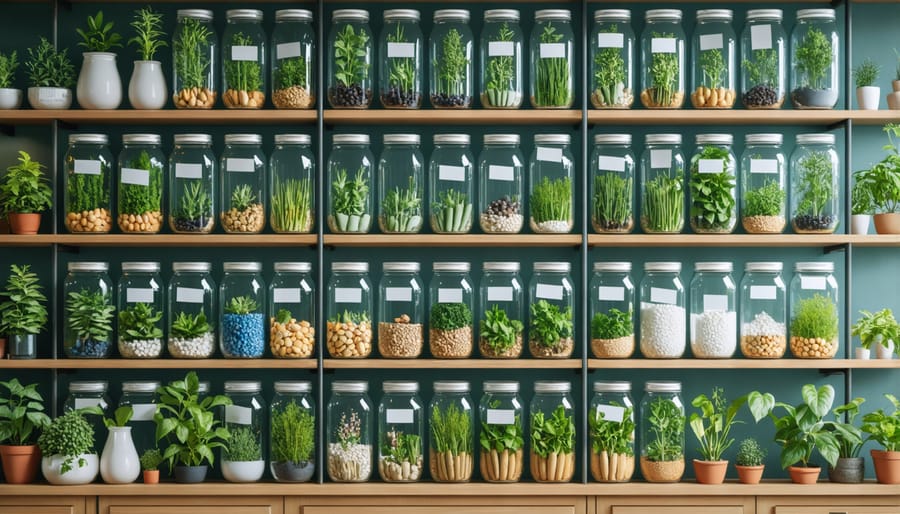
Properly labeled and stored perennial flower seeds in airtight glass containers
Organized seed storage system showing labeled glass jars with silica gel packets

Seed Viability Testing

Before planting your saved perennial flower seeds, it’s essential to check their viability to ensure successful germination. The good news is that testing seed viability can be done easily at home using simple methods that any gardener can master.

The most reliable method is the paper towel test. Take 10 seeds from your collection, place them on a damp paper towel, and fold it over to keep the seeds moist. Put the towel in a plastic bag and keep it in a warm spot around 70-75°F. Check daily and mist with water if needed. After 7-10 days, count how many seeds sprouted. If 8 or more germinate, you have excellent viability; 5-7 indicates moderate viability, while fewer than 5 suggests you may need fresh seeds.

For larger seeds, you can try the float test. Place the seeds in a container of water and wait 15 minutes. Seeds that sink are usually viable, while floating seeds are often empty or damaged. However, this method isn’t foolproof, as some healthy seeds naturally float.

In zone 9’s warm climate, seeds can lose viability more quickly due to heat and humidity. Store tested seeds in airtight containers with silica gel packets to absorb excess moisture. Keep them in a cool, dark place like a basement or refrigerator to extend their life span.

Remember that different perennial species have varying seed longevity. Some may remain viable for 2-3 years, while others might only last a season. Testing a small batch before planting your entire garden can save time and ensure better results in your zone 9 garden.

Growing perennial flowers from seeds in zone 9 offers endless possibilities for creating a sustainable and vibrant garden that returns year after year. By selecting native and well-adapted varieties, practicing proper seed collection and storage techniques, and understanding the unique growing conditions of your Mediterranean climate, you can establish a thriving flower garden that benefits both local pollinators and the environment.

Remember to start seeds at the right time, typically in early fall or late winter in zone 9, and provide appropriate care during their establishment period. Consider creating a seed exchange network with fellow gardeners in your area to share successful varieties and maintain genetic diversity in your garden. This not only helps preserve heirloom varieties but also builds a stronger gardening community.

As you develop your perennial garden, focus on sustainable practices like mulching, water conservation, and natural pest control methods. By saving your own seeds and growing perennials, you’re not just creating beauty – you’re contributing to a more sustainable future while enjoying the rewards of a garden that becomes more magnificent with each passing season.

How CSA Farms Transform Communities Through Social Work Principles

Posted by darrell on
0
CSA Fundamentals and Benefits
How CSA Farms Transform Communities Through Social Work Principles

The Council on Social Work Education’s (CSWE) nine core competencies serve as the bedrock of modern social work practice, transforming how community-supported agriculture (CSA) programs address food justice and social equity. These fundamental competencies – from ethical practice to community engagement – provide CSA organizers with a powerful framework to build more inclusive, sustainable food systems that serve diverse communities.

By integrating professional ethics, cultural competence, and evidence-based practice, CSA programs can move beyond simply providing fresh produce to become catalysts for social change. Whether working with limited-resource families, addressing food deserts, or creating educational programs for youth, these competencies enable agricultural initiatives to tackle complex social challenges while promoting environmental stewardship.

As local food systems evolve to meet growing community needs, understanding and implementing these core competencies becomes crucial for CSA managers, farm educators, and community organizers. This practical guide explores how each CSWE competency translates into actionable strategies for creating more equitable, accessible, and sustainable food networks that truly serve all members of our communities.

Multi-ethnic group harvesting vegetables together at a community farm
Diverse group of community members and farmers working together in a CSA garden

Fostering Community Engagement Through CSA Programs

Building Meaningful Relationships

CSA programs excel at building stronger, more inclusive communities by fostering meaningful connections between farmers and their members. These relationships go beyond simple transactions, creating a supportive network that benefits both parties. Farmers get to know their members personally, understanding their preferences and dietary needs, while members gain insight into the challenges and triumphs of local agriculture.

Regular farm visits, harvest celebrations, and volunteer opportunities allow members to participate directly in food production, creating lasting bonds with their farmers and fellow CSA members. Many CSAs also organize educational workshops, cooking demonstrations, and family-friendly events that bring people together around shared values of sustainable agriculture and healthy eating.

These connections often extend beyond the growing season, with members becoming long-term advocates for local food systems and sustainable farming practices. Through social media groups, newsletters, and community gatherings, CSAs create spaces for meaningful dialogue about food security, environmental stewardship, and local economic development.

Cultural Competency in Food Systems

Cultural competency in CSA programs goes beyond simply offering diverse produce varieties. Successful CSA farmers recognize and honor the various cultural food traditions within their communities, adapting their growing plans to meet these diverse needs. This might include cultivating specific ethnic crops, providing recipes that reflect different cultural cooking styles, and ensuring communications are accessible in multiple languages.

Many CSAs now collaborate with cultural community leaders to better understand dietary preferences and traditional farming practices. For example, some programs grow traditional Asian greens alongside typical Western vegetables, while others include heritage varieties from Latin American cuisine. These efforts help create more inclusive food systems that celebrate and preserve cultural food traditions.

To enhance cultural competency, CSA programs often organize multicultural cooking demonstrations, harvest festivals, and educational workshops that highlight diverse farming techniques. This approach not only serves various community needs but also enriches the overall CSA experience for all members, fostering cross-cultural understanding and appreciation through shared food experiences.

Social Justice in Local Food Access

Economic Accessibility Programs

Social workers in CSA programs play a vital role in making fresh, local produce accessible to all community members through innovative economic programs. By implementing sliding scale payment systems, farms can serve diverse economic backgrounds while helping to boost your local economy. These flexible payment structures allow members to pay based on their income level, ensuring that nutritious food remains within reach for families facing financial challenges.

Many successful CSAs integrate with food assistance programs like SNAP (Supplemental Nutrition Assistance Program) and WIC (Women, Infants, and Children), making it easier for eligible participants to use their benefits for fresh produce. Social workers help coordinate these partnerships and guide members through the enrollment process, removing barriers to participation.

Some innovative CSAs have established community fund programs where more financially secure members can contribute additional funds to support reduced-cost shares for others. This creates a sustainable model of community support while maintaining the farm’s economic viability. Social workers also connect members with additional resources like cooking classes, nutrition education, and budgeting workshops to maximize the value of their CSA participation.

By focusing on economic accessibility, social workers ensure that local organic produce becomes a realistic option for all community members, regardless of their financial situation.

CSA farm stand displaying prices and payment options including 'Pay what you can' and 'EBT accepted here' signs
Farm stand with sliding scale payment signage and EBT acceptance

Educational Outreach Initiatives

Educational outreach initiatives in sustainable food systems blend social work principles with agricultural education to create lasting community impact. Social workers partner with local farms, schools, and community organizations to develop programs that teach sustainable farming practices while addressing food security and social justice issues.

These initiatives often include hands-on workshops where community members learn about organic growing methods, composting, and seasonal crop planning. Social workers facilitate these learning experiences while ensuring programs remain accessible to diverse populations, including low-income families and historically underserved communities.

Youth education programs are particularly effective, combining classroom learning with practical garden experience. Students participate in planting, harvesting, and preparing fresh produce while learning about nutrition, environmental stewardship, and food justice. These programs often incorporate culturally relevant growing practices and recipes, honoring diverse community traditions.

Social workers also organize community education events focused on food preservation, cooking demonstrations, and farmers’ market operations. These sessions build practical skills while fostering community connections and promoting food system literacy. Through collaborative partnerships with local farmers, participants gain firsthand knowledge of sustainable agriculture while developing a deeper understanding of food production challenges and solutions.

By integrating social work competencies into agricultural education, these programs create meaningful change in how communities understand and interact with their food systems, promoting both environmental and social sustainability.

Advancing Human Rights Through Sustainable Agriculture

Environmental Justice

Community Supported Agriculture (CSA) programs play a vital role in promoting environmental justice and ecological sustainability in underserved communities. Through sustainable agriculture practices, CSAs help address food inequities while preserving natural resources and promoting biodiversity. These programs work to ensure that all community members, regardless of socioeconomic status, have access to fresh, nutritious produce while supporting environmental stewardship.

CSAs implement various strategies to promote ecological justice, including offering sliding-scale payment options, accepting SNAP benefits, and establishing community gardens in food desert areas. They also provide educational workshops on composting, water conservation, and organic farming methods, empowering residents to become environmental stewards in their neighborhoods.

By partnering with local social workers, CSAs create programs that address both environmental and social justice concerns. These collaborations often result in innovative solutions like youth farming programs, senior citizen garden initiatives, and cross-cultural farming exchanges that celebrate diverse agricultural traditions while promoting sustainable practices.

The success of these programs demonstrates how combining social work principles with sustainable agriculture can create lasting positive change in communities while protecting our environment for future generations.

Labor Rights and Fair Practices

Fair labor practices are foundational to ethical social work in agricultural settings. CSA programs must prioritize the well-being of all farm workers through comprehensive policies that ensure safe working conditions, fair wages, and reasonable hours. This includes providing proper safety equipment, regular breaks, and protection from hazardous materials or extreme weather conditions.

Social workers advocate for farm worker rights by establishing clear communication channels between management and laborers, facilitating conflict resolution, and ensuring access to healthcare and workers’ compensation. They help implement transparent wage structures that reflect the value of agricultural labor and support workers’ financial stability.

Cultural competency plays a vital role, as many farm workers come from diverse backgrounds. Social workers help create inclusive environments that respect cultural differences, language needs, and traditional farming practices. They also support workers’ rights to organize and participate in decision-making processes that affect their working conditions.

Training programs and skill development opportunities should be readily available, allowing workers to advance their careers and increase their earning potential. Social workers help design and implement these educational initiatives while ensuring they’re accessible and culturally appropriate. By prioritizing fair labor practices, CSA programs create sustainable working environments that benefit both workers and the broader agricultural community.

Research-Informed CSA Practices

Measuring Community Impact

Effective community impact measurement is essential for CSA programs that aim to transform local communities through sustainable agriculture. Successful programs typically employ a mix of quantitative and qualitative assessment tools to track their progress and outcomes. These include participant surveys, food access metrics, and regular community feedback sessions.

Key measurement areas often focus on:
– Number of families served through food assistance programs
– Increase in local food accessibility
– Community engagement levels
– Educational program participation rates
– Economic impact on local farmers
– Environmental sustainability indicators

Many CSAs use digital tracking systems to monitor distribution patterns and member satisfaction, while maintaining detailed records of harvest yields and resource allocation. Regular assessment helps programs adjust their strategies to better serve community needs and demonstrate their value to stakeholders.

Regular outcome evaluation enables CSAs to identify areas for improvement and celebrate successes, creating a continuous cycle of community-centered growth and development.

Data visualization showing statistics on food access improvement, community engagement, and environmental benefits of CSA programs
Infographic showing positive community impact metrics of CSA programs

Continuous Program Improvement

Community feedback is the cornerstone of effective social work practice, and successful practitioners consistently refine their approaches based on input from those they serve. This involves regularly gathering feedback through surveys, community meetings, and one-on-one conversations with clients and stakeholders. Social workers must stay attuned to changing community needs and adapt their services accordingly.

Effective program improvement also requires careful documentation and analysis of outcomes. Social workers track the success of their interventions, identify areas for growth, and implement evidence-based adjustments to enhance service delivery. This might involve modifying counseling techniques, updating resource referral networks, or restructuring program schedules to better accommodate community members.

The process is inherently collaborative, often involving team meetings where social workers share insights, discuss challenges, and brainstorm solutions. Professional development plays a crucial role, with practitioners staying current on emerging best practices through continuing education, peer supervision, and engagement with professional networks. This commitment to continuous improvement ensures that social work services remain relevant, effective, and responsive to evolving community needs.

Policy Practice in Local Food Systems

CSAs play a vital role in shaping local food policies and advocating for sustainable agriculture practices. Through community engagement and grassroots organizing, these organizations work to influence policy decisions that affect food access, land use, and farming regulations.

Successful CSA programs often partner with local government officials, social workers, and community leaders to develop initiatives that support small-scale farmers and expand access to fresh, healthy food. These partnerships have led to innovative programs like double-up food bucks at farmers’ markets, zoning changes that protect farmland, and farm-to-school programs that connect local growers with educational institutions.

Many CSAs engage in policy practice by organizing member advocacy days, where participants can learn about food policy issues and communicate directly with their representatives. They also collaborate with social workers to identify barriers to food access and develop solutions that address community needs. This might include establishing mobile markets in food desert areas or creating sliding-scale payment options for low-income families.

Social workers within CSA programs often help document the impact of local food systems on community well-being, gathering data that supports policy advocacy efforts. They may track metrics like improved nutrition outcomes, increased food security, and economic benefits to local farmers. This evidence-based approach strengthens proposals for policy changes and funding requests.

By combining social work principles with agricultural expertise, CSAs create powerful advocacy networks that promote food justice and sustainable farming practices while ensuring their communities have a voice in local food policy decisions.

Community Supported Agriculture programs exemplify the core competencies of social work by creating meaningful connections between farmers and communities while addressing systemic food access challenges. Through direct farmer-consumer relationships, CSAs build trust and understanding across diverse populations, fostering social justice and equitable food distribution. These programs demonstrate ethical practice by prioritizing transparency in growing methods and pricing, while ensuring fair compensation for farmers’ labor.

By engaging with local schools, food banks, and community organizations, CSAs advance human rights and social justice through innovative sliding-scale payment options and food assistance partnerships. They create lasting change by educating communities about sustainable agriculture, nutrition, and environmental stewardship. The collaborative nature of CSAs reflects social work’s emphasis on engaging with individuals and communities to promote positive outcomes.

CSAs serve as practical examples of how social work principles can transform local food systems. They address food insecurity through policy advocacy, community organization, and direct service delivery. By incorporating diverse voices in decision-making processes and adapting to community needs, these programs demonstrate cultural competency and responsiveness.

The success of CSAs in creating lasting community change shows how social work competencies can be effectively applied outside traditional settings. Through this integration of social work principles and sustainable agriculture, CSAs continue to build more resilient, equitable, and connected communities.

Fresh From Georgia Soil: Your Month-by-Month Produce Calendar

Posted by darrell on
0
Seasonal Planning and Management
Fresh From Georgia Soil: Your Month-by-Month Produce Calendar

Georgia’s rich soil and diverse climate zones create the perfect environment for an abundance of seasonal produce year-round. From the crisp mountain air of North Georgia to the coastal plains of the South, our state’s farmers harness year-round growing techniques to deliver fresh, local harvests throughout all four seasons.

Discover sweet Vidalia onions emerging in spring, juicy peaches coloring summer markets, hearty collard greens thriving in fall, and nutritious root vegetables sustaining us through winter. This natural rhythm of Georgia’s growing seasons not only provides peak-flavor produce but also supports our local farming communities and reduces environmental impact through decreased transportation needs.

Whether you’re a home gardener planning your plots, a conscious consumer seeking the freshest options, or a market shopper looking to maximize your grocery budget, understanding Georgia’s seasonal bounty helps you eat better, save money, and connect with our state’s agricultural heritage. Let’s explore what each season brings to our tables and how to make the most of nature’s perfect timing.

Spring Bounty (March-May)

Early Spring Crops

As Georgia’s winter frost gives way to warmer days, early spring brings a bounty of fresh, vibrant produce across the state. Strawberries lead the charge, typically appearing in March and reaching their peak sweetness by April. These ruby-red gems thrive in Georgia’s climate, offering locals the perfect opportunity to enjoy fresh-picked berries or participate in popular U-pick experiences at local farms.

Spring onions and their milder cousins, green onions, emerge as essential early-season crops, adding a crisp, zesty flavor to seasonal dishes. Their tender stalks and fresh taste make them a favorite among home cooks and chefs alike.

Leafy greens dominate the early spring landscape, with varieties like kale, collards, and Swiss chard thriving in the mild temperatures. These nutrient-packed greens are particularly sweet and tender when harvested during this time. Spinach and various lettuces also flourish, providing the perfect base for fresh spring salads.

Other early spring favorites include radishes, which can be ready for harvest in as little as 30 days, and tender asparagus spears that signal winter’s end. Herbs like cilantro, parsley, and dill also make their appearance, adding fresh flavors to seasonal cooking.

For Georgia gardeners and farmers, this period marks an exciting transition as the soil warms and new growth emerges. Many of these early spring crops can be planted in succession for continuous harvests throughout the season.

Red ripe strawberries growing on plants with farmer's hands picking them
Fresh Georgia strawberries being harvested in a field during early spring

Late Spring Harvest

Late spring in Georgia brings a bounty of fresh, tender produce that captures the essence of the season. By May, gardens and farms across the state burst with vibrant sweet peas, their delicate tendrils producing crisp, sweet pods perfect for fresh eating or quick cooking. These spring treasures are best harvested in the cool morning hours to preserve their natural sweetness.

New potatoes, those small, tender gems with paper-thin skins, make their eagerly anticipated appearance during this time. Unlike their mature counterparts, these young potatoes offer a delightfully creamy texture and subtle, nutty flavor that’s uniquely spring. They’re particularly wonderful when simply prepared with fresh herbs and butter.

Speaking of herbs, late spring sees an explosion of aromatic varieties throughout Georgia gardens. Fragrant basil, cilantro, dill, and parsley thrive in the warming temperatures, providing essential flavors for seasonal cooking. These herbs not only enhance your dishes but also attract beneficial pollinators to your garden.

This is also prime time for harvesting tender salad greens before the summer heat sets in. Look for butter lettuce, arugula, and spinach, which offer the perfect base for light spring meals. Local farmers’ markets showcase these seasonal delights, often harvested just hours before sale for peak freshness and flavor.

Remember to harvest these spring crops regularly to encourage continued production before the intense Georgia summer arrives.

Summer’s Peak Season (June-August)

Georgia’s Famous Peaches

Georgia’s signature peaches grace our markets from mid-May through early August, with peak season hitting in July. These sweet, juicy fruits have earned our state its nickname “The Peach State,” and for good reason – the unique combination of Georgia’s climate, soil composition, and dedicated farming practices produces some of the most flavorful peaches you’ll ever taste.

Local farmers cultivate several varieties throughout the season, each bringing its own distinctive characteristics to the table. Early-season favorites like SpringPrince and FirePrince kick things off in May, offering a perfectly balanced sweetness that signals summer’s arrival. As June rolls in, you’ll find the deeply colored Red Haven and elegant White Lady peaches filling market stands.

July brings the crown jewels of Georgia’s peach harvest – the freestone varieties. These include the celebrated Elberta peach, known for its rich golden flesh and easy pit removal, and the Belle of Georgia, prized for its white flesh and honey-sweet flavor. These varieties are particularly popular for canning and preserving, allowing locals to enjoy Georgia peach goodness year-round.

For the best peach-picking experience, look for fruits that give slightly when gently squeezed and have a strong, sweet aroma. Local farmers recommend storing firm peaches at room temperature until they reach desired ripeness, then transferring them to the refrigerator. For maximum flavor, bring them back to room temperature before eating.

Many small family farms across the state offer U-pick experiences during peak season, providing a wonderful opportunity to connect with local agriculture while gathering the freshest peaches possible.

Close-up of fuzzy, pink-orange Georgia peaches hanging on a tree branch
Sun-ripened Georgia peaches on a tree branch with morning light

Summer Vegetables

Georgia’s summer growing season brings an abundance of vibrant vegetables that thrive in the warm southern climate. To optimize summer growing conditions, many local farmers plant their crops in stages, ensuring a continuous harvest throughout the season.

Tomatoes reign supreme during Georgia summers, with varieties like Cherokee Purple and Better Boy producing sweet, juicy fruits from June through September. These heat-loving plants are joined by an array of peppers, from mild bell peppers to spicy jalapeños and heritage varieties like the Georgia Flame.

Sweet corn becomes a staple during these months, with Silver Queen and Peaches & Cream varieties offering exceptional sweetness. For the best flavor, many local farmers suggest eating corn the same day it’s picked. Okra, a Southern favorite, produces abundantly in the hot weather, with farmers harvesting the tender pods every few days.

Summer squash varieties flourish, including yellow crookneck, zucchini, and patty pan squash. These prolific plants often produce more than enough for both market and table. Eggplants reach their peak during this time, with both traditional Italian varieties and Asian cultivars thriving in Georgia’s heat.

Cucumbers grow rapidly during summer months, perfect for fresh eating or pickling. Green beans, both bush and pole varieties, produce heavy yields when regularly harvested. Many farmers also grow field peas and butter beans, traditional Southern crops that are heat-tolerant and nutrient-rich.

Remember that morning harvesting is crucial for most summer vegetables, helping maintain freshness and optimal flavor in Georgia’s intense summer heat.

Fall Harvest (September-November)

Root Vegetables

Georgia’s rich soil and favorable climate create perfect conditions for growing a variety of nutritious root vegetables. Sweet potatoes are a southern staple, thriving in the state’s sandy loam soil and producing abundantly from late summer through fall. These versatile tubers come in several varieties, from the traditional orange-fleshed Beauregard to the purple-hued Japanese sweet potatoes.

Carrots are another root crop that does exceptionally well in Georgia’s soil, especially during the cooler seasons. Fall plantings often maximize fall harvest yields and produce sweeter carrots, as the cold temperatures encourage sugar development in the roots. Local farmers typically grow both traditional orange carrots and heritage varieties in purple, yellow, and white.

Other successful root crops include turnips, which offer both nutritious roots and leafy greens, and radishes, which can be ready for harvest in as little as 25 days. Parsnips and rutabagas also thrive during Georgia’s mild winters, providing tasty alternatives for seasonal cooking.

Many local organic farmers practice crop rotation with their root vegetables to maintain soil health and prevent pest problems. These crops are not only delicious but also store well, making them excellent choices for sustainable food storage throughout the year.

Fall Fruits

As autumn’s crisp air settles over Georgia, the state’s orchards and vineyards burst with some of the season’s most beloved fruits. Georgia’s apple harvest reaches its peak during fall months, with varieties like Red Delicious, Granny Smith, and the heritage Arkansas Black thriving in the cooler North Georgia climate. These fresh-picked apples offer a sweetness and crunch that store-bought varieties simply can’t match.

Pears also make their grand appearance during fall, with both Asian and European varieties growing beautifully in Georgia’s soil. Bartlett, Seckel, and Kieffer pears are particularly well-suited to our climate, offering gardeners and farmers reliable yields year after year. These versatile fruits are perfect for fresh eating, preserving, or baking into fall desserts.

Perhaps the South’s best-kept secret is the muscadine grape, which reaches perfect ripeness in early fall. These thick-skinned grapes are packed with antioxidants and boast a uniquely sweet flavor that’s distinctly Southern. Whether growing wild or cultivated, muscadines are incredibly resilient and well-adapted to Georgia’s growing conditions, making them an excellent choice for home gardeners.

For the best flavor and nutrition, look for these fall fruits at local farmers markets or consider visiting a pick-your-own orchard. Many Georgia farms offer fall harvest festivals where you can experience picking these seasonal treasures firsthand while supporting local agriculture.

Winter Growing (December-February)

Cold-Hardy Vegetables

Georgia’s winter months bring forth a bounty of cold-hardy vegetables that thrive in the cooler temperatures. Collard greens, a Southern staple, become sweeter and more flavorful after exposure to frost, making them a cherished winter crop. These nutritious greens are joined by their equally robust cousins – kale, mustard greens, and turnip greens – which flourish from late fall through early spring.

Swiss chard and spinach add vibrant color to winter gardens, offering tender leaves packed with vitamins and minerals. Brussels sprouts and cabbage develop their best flavor during the cool season, while root vegetables like turnips and rutabagas store well and provide hearty sustenance throughout winter.

For home gardeners and farmers alike, these cold-hardy vegetables require minimal protection even during Georgia’s occasional freezes. Many can be harvested multiple times throughout the season, providing a continuous supply of fresh, nutritious produce. Their resilience makes them excellent choices for sustainable winter gardening, and their versatility in the kitchen – from traditional Southern dishes to modern healthy recipes – keeps them in high demand at local markets.

Protected Growing

Georgia farmers and gardeners are increasingly turning to protected growing methods to extend their growing seasons and diversify crop production. Greenhouses and high tunnels offer valuable shelter from extreme weather, allowing for year-round cultivation of certain vegetables and herbs. These controlled environments are particularly useful for starting seedlings early and implementing cold-weather growing strategies during Georgia’s mild winters.

Cold frames, which are smaller and more affordable than greenhouses, provide an excellent entry point for home gardeners looking to extend their growing season. These simple structures can protect tender plants from frost and enable earlier spring planting of heat-loving crops like tomatoes and peppers.

Many local farmers combine these methods with traditional outdoor growing, creating a hybrid approach that maximizes production throughout the year. This strategy helps ensure a steady supply of fresh produce even during challenging weather conditions, while reducing dependence on out-of-state imports. Popular protected crops include salad greens, herbs, cherry tomatoes, and specialty items like microgreens, which command premium prices at local markets.

Interior of greenhouse showing organized rows of winter greens and growing equipment
Winter greenhouse growing setup with rows of cold-hardy greens

Storage Tips for Local Produce

Proper storage of your local Georgia produce can help you enjoy the harvest longer while reducing food waste. Here are some tried-and-true storage tips for common Georgia fruits and vegetables:

For leafy greens like collards and kale, wrap them loosely in slightly damp paper towels and store in a plastic bag in the crisper drawer. They’ll stay fresh for up to a week this way. Sweet Vidalia onions need a cool, dry, well-ventilated space – keep them in mesh bags or pantyhose with knots between each onion.

Stone fruits like peaches and plums should ripen on the counter, then move to the refrigerator once they’re perfectly ripe. They’ll last another 3-5 days. For tomatoes, never refrigerate them! Keep them stem-side down on the counter away from direct sunlight.

Root vegetables like sweet potatoes and carrots prefer dark, cool spaces around 55-60°F. Store them in paper bags with a few holes punched for airflow. Summer squash and zucchini do best in the crisper drawer, while winter squash can stay at room temperature for weeks.

For berries, don’t wash them until you’re ready to eat. Store them in a single layer in a paper towel-lined container. Remove any crushed or moldy berries immediately to prevent spreading. Fresh herbs will last longest when treated like flowers – trim the stems and place them in a glass of water with a loose plastic bag over top.

Remember to check your stored produce regularly and use the oldest items first to minimize waste.

Transform Your School’s CSA Program with These Powerful Collaboration Techniques

Posted by darrell on
0
Educational Programs and Partnerships
Transform Your School’s CSA Program with These Powerful Collaboration Techniques

Transform your school’s collaborative culture through the 7 norms of collaboration, a proven framework that powers successful CSA programs in education and enriches learning environments. These norms – pausing, paraphrasing, probing for specificity, putting ideas on the table, paying attention to self and others, presuming positive intentions, and pursuing a balance between advocacy and inquiry – create the foundation for meaningful educational partnerships that thrive.

When educators and agricultural partners embrace these collaborative principles, they forge lasting connections that benefit both students and communities. From classroom gardens to farm-to-table initiatives, these norms guide interactions that transform theoretical knowledge into practical, hands-on learning experiences. They empower teachers, administrators, and community partners to work together seamlessly, creating sustainable educational programs that nurture both academic growth and environmental stewardship.

By mastering these seven essential norms, schools develop the capacity to build innovative programs that connect students with their food systems while meeting core curriculum requirements. This powerful framework ensures that collaborative efforts remain focused, productive, and aligned with educational goals.

Pausing: Creating Space for Thoughtful Curriculum Integration

Practical Applications in Farm-School Planning

At Green Valley Farm, program coordinator Sarah Martinez found that implementing strategic pauses during planning meetings led to more thoughtful curriculum development. By taking a moment to reflect after each suggestion, teachers and farmers could better align growing schedules with lesson plans. Similarly, Stone Creek CSA improved their school partnership by incorporating brief reflection periods during harvest planning, allowing educators to suggest age-appropriate activities for different grade levels.

These pauses proved especially valuable during seasonal transition meetings, where farmers and teachers needed to coordinate spring planting with academic calendars. The River Bend School District reported a 40% increase in student engagement after their farm partner started using collaborative pauses to develop more interactive field trip experiences.

Small practices, like counting to five before responding to new ideas or taking a two-minute reflection break during planning sessions, helped teams develop more creative and practical solutions for connecting classroom learning with farm activities.

Paraphrasing: Building Understanding Between Farmers and Educators

Farmers and educators participating in a collaborative planning session for a CSA school program
A diverse group of farmers and teachers engaged in a collaborative meeting, sitting in a circle and actively listening to each other

Communication Tools for CSA-School Partnerships

Effective communication between CSA farms and schools requires thoughtful planning and the right tools. Farmers and educators can utilize collaborative teaching strategies to create engaging learning experiences. Regular check-ins through video calls or monthly in-person meetings help maintain alignment on educational goals. Shared digital calendars ensure everyone stays informed about harvest schedules and school visit dates. Creating a simple newsletter or blog updates parents and teachers about farm activities and learning opportunities. Consider using messaging apps for quick updates and photos from the farm. Visual aids like seasonal crop charts and farm maps help students connect with the growing process. Document sharing platforms allow teachers and farmers to develop and refine lesson plans together, ensuring agriculture education remains dynamic and relevant.

Probing: Deepening Farm-to-School Connections

Essential Questions for Program Development

When developing collaborative programs between CSAs and schools, several essential questions help guide the process and ensure meaningful outcomes. What are our shared goals and values? How can we align our farming practices with educational objectives? What resources and expertise can each partner bring to the table? These foundational inquiries help establish clear expectations and responsibilities.

Consider practical aspects: How will we schedule activities around growing seasons? What safety protocols need to be in place? How can we make the program accessible to all students? What metrics will we use to measure success? Think about sustainability: How can we ensure long-term program viability? What funding sources are available? How will we adapt to changing needs?

These questions create a framework for thoughtful program development, encouraging partners to address crucial aspects before implementation, leading to more robust and successful collaborations.

Putting Ideas on the Table: Enriching Agricultural Education

In collaborative agricultural education, sharing diverse perspectives enriches the learning experience for everyone involved. CSA farmers and educators can create dynamic curriculum by encouraging all participants to contribute their unique insights and experiences. This approach is particularly effective when developing school garden programs that combine traditional farming wisdom with modern sustainable practices.

To facilitate meaningful idea sharing, establish regular brainstorming sessions where farmers, teachers, and students can contribute their thoughts freely. Create an environment where both experienced farmers and newcomers feel comfortable sharing their knowledge. Use visual aids like seasonal planting calendars or crop rotation diagrams to help illustrate concepts and spark discussion.

Consider implementing a rotating leadership model where different community members take turns leading educational sessions. This approach allows for various teaching styles and perspectives while building confidence among participants. Farmers can share practical field experience, while educators can contribute pedagogical expertise.

Document all ideas shared during planning sessions, creating a resource bank that grows over time. This collection becomes invaluable for future curriculum development and helps track the evolution of your agricultural education program. Remember to regularly revisit and update these resources based on seasonal changes and learning outcomes.

Farmer teaching students about vegetable harvesting in an educational garden setting
Students and farmer examining vegetables in a school garden, with the farmer demonstrating harvesting techniques

Paying Attention to Self and Others: Creating Inclusive Programs

Creating an inclusive environment begins with mindful attention to both ourselves and others in collaborative settings. This means being present and aware of how we communicate, interact, and respond to different perspectives and ideas. When working together in school-CSA partnerships, it’s essential to practice active listening and demonstrate genuine respect for diverse viewpoints.

One effective strategy is to regularly check in with yourself about your participation levels. Are you contributing enough? Perhaps too much? Finding this balance helps ensure everyone has space to share their insights. Similarly, paying attention to others’ verbal and non-verbal cues can help you gauge when to step back or encourage quieter participants to join the conversation.

Consider implementing simple practices like pausing before responding to others’ ideas, acknowledging contributions with specific feedback, and creating opportunities for all voices to be heard. This might mean rotating discussion leadership roles or using structured sharing techniques that give everyone equal time to speak.

Remember that inclusive collaboration isn’t just about equal speaking time – it’s about creating an environment where everyone feels valued and heard. This includes being mindful of different communication styles, cultural perspectives, and experience levels. By maintaining awareness of both self and others, we can build stronger, more effective partnerships that benefit both schools and local farms.

Presuming Positive Intentions: Building Trust in Farm-School Partnerships

Building trust is fundamental to successful farm-school partnerships, and presuming positive intentions is a powerful way to establish that foundation. When farmers and educators approach collaboration with the belief that everyone involved wants the best outcomes for students, it creates an atmosphere of mutual respect and understanding.

This norm encourages partners to interpret actions and communications in the most favorable light possible. For example, if a teacher needs to reschedule a farm visit, rather than assuming inconvenience, farmers can recognize the complexity of managing classroom schedules and appreciate the teacher’s commitment to making the experience meaningful for students.

Similarly, when schools understand that farmers operate under weather constraints and seasonal demands, they’re more likely to be flexible and supportive partners. This positive mindset helps overcome common challenges like scheduling conflicts or communication gaps.

Consider starting partnerships with informal meet-and-greets where both parties can share their goals and vision. These casual conversations often reveal shared values and enthusiasm for connecting children with agriculture. When challenges arise, partners who presume positive intentions are more likely to seek solutions rather than assign blame.

Remember that trust builds gradually through consistent positive interactions. Celebrate small successes, acknowledge each partner’s contributions, and maintain open communication channels to strengthen these valuable educational relationships.

Visual diagram depicting the seven norms of collaboration in a connected circular pattern
Infographic showing interconnected circular icons representing the 7 norms of collaboration with visual symbols for each norm

Pursuing a Balance of Inquiry and Advocacy: Sustainable Program Development

In developing sustainable educational programs, striking the right balance between inquiry and advocacy is crucial for long-term success. When collaborating with schools on farm-based education initiatives, it’s essential to maintain open dialogue while steadily working towards program objectives.

This balance is achieved by fostering an environment where all stakeholders feel heard while keeping momentum towards established goals. For example, when introducing new farming concepts to students, educators should encourage questions and exploration while gently guiding discussions toward learning objectives. This approach helps maintain engagement while ensuring educational standards are met.

Success stories from CSA farmers show that the most effective programs emerge when facilitators alternate between listening to participants’ needs and advocating for sustainable farming practices. This might involve adjusting lesson plans based on student feedback while ensuring core agricultural concepts remain central to the curriculum.

To maintain this balance, consider:
– Regular check-ins with all stakeholders
– Flexible program structures that allow for adaptation
– Clear communication channels between farms and schools
– Documentation of both successes and areas for improvement
– Periodic evaluation of program goals against actual outcomes

This approach ensures programs remain responsive to community needs while advancing sustainable agriculture education objectives.

The implementation of the seven norms of collaboration has proven instrumental in fostering successful partnerships between CSA farms and schools. When farmers and educators embrace these principles, they create a dynamic learning environment that benefits students, teachers, and the farming community alike. Through pausing, paraphrasing, and posing questions, both parties develop a deeper understanding of each other’s needs and objectives, leading to more effective educational programs.

The practice of putting ideas on the table while paying attention to self and others has enabled the creation of innovative curriculum solutions that integrate hands-on farming experiences with academic learning. Successful partnerships have shown that presuming positive intentions helps overcome initial challenges, while pursuing a spirit of inquiry keeps the collaboration fresh and engaging for all participants.

These norms have helped CSA farmers and educators build sustainable, long-term relationships that go beyond simple field trips to create meaningful agricultural education experiences. Schools report increased student engagement in science and nutrition topics, while farmers benefit from community connection and sustained support. By consistently applying these collaborative principles, partners can create robust programs that inspire the next generation of sustainable agriculture advocates while strengthening local food systems.

Remember, successful implementation requires commitment, practice, and patience from all participants, but the resulting educational and community benefits make it well worth the effort.

How CSA Farms Are Building Stronger, More Inclusive Communities

Posted by darrell on
0
CSA Fundamentals and Benefits
How CSA Farms Are Building Stronger, More Inclusive Communities

Transform local food systems into engines of social change through Community Supported Agriculture. Sliding-scale payment options create food access across income levels, while volunteer programs build bridges between diverse community members. CSA farms serve as living classrooms, offering hands-on education that empowers future generations of sustainable farmers and conscious consumers.

By connecting producers directly with consumers, these agricultural partnerships break down social barriers and create meaningful relationships across cultural and economic divides. Farm-to-table programs in schools and community centers ensure fresh, nutritious produce reaches underserved neighborhoods, while skill-sharing workshops cultivate food sovereignty and agricultural knowledge within local communities.

These initiatives don’t just grow food – they nurture social equity, environmental stewardship, and community resilience. Through conscious farming practices and inclusive distribution models, CSAs demonstrate how sustainable agriculture can address both food security and social justice.

Breaking Down Economic Barriers to Fresh Food

Flexible Payment Options

We believe everyone should have access to fresh, organic produce, which is why we offer various payment options to accommodate different financial situations. Our sliding scale fee structure allows members to pay based on their income level, ensuring that healthy food remains accessible to all community members.

For those who prefer to spread out their payments, we offer flexible monthly payment plans rather than requiring a single upfront payment for the entire season. This approach helps many families better manage their budget while still enjoying the benefits of farm-fresh produce.

We’re proud to accept SNAP/EBT benefits, making it easier for families participating in food assistance programs to access our organic produce. Additionally, we partner with local organizations to provide matching funds for SNAP purchases, effectively doubling the buying power for eligible members.

Some members choose to contribute more than their share’s base price, helping to subsidize reduced-cost shares for others in our community. This pay-it-forward system strengthens our community bonds and ensures that good food reaches more tables.

Work-Share Programs

Work-share programs offer a unique opportunity for community members to get their hands dirty while earning fresh, organic produce. Instead of paying with money, participants contribute their time and labor on the farm, typically working 4-8 hours per week during the growing season. These programs create a win-win situation: farmers receive much-needed help with tasks like planting, weeding, and harvesting, while workers gain valuable farming experience and take home fresh vegetables.

Many farms structure their work-share programs to accommodate different schedules and physical abilities. Some offer flexible hours, while others maintain set weekly schedules. Tasks might include everything from seedling care in the greenhouse to produce washing and CSA box preparation. Through these hands-on experiences, participants learn sustainable farming practices, develop new skills, and connect deeply with their food source.

The social impact extends beyond the exchange of labor for food. Work-share programs often create lasting friendships among participants and farmers, while making organic produce accessible to those who might otherwise find it financially out of reach.

Multi-generational and multicultural group harvesting fresh produce during a CSA work-share day
Diverse group of community members picking vegetables together at a CSA farm

Creating Inclusive Farming Communities

Multicultural Growing Programs

CSA farms are increasingly embracing diverse growing traditions, transforming local communities through multicultural agricultural programs. Many farms now incorporate growing methods and crops from various cultural backgrounds, creating inclusive spaces that celebrate diversity while producing nutritious food.

For example, the Rainbow Fields CSA in Ontario features dedicated plots where immigrant farmers can grow traditional crops from their home countries. They cultivate everything from Mexican epazote and Thai holy basil to African bitter leaf and Chinese long beans. This program not only preserves cultural heritage but also introduces community members to new vegetables and cooking traditions.

The Heritage Harvest Project in British Columbia partners with Indigenous communities to grow traditional First Nations crops like wild rice, saskatoon berries, and traditional varieties of squash. Their knowledge-sharing workshops connect elders with younger generations, ensuring ancient growing practices continue to thrive.

Urban Roots Collective in Montreal maintains a “World Gardens” section where families from different cultural backgrounds mentor other CSA members in growing techniques from their homeland. This exchange of agricultural wisdom has resulted in vibrant mixed gardens that produce diverse crops year-round, while fostering cross-cultural relationships and deeper community connections.

These multicultural growing initiatives help preserve agricultural heritage while creating more resilient and inclusive food systems that reflect our diverse communities.

Educational workshop featuring various cultural farming traditions and heritage crops
Community workshop showing diverse crops and cultural growing methods

Educational Initiatives

Our educational initiatives create lasting impacts by sharing knowledge and fostering connections within the community. Through hands-on workshops, local residents learn essential skills like composting, seed saving, and seasonal planting techniques. These sessions not only build practical skills but also help participants understand the importance of sustainable agriculture.

Youth programs form a cornerstone of our educational outreach. School garden projects introduce children to the joy of growing food while teaching science, nutrition, and environmental stewardship. Summer camps offer immersive experiences where young people can connect with nature, learn about food systems, and develop leadership skills through farm-based activities.

Our skill-sharing program pairs experienced farmers with aspiring growers, creating meaningful mentorship opportunities. Monthly community gatherings feature demonstrations on topics like food preservation, natural pest management, and cooking with seasonal ingredients. These events strengthen neighborhood bonds while spreading valuable agricultural knowledge.

We’ve also developed partnerships with local schools and community organizations to expand our reach. Through these collaborations, we offer internships, work-study opportunities, and specialized training programs. Participants gain hands-on experience in sustainable farming practices while contributing to their community’s food security.

By making agricultural education accessible to all, we’re cultivating the next generation of conscious consumers and sustainable farmers.

Supporting New Farmers

Mentorship Programs

Mentorship programs form the backbone of our farming community’s future, creating pathways for aspiring farmers to gain hands-on experience and knowledge. Experienced farmers work closely with newcomers, sharing generations of wisdom about soil health, crop rotation, and sustainable farming practices. These partnerships typically run for one to two growing seasons, allowing mentees to experience the full agricultural cycle.

Many established farmers offer apprenticeships that combine practical field work with structured learning sessions. Participants learn essential skills like crop planning, organic pest management, and business operations. Some programs specifically focus on supporting underrepresented groups in agriculture, including women, people of color, and veterans, helping to create a more diverse and inclusive farming community.

The beauty of these mentorship programs lies in their ripple effect – today’s mentees become tomorrow’s mentors, creating a sustainable cycle of knowledge sharing. Support systems often extend beyond the growing season, with regular workshops, networking events, and ongoing consultation opportunities that help new farmers establish their own successful operations.

Experienced farmer demonstrating proper plant care techniques to new farmer from underrepresented background
Young farmer learning organic growing techniques from experienced mentor

Land Access Initiatives

Land access initiatives are making significant strides in helping aspiring farmers overcome one of their biggest hurdles: finding affordable farmland. Through innovative programs like land-linking services, community land trusts, and farmer incubator projects, new farmers can connect with landowners willing to lease or sell their property for agricultural purposes.

Many established CSA farms participate in mentorship programs, offering their land as training grounds for the next generation of farmers. These programs typically combine hands-on farming experience with guidance on business planning and sustainable agriculture practices. Some even provide graduated lease arrangements, where new farmers can start small and expand their operations as they gain experience and build their customer base.

Organizations like the Young Farmers Coalition and local agricultural extension offices often coordinate these initiatives, creating databases of available farmland and helping match experienced farmers with newcomers. Some programs specifically focus on supporting historically underserved communities, including BIPOC farmers and women in agriculture, addressing long-standing inequities in land access.

These initiatives not only help preserve agricultural land but also ensure the continuation of local food systems for future generations.

Success Stories

The impact of CSA farms extends far beyond providing fresh produce, as demonstrated by numerous success stories from CSA programs across the country. Take Green Meadows Farm in Vermont, which partnered with local schools to create a youth education program. Through this initiative, over 200 students annually learn about sustainable farming practices while gaining hands-on experience in food production.

In Seattle, Urban Roots CSA established a successful sliding-scale payment system that makes organic produce accessible to families of all income levels. They’ve helped feed over 500 low-income households while maintaining a thriving farm business. Their model has since been adopted by dozens of other CSAs nationwide.

The Rainbow Fields CSA in California demonstrates how these programs can support veteran rehabilitation. Their “Warriors to Farmers” program has helped 30 veterans transition to civilian life through agricultural training and employment opportunities. Many participants have gone on to start their own small farms or food-related businesses.

In Michigan, Family First Farm created an innovative partnership with local senior centers, delivering fresh produce alongside social connection. Their weekly delivery program includes visits from farmers and volunteers, helping combat isolation among elderly community members while ensuring access to nutritious food.

These examples showcase how CSAs serve as catalysts for positive social change, creating ripple effects that strengthen community bonds, promote food security, and build more resilient local food systems. Each success story represents countless lives touched and communities transformed through sustainable agriculture.

Community Supported Agriculture represents more than just a way to get fresh, local produce – it’s a powerful catalyst for transforming our food system into one that’s more equitable, sustainable, and community-centered. Through flexible payment plans, work-share opportunities, and sliding scale pricing, CSAs are making healthy, organic food accessible to diverse communities. These farms create valuable connections between urban and rural residents, foster food literacy, and provide hands-on learning experiences for future generations. By supporting small-scale farmers while building food security, CSAs demonstrate how sustainable agriculture can address both environmental and social justice concerns. As these programs continue to evolve and expand, they’re proving that a more inclusive and resilient food system isn’t just possible – it’s already taking root in communities across the country.