Yearly Archives

291 Articles

Transform Your CSA Produce: Ancient Soil Wisdom Meets Modern Fermentation

Posted by darrell on
0
Culinary and Food Preservation
Transform Your CSA Produce: Ancient Soil Wisdom Meets Modern Fermentation

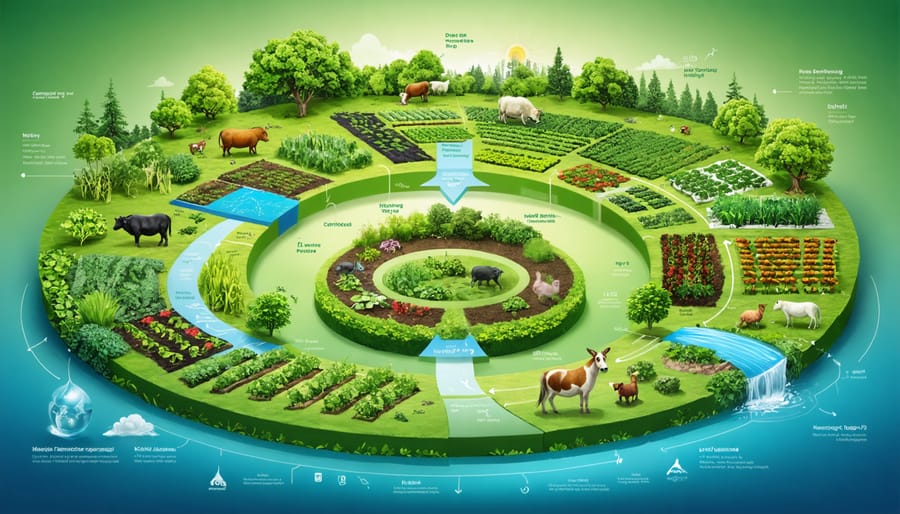
Transform your soil into a thriving ecosystem by embracing regenerative agriculture’s six foundational principles, each amplified through the power of fermentation. As you master vegetable fermentation, you’ll unlock nature’s most potent tools for building resilient, productive farmland.

Beyond organic farming, regenerative practices work in harmony with natural cycles to create abundantly fertile soil, enhance biodiversity, and sequester carbon. These principles don’t just sustain the land—they actively regenerate it, producing nutrient-dense foods while healing our planet.

Whether you’re managing acres of farmland or tending a backyard garden, implementing these six principles will revolutionize your growing practices. By incorporating fermented amendments and probiotic-rich solutions, you’ll accelerate soil healing, boost plant immunity, and cultivate crops that thrive without synthetic inputs.

Get ready to discover how ancient wisdom meets modern science in a system that doesn’t just grow food—it revitalizes entire ecosystems while producing exceptional harvests. Your journey toward regenerative success starts with understanding these crucial principles and their powerful connection to fermentation practices.

Building Living Soil Through Fermented Amendments

Creating Probiotic-Rich Soil Amendments

Creating probiotic-rich soil amendments is like brewing a nutritious smoothie for your garden. By fermenting plant materials, you can develop powerful soil enrichments that boost microbial life and enhance nutrient cycling. Start by collecting green materials like grass clippings, leaves, and food scraps. Mix these with a fermentation starter (like effective microorganisms or natural yogurt) and molasses in a sealed container.

Let the mixture ferment for 2-3 weeks in a dark, room-temperature space. During this time, beneficial microorganisms multiply and break down the organic matter into a form that plants can readily absorb. The final product should have a sweet-sour smell, similar to pickled vegetables.

Local farmer Sarah Martinez shares, “Since I started using fermented amendments, my soil’s structure has improved dramatically. My plants are more resilient, and I’ve noticed fewer pest problems.” Apply the finished amendment by diluting it with water (1:20 ratio) and spraying it directly onto soil or compost piles. This practice not only enriches your soil but also reduces waste by transforming garden “scraps” into valuable resources.

Comparison of depleted and healthy living soil samples showing microbial activity
Split image showing soil samples – one poor soil vs one rich with organic matter and visible microorganisms

Microbial Balance in Healthy Soils

A thriving soil ecosystem depends on the delicate balance of beneficial microorganisms working together. Through sustainable farming practices, we can nurture these microscopic allies using fermented amendments like compost tea and bokashi. These natural preparations introduce diverse bacterial and fungal communities that help break down organic matter, fix nitrogen, and create nutrient-rich humus.

When we add fermented materials to our soil, we’re essentially providing a probiotic boost that strengthens the soil food web. Beneficial microbes help protect plants from pathogens, improve nutrient absorption, and enhance root development. They also play a crucial role in carbon sequestration by transforming plant matter into stable soil organic carbon.

The key is maintaining diversity – different types of fermented amendments support various beneficial organisms. For example, lacto-fermented plant juice provides beneficial bacteria, while indigenous microorganism solutions introduce local, climate-adapted microbes. By regularly applying these amendments, farmers create resilient soil ecosystems that require fewer external inputs while producing healthier, more nutritious crops.

Minimizing Soil Disturbance with Fermented Plant Protection

Protecting your crops while maintaining healthy soil structure doesn’t have to involve harsh chemicals or excessive tilling. Fermented plant preparations offer a natural and soil-friendly alternative that many regenerative farmers swear by. These preparations work with nature rather than against it, preserving the delicate soil ecosystem while defending against pests and diseases.

One popular approach is using fermented plant juices (FPJ), made by fermenting nutrient-rich plants with brown sugar or molasses. These preparations are rich in beneficial microorganisms and natural plant compounds that strengthen crop resistance to pests and diseases. For example, Maria Rodriguez, a California-based regenerative farmer, reports that her tomato yields increased by 30% after implementing FPJ treatments, all while maintaining pristine soil structure.

Indigenous Microorganism (IMO) solutions are another powerful tool in the regenerative farmer’s arsenal. These preparations capture and cultivate native beneficial microbes from your local environment, creating a powerful soil-building force that naturally suppresses harmful organisms. When sprayed directly on crops or soil, they form a protective barrier without disturbing the soil’s physical structure.

Best of all, these fermented preparations can be made right on your farm using local materials. Common ingredients include bamboo shoots, banana stems, and herb varieties like lemongrass and marigold. The fermentation process typically takes 5-7 days, after which the solution can be diluted and applied through regular spraying equipment.

By choosing fermented plant preparations over conventional methods, you’re not just protecting your crops – you’re building a resilient ecosystem that works in harmony with nature’s own defense mechanisms.

Keeping the Soil Covered with Cover Crop Ferments

Cover crop fermentation is a game-changing technique that amplifies the benefits of keeping soil covered while adding an extra layer of soil enrichment. By fermenting cover crops like clover, vetch, or rye, farmers create powerful liquid amendments that help build soil health and boost plant growth.

The process is surprisingly simple: harvest fresh cover crop material, chop it finely, and combine it with water and natural sugar sources like molasses in an anaerobic container. Over 2-3 weeks, beneficial microorganisms break down the plant material, creating a nutrient-rich liquid full of organic compounds and beneficial enzymes.

Local farmer Sarah Martinez shares her success story: “Since I started applying cover crop ferments to my fields, I’ve noticed stronger plant growth and fewer pest issues. The soil stays moist longer, and the earthworm population has exploded!”

These fermented solutions can be applied in several ways:
– As a soil drench to improve soil structure
– As a foliar spray to boost plant immunity
– Mixed with irrigation water for continuous feeding
– Added to compost to accelerate decomposition

The beauty of this method lies in its circular nature – you’re essentially transforming your cover crops into a super-powered version of themselves. The fermentation process makes nutrients more bioavailable while introducing beneficial microorganisms that support soil life.

Pro tip: Start small with a test batch using different cover crop combinations to find what works best for your soil. Keep detailed notes on ratios and fermentation times to refine your process over time.

Maximizing Biodiversity Through Fermentation

Multi-Culture Fermentation

Multi-culture fermentation takes the concept of companion planting to the next level by combining different crops in fermentation projects. This innovative approach enhances nutrient availability and creates diverse, beneficial microbial communities that support soil health. For example, combining cabbage with radishes and carrots in a traditional kimchi recipe not only creates a delicious probiotic-rich food but also generates a powerful liquid fertilizer from the fermentation brine.

Local farmer Sarah Chen shares her success story: “When I started mixing different vegetable scraps in my fermentation bins, I noticed my compost became richer and my soil more alive. The plants responded incredibly well to this diverse microbial input.”

To get started with multi-culture fermentation, try combining seasonal vegetables from your garden with herbs and beneficial weeds. The resulting fermented products can be used both as nutrient-dense foods and as powerful soil amendments. The liquid from these ferments, often called “ferment tea,” contains beneficial microorganisms and nutrients that can be diluted and applied directly to garden soil or used as a foliar spray.

This practice creates a closed-loop system where garden waste becomes a valuable resource for soil building and crop nutrition.

Various fermented vegetables in mason jars displaying different fermentation stages and colors
Collection of colorful fermented vegetables in glass jars showing different stages of fermentation

Seasonal Fermentation Cycles

Harnessing the power of seasonal fermentation cycles allows farmers to maximize the nutritional value and longevity of their crops throughout the year. Each season brings unique opportunities for fermentation, from spring’s tender greens to autumn’s hardy root vegetables.

In spring, focus on fermenting early crops like radishes, spring onions, and young garlic shoots. These quick ferments provide essential probiotics while preserving the vibrant flavors of early harvest. Summer brings abundant vegetables perfect for classic ferments like cucumber pickles, fermented tomatoes, and zucchini preserves.

Fall is ideal for longer-term fermentation projects using heartier vegetables. Cabbage becomes sauerkraut, while root vegetables transform into probiotic-rich kimchi and other traditional preserves. Winter months are perfect for experimenting with stored vegetables and developing complex flavors in existing ferments.

By aligning fermentation practices with natural growing cycles, farmers can reduce waste, extend their harvest’s usefulness, and maintain a steady supply of nutrient-dense foods year-round. This approach also helps build soil health by creating a closed-loop system where fermentation byproducts can be returned to the soil.

Context-Based Fermentation Applications

Fermentation practices in regenerative agriculture aren’t one-size-fits-all solutions. Instead, successful farmers adapt these techniques to work with their local environment, available resources, and specific crop varieties. For example, in humid regions, fermentation periods might need to be shorter to prevent unwanted mold growth, while drier climates may require longer fermentation times to achieve optimal results.

Take Sarah Miller’s farm in Vermont, where she developed a custom fermentation process for her fall vegetables using locally sourced maple leaves and spring water. This context-based approach resulted in pickled vegetables that not only stored well throughout winter but also captured the unique terroir of her region.

Understanding your soil’s microbial composition is crucial when developing fermentation strategies. Different soil types harbor distinct bacterial communities, which directly influence fermentation outcomes. Farmers can work with these natural variations by adjusting salt concentrations, fermentation vessels, and temperature controls to optimize the process.

Seasonal considerations also play a vital role. Summer crops might require different fermentation approaches compared to winter harvests. Many successful farmers maintain detailed fermentation logs, tracking variables like temperature, humidity, and fermentation duration across seasons to refine their techniques over time.

For beginners, starting with simple ferments using local ingredients is recommended. Try fermenting common crops in your area and gradually experiment with different variables. Remember that traditional fermentation practices in your region have likely evolved over generations to suit local conditions – these can provide valuable insights for developing your own context-appropriate techniques.

By adapting fermentation methods to your specific context, you’ll create more resilient preservation systems while honoring the unique characteristics of your land and crops.

Microscopic view of plant root system showing symbiotic relationship with soil microorganisms
Close-up of plant roots with visible mycorrhizal networks and beneficial bacteria colonies

Living Roots and Probiotic Networks

Just as we nurture relationships in our communities, plants cultivate vital connections underground through their root systems and partnerships with soil microorganisms. These living networks are enhanced when we introduce beneficial bacteria cultures through fermented amendments, creating a year-round support system for plant health.

Fermented amendments, like compost tea and bokashi, feed these underground networks by delivering active microorganisms directly to the soil. These additions help create what farmers often call the “soil food web” – a complex system where beneficial fungi and bacteria work together with plant roots to improve nutrient absorption and protect against disease.

Think of it as a underground farmers’ market, where roots trade sugars they produce through photosynthesis in exchange for minerals and nutrients provided by soil microorganisms. Fermented amendments act like welcome guests at this market, bringing new traders and resources to the exchange.

Sarah Chen, a successful CSA farmer in British Columbia, saw dramatic improvements in her crop resilience after implementing regular applications of fermented amendments. “My plants developed stronger root systems, and I noticed they handled drought stress much better,” she shares. “It’s like giving the soil a probiotic boost.”

To maintain these living networks, consider:
– Applying compost tea monthly during growing season
– Using cover crops to keep roots active year-round
– Minimizing soil disturbance to protect fungal networks
– Adding fermented plant material to your compost
– Monitoring soil life through simple observation tests

Remember, healthy roots supported by thriving microbial communities form the foundation of regenerative agriculture success.

The beautiful synergy between regenerative agriculture principles and fermentation practices creates a powerful framework for sustainable farming. When we combine these approaches, each principle becomes enhanced through the natural processes of fermentation. Soil health improves as fermented amendments introduce beneficial microorganisms, while water retention increases through enhanced organic matter content. The biodiversity principle flourishes as fermentation creates new microbial ecosystems both above and below ground.

Local farmers who have embraced these combined practices report stronger, more resilient crops and reduced dependency on external inputs. By incorporating fermented plant juices, bokashi, and other traditional fermentation techniques, they’re building self-sustaining systems that honor both ancient wisdom and modern regenerative principles.

As we face increasing environmental challenges, this integration of regenerative agriculture and fermentation offers hope for a more sustainable future. Whether you’re managing a large farm or tending a backyard garden, these combined practices provide practical tools for building healthy soils, supporting biodiversity, and growing nutrient-dense food while caring for our planet.

Smart Solutions for CSA Food Distribution in Dallas (That Actually Work)

Posted by darrell on
0
Environmental Sustainability
Smart Solutions for CSA Food Distribution in Dallas (That Actually Work)

Revolutionizing local food distribution in Dallas, CSA transportation services bridge the crucial gap between farm-fresh produce and urban consumers. From Oak Cliff to Plano, innovative logistics solutions are transforming how small-scale farmers deliver their harvests to thousands of Dallas-Fort Worth subscribers. Local CSA programs now leverage temperature-controlled vans, coordinated delivery routes, and real-time tracking systems to ensure produce maintains peak freshness during transit across the metroplex’s diverse neighborhoods.

Smart scheduling algorithms optimize delivery windows around Dallas’s notorious traffic patterns, while strategic hub-and-spoke distribution centers in key locations like Richardson and Arlington maximize efficiency for both farmers and subscribers. This sophisticated approach to local food transportation has enabled Dallas CSA programs to grow from serving hundreds to thousands of families while maintaining the personal connection between growers and consumers that makes the CSA model unique.

Through these advanced yet sustainable delivery solutions, Dallas’s CSA community continues to strengthen the local food ecosystem, one carefully planned route at a time.

Current CSA Transportation Challenges in Dallas

Distance and Time Management

Managing transportation logistics in the sprawling Dallas-Fort Worth metroplex presents unique challenges for CSA operations. The region’s vast geographical spread, from McKinney to Arlington and Fort Worth to Mesquite, requires careful route planning to ensure fresh produce reaches members efficiently. Most successful CSA programs in Dallas organize their delivery routes into zones, typically serving specific neighborhoods on designated days to optimize travel time and maintain produce freshness.

Traffic patterns play a crucial role in delivery scheduling, with many CSA operators choosing early morning or late evening distribution to avoid peak congestion periods. During summer months, when temperatures regularly exceed 95°F, timing becomes even more critical to preserve produce quality. Many local CSA programs have adapted by using insulated vehicles and implementing strict delivery windows.

To maximize efficiency, some Dallas CSA operators have established central pickup points in strategic locations throughout the metroplex, reducing overall travel time while maintaining produce freshness and quality.

Temperature Control Issues

Managing produce freshness in Dallas’s notorious summer heat presents unique challenges for CSA transportation. With temperatures regularly soaring above 100°F, maintaining optimal conditions requires careful planning and innovative sustainable produce packaging solutions. Local CSA operators use a combination of early morning deliveries, insulated containers, and strategically placed ice packs to protect temperature-sensitive items.

Many successful Dallas CSAs have adopted mobile cooling units and temperature-monitored delivery vehicles to ensure produce stays fresh from farm to doorstep. These systems maintain consistent temperatures between 35-45°F for delicate greens and berries, while allowing slightly warmer conditions for heat-tolerant vegetables.

Smart routing helps minimize exposure time, with drivers following carefully planned routes that prioritize quick dropoffs during the coolest parts of the day. Some CSAs even offer members the option of picking up their shares from climate-controlled collection points, ensuring maximum freshness regardless of delivery timing.

CSA workers loading temperature-controlled van with fresh produce boxes
Refrigerated delivery van with fresh produce boxes being loaded at a local Dallas farm

Innovative Distribution Models

Hub-and-Spoke Distribution

CSA programs in Dallas have embraced an efficient hub-and-spoke distribution model that makes fresh, local produce more accessible to members across the metroplex. This system centers around strategically placed pickup locations that serve as community hubs, reducing transportation costs and environmental impact while building stronger neighborhood connections.

Central hubs typically include farmers’ markets, community centers, and partner businesses that serve as primary collection points for weekly harvests. From these locations, produce is distributed to smaller neighborhood pods, making pickup convenient for members who might otherwise face long commutes to reach the farm directly.

These neighborhood pods often form in areas with high member concentration, such as Oak Cliff, Preston Hollow, and Lake Highlands. Local hosts—usually enthusiastic CSA members themselves—volunteer their porches, garages, or small businesses as mini distribution points. This arrangement typically serves 10-15 families within walking or short driving distance.

The hub-and-spoke system has proven particularly successful during Texas’s hot summers, as it minimizes the time produce spends in transit. Many Dallas CSAs have enhanced this model with temperature-controlled storage at hub locations and coordinated pickup windows to ensure optimal freshness. Some programs even offer flexible pickup times through secure storage lockers, accommodating members with varying schedules while maintaining produce quality.

This distribution approach has helped Dallas CSAs reduce their carbon footprint while creating vibrant local food communities throughout the metroplex.

Infographic of Dallas CSA distribution network with central hub and neighborhood pickup points
Map visualization showing a hub-and-spoke distribution network across Dallas neighborhoods

Mobile CSA Markets

Mobile CSA markets are revolutionizing the way Dallas residents access fresh, local produce through innovative eco-friendly food distribution methods. These food truck-style operations bring the farm directly to urban communities, making fresh produce more accessible to busy professionals and families throughout the metroplex.

These mobile markets operate like traditional food trucks but are specifically designed to transport and display fresh produce. Custom-built refrigeration units maintain optimal temperatures for delicate vegetables and fruits, while fold-out display stands create an inviting farmers’ market atmosphere at each stop. Many trucks feature solar-powered cooling systems and LED lighting to minimize their environmental impact.

Dallas CSA operators typically establish regular weekly routes, visiting corporate campuses, residential communities, and popular gathering spots throughout the city. Members can pick up their shares at predetermined locations and times, eliminating the need to drive to distant farm sites. Some mobile markets even offer additional items like fresh eggs, honey, and artisanal bread from local producers.

The flexibility of mobile markets helps CSA programs adapt to Dallas’s unique urban sprawl while building stronger connections between farmers and consumers. This distribution method has proven particularly successful in food desert areas, where access to fresh produce is limited.

Technology-Driven Solutions

Route Optimization Tools

Modern CSA farms in Dallas are leveraging technology to streamline their delivery operations through innovative supply chain optimization tools. Popular solutions include Route4Me and Circuit, which help farmers map out the most efficient delivery routes while considering factors like traffic patterns and delivery time windows. These user-friendly platforms allow farms to reduce fuel consumption and ensure fresh produce reaches members promptly.

Local farmers particularly appreciate features like real-time driver tracking and automated customer notifications, which help maintain transparency with CSA members. Many Dallas CSA operators use mobile apps that integrate with these routing tools, allowing drivers to access turn-by-turn directions and capture delivery confirmation photos.

Some farms have reported cutting their delivery times by up to 30% after implementing these digital solutions. The tools also help manage multiple drop-off locations effectively, a crucial feature for farms serving Dallas’s sprawling metropolitan area. By optimizing delivery routes, CSAs can maintain produce freshness while reducing their environmental impact and operating costs.

Smartphone screen showing CSA delivery tracking and route planning interface
Mobile device displaying CSA delivery route optimization app with real-time tracking

Real-Time Tracking Systems

CSA Transportation Dallas leverages cutting-edge tracking technology to ensure smooth delivery operations and enhanced customer satisfaction. Each delivery vehicle is equipped with GPS tracking devices that provide real-time location updates, estimated arrival times, and route optimization. Members can access this information through a user-friendly mobile app or web portal, allowing them to track their farm-fresh deliveries with precision.

The system sends automated notifications when deliveries are en route, keeping members informed and eliminating uncertainty about delivery timing. For farmers and coordinators, the tracking platform offers valuable insights into delivery efficiency, route performance, and driver activity. This data helps optimize delivery routes and reduce fuel consumption, supporting both operational efficiency and environmental sustainability.

Weather alerts and traffic updates are integrated into the tracking system, enabling drivers to adjust their routes dynamically and ensure produce stays fresh during transport. The communication platform also allows for direct messaging between members and drivers, facilitating smooth coordination for special delivery instructions or last-minute changes.

This technology has significantly improved the reliability and transparency of CSA deliveries across the Dallas metroplex, making fresh, local produce more accessible to urban communities.

Success Stories

Green Acres Farm in South Dallas revolutionized their CSA delivery system by partnering with local food co-ops, creating efficient distribution hubs throughout the metroplex. Their innovative approach reduced delivery times by 40% while serving 200+ weekly subscribers. By establishing strategic pickup points at community centers and farmers’ markets, they’ve made fresh, organic produce accessible to more neighborhoods.

Oak Creek Gardens found success through their member-volunteer transport program. Members who help with deliveries receive extra produce and reduced subscription fees. This community-driven solution not only solved their transportation challenges but strengthened relationships between farmers and subscribers.

Pure Prairie Organics implemented a successful zone-based delivery system, dividing Dallas into four delivery regions with specific delivery days. Their mobile app lets subscribers track deliveries in real-time and adjust pickup locations when needed. This tech-savvy approach reduced missed deliveries by 85% and increased customer satisfaction.

The Trinity Valley Collective, a group of three small farms, pooled their resources to share refrigerated delivery vans and coordination staff. This cooperation allowed them to expand their reach while keeping costs manageable. Their combined CSA now serves over 500 families across Dallas-Fort Worth, proving that collaboration can lead to greater success for small-scale farmers.

These success stories demonstrate how Dallas CSAs are finding creative solutions to transportation challenges while building stronger food communities.

As Dallas continues to embrace sustainable food systems, CSA transportation services are evolving to meet growing demands. The combination of eco-friendly delivery methods, innovative scheduling solutions, and partnership networks has made fresh, local produce more accessible than ever to Dallas residents. Local CSA programs are increasingly adopting technology to streamline operations, while maintaining the personal touch that makes community-supported agriculture special. Looking ahead, we can expect to see more electric delivery vehicles, expanded route optimization systems, and stronger collaborations between farms and local businesses. These developments promise to make CSA participation even more convenient for Dallas families while supporting local farmers and reducing environmental impact. The future of CSA transportation in Dallas looks bright, paving the way for a more sustainable and connected local food system.

Fresh From Oregon’s Fields: Your Month-by-Month Farmers Market Shopping Guide

Posted by darrell on
0
Market Events and Community Engagement
Fresh From Oregon’s Fields: Your Month-by-Month Farmers Market Shopping Guide

Unlock Oregon’s agricultural bounty with our comprehensive farmers market calendar, designed to help you eat locally and seasonally throughout the year. From Hood River’s succulent berries in summer to Willamette Valley’s hearty winter squash, Oregon’s diverse growing regions offer an ever-changing feast of fresh, local produce. This seasonal guide empowers you to make informed choices at markets, plan your garden plantings, and support local farmers while enjoying peak-flavor fruits and vegetables. Whether you’re a home cook passionate about farm-to-table dining, a market vendor planning your growing schedule, or simply someone who loves fresh, nutritious food, understanding Oregon’s seasonal rhythms helps you make the most of each month’s harvest. Our color-coded chart breaks down availability by month, making it simple to track when your favorite local produce reaches its prime.

Spring Bounty (March-May)

Fresh spring vegetables from Oregon including bright green asparagus stalks, spring onions, and mixed salad greens
Vibrant display of Oregon spring produce including fresh asparagus, spring onions, and leafy greens arranged on a rustic wooden table

Early Spring Favorites

As winter’s chill gives way to spring warmth, Oregon’s farms burst into life with the first harvests of the season. Asparagus leads the charge, pushing through warming soil with tender spears that signal nature’s awakening. These fresh stalks offer a sweet, grassy flavor that’s unmatched by store-bought varieties, perfect for grilling or quick-steaming.

Spring onions follow close behind, delivering a milder, more delicate taste than their mature counterparts. These versatile alliums add a gentle bite to salads and stir-fries, with both bulbs and green tops being equally delicious. Local farmers often harvest them young, ensuring peak flavor and tenderness.

Early greens transform Oregon’s markets into a celebration of verdant flavors. Look for baby spinach, tender leaf lettuce, and peppery arugula – all thriving in the cool spring temperatures. These greens grow particularly well in Oregon’s climate, often appearing first in hoop houses before transitioning to open fields. Watercress and young kale varieties also make their debut, offering nutrient-rich options for health-conscious shoppers.

Remember to handle these delicate spring vegetables with care, as their tender nature requires gentle treatment from market to table.

Late Spring Treasures

As spring transitions into early summer, Oregon’s fields and gardens burst with some of the season’s most anticipated treasures. Sweet, ruby-red strawberries take center stage, with Hood River and Willamette Valley farms producing some of the most flavorful berries you’ll ever taste. These local strawberries, smaller and more intensely flavored than their commercial counterparts, are perfect for fresh eating, preserving, or adding to desserts.

Tender peas emerge in abundance during this time, including snow peas, sugar snap peas, and traditional English peas. Fresh from the vine, they offer a crisp sweetness that celebrates the season. Many Oregon farmers use sustainable trellising methods to grow their peas, maximizing space while ensuring optimal flavor development.

The mild spring weather also brings forth an explosion of fresh herbs. From fragrant basil and cilantro to hardy oregano and thyme, these aromatic plants thrive in Oregon’s climate. Local farmers markets overflow with bundles of these culinary essentials, perfect for adding fresh flavors to your spring dishes. For the best results, look for bright, perky leaves and strong stems when selecting your herbs.

Summer’s Peak Season (June-August)

Berry Bonanza

Oregon’s summer bounty reaches its peak with an explosion of vibrant berries and stone fruits. From June through September, local farms burst with sweet treasures like strawberries, blackberries, and marionberries – a unique Oregon variety that perfectly captures our region’s terroir. Blueberries typically arrive in July, offering antioxidant-rich snacking opportunities well into August.

Stone fruits join the party in mid-summer, with cherries leading the charge in June, followed by succulent peaches, plums, and nectarines in July and August. Many local orchards offer U-pick experiences, allowing families to connect directly with their food source while enjoying a memorable day out.

For the best berry experience, visit farmers markets early in the morning when produce is freshest. Local tip: freeze excess berries at peak ripeness for year-round enjoyment. Most berries freeze beautifully and retain their nutritional benefits, making them perfect for smoothies, baking, or topping your winter oatmeal. Remember that availability can vary slightly based on weather conditions and specific microclimates throughout the state.

Assorted fresh Oregon summer berries and fruits arranged in wooden baskets
Colorful array of summer berries and stone fruits from Oregon farms, featuring strawberries, blueberries, raspberries, and cherries

Garden Vegetables

Oregon’s warm summer months bring an abundance of vibrant garden vegetables to local markets and farm stands. Tomatoes take center stage from July through September, with heirloom varieties offering rich flavors and stunning colors you won’t find in grocery stores. Cherry tomatoes typically appear first, followed by beefsteaks and paste tomatoes perfect for canning.

Peppers flourish during the same period, with sweet bell peppers available in green, red, yellow, and orange varieties. For heat lovers, local farmers grow everything from mild jalapeños to scorching hot habaneros. Many Oregon farmers also cultivate specialty peppers like shishitos and Jimmy Nardellos, adding unique options to the seasonal mix.

Summer squash starts producing early and continues through fall. Look for tender yellow crookneck squash, versatile zucchini, and decorative patty pan varieties. These prolific plants often lead to abundant harvests, making them excellent value at farmers markets. For best flavor and texture, choose smaller squash with bright, unblemished skin and firm flesh.

These garden favorites peak during August when days are longest and temperatures highest, offering optimal growing conditions in Oregon’s climate.

Autumn harvest display of diverse squash varieties, pumpkins, and root vegetables from Oregon
Collection of Oregon fall harvest vegetables showcasing various squash varieties, pumpkins, and root vegetables

Fall Harvest (September-November)

Root Vegetables

Oregon’s rich soil and diverse climate create ideal conditions for growing a variety of root vegetables throughout the year. Potatoes thrive in the state’s volcanic soil, with peak harvest occurring from July through October. Look for distinctive varieties like Russian Banana fingerlings and All-Blue potatoes at local markets.

Carrots are available nearly year-round, with the sweetest crops harvested in fall after the first frost. Winter storage varieties keep well through spring, making them a reliable local staple. Other root vegetables that flourish in Oregon include parsnips, turnips, and rutabagas, which are typically harvested from late summer through winter.

Beets deserve special mention, offering both their flavorful roots and nutritious greens. They’re available from June through December, with peak season in fall. For the freshest root vegetables, look for firm texture and bright, unblemished skin. Many Oregon farmers practice crop rotation with root vegetables to maintain soil health and ensure sustainable production.

Storage tip: Most root vegetables keep best in cool, dark places with good air circulation. Remove leafy tops before storing to extend freshness.

Winter Squash and Pumpkins

Oregon’s rich soil and climate create ideal conditions for growing a variety of winter squash and pumpkins, typically harvested from late September through November. Popular varieties include the sweet and versatile Butternut squash, the compact and flavorful Acorn squash, and the uniquely shaped Delicata with its edible skin. Sugar Pie pumpkins are a local favorite for making homemade pies and seasonal treats.

These hardy vegetables are excellent storage crops, often lasting several months when kept in cool, dry conditions between 50-55°F. Most winter squash varieties will keep for 3-6 months, while properly stored pumpkins can last up to 4 months. Look for squash and pumpkins with hard, unblemished rinds and intact stems for the longest storage life.

Local farmers markets typically offer the freshest selection in early fall, though stored varieties remain available through winter. Beyond their culinary uses, these nutritious vegetables are rich in vitamins A and C, fiber, and antioxidants. Try roasting them with local honey and herbs, or incorporate them into hearty soups and stews during Oregon’s chilly months.

Winter Offerings (December-February)

Oregon’s winter months bring a surprising abundance of hardy produce and storage crops that keep local food systems thriving even during the coldest season. Root vegetables take center stage, with locally grown carrots, parsnips, turnips, and potatoes offering hearty nutrition throughout the winter. These underground treasures are joined by winter squash varieties like butternut, acorn, and delicata, which store beautifully when harvested in fall.

Leafy greens continue to grace our plates thanks to cold-hardy varieties and greenhouse cultivation. Kale, collards, and Swiss chard actually become sweeter after exposure to frost, while spinach and arugula thrive in protected growing environments. Brussels sprouts stand tall against winter storms, often improving in flavor as temperatures drop.

Storage onions, garlic, and shallots provide essential flavoring components, while local mushrooms flourish in Oregon’s damp winter conditions. You’ll find wonderful varieties of oyster, shiitake, and lion’s mane mushrooms at winter farmers markets across the state.

Don’t forget about preserved items that bridge the seasonal gap. Many farms offer dried herbs, frozen berries, and value-added products like pickles and preserves. Fresh microgreens and sprouts, grown year-round in indoor facilities, add bright flavors and vital nutrients to winter meals.

For the best winter shopping experience, look for farms that utilize season extension techniques like hoop houses and cold frames. These methods help extend the growing season and ensure a steady supply of fresh, local produce even during Oregon’s chilliest months.

Shopping Tips for Market Success

To make the most of Oregon’s seasonal bounty, timing your market visits is crucial. Early morning shopping ensures the best selection, while late afternoon might offer better deals. Bring reusable bags and cash, as some vendors may not accept cards. Before making purchases, take a lap around the market to compare prices and quality, noting which vendors have the freshest produce and most appealing seasonal market displays.

Don’t hesitate to ask vendors about their growing practices and request storage tips for specific items. Many farmers are happy to share recipes and preparation suggestions. For the best value, consider buying in bulk when your favorite items are at peak season – many vendors offer case discounts. You can preserve extras through freezing, canning, or dehydrating.

Build relationships with regular vendors; they often reserve premium produce for loyal customers and may alert you when special items become available. Shopping with a flexible menu in mind allows you to take advantage of unexpected finds and weekly specials, maximizing both savings and seasonal eating opportunities.

Shopping seasonally in Oregon not only guarantees the freshest, most flavorful produce but also supports our local farming community. By choosing seasonal fruits and vegetables, you’ll enjoy better prices, superior taste, and the satisfaction of reducing your environmental footprint. Remember, every seasonal purchase helps sustain Oregon’s rich agricultural heritage and keeps our local farmers thriving for generations to come. Make your next shopping trip count by choosing what’s in season!

Heal Your Leaky Gut Naturally with These Power-Packed Fermented Foods

Posted by darrell on
0
Consumer Health and Nutrition
Heal Your Leaky Gut Naturally with These Power-Packed Fermented Foods

Transform your gut health naturally with the power of fermented foods – nature’s ancient remedy for a leaky gut. While modern diets have contributed to increased intestinal permeability, traditional fermentation techniques offer a delicious path to healing. Probiotic-rich foods like homemade sauerkraut, kimchi, and kefir introduce beneficial bacteria that strengthen your gut lining, reduce inflammation, and support optimal digestion.

Beyond just consuming these foods, understanding the connection between fermentation and gut healing empowers you to take control of your health. Each serving of properly fermented vegetables delivers billions of live probiotics, digestive enzymes, and bioavailable nutrients that work together to repair damaged intestinal tissue. The lactic acid produced during fermentation also helps break down hard-to-digest compounds while creating an environment where beneficial gut flora can thrive.

Whether you’re just starting your gut healing journey or looking to enhance your existing protocol, incorporating fermented foods offers a sustainable, whole-food approach to addressing leaky gut syndrome. Let’s explore how these traditional foods can become powerful allies in restoring your digestive wellness, one delicious bite at a time.

Understanding Leaky Gut and Its Impact on Overall Health

Medical illustration comparing healthy intestinal wall versus leaky gut condition
Diagram showing the intestinal wall with illustration of leaky gut mechanism

Signs Your Gut Needs Attention

Your body has several ways of signaling that your gut health needs attention. Common signs include frequent bloating, digestive discomfort, and unexplained food sensitivities. If you notice ongoing fatigue, mood swings, or skin issues like eczema, these could also indicate gut barrier dysfunction. Many people experience brain fog, joint pain, and recurring headaches when their gut health is compromised.

Nutritional deficiencies may develop despite eating a balanced diet, as a compromised gut barrier can affect nutrient absorption. Another telltale sign is frequent immune system reactions, as approximately 70% of your immune system resides in your gut. When your gut barrier becomes more permeable, it may trigger various inflammatory responses as your body tries to fight inflammation naturally.

Pay attention if you experience irregular bowel movements, sudden weight changes, or increased sugar cravings. These symptoms often appear gradually, making them easy to dismiss. However, recognizing these signs early allows you to take proactive steps toward healing your gut through dietary changes and lifestyle modifications.

The Gut-Health Connection

Your gut health plays a vital role in your overall well-being, acting as a foundation for both physical and mental wellness. Think of your gut as a bustling neighborhood where trillions of beneficial bacteria work together to improve your digestion naturally and maintain a strong immune system.

When your gut is healthy, it forms a selective barrier that allows nutrients to pass through while keeping harmful substances out. This intricate system affects everything from your mood and energy levels to your body’s ability to fight off infections. A balanced gut microbiome helps produce essential vitamins, regulate inflammation, and even communicate with your brain through the gut-brain axis.

Poor gut health can lead to a weakened immune system, making you more susceptible to illness and inflammation. The good news is that by nurturing your gut with the right foods, particularly fermented options rich in probiotics, you can help restore and maintain this delicate ecosystem. Just as organic farmers care for their soil to grow healthy crops, taking care of your gut creates a foundation for optimal health and vitality.

Colorful array of various fermented foods in glass containers
Vibrant collection of fermented foods including kimchi, sauerkraut, kombucha, and kefir

Top Fermented Foods for Healing Leaky Gut

Traditional Powerhouses: Kimchi and Sauerkraut

When it comes to healing a leaky gut, few fermented foods can match the proven benefits of kimchi and sauerkraut. These traditional powerhouses have been supporting digestive health for generations across different cultures.

Kimchi, a staple in Korean cuisine, combines napa cabbage, radishes, and other vegetables with beneficial spices like ginger and garlic. The fermentation process creates probiotics that help repair intestinal walls while providing essential nutrients. For best results, choose raw, unpasteurized kimchi from local organic producers or try making it at home using clean, pesticide-free vegetables.

Sauerkraut offers similar benefits through a simpler preparation method. This fermented cabbage dish delivers a potent dose of beneficial bacteria that can help restore gut barrier function. The key to maximum health benefits lies in choosing raw, organic sauerkraut or preparing it yourself. Simply shred cabbage, add sea salt, and let nature work its magic in a clean fermentation vessel for 3-4 weeks.

Both these fermented vegetables are rich in fiber, which feeds beneficial gut bacteria and supports overall digestive health. Start with small portions – about a tablespoon daily – and gradually increase as your body adjusts. Store these living foods in glass containers in your refrigerator to maintain their probiotic benefits. Remember, the tangy flavor indicates active beneficial bacteria working to support your gut health.

Probiotic-Rich Dairy Alternatives

For those seeking dairy-free alternatives that support gut healing, several fermented options offer similar probiotic benefits to traditional dairy products. While the gut health and dairy connection is well-established, plant-based alternatives can be equally effective.

Coconut kefir stands out as a fantastic option, created by fermenting coconut water with kefir grains. This dairy-free drink provides beneficial bacteria while offering a refreshing, slightly effervescent taste. Many local organic farmers now produce coconut kefir using traditional fermentation methods.

Almond and cashew yogurts have gained popularity among health-conscious consumers. These alternatives are made by culturing nut milk with probiotic strains, resulting in a creamy texture similar to dairy yogurt. Look for varieties without added sugars or artificial preservatives for maximum gut-healing benefits.

Another emerging option is oat milk kefir, which combines the digestive benefits of fermented foods with the soothing properties of oats. This alternative is particularly suitable for those with nut sensitivities.

When choosing dairy alternatives, opt for products featuring live cultures and minimal ingredients. Many local organic producers now offer these alternatives, supporting both gut health and sustainable farming practices. Remember to start with small portions and gradually increase intake to allow your digestive system to adjust.

Beyond the Basics: Lesser-Known Fermented Foods

While sauerkraut and kimchi often steal the spotlight in gut-healing discussions, there’s a fascinating world of lesser-known fermented foods that can support your gut health journey. Kombucha, a fizzy fermented tea, has gained popularity for its probiotic benefits and refreshing taste. This ancient beverage contains beneficial compounds called polyphenols that help reduce inflammation and support gut barrier function.

Miso, a traditional Japanese fermented soybean paste, offers more than just umami flavor to your soups. Rich in beneficial bacteria and enzymes, miso provides both probiotics and easily digestible nutrients. Its cousin, tempeh, made from fermented soybeans, delivers a protein-rich alternative to meat while supporting gut health through its fermented goodness.

Don’t overlook natto, another fermented soybean product that’s a breakfast staple in Japan. Though its sticky texture might take some getting used to, natto is exceptionally rich in beneficial bacteria and vitamin K2. Water kefir, a dairy-free alternative to milk kefir, offers a light, refreshing way to introduce beneficial yeasts and bacteria to your diet.

For adventurous food enthusiasts, try incorporating fermented vegetables like pickled asparagus or fermented garlic into your meals. These unique options not only add interesting flavors to your dishes but also provide diverse strains of beneficial bacteria that can help strengthen your gut barrier.

Making Your Own Gut-Healing Fermented Foods

Essential Equipment and Ingredients

Starting your fermentation journey doesn’t require fancy equipment. Most items you’ll need are already in your kitchen or easily available at local stores. Essential tools include wide-mouth glass jars with tight-fitting lids, wooden spoons or mashers for packing vegetables, and weights to keep ingredients submerged. Consider investing in fermentation lids with airlocks to prevent mold growth and make the process more foolproof.

For ingredients, you’ll need high-quality organic vegetables, pure sea salt (avoid iodized salt), filtered water, and optional starter cultures. Fresh cabbage, carrots, cucumbers, and other firm vegetables work best for beginners. Organic produce is crucial as pesticides can interfere with the natural fermentation process.

Basic spices and aromatics like garlic, ginger, and dill enhance flavor while contributing additional health benefits. Keep white vinegar handy for cleaning equipment, though it’s not used in the fermentation process itself. A digital kitchen scale helps measure ingredients precisely, especially salt ratios, which are crucial for successful fermentation.

Remember to choose fresh, crisp vegetables at their peak ripeness for the best results.

Essential equipment and tools needed for home fermentation
Step-by-step home fermentation setup with jars, weights, and airlocks

Step-by-Step Fermentation Process

Fermenting your own gut-healing foods at home is simpler than you might think. Start by gathering clean mason jars, fresh organic vegetables, and high-quality sea salt. For basic vegetable fermentation, use about 2 tablespoons of salt per quart of filtered water to create your brine.

Begin by chopping your vegetables into uniform pieces – this ensures even fermentation. Popular choices include cabbage for sauerkraut, cucumbers for pickles, or mixed vegetables for kimchi. Pack the vegetables tightly into your clean jar, leaving about 2 inches of headspace at the top.

Pour the salt brine over your vegetables until they’re completely submerged. Use a fermentation weight or clean stone to keep the vegetables below the brine – this prevents mold growth. Cover with a loose lid or fermentation airlock to allow gases to escape while keeping contaminants out.

Store your ferments at room temperature (65-75°F) in a dark place. Fermentation typically takes 3-10 days, depending on your taste preference and room temperature. You’ll notice bubbling and a slightly sour smell – these are good signs!

Common troubleshooting tips:
– If you see white film forming, skim it off – it’s usually harmless kahm yeast
– For soggy vegetables, try adding grape leaves or oak leaves
– If your ferment smells off or shows colored mold, it’s best to start fresh
– Too salty? Use less salt next time, but never go below 2% brine solution

Once you’re happy with the taste, transfer to the refrigerator to slow fermentation.

Storage and Safety Guidelines

Proper storage of fermented foods is crucial for maintaining their probiotic benefits and ensuring food safety. Store all fermented products in clean, airtight glass containers rather than plastic or metal, as these materials can react with the acidic contents. Keep fermented vegetables submerged beneath their brine to prevent mold growth and maintain crispness.

Refrigeration slows down fermentation but doesn’t stop it completely. Most fermented vegetables will keep for 4-6 months when properly refrigerated. Monitor your ferments regularly for signs of spoilage such as unusual odors, mold (especially if it’s black, blue, or orange), or slimy texture.

For homemade ferments, always use clean utensils and avoid cross-contamination. Label containers with the date of fermentation to track freshness. If you’re new to fermenting, start with small batches until you’re comfortable with the process.

Trust your senses when evaluating fermented foods – they should smell pleasantly sour and look crisp and colorful. If anything seems off, it’s better to err on the side of caution and discard the batch.

Incorporating Fermented Foods Into Your Daily Diet

Starting Slowly: A Beginner’s Schedule

When introducing fermented foods to heal a leaky gut, it’s essential to start slowly and listen to your body. Begin with just one tablespoon of fermented vegetables or a small amount of kombucha daily for the first week. This gentle approach helps your digestive system adjust while allowing you to monitor any reactions.

As your body adapts, gradually increase portions over the next few weeks. By week two, try incorporating two different types of fermented foods, perhaps adding sauerkraut to your morning eggs and enjoying a small serving of kimchi with dinner. These probiotic-rich foods can help boost your immune system while supporting gut healing.

For best results, maintain consistency rather than consuming large amounts sporadically. If you experience any digestive discomfort, scale back portions and progress more slowly. Consider keeping a food diary to track your tolerance and note any improvements in symptoms. Within 4-6 weeks, aim to include small servings of 2-3 different fermented foods daily, always choosing organic options when possible for maximum benefits.

Creative Serving Suggestions

Transform your daily meals into gut-healing opportunities by incorporating fermented foods in creative ways. Start your day by adding a spoonful of sauerkraut to your morning eggs or mixing kimchi into your breakfast bowl. For lunch, try spreading fermented cashew cheese on your sandwich or tossing fermented pickled vegetables into your salad.

Make probiotic-rich smoothies by blending kefir with fresh fruits and leafy greens. Create unique dinner sides by mixing traditional coleslaw with fermented vegetables or topping roasted sweet potatoes with a dollop of fermented salsa. Add a probiotic punch to your favorite dips by stirring in a small amount of miso paste or fermented garlic.

For snacks, try rolling nori sheets with fermented vegetables and avocado, or spread kombucha-soaked chia jam on whole-grain crackers. Even desserts can feature fermented foods – try making coconut yogurt parfaits layered with fresh berries and honey. Remember to start with small portions and gradually increase your intake to allow your digestive system to adjust comfortably.

Embarking on your gut-healing journey with fermented foods is an empowering step toward better health. As we’ve explored, incorporating probiotic-rich fermented foods into your diet can help repair leaky gut, boost immune function, and improve overall digestive health. Start small by adding one fermented food to your daily routine, whether it’s a spoonful of sauerkraut with lunch or a serving of kombucha with breakfast. Remember to choose organic options when possible and consider making your own fermented foods at home for the freshest, most beneficial results. With patience and consistency, you’ll be nurturing your gut microbiome while supporting sustainable food practices. Your journey to better gut health starts with that first bite – why not make it today?

How the USDA Safeguards Your CSA Food: From Farm to Table

Posted by darrell on
0
CSA Fundamentals and Benefits
How the USDA Safeguards Your CSA Food: From Farm to Table

The United States Department of Agriculture (USDA) stands as America’s frontline defender of food safety, inspecting over 6.3 billion pounds of fresh produce annually to protect consumers from foodborne illness. Through rigorous inspection protocols, scientific research, and partnership with local CSA programs and farmers, the USDA ensures that the food reaching American tables meets strict safety standards. Their comprehensive approach combines daily facility inspections, product testing, and enforcement of sanitation requirements across the entire food supply chain – from field to fork. For organic and small-scale producers, the USDA provides specialized guidance and certification programs that maintain food safety while supporting sustainable farming practices. This vital oversight has helped reduce foodborne illnesses by 23% over the past decade, making the U.S. food supply one of the safest in the world.

USDA’s Core Food Safety Programs for Small Farms

Good Agricultural Practices (GAP) Certification

The USDA’s Good Agricultural Practices (GAP) Certification program offers farmers a voluntary way to demonstrate their commitment to food safety and quality. For CSA farms, this certification can be particularly valuable, showing members that their produce is grown following strict safety protocols.

Through GAP certification, farmers implement comprehensive food safety practices covering everything from water quality and soil management to worker hygiene and produce handling. The program includes regular audits to verify compliance with these standards, giving consumers added confidence in their food choices.

Many CSA farmers find that GAP certification helps them attract and retain members while opening doors to additional market opportunities. Take Sarah Miller’s Stone Creek Farm in Vermont – after obtaining GAP certification, she saw a 30% increase in CSA membership and secured contracts with local schools and restaurants.

The certification process involves documentation of farm practices, employee training, and developing food safety plans. While it requires initial investment and ongoing maintenance, many farmers report that the organized approach to food safety actually improves their overall farm efficiency and reduces waste.

For consumers, choosing GAP-certified CSA farms means supporting growers who prioritize food safety alongside sustainable growing practices.

USDA official reviewing farm safety protocols with a CSA farmer in a vegetable field
USDA inspector performing a GAP audit at a small farm

Food Safety Modernization Act Requirements

The Food Safety Modernization Act (FSMA) sets important safety standards that protect CSA members and their families. For small farms serving local communities, these requirements focus on preventing contamination through common-sense practices. Farmers must maintain clean facilities, properly handle and store produce, and keep detailed records of their food safety practices.

Key requirements include regular water testing, proper composting procedures, and employee training on hygiene practices. CSA farmers also need to create and follow a food safety plan that outlines their specific procedures for preventing contamination. This includes steps like washing harvest containers, monitoring wildlife activity in growing areas, and maintaining clean storage facilities.

What’s great for CSA members is that these standards ensure their produce is handled safely from field to pickup. Local farmers often go above and beyond these requirements, implementing additional safety measures like temperature-controlled storage and careful harvest timing. Many CSA farmers also invite members to visit their farms, demonstrating their commitment to transparency and food safety practices firsthand.

To help small farmers comply, the USDA provides training resources and guidance materials specifically designed for local food producers. This support helps ensure that your weekly CSA share is both fresh and safe to enjoy.

How CSA Farmers Work with USDA Guidelines

On-Farm Food Safety Practices

On farms across America, farmers implement crucial safety protocols to ensure the food they grow meets USDA standards. Take Sarah Miller’s organic berry farm in Vermont, for example. Her team starts each morning with a thorough hand-washing routine and equipment sanitization check before harvesting begins.

During harvest, workers use clean, food-grade containers and wear appropriate protective gear like gloves and hair coverings. They carefully inspect each berry, removing any damaged fruit that could harbor harmful bacteria. Harvested produce is immediately moved to temperature-controlled storage areas to maintain freshness and prevent bacterial growth.

Water management plays a vital role in food safety. Farmers regularly test irrigation sources and maintain detailed records of water quality. They also implement buffer zones between crops and potential contamination sources, such as livestock areas or compost piles.

Post-harvest handling is equally important. Many farms have dedicated cleaning stations where produce is gently washed with properly treated water. The packing areas are regularly sanitized, and workers follow strict protocols for produce rotation and storage.

Record-keeping is essential – farmers maintain detailed logs of all safety procedures, including cleaning schedules, worker training sessions, and temperature monitoring. These records help ensure compliance with USDA guidelines and provide transparency for food safety inspectors.

Simple yet effective practices, like using designated tools for different areas and maintaining clear signage about safety protocols, help create a culture of food safety awareness among farm workers.

Farm worker wearing food safety gear while harvesting and sorting vegetables
Farmer demonstrating proper produce handling techniques

Storage and Distribution Safety

The USDA plays a vital role in ensuring food safety throughout the storage and distribution process of CSA produce. Farmers must follow specific guidelines for temperature control, handling procedures, and facility maintenance to prevent contamination and maintain product quality. These requirements include proper cold chain management, with temperature monitoring systems in storage areas and during transport.

Storing CSA produce properly is essential for maintaining its nutritional value and preventing foodborne illness. The USDA requires farmers to implement cleaning protocols for storage containers, packaging materials, and transportation vehicles. Regular sanitization of storage facilities helps prevent cross-contamination and the growth of harmful bacteria.

Documentation is another crucial aspect of storage safety. Farmers must maintain detailed records of temperature logs, cleaning schedules, and produce rotation to ensure traceability and compliance with USDA regulations. These records help identify potential issues quickly and demonstrate due diligence in food safety practices.

For distribution, the USDA mandates appropriate packaging materials that protect produce from physical damage and contamination. Time and temperature indicators may be required for certain sensitive items. CSA farmers must also establish clear protocols for member pickup locations, ensuring proper handling continues until the produce reaches its final destination. Training staff and volunteers in these safety measures helps maintain consistent standards throughout the distribution process.

Building Food Literacy Through USDA Resources

Consumer Education Programs

The USDA recognizes that informed consumers are essential partners in maintaining food safety. Through various educational initiatives, they empower the public with knowledge about safe food handling, storage, and preparation practices. Their flagship program, “Food Safety Education,” provides comprehensive resources tailored for different audiences, from home cooks to health benefits of CSA produce subscribers.

Interactive online tools, downloadable guides, and social media campaigns help spread awareness about crucial food safety practices. The USDA’s “Clean, Separate, Cook, and Chill” campaign simplifies complex food safety principles into memorable actions that anyone can follow. Their seasonal food safety tips are particularly valuable for CSA members who receive fresh, seasonal produce throughout the year.

The department also partners with schools, community organizations, and local farmers’ markets to conduct hands-on workshops and demonstrations. These events teach practical skills like proper produce washing techniques, safe storage methods, and understanding food labels. The USDA’s “Ask Karen” virtual assistant provides 24/7 access to food safety information, answering common questions about everything from proper cooking temperatures to food preservation methods.

Food Safety Resources for CSA Members

As a CSA member, keeping your fresh produce safe is essential for maintaining its quality and protecting your health. The USDA recommends storing different vegetables separately, as some produce items release ethylene gas that can speed up ripening in others. Always wash your hands before handling produce, and rinse fruits and vegetables thoroughly under cool running water just before use.

For leafy greens, store them in a plastic bag with a slightly damp paper towel to maintain freshness. Root vegetables like carrots and potatoes should be kept in a cool, dark place with good air circulation. Most fresh herbs can be treated like flowers – trim the stems and place them in a glass of water with a loose plastic bag over the top.

The USDA’s FoodKeeper App is a valuable tool for CSA members, providing specific storage guidelines and shelf-life information for various produce items. Consider keeping a food storage chart on your refrigerator for quick reference. Remember to check your produce regularly and remove any items showing signs of spoilage to prevent it from affecting others.

For optimal food safety, clean your refrigerator regularly and maintain a temperature below 40°F (4°C). When in doubt about the safety of any produce item, remember the USDA’s motto: “When in doubt, throw it out.”

Visual guide displaying recommended storage temperatures and methods for different types of produce
Infographic showing proper food storage temperatures and methods

The USDA’s oversight of CSA produce plays a vital role in ensuring that the food that reaches your table is safe and healthy. Through comprehensive regulations, regular inspections, and educational programs, the USDA helps farmers maintain high food safety standards while supporting sustainable agricultural practices. Their guidance creates a framework that protects both producers and consumers, making CSA programs a reliable source of fresh, wholesome produce.

As a CSA member, you can actively participate in food safety by properly handling and storing your produce, asking questions about farming practices, and staying informed about USDA guidelines. Many successful CSA farmers, like Sarah Miller from Green Valley Farm, credit USDA oversight for helping them develop better food safety protocols while maintaining the personal connection with their members that makes CSA programs special.

Remember that food safety is a shared responsibility. By working together – farmers following USDA guidelines and members practicing proper food handling – we create a stronger, safer local food system that benefits everyone. Your engagement in these practices helps support sustainable agriculture while ensuring the continued success of CSA programs in your community.

CSA Health Benefits: How Fresh Farm-to-Table Food Transforms Your Wellness

Posted by darrell on
0
CSA Fundamentals and Benefits
CSA Health Benefits: How Fresh Farm-to-Table Food Transforms Your Wellness

Transform your health and local food system by joining Community Supported Agriculture (CSA) programs, where farm-fresh produce meets sustainable living. Access just-harvested organic vegetables, fruits, and herbs bursting with peak-season nutrients and flavor profiles impossible to find in conventional grocery stores. Beyond personal health benefits, CSA membership creates a direct connection to local farmers, ensuring transparency in growing practices while supporting regenerative agriculture that enriches soil health and biodiversity. Research shows that CSA participants consume 60% more fruits and vegetables than non-members, leading to improved dietary habits and stronger immune systems. This revolutionary food system doesn’t just nourish bodies—it builds resilient communities, reduces carbon footprints, and guarantees farmers fair compensation for their essential work.

Colorful assortment of fresh seasonal vegetables in a wooden CSA box including carrots, tomatoes, and leafy greens
Fresh vegetables arranged in a rustic wooden CSA box, showing vibrant, just-harvested produce

Fresh Matters: The Nutritional Edge of CSA Produce

Peak-Season Harvesting

The timing of harvest plays a crucial role in the exceptional nutritional quality of CSA produce. When fruits and vegetables are allowed to fully ripen on the plant, they develop their complete spectrum of vitamins, minerals, and beneficial compounds. Unlike conventional produce that’s often picked early for long-distance shipping, CSA farmers can harvest at precisely the right moment to maximize nutritional value.

For example, tomatoes picked at peak ripeness contain significantly more lycopene and vitamin C than their prematurely harvested counterparts. Leafy greens harvested in the cool morning hours retain more nutrients and stay crisp longer. Many CSA farmers use traditional methods like checking fruit firmness, color, and aroma to determine optimal harvest times.

This careful attention to timing means CSA members receive produce when it’s not only at its tastiest but also at its nutritional peak. The quick turnaround from field to table – often within 24 hours – ensures these nutrients are preserved until they reach your kitchen. It’s one of the many ways CSA farming prioritizes quality over convenience, delivering the healthiest possible produce to members.

The Local Advantage

When you choose local CSA produce, you’re getting fruits and vegetables at their nutritional peak. Studies show that locally harvested produce contains significantly higher levels of essential nutrients compared to items shipped long distances. This is because fruits and vegetables begin losing their nutritional value immediately after harvest, with some nutrients declining by up to 30% within just three days.

Local CSA produce typically travels from farm to table within 24 hours of harvest, preserving vital nutrients like vitamin C, folate, and antioxidants. In contrast, conventional produce often spends 7-14 days in transit and storage before reaching grocery store shelves. During this time, exposure to temperature changes, artificial lighting, and mechanical handling can further decrease nutritional content.

Additionally, local farmers can choose varieties based on flavor and nutrition rather than shipping durability. This means you’ll find unique, nutrient-rich heirloom varieties through your CSA that aren’t available in typical grocery stores. Many CSA farmers also harvest their produce at peak ripeness, allowing natural sugars and nutrients to fully develop, resulting in better taste and higher nutritional value.

Seasonal Eating Benefits

Natural Nutrition Cycles

Nature has a remarkable way of providing exactly what our bodies need through the changing seasons. In spring, tender leafy greens and sprouts offer detoxifying nutrients that help us shake off winter sluggishness. Summer brings antioxidant-rich berries and hydrating vegetables like cucumbers and tomatoes to keep us cool and energized during hot weather.

As autumn approaches, root vegetables and winter squashes become abundant, providing the complex carbohydrates and fiber our bodies crave for sustained energy in cooler weather. Winter’s harvest of citrus fruits delivers immune-boosting vitamin C just when we need it most to ward off seasonal illness.

CSA memberships naturally align with these seasonal cycles, delivering produce at peak nutritional value. When vegetables and fruits are harvested at their prime and eaten soon after, they retain maximum nutrients compared to produce that travels long distances or sits in storage. This synchronization with nature’s rhythms helps ensure our bodies receive optimal nutrition throughout the year while working in harmony with local growing seasons.

Getting your produce through a CSA means eating in tune with these natural cycles, supporting both your health and local agricultural systems.

Diverse Diet Benefits

CSA boxes are like a surprise gift of seasonal variety that naturally encourages members to expand their dietary horizons. Each weekly delivery introduces you to new vegetables, fruits, and herbs you might not typically pick up at the grocery store, leading to a more diverse and nutrient-rich diet.

This variety isn’t just about trying new foods – it’s about supporting your overall health. Different colored produce provides various vitamins, minerals, and antioxidants. Red tomatoes offer lycopene, dark leafy greens provide iron and calcium, and orange carrots deliver beta-carotene. When you eat a rainbow of fresh produce, you’re giving your body a complete spectrum of nutrients.

Many CSA members report becoming more adventurous in their cooking, experimenting with unfamiliar ingredients like kohlrabi or tatsoi. This exploration often leads to discovering new favorite foods and healthier eating habits. Plus, because the produce is harvested at peak ripeness, it typically contains higher nutrient levels than store-bought alternatives that may have traveled long distances.

Local farmers often include recipe cards and cooking tips with their boxes, helping members make the most of each item and ensuring nothing goes to waste. This educational component helps develop sustainable eating habits that can last a lifetime.

Mental and Social Wellness Impact

Connection to Your Food

There’s something deeply satisfying about knowing exactly where your food comes from and who grows it. When you join a CSA, you’re not just receiving a box of vegetables – you’re gaining a direct connection to your food source. Meeting your farmer, learning their story, and understanding their growing practices creates a meaningful relationship with your meals that supermarket shopping simply can’t match.

This connection has profound effects on mental well-being. Studies show that people who know their farmers and understand their food’s journey tend to make healthier eating choices and feel more positive about their meals. Many CSA members report feeling less anxious about food quality and safety, knowing they can trust their local farmer’s methods.

The simple act of unpacking your weekly CSA box becomes a mindful moment, fostering gratitude and appreciation for the seasonal rhythms of nature and the hard work that brings food to your table. This enhanced awareness can lead to more mindful eating habits and a deeper appreciation for sustainable farming practices.

Community Building

CSA memberships foster meaningful connections that extend far beyond the weekly produce pickup. By participating in a CSA program, you become part of a vibrant network dedicated to building stronger communities through sustainable food practices. Members often share recipes, cooking tips, and preservation techniques, creating a supportive environment for exploring new ingredients and cooking methods.

Regular farm events, harvest celebrations, and volunteer opportunities bring members together, creating lasting friendships among people who share similar values about food and sustainability. These gatherings provide chances to learn directly from farmers, exchange experiences, and develop a deeper understanding of local agriculture.

Many CSA communities also organize meal-sharing events, cooking classes, and educational workshops, helping members develop new skills while strengthening social bonds. This sense of belonging and shared purpose contributes significantly to members’ overall well-being, proving that CSA benefits extend far beyond the dinner table.

Community members interacting at a farm CSA pickup point, exchanging cooking tips and socializing
Diverse group of people gathering at a local farm for CSA pickup, sharing recipes and conversation

Environmental Health Benefits

Reduced Chemical Exposure

When you join a CSA program, you’re not just getting fresh produce – you’re also reducing your exposure to potentially harmful agricultural chemicals. Most CSA farmers prioritize organic or low-chemical farming methods, meaning the fruits and vegetables you receive contain fewer pesticide residues compared to conventional produce.

Many CSA farmers use natural pest control methods like companion planting, beneficial insects, and crop rotation to maintain healthy crops without relying heavily on synthetic pesticides. This approach not only protects your health but also supports a more sustainable farming ecosystem.

Local organic farmer Sarah Thompson explains, “We use integrated pest management techniques and natural solutions whenever possible. Our members often tell us they can taste the difference in our produce, and they feel better knowing their food isn’t coated in chemicals.”

Research suggests that reducing exposure to agricultural pesticides may lower risks of certain health issues, particularly in children and pregnant women. By choosing CSA produce, you’re making a conscious decision to minimize your family’s chemical exposure while supporting farmers who prioritize environmental stewardship.

Additionally, because CSA produce is typically harvested and delivered within 24-48 hours, there’s less need for post-harvest treatments and preservatives commonly used on conventional produce to extend shelf life during long-distance transportation.

Side-by-side comparison of sustainable small-scale farming methods versus large-scale conventional agriculture
Split image comparing sustainable farming practices with conventional agriculture

Ecosystem Health Connection

When you support local sustainable agriculture through CSA membership, you’re not just investing in your personal health – you’re contributing to the overall health of our ecosystem. Sustainably grown produce relies on farming practices that protect and enhance soil quality, maintain water purity, and support beneficial insects and wildlife. These methods create a virtuous cycle where healthier soil produces more nutritious food, which in turn supports better human health.

Local farms that practice sustainable agriculture typically avoid harmful pesticides and synthetic fertilizers, helping to preserve beneficial soil microorganisms that are crucial for growing nutrient-dense foods. These farming practices also promote biodiversity, which creates natural pest control and reduces the need for chemical interventions that could end up in our food and water supply.

By choosing locally grown food, you’re also reducing the carbon footprint associated with long-distance food transportation. This means fewer greenhouse gas emissions and less pollution affecting our air quality and climate. Fresh produce from nearby farms typically requires minimal packaging, further reducing environmental impact and plastic waste.

Many CSA farmers also implement water conservation techniques and protect local watersheds, ensuring clean water for both farming and community use. This holistic approach to agriculture creates a resilient local food system that supports both environmental and human health for generations to come.

Joining a CSA program offers a transformative approach to health and wellness that extends far beyond just accessing fresh, seasonal produce. From enjoying nutrient-rich vegetables harvested at peak ripeness to fostering meaningful connections with local farmers, CSA membership nourishes both body and spirit. The benefits ripple outward, supporting sustainable farming practices, strengthening local food systems, and promoting environmental stewardship in your community.

Ready to experience these incredible benefits firsthand? Take the next step in your wellness journey by connecting with a local CSA farm. Your health, your community, and our planet will thank you. Whether you’re seeking better nutrition, stronger community ties, or a more sustainable lifestyle, CSA membership offers a powerful pathway to achieve these goals while supporting local agriculture. Don’t wait – discover the transformative power of farm-fresh, seasonal eating by joining a CSA today.

Future-Proof Your Farm: Smart Seed Saving for Perennial Crops

Posted by darrell on
0
Seed Preservation and Biodiversity
Future-Proof Your Farm: Smart Seed Saving for Perennial Crops

Transform your farm’s future by embracing perennial cropping – a revolutionary farming approach where plants return year after year without replanting. Unlike traditional annual crops, perennials develop deep root systems that enrich soil health, prevent erosion, and create resilient food systems that thrive with minimal intervention. From fruit orchards to native grasslands, these self-sustaining crops offer farmers a powerful way to reduce labor costs while building ecological diversity.

Modern perennial farming combines ancient wisdom with cutting-edge science, allowing growers to harvest consistently while regenerating their land. Whether you’re managing a small homestead or a large-scale operation, perennial crops provide reliable yields while sequestering carbon, conserving water, and creating vital wildlife habitats. This sustainable approach represents a key solution for feeding growing populations while healing our planet’s ecosystems.

As climate challenges intensify, perennial agriculture offers a proven path toward food security and environmental restoration. By working with nature’s cycles rather than against them, farmers can build profitable, regenerative systems that improve with each passing season.

Why Perennial Crops Matter for Sustainable Farming

Illustration comparing shallow annual plant roots with deep perennial root systems
Split-screen comparison of annual vs perennial root systems, showing the deeper, more extensive root network of perennial plants

Environmental Benefits

Perennial crops are champions of environmental stewardship, offering a wealth of benefits that align perfectly with sustainable farming practices. These long-living plants develop extensive root systems that reach deep into the soil, preventing erosion and maintaining soil structure year after year. Unlike annual crops, perennials don’t require yearly tilling, which helps preserve beneficial soil organisms and natural soil layers.

The permanent root networks of perennial crops act like natural water filters, improving water quality while reducing runoff. They also excel at carbon sequestration, pulling greenhouse gases from the atmosphere and storing them safely underground. This process helps combat climate change while building healthier soil.

These hardy plants create stable habitats for beneficial insects, birds, and other wildlife, fostering biodiversity on your farm. They also require fewer inputs over time, reducing the need for fertilizers and pesticides while naturally building soil fertility through leaf litter and root decomposition.

Economic Advantages

Perennial cropping offers significant financial benefits that make it an attractive option for farmers and gardeners alike. Once established, these plants require less frequent replanting, which dramatically reduces annual seed and labor costs. Many farmers report saving 30-40% on operational expenses after transitioning to perennial systems.

The reduced need for soil preparation, tilling, and seasonal planting means fewer equipment hours and lower fuel consumption. Labor requirements typically decrease by up to 50% after the initial establishment phase, allowing farmers to focus on other aspects of their operation or expand their growing areas.

Take Sarah Miller’s farm in Vermont, for example. After converting half her acreage to perennial crops, she cut her spring labor costs by 35% and reduced her equipment maintenance expenses by nearly half. The initial investment in perennial plants pays off through years of sustained harvests, creating a more stable and predictable income stream while minimizing the annual financial risks associated with seasonal crops.

Essential Seed Preservation Techniques

Seed Selection and Timing

Selecting the right seeds for your perennial crops is crucial for long-term success. Start by choosing varieties well-adapted to your local climate and soil conditions. Many experienced farmers recommend heirloom varieties, which often show better resilience and adaptation to local environments over time. When sourcing seeds, look for certified organic options from reputable suppliers or consider implementing seed preservation techniques from your strongest plants.

Timing is equally important for both planting and harvesting. Most perennial crops should be planted in early spring or fall, allowing roots to establish before extreme weather conditions set in. For spring planting, wait until the soil temperature reaches at least 50°F (10°C). Fall planting typically works best 6-8 weeks before the first frost date in your area.

Consider staggering your plantings to extend the harvest window and reduce labor peaks. Many successful CSA farmers plant multiple succession crops of the same variety at 2-3 week intervals. This approach not only ensures a steady supply but also provides insurance against unexpected weather events or pest problems.

Monitor soil moisture levels carefully during the establishment phase, as young perennial plants need consistent water to develop strong root systems. Keep detailed records of planting dates, weather conditions, and crop performance to fine-tune your timing for future seasons.

Storage Solutions

Proper storage of perennial crop seeds is crucial for maintaining a sustainable farming operation. Implementing effective long-term seed storage practices ensures your seeds remain viable for future growing seasons while preserving genetic diversity.

The key to successful seed storage lies in controlling three main factors: temperature, humidity, and light exposure. Store your seeds in a cool, dark place with temperatures between 32-41°F (0-5°C). A dedicated refrigerator works well for this purpose, but make sure your seeds are completely dry before refrigeration to prevent mold growth.

Use airtight containers made of glass or food-grade plastic to protect seeds from moisture. Adding silica gel packets or powdered milk wrapped in paper towels helps absorb excess moisture. Label each container with the seed variety, collection date, and expected viability period.

Local farmer Sarah Thompson shares her success story: “I’ve been storing my heritage variety seeds in mason jars with desiccant packets for over five years now. My germination rates remain consistently above 85% using this method.”

Remember to periodically check your stored seeds for signs of moisture or pest activity. Conduct occasional germination tests to ensure continued viability. A simple paper towel test can help you determine if it’s time to collect fresh seeds or adjust your storage methods.

Organized collection of perennial crop seeds in labeled glass storage jars
Close-up photo of various perennial crop seeds properly labeled and organized in glass storage containers

Common Challenges and Solutions

Disease Prevention

Disease prevention in perennial cropping starts with careful seed selection and proper storage practices. One of the most effective methods is implementing a seed testing program before planting, which helps identify potential pathogens early on. Regular crop rotation, even within perennial systems, can break disease cycles and reduce the risk of seed-borne infections.

Maintaining optimal storage conditions is crucial – keep seeds in a cool, dry environment with humidity levels below 50%. Many farmers use food-grade silica gel packets in their seed storage containers to absorb excess moisture. Temperature fluctuations can encourage fungal growth, so consistent storage temperatures between 35-50°F (1.6-10°C) are ideal.

Consider using natural seed treatments like diluted hydrogen peroxide or organic fungicides before storage. These treatments can eliminate surface pathogens without damaging seed viability. Some growers have found success with hot water treatments, though this requires careful temperature control.

Remember to regularly inspect stored seeds for signs of moisture damage or mold growth. Clean and sanitize storage containers annually, and always label them with treatment dates and methods used. This systematic approach helps maintain healthy seed stock for future growing seasons.

Quality Maintenance

Maintaining seed quality in perennial crops requires consistent attention and proper storage techniques. Start by selecting the healthiest plants for seed collection, choosing specimens that show strong growth, disease resistance, and desired traits. Harvest seeds when they’re fully mature but before they naturally disperse.

Store your seeds in airtight containers made of glass or food-grade plastic, and add silica gel packets to control moisture. The ideal storage temperature ranges between 35-40°F (1-4°C), making a dedicated refrigerator perfect for this purpose. Label each container with the crop variety and collection date.

Local farmer Sarah Martinez shares her success story: “I’ve maintained my heirloom tomato varieties for over a decade by conducting regular germination tests and rotating my seed stock every three years. This ensures I’m always working with viable seeds.”

Remember to periodically test seed viability by conducting simple germination tests. Place a few seeds between damp paper towels and monitor their sprouting rate. A good germination rate should be at least 75% for most crops. This practice helps maintain the genetic diversity and resilience of your perennial plantings over time.

Successful CSA farmer displaying saved perennial seeds with diverse crop fields in background
Happy farmer holding heritage perennial crop seeds with thriving farm in background

Success Stories from CSA Farmers

Meet Sarah Chen from Wild Roots Farm in Oregon, who transformed her 5-acre plot into a thriving perennial food forest. By focusing on native berry varieties and fruit trees, Sarah has created a resilient ecosystem that provides fresh produce year after year. Her seed preservation program has helped maintain rare heirloom varieties of black raspberries and pawpaw trees, which she shares with other local farmers.

In Vermont, the Miller Family Farm has been successfully operating a perennial CSA for over 15 years. Tom and Lisa Miller specialize in asparagus, rhubarb, and various nuts, maintaining careful records of their strongest plants for seed collection. Their dedication to seed saving has resulted in varieties specifically adapted to their region’s harsh winters.

The Success Acres Collective in Wisconsin demonstrates the power of community-based seed preservation. This group of five small farms collaborates to maintain a diverse seed bank of perennial crops, including heritage apple varieties and traditional medicinal herbs. They’ve developed an innovative rotation system that ensures genetic diversity while maximizing yields.

Perhaps most inspiring is the story of Miguel Rodriguez in California, who transformed a drought-prone area into a productive perennial farm. By carefully selecting and preserving seeds from plants that showed the best drought resistance, Miguel created varieties that thrive with minimal irrigation. His water-wise perennial garden now serves as an educational model for other farmers in arid regions.

These success stories show how dedicated seed preservation not only maintains biodiversity but also creates more resilient and sustainable farming systems for future generations.

Perennial cropping offers a sustainable and rewarding approach to agriculture that benefits both farmers and the environment. By implementing proper seed preservation techniques, you can maintain healthy crop varieties year after year while reducing costs and promoting biodiversity. Whether you’re managing a small garden or a larger farming operation, the practices we’ve discussed – from proper storage conditions to careful selection of parent plants – will help ensure your perennial crops continue to thrive.

Remember that successful seed preservation is a journey of continuous learning and adaptation. Start small, perhaps with a few favorite varieties, and gradually expand your seed-saving efforts as you gain confidence and experience. Many farmers in our community have found that sharing seeds and knowledge with fellow growers creates a stronger, more resilient local food system.

By embracing these sustainable practices, you’re not just preserving seeds – you’re participating in a time-honored tradition that supports food security, environmental stewardship, and agricultural diversity for future generations. Take that first step today by selecting a few perennial crops to start your seed-saving journey.

Smart Crop Rotation That Supercharges Your CSA Farm’s Soil

Posted by darrell on
0
Organic Farming and Cultivation
Smart Crop Rotation That Supercharges Your CSA Farm’s Soil

Rotate crops strategically by grouping plants into families – nightshades, legumes, brassicas, and root vegetables – to maximize soil health and naturally prevent pest cycles. Following intensive feeders like tomatoes with nitrogen-fixing legumes restores vital nutrients, while implementing cover crops between main growing seasons delivers profound organic crop rotation benefits. Map your fields into distinct zones and maintain detailed rotation records spanning 3-5 years to optimize production and build resilient soil ecosystems.

Plan companion planting combinations within each rotation block – marigolds deter pests from tomatoes, while basil enhances pepper growth. This integrated approach creates natural synergies that boost yields while maintaining organic certification standards. The living soil web thrives when diverse plant families take turns nurturing distinct microbial communities.

Small-scale farmers find particular success rotating high-value crops like salad greens through multiple succession plantings, followed by soil-building cover crop periods. This intensive yet sustainable method maximizes both land use and soil fertility while meeting consistent CSA customer demand throughout the growing season.

Diagram of four-season crop rotation cycle showing seasonal transitions between crop types
Four quadrants showing different seasonal crops in rotation, with arrows connecting each season

The Four-Season Rotation System

Season-by-Season Planning

Spring kicks off the rotation cycle with nitrogen-fixing legumes like peas and fava beans, which enrich the soil for heavy-feeding summer crops. These early plantings can be followed by quick-growing leafy greens such as lettuce and spinach, taking advantage of the cool, wet conditions.

As summer approaches, transition to heat-loving crops like tomatoes, peppers, and eggplants in areas where legumes previously grew. These nightshades benefit from the nitrogen-rich soil left behind. Alongside these, plant companion crops like basil and marigolds to naturally deter pests and enhance growth.

Fall presents an opportunity for root vegetables such as carrots, beets, and parsnips, which can be planted in areas where summer crops have depleted upper soil nutrients. These root crops help break up soil compaction and access nutrients from deeper layers. Plant brassicas like kale and cabbage in separate beds, as they have different nutrient needs.

Winter is ideal for soil building with cover crops like winter rye or clover in empty beds. In warmer zones, continue growing hardy greens and root vegetables. Use this quieter season to plan next year’s rotation, considering which areas need rest and rejuvenation.

Remember to keep detailed records of what grows where each season. This helps track nutrient needs and prevents disease buildup by ensuring the same plant families don’t return to the same location for at least three years.

Plant Family Groups

Understanding plant family groups is key to successful crop rotation. Plants within the same family often share similar nutrient needs and are vulnerable to the same pests and diseases, making family-based rotation essential for soil health and pest management.

The main plant families for rotation planning include:

Nightshades (Solanaceae): Tomatoes, peppers, potatoes, and eggplants are heavy feeders that deplete soil nitrogen. These should be followed by nitrogen-fixing legumes in the rotation.

Legumes (Fabaceae): Peas, beans, and other legumes enrich soil by fixing nitrogen from the air. They make excellent predecessors for heavy-feeding crops like brassicas.

Brassicas (Brassicaceae): Cabbage, broccoli, and kale have deep roots that help break up soil compaction. They thrive in nitrogen-rich soil after legumes.

Alliums (Amaryllidaceae): Onions, garlic, and leeks have shallow roots and specific nutrient needs. They work well following brassicas but before root crops.

Root Vegetables (Apiaceae): Carrots, parsnips, and their relatives prefer loose, well-worked soil with moderate nutrients. Plant these after alliums have helped clear the soil of certain pests.

Cucurbits (Cucurbitaceae): Squash, cucumbers, and melons are heavy feeders that spread widely. They benefit from rich soil and work well in rotation after composted areas.

For best results, wait at least three years before planting members of the same family in the same location. This practice helps break pest cycles and maintains optimal soil nutrition.

Building Soil Health Through Strategic Rotation

Nitrogen-Fixing Crops

Nitrogen-fixing crops, particularly legumes, are the unsung heroes of organic crop rotation. These remarkable plants form a symbiotic relationship with beneficial bacteria in their root nodules, naturally converting atmospheric nitrogen into a form that creates a thriving living soil ecosystem. Common nitrogen-fixing crops include peas, beans, clover, and alfalfa.

When incorporated into your rotation plan, these plants act as natural fertilizer factories. They can add up to 200 pounds of nitrogen per acre annually, significantly reducing or eliminating the need for external fertilizers. The best part? This nitrogen remains in the soil, feeding the next crop in your rotation sequence.

Sarah, one of our local CSA farmers, found that incorporating crimson clover as a winter cover crop doubled her tomato yields the following season. The key is timing – allow nitrogen-fixing crops to grow for at least 6-8 weeks before turning them into the soil. This ensures maximum nitrogen fixation and soil enrichment benefits.

These crops also improve soil structure, prevent erosion, and support beneficial insects, making them true multitaskers in your organic farming toolkit.

Microscopic view of nitrogen-fixing nodules on legume roots and beneficial soil bacteria
Split photo showing legume root nodules and soil bacteria up close

Heavy Feeders vs. Light Feeders

Understanding the difference between heavy and light feeders is crucial for successful crop rotation. Heavy feeders, like tomatoes, corn, and brassicas, require abundant nutrients to thrive and can quickly deplete soil. These hungry plants need rich, fertile soil with plenty of organic matter and nutrients, particularly nitrogen.

On the flip side, light feeders such as root vegetables, herbs, and beans are more modest in their nutrient requirements. Many light feeders, especially legumes, actually help improve soil quality by fixing nitrogen from the air into the ground. This makes them perfect follow-up crops after heavy feeders have used up soil nutrients.

Smart rotation planning involves alternating between these two groups. For example, following nitrogen-hungry tomatoes with nitrogen-fixing peas helps restore soil balance naturally. Some crops, like lettuce and herbs, fall into a middle category of moderate feeders, offering flexible placement in your rotation schedule.

By understanding these feeding patterns, you can create a rotation sequence that maintains soil fertility while maximizing crop yields naturally, without relying on external inputs.

CSA-Specific Rotation Strategies

Succession Planting Integration

Integrating succession planting into your crop rotation plan maximizes land use and ensures a steady harvest throughout the growing season. By staggering plantings of quick-growing crops for succession planting, you can maintain continuous production while still adhering to rotation principles.

Start by dividing your rotation blocks into smaller sections, planting the same crop family at 2-3 week intervals. For example, you might plant lettuce in one section, then follow with another lettuce planting a few weeks later, ensuring both fit within your designated leafy greens rotation block.

Consider using season extension techniques like row covers or cold frames to lengthen your growing windows. This allows for more succession opportunities within each rotation cycle. Many CSA farmers find success by maintaining detailed planting calendars that track both succession schedules and rotation requirements.

Remember to account for seasonal variations when planning successions. Spring and fall plantings may need different spacing intervals than summer ones due to changing day lengths and temperatures. Keep good records of what works best in your specific climate and soil conditions.
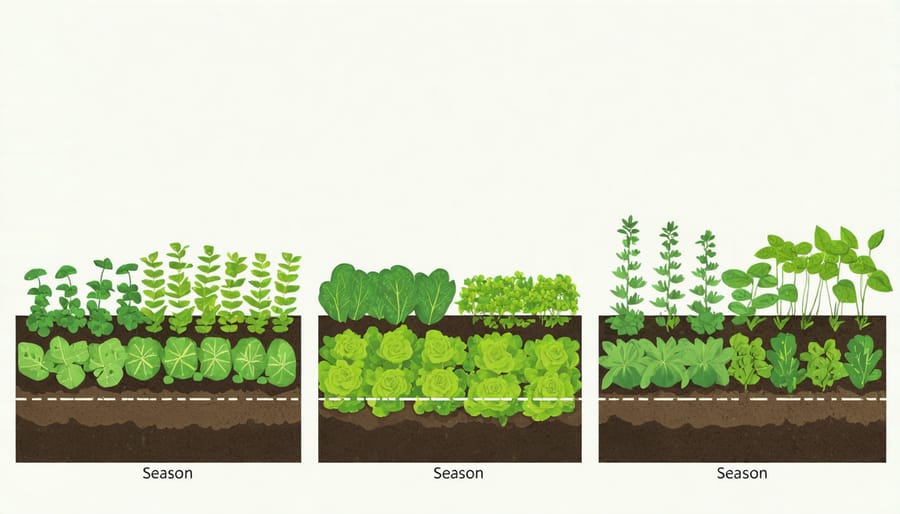
Visual timeline showing succession planting schedule for multiple crops in a rotating bed system
Timeline illustration of succession planting within a single bed through multiple seasons

Organic crop rotation stands as a cornerstone of sustainable agriculture, offering numerous benefits for soil health, pest management, and crop yield optimization. By implementing thoughtful rotation plans, farmers can create resilient agricultural systems that work in harmony with nature. Remember to start small, perhaps with a three-crop rotation, and gradually expand as you become more comfortable with the process.

Success stories from organic farmers across the country demonstrate that proper crop rotation can reduce input costs while improving soil fertility and crop quality. Take inspiration from Sarah Miller’s farm in Vermont, where implementing a five-year rotation plan led to a 40% increase in soil organic matter and significantly reduced pest problems.

Ready to get started? Begin by mapping your available land, researching companion planting possibilities, and creating a seasonal calendar. Consider joining local farming networks or attending workshops to learn from experienced organic farmers. Document your rotation plans and outcomes, making adjustments based on your observations and results.

With patience and dedication, organic crop rotation can transform your farming operation into a more sustainable and profitable venture while contributing to environmental conservation.

Smart Forecasting Tools That Make CSA Planning Actually Work

Posted by darrell on
0
Seasonal Planning and Management
Smart Forecasting Tools That Make CSA Planning Actually Work

Transform your seasonal planning with modern forecasting tools that streamline your CSA planning checklist and crop management decisions. Today’s farm management software combines weather data, historical yields, and market trends to deliver precise planting schedules and harvest projections. Leading platforms like Agrivi, Croptracker, and FarmLogs now offer user-friendly interfaces that help small-scale farmers predict optimal planting times, estimate harvest volumes, and adjust for seasonal variables.

Smart forecasting tools have revolutionized how organic farmers plan their growing seasons, reducing risk and maximizing crop yields through data-driven decisions. These accessible solutions integrate seamlessly with existing farm operations, providing real-time insights without requiring extensive technical knowledge. From soil temperature monitoring to precipitation forecasts, modern planning software empowers farmers to make confident decisions about their growing seasons while maintaining sustainable farming practices.

By leveraging these digital tools, farmers can better anticipate market demands, optimize resource allocation, and ensure consistent produce quality throughout the season.

Why Digital Forecasting Changes Everything for CSA Farms

From Gut Feelings to Data-Driven Decisions

Traditional farming relied heavily on intuition and generational knowledge passed down through families. While these insights remain valuable, modern CSA operations are discovering the power of data-driven yield predictions to enhance their planning process. Today’s forecasting tools combine historical weather patterns, soil conditions, and crop performance data to create accurate predictions that complement farmers’ expertise. This shift from gut feelings to data-backed decisions helps farms reduce waste, optimize planting schedules, and better meet member expectations. Many successful CSA farmers now use both traditional wisdom and digital tools, creating a balanced approach that honors farming heritage while embracing innovative solutions for more reliable harvests.

Side-by-side comparison of handwritten farm planning notes and a digital forecasting dashboard
Split-screen comparison showing traditional paper-based planning vs modern digital planning interface

Real Benefits for Your CSA Operation

Implementing forecasting software in your CSA operation brings immediate, measurable benefits to your farm’s efficiency and bottom line. By accurately predicting crop yields and harvest times, you can better manage member expectations and delivery schedules. Farmers using these tools report up to 30% reduction in food waste and a 25% improvement in customer satisfaction rates.

The software helps you make data-driven decisions about planting schedules, reducing the guesswork in crop rotation planning. You’ll be able to better anticipate peak harvest periods and coordinate labor needs accordingly. Many CSA farmers find they can optimize their share sizes and pricing based on more accurate yield predictions.

Plus, these tools make it easier to communicate with members about upcoming harvests, helping build stronger relationships and trust within your community.

Essential Forecasting Tools for Your CSA

Crop Planning Software

Modern crop planning software has revolutionized the way farmers and gardeners maximize seasonal harvests through precise succession planting schedules. These digital tools take the guesswork out of timing by incorporating historical weather data, crop-specific growth patterns, and local climate zones to generate reliable planting and harvest forecasts.

Popular platforms like Tend, Agrivi, and Farm Lead offer intuitive interfaces where growers can input their garden beds or field layouts, select crops, and receive customized planting calendars. These tools automatically calculate optimal spacing, projected harvest dates, and even suggest companion planting combinations for better yield.

What sets these tools apart is their ability to adapt to real-time conditions. By integrating current weather data and growth tracking, they can adjust harvest predictions and alert farmers to potential schedule changes. This dynamic approach helps growers maintain consistent produce availability throughout the season.

For small-scale farmers, these platforms often include features like automated task reminders, crop rotation suggestions, and yield tracking. Some even offer mobile apps for convenient field updates and harvest logging. While the learning curve varies, most software provides tutorial resources and community support to help farmers get started.

Remember to regularly update your crop data and observations to improve the accuracy of these forecasting tools over time.

Digital crop planning software interface with calendar view and harvest forecasting charts
Screenshot of a crop planning software interface showing planting schedules and harvest predictions

Weather Integration Tools

Modern weather integration tools have revolutionized how CSA farmers plan their growing seasons by combining real-time weather data with planting schedules. These smart systems help farmers make data-driven decisions about when to plant, protect, and harvest their crops.

Popular platforms like Farmer’s Edge and Cropwise integrate local weather stations with farm management software, providing detailed forecasts alongside customizable planting calendars. These tools typically offer features like frost warnings, precipitation tracking, and growing degree day calculations – essential information for timing crucial farm operations.

Many of these platforms now include mobile apps, allowing farmers to receive instant weather alerts and update their planting schedules on the go. Some standout features include soil temperature monitoring, disease risk assessment based on weather patterns, and automated irrigation scheduling.

Success Story: Sarah Miller, an organic CSA farmer in Vermont, credits weather integration tools for helping her save an entire tomato crop last season. “The frost alert came through at just the right time, giving us several hours to protect our plants. Without that warning, we would have lost thousands of dollars worth of produce.”

For smaller operations, free options like FarmOS and Weather Underground’s agriculture APIs offer basic weather integration features that can be incredibly valuable for planning purposes. These tools help farmers maintain crop quality while reducing weather-related losses, ultimately leading to more reliable CSA shares for members.

Farmer reviewing weather forecasts and planting schedules on tablet computer in vegetable field
Farmer using tablet in field while consulting weather-integrated planning app

Member Management and Share Forecasting

Managing member shares and forecasting crop distributions is a crucial aspect of running a successful CSA program. Modern forecasting tools help farmers accurately predict harvest yields and plan share contents weeks in advance, ensuring member satisfaction and efficient resource allocation.
Popular software solutions like Harvie and Small Farm Central offer dedicated CSA management features that combine member data with crop planning. These tools allow farmers to track member preferences, dietary restrictions, and share sizes while automatically generating packing lists and delivery schedules.

Many farmers find success using customizable spreadsheet templates that integrate with their existing systems. These templates can track historical harvest data, weather patterns, and planting schedules to improve future forecasting accuracy. For example, Local Food Marketplace provides templates specifically designed for CSA operations, helping farmers maintain consistent share values throughout the season.

Smart forecasting tools can also help prevent common CSA challenges like over-or under-filling shares. By analyzing past performance data and current growing conditions, these systems suggest optimal distribution quantities for each crop. This data-driven approach helps maintain share equity while reducing waste.

For smaller operations, simple apps like Tend and Farm Log offer basic forecasting features without the complexity of larger systems. These user-friendly tools help farmers start with digital planning and scale up as their needs grow.

Making These Tools Work for Your Farm

Getting Started Without Getting Overwhelmed

Start with a single forecasting tool that addresses your most pressing need, whether that’s crop yield prediction or customer demand analysis. Many farmers find success by beginning with a basic spreadsheet template before diving into more sophisticated software.

Week 1: Familiarize yourself with your chosen tool’s basic features. Spend 30 minutes each day exploring one function, like data input or simple trend analysis. Remember, you don’t need to master everything at once.

Week 2-3: Start inputting historical data from your previous growing seasons. Focus on one crop family at a time, beginning with your main revenue generators. This methodical approach helps prevent data overwhelm while building a solid foundation.

Week 4: Create your first basic forecast. Many successful CSA farmers start with a 3-month projection for their most popular crops. As you gain confidence, gradually extend your forecasting timeline and add more varieties.

Throughout this process, connect with other local farmers using similar tools. Their experiences can provide valuable insights and shortcuts. Consider joining online farming communities where members share tips about implementing forecasting tools effectively.

Remember, accuracy improves with time and practice. Start small, be consistent with data entry, and celebrate small wins as you build your forecasting system.

Combining Tools for Maximum Impact

For maximum effectiveness in your farm planning, consider combining multiple forecasting tools to create a comprehensive planning system. Many successful CSA farmers use weather prediction software alongside crop planning tools, creating a more robust approach to seasonal forecasting. For example, you might pair a rainfall prediction app with your harvest planning software to better anticipate optimal planting windows.

Start by identifying which aspects of your operation need the most attention. You might combine a basic spreadsheet for crop rotation with specialized software for yield predictions. Many farmers find success using a weather app for daily decisions while maintaining longer-term planning in farm management software.
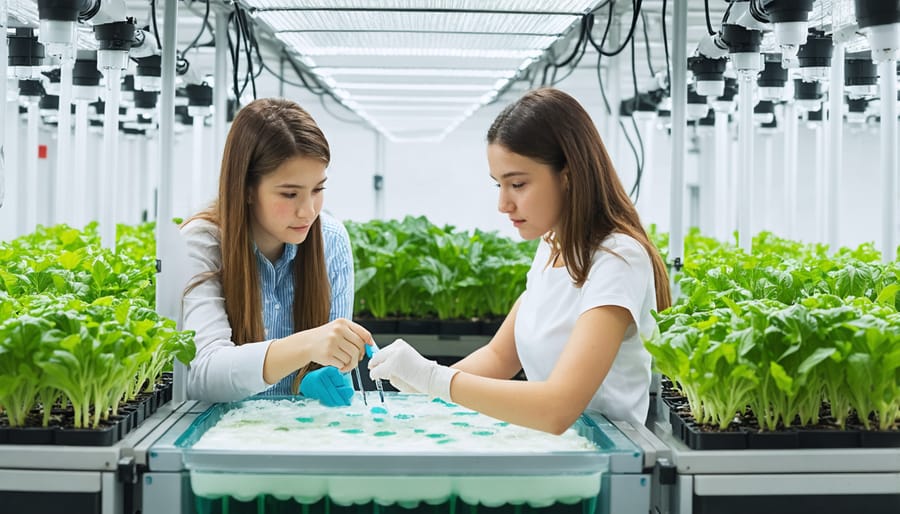
Think of your forecasting tools as pieces of a puzzle. Your yield calculator can inform your CSA membership predictions, while your weather forecasting tool helps determine planting dates. Together, they create a clearer picture of your farm’s potential output.

Remember to regularly sync data between your tools when possible. Some modern farming apps offer integration features, making it easier to maintain consistent information across platforms. Start with two or three compatible tools and gradually expand your toolkit as you become more comfortable with each system.

Choosing the right forecasting tools for your farm operation can transform the way you plan and manage your CSA program. From weather prediction to crop planning and yield forecasting, these software solutions offer valuable insights that can help you make more informed decisions. By implementing these tools, you’ll be better equipped to handle seasonal challenges, optimize your planting schedules, and meet your members’ expectations.

Remember, the best forecasting tool is one that aligns with your farm’s specific needs and your comfort level with technology. Start small with one or two essential features, and gradually expand your digital toolkit as you become more confident. Whether you’re just starting your CSA journey or looking to enhance your existing operation, investing in the right forecasting software can help you build a more resilient and successful farm business.

Circular Farming: Transform Your CSA Into a Zero-Waste Powerhouse

Posted by darrell on
0
Environmental Sustainability
Circular Farming: Transform Your CSA Into a Zero-Waste Powerhouse

Transform your farm into a self-sustaining ecosystem by implementing circular farming practices that maximize resource efficiency and minimize waste. Like nature’s own cycles, circular farming systems create closed loops where outputs from one process become valuable inputs for another, delivering powerful environmental benefits of CSA farming. Composting crop residues feeds soil microorganisms, while integrated livestock provides natural fertilizer and pest control. Strategic crop rotation and companion planting build soil health naturally, reducing the need for external inputs. By mimicking natural ecosystems, circular farming transforms traditional linear production into regenerative cycles that build fertility, conserve water, and strengthen local food security – all while cutting costs and boosting farm resilience.

The Magic Loop: How Circular Farming Works

Nature’s Perfect Circle

Nature has perfected the art of recycling over billions of years, creating seamless cycles where nothing goes to waste. In natural ecosystems, fallen leaves decompose to nourish soil, which feeds plants that sustain animals, whose waste and eventual remains continue the cycle. Circular farming systems deliberately mirror these natural patterns.

Just as a forest floor transforms dead matter into rich humus, circular farms convert agricultural “waste” into valuable resources. Crop residues become compost or animal feed, while animal manure enriches the soil for future plantings. Water cycles through irrigation systems, getting filtered naturally by soil and plants before being reused.

This interconnected approach creates a resilient system where each element supports the others, just like in nature. By observing and replicating these natural cycles, farmers can create sustainable operations that maintain soil health, conserve water, and reduce external inputs while maximizing productivity.

Circular diagram illustrating the connected elements of a sustainable farming system
Infographic showing the interconnected cycles of a circular farming system, including composting, water recycling, and animal integration

From Waste to Resource

In circular farming, waste becomes a valuable resource, creating a sustainable loop that benefits both the environment and farm productivity. Crop residues transform into nutrient-rich compost, while animal manure powers biogas digesters for energy production. Even food processing byproducts find new life as animal feed or soil amendments.

Innovative farmers are discovering creative ways to repurpose materials that were once considered waste. Coffee grounds become mushroom growing medium, while fruit pulp transforms into natural dyes or animal treats. Vegetable trimmings feed chickens, whose manure then enriches garden beds, completing a perfect cycle of nutrients.

Water recycling systems capture and filter runoff for irrigation, while greenhouse condensation provides clean water for sensitive crops. Some farms even partner with local restaurants to collect food scraps, creating premium compost that builds healthy soil. These waste-to-resource practices not only reduce environmental impact but also improve farm economics by cutting input costs and creating new revenue streams.

Building Your Farm’s Circular System

Composting Systems

Creating effective composting systems is essential for circular farming success. The process begins with selecting an ideal location that’s easily accessible and has good drainage. Most successful systems use a three-bin method: one for fresh materials, one for actively decomposing matter, and one for finished compost.

Start by layering green materials (kitchen scraps, fresh grass clippings, and plant waste) with brown materials (dry leaves, straw, and cardboard) in a roughly 3:1 brown-to-green ratio. Maintain moisture levels similar to a wrung-out sponge and turn the pile every few weeks to ensure proper aeration.

Consider adding beneficial materials like aged manure, coffee grounds, and eggshells to enhance nutrient content. Many farmers also incorporate earthworms to speed up decomposition and improve compost quality.

Monitor temperature using a compost thermometer – a healthy pile should reach 130-150°F in its active phase. When the compost looks dark and crumbly with an earthy smell, it’s ready to enrich your soil and complete the circular farming cycle.

Large-scale composting operation with multiple compost rows and clear layering
Active composting system on a CSA farm showing layers of organic matter, with visible steam rising

Water Conservation Loops

Water recycling plays a crucial role in circular farming systems, where every drop counts. By implementing smart water conservation methods, farmers can significantly reduce their environmental impact while maintaining healthy crop yields. Popular techniques include drip irrigation systems, which deliver water directly to plant roots, and rainwater harvesting through collection tanks and swales.

Many successful CSA farms use greywater systems to recycle household water for irrigation, while others incorporate constructed wetlands that naturally filter and purify water for reuse. Smart soil management practices, like adding organic matter and using mulch, help retain moisture and reduce water needs.

Monitoring systems and soil moisture sensors enable farmers to water only when necessary, preventing waste and ensuring optimal plant health. These water-saving strategies not only conserve precious resources but also lead to reduced operational costs and more resilient farming systems.

Animal Integration

Integrating livestock into circular farming systems creates a harmonious cycle where animals contribute to and benefit from the farm’s ecosystem. Chickens, for example, can follow grazing cattle to scratch through manure, eating insect larvae while spreading nutrients across pastures. Pigs excel at turning food scraps and agricultural byproducts into valuable fertilizer while helping to till soil in rotation areas.

Sheep and goats serve as natural weed control specialists, maintaining pastures and clearing unwanted vegetation. Their manure enriches soil fertility, while rotational grazing helps prevent overgrazing and promotes healthy pasture regeneration. Rabbits provide rich fertilizer for gardens while consuming excess vegetation and crop residues.

To successfully integrate animals, create designated rotation schedules that allow livestock to contribute to different areas of your farm throughout the seasons. This approach maximizes benefits while preventing soil compaction or overgrazing. Remember to provide adequate shelter, water sources, and protection from predators in each rotation area.

Real Success Stories

Integrated farm system with livestock and water conservation methods in action
Small-scale CSA farm showcasing integrated systems with chickens grazing between crop rows and rainwater collection system

Small-Scale Success

Green Acres CSA in Vermont showcases how circular farming systems can thrive on just five acres. Farmers Sarah and Mike Thompson transformed their small plot into a model of sustainability through careful planning and innovative resource management.

Their system starts with diverse vegetable production, feeding 50 local families through their CSA program. Kitchen scraps and produce waste from their weekly deliveries return to the farm as compost. They maintain a small flock of chickens that process this organic matter while providing eggs for CSA members. The chickens also help with pest control and soil fertility in rotation through their growing areas.

The Thompsons collect rainwater from their barn roof to irrigate their greenhouse, where they extend their growing season and start seedlings. Cover crops protect their soil during winter months, while their beehives support pollination and produce honey as an additional CSA offering.

“Our small size actually makes it easier to close the loop,” says Sarah. “We can monitor every resource carefully and make adjustments quickly when needed.” Their success proves that circular farming principles can work effectively at any scale.

Scaling Up Circular Practices

Green Valley Farm, a 50-acre CSA operation in Vermont, demonstrates how circular farming practices can work effectively at scale. Under the leadership of Sarah Chen, the farm has transformed from a traditional operation into a model of circular agriculture over the past decade.

The farm integrates multiple sustainable systems, including a composting facility that processes food waste from 200 local households and three restaurants. This generates enough rich compost to fertilize their entire vegetable production area. Their chicken flock of 500 birds rotates through harvested fields, managing pest populations while producing eggs for CSA members.

A series of interconnected ponds captures rainwater and irrigation runoff, which is filtered through constructed wetlands before being reused. The farm’s greenhouse operations are powered by solar panels, while excess biomass from crop residues feeds an on-site biodigester that provides supplemental energy.

Green Valley’s success has inspired neighboring farms to adopt similar practices, creating a regional network of circular farming operations that share resources and knowledge. Their annual workshops attract hundreds of farmers eager to learn about scaling up circular practices.

Getting Started Today

First Steps

Transitioning to circular farming begins with a thorough assessment of your current resources and waste streams. Start by mapping out all inputs and outputs on your farm, including water usage, organic matter, and energy consumption. This visual representation helps identify opportunities for creating closed loops.

Next, implement a comprehensive composting system to transform farm waste into valuable nutrients. Begin collecting kitchen scraps, crop residues, and animal manure if available. Quality compost forms the foundation of soil health in circular systems.

Consider integrating complementary crops and animals that support each other. For example, chickens can help with pest control and provide natural fertilizer, while their scratching behavior aids in soil aeration.

Water management is crucial – install rainwater harvesting systems and explore ways to reuse greywater. Start small with a single rain barrel, then expand as you gain confidence.

Remember, transitioning to circular farming is a journey. Focus on one area at a time, document your progress, and adjust your approach based on what works best for your specific situation.

Common Challenges and Solutions

While circular farming systems offer numerous benefits, farmers often face several key challenges during implementation. Initial setup costs can be significant, particularly when investing in infrastructure for composting and water recycling systems. Many farmers also struggle with managing the complex nutrient cycles and maintaining proper balance in their integrated systems.

Time management presents another hurdle, as circular systems require careful monitoring and coordination between different components. Weather unpredictability can impact closed-loop systems, especially in regions with extreme climate variations.

However, solutions exist for each challenge. Start small and scale gradually to manage costs. Join farmer networks to share knowledge and resources. Implement simple monitoring systems to track nutrient flows. Consider protective structures like hoop houses to minimize weather impacts. Many successful circular farms began with just one or two integrated elements before expanding their systems.

Remember that challenges are learning opportunities. Document your experiences and adjust your approach based on what works best for your specific situation.

Circular farming systems represent a powerful solution for creating a more sustainable and resilient agricultural future. By closing resource loops, minimizing waste, and maximizing efficiency, these systems offer multiple benefits for farmers, communities, and the environment. From reduced operational costs and improved soil health to decreased environmental impact and enhanced food security, the advantages of circular farming are clear and compelling.

Success stories from farmers who have implemented these practices show that circular farming isn’t just an idealistic concept – it’s a practical and profitable approach to agriculture. Whether you’re managing a small garden plot or a large-scale farm, incorporating circular principles can lead to meaningful improvements in your operation’s sustainability and productivity.

The transition to circular farming doesn’t have to happen overnight. Start small by implementing one or two practices, such as composting or water recycling, and gradually expand your circular systems as you become more comfortable with the approach. Remember, every step toward circularity contributes to a more sustainable food system and a healthier planet for future generations. By embracing these practices today, we can help create a more regenerative and resilient agricultural landscape for tomorrow.