Yearly Archives

128 Articles

Finding Your Perfect CSA Share: How to Plan Around What Actually Arrives Each Week

Posted by darrell on
0
Seasonal Planning and Management
Finding Your Perfect CSA Share: How to Plan Around What Actually Arrives Each Week

Searching for a CSA (Community Supported Agriculture) program connects you directly with local farmers who deliver fresh, seasonal produce to your neighborhood each week. Start by visiting LocalHarvest.org or asking at your farmers market to identify farms within 20 miles of your home that offer membership shares. Contact three programs to compare their harvest schedules, pickup locations, and whether they accommodate dietary preferences or allow vacation holds.

Before committing, request a sample harvest list from each farm to understand what vegetables you’ll actually receive throughout the season. Most CSAs operate from May through October, though some extend into winter months with storage crops like squash and root vegetables. Expect to pay between $400-$700 for a standard season, which typically feeds a family of four when combined with strategic meal planning around your weekly share.

The key to CSA success lies in adjusting your cooking habits to embrace whatever arrives in your box. Members who thrive are those who view their share as a creative challenge rather than a grocery replacement, learning to preserve surplus through freezing or fermentation and swapping items they don’t use with fellow members at pickup sites.

Why Seasonal Planning Changes Everything for CSA Members

Joining a CSA requires a different mindset than typical grocery store shopping, but this shift brings remarkable benefits. Instead of expecting the same produce year-round, you’ll learn to embrace what’s actually growing in your region right now. Understanding seasonal growing cycles transforms how you plan meals and shop.

Planning ahead becomes second nature when you know what to expect each season. Many CSA farms share harvest schedules or weekly previews, allowing you to research recipes before your box arrives. This simple practice dramatically reduces food waste since you’re prepared to use everything you receive. You’ll find yourself getting creative with abundant summer tomatoes or discovering new ways to prepare root vegetables in winter.

The connection you develop with local growing patterns runs deep. You’ll notice when strawberry season peaks, understand why certain greens thrive in spring’s cool weather, and appreciate the patience required for winter squash to mature. This knowledge enriches your relationship with food beyond what any supermarket experience offers.

Sarah, a three-year CSA member from Ontario, shares her experience: “I used to throw away produce constantly because I’d buy on impulse. Now I plan my weekly meals around my CSA share, and my food waste dropped to nearly zero. Plus, I’ve discovered vegetables I never would have tried otherwise.”

This mindset shift takes a few weeks to adjust, but most members find the rhythm rewarding and surprisingly liberating once they embrace seasonal eating.

Understanding Your Local CSA’s Growing Calendar

Spring Produce Patterns (March-May)

Spring CSA boxes burst with fresh energy after winter’s dormancy. Expect an abundance of leafy greens like lettuce, arugula, spinach, and kale—sometimes in quantities that seem overwhelming at first. Crunchy radishes arrive in vibrant colors, while early herbs like cilantro and parsley add fresh flavor to every meal. Many farmers also include tender Swiss chard, green onions, and the occasional surprise of asparagus.

To prepare for this green bounty, invest in a salad spinner and dedicate fridge space for produce storage. Local farmer Maria Chen shares her wisdom: “New members often panic seeing five bunches of greens, but once they discover how quickly fresh salads disappear and learn to sauté greens as easy side dishes, they become spring share champions.”

Stock your pantry with good olive oil, lemon juice, and garlic to complement these tender vegetables. Consider batch-prepping washed greens on delivery day, making weeknight cooking effortless. Many members freeze herbs in ice cube trays with olive oil, preserving spring’s flavors for months ahead.

Overhead view of wooden CSA box filled with fresh spring vegetables including lettuce, radishes, and herbs
A typical spring CSA share features an abundance of leafy greens, radishes, and fresh herbs that require different preparation strategies than summer vegetables.

Summer Harvest Explosion (June-August)

Summer brings the most abundant CSA boxes of the year, overflowing with sun-ripened tomatoes in rainbow hues, prolific zucchini, crisp peppers, juicy stone fruits, and fragrant herbs. This bounty can feel overwhelming at first, but with simple strategies, you’ll maximize every delicious bite. Start preserving early—freeze chopped peppers and blanched zucchini for winter soups, or make simple tomato sauce in big batches. Share generously with neighbors and coworkers; trading your excess cucumbers for their berries builds community connections. Farmer Maria from Sunrise Valley Farm recommends dedicating Sunday afternoons to meal prep, roasting vegetables for easy weeknight dinners. Keep countertop bowls filled with tomatoes and stone fruits for grab-and-go snacks. Remember, even experienced members don’t use everything perfectly—composting extras feeds next season’s soil, completing the sustainable cycle that makes CSA farming so environmentally beneficial.

Fall Transition Foods (September-November)

As temperatures cool, your CSA box transforms into a celebration of hearty comfort foods. Expect sweet potatoes, beets, carrots, and turnips that store beautifully and grow sweeter with cooler nights. Winter squash varieties like butternut, acorn, and delicata become staples, offering weeks of versatile meal options. Kale, chard, and collards thrive in fall weather, becoming less bitter after the first frost. Many farmers share that autumn shares actually offer the most forgiving produce for new members—these sturdy vegetables are excellent for roasting, soups, and meal prep throughout the week.

Winter Storage Crops (December-February)

Winter CSA shares showcase the remarkable storage capabilities of cold-hardy crops. Expect boxes filled with sweet potatoes, carrots, beets, and various winter squashes that have been properly cured for long-term storage. Many farms also include hardy greens like kale, collards, and spinach that actually sweeten after frost exposure. Some innovative CSAs supplement winter shares with preserved items—think canned tomatoes, frozen berries, or fermented vegetables—prepared during peak harvest season. This is when your root vegetable roasting skills really shine! Pro tip: Store your winter roots in a cool, dark place and remove any greens immediately to prevent moisture loss.

Creating Your Seasonal Meal Planning System

The Week-by-Week Planning Method

The secret to CSA success isn’t planning your weekly menu before pickup—it’s creating a flexible framework that adapts to whatever arrives in your box. Here’s how to make it work: Pick up your share and immediately sort items by urgency. Delicate greens and herbs need attention within two days, while root vegetables can wait until week’s end. Next, identify one or two “anchor meals” based on your most abundant items. If you receive three pounds of zucchini, plan a stir-fry and a batch of zucchini bread. The remaining vegetables become supporting players in your regular rotation.

This approach works beautifully because you’re responding to what you actually have rather than trying to predict it. Local farmer Maria Chen from Green Valley CSA shares her member tip: “I keep a running list of three quick cooking methods—roasting, sautéing, and raw salads. Any vegetable fits into at least one category.” Keep staples like olive oil, garlic, grains, and eggs on hand to complement your produce. By week’s end, challenge yourself to use everything before the next pickup arrives. This rhythm becomes intuitive after just a few weeks, transforming meal planning from stressful to spontaneous.

Building Your Seasonal Recipe Collection

Creating an organized recipe collection takes the guesswork out of CSA cooking and helps you make the most of each week’s harvest. Start by setting up a simple digital or physical filing system organized by season—spring, summer, fall, and winter. Within each season, create categories for your main vegetables like leafy greens, root vegetables, tomatoes, and squash.

As you discover recipes that work well with your CSA produce, file them in the appropriate seasonal category. This way, when June brings an abundance of zucchini, you can quickly reference your summer squash section instead of scrolling through hundreds of random recipes online. Consider noting which recipes use multiple CSA items at once, as these become your go-to solutions for busy weeks.

Many successful CSA members swear by keeping a “greatest hits” list of family favorites that accommodate whatever arrives. Think flexible recipes like stir-fries, frittatas, grain bowls, and soups where you can swap ingredients based on availability. Sarah, a three-year CSA member from Oregon, shares her tip: “I keep index cards with my top ten adaptable recipes right on my fridge. When my box arrives, I can immediately see which recipe framework will work best.”

Don’t forget to include preservation recipes for peak harvest times. Knowing how to turn excess tomatoes into sauce or beets into pickles means nothing goes to waste, and you’ll enjoy your local produce well beyond the growing season.

Smart Storage Strategies That Extend Your Produce Life

Immediate Storage After Pickup

The first few hours after bringing home your CSA share are crucial for maximizing freshness and shelf life. Start by unpacking your produce as soon as possible, but resist the urge to wash everything immediately. Most vegetables store better unwashed, as excess moisture can promote spoilage and mold growth.

Instead, inspect each item and remove any damaged leaves or spots. Leafy greens should be stored in breathable produce bags or wrapped loosely in damp towels inside the crisper drawer. Root vegetables like carrots, beets, and radishes prefer high humidity, so remove their greens (which draw out moisture) and store the roots in sealed containers with a damp paper towel.

Herbs benefit from being treated like fresh flowers. Trim the stems and place them in a jar with an inch of water, then cover loosely with a plastic bag and refrigerate. Tomatoes, summer squash, and peppers should stay at room temperature until fully ripe, then move to the refrigerator if needed.

Keep delicate items like berries and mushrooms in their original containers until you’re ready to use them. A local CSA farmer, Maria, shares this tip: “Label everything with the pickup date using masking tape. It helps you rotate through items and use the oldest produce first.”

Hands washing fresh vegetables under running water at kitchen sink
Proper washing and immediate storage of CSA vegetables extends their freshness and helps prevent waste throughout the week.

Simple Preservation for Abundance Weeks

When your CSA box overflows with summer squash or leafy greens, simple preservation techniques become your best friend. Freezing works beautifully for most produce—berries, chopped peppers, and blanched greens store for months with minimal effort. Just spread items on a baking sheet to freeze individually before transferring to containers, preventing everything from clumping together.

Blanching takes just minutes and preserves color, texture, and nutrients. Boil vegetables like green beans or broccoli for two to three minutes, then plunge them into ice water before freezing. This quick process stops enzymes that cause deterioration.

Quick-pickling transforms excess cucumbers, radishes, or carrots into crunchy, tangy treats. Heat equal parts vinegar and water with salt and sugar, pour over your sliced vegetables, and refrigerate. These pickles last several weeks and require no special canning equipment.

Local farmer Sarah from Riverside CSA shares her tip: “I keep pre-mixed pickling brine in my fridge. When I get unexpected abundance, I’m ready to preserve within minutes.” With these straightforward methods, you’ll waste less produce, enjoy variety year-round, and maximize your CSA investment without complicated equipment or extensive time commitments.

Making the Most of Unfamiliar Vegetables

One of the most exciting aspects of CSA membership is discovering vegetables you’ve never cooked before. That bright purple kohlrabi or bunch of garlic scapes might seem intimidating at first, but these unfamiliar items often become household favorites with the right approach.

Start by researching your mystery vegetables as soon as you unpack your share. A quick online search for “how to cook [vegetable name]” yields dozens of recipes and preparation tips. Many CSA farms also include weekly newsletters with recipe suggestions specifically tailored to your box contents. Don’t hesitate to ask your farmer questions during pickup—they’re usually thrilled to share their favorite preparation methods.

Take an experimental approach in the kitchen. Try roasting unfamiliar vegetables with olive oil, salt, and pepper as a simple first attempt. This straightforward method brings out natural sweetness and works surprisingly well with most produce. You can also incorporate new vegetables into familiar dishes—add that mysterious bok choy to your regular stir-fry or toss those turnip greens into pasta.

Sarah Martinez from Portland discovered this firsthand when kohlrabi appeared in her first CSA box. “I had no idea what it was,” she admits. “I looked up three different recipes and chose the simplest one—just peeling and roasting it like potatoes.” Her kids devoured it, and now she requests extra kohlrabi from her farmer whenever possible. “It tastes like a mild, sweet broccoli stem. We’re completely hooked!”

Remember, not every experiment will be a winner, and that’s perfectly fine. The learning process is part of the CSA adventure, expanding your culinary skills and introducing genuine variety to your family’s diet.

Connecting with Your CSA Community for Support

One of the most valuable aspects of joining a CSA is becoming part of a supportive community of like-minded food lovers. Your fellow members are navigating the same seasonal challenges and celebrating the same harvest surprises, making them an incredible resource for inspiration and practical advice.

Start by connecting through your farm’s communication channels. Most CSAs send weekly newsletters featuring what’s in your share, storage tips, and recipe suggestions tailored to that week’s harvest. These newsletters often become your seasonal planning bible, helping you anticipate what’s coming and prepare accordingly. Save them in a dedicated folder for easy reference throughout the season.

Many farms also maintain private social media groups or online forums where members share their favorite recipes, preservation techniques, and creative solutions for using abundance. Someone always knows the perfect way to use those kohlrabi or what to do with ten pounds of tomatoes. Don’t hesitate to ask questions or share your own discoveries.

Your farmer is another invaluable resource for CSA community support. They understand the growing patterns and can offer insights about upcoming harvests, helping you plan meals weeks in advance. Some farms host member work days, potlucks, or farm tours that deepen connections and provide hands-on learning opportunities.

Consider organizing informal recipe swaps with nearby members or carpooling to pickup locations. These simple interactions transform your CSA membership from a transaction into a genuine community experience that enriches both your table and your social connections.

Multiple hands holding colorful heirloom vegetables including kohlrabi, chard, and beets
CSA communities bring together members who share knowledge, recipes, and enthusiasm for discovering new vegetables together.

Your search for a produce CSA near me marks the start of something much bigger than weekly vegetable pickups. The most successful CSA members aren’t those who try to control what appears in their boxes, but rather those who learn to dance with the seasons and develop flexible systems that adapt to nature’s rhythms.

Think of your CSA membership as an invitation to reconnect with the land that feeds you. When you embrace the abundance of tomato season and the heartiness of winter squash, you’re not just eating vegetables—you’re participating in a centuries-old relationship between people and place. The planning strategies you’ve discovered here simply provide guardrails for this journey, helping you navigate the learning curve with less waste and more joy.

As you begin your CSA adventure, remember that each week’s share tells a story about your local climate, soil, and the dedicated farmers who tend it. You’re becoming part of a community committed to sustainable agriculture and food security. Welcome the surprises, celebrate the seasons, and watch as your connection to local food deepens in ways you never expected.

How Your CSA Farm Can Slash Its Carbon Footprint (Without Sacrificing Productivity)

Posted by darrell on
0
Environmental Sustainability
How Your CSA Farm Can Slash Its Carbon Footprint (Without Sacrificing Productivity)

Manufacturing operations at CSA farms—from washing and packing produce to refrigeration and delivery—account for a surprising portion of your farm’s carbon emissions, often rivaling field production itself. The good news? Small, strategic changes in how you process, package, store, and distribute your harvest can dramatically slash your environmental impact while cutting operational costs.

Switch to energy-efficient cold storage by upgrading to variable-speed compressors and LED lighting in coolers, which can reduce refrigeration energy use by 30-40%. Install motion sensors and programmable thermostats to avoid cooling empty spaces overnight. One Vermont CSA reduced their cold storage emissions by half simply by adding insulated curtains between storage zones.

Replace diesel delivery vehicles with electric or biodiesel alternatives for your distribution routes. Even hybrid vehicles cut fuel emissions by 25-35% compared to conventional trucks. Map efficient delivery routes using route optimization software to minimize miles driven—many farms discover they can eliminate an entire delivery day per week.

Eliminate single-use plastics in your packing shed by transitioning to reusable clamshells, compostable bags, or encouraging members to return containers. Processing waste represents hidden emissions through both production and decomposition. Massachusetts farmer Sarah Chen reduced packaging waste by 80% through a deposit-return system for plastic berry containers, saving $3,000 annually while building member loyalty.

Audit your equipment energy use with a simple plug-in meter to identify the biggest culprits. Walk-in coolers, washing equipment, and packaging machines often run inefficiently, wasting both energy and money. Understanding where emissions originate empowers you to prioritize changes that deliver maximum impact with minimal investment.

Understanding Carbon Emissions in CSA Operations

The Hidden Carbon Costs of Farm Processing

While growing organic vegetables captures most of our attention, the behind-the-scenes activities after harvest can quietly rack up significant energy costs. Let’s look at where carbon emissions hide in your post-harvest operations.

Washing stations are essential for delivering clean, market-ready produce, but they’re energy-intensive. Most CSA farms use electric pressure washers and water pumps that run for hours daily during peak season. The water itself needs heating in cooler months, adding another energy layer. A medium-sized operation might use 50-100 gallons of water daily just for root vegetables.

Cold storage represents another major energy draw. Keeping leafy greens crisp and berries fresh requires constant refrigeration. Walk-in coolers typically run 24/7 during growing season, consuming 15-20 kWh daily. That’s roughly equivalent to powering two average homes.

Packing operations also contribute, though less obviously. Electric scales, labeling equipment, and lighting in processing areas all add up. Even small conveniences like electric fans for worker comfort during summer packing sessions increase your carbon footprint.

The good news? Understanding these hidden costs is your first step toward meaningful reduction. Many farmers find that post-harvest processing accounts for 30-40% of their total on-farm energy use, making it a prime target for efficiency improvements and renewable energy solutions.

Packaging and Distribution Realities

Packaging choices significantly impact your farm’s carbon footprint. Biodegradable containers made from materials like mushroom mycelium or recycled paper reduce emissions by up to 70% compared to conventional plastic clamshells. Many CSA farms are switching to reusable bin systems where members return containers weekly, eliminating single-use packaging entirely.

Your delivery model matters too. Route optimization software can cut fuel consumption by 20-30%, while transitioning to electric delivery vehicles further reduces emissions. Consider partnering with neighboring farms to consolidate deliveries and maximize vehicle capacity. Some successful operations have switched to member pickup hubs at community centers or farmers markets, dramatically reducing vehicle miles traveled.

The pickup model itself offers unique advantages for supply chain carbon reduction. Members coming to your farm or designated pickup points eliminate individual delivery trips. One Vermont CSA calculated that their pickup system prevented 15,000 miles of delivery driving annually.

Start small by auditing your current packaging waste and delivery routes. Calculate the carbon costs of each component, then prioritize changes with the biggest impact. Members typically embrace these shifts when you share the environmental benefits they’re helping achieve together.

Energy-Smart Infrastructure Solutions

Solar Power for Processing and Storage

Making the switch to solar power for farms is transforming how CSA operations handle their post-harvest processing and storage needs. Many farms are discovering that solar panels can effectively power coolers, washing stations, and packing areas while dramatically cutting carbon emissions and energy costs.

Take Green Valley CSA in Ontario, for example. They installed a 10-kilowatt solar array for $18,000 and now power their walk-in cooler, pressure washer, and packing shed lights entirely off-grid. Within four years, they recouped their investment through eliminated electricity bills that previously ran $350 monthly. Better yet, their cooler maintains consistent temperatures without drawing from fossil fuel sources, keeping produce fresh while reducing their carbon footprint by approximately 8 tons annually.

The cost-benefit calculations work particularly well for processing equipment that runs during peak sunshine hours. Washing stations, sorting tables with overhead lighting, and vacuum sealers can operate directly on solar power when harvest activities naturally occur. Even farms in cloudier regions see significant returns, especially with modern panel efficiency and available government rebates that can cover 25-40 percent of installation costs.

Battery storage systems add flexibility, allowing farms to run evening packing operations or maintain overnight cooler temperatures using stored solar energy. While batteries increase upfront costs by roughly 30 percent, they maximize energy independence and provide backup power during outages, protecting valuable harvests from spoilage.

Solar panels installed on farm barn roof powering CSA processing operations
Solar panels power essential CSA farm operations like washing stations and cold storage, reducing energy costs while cutting carbon emissions.

Energy-Efficient Cold Storage Upgrades

Your cold storage facility represents one of the biggest energy draws on your CSA farm, but smart upgrades can dramatically reduce both electricity consumption and carbon emissions. Start by examining your insulation—older facilities often have gaps or degraded materials that force cooling systems to work overtime. Adding spray foam insulation or upgrading door seals can cut energy use by up to 30%.

Consider replacing outdated refrigeration units with ENERGY STAR certified models that use natural refrigerants like propane or ammonia instead of synthetic options with high global warming potential. These newer systems operate more efficiently while being kinder to the environment.

Smart temperature management makes a substantial difference too. Install programmable thermostats that adjust cooling based on actual storage needs rather than running at full capacity constantly. Motion-sensor LED lighting eliminates unnecessary energy waste, and installing clear plastic strip curtains in doorways prevents cold air escape during loading.

One Vermont CSA farmer reduced cold storage energy costs by 40% after upgrading insulation and switching to a variable-speed compressor system. The investment paid for itself within three years through lower electricity bills, proving that efficiency improvements benefit both your bottom line and the planet.

LED Lighting and Small Efficiency Wins

Sometimes the biggest impact comes from the smallest changes. Switching to LED lighting in your processing facility, cold storage, or packing areas can cut energy use by up to 75% compared to traditional bulbs. These upgrades pay for themselves quickly through lower electricity bills while reducing your carbon emissions significantly.

Beyond lighting, simple maintenance habits make a real difference. Regularly cleaning equipment filters, checking door seals on coolers, and maintaining proper tire pressure on farm vehicles might seem minor, but they prevent energy waste. One organic farm in Vermont reduced their cooling costs by 20% just by sealing air leaks and upgrading their refrigeration unit’s gaskets.

Don’t overlook motion sensors for lights in storage areas or programmable thermostats for climate control. These affordable tools ensure you’re only using energy when actually needed. The beauty of these efficiency wins is that they require minimal investment while delivering immediate results, making them perfect starting points for any CSA operation looking to lighten their environmental impact.

Rethinking Packaging for Lower Impact

Reusable Container Programs That Work

Successful CSA farms have discovered that reusable container programs significantly cut packaging waste while building stronger member relationships. The key lies in making returns effortless for participants.

Green Valley Farm in Vermont achieves an impressive 95% return rate by placing clearly labeled collection bins at multiple pickup locations. Members simply drop off their previous week’s containers when collecting fresh produce. The farm designates a volunteer “bin monitor” at each site to quickly rinse and stack returns, keeping the process smooth and sanitary.

Twin Oaks CSA in Oregon tackled the logistics challenge by implementing a simple deposit system. Members pay a refundable $20 deposit on their first delivery, which covers the cost of containers and motivates returns. They offer flexible options too, allowing members to keep containers for up to three weeks before returning them, accommodating different household schedules.

Communication proves essential for program success. Meadowbrook Farm sends friendly monthly reminders through their newsletter, highlighting how many pounds of cardboard waste members have collectively prevented. They’ve found that sharing these tangible environmental wins keeps participation high.

The investment pays off quickly. Most farms report breaking even on reusable containers within the first season, then enjoying ongoing savings while reducing their carbon footprint. Starting small with one pickup location helps iron out any logistical wrinkles before expanding the program farm-wide.

Farmer placing fresh produce into reusable plastic crate system
Reusable container systems eliminate single-use packaging waste while maintaining produce quality for CSA members.

Choosing Sustainable Packaging Materials

Packaging choices significantly impact your farm’s carbon footprint, but the good news is that sustainable alternatives are more accessible than ever. By switching to sustainable packaging materials, you can dramatically reduce emissions while keeping your produce fresh and appealing.

Compostable bags made from plant-based materials like cornstarch or cellulose break down naturally, returning nutrients to the soil instead of lingering in landfills for decades. These work wonderfully for leafy greens and herbs. Paper alternatives, particularly those made from recycled content, offer excellent breathability for root vegetables and mushrooms while maintaining a significantly lower carbon footprint than plastic.

Consider minimal packaging approaches that eliminate unnecessary layers. Reusable containers for regular members create a closed-loop system, cutting packaging waste to nearly zero. Some farms successfully use wax-coated paper wraps for items like cheese and baked goods, providing protection without plastic.

One Ontario CSA operator reduced packaging emissions by 60 percent simply by transitioning to paper bags and encouraging members to return egg cartons and berry containers. She now saves money on packaging costs while members appreciate the environmental commitment. Start by identifying which items truly need packaging and experiment with eco-friendly options for those necessities. Your members will notice and value the effort.

Smarter Distribution Methods

Central Pickup Points and Route Optimization

Rethinking how you deliver your CSA boxes can dramatically cut transportation emissions while making life easier for your members. Central pickup points are game-changers for reducing your carbon footprint. Instead of driving to individual homes scattered across town, establish convenient hubs where multiple members can collect their shares. Think community centers, local businesses, farmers markets, or even member volunteers who offer their driveways.

The math is compelling: delivering to five pickup locations serving 100 members generates far fewer emissions than 100 individual stops. One Colorado CSA reduced their delivery miles by 60% after switching to a hub system, saving fuel costs and driver time.

Route optimization software takes this further by calculating the most efficient path between stops. Free tools like Google Maps or dedicated apps such as Route4Me help you avoid backtracking and unnecessary mileage. For smaller operations, simple planning works too. Group deliveries geographically and schedule them on the same day to minimize trips.

Encourage members to carpool to pickup points or coordinate neighborhood collections where one person grabs boxes for several households. Some farms even offer small discounts for members who choose central pickups over home delivery, creating a win-win that rewards sustainable choices while streamlining your operations.

Electric and Alternative Fuel Vehicles

For CSA farms looking to green their delivery routes, transitioning to eco-friendly delivery vehicles represents one of the most impactful carbon reduction strategies. Electric vehicles (EVs) are increasingly practical for farm-to-customer deliveries, especially for routes under 150 miles. While upfront costs range from $30,000 to $50,000 for electric vans, federal and state incentives can offset 20-40% of this investment. Operating costs typically drop by 60% compared to gas vehicles, with electricity costing about $0.03 per mile versus $0.15 for gasoline.

Many farms find success starting with one electric vehicle for urban delivery routes where charging infrastructure is readily available. Charging stations can be installed at the farm for $500-2,000, with overnight charging providing a full day’s range. For farms not ready for EVs, biodiesel blends offer an intermediate solution. Converted diesel vehicles can run on B20 (20% biodiesel) with minimal modifications, reducing emissions by 15-20% while supporting local biodiesel producers.

Consider your delivery radius, vehicle availability in your area, and access to charging stations when planning your transition. Start small, track your savings, and expand as infrastructure improves.

Electric delivery van loaded with produce boxes at farm pickup location
Electric vehicles are becoming practical options for CSA farms looking to reduce transportation emissions on delivery routes.

Success Story: A CSA Farm That Cut Emissions by Half

Meet Green Valley CSA in Vermont, a mid-sized operation that went from sustainability talk to measurable action. Owner Maria Chen faced a common challenge: her farm was growing organic vegetables, but the post-harvest operations were generating emissions she couldn’t ignore. In 2021, she decided to tackle the problem head-on.

The numbers told a sobering story. Green Valley’s baseline carbon audit revealed their walk-in coolers, packaging materials, and delivery routes were responsible for 8.2 tons of CO2 annually. Maria knew change was needed, but like many small farm operators, she worried about the upfront costs.

She started with the lowest-hanging fruit. By switching to compostable packaging made from mushroom mycelium and recycled paper, she cut packaging emissions by 35 percent in the first season. The switch cost an extra $800 annually, but members appreciated the eco-friendly approach and several shared positive feedback on social media.

Next came the bigger investment. Maria installed solar panels on her packing shed roof, which now powers the refrigeration units during peak sun hours. This required a $12,000 investment, but state incentives covered 40 percent. The solar system reduced her electricity-related emissions by 60 percent.

The delivery routes got a creative overhaul too. Instead of driving to individual drop-off points, Maria established neighborhood pickup hubs where members could collect their shares within walking distance. This simple change cut delivery emissions by half.

The biggest challenge? Getting members on board with the hub system initially. Some preferred home delivery convenience. Maria addressed concerns through transparent communication, explaining the environmental impact and offering a small discount for hub pickups.

After 18 months, Green Valley reduced total emissions by 52 percent. The lesson Maria shares with other farmers: start small, track your progress, and involve your community in the journey. Sustainability improvements don’t require perfection, just consistent steps forward.

Getting Started: Your Carbon Reduction Action Plan

Ready to tackle carbon emissions on your CSA farm? Let’s break this down into manageable steps that work for your unique operation.

Start by mapping your current carbon footprint. Walk through your entire operation and identify your main emission sources. Focus on your processing area, refrigeration systems, packaging materials, and distribution vehicles. Don’t worry about getting exact measurements right away. Simply list where you’re using electricity, fuel, and materials. This initial audit takes most farmers about 2-3 hours and reveals surprising opportunities.

Next, prioritize your improvements based on three factors: impact, cost, and ease of implementation. Quick wins might include switching to LED lighting in your processing facility or optimizing delivery routes. These changes often pay for themselves within months. Medium-term projects could involve upgrading to energy-efficient refrigeration or implementing sustainable farm features like solar panels. Long-term goals might include transitioning your vehicle fleet or redesigning your entire packaging system.

Create a realistic timeline with specific milestones. Maybe this season you’ll tackle packaging waste, next season you’ll focus on transportation, and the following year you’ll address energy systems. Breaking it down prevents overwhelm and allows you to spread costs over time.

Track your progress using simple metrics like fuel consumption, electricity bills, and packaging material purchases. These numbers tell the story of your improvement journey and help you communicate your commitment to members.

Remember, every farm’s path looks different. A small urban CSA might prioritize bicycle deliveries, while a larger rural operation could focus on renewable energy. Start where you are, use what you have, and celebrate each step forward.

Reducing your carbon footprint in CSA operations creates a beautiful alignment between environmental stewardship and practical business benefits. Many farmers discover that carbon-cutting measures actually strengthen their bottom line through reduced energy costs, less packaging waste, and improved efficiency. When you share these sustainability efforts with your members, you’re reinforcing the very values that drew them to community-supported agriculture in the first place. Your commitment to reducing emissions becomes another reason for members to feel proud of their CSA choice and stay connected to your farm year after year.

The good news? You don’t need to overhaul your entire operation overnight. Start with one manageable change that fits your farm’s unique situation. Maybe it’s switching to renewable energy for your cooler, transitioning to reusable harvest containers, or optimizing your delivery routes. Each small step contributes to meaningful impact while keeping the transition realistic and sustainable for your operation. Remember, your journey toward carbon reduction mirrors the same values you practice in the field: working with nature’s rhythms, building healthy systems gradually, and nurturing long-term resilience. The planet benefits, your community benefits, and your farm thrives.

Choose Your Perfect CSA Share: How Flexible Memberships Save Money and Reduce Waste

Posted by darrell on
0
CSA Fundamentals and Benefits
Choose Your Perfect CSA Share: How Flexible Memberships Save Money and Reduce Waste

Community Supported Agriculture has evolved far beyond the one-size-fits-all boxes that once defined the movement. Today’s CSAs recognize that your Tuesday evening soccer practice, your family of two, and your aversion to kohlrabi all matter when it comes to getting fresh, local produce into your kitchen.

Modern CSA programs now offer customizable share sizes, flexible pickup schedules, and swap options that eliminate the guesswork and food waste that previously deterred many potential members. You can pause deliveries during vacation, exchange unfamiliar vegetables for staples you actually cook, and adjust your share as your household needs change throughout the season.

This flexibility transforms the CSA experience from a rigid commitment into a partnership that adapts to your life. Local farmers benefit from the financial security and planning advantages of CSA memberships, while you gain access to peak-season organic produce without sacrificing convenience or ending up with a fridge full of wilted greens.

The result is a sustainable food system that works for real people with real schedules, proving that supporting local agriculture doesn’t require compromising your lifestyle or wasting money on produce you won’t use.

What CSA Customization Actually Means

Gone are the days when joining a CSA meant surrendering all control over what arrives in your weekly box. Modern CSA programs have evolved dramatically, offering customization options that make them far more practical for today’s busy households.

So what does CSA customization actually look like? It starts with portion sizes. Many farms now offer half-shares for singles or couples, full shares for average families, and even large shares for big households or avid home cooks. This flexibility means you’re not drowning in vegetables you can’t possibly use before they spoil.

Product selection has also become increasingly flexible. While traditional CSAs gave you whatever was harvested that week (hello, endless kohlrabi!), many programs now let you swap items you won’t use for ones you love. Some farms offer choice-based models where you select from available produce each week, almost like shopping at a farmers market but with the convenience of pre-ordering.

Delivery schedules represent another major area of customization. Beyond choosing your pickup day, some CSAs allow you to skip weeks when you’re traveling, pause your subscription during busy seasons, or switch between home delivery and farm pickup based on your schedule. A few innovative programs even let you adjust delivery frequency, opting for bi-weekly boxes instead of weekly commitments.

This flexibility transforms CSAs from rigid obligations into partnerships that genuinely work with your lifestyle, making fresh, local produce accessible without the stress of waste or inconvenience.

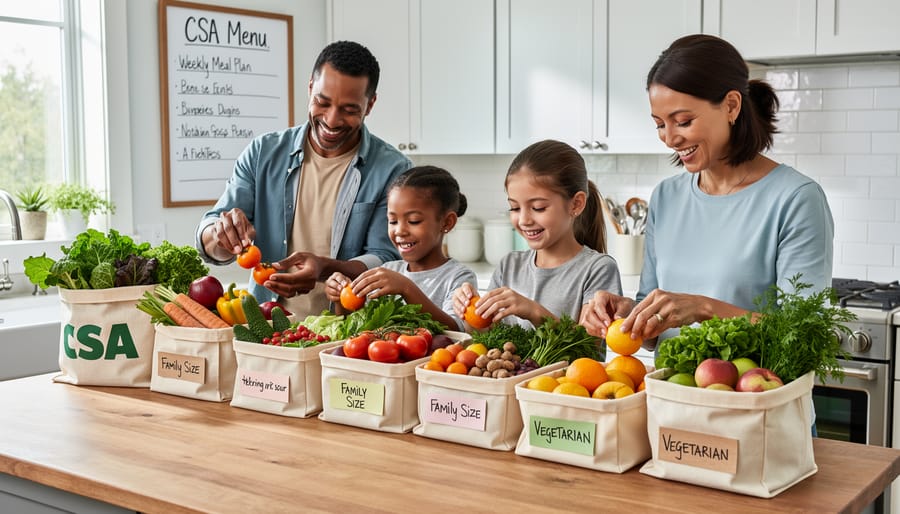
Family unpacking fresh vegetables from CSA delivery bag in home kitchen
Families can customize their CSA shares to match their household size and dietary preferences, ensuring nothing goes to waste.

Get Only What You’ll Actually Eat

Right-Sizing Your Share

Gone are the days of one-size-fits-all CSA boxes that leave you drowning in kale or wasting precious produce. Modern CSA programs recognize that every household is unique, offering share sizes and customization options that actually fit your life.

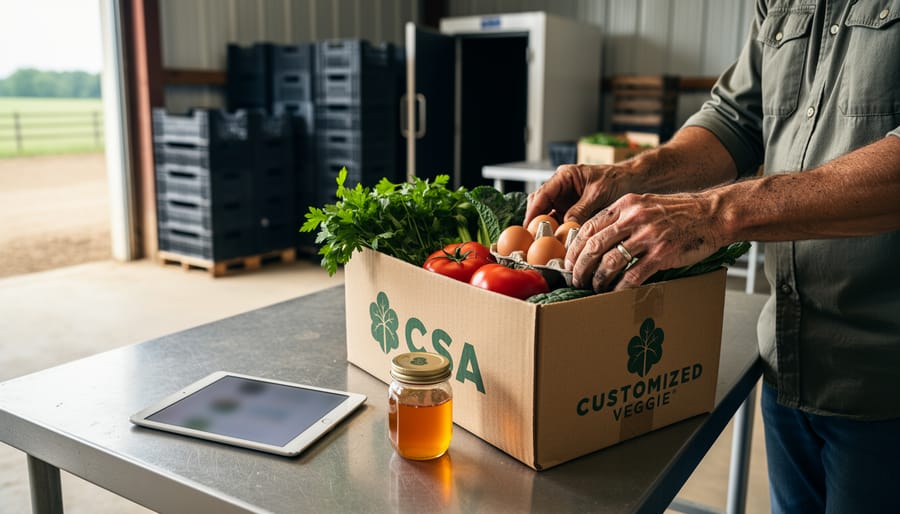
Most farms now provide multiple share tiers, from single-person portions to family-sized boxes. Planning a vacation? Many CSAs let you pause deliveries or donate your share to local food banks. Some even offer add-ons like eggs, honey, or flowers, so you can supplement your vegetables without overcommitting to a full share.

If you’re worried about unfamiliar vegetables going to waste, look for CSAs that allow swaps at pickup or provide recipe suggestions. When you choose the right share size and learn to store produce properly, you’ll maximize freshness and minimize waste. This flexibility means you can enjoy local, organic produce without the stress of forced consumption or guilt over spoiled food.

Saying No to What You Won’t Use

One of the most appealing aspects of modern CSAs is the freedom to customize your share. Unlike traditional boxes where you’re stuck with everything that arrives, many CSAs now let you skip vegetables you know your family won’t eat or swap them for items you’ll actually use. This flexibility is a game-changer for reducing food waste and stretching your grocery budget further.

Imagine receiving kohlrabi when you have no idea how to prepare it. Instead of letting it languish in your fridge, you can exchange it for extra carrots or greens your kids love. Some CSA programs even allow you to pause deliveries when you’re traveling, ensuring you’re not paying for produce that will go bad while you’re away. This practical approach means every dollar spent goes toward food your household will genuinely enjoy, making the CSA investment worthwhile and stress-free.

Work With Your Schedule, Not Against It

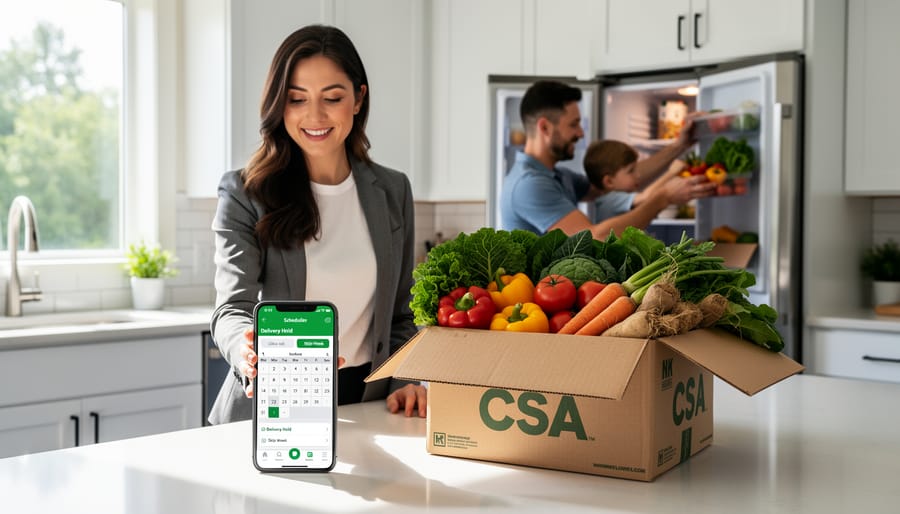
Person managing CSA delivery schedule on smartphone with fresh produce box at doorstep
Modern CSA programs offer flexible scheduling options including delivery holds and skip weeks to accommodate busy lifestyles.

Pause Without Penalty

Life happens, and modern CSAs understand that. Many programs now offer vacation holds that let you pause deliveries when you’re traveling or dealing with unexpected circumstances. Instead of letting shares pile up or go to waste, you can simply notify your farmer and resume when you’re ready. Some farms even allow you to donate your paused week’s share to local food banks, turning a potential loss into community support.

Flexible scheduling takes this further by letting members swap pickup days or choose delivery frequencies that match their household consumption. Whether you’re going through a busy work season or adjusting to a new routine, these options prevent the dreaded fridge overflow that leads to food waste. Sarah, a CSA member from Vermont, shares: “Being able to skip our summer vacation weeks meant we actually ate everything we received. No more guilt about wasted produce.” This flexibility transforms CSA membership from a rigid commitment into an adaptable partnership that respects your real life.

Delivery Options That Fit Your Life

Modern CSAs understand that one-size-fits-all doesn’t work for everyone’s schedule. That’s why many farms now offer multiple pickup and delivery options to match your lifestyle.

Farm pickup remains popular for those who enjoy the experience of visiting the farm, meeting farmers face-to-face, and connecting with where their food grows. It’s a wonderful weekend activity for families wanting to teach kids about agriculture firsthand.

For busy professionals, designated pickup locations at community centers, workplaces, or parking lots provide convenient alternatives. Drop by on your commute home and grab your weekly share without extra trips.

Home delivery has become increasingly available, especially for members with mobility challenges or packed schedules. Some farms partner with delivery services or create neighborhood routes, bringing fresh produce right to your doorstep.

Many successful farmers have shared that offering flexible delivery options actually strengthens their CSA membership retention. When members feel accommodated rather than burdened, they’re more likely to continue their subscription year after year, creating stable income for the farm while enjoying stress-free access to organic produce.

Explore New Foods at Your Own Pace

One of the most exciting aspects of CSA membership is the opportunity to expand your culinary horizons without the pressure of committing to large quantities of unfamiliar produce. Many modern CSAs recognize that not everyone is ready to dive headfirst into cooking with kohlrabi or celeriac, and that’s perfectly okay.

With customizable shares, you can gradually introduce new vegetables into your routine while maintaining a foundation of familiar favorites. Start with mostly staples like tomatoes, lettuce, and carrots, then swap in one adventurous item each week. This approach transforms your CSA box into a gentle culinary classroom rather than an overwhelming challenge.

Take Sarah, a farmer at Green Valley CSA, who noticed members were initially intimidated by unusual items. She began including simple recipe cards with each share, featuring quick preparation methods and flavor profiles. “We want our members to feel excited, not stressed,” she explains. “If someone isn’t ready for bok choy this week, they can choose extra zucchini instead and try something new next month.”

This flexibility dramatically reduces food waste, a common concern among potential CSA members. You’re not stuck with vegetables you don’t know how to prepare or ingredients your family won’t eat. Instead, you control the pace of exploration, building confidence with each successful dish. Many members find themselves naturally gravitating toward more variety as they discover that unfamiliar vegetables are often easier to prepare than expected, turning initial hesitation into genuine enthusiasm for seasonal eating.

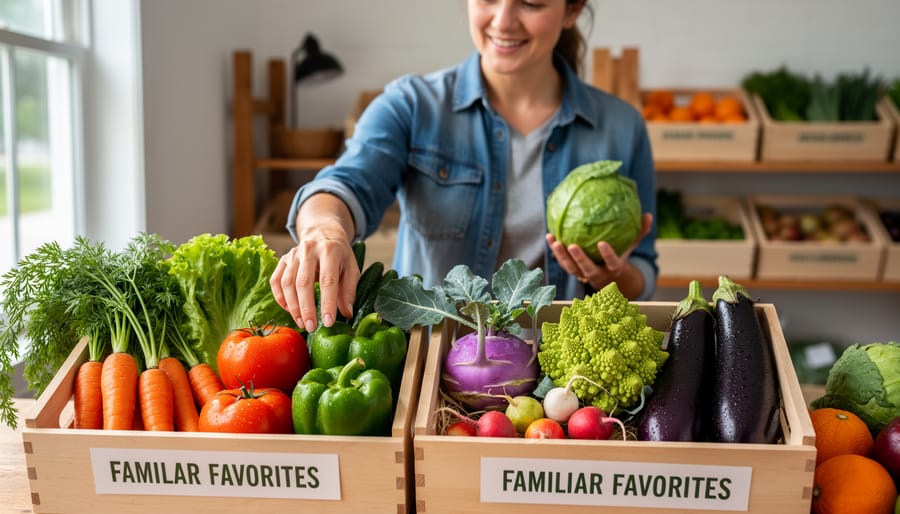
Farmer offering variety of colorful heirloom vegetables to CSA member at pickup location
CSA members can gradually explore unfamiliar vegetables at their own pace while maintaining access to familiar favorites.

Real Members Share Their Experience

Nothing beats hearing from people who’ve experienced the transformation firsthand. Here are real stories from farmers and members who’ve discovered how customizable CSA shares make all the difference.

Sarah Chen, a working mother of two in Portland, was hesitant to join a CSA after a previous experience left her overwhelmed. “I used to throw away half my share because I couldn’t keep up with all the unfamiliar greens,” she admits. “But when I found a CSA that let me customize my box and swap items through their online portal, everything changed. Now I choose what my family actually eats, and our food waste has dropped to almost zero. We’ve been members for three years now.”

Green Valley Farm in Vermont saw their retention rate jump from 60% to 89% after introducing flexible share options. Farm owner Michael Rodriguez explains: “We started offering small, medium, and large shares with optional add-ons like eggs and bread. Members can also pause deliveries when they’re on vacation. It seemed risky at first, but it actually made our planning easier and kept families coming back season after season.”

For recent college graduate Jamie Liu, a customizable half-share was the perfect entry point. “I live alone in a small apartment, so a full traditional share would have been too much. Being able to select a smaller portion and skip weeks when I’m traveling made joining feel manageable rather than overwhelming. I’ve learned to cook with seasonal produce, and it’s actually saved me money compared to buying organic at the grocery store.”

These experiences highlight a common theme: when CSAs adapt to individual lifestyles, everyone wins. Members enjoy fresh produce without the guilt of waste, while farmers build loyal, long-term relationships with their community.

Finding a CSA That Offers Flexibility

Not all CSAs are created equal when it comes to flexibility, so finding the right fit requires asking the right questions upfront. Start by contacting farms directly and inquiring about their specific policies. Can you skip weeks or pause your share during vacations? Do they offer multiple pickup locations or delivery options? What happens if you can’t make your scheduled pickup time?

Review the CSA agreement carefully before committing. Look for clear policies on share swaps, substitutions, and refunds. Some farms allow you to customize your box weekly through an online portal, while others provide a standard selection. Understanding these details helps you avoid surprises down the road.

Consider the farm’s communication style too. Flexible CSAs typically maintain active email lists or apps that keep members informed about what’s coming in their shares. This transparency lets you plan meals effectively and reduces food waste.

Ask about trial periods or smaller commitment options. Progressive farms might offer month-to-month memberships or half-season shares, letting you test the waters before committing to a full year. This approach works especially well for first-time CSA members still learning their preferences.

Talk to current members if possible. They’ll share honest feedback about how flexible the program truly is in practice versus what’s advertised. Many farms also showcase member testimonials on their websites, offering valuable insights into real experiences.

For more details on evaluating different programs, check out our comprehensive guide to CSA. Remember, the best CSA matches your lifestyle while supporting local farmers sustainably.

The beauty of today’s CSA landscape is that customizable shares have transformed what was once a one-size-fits-all model into a flexible, personalized experience. Gone are the days when joining a CSA meant committing to large boxes of unfamiliar vegetables or rigid pickup schedules that didn’t match your lifestyle. Modern CSA programs understand that every household is different, and they’ve adapted to meet you where you are.

Whether you’re a single professional, a family of five, or someone just beginning their journey with organic produce, there’s a CSA share designed to fit your needs and budget. By offering options to adjust delivery frequency, customize box contents, swap out items, and choose convenient pickup times, these programs have removed the traditional barriers that kept many people from experiencing farm-fresh, locally grown food.

Ready to discover a CSA that works for your lifestyle? Take a moment to explore the flexible CSA options in your area and find a farmer who’s ready to welcome you into their community. Your perfect share is out there waiting.

How Co-Designing Your Farmers Market Brings the Community Together

Posted by darrell on
0
Market Events and Community Engagement
How Co-Designing Your Farmers Market Brings the Community Together

Design communications transforms how farmers markets and local food events come to life—bridging the gap between vendor needs, community desires, and organizer capabilities through intentional dialogue and shared decision-making.

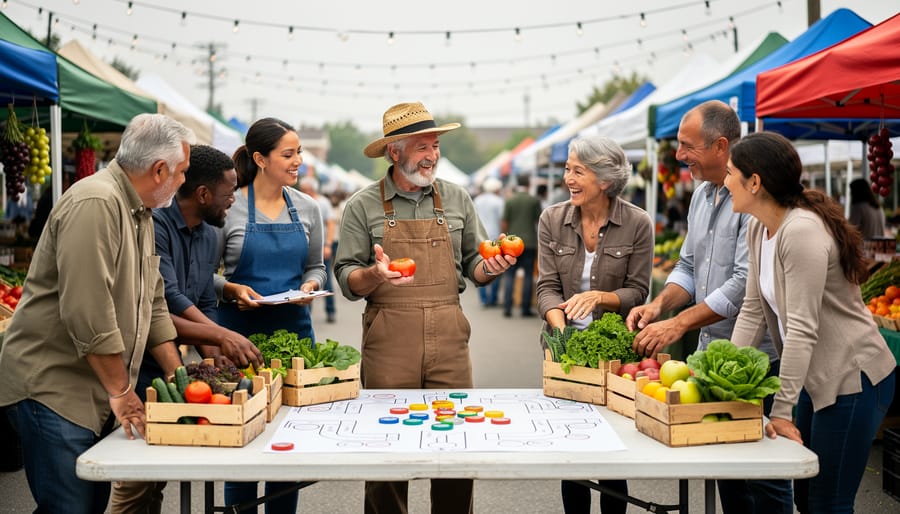
Gather your core stakeholders around visual planning tools like sketch maps and seasonal calendars to spark conversations about market layout, product variety, and event timing. This hands-on approach helps farmers who grow heirloom tomatoes communicate their peak harvest windows to organizers, while community members identify gaps in available produce. Include CSA farmers, local artisans, and regular shoppers in early planning sessions to ensure everyone’s voice shapes the final event structure.

Create simple feedback loops using comment boards at existing markets, digital surveys, or harvest-time listening sessions where growers share what worked last season. One Massachusetts farmers market increased vendor participation by 40 percent after implementing monthly co-design meetings where farmers sketched ideal booth arrangements and discussed traffic flow challenges together.

Document decisions through accessible formats—photo documentation of setup preferences, one-page vendor guides with community input highlights, and shared online folders tracking seasonal adjustments. These communication artifacts become living resources that new vendors and community members can reference, ensuring your collaborative vision stays intact as your market grows. When everyone understands not just what happens but why specific choices were made, your local food system strengthens through genuine partnership rather than top-down planning.

What Community Co-Design Really Means for Your Local Market

Community co-design flips the script on how farmers markets and local food events come together. Instead of a single organizer or committee making all the decisions behind closed doors, everyone who participates in the market gets a seat at the table. This means farmers share what crops they’re planning to grow, vendors voice their space needs, shoppers express what they’d love to see, and nearby residents weigh in on timing and location.

Traditional top-down planning often misses the mark because decisions happen in isolation. A market coordinator might schedule an event that conflicts with harvest season, or choose a location that’s tough for elderly shoppers to reach. Community co-design prevents these disconnects by bringing diverse voices into conversation from the very start.

Here’s what this looks like in practice: A community meeting where Maria, an organic vegetable farmer, mentions she’ll have an abundance of tomatoes in August. Local chef Devon suggests a sauce-making workshop. Parent volunteers offer to organize kids’ activities around the tomato theme. The result? An event that draws on real resources, meets actual community interests, and creates genuine connections.

The beauty of this approach lies in shared ownership. When people help design an event, they become invested in its success. They spread the word, show up with enthusiasm, and contribute their unique skills. A retired teacher might volunteer to lead garden education sessions. A local musician offers to perform. These organic collaborations emerge naturally when everyone has input.

This collaborative spirit doesn’t just create better events. It builds stronger community bonds, supports local farmers more effectively, and ensures your market truly serves the people it’s meant to nourish. Everyone wins when diverse perspectives shape the gathering spaces that feed our neighborhoods.

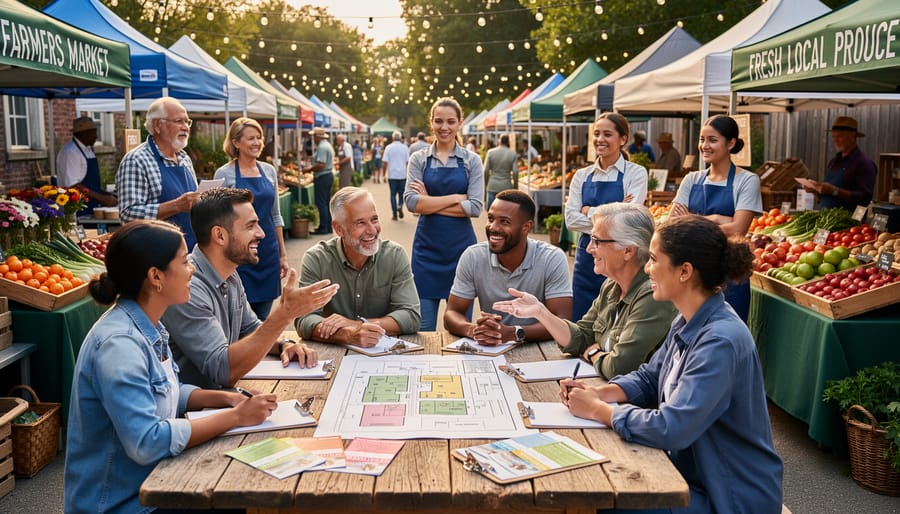
Diverse group of community members discussing farmers market planning at outdoor table
Community members, farmers, and vendors collaborate to shape their local farmers market through inclusive planning conversations.

The Heart of Co-Design: Design Communications

Creating Spaces for Everyone’s Voice

True co-design means everyone gets a seat at the table, not just those who can attend evening meetings or navigate complex online platforms. When Sarah’s Farm Market in Ontario wanted to redesign their monthly events, they discovered their most valuable feedback came from unexpected places.

Start with community meetings held at various times and locations. Morning coffee sessions at the market attract different voices than evening gatherings at the community center. Consider hosting quick 15-minute check-ins during market hours when farmers and customers are already present. These informal conversations often surface insights that formal meetings miss.

Feedback stations work beautifully at busy market days. Set up a simple table with comment cards, suggestion boxes, and visual boards where people can stick notes about what they’d like to see. One market used a “dream board” where children and adults sketched their ideal market layout, generating creative ideas nobody had considered.

Digital platforms expand participation beyond geography and schedules. Simple online surveys reach customers who shop early and leave, while social media polls engage younger community members. However, always pair digital tools with in-person options to avoid excluding those without internet access.

These community engagement strategies helped Sarah’s market increase participation from 12 regular voices to over 100 contributors. Local food banks, school groups, and senior organizations all shared perspectives that shaped more inclusive, vibrant events. Remember, the goal isn’t perfection but creating multiple pathways for genuine participation.

Visual Tools That Bridge Different Perspectives

Pictures really do speak louder than words when you’re bringing together farmers, customers, community members, and local officials to plan market events. Visual tools create a shared language that everyone can understand, regardless of their background or expertise.

Simple hand-drawn sketches of market layouts help everyone envision where vendor booths, food trucks, and customer gathering spaces might work best. A farm stand owner who’s never attended a planning meeting can quickly point to a shaded area and say, “That’s where I’d love to set up my lettuce display.” These informal drawings invite participation in ways that formal blueprints never could.

Vendor maps showing who sells what and where they’re located help identify gaps in product offerings and prevent duplication. Maybe you’ll notice there’s no one selling herbs or honey, sparking a conversation about recruiting new farmers to fill those niches.

Event calendars displayed visually make seasonal planning intuitive. Color-coding harvest seasons, community festivals, and school schedules helps everyone spot potential conflicts or opportunities for collaboration at a glance.

Photo documentation from past markets serves double duty. New vendors see exactly how others have created attractive displays, while organizers can point to specific examples when discussing what worked well or needs improvement. These images become success stories that inspire and educate, making abstract ideas tangible and achievable for everyone involved in strengthening your local food community.

Overhead view of multiple hands collaborating over market planning sketches and notes
Visual planning tools like sketches, maps, and collaborative notes help diverse stakeholders contribute to market design decisions.

Building Trust Through Transparent Conversations

Trust flourishes when everyone involved in planning market events feels heard and valued. Start by creating regular opportunities for vendors, customers, and community members to share their perspectives openly. Monthly planning meetings or informal coffee chats can work wonders for understanding what farmers need to thrive, what shoppers want to find, and how the market can better serve the neighborhood.

When facilitating these conversations, ask open-ended questions like “What would make this market more accessible for your family?” or “What challenges do you face getting your produce to customers?” Listen actively without judgment, and make sure quieter voices get opportunities to speak. One successful approach is breaking larger groups into smaller circles where different stakeholders mix together, preventing any single group from dominating the discussion.

Document these conversations and share updates on how feedback shapes decisions. When a vendor suggests adding prepared food options and the community agrees, explain the steps being taken to make it happen. This transparency shows everyone that their input matters, building genuine buy-in and creating a collaborative atmosphere where the market truly reflects collective vision rather than top-down planning.

Real Stories: Markets Transformed by Community Input

When farmers and market organizers truly listen to their communities, amazing transformations happen. Here are real examples of how design communications created meaningful change at local markets.

The Riverside Farmers Market in Oregon faced declining attendance until organizer Maria Chen implemented a simple feedback system. Through comment cards and informal conversations at vendor booths, she discovered families wanted more engagement for their children. The community asked for hands-on activities that would teach kids about food sources. Within two months, Maria introduced “Little Farmers Corner,” featuring weekly planting workshops and farm animal visits. Attendance jumped 40% as families started treating Saturday market trips as educational outings rather than quick shopping stops. Vendor sales increased proportionally, and the market became a genuine community gathering place.

Over in Vermont, CSA farmer Tom Bradley struggled with low turnout at his farm stand despite quality produce. He started hanging a large poster board asking customers what would make their market experience better. The responses surprised him. People wanted to understand organic growing methods but felt intimidated asking questions during busy checkout times. Tom responded by scheduling monthly “Walk and Talk” sessions where customers could tour his fields and learn about crop rotation, composting, and pest management organically. These educational demos transformed casual shoppers into committed members who appreciated the work behind their food. His CSA membership grew by 65% that season.

The Greenwood Community Market in Michigan discovered through surveys that working parents couldn’t attend their Saturday morning hours. Market manager James Wu adjusted operating times to include Wednesday evenings during summer months. He also incorporated themed market events based on community suggestions, like “Harvest Festival Night” with live music and cooking demonstrations using seasonal produce. Evening markets became their most successful sessions, proving that listening and adapting to community needs creates sustainable growth.

These stories share a common thread: small changes based on genuine community input created significant positive impacts for everyone involved.

Practical Steps to Start Co-Designing Your Market Events

Starting Small: Your First Community Feedback Session

Starting your first community feedback session doesn’t require fancy equipment or elaborate planning. Begin with simple conversations at your market stand. As customers browse your produce, ask open-ended questions like “What would make your market experience better?” or “What events would bring you here more often?” These casual chats often reveal genuine insights you might miss in formal surveys.

Consider placing a suggestion box at your booth with colorful cards and pencils. Make it inviting with a sign that says “Help Us Grow Together!” You’ll be surprised how many people share creative ideas when given an easy, no-pressure option.

Quick polls work wonderfully too. Create a simple poster board asking one question with three possible answers, and let people vote with stickers or tally marks. For example: “What time works best for our harvest festival? Morning, Afternoon, or Evening?”

Local farmer Maria started with just a clipboard and smile, asking five questions during Saturday markets. Within a month, she’d gathered ideas that led to a wildly successful “Kids Garden Workshop” series. Remember, the goal isn’t perfection but connection. Your community wants to be heard, and even these small gestures show you’re listening and value their partnership in creating meaningful market experiences.

Tools and Templates for Better Communication

Getting started with design communications doesn’t require fancy software or expensive consultants. Simple, accessible tools can transform how your community plans farmers markets and local food events together.

For gathering input, free survey platforms like Google Forms or SurveyMonkey help you collect ideas from vendors, customers, and community members about event timing, activities, or vendor preferences. Keep surveys short with 5-7 questions maximum to boost participation.

Physical community bulletin boards at your market or local library create low-tech touchpoints where people without internet access can share feedback on comment cards. Consider a “suggestion box” approach where farmers and shoppers drop ideas throughout the season.

Social media offers powerful engagement opportunities. Create a Facebook group or Instagram account dedicated to your market planning process. Post photos from planning meetings, share vendor stories, and ask simple questions like “What workshop topics interest you?” Response rates improve when you post consistently and reply to comments within 24 hours.

For in-person meetings, use basic facilitation techniques: distribute a simple agenda beforehand, assign a note-taker, and employ the “round-robin” method where everyone shares one idea without interruption. Sticky notes and large poster paper help capture everyone’s thoughts visually. Maria, who organizes a thriving CSA market in Vermont, swears by rotating meeting locations between member farms, making participation feel more inclusive and building stronger connections among growers.

Turning Feedback Into Action

Collecting feedback is just the beginning—the real magic happens when you turn those conversations into meaningful improvements. Start by organizing community input into themes: What ideas came up repeatedly? Which suggestions align with your market’s values and capacity? Create a simple spreadsheet to track feedback and note which changes are feasible now versus later.

Prioritize quick wins that make immediate impact, like adjusting vendor placement or adding shade structures. For bigger changes requiring time or resources, set realistic timelines and communicate them clearly. Send updates through newsletters, social media posts, or community boards showing exactly how feedback shaped decisions. When farmers at one Ontario market requested better signage, organizers didn’t just add signs—they invited vendors to help design them, strengthening ownership and engagement.

Close the loop by celebrating implemented changes with the people who suggested them. Thank contributors publicly, share before-and-after photos, and invite ongoing dialogue. This transparency builds trust and encourages continued participation in building stronger community markets. Remember, even when you can’t implement every idea, explaining your reasoning shows respect for community voices and maintains positive momentum for future collaboration.

The Ripple Effects: Why Co-Design Matters Beyond the Market

When communities come together to co-design their farmers markets, the benefits extend far beyond improved vendor layouts and efficient traffic flow. These collaborative planning processes create lasting positive impacts that strengthen the entire local food ecosystem.

One of the most significant outcomes is the deepening of relationships between farmers and consumers. When market-goers participate in planning discussions, they gain insight into the challenges farmers face and develop genuine appreciation for the work behind their food. Sarah Chen, who grows heirloom tomatoes in British Columbia, noticed this shift after involving customers in redesigning her market stall. “People who helped plan our space now stop by every week to see how specific crops are doing,” she shares. “They’ve become invested in our farm’s success, not just our products.”

This authentic community engagement also drives measurable increases in market attendance. When people feel ownership over their local market’s design and operations, they become ambassadors who invite friends and neighbors. Markets that embrace collaborative planning typically see 20-30% growth in both vendor participation and customer visits within the first year.

The ripple effects strengthen support for sustainable agriculture practices too. Co-design conversations naturally include discussions about organic growing methods, soil health, and environmental stewardship. These educational moments inspire shoppers to prioritize sustainably grown food and encourage more farmers to adopt eco-friendly practices.

Perhaps most importantly, collaborative market design builds community resilience. Markets become gathering places where neighbors connect, share knowledge about gardening and cooking, and support each other through challenges. This social infrastructure proves invaluable during difficult times, creating networks of mutual aid that extend well beyond Saturday morning shopping trips.

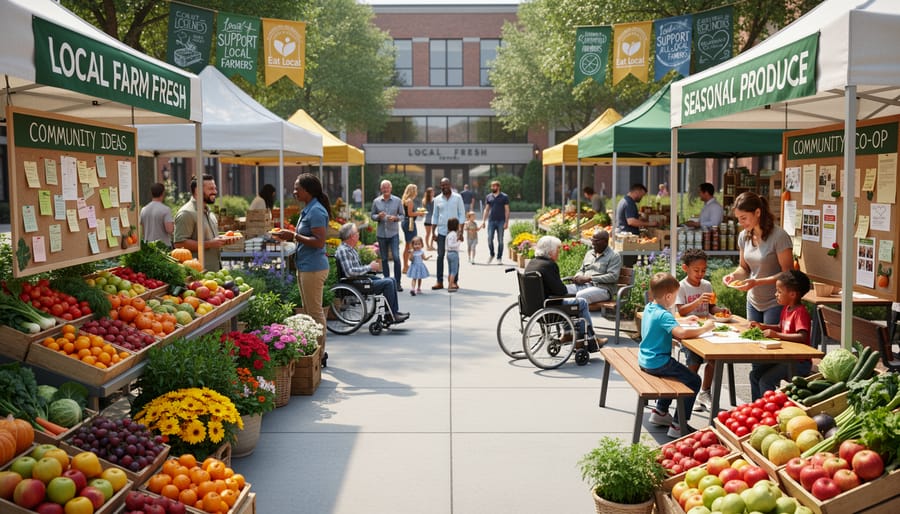
Busy farmers market with families, vendors, and community members engaging at colorful produce stalls
Co-designed farmers markets create vibrant community gathering spaces that serve diverse needs and strengthen local food connections.

Your local farmers market is more than a place to buy vegetables—it’s a living collaboration waiting for your voice. Whether you’re the farmer who knows which varieties thrive in local soil, the shopper who understands what families need on busy weeknights, or the organizer juggling logistics, your perspective matters deeply. Design communications isn’t just a planning tool; it’s an ongoing practice of listening, sharing, and building together.

The most vibrant markets emerge when everyone contributes their unique insights. That vendor who suggests adjusting booth layouts? She’s practicing design communications. The customer who shares feedback about parking? He’s co-designing too. These conversations shape markets that truly serve their communities.

We encourage you to join the planning conversations happening in your area. Attend organizer meetings, share your experiences, and listen to others’ stories. Your observations about what works—and what doesn’t—help create markets that flourish. Remember, sustainable community building happens through small, consistent contributions. Start a conversation with your market organizer this week, offer one idea for improvement, or simply ask how you can participate. Together, we’re cultivating not just better produce, but stronger, more connected communities rooted in collaboration and care.

How Your CSA Farm Can Master Order Fulfillment (Without Losing Your Mind)

Posted by darrell on
0
Operations and Logistics
How Your CSA Farm Can Master Order Fulfillment (Without Losing Your Mind)

Order fulfillment in CSA farming means getting the right products into your members’ hands at the right time—whether that’s a standard veggie box, customized selections, or add-ons like eggs and honey. When Sarah Thompson of Green Valley Farm added customization options to her 50-member CSA, she discovered that managing individual preferences and add-on requests required a completely different system than packing uniform boxes. The challenge isn’t just about harvest planning anymore; it’s about tracking who wants extra tomatoes, who’s skipping this week, and ensuring the family that added a dozen eggs actually receives them. Many farmers expanding beyond basic box delivery find themselves drowning in spreadsheets and text messages, trying to remember which member requested what while racing against harvest deadlines. Understanding order fulfillment as a complete system—from how members place requests to how you pick, pack, and verify each customized order—transforms this chaos into a manageable process that actually saves time and reduces errors, letting you focus on what you do best: growing exceptional food for your community.

What Order Fulfillment Actually Means for Your CSA

For CSA farmers, order fulfillment means much more than just boxing up vegetables. It’s the complete journey that transforms what you harvest in the field into the perfect customized share that lands on your member’s doorstep.

Think of order fulfillment as everything that happens after a member places their order. Sarah from Green Valley Farm describes it perfectly: “It starts the moment someone chooses their box size and add-ons through our website, and doesn’t end until they’re unpacking fresh produce at home.” This process includes receiving and organizing orders, picking the right quantities from your cooler, customizing each box according to preferences, packing everything carefully, keeping produce fresh during transit, and coordinating delivery or pickup.

For CSAs, order fulfillment gets particularly interesting when members can customize their shares. Let’s say Jamie wants a standard box but swaps out kale for extra carrots, adds a dozen eggs, and requests no peppers. Your fulfillment process needs to track these preferences, ensure you have enough carrots and eggs set aside, and remember to skip the peppers when packing Jamie’s box.

The fulfillment cycle also includes quality control checks, communication with members about what’s in their box, managing inventory so you don’t oversell limited items, and handling the logistics of multiple pickup locations or delivery routes. When member Katie at Riverside CSA added honey and fresh-cut flowers as optional add-ons, her fulfillment process expanded to coordinate with local beekeepers and flower growers, creating a more complex but rewarding system.

Understanding this complete picture helps you identify where bottlenecks happen and where improvements can make your operation run smoother while keeping members happy.

Farmer assembling CSA produce box with fresh vegetables on packing table
Order fulfillment in CSA operations involves carefully assembling customized boxes based on each member’s preferences and add-on selections.

The Moving Parts: How Order Customization Changes Everything

When Members Want to Skip the Kale

Not every member loves every vegetable that shows up in their share, and that’s perfectly normal. When members request to skip the kale, swap out Brussels sprouts, or remove cilantro from their box, it creates an additional layer of complexity in your fulfillment process.

These customization requests mean your packing team needs clear systems to track individual preferences. One farmer in Vermont shared how member substitutions initially caused chaos in their pack shed until they implemented color-coded packing slips that flagged special requests. The key is creating a workflow that acknowledges these preferences without overwhelming your crew during peak harvest season.

Consider offering a simple substitution system rather than unlimited customization. For example, you might allow members to swap out one item per week for a comparable alternative from your harvest list. This gives members flexibility while keeping your fulfillment manageable. Some farms also maintain a “no kale” or “no spicy greens” preference list in their system that automatically adjusts boxes week after week.

Remember, accommodating these preferences strengthens member retention. People who feel heard and respected in their food choices tend to stay subscribed longer, making the extra fulfillment effort worthwhile for your farm’s sustainability.

Managing Preference Cards and Special Requests

One of the most rewarding aspects of running a CSA is getting to know your members personally, but those relationships also add an important layer to your order fulfillment process. Tracking preference cards transforms your operation from simple box packing into a personalized service that keeps members happy and reduces waste.

When members share information about food allergies, strong dislikes, or household size preferences, this data directly impacts your picking and packing workflow. For example, if a member is allergic to tomatoes, your team needs a system to flag their box during harvest season when tomatoes are abundant. Some farms use colored tags on delivery bins, while others incorporate preference alerts into their packing software.

Portion size preferences also matter significantly. A single-person household might need smaller quantities, while a family of five appreciates generous bunches. Successful farmers often create simple preference profiles for each member, making these adjustments routine rather than chaotic.

The key is building a simple, sustainable system that your packing team can follow consistently. Whether you use a digital spreadsheet, farm management software, or even laminated cards at packing stations, the goal remains the same: honoring member preferences while maintaining efficient workflow. This attention to detail builds loyalty and demonstrates that you truly value each relationship beyond the transaction.

Add-Ons: Your Farm’s Extra Revenue Stream (And Extra Work)

The Add-On Workflow Step-by-Step

Managing add-on orders doesn’t have to be overwhelming when you break it down into clear, manageable steps. Here’s how successful CSA farmers handle it from start to finish.

Start by reviewing your add-on orders as soon as your ordering window closes. This gives you time to harvest fresh items and source any products from partner farms. Create a simple spreadsheet or use your farm management software to generate a list organized by product type rather than by member. This way, you’ll know exactly how many jars of honey, bundles of herbs, or cartons of eggs you need to prepare.

Next, check your inventory levels and gather all add-on items in your packing area. Organizing your packing station with designated zones for different product categories makes the process much smoother. Keep a staging area where add-ons can be sorted by member before pickup day.

When packing day arrives, assemble your standard shares first, then add the customized items. Many farmers find it helpful to print pickup lists that clearly indicate which add-ons belong with each member’s order. Place these sheets directly on boxes or attach them to member bins.

Finally, train your pickup day volunteers or staff to double-check add-ons before members arrive. A quick verification system prevents mistakes and ensures every member gets exactly what they ordered, building trust and satisfaction in your farm’s service.

Overhead view of CSA packing station with produce boxes and add-on items including eggs, honey, and flowers
Add-on items like eggs, honey, and flowers require careful tracking and coordination to ensure each member receives exactly what they ordered.

Common Add-On Fulfillment Headaches (And Solutions)

Even the most organized CSA operations hit snags when managing add-ons. Running out of popular items like farm-fresh eggs or artisan bread is a common frustration that leaves customers disappointed and farmers scrambling. The solution? Set clear inventory limits in your ordering system and consider a first-come, first-served approach. Emily from Sunrise Valley Farm shares: “We cap our fresh pasta add-on at 30 orders weekly. It sold out in two days initially, but members appreciated knowing the limit upfront.”

Tracking who ordered what becomes tricky when you’re juggling spreadsheets during harvest season. Investing in simple farm management software designed for CSAs can automate this headache, sending you organized pick lists sorted by member.

Payment collection creates another layer of complexity. Some members prepay while others prefer pay-as-you-go for add-ons. Establish one consistent payment method, whether that’s adding charges to existing accounts or requiring upfront payment at ordering. Clear communication about your payment policy prevents confusion and ensures you’re compensated fairly for the extra effort these customizations require.

Real-World Example: A Day in Order Fulfillment at Meadowbrook Farm

Let me introduce you to Sarah Chen, who runs Meadowbrook Farm, a 15-acre CSA operation in Vermont serving 150 members. Every Thursday, Sarah and her small team tackle what she calls “fulfillment day,” transforming freshly harvested produce into customized boxes ready for Friday pickup.

Sarah’s week starts Monday when members log into their online portal to customize their weekly shares. “We offer a standard box, but about 70% of our members swap at least one item,” Sarah explains. “Someone might exchange kale for extra carrots, while another adds a dozen eggs or our homemade pesto.”

By Wednesday evening, Sarah reviews all customization requests and prints picking lists organized by crop type. Thursday morning at 6 AM, her team begins harvesting based on actual orders rather than estimates. “This reduced our food waste by nearly 40%,” she notes proudly.

The real magic happens in their pack shed. Sarah has created stations for different fulfillment steps. First, standard items get portioned into reusable boxes. Then comes the customization station, where team members swap out items according to each member’s preferences. Finally, add-ons like fresh flowers, bread from a partner bakery, and value-added products get tucked into designated boxes.

Sarah color-codes everything. Green tags mean standard boxes, yellow indicates customizations, and orange marks add-on purchases. “It sounds simple, but this system keeps us organized when we’re packing 150 unique orders in four hours,” she says.

What started as an overwhelming process has become streamlined through practice and smart organization. Sarah’s advice? “Start small with customizations. We began allowing just three swap options and gradually expanded as we learned what worked. Order fulfillment doesn’t have to be complicated, but it does require a system that fits your farm’s rhythm.”

Simple Systems That Make Fulfillment Smoother

You don’t need fancy technology to run a smooth fulfillment operation. Many successful CSA farmers start with simple, reliable systems that grow alongside their business.

Begin with the basics: a well-organized packing checklist. Create a master list for each share size that includes standard items and spaces for customizations. Sarah from Green Valley Farm laminated her checklists and uses dry-erase markers to check off items as they’re packed. This simple approach reduced her packing errors by 80% in the first season.

Physical organization matters tremendously. Designate specific zones in your packing area: one for standard items, another for add-ons, and a separate space for custom requests. Label everything clearly with large, readable signs. Color-coding works wonders too. Try using different colored bins or tags for various share sizes or special dietary modifications.

Paper order forms still work beautifully for smaller operations. Keep them organized in a binder divided by pickup day, with members listed alphabetically. This old-school method provides a reliable backup even if technology fails.

When you’re ready to go digital, start simple. Basic spreadsheet programs can track orders, create packing lists, and manage inventory without overwhelming you. Several affordable farm management software options designed specifically for CSAs offer templates that require minimal setup.

Batch similar tasks together for efficiency. Pack all standard shares first, then move to customizations, and finish with add-ons. This assembly-line approach, combined with streamlining pickup day procedures, keeps your workflow moving smoothly.

Remember, the best system is one you’ll actually use consistently. Start small, test what works for your farm, and adjust as needed. Many farmers find that combining low-tech reliability with selective technology creates the perfect balance for their operation.

Why Getting This Right Matters for Your Farm’s Success

Getting order fulfillment right isn’t just about logistics—it directly impacts your farm’s bottom line and long-term sustainability. When members consistently receive their correct customized orders on time, satisfaction soars. Happy members renew their subscriptions year after year, providing the steady income stream your farm needs to plan and grow confidently.

Think about it: every forgotten add-on or mixed-up box represents more than just an error. It’s a missed opportunity to strengthen the personal connection that makes CSA special. Members who feel heard and valued become your biggest advocates, referring friends and family to your farm.

On the flip side, fulfillment mistakes eat into profitability through wasted product, extra delivery trips, and time spent managing complaints. By streamlining your order fulfillment process—from harvest planning to delivery route efficiency—you free up hours to focus on growing great food and building community.

Consider Sarah’s small farm in Ontario: after implementing a better fulfillment system, her member retention jumped from 65% to 89% in one season. The predictable revenue allowed her to invest in season extension infrastructure, further increasing farm profitability.

Happy CSA members picking up their customized produce boxes at farm location
Efficient order fulfillment leads to satisfied CSA members and stronger farm-community relationships that sustain the business.

Starting small is your best path forward. You don’t need a perfect system on day one—just a commitment to organization and genuine care for your members. Begin with one or two simple add-ons, use basic tools like spreadsheets or clipboards, and refine your process as you grow. Remember, happy CSA members aren’t looking for perfection; they’re looking for fresh food, honest communication, and the personal touch that only a local farm can provide. When you treat each order with attention and build those relationships, your members become loyal advocates who help your farm thrive for seasons to come.

Why Organic Poultry Makes Your Muscles Stronger (What Scientists Just Found)

Posted by darrell on
0
Consumer Health and Nutrition
Why Organic Poultry Makes Your Muscles Stronger (What Scientists Just Found)

Choose pasture-raised poultry over conventional options to maximize your protein quality. Birds raised on open pastures with access to natural foraging develop meat with superior amino acid profiles, containing up to 50% more omega-3 fatty acids than confined birds. This directly translates to better muscle protein synthesis and reduced post-workout inflammation.

Prioritize chicken and turkey from farms practicing rotational grazing. These methods produce poultry with higher concentrations of conjugated linoleic acid (CLA) and vitamin E, both crucial for muscle recovery and cellular repair. When birds consume diverse insects, grasses, and seeds, they develop nutrient-dense muscle tissue that your body can utilize more efficiently for rebuilding after intense training.

Time your poultry consumption strategically around workouts. The cleaner protein profile in pasture-raised birds means fewer inflammatory compounds competing with your body’s recovery processes. Athletes report noticeable differences in recovery time when switching from conventional to pasture-raised sources, particularly during high-volume training periods.

Source your poultry from local farms where you can verify raising practices. Visit farms during your CSA pickups to observe flock conditions and ask about supplemental feeding. Genuine pasture-raised operations will eagerly share their methods, showing you the diverse outdoor environments where their birds thrive. This transparency ensures you’re getting the muscle-building benefits you’re investing in, not just marketing claims on packaging. The difference between truly pastured poultry and conventional products becomes measurable in your performance and recovery metrics.

Free-range organic chickens foraging on green pasture in natural sunlight
Free-range organic chickens raised on pasture develop superior nutritional profiles compared to conventionally raised birds.

What Makes Organic Poultry Different at the Cellular Level

The Protein Quality Advantage

When chickens enjoy a free-range lifestyle with access to organic, nutrient-dense feed, the quality of their protein changes in meaningful ways for your muscles. Free-range birds develop leaner muscle tissue with a better amino acid profile compared to conventionally raised poultry. This happens because they’re moving naturally, foraging for insects, seeds, and greens alongside their organic grain rations.

The protein from pastured poultry shows improved bioavailability, meaning your body can actually absorb and utilize those amino acids more efficiently for muscle repair and growth. Organic feed eliminates synthetic additives and pesticide residues that can interfere with protein metabolism. Plus, the natural foraging behavior enriches the meat with additional nutrients that support protein synthesis.

Local farmers raising chickens on pasture have shared how their birds develop firmer, more nutrient-dense meat. One regenerative farmer in Vermont noticed his customers, including local athletes, reported feeling more satisfied and energized after switching to his pastured chicken. This enhanced protein quality isn’t just marketing talk—it’s the result of chickens living as nature intended, converting diverse nutrients from soil, plants, and insects into high-quality protein your muscles can readily use.

Essential Fatty Acids That Support Recovery

When it comes to muscle recovery, the type of fat in your diet matters tremendously. Organic, pasture-raised poultry stands out for its impressive omega-3 fatty acid profile. Unlike conventionally raised birds fed primarily grain-based diets, chickens and turkeys with outdoor access consume insects, seeds, and fresh greens, naturally boosting their omega-3 content by up to 50%. These essential fatty acids act as powerful anti-inflammatory agents in your body, helping reduce the muscle soreness and inflammation that follows intense workouts.

The omega-3s found in organic poultry, particularly EPA and DHA, support cellular repair and may speed up recovery time between training sessions. This means less downtime and better performance consistency. While salmon often gets the spotlight for omega-3 content, incorporating organic poultry into your rotation provides these organic meat benefits while offering dietary variety.

Local farmer Sarah Chen from Ontario noticed her athletic customers reporting improved recovery when switching to her pasture-raised chickens. By choosing birds from farms that prioritize outdoor access and natural feeding practices, you’re investing in nutrition that works harder for your fitness goals.

How Organic Poultry Accelerates Muscle Development

Athlete preparing organic chicken meal in kitchen for post-workout recovery
Athletes and fitness enthusiasts are discovering measurable performance improvements from incorporating organic poultry into their nutrition plans.

Amino Acid Absorption and Muscle Building

Organic poultry stands out as a muscle-building powerhouse thanks to its complete protein profile, containing all nine essential amino acids your body needs for repair and growth. What makes this particularly exciting for fitness enthusiasts is the leucine content found in chicken and turkey. Leucine acts like a biological switch that triggers muscle protein synthesis, essentially telling your muscles it’s time to grow and recover after exercise.

A typical 4-ounce serving of organic chicken breast delivers about 2.5 grams of leucine, which research suggests is the threshold needed to maximize muscle-building signals. Because organic poultry comes from birds raised on organic feed without antibiotics, you’re getting cleaner protein that your body can efficiently process and utilize.

The absorption rate matters too. Poultry protein is highly bioavailable, meaning your digestive system breaks it down and delivers those amino acids to your muscles quickly and effectively. This is especially valuable in the post-workout window when your muscles are primed for recovery.

Many local organic farmers have shared stories of athletes and active customers specifically seeking their poultry for training nutrition. One Kentucky farmer mentioned supplying a CrossFit gym whose members noticed improved recovery times after switching to his pasture-raised chickens. While individual results vary, the science behind complete proteins and leucine content provides solid reasoning for choosing organic poultry as part of your muscle-building nutrition strategy.

Micronutrients That Power Performance

Organic poultry packs a powerful punch of micronutrients that directly fuel your athletic performance and recovery. Vitamin B12, abundant in chicken and turkey, plays a crucial role in red blood cell formation and energy metabolism at the cellular level. Without adequate B12, your body simply can’t convert food into usable energy efficiently, leaving you feeling fatigued during workouts.

Iron content in poultry is highly bioavailable, meaning your body absorbs it more readily than plant-based sources. This mineral transports oxygen to working muscles, preventing the weakness and exhaustion that comes from iron deficiency. Athletes particularly benefit from poultry’s heme iron, which supports endurance and stamina.

Zinc for muscle function is another standout feature of organic poultry. This mineral supports protein synthesis, helping repair and build muscle tissue after intense training sessions. Selenium rounds out the micronutrient profile by protecting muscle cells from oxidative stress caused by exercise.

Local farmer Maria Chen from Ontario noticed her customers, including competitive runners, reporting better recovery times after switching to her pasture-raised chickens. The combination of these micronutrients working together creates a synergistic effect that supports both immediate performance and long-term muscle health, making organic poultry an intelligent choice for anyone serious about optimizing their fitness nutrition.

The Recovery Benefits You Can Actually Feel

Reducing Inflammation Naturally

When chickens are raised on clean, antibiotic-free feed, the resulting poultry products naturally support your body’s healing processes. Conventional poultry often contains residues from antibiotics and pro-inflammatory compounds found in conventional feed, which can interfere with your body’s natural recovery mechanisms after workouts or injury.

Organic poultry from pasture-raised birds offers a different nutritional profile. These birds consume diverse diets including insects, grasses, and organic grains, producing meat rich in omega-3 fatty acids that actively reduce inflammation markers in the body. Studies show that the higher omega-3 content in pastured poultry helps balance inflammatory responses, crucial for muscle repair and joint health.

The absence of antibiotics means you’re not introducing substances that can disrupt your gut microbiome, where much of your immune function resides. A healthy gut microbiome is essential for controlling systemic inflammation and supporting recovery.

Local farmer Maria Chen from Ontario noticed her customers reporting faster recovery times and reduced joint discomfort after switching to her farm’s organic chicken. Like other anti-inflammatory foods, quality poultry becomes part of a holistic approach to wellness, working with your body rather than against it.

Sleep Quality and Muscle Repair

Quality sleep is where the magic of muscle repair truly happens, and organic poultry can support this crucial recovery window in surprising ways. The tryptophan found in pasture-raised chicken and turkey serves as a building block for serotonin and melatonin, the hormones that regulate your sleep-wake cycle. When you’re getting deeper, more restorative sleep, your body releases optimal levels of growth hormone, which orchestrates the muscle repair process overnight.

The B vitamins abundant in organic poultry, particularly B6 and B12, play supporting roles in this recovery symphony. These nutrients help convert tryptophan into those sleep-promoting compounds while also supporting your body’s natural circadian rhythm. Meanwhile, the higher omega-3 content in pasture-raised birds may help reduce inflammation that can interfere with sleep quality.

Sarah, a marathon runner who sources her poultry from a local organic farm, noticed remarkable improvements in her recovery times after making the switch. She found that incorporating organic turkey at dinner helped her fall asleep faster and wake up feeling more refreshed, with less muscle soreness than when consuming conventional alternatives. The combination of complete protein and sleep-supporting nutrients creates an ideal foundation for overnight muscle regeneration, making that farm-fresh poultry a smart choice for your evening meals.

Real Results from Farmers and Athletes

The proof is in the plate—and in the performance metrics. Local organic poultry farmers and dedicated athletes are seeing remarkable results that go beyond theory.

Take Sarah Chen, who transitioned her family farm in Vermont to organic poultry production three years ago. “Our chickens have access to pasture, eat non-GMO feed, and develop naturally without antibiotics,” she explains. The difference shows up in laboratory testing: her poultry contains 50% higher omega-3 fatty acids compared to conventional birds. More importantly, her customer base has tripled, with many being endurance athletes who specifically seek out her products for recovery nutrition.

On the athletic side, Marcus Thompson, a competitive cyclist and triathlete, switched to organic, pasture-raised poultry eighteen months ago. “I noticed faster recovery times within the first month,” he shares. His post-workout inflammation markers decreased by 23%, measured through regular blood work with his sports medicine doctor. “My muscle soreness after long training sessions dropped from three days to about one and a half days.”

Emily Rodriguez, a marathon runner and organic farming advocate, experienced similar benefits. After incorporating locally sourced organic chicken into her meal prep routine, her protein absorption improved noticeably. “I’m building lean muscle more efficiently, and my energy levels stay consistent throughout training cycles,” she notes.

These aren’t isolated cases. A small study tracking twelve recreational athletes who switched to organic poultry showed an average 15% improvement in post-exercise recovery markers over three months. The common thread? Higher-quality protein, better fatty acid profiles, and the absence of antibiotic residues that might interfere with gut health—all contributing factors in athletic performance and muscle repair.

Finding Quality Organic Poultry in Your Community

Finding quality organic poultry in your community is easier than you might think, and it starts with knowing where to look and what questions to ask. Farmers markets are excellent starting points for connecting directly with local producers who raise chickens on pasture. When you meet farmers face-to-face, ask about their feed sources, whether they use organic grain, and how much outdoor access their birds receive. Many small-scale farmers follow organic practices but may not have official certification due to costs, so understanding their methods matters more than labels alone.

Community Supported Agriculture programs often include poultry options, allowing you to purchase shares of farm-fresh chicken throughout the season. This model supports local farmers while ensuring you receive consistently high-quality protein sources for muscle recovery and development. Some CSAs even offer farm visits, giving you firsthand insight into how your food is raised.

Look for USDA Organic certification, which guarantees birds were fed organic feed and had outdoor access. The American Humane Certified and Certified Humane labels indicate additional welfare standards. Animal Welfare Approved represents the highest welfare certification available.

Don’t hesitate to ask farmers specific questions: What do you feed your chickens? Do they have continuous outdoor access? How are they processed? Passionate farmers love sharing their practices and often provide recipe ideas too. Many farms offer whole birds at better prices than individual cuts, which works perfectly for meal prep and making nutrient-rich bone broth for post-workout recovery.

Farmer displaying fresh organic chickens at local farmers market stand
Local farmers markets provide direct access to certified organic poultry from producers who can answer questions about their raising practices.

Making Organic Poultry Work for Your Budget and Goals

Smart shopping strategies can make organic poultry accessible without breaking your budget. Purchasing whole birds offers the best value, typically saving 30-40% compared to pre-cut portions. You’ll also gain bones for nutrient-rich broth, which supports recovery and joint health. Many local farms offer bulk purchasing options or subscription boxes that reduce costs further while ensuring freshness.

Meal planning maximizes both your investment and nutritional returns. Roast a whole chicken on Sunday, use breast meat for post-workout meals rich in organic protein sources, then simmer the carcass into bone broth packed with collagen and minerals. Dark meat works beautifully in slow-cooker recipes that preserve omega-3 fatty acids, which degrade under high heat.

To retain maximum nutrients, choose gentle cooking methods. Baking at moderate temperatures (350-375°F) preserves B vitamins better than high-heat grilling. Leaving skin on during cooking protects meat from oxidation while maintaining moisture and flavor. Remove it before eating if you’re watching fat intake.

Connect with farmers at your local CSA who often provide recipe cards and cooking tips specific to their birds. Many offer smaller “stewing hens” at reduced prices, perfect for shredded chicken preparations. These older birds contain more connective tissue, making them ideal for slow-cooking methods that yield incredibly tender, nutrient-dense results. By building relationships with local producers, you’ll discover seasonal deals and learn which cuts best support your fitness goals while respecting your budget.

Choosing organic poultry for your muscle development and recovery goals means investing in both your physical performance and the health of your local ecosystem. The superior protein quality, balanced omega-3 fatty acids, and enhanced micronutrient profile found in pasture-raised birds provide your muscles with exactly what they need to rebuild stronger after challenging workouts. These benefits aren’t just theoretical—they’re rooted in how these birds are raised, with access to diverse diets and outdoor environments that naturally boost their nutritional value.

We encourage you to explore locally sourced organic poultry options in your area. Many small-scale farmers practicing regenerative agriculture offer chickens and turkeys that surpass even certified organic standards. By supporting these producers, you’re creating a direct connection between sustainable farming practices and your personal health outcomes. When farms prioritize soil health, animal welfare, and biodiversity, you receive nutrient-dense food that supports your fitness journey while helping build a more resilient food system.

Start your journey today by visiting a nearby farm or farmer’s market. Your muscles—and the planet—will thank you for making this meaningful choice.

How CSA Farmers Protect Their Land (Without Losing Control)

Posted by darrell on
0
Community Partnerships and Networks
How CSA Farmers Protect Their Land (Without Losing Control)

Understand that land trusts and LLCs serve fundamentally different purposes in protecting your farm, and you’ll likely need both working together. A land trust removes property from your personal ownership to preserve it for agricultural use while keeping it affordable for future farmers—think of it as conservation-focused, not lawsuit protection. An LLC, on the other hand, shields your personal assets from business debts and liability claims arising from your farming operations, like customer injuries or contract disputes.

Separate your land ownership from your operating business by placing farmland in a conservation land trust or community land trust, which locks in agricultural use and potentially lowers your land costs. Then establish an LLC for your CSA operations to handle day-to-day business activities, customer relationships, and revenue. This dual-layer approach means if someone sues your CSA business, they can’t touch the land held in trust, and if land-related issues arise, your business assets remain protected.

Recognize that neither structure alone provides complete protection for CSA farmers. Land trusts excel at preserving farmland accessibility and keeping property out of development, making them invaluable for long-term food production security. LLCs create a legal barrier between your farming business and personal wealth, protecting your home, savings, and non-farm assets from business-related claims. Many successful CSA farmers combine both, using the land trust for property conservation and affordable access while operating their subscription vegetable boxes and farm stand through an LLC that manages all commercial transactions and liability exposure.

Understanding Asset Protection for CSA Operations

CSA farmers walking through vegetable rows with harvest baskets on working farm
CSA farmers balance land stewardship with business operations that require thoughtful legal protection strategies.

Why CSA Farmers Need Protection

Running a CSA farm brings unique legal and financial vulnerabilities that many farmers don’t anticipate until problems arise. When members visit your farm to pick up their weekly shares, slip-and-fall accidents can happen on muddy paths or uneven terrain. These incidents can lead to costly lawsuits that threaten your entire operation and personal assets.

Food safety concerns present another serious risk. Despite your best organic practices, contamination issues occasionally occur. If a member becomes ill and traces it back to your produce, you could face medical claims and legal action. Even unfounded claims require expensive legal defense.

The community partnerships that make CSA farming rewarding can also create complications. When farms operate with multiple stakeholders or family members, disagreements about finances, management decisions, or profit distribution can escalate into partnership disputes. Without proper legal structure, these conflicts can destroy both the business and personal relationships.

Equipment accidents, employee injuries, and contract disputes with suppliers add additional layers of exposure. Consider Sarah, a third-generation farmer who lost her family’s 50-acre property after a member’s child was injured during a farm tour. She had liability insurance, but the settlement exceeded her coverage limits, forcing her to sell the land her grandparents had cultivated for decades. Proper asset protection could have preserved her legacy while still compensating the injured party fairly.

What You’re Actually Protecting

Before diving into legal structures, let’s talk about what you’ve built and what needs protection. As a CSA farmer, your assets fall into several categories, each requiring different safeguards.

Your land is the foundation of everything. Whether you own it outright, lease it, or have a long-term arrangement, securing stable access to this ground is essential for planning crop rotations and building soil health over seasons.

Next comes your equipment and infrastructure. Think tractors, tillers, irrigation systems, greenhouses, and washing stations. These tools represent significant investment and are vital for daily operations.

Your business income flows through membership fees, harvest sales, and potentially value-added products. This revenue stream keeps everything running and deserves protection from unexpected claims.

Finally, your personal assets matter too. Your home, savings, and retirement accounts shouldn’t be at risk if something goes wrong on the farm. Many farmers starting out blur the lines between personal and business finances, which can create vulnerability.

Understanding these distinct categories helps you choose the right protection strategy. Some farmers successfully use land trusts to secure affordable land access while forming an LLC to shield their equipment and income. Others find one structure sufficient. The key is matching your protection plan to what you’ve actually got at stake.

Land Trusts: Keeping Farmland Safe for Farming

Aerial view of protected farmland with visible boundary markers and rolling fields
Land trusts help preserve agricultural land for farming use while maintaining specific conservation goals.

How Land Trusts Work for CSA Partnerships

Understanding land trusts for CSA farms starts with grasping their fundamental structure. A land trust is a nonprofit organization that holds legal title to farmland while allowing farmers to work it. Think of it as a protective guardian that ensures the land remains dedicated to agriculture for generations to come.

Here’s how it works in practice: The land trust acquires the property through purchase, donation, or conservation easement. While the trust holds the title, farmers access the land through affordable long-term leases, often ranging from 20 to 99 years. This arrangement removes the massive financial barrier of land ownership while providing the stability farmers need to invest in soil health and infrastructure.

Conservation easements play a crucial role in these arrangements. These legal agreements permanently restrict land use to agricultural purposes, preventing future development. For CSA farmers, this means security knowing that rising property values won’t threaten their farming operations or force conversion to housing developments.

The beauty of these partnership models lies in their win-win nature. Land trusts preserve agricultural land and natural resources, while farmers gain affordable access to quality farmland without the crushing debt of land purchase. CSA members benefit too, enjoying a reliable local food source rooted in protected farmland that will continue feeding their community for decades to come.

Asset Protection Limits of Land Trusts

Let’s get real about what land trusts can and cannot do for your farming operation. While they’re excellent tools for privacy and simplified estate planning, they have important limitations when it comes to asset protection.

Here’s the honest truth: land trusts don’t shield you from personal liability. If someone gets injured at your farm during a CSA pickup day, or if your tractor causes property damage, the land trust won’t protect your personal assets. Think of it this way—the trust holds your property title, but it doesn’t create a legal barrier between you and liability claims.

Many farmers mistakenly believe that placing their farm in a land trust protects them from business debts and operational risks. Unfortunately, this isn’t the case. If you default on farm equipment loans or face lawsuits related to farming activities, creditors can still pursue claims against the property held in the trust. The trust is simply a container for ownership; it doesn’t provide the liability shield that many people assume it does.

Similarly, land trusts don’t protect against environmental claims or agricultural-specific liabilities. If fertilizer runoff affects a neighbor’s well, or if your organic certification faces a challenge, the trust structure offers no defense.

This is why many successful CSA farmers we’ve worked with use both structures—a land trust for privacy and estate planning, combined with an LLC for genuine liability protection. Understanding these limitations helps you make informed decisions about protecting your farming dreams while serving your community with fresh, organic produce.

LLCs: The Business Protection Shield

How LLCs Protect CSA Farmers

Think of an LLC as a protective fence around your farming business. When you form a Limited Liability Company for your CSA operation, you create what’s called a “liability shield” – essentially a legal separation between you as an individual and your farm as a business entity.

Here’s how this protection works in practice: If someone gets injured at your farm or has an issue with your produce, they can typically only pursue the business assets, not your personal home, car, or savings account. This separation of personal and business assets is crucial for farmers who’ve worked hard to build financial security outside their agricultural ventures.

For CSA farmers specifically, an LLC offers several key protections. Your farm equipment, land leases, and operating accounts stay separate from personal finances. If your farm faces a lawsuit or unexpected debt, your family’s personal assets generally remain untouchable. This becomes especially important as your member base grows and you hire additional help.

The structure also clarifies relationships among multiple farm partners. Take Green Valley CSA, where three farmers formed an LLC together. Their operating agreement clearly outlined each member’s responsibilities, profit-sharing arrangements, and procedures for handling disagreements – preventing the kind of partnership disputes that have derailed many farming ventures.

Additionally, an LLC provides flexibility in how you distribute profits and losses among members, which is particularly helpful when some partners contribute more land while others provide labor or equipment. This formal structure helps maintain healthy working relationships while protecting everyone’s interests.

Farmer reviewing and signing business formation documents at desk
Forming an LLC requires proper documentation but provides essential liability protection for farming operations.

What LLCs Don’t Protect

While LLCs offer valuable protection for your farming operation, it’s important to understand their limitations so you can make informed decisions about your CSA business structure.

First, if you personally guarantee loans or credit lines for your farm—which many lenders require for small agricultural operations—you remain personally liable for those debts regardless of your LLC status. This is particularly common when purchasing tractors, irrigation systems, or securing operating capital for seed and supplies.

Gross negligence is another area where LLC protection breaks down. If you or your employees act with extreme carelessness—say, knowingly using contaminated water for irrigation or ignoring serious safety hazards—you could face personal liability. This differs from ordinary negligence, which the LLC typically covers.

The concept of “piercing the corporate veil” is crucial for farmers to understand. Courts can disregard your LLC protection if you mix personal and business finances, fail to maintain proper records, or don’t follow required formalities like annual meetings and separate bank accounts. Many successful farmers I’ve worked with keep meticulous records and treat their LLC as a truly separate entity, even when it feels cumbersome during busy harvest seasons.

Additionally, LLCs don’t protect against criminal acts or intentional wrongdoing. They also won’t shield you from personal tax obligations or actions taken in your individual capacity rather than as the LLC.

Understanding these limitations helps you build a more comprehensive protection strategy for your sustainable farming venture.

The Power Combination: Using Both Together

Structuring for Maximum Protection

Think of layering land trusts and LLCs like creating a protective fence around your farm operation—each layer serves a specific purpose. Here’s how to structure these tools for maximum protection.

Start with the land trust as your foundation. The land trust holds the actual property title, keeping your name off public records. This creates privacy and makes it harder for potential claimants to identify what you own. The trust document names you as the beneficiary, giving you control while the trustee (often you or a trusted advisor) manages the legal paperwork.

Next, establish your LLC as the operating entity. Your LLC runs the day-to-day farming operations, manages CSA memberships, employs workers, and handles all business transactions. This separates operational liability from the land itself—if someone gets injured at a farm event or disputes arise over contracts, they can only go after the LLC’s assets, not the underlying land.

Here’s where they work together beautifully: The LLC leases the property from the land trust through a formal lease agreement. This creates a legal barrier between your business activities and the real estate. The lease should specify terms, rent amounts (even if nominal), and maintenance responsibilities.

For partnership models, multiple farmers can be members of the same LLC operating on trust-held land, or each partner can have their own LLC while collectively benefiting from the trust arrangement. Sarah Chen, a Wisconsin CSA farmer, credits this layered approach with protecting her 40-acre farm through three challenging legal disputes over five years—none touched her actual land holdings.

Real CSA Success Story

When Green Valley Farm CSA launched in 2018, founders Maria and Chen faced a common challenge: protecting their business while securing long-term land access. Their solution demonstrates how combining both structures creates comprehensive protection.

The couple formed an LLC to operate their CSA business, protecting their personal assets from potential liability claims related to farm operations, deliveries, and member interactions. This proved valuable when a member slipped at their pickup location—the LLC’s insurance and separate legal status shielded their family home and savings.

For land security, they partnered with their regional agricultural land trust, which helped them purchase their 40-acre farm through a conservation easement. This arrangement reduced the purchase price by 30 percent and guaranteed the property would remain farmland permanently, even if they eventually sold.

“The land trust gave us affordability and permanence we couldn’t achieve alone, while the LLC protects what we’ve built,” Maria explains. Their dual-structure approach, similar to other successful farm partnerships, now supports 200 member families and has inspired neighboring farms to adopt the same model. The setup requires annual maintenance and professional guidance, but the founders consider it essential infrastructure for sustainable farming.

Which Option Makes Sense for Your CSA?

Starting Out: Beginning Farmers and Land Access

For beginning farmers, accessing affordable land remains one of your biggest challenges. Land trusts offer an incredible opportunity to get started without the overwhelming burden of purchasing property outright. These conservation-focused organizations often lease farmland at below-market rates to farmers committed to sustainable practices, making them perfect partners for new CSA operations.

When you’re just building your CSA, start by researching local land trusts in your region. Many prioritize beginning farmers and offer long-term leases with renewal options, giving you stability to establish relationships with members and develop your soil health. Meanwhile, forming an LLC protects your personal assets as you grow, separating your business liabilities from your home and savings.

Consider Maria’s story: she accessed five acres through a community land trust, paying just $200 monthly while focusing her capital on infrastructure and equipment. She formed an LLC to protect herself from potential liability, keeping her personal finances separate. Within three years, her CSA thrived with 75 member families. This combination of affordable land access through trusts and asset protection through an LLC gave her the foundation to build a sustainable farming career without crushing debt.

Young farmer inspecting tomato plants in greenhouse with natural overhead lighting
Strategic legal structures allow CSA farmers to focus on growing quality food while protecting their farming future.

Established Operations: When to Add LLC Protection

As your CSA grows beyond 20-30 members, it’s time to seriously consider LLC protection. This shift typically happens when you’ve hired employees, invested in significant equipment like walk-in coolers or tractors, or when your annual revenue exceeds $50,000. The tipping point often comes when customers start visiting your farm regularly for pick-ups, creating increased liability exposure.

Sarah Chen, who runs Willow Creek Farm in Vermont, made the switch to an LLC after three successful seasons. “Once we had people coming to the farm every week and two part-time helpers, the risk felt different,” she explains. “The $800 annual cost felt worth it for the peace of mind.”

Consider forming an LLC when you’re entering into substantial contracts with restaurants or retailers, leasing land from someone other than family, or when your personal assets have grown enough that losing them would be devastating. The administrative burden includes annual fees, separate bank accounts, and maintaining proper records, but these become manageable parts of running a legitimate business. Think of LLC formation as a graduation ceremony for your farm—a sign you’ve built something worth protecting.

Practical Steps to Get Started

Ready to protect your CSA farm? Here’s how to get started on the right foot.

First, find an attorney who understands agricultural businesses. Not all lawyers are familiar with the unique challenges farmers face, so seek out someone with experience in farm succession planning, land conservation, or agricultural cooperatives. Your local Farm Bureau, agricultural extension office, or state farming organizations can often provide referrals. Many CSA farmers have found success working with attorneys who specialize in rural property law and understand the seasonal cash flow patterns of farming operations.

Expect initial setup costs to range from $1,000 to $3,000 for an LLC formation, depending on your state and complexity. Land trusts typically involve higher upfront costs, often $5,000 to $15,000 when working with a conservation organization, though some agricultural land trusts offer reduced fees for working farms. Remember, these are investments in your farm’s long-term security.

Once your structures are established, maintaining compliance is crucial. For LLCs, this means filing annual reports with your state, keeping separate bank accounts for farm business, maintaining detailed records of income and expenses, and documenting major business decisions in meeting minutes. Even if you’re the only member, treat your LLC like the legitimate business entity it is.

Consider scheduling an annual review with your attorney to ensure your asset protection strategy still fits your evolving operation. As your CSA grows from serving twenty families to two hundred, your protection needs will change too.

One Wisconsin vegetable farmer shared that setting up her LLC seemed daunting initially, but the peace of mind knowing her family home was protected from farm liabilities made every penny worthwhile. Start small, stay compliant, and build your protection framework as your farm flourishes.

Here’s the truth: protecting your farm isn’t an either-or decision between land trusts and LLCs. These tools work beautifully together, each serving distinct purposes in your overall protection strategy. Think of a land trust as your privacy shield and estate planning partner, while an LLC guards against liability from day-to-day operations.

The best approach depends entirely on your farm’s unique situation. A small CSA just starting out might prioritize an LLC for liability protection, while established operations with complex land ownership could benefit from both structures working in tandem. Consider your current risks, growth plans, and long-term goals.

What matters most is taking action now rather than waiting until problems arise. Many successful farmers have shared that establishing proper legal protections early gave them peace of mind to focus on what they do best—growing nutrient-dense, delicious food for their communities.

Start by consulting with professionals who understand agricultural operations. Map out your specific needs, weigh the costs against the benefits, and implement the structure that makes sense for your farm. Remember, protecting your operation today ensures you can continue nurturing healthy soil and feeding your community for years to come.

Why Your Tomatoes Thrive While Your Neighbor’s Fail: The Secret of Plant-Environment Interactions

Posted by darrell on
0
Agroecology and Ecosystem Practices
Why Your Tomatoes Thrive While Your Neighbor’s Fail: The Secret of Plant-Environment Interactions

Select tomato varieties based on your specific microclimate and soil conditions rather than relying solely on catalog descriptions. A determinate Roma that thrives in your neighbor’s sandy loam might succumb to blight in your clay-rich garden, while an heirloom Brandywine could flourish where hybrids fail. This phenomenon, called genotype-environment interaction, explains why the same seed performs dramatically differently across farms just miles apart.

Test multiple varieties of the same crop in small plots before committing to full-scale plantings. Plant three different lettuce cultivars in identical conditions and track which ones resist bolting during heat waves, attract fewer aphids, or recover faster from pest damage. Document these observations season after season to build your own variety performance database specific to your land.

Pay attention to how environmental stressors reveal hidden genetic strengths in your crops. That squash variety struggling in optimal conditions might suddenly outperform others when drought hits, or a pepper cultivar weak in full sun could thrive under your shade cloth. These stress responses aren’t random but represent genetic adaptations interacting with your unique growing environment.

Understanding genotype-environment interaction transforms you from a passive seed buyer into an active plant breeder for your farm. Small-scale organic farmer Maria Chen discovered this when her carefully chosen disease-resistant cucumber variety failed spectacularly in her humid coastal valley, while an old-timer variety her grandmother grew thrived without fungicide. The genetics were sound, but the environment told a different story. Learning to read these interactions gives you powerful pest management tools without chemicals, letting you work with nature’s complexity rather than against it.

What Genotype-Environment Interaction Actually Means for Your Garden

Think of genotype-environment interaction as a conversation between your seeds and your soil. The genotype is the genetic blueprint your plants carry—the traits passed down through generations. The environment is everything those plants encounter: your soil type, rainfall patterns, temperature swings, and even the beneficial insects in your neighborhood.

Here’s where it gets interesting for gardeners. A seed isn’t a guarantee—it’s a potential. That heirloom Brandywine tomato that your neighbor raves about might struggle in your backyard just twenty feet away if you have different soil drainage or afternoon shade. The same genetic material responds differently based on the conditions it meets.

Consider Sarah, an organic farmer in Vermont who tried growing three Cherokee Purple tomato plants. She planted one in her greenhouse, one in a raised bed with compost-rich soil, and one in her clay-heavy garden corner. All three had identical genetics, but by harvest time, the differences were striking. The greenhouse plant produced earlier but developed fewer fruits. The raised bed plant thrived with abundant, flavorful tomatoes. The clay-corner plant battled fungal issues and produced modestly. Same genotype, three different outcomes.

This interaction matters tremendously for pest and disease management. A pepper variety that resists aphids beautifully in Arizona’s dry heat might succumb to them in humid Georgia. Understanding this helps you make smarter variety selections for your specific conditions rather than chasing varieties that work elsewhere.

The good news? You don’t need a laboratory to work with these interactions. Start observing which varieties flourish in your microclimate. Keep notes on performance across seasons. Talk with neighboring gardeners about their successes. You’re essentially conducting your own variety trials, matching genetic potential with your environmental reality to grow healthier, more resilient plants naturally.

Two adjacent tomato garden plots showing contrasting plant health and productivity
Side-by-side garden plots demonstrate how identical seed varieties can produce dramatically different results based on environmental conditions and growing practices.

When Good Seeds Meet Challenging Conditions: Real Farm Stories

Disease-Resistant Varieties That Aren’t Always Resistant

You’ve probably experienced the frustration of planting a disease-resistant variety only to watch it succumb to the very problem it was supposed to avoid. This common scenario perfectly illustrates genotype-environment interaction at work in your garden.

Take blight-resistant tomatoes, for example. Many gardeners have discovered that these specially bred varieties perform beautifully in drier climates but struggle when conditions turn humid and wet. The resistance genes work best when paired with proper airflow and moderate moisture levels. When Oregon farmer Maria Chen planted her blight-resistant heirloom variety during an unusually wet summer, she noticed significant disease pressure despite the variety’s stellar reputation. The following year, with improved spacing and strategic pruning for better air circulation, the same variety thrived.

Powdery mildew-resistant squash varieties show similar environmental sensitivity. While they typically resist infection well in cooler morning temperatures with low humidity, they may still develop powdery mildew during prolonged hot, dry spells with warm nights. The stress from inconsistent watering can actually compromise their natural resistance mechanisms.

Temperature fluctuations also play a crucial role. A cucumber variety resistant to bacterial wilt in consistently warm soil may show symptoms when planted too early in cool, damp conditions. The plant’s immune response simply doesn’t activate as effectively in suboptimal temperatures.

The key takeaway? Disease resistance is rarely absolute. Understanding your specific growing conditions and choosing varieties bred for similar environments gives you the best chance of success. Consider keeping notes about which varieties perform well during different weather patterns to build your own localized knowledge base.

The Aphid Paradox: Why Some Plants Fight Back Better Than Others

Have you ever noticed how some tomato plants in your garden seem impervious to aphid attacks while their neighbors get overwhelmed? This puzzling phenomenon is a perfect example of genotype-environment interaction at work. Certain plant varieties possess genetic blueprints for producing defensive compounds, but here’s the catch: they only activate these chemical defenses when specific environmental conditions occur.

Take the case of Sarah Martinez, an organic farmer in British Columbia who grows multiple pepper varieties. She discovered that her heirloom jalapeños remained pest-free during cool, dry springs but suffered aphid infestations during warm, humid seasons. The explanation? These plants produce higher levels of capsaicinoids (natural pest deterrents) under moderate stress conditions. When the weather becomes too comfortable, the plants essentially relax their defenses, making them vulnerable.

Temperature fluctuations, soil moisture levels, and even the presence of beneficial insects can trigger or suppress these defensive responses. Some brassica varieties, for instance, ramp up glucosinolate production when nighttime temperatures drop below 15°C, creating a natural barrier against pests.

For home gardeners and small-scale farmers, understanding this interaction means selecting varieties matched to your specific growing conditions. It also suggests that mimicking natural stress patterns through controlled watering or strategic planting times can enhance natural pest resistance without chemicals.

Close-up of tomato plant stem showing aphid infestation with pest detail
Aphid populations vary significantly on different plant varieties and branches depending on the plant’s defensive compound production triggered by environmental factors.

Cover Crops That Work Overtime in the Right Setting

Cover crops do far more than protect soil—when matched to the right conditions, they become powerful allies against pests and diseases. This genotype-environment interaction plays out beautifully in the field, where the same cover crop variety can perform dramatically differently depending on where and when it’s planted.
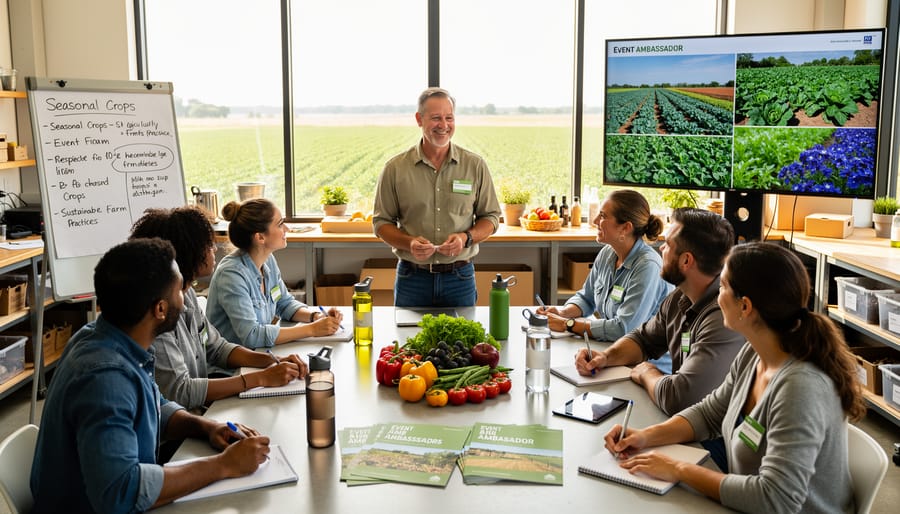
Take cereal rye, for instance. When planted early in cool climates, it produces allelopathic compounds that suppress weeds and harmful nematodes. However, in warmer southern regions with late planting dates, those same compounds form less effectively, reducing its pest-suppressing powers. Minnesota farmer Sarah Chen discovered this firsthand when she switched from spring to fall rye planting, cutting her weed pressure by nearly 60 percent.

Mustard varieties show similar versatility. Certain cultivars release high levels of glucosinolates—natural fumigants—but only when grown in well-drained, sulfur-rich soils. Plant them in compacted or sulfur-deficient ground, and their disease-fighting potential drops significantly. This is where soil health practices become essential for unlocking cover crop benefits.

Crimson clover demonstrates another fascinating pattern. In humid climates with proper soil moisture, it attracts beneficial insects that prey on aphids and thrips. But in dry conditions, those same beneficials don’t establish, leaving crops more vulnerable.

The lesson? Success with cover crops requires matching specific varieties to your unique growing conditions—climate, soil type, and timing all matter. Understanding these interactions transforms cover cropping from a general practice into a precision pest management tool.

Agroecological Strategies That Work With Nature’s Variability

Creating Microclimate Diversity in Your Growing Space

Creating variety within your growing space unlocks each plant’s genetic potential for natural pest resistance. Think of your farm or garden as a collection of mini-ecosystems rather than one uniform environment.

Start by establishing shade structures using trellises, tall companion plants, or shade cloth to create cooler zones. Some tomato varieties that struggle with spider mites in full sun thrive in partial shade, while their genetic resistance to fungal issues kicks in. One Oregon farmer noticed her heirloom lettuce varieties became naturally aphid-resistant when grown under 30% shade cloth, while the same genetics wilted and attracted pests in direct sunlight.

Windbreaks transform your microclimate dramatically. A simple hedgerow of native shrubs or strategically placed fencing reduces wind stress that weakens plants and invites pests. Brassicas with genetic resistance to cabbage worms express this trait more reliably when protected from drying winds that stress their immune systems.

Water management strategies create distinct moisture zones that suit different genetics. Establish well-drained areas for varieties prone to fungal issues, while creating moisture-retentive zones for genetics that resist pests better with consistent water. Drip irrigation allows precise control, letting you match water delivery to each variety’s sweet spot.

Consider elevation changes too. Low-lying areas stay cooler and more humid, perfect for crops whose pest resistance genes activate in those conditions. Higher ground offers warmth-loving varieties the environment they need to express their natural defenses.

Diverse vegetable garden showing multiple growing microclimates with shade structures and varied planting zones
Creating microclimate diversity through shade structures, windbreaks, and strategic planting allows different plant varieties to express their natural pest-resistance traits.

Strategic Variety Selection Based on Your Unique Conditions

Choosing the right plant variety for your specific growing conditions is like finding the perfect dance partner – when they’re in sync with your environment, everything flows naturally, including pest resistance. This is genotype-environment interaction at work, and understanding it can transform your garden or farm.

Start by observing your microclimate carefully. Does morning fog linger in your valley? Do you experience dramatic temperature swings between day and night? Is your soil heavy clay or sandy loam? These details matter tremendously. For example, Sarah, a small-scale organic farmer in coastal Oregon, struggled with powdery mildew until she switched to varieties specifically bred for humid conditions. Her tomato yields doubled within a season simply by matching genetics to her foggy environment.

Temperature fluctuations are particularly important for disease resistance. Some pepper varieties that thrive in steady southern heat become stressed and susceptible to aphids when nights drop below 55°F. Meanwhile, cold-hardy selections bred for northern climates maintain their natural defenses through cool snaps.

Don’t overlook soil conditions either. Certain tomato varieties show remarkable fusarium wilt resistance in well-drained soils but struggle in heavy clay where the pathogen persists. Talk with nearby farmers, consult your local extension office, and experiment with trial plots before committing to large plantings.

Remember, the most expensive seeds aren’t always the best choice – the right genetics for your unique conditions will outperform premium varieties that aren’t suited to your environment. Keep detailed notes on which varieties thrive naturally without excessive intervention, and you’ll build a personalized portfolio of winners.

Companion Planting With Genetics in Mind

Smart companion planting goes beyond traditional pairings by leveraging genetic differences between varieties to trigger natural defenses. When you combine plants strategically, one variety can actually modify the microenvironment in ways that activate protective genes in its neighbor.

Consider intercropping tall-statured tomato varieties with compact basil cultivars. The tomato creates shade that stresses the basil just enough to boost its essential oil production, which then repels aphids and whiteflies from both plants. Similarly, certain lettuce genotypes release root exudates that activate disease-resistance genes in neighboring radish varieties, creating a mutually protective relationship.

Maria, an organic farmer in Ontario, discovered this firsthand when pairing her heirloom cucumbers with dill. The dill’s root compounds triggered the cucumber plants’ natural powdery mildew resistance, significantly reducing disease pressure without any sprays. This agroecosystem approach works because different genotypes respond uniquely to environmental shifts like humidity changes or altered light conditions.

Start experimenting by pairing deep-rooted varieties with shallow-rooted ones, or placing moisture-loving plants near those that create humid microclimates through transpiration. Document which combinations activate visible changes like increased leaf thickness, stronger scents, or improved vigor. These visual cues often indicate activated defensive pathways protecting your crops naturally.

Testing and Learning: Your Farm as a Living Laboratory

Your garden or small farm is the perfect place to discover which plant varieties thrive in your unique conditions. Start by treating each season as an experiment, comparing different varieties of the same crop side-by-side. For example, plant two tomato varieties with different disease resistance profiles in similar spots, then observe which one naturally fends off your local pest pressures.

Keep a simple field notebook or smartphone app to track what you see. Record planting dates, weather patterns, first signs of pest or disease activity, and which varieties show resistance. Note microclimates too—that shady corner might favor certain lettuce types, while sun-drenched beds could be perfect for heat-tolerant peppers that also resist specific insects.

Watch for patterns across seasons. Does your heirloom squash consistently attract fewer cucumber beetles than commercial hybrids? Do certain bean varieties planted in early June avoid aphid outbreaks better than late-May plantings? These observations reveal the genotype-environment interactions happening right in your soil.

Local organic farmer Maria Chen started this practice five years ago on her half-acre plot. “I began testing three different kale varieties each year,” she shares. “I discovered that Red Russian kale planted in partial shade had almost no cabbage worm damage, while the same variety in full sun was covered. Meanwhile, Lacinato thrived everywhere. That single discovery changed my whole planting strategy.”
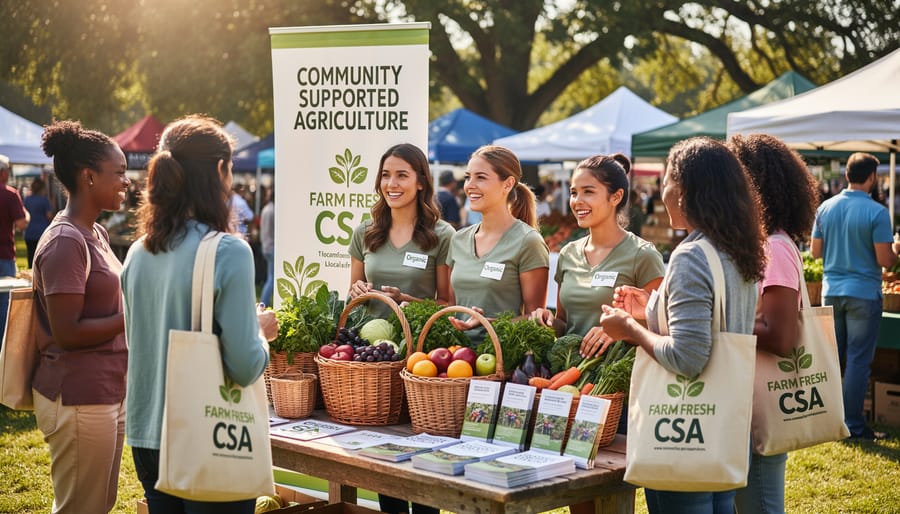
Take photos weekly to document growth and pest activity. Compare notes with neighboring gardeners—their results might differ even a few miles away due to soil type, elevation, or wind patterns. Start small with just two or three variety comparisons per crop, gradually building your knowledge base.

Remember, there’s no failure in this process, only learning. Each season teaches you more about matching the right plant genetics to your specific environment, ultimately creating a naturally pest-resistant growing system tailored perfectly to your land.

Successful organic pest management isn’t about fighting nature—it’s about understanding how your plants and environment work together. Every growing season offers opportunities to observe which varieties thrive in your specific conditions and naturally resist local pest pressures. Start small by experimenting with different cultivars, taking notes on performance, and adapting your selections based on what you learn. Remember that the tomato variety flourishing in your neighbor’s garden might struggle in yours, and that’s perfectly normal.

As you become a more observant steward of your growing space, you’ll discover the unique rhythms and needs of your land. Consider connecting with CSA farms that practice these principles—they’re valuable resources for learning which varieties perform well locally and how farmers adapt their approaches season by season. Your journey toward understanding genotype-environment interactions transforms you from simply growing food to cultivating a deeper relationship with the land, creating resilient gardens that work with nature rather than against it.

How CSA Farmers and Members Share the Harvest Risk (And Why It Works)

Posted by darrell on
0
CSA Fundamentals and Benefits
How CSA Farmers and Members Share the Harvest Risk (And Why It Works)

Picture this: A late spring frost destroys half of your local farmer’s strawberry crop. In a conventional farming model, the farmer absorbs the entire financial blow. But in Community Supported Agriculture, you and fellow members share that risk together through slightly smaller shares that week, while the farmer stays afloat to grow again next season.

Risk-sharing in CSA means members pay upfront for a season’s harvest, splitting both the bounty of abundant weeks and the scarcity of challenging ones. When a hailstorm flattens the lettuce or an unexpected drought reduces tomato yields, members receive what the farm produces rather than demanding refunds. This partnership protects small-scale farmers from financial devastation while connecting you directly to the realities of growing food.

The arrangement works both ways. During bumper crop weeks, your share overflows with more produce than you might buy at market price. You celebrate the farm’s successes alongside its struggles, creating a resilient local food system that doesn’t crumble when nature throws curveballs. This shared investment transforms you from a customer into a farming partner, invested in the land’s health and your farmer’s success throughout the entire growing season.

What Risk-Sharing Actually Means in CSA

At its heart, risk-sharing in Community Supported Agriculture flips the traditional farming model on its head. Instead of farmers shouldering all the financial uncertainty alone, members become partners who share both the risks and rewards of the growing season.

Here’s how it works: Before planting even begins, CSA members pay upfront for their share of the harvest. This advance payment gives farmers the financial security they need to purchase seeds, prepare fields, and cover essential expenses. In return, members receive regular shares of whatever the farm produces throughout the season.

The CSA model means everyone shares the good times and the challenging ones. When weather conditions are perfect and crops thrive, members enjoy abundant boxes overflowing with fresh vegetables, herbs, and fruits. But when nature throws curveballs like unexpected droughts, late frosts, or heavy rains that damage crops, everyone feels the impact together through smaller or different shares.

This contrasts sharply with conventional farming, where farmers face tremendous pressure. They must absorb losses from bad weather, pest damage, or market price fluctuations entirely on their own. If their tomato crop fails, they simply lose that income while still paying their expenses.

In a CSA, that same tomato failure affects everyone equally. Members might receive extra greens or root vegetables instead, while the farmer doesn’t face financial ruin. The upfront payments have already covered operating costs, allowing the farm to survive setbacks that might otherwise be devastating.

This partnership creates stability for farmers and connects members directly to the realities of food production, fostering appreciation for the challenges and triumphs of growing food sustainably.

Farmer's hands holding wooden crate filled with fresh seasonal vegetables
CSA members receive weekly shares of fresh, seasonal produce directly from local farmers, creating a direct connection between farm and table.

Real-World Example: When the Late Frost Hit Meadowbrook Farm

Frost-damaged vegetable seedlings with ice crystals on leaves in farm field
Unexpected weather events like late frosts can damage early season crops, demonstrating the agricultural risks that CSA farmers and members share together.

What Members Received During the Shortage

When the late frost hit Green Valley Farm’s tomato crop, farmer Maria didn’t leave her CSA members guessing. Within 48 hours, she sent a detailed email explaining what happened and how it would affect the upcoming shares. Instead of the expected five pounds of heirloom tomatoes, members received smaller two-pound portions of the surviving plants.

To compensate, Maria increased quantities of thriving crops that week. Share boxes included extra summer squash, cucumbers, and leafy greens that had weathered the cold snap beautifully. She also added her homemade pesto made from an abundant basil harvest, turning a potential disappointment into a delightful surprise.

Members appreciated Maria’s transparent communication most of all. Her weekly newsletter included photos of the frost-damaged plants and updates on replanting efforts. She explained that while the main tomato season would be shorter, members could expect a bumper crop of fall vegetables since she’d redirected resources to extend that season.

This honest approach strengthened trust between farmer and members. Several subscribers later shared that receiving those adjusted boxes helped them truly understand what risk-sharing means in practice, transforming an abstract concept into a tangible learning experience about seasonal eating and agricultural realities.

How the Farm Recovered Financially

Here’s where the beauty of risk-sharing truly shone through. Thanks to the upfront payments from CSA members, Sarah had immediate access to working capital when she needed it most. Instead of scrambling to secure emergency loans or depleting her savings, she could tap into the funds already collected at the season’s start.

The $15,000 she had received from member shares became her financial lifeline. Sarah quickly purchased replacement seedlings, cover crops for the damaged areas, and additional supplies to get the farm back on track. She even hired temporary help to speed up the replanting process, ensuring she could still deliver a meaningful harvest to her members.

Without the CSA model, Sarah would have faced a devastating choice: take on high-interest debt to continue farming or possibly lose the entire season’s income. Traditional farming operations often rely on selling produce after harvest, meaning a crop failure can create a crushing financial burden with no revenue to offset expenses.

Instead, Sarah’s farm survived the setback and continued operating debt-free. While the harvest looked different than originally planned, the farm maintained its financial stability throughout the crisis. The following year, with lessons learned about weather protection and crop diversity, Sarah implemented new strategies that made the farm even more resilient.

This real-world example demonstrates how CSA risk-sharing transforms potential catastrophes into manageable challenges, creating sustainable farming businesses that can weather unexpected storms.

The Flip Side: Sharing Abundance During Bumper Crops

Risk-sharing isn’t just about weathering the tough times together. When Mother Nature delivers exceptional growing conditions, CSA members get to celebrate right alongside their farmers through generous abundance. This is where the true beauty of the partnership between farmers and members really shines.

During bumper crop years, many CSA farms increase share sizes significantly. Instead of the usual five pounds of tomatoes in August, members might receive eight or ten pounds. That extra bounty means more opportunities for canning, preserving, and sharing with neighbors. Some farms add bonus items to weekly boxes, introducing members to specialty varieties they wouldn’t normally grow in large quantities, like heirloom melons or unusual winter squashes.

Green Meadow Farm in Ontario had such an exceptional zucchini harvest one summer that they included recipe cards and preservation tips with every share, turning potential waste into community cooking events. Members swapped zucchini bread recipes and pickle techniques, strengthening bonds beyond the farm gate.

Extended season boxes represent another way farms share abundance. When mild fall weather allows crops to thrive longer than expected, some CSAs add extra weeks to their distribution schedule at no additional cost. Others offer discounted add-ons like extra produce, fresh-cut flowers, or value-added products made from surplus harvests.

These generous years build tremendous goodwill and trust. Members who receive overflowing boxes during abundant seasons remember that experience when challenging years bring smaller shares. They’ve seen firsthand that their farmers aren’t pocketing extra profits during good times but genuinely sharing the rewards of successful harvests. This reciprocal relationship transforms a simple transaction into a resilient community partnership that weathers all seasons together.

How Predictable Income Changes Everything for Small Farmers

For Sarah Martinez, a third-generation vegetable farmer in Vermont, the shift to a CSA model transformed how she could plan her farming operation. Instead of gambling on volatile wholesale prices, Sarah now receives steady upfront payments from her 85 member families each spring. This predictable revenue stream means she knows exactly what she can afford before planting season even begins.

“The difference is night and day,” Sarah explains. “Last year, I finally bought the walk-in cooler I’d been eyeing for five years. With guaranteed CSA income, the bank actually approved my loan.” That cooler extended her harvest season by six weeks and reduced crop waste by 40 percent, investments impossible when she relied on unpredictable farmers market sales.

The financial stability from CSA shares enables farmers to make smarter decisions across their entire operation. Marcus Chen, who runs a small organic farm in Oregon, uses his February CSA payments to hire two seasonal workers for the demanding spring planting period. “Before CSA, I’d scramble to find last-minute help or exhaust myself doing everything alone,” he says. Now he can offer fair wages and attract experienced workers who return year after year.

This upfront capital also helps farmers avoid predatory short-term loans that plague agriculture. Rather than borrowing at high interest rates to purchase seeds and supplies, CSA farmers use member payments to buy in bulk at better prices. They can invest in soil amendments that build long-term fertility instead of quick chemical fixes.

Perhaps most importantly, guaranteed income allows thoughtful crop planning. Instead of planting only high-margin crops that might flood the market, farmers can rotate diverse plantings that improve soil health and provide members with varied weekly boxes. They’re farming for sustainability and nutrition, not just immediate profit margins.

Farmers and CSA members gathering together during harvest in vegetable field
The CSA model builds strong community connections between farmers and members, creating partnerships that go beyond simple transactions.

What This Means for You as a CSA Member

Joining a CSA means shifting your mindset from traditional grocery store expectations to becoming an active partner in your local food system. Instead of expecting picture-perfect tomatoes year-round, you’ll receive what thrives each week based on weather, season, and growing conditions. Some weeks might bring an abundance of leafy greens, while others deliver a rainbow of root vegetables.

This partnership requires flexibility in your meal planning. Rather than shopping with a recipe in mind, you’ll adapt your cooking to what arrives in your share box. Think of it as a delicious creative challenge that expands your culinary skills and introduces you to vegetables you might never have purchased otherwise.

The value exchange goes far beyond the produce itself. You’re investing in soil health, supporting farming families in your community, and reducing the environmental impact of your food choices. Your upfront payment helps farmers buy seeds, repair equipment, and cover spring expenses before the first harvest.

To embrace this relationship fully, communicate with your farmer about what’s growing, attend farm events when possible, and connect with fellow members to swap vegetables or share recipes. Remember that smaller-than-supermarket carrots or oddly shaped peppers taste just as wonderful and represent honest, chemical-free growing practices.

During challenging growing seasons, your commitment becomes even more meaningful. You’re not just buying vegetables—you’re preserving farmland, supporting sustainable agriculture, and ensuring your farmer can continue growing food for seasons to come.

Risk-sharing through CSA memberships represents more than just a transaction—it’s a return to community-based agriculture that strengthens our local food systems. When farmers and members share both abundance and challenges, they create partnerships built on trust, transparency, and mutual support. This model has helped countless small farms survive difficult seasons while providing members with fresh, seasonal produce and a deeper connection to their food source. Take the story of Green Valley Farm, which weathered an unexpected drought thanks to member understanding and flexibility, ultimately emerging with stronger community ties. By participating in a CSA, you’re not just buying vegetables; you’re investing in your local farming community’s resilience and sustainability. Ready to experience this meaningful partnership? Find local CSA farms near you and become part of a food system where everyone grows together.

Why Event Ambassadors Are Your CSA’s Secret Weapon for Growth

Posted by darrell on
0
Market Events and Community Engagement
Why Event Ambassadors Are Your CSA’s Secret Weapon for Growth

Event ambassadors transform how CSA farms and farmers markets connect with their communities by serving as trained volunteer representatives at local events, festivals, and gatherings. These passionate advocates share your farm’s story, distribute samples, sign up new members, and answer questions about sustainable agriculture—all while you focus on growing great food.

Build your ambassador program by identifying enthusiastic existing customers who already love your produce and believe in your mission. Look for natural communicators at your farm stand or pickup locations who ask thoughtful questions and engage with other members. Train them with a simple one-page guide covering your farm’s story, growing practices, membership details, and common questions about organic methods or seasonal availability.

Equip ambassadors with branded materials like tent cards, sign-up sheets, and sample bags to create professional presence at community events. Provide them with fresh produce samples that showcase your farm’s quality—heirloom tomatoes, crisp salad greens, or specialty items that spark conversation. Track their impact by using unique discount codes or referral links so you can measure member acquisition and recognize top performers.

Sustain engagement through appreciation strategies like free CSA shares, exclusive farm tours, or early access to specialty crops. Share their success stories in newsletters and social media, celebrating the connections they create. This recognition keeps ambassadors motivated while demonstrating to potential volunteers the meaningful role they play in strengthening local food systems.

What Makes an Event Ambassador Different from Regular Volunteers

While traditional farm volunteers typically spend their time planting, weeding, and harvesting, event ambassadors take on a distinctly different but equally valuable role. Think of them as the storytelling arm of your farm’s volunteer program, serving as the welcoming face that connects your CSA with the broader community.

Event ambassadors specialize in representing your farm at public gatherings like farmers markets, food festivals, and community fairs. Rather than getting their hands dirty in the fields, they’re sharing your farm’s story, explaining your growing practices, and helping curious shoppers understand what makes locally grown organic produce special. They’re natural conversationalists who can translate farming concepts into relatable terms for people who’ve never set foot on a farm.

The distinction goes beyond location. While field volunteers need physical stamina and agricultural knowledge, event ambassadors shine through their communication skills and enthusiasm for sustainable living. They’re comfortable answering questions about seasonal availability, explaining CSA membership benefits, and creating genuine connections with potential members. Many successful event ambassadors have shared that their passion for environmental stewardship matters more than their farming expertise.

Consider Maria, a retired teacher who became an event ambassador for Greenfield Organics. Though she’d never worked in agriculture, her friendly demeanor and ability to engage families at community events helped the farm sign up 47 new CSA members in one season. She didn’t need to know how to operate a tractor, but her genuine enthusiasm for organic food and sustainable practices made her invaluable.

This distinction allows farms to tap into diverse volunteer pools, welcoming community members who want to support local agriculture without the physical demands of farm work.

Event ambassador engaging with shoppers at farmers market booth
Event ambassadors create personal connections at farmers markets, converting curious shoppers into committed CSA members through authentic conversations.

The Real Impact Event Ambassadors Have on Your Farm Community

Building Trust Through Personal Connections

The magic happens when event ambassadors share their own journey with the farm. Rather than reciting rehearsed sales pitches, successful ambassadors connect through personal experiences—describing the crispness of that morning’s lettuce harvest or how their family’s eating habits transformed after joining the CSA. These genuine moments resonate deeply with curious shoppers who appreciate authenticity.

Ambassadors excel at community engagement by listening first and responding with relevant stories. When someone mentions concerns about vegetable variety, an ambassador might share how they discovered kohlrabi through their share and now can’t imagine summer without it. This storytelling approach creates emotional connections that factsheets simply cannot achieve.

The most effective ambassadors embody enthusiasm without pressure. They invite questions, acknowledge that CSA membership represents a commitment, and help potential members envision themselves as part of the farm community. By sharing farmer success stories and practical tips for sustainable living, they paint a picture of belonging rather than just purchasing produce. This relationship-centered approach transforms casual conversations into meaningful connections, naturally guiding interested shoppers toward membership while building lasting relationships that strengthen the entire farm community.

Extending Your Reach Beyond the Farm Stand

Event ambassadors shine brightest when they venture beyond your farm stand to share your story with the wider community. These dedicated volunteers become your voice at farmers markets in neighboring towns, food festivals, and sustainability fairs where you simply can’t be in multiple places at once. Picture an ambassador setting up a colorful display at a weekend Earth Day celebration, handing out samples of your heritage tomatoes while explaining your no-till practices to curious families.

Schools offer particularly rewarding opportunities. Ambassadors visit classrooms to teach children about where food comes from, bringing seed packets and photos of your farm to make the connection tangible. They might staff a table at a parent-teacher night, signing up new CSA members while you’re busy with evening chores.

Local libraries, community centers, and wellness expos provide additional venues where ambassadors distribute information about your farm, answer basic questions about organic growing methods, and collect contact information from interested supporters. One small farm in Vermont found that their ambassadors at a local hospital’s wellness fair brought in fifteen new CSA members in a single afternoon. By equipping ambassadors with attractive materials, basic talking points, and genuine enthusiasm for your mission, you create a network of passionate representatives multiplying your community presence exponentially.

Finding Your Perfect Event Ambassador Match

Where to Find Enthusiastic Food Advocates

Your most enthusiastic food advocates are already gathering in places where sustainable agriculture matters. Start with your existing CSA membership—these are folks who’ve already committed to supporting local farming and often become natural ambassadors. They understand your mission firsthand and can speak authentically about the farm experience.

Farmers markets are goldmines for recruitment. Regular shoppers who visit your booth weekly demonstrate genuine interest in what you grow. Strike up conversations and gauge their passion for local food systems.

Don’t overlook gardening clubs and community garden networks. Members already appreciate the work that goes into growing food and often love sharing their knowledge with others. They bring credibility and hands-on expertise to conversations about organic practices.

Environmental organizations and sustainability groups house advocates who align perfectly with your values. These communities actively seek ways to support eco-friendly initiatives, making them ideal partners for spreading your farm’s message at community events, school programs, and local festivals.

The Qualities That Make Great Ambassadors

The most effective event ambassadors share several key characteristics that make them natural representatives for your farm or farmers market. Look for individuals who are genuine people-persons—those who light up when sharing stories and connecting with others. Natural communicators who can explain the benefits of organic farming in simple, relatable terms prove invaluable at community events.

Passion matters tremendously. Seek out volunteers who already love organic produce, practice home gardening, or actively support sustainable agriculture. Their authentic enthusiasm becomes contagious, making conversations with potential customers feel genuine rather than scripted.

Community connections offer another significant advantage. Ambassadors with established local networks—whether through schools, neighborhood associations, or community groups—can amplify your reach exponentially. They already have trusted relationships that translate into credibility for your farm.

Don’t overlook individuals with teaching backgrounds or experience in customer service. These skills transfer beautifully to answering questions about growing practices, explaining CSA memberships, and helping newcomers feel welcomed into the local food movement. The ideal ambassador combines warmth, knowledge, and a sincere commitment to supporting organic farming in their community.

Setting Up Your Event Ambassador Program for Success

Farmer training volunteer event ambassadors in vegetable field
Training sessions equip event ambassadors with knowledge about farm practices and seasonal crops while building their connection to the mission.

Training That Empowers Without Overwhelming

Your event ambassadors don’t need to become farming experts overnight, but they do need core knowledge to represent your farm confidently. Start with the essentials: your farm’s story, what makes your growing practices special, and how your CSA model works. Break this information into bite-sized training sessions rather than overwhelming volunteers with everything at once.

Create a simple welcome packet that covers your seasonal crop highlights, sustainability initiatives like composting or water conservation, and answers to common questions visitors ask. Consider short video tours of your farm or virtual walkthroughs that ambassadors can watch on their own schedule. This flexible approach respects their time while ensuring they’re prepared.

Many successful farms have found that pairing new ambassadors with experienced ones creates natural mentorship. Emily Chen, who coordinates ambassadors for Riverside Farm, shares, “Our buddy system helps newcomers feel supported while learning the ropes. They shadow for one event before going solo, which builds confidence naturally.”

Include quick reference cards ambassadors can keep in their pockets during events, listing key talking points about your farm’s practices and current harvest items. Remember, authenticity matters more than perfection. Encourage ambassadors to share what excites them personally about your farm rather than memorizing scripts. This genuine enthusiasm resonates far more with potential customers than rehearsed presentations ever could.

Creating a Support System That Keeps Ambassadors Engaged

A well-supported ambassador feels confident representing your farm and stays engaged throughout the season. Start by creating comprehensive event kits that include essential materials: product samples, farm brochures, signup sheets, and attractive display items that showcase your produce. Include clear talking points about your farming practices, CSA program details, and answers to frequently asked questions. This preparation helps ambassadors handle conversations naturally without feeling overwhelmed.

Establish regular communication channels to keep ambassadors connected and informed. Send weekly email updates highlighting what’s growing, upcoming events, and seasonal farming stories they can share. Consider creating a private social media group where ambassadors can swap experiences, ask questions, and celebrate wins together. This builds community among your volunteer team.

Provide ongoing resources like updated pricing sheets, harvest schedules, and simple scripts for handling common objections. Share farmer success stories that ambassadors can relay to potential customers—people love hearing about real experiences and the journey behind their food. When your ambassadors feel like insiders with special knowledge about your farm’s sustainable practices, they become more authentic and enthusiastic advocates.

Schedule monthly check-ins to gather feedback, address concerns, and recognize achievements. This two-way communication ensures ambassadors feel valued while giving you insights to improve the program continuously.

Making Events Work: Practical Tips from Successful CSA Programs

Successful CSA farms have discovered that strategic event planning makes all the difference in turning ambassadors into membership-generating powerhouses. Here’s what works in the real world.

Start by choosing events where your ideal members already gather. Green Valley Farm found their sweet spot at farmers markets, library sustainability fairs, and community garden workshops rather than spreading thin across every local event. Focus on quality over quantity—three well-staffed events often outperform ten rushed appearances.

Deploy ambassadors in pairs whenever possible. Riverside CSA learned this after noticing that two-person teams handle busy periods better and provide moral support during slower moments. They also created simple rotation schedules, ensuring no ambassador feels overwhelmed by committing to every event.

Preparation matters tremendously. Provide ambassadors with attractive, professional materials including colorful brochures featuring your farm’s story, sign-up sheets with clear pricing tiers, and sample produce when seasonally appropriate. Harmony Acres created a portable display kit with photos of happy members, harvest baskets, and laminated farm maps that ambassadors could set up in fifteen minutes.

The conversation starter that consistently works? Fresh samples. Nothing beats letting people taste the difference that organic, locally grown produce makes. Simple sliced tomatoes or crisp snap peas generate more genuine interest than any sales pitch.

Post-event follow-up separates good programs from great ones. Within 48 hours, send personalized emails to everyone who expressed interest. Mountain View Farm assigns each ambassador responsibility for following up with their own conversations, creating accountability and personal connection. They provide email templates but encourage ambassadors to add personal touches referencing specific discussions.

Track which events generate the most sign-ups and member retention. This data helps you invest ambassador energy wisely, building a sustainable outreach program that grows your community year after year.

Keeping Your Ambassadors Motivated and Appreciated

Your event ambassadors dedicate their time and energy to extending your farm’s reach into the community, and showing genuine appreciation strengthens their commitment while building a thriving volunteer culture. The good news? Meaningful recognition doesn’t require a large budget—it’s about creating authentic connections that align with your farm’s values.

Start with simple, heartfelt gestures. Handwritten thank-you notes mentioning specific contributions make volunteers feel truly seen. “Thank you for explaining our growing practices to curious visitors at the Earth Day festival” resonates far more than generic appreciation. Consider creating an “Ambassador Spotlight” in your monthly newsletter or social media, sharing their story and why they’re passionate about supporting local agriculture.

Farm-based rewards naturally fit your mission and budget. Offer ambassadors first pick of seasonal produce, exclusive farm tours showcasing new growing techniques, or invitations to special harvest celebrations. These experiences deepen their understanding of your operation while creating memorable moments they’ll share with friends and family.

The same engagement strategies that work for CSA members apply to volunteers too. Host quarterly appreciation gatherings where ambassadors connect with each other and your farm team. Share impact stories showing how their event participation increased CSA sign-ups or introduced hundreds of people to sustainable farming.

Build a sense of belonging by involving ambassadors in decision-making. Ask for their input on upcoming events or new community outreach ideas. When volunteers feel like valued partners rather than just helpers, their enthusiasm becomes contagious, inspiring others to join your mission.

Volunteer ambassador displaying fresh CSA vegetables at community event
Passionate ambassadors extend the farm’s reach by representing CSA programs at community events where farmers cannot always be present.

The beauty of event ambassadors lies in their multiplier effect—each enthusiastic representative reaches dozens of potential members, sharing your farm’s story in ways that resonate far beyond traditional marketing. These authentic connections transform curious market-goers into committed CSA members who become part of your farm’s extended family. The ripple effect continues as new members share their experiences with friends and neighbors, organically expanding your community network.

If you’re feeling overwhelmed, remember that you don’t need a large team to make an impact. Starting with just one or two dedicated ambassadors can yield remarkable results. What matters most isn’t the size of your program, but the genuine relationships your ambassadors build within the community. Their personal stories about why they love your farm carry more weight than any advertisement ever could.

As you consider launching or expanding your ambassador program, think of it as investing in the local food movement itself. Together, we’re creating a more sustainable, connected food system—one conversation, one farmers market booth, and one passionate advocate at a time. Your farm’s ambassadors aren’t just promoting produce; they’re cultivating community and nurturing the future of local agriculture.