Yearly Archives

128 Articles

Your CSA Calendar Just Got Smarter: How VCS Files Connect You to Farm Events

Posted by darrell on
0
CSA Finder & Directory
Your CSA Calendar Just Got Smarter: How VCS Files Connect You to Farm Events

Download the VCS file from your CSA farm’s profile page on CSA Finder by clicking the calendar icon next to pickup dates. This simple file format automatically adds all your scheduled pickup times, locations, and farm contact information directly into your preferred digital calendar application—whether you use Google Calendar, Apple Calendar, Outlook, or another platform.

Open the downloaded VCS file with your calendar app to import every pickup date for the season in one click, eliminating the need to manually enter each week’s schedule. Your calendar will now send you automatic reminders before each pickup, helping you plan meals around fresh harvest arrivals and ensuring you never miss collecting your share of seasonal vegetables, fruits, and farm products.

Customize your imported calendar events by adjusting reminder times based on your routine—set notifications for 24 hours before pickup to plan recipes or two hours ahead if you need a quick departure reminder. Share these calendar entries with family members who help with pickups, creating a seamless system for managing your farm-fresh food commitments.

This calendar integration transforms how you experience CSA membership, turning abstract seasonal commitments into visible, manageable appointments that fit naturally into your weekly rhythm. The technology bridges the gap between supporting local organic agriculture and the practical realities of busy modern schedules, making sustainable food choices more accessible and stress-free for everyone involved.

What Is a VCS File and Why Do CSA Members Need One?

A VCS file, short for vCalendar file, is a universal calendar format that works seamlessly across different devices and calendar applications. Think of it as a digital file containing event information like dates, times, locations, and descriptions that you can add to your personal calendar with just a click. Whether you use Google Calendar, Apple Calendar, Outlook, or another calendar app, VCS files ensure your important dates sync perfectly.

For CSA members, VCS files transform how you stay connected with your local farm. Instead of manually entering pickup dates or remembering when the summer strawberry harvest begins, your farm can provide a VCS file that instantly populates your calendar with the entire season’s schedule. Imagine receiving automatic reminders before each weekly pickup, notifications about upcoming farm workshops, or alerts when it’s time to update your share preferences for the next growing season.

These calendar files help you plan meals around what’s arriving in your share box, coordinate family schedules for farm visits, and never miss special events like u-pick days or harvest celebrations. Many farms include helpful details in their calendar entries, such as what vegetables to expect, parking instructions for pickup locations, or rain date information for outdoor events.

The beauty of VCS files lies in their simplicity. Rather than checking multiple websites or scrolling through email reminders, everything you need appears right alongside your work meetings and family commitments. For busy families juggling schedules while trying to maintain sustainable living practices, this integration means your commitment to locally grown organic produce fits naturally into daily life. It’s one less thing to remember, giving you more time to enjoy the fresh harvest from your community farm.

Smartphone with calendar app on wooden table next to fresh farm vegetables
Modern technology meets traditional farming as CSA members use digital calendars to stay connected with farm schedules and pickup times.

How the CSA Finder Customization Filter Works with VCS Files

Finding a CSA farm that fits seamlessly into your busy lifestyle just got easier. The CSA Finder customization filter includes a powerful search option that helps you identify farms offering VCS file downloads for their harvest schedules and pickup calendars. This feature is perfect for families juggling work, school activities, and meal planning who need their CSA commitments organized in one place.

Here’s how to use this helpful filter: When you browse the CSA Finder directory, look for the “Calendar Integration” option in the customization filters panel. Simply check the box labeled “VCS File Export Available” to narrow your search results to only farms that provide downloadable calendar files. This instantly shows you which farms have embraced digital scheduling tools, making it easier to find CSA farms with openings that match your organizational needs.

Why does this filter matter? Busy families often struggle to remember pickup dates, especially when CSA schedules vary week to week due to weather or seasonal changes. When you find the perfect farm share that offers VCS files, you can download their entire season schedule directly into your phone’s calendar app with just one tap. No more sticky notes on the refrigerator or missed pickup days.

Many farms also include additional information in their calendar entries, like what vegetables are in season that week or special event reminders for farm tours and volunteer days. This transforms a simple pickup reminder into a comprehensive connection with your local farm community.

The filter particularly benefits working parents who coordinate multiple family calendars. When both partners can see CSA pickup times alongside soccer practice and work meetings, supporting local agriculture becomes less stressful and more enjoyable. This small organizational tool helps families maintain their commitment to eating locally grown organic produce throughout the entire season.

Setting Up Your CSA Calendar: A Simple Step-by-Step Process

Getting your CSA calendar set up is easier than you might think! Most CSA farms provide a VCS file link on their website or send it via email when you join. Once you’ve received this link or downloaded the file, you’re ready to sync your pickup schedule with your digital calendar.

For Google Calendar users, start by opening your calendar on a computer (this works best on desktop rather than mobile). Click the plus sign next to “Other calendars” on the left sidebar, then select “Import.” Choose the VCS file you downloaded from your CSA farm, select which calendar you’d like to add the events to, and click “Import.” Within seconds, all your pickup dates will appear with any special notes your farmer included.

Apple Calendar makes the process even simpler. Just double-click the downloaded VCS file on your Mac, iPhone, or iPad. A prompt will ask if you want to add the events to your calendar. Click “OK,” and you’re all set! The events automatically sync across all your Apple devices through iCloud.

Outlook users can drag and drop the VCS file directly into their calendar view, or use the “Import” option under File settings. The events will integrate seamlessly with your existing schedule.

If you run into issues, here are quick fixes for common problems. If events don’t appear immediately, try refreshing your calendar or closing and reopening the application. Sometimes files need a moment to sync, especially if you’re importing multiple months of pickups at once.

Can’t find the downloaded file? Check your Downloads folder or search for files ending in “.vcs” or “.ics” on your device. If the import button seems grayed out, make sure you’re using a desktop browser rather than a mobile app for the initial setup.

One CSA member from Vermont shared how this feature transformed her weekly routine: “I used to miss pickups because I’d forget to check my email. Now my phone reminds me the day before, and I can plan meals around what’s coming in my share.”

Remember, if your farm updates the schedule due to weather or other factors, they can send you a refreshed VCS file to keep everything current.

Smart Ways CSA Farms Use Calendar Files to Build Community

Progressive CSA farms across the country are discovering that VCS files do more than just share dates—they create meaningful touchpoints that transform casual members into engaged community participants.

Take Green Valley Farm in Vermont, where farmer Sarah Martinez started sending weekly pickup reminder files that members could add directly to their phones. Within three months, missed pickups dropped by 40%, and member retention jumped significantly. “People told us they loved getting that Wednesday morning notification,” Sarah shares. “It became part of their routine, and they started planning meals around their CSA box.”

At Sunrise Organic Farm in Oregon, the team takes it further by sending calendar invitations for monthly volunteer days. Members who add these events to their calendars show up 65% more reliably than those who just see social media posts. Farm manager Tom Chen explains: “When someone commits by adding it to their calendar, they’re more likely to follow through. Plus, their phone reminds them the day before.”

Seasonal harvest alerts have proven equally powerful. Riverside Farm in Michigan sends VCS files when special crops like strawberries or heirloom tomatoes are ready. Members receive a notification saying “Strawberry U-Pick This Weekend” right on their calendar, creating excitement and driving participation in farm events.

Farm tour invitations work beautifully as calendar files too. Meadowbrook Farm in North Carolina includes detailed directions and parking information directly in their VCS event descriptions. “New members especially appreciate having everything in one place,” says farmer Lisa Thompson. “They add it to their calendar once, and they’re all set.”

The beauty of VCS files lies in their simplicity—they meet people where they already are, checking their phones and managing their schedules. For farms, it’s a low-tech solution that creates high-impact connection, turning calendar notifications into gentle reminders that there’s a community waiting at the farm.

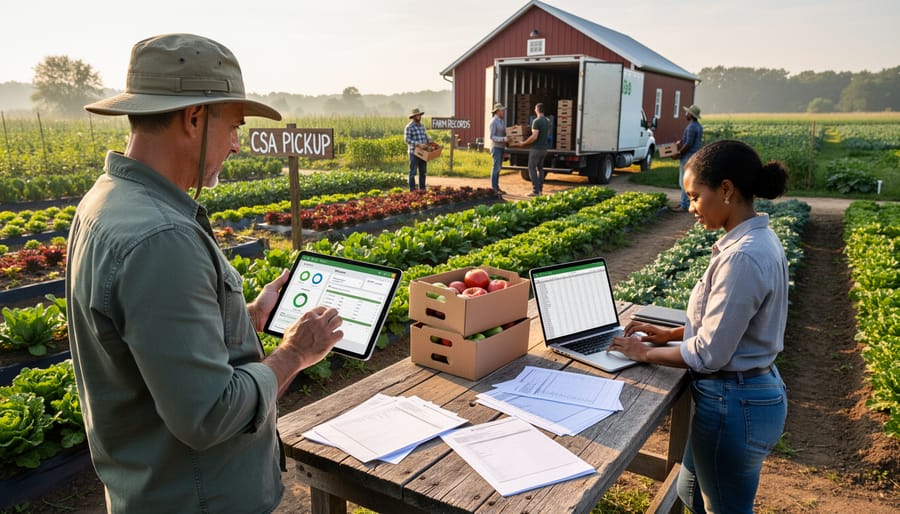
Farmer holding tablet in vegetable garden surrounded by crops
Progressive CSA farms use digital tools to communicate schedules and events directly to member calendars.

Beyond Basic Schedules: Creative Calendar Uses for Your CSA Membership

Your CSA calendar can become so much more than just pickup reminders when you explore creative ways to integrate it into your daily life. Once you’ve downloaded those VCS files, you’re holding the key to a more organized, sustainable lifestyle.

Start by using your farm’s harvest schedule to revolutionize meal planning. When your calendar shows that tomato season peaks in August or winter squash arrives in October, you can browse recipes in advance and get excited about what’s coming. This forward-thinking approach reduces food waste since you’re mentally prepared for each week’s bounty. Many members find that syncing their CSA calendar with meal planning apps creates a seamless workflow from farm to table.

Coordinate volunteer opportunities at your farm with your family’s schedule by adding those events directly to shared calendars. When everyone can see the spring planting day or fall harvest festival weeks ahead, you’re more likely to participate together. These hands-on experiences help children understand where food comes from while building meaningful connections with your farming community.

Track seasonal produce availability by color-coding different calendar entries. Create categories for leafy greens, root vegetables, or fruit harvests so you can visualize your year at a glance. This visual approach helps you anticipate preservation needs, like knowing when to prep your canning supplies for berry season.

Share farm events with friends and neighbors through calendar invites. Farm tours, workshops, and seasonal celebrations become opportunities to introduce others to local food systems. When planning your CSA membership, consider this social aspect as part of building a resilient local food community. Your calendar becomes a bridge connecting like-minded people who care about sustainable agriculture and supporting local farmers.

Family picking up their weekly CSA produce box at farm stand
Calendar integration helps families stay organized and never miss their weekly CSA pickup days.

Supporting your local farm shouldn’t feel complicated, and VCS calendar integration makes it beautifully simple. When you use the customization filter to find tech-savvy CSA farms offering calendar features, you’re choosing convenience that fits modern family life. These small digital tools create meaningful connections between busy households and local growers, making it easier to commit to seasonal eating and sustainable practices. By seeking out farms that embrace accessible technology, you’re not just organizing your schedule—you’re casting a vote for forward-thinking agriculture and strengthening the local food movement, one calendar reminder at a time.

Finding Your Perfect CSA: What You’ll Really Pay and Get Each Week

Posted by darrell on
0
CSA Finder & Directory
Finding Your Perfect CSA: What You’ll Really Pay and Get Each Week

Finding the right Community Supported Agriculture program means comparing share sizes, pickup frequencies, and pricing structures that vary wildly across farms. A CSA share typically ranges from $400 to $800 per season, but what you actually receive for that investment depends on the farm’s growing capacity, climate zone, and whether they include extras like eggs, flowers, or herbs. Most programs offer weekly or bi-weekly pickups running 20-26 weeks, with share sizes designed to feed anywhere from two people to a family of six.

Start by identifying CSA finder tools that let you filter by your zip code, preferred pickup location, and budget range. Look for programs that clearly list what vegetables they grow, how many pounds or items you’ll receive per pickup, and whether they offer half-shares or customizable options for smaller households. Check if the farm provides trial periods or summer-only shares, which help you test the commitment before investing in a full season.

The best CSA matches align with your cooking habits and storage capacity while supporting farmers who practice the sustainable methods you value, creating a partnership that nourishes both your family and your local food system.

Overhead view of wooden box filled with fresh seasonal vegetables from a CSA farm
A typical CSA share contains a diverse selection of seasonal vegetables, with quantities varying based on share size and farm location.

What Actually Comes in a CSA Share

Small Shares: Perfect for Singles and Couples

Small shares typically contain 4-6 varieties of seasonal produce weighing between 5-8 pounds total, perfect for households of one or two people. You might receive a head of lettuce, a bunch of carrots, some tomatoes, fresh herbs, and a couple of other seasonal vegetables each week. This size prevents waste while still offering enough variety to keep your meals interesting throughout the growing season.

These shares work beautifully for singles who cook regularly at home, young couples exploring local food systems, or anyone new to CSA memberships who wants to test the waters before committing to larger quantities. Many farmers have found that small shares attract urban dwellers with limited refrigerator space and busy professionals who appreciate pre-portioned quantities that match their weekly cooking habits. If you’re worried about overwhelming your kitchen with produce you can’t use in time, a small share offers the ideal introduction to farm-fresh eating while supporting sustainable agriculture in your community.

Medium and Large Shares: Feeding Families

Medium shares typically provide enough produce for 2-4 people, making them perfect for small families or couples who cook most meals at home. You might receive 8-12 items weekly, such as a head of lettuce, a bunch of kale, three pounds of tomatoes, two pounds of carrots, a cucumber, summer squash, peppers, herbs, and seasonal fruit. This translates to roughly 12-18 pounds of fresh produce.

Large shares are designed for families of 4-6 or households that seriously love their vegetables. Expect 12-16 different items weighing 18-25 pounds total. One family in Vermont shared how their large share from a local farm fed five people throughout the week with enough leftovers for preserving and sharing with neighbors. Large shares work beautifully if you’re committed to meal planning around what arrives each week, enjoy experimenting with preservation methods like freezing and canning, or want to embrace a more plant-forward lifestyle for your entire household.

Specialty Add-Ons: Eggs, Flowers, and More

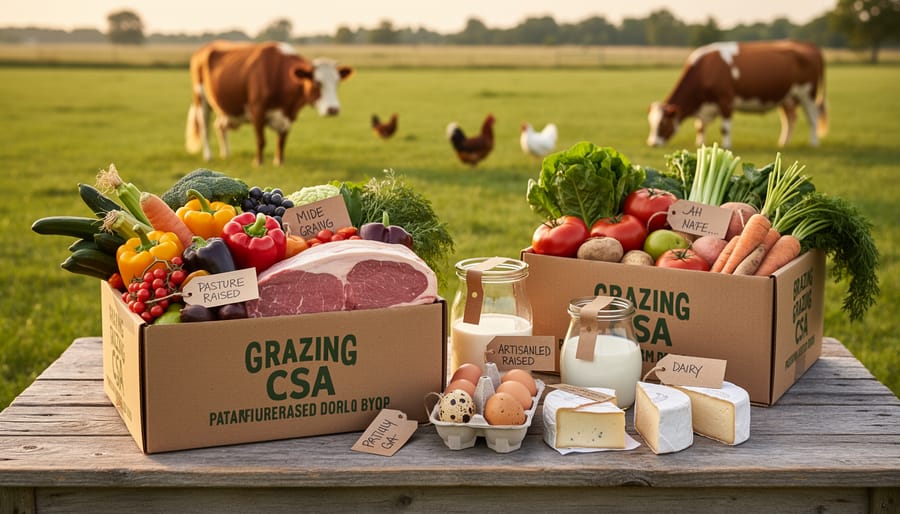
Many CSAs offer specialty add-ons that let you customize your share beyond the standard vegetable box. Eggs from pasture-raised chickens are one of the most popular options, giving you farm-fresh breakfast staples delivered right alongside your greens. Some farms also offer seasonal flower bouquets, transforming your weekly pickup into a complete farm-to-table experience.

Other common add-ons include fresh herbs, mushrooms, honey, artisan bread, and even meat shares from livestock raised on the same property. These extras typically cost additional fees but provide incredible convenience and quality. When comparing CSAs, ask about available add-ons and their pricing structure. Some farms let you adjust add-ons weekly, while others require seasonal commitments. This flexibility can significantly increase the value you receive from your membership, especially if you’re already purchasing these items elsewhere at higher prices.

How CSA Pickup Frequency Affects Your Budget

Weekly Pickups: Maximum Freshness

Weekly pickups represent the heartbeat of most CSA programs, delivering produce at peak freshness straight from the field to your table. This schedule ensures you’re enjoying vegetables and fruits within days of harvest, maximizing both nutritional value and flavor. However, the weekly rhythm does require some planning. Most CSA members find success by dedicating Sunday evenings to meal planning around their upcoming share, creating a flexible menu that adapts to seasonal availability. Consider batch-cooking versatile items like roasted vegetables or soups early in the week to prevent waste. Sarah Chen, a third-year CSA member from Oregon, shares her approach: “I keep a running list of quick recipes that work with common CSA items like greens, root vegetables, and squash. When pickup day arrives, I already have a game plan.” The key challenge is managing abundance during peak season when your box overflows with zucchini or tomatoes. Freezing, fermenting, or swapping extras with fellow members transforms potential waste into preserved goodness for leaner months.

Farmer handing bag of fresh produce to CSA members at weekly farm pickup
CSA pickup days create community connections between farmers and members while ensuring maximum freshness of produce.

Biweekly and Alternative Schedules

Not every household needs weekly produce deliveries, and that’s where biweekly and alternative schedules shine. Many CSAs now offer flexible pickup frequencies that better align with different lifestyles and consumption patterns. Biweekly shares typically provide larger quantities every other week, making them ideal for couples, individuals who travel frequently, or families who supplement their CSA with grocery store shopping.

These less frequent options work particularly well for people just dipping their toes into the CSA experience. You’ll have more time to use up each delivery and won’t feel overwhelmed by constant produce arrivals. Some farmers have found that offering biweekly schedules actually reduces food waste among members who were previously struggling to keep up with weekly boxes.

Monthly or “flex” schedules are becoming increasingly popular too. These arrangements might let you choose four pickups throughout the growing season whenever it works best for your schedule. When comparing CSAs through finder tools, pay attention to frequency options and calculate the actual per-delivery cost. A biweekly share that costs slightly more might deliver better value if it means less wasted produce and a more sustainable commitment to supporting your local farm community.

Breaking Down CSA Pricing Models

Average Costs by Region and Season Length

CSA share prices vary significantly depending on where you live and how long your growing season lasts. In urban areas and coastal regions where living costs run higher, expect to pay between $600-$900 for a full share covering a typical 20-26 week season. Rural and Midwestern locations often offer more affordable options, with full shares ranging from $400-$650 for the same period.

Season length makes a big difference too. Southern farms with year-round growing seasons might offer 40-week shares at $800-$1,200, giving you incredible value per week. Northern farms with shorter growing windows typically run 16-20 week programs at proportionally lower prices, usually $350-$550 for full shares.

Half shares, perfect for smaller households, generally cost 50-60% of full share prices rather than exactly half. Many farmers also offer payment plans to spread costs across several months, making this investment in fresh, local food more manageable for your budget. When using a CSA finder tool, filter by your location and preferred season length to compare what local farms actually charge. Remember, you’re not just buying vegetables—you’re supporting a real farmer working hard to bring you the season’s best harvest each week.

What You’re Really Paying For

When you join a CSA, you’re investing in much more than vegetables. Your payment covers certified organic growing practices, which means farmers avoid synthetic pesticides and fertilizers while nurturing soil health through cover cropping and composting. You’re also supporting small-scale farmers who often hand-harvest produce at peak ripeness, something impossible with industrial agriculture.

The cost breakdown typically ranges from $2 to $4 per pound of produce, which compares favorably to organic grocery store prices of $3 to $6 per pound. However, the real value extends beyond price comparisons. Your membership helps farmers plan their season with financial security, invest in infrastructure, and stay rooted in your community. Many CSA farmers reinvest 60-70% of their income directly into local economies through equipment purchases, hiring seasonal workers, and buying supplies from nearby businesses.

Consider Sarah, a farmer in Vermont, who shared that CSA memberships allowed her to expand her operation from two to ten acres while employing three local high school students each summer. Your share supports these meaningful connections between land, farmer, and community while ensuring you receive the freshest possible produce, often harvested within 24 hours of pickup.

Payment Plans and Accessibility Programs

Many CSAs understand that upfront costs can be challenging and offer payment flexibility to make fresh, local food accessible to everyone. Look for farms that provide installment plans, allowing you to spread payments over several months rather than paying the full share cost at once.

Some programs offer work-trade arrangements where you can exchange a few hours of farm work each week for a reduced share price—a wonderful way to connect with your food source while learning sustainable farming practices. Additionally, many CSAs participate in programs offering subsidized shares for lower-income members, accepting SNAP benefits or partnering with community organizations to ensure everyone can enjoy farm-fresh produce. When using a CSA finder, filter for farms with these accessibility options to find a program that fits your budget and lifestyle.

Comparing CSAs Side-by-Side: What to Look For

Essential Questions to Ask Before Joining

Before committing to a CSA, ask the farm some key questions to ensure it’s the right fit for your lifestyle and needs.

Start with share contents: What vegetables and herbs are typically included throughout the season? How much variety can you expect each week? Does the farm offer add-ons like eggs, meat, or dairy products? Understanding what you’ll actually receive helps you plan meals and avoid surprises.

Inquire about flexibility options. Can you pause deliveries during vacations or donate your share to a local food bank? Some farms offer alternating week pickups or smaller share sizes for greater adaptability. What happens if you miss a pickup – can you collect the following week or arrange for someone else to grab your box?

Ask about pickup logistics: Where and when can you collect your share? Are multiple pickup locations or delivery options available? How long is the pickup window, and what if you’re running late?

Finally, check if the farm participates in CSA ratings programs or offers trial memberships. These details help you make an informed decision and set realistic expectations for your farm-fresh journey ahead.

Hidden Value: Beyond the Produce

CSA memberships deliver so much more than weekly vegetables. Many farms invite members to visit during the growing season, offering a behind-the-scenes look at where your food actually comes from. These farm visits create meaningful connections between you and the people growing your produce, especially valuable for families with children curious about agriculture.

You’ll often receive seasonal recipes and preparation tips tailored to your weekly share, helping you make the most of unfamiliar vegetables like kohlrabi or garlic scapes. Some CSAs host cooking demonstrations, preservation workshops, and canning classes that teach valuable skills for sustainable living.

Community events like harvest festivals, volunteer days, and potluck dinners transform your membership into a social experience. You’ll meet like-minded neighbors who share your values around local food and environmental stewardship. For aspiring farmers, many CSAs offer educational opportunities including apprenticeships and hands-on learning about organic growing methods.

When comparing programs through a CSA finder, look beyond the produce list. Ask about member events, farm access, and educational offerings. These extras often justify price differences between similar programs and can make your membership truly enriching rather than just transactional.

Group of people selecting and discussing fresh vegetables at farm stand with agricultural field in background
CSA membership goes beyond produce, offering community connections, farm visits, and direct relationships with the people growing your food.

Using a CSA Finder Tool Effectively

Finding the perfect CSA starts with using the right search tools. Online CSA finder directories make it simple to discover farms in your area by entering your zip code or city. These databases typically let you filter results based on several important factors that match your lifestyle and budget.

Start by narrowing down your location preferences. Most finders allow you to set a specific radius from your home, which helps you find farms with convenient pickup locations. Next, look at share sizes. Many directories let you filter by full shares, half shares, or even single-person portions. This is crucial for avoiding food waste and matching your household’s actual consumption.

Pricing filters help you stay within budget. Remember that CSA shares represent significant value when you calculate the cost per item, but upfront payments vary widely between farms. Some directories also include CSAs with openings right now, saving you time on farms with full waitlists.

Pay attention to specialized filters like organic certification, delivery options, winter shares, or add-ons like eggs and dairy. Interactive CSA maps can be particularly helpful for visualizing farm locations relative to your daily commute.

When reading listings, note the harvest season dates, pickup day flexibility, and what’s typically included each week. Look for farms that share their harvest calendars or sample box contents. Before committing, reach out with questions about payment plans, vacation holds, or trial periods. Many farmers love answering questions and appreciate your genuine interest in their growing practices. This personal connection often leads to the most satisfying CSA relationships.

Real Members Share Their CSA Experience

Sarah, a busy professional living alone, spent weeks comparing CSA options through online finder tools before choosing a farm fifteen minutes from her office. “I filtered by pickup locations near my commute and looked for half-shares since I worried about waste,” she explains. “My farm offers bi-weekly delivery, which is perfect for my schedule. I pay $18 per week, and the smaller portion means I actually use everything before it spoils.”

The Martinez family of four took a different approach when selecting their CSA. “We visited three farms during their open house days before deciding,” shares Miguel Martinez. “Seeing where our food grows mattered to us, and our kids loved meeting the farmers.” They chose a full share with weekly pickup for $35, appreciating that their farm includes kid-friendly vegetables and recipe cards. “The variety pushed us to try new things as a family, and we’ve cut our grocery bills significantly.”

Empty-nester couple Janet and Robert prioritized flexibility when using their CSA finder. “We travel frequently, so finding a farm that allowed vacation holds was essential,” Janet notes. They selected a standard share at $28 weekly with four pre-scheduled skip weeks throughout their six-month membership. “The finder tool let us filter by these specific features, saving us from calling dozens of farms individually.”

These members all emphasize one common tip: don’t just compare prices—consider logistics, household needs, and farm values when making your choice.

Finding the right CSA is an exciting journey that connects you directly to the farmers who grow your food. While the search process requires a bit of research—comparing share sizes, delivery schedules, and pricing structures—the reward is well worth the effort. You’ll gain access to the freshest seasonal produce, often picked just hours before it reaches your hands, while supporting sustainable farming practices in your community. Remember that the perfect CSA match looks different for everyone. A family of four might thrive with a full share and weekly pickups, while a single person could prefer a bi-weekly half share. Don’t hesitate to reach out to farmers with questions about their growing methods or share flexibility. Ready to start your fresh food adventure? Explore CSA programs in your area today and take that first step toward eating local, supporting your regional farmers, and building meaningful connections with the people who nourish your community.

How CSA Ratings Actually Help You Find the Perfect Farm Share

Posted by darrell on
0
CSA Finder & Directory
How CSA Ratings Actually Help You Find the Perfect Farm Share

Compare star ratings across multiple CSA farms in your area, focusing on scores of 4.0 or higher to identify consistently well-performing operations. Read at least five recent reviews for each farm you’re considering, paying special attention to comments about produce quality, communication responsiveness, and how farms handle occasional crop failures or seasonal challenges.

Look for patterns in member feedback rather than fixating on individual complaints. If three different reviewers mention wilted greens or missed deliveries within the same month, that’s a red flag worth noting. Conversely, when multiple members praise a farm’s creative problem-solving during tough growing seasons, you’ve likely found a dedicated operation that values its community.

Check review dates to ensure you’re reading current feedback, as farms can change significantly when ownership transitions or growing practices evolve. Reviews from the past 12-18 months offer the most relevant insights into what you can expect today. Many CSAs with current openings will have fresher feedback from active members navigating the same decision you’re facing.

Understand that perfect 5-star ratings aren’t always realistic for agriculture, where weather, pests, and seasonal variations affect every harvest. A farm with 4.2 stars and thoughtful responses to constructive criticism often demonstrates more transparency and commitment than one with suspiciously flawless reviews. The best CSA match balances strong ratings with values that align with your priorities, whether that’s organic certification, crop diversity, or convenient pickup locations.

What CSA Ratings Really Measure

Wooden crate filled with fresh colorful vegetables including leafy greens, tomatoes, and eggplants at farm stand
Quality and variety of fresh produce are key factors members evaluate when rating their CSA farm experience.

The Five Pillars of a Strong CSA Rating

When members evaluate their CSA experience, they typically focus on five essential categories that together paint a complete picture of farm quality.

Produce freshness and variety forms the foundation of any strong rating. Members look for vegetables that arrive crisp and full of life, harvested at peak ripeness rather than days before. The best farms offer exciting diversity throughout the season, introducing members to heirloom tomatoes, rainbow carrots, and perhaps crops they’ve never tried before. Farms that consistently deliver vibrant, farm-fresh produce naturally earn top marks in this category.

Farm communication builds trust and connection. High-rated farms keep members informed through regular newsletters, social media updates, or even personal notes in delivery boxes. They share what’s growing, explain weather challenges, and celebrate harvest successes. This transparency helps members feel like genuine partners in the growing process.

Delivery consistency matters more than many realize. Members value farms that arrive on schedule, respect pickup windows, and maintain reliable distribution points. Even farms offering SNAP benefits for CSAs understand that dependability is crucial for building member loyalty.

Value perception examines whether members feel their investment matches what they receive. This goes beyond simple price comparison to consider organic quality, convenience, and the intangible benefits of supporting local agriculture.

Overall experience captures everything else: the farmer’s friendliness, farm visit opportunities, recipe suggestions, and how well the farm handles occasional hiccups. Together, these five pillars help you identify CSAs that deliver excellence across all dimensions of membership.

How Member Reviews Tell the Full Story

While star ratings provide a helpful snapshot, the real magic happens in the written reviews where members share their experiences. These narrative accounts paint a vivid picture of what membership actually feels like week to week. You’ll discover the farmer’s communication style, whether they’re quick to respond to questions or share growing updates through newsletters. Reviews often reveal how farms handle inevitable hiccups like crop failures from unexpected weather or delivery mishaps.

Look for comments about the farm’s personality and values. Does the farmer offer flexibility with vacation holds? Do they throw member appreciation events or farm tours? These details help you understand if a farm’s approach matches your lifestyle. Members frequently highlight unique offerings that don’t show up in basic descriptions, such as u-pick opportunities, recipe cards tucked into boxes, or willingness to accommodate dietary preferences.

Pay attention to how reviewers describe problem resolution. Farms that acknowledge issues and make things right often earn loyal members who emphasize this trustworthiness in their feedback. Reading multiple reviews helps you spot patterns, whether it’s consistently praised variety, creative vegetable selections that inspire cooking adventures, or educational resources that help you make the most of your share. These stories transform cold numbers into warm, relatable experiences that guide your decision.

Reading Between the Stars: What Ratings Actually Reveal

When a 4-Star Farm Might Be Better Than a 5-Star One

Here’s a counterintuitive truth: a CSA farm with 4.3 stars and 47 reviews might actually be more trustworthy than one sporting a perfect 5-star rating from just 6 reviews. Why? Because authentic feedback includes the occasional hiccup, and volume tells you more about consistency.

Perfect ratings can signal limited data or reviews from only the farm’s biggest cheerleaders. Real farms serving diverse members will occasionally have an off week with weather challenges, unexpected crop failures, or communication gaps. A slightly lower rating with detailed, thoughtful reviews often indicates genuine transparency.

Look for patterns in feedback rather than fixating on the number. Are most reviews recent and specific? Do members mention concrete details like “the kale lasted two weeks in my fridge” or “they quickly resolved my billing question”? These authentic touches matter more than generic praise.

Watch for red flags in perfect ratings: all reviews posted within the same week, identical phrasing across multiple accounts, or complete absence of constructive feedback. Real farming communities discuss both triumphs and challenges openly.

The sweet spot often falls between 4.2 and 4.8 stars with substantial review volume. These farms have proven themselves across different seasons, weather conditions, and member expectations while maintaining honest, responsive relationships with their community members.

Red Flags vs. Honest Challenges

When reading CSA reviews, it’s important to separate genuine concerns from the natural challenges every farm encounters. Red flags typically involve consistent patterns across multiple reviews—like repeated mentions of poor communication, missing deliveries without explanation, or failure to address member concerns. If several reviewers mention moldy produce, unfulfilled share commitments, or a farmer who’s difficult to reach, these warrant serious consideration.

On the flip side, honest challenges are part of the farming reality. A late spring delaying the first shares, an unexpected hailstorm reducing tomato yields, or a temporary shortage of leafy greens during a heat wave are normal occurrences. Look for how farms respond to these situations. Do they communicate proactively? Offer substitutions or extra produce later? Show transparency about weather impacts?

Pay attention to reviewer context too. Someone expecting grocery-store perfection might complain about dirt on carrots or irregular vegetable shapes—hardly red flags for those who understand sustainable agriculture. The best reviews acknowledge both the farm’s strengths and occasional hiccups while appreciating the unpredictable nature of growing food. When most members report satisfaction despite mentioning minor seasonal setbacks, you’ve likely found a well-managed operation that handles challenges with integrity and keeps members informed throughout the growing season.

Person using smartphone to review CSA farm rating while at farmers market
Member reviews and ratings help connect consumers with farms that match their specific needs and expectations.

Real Member Reviews: Success Stories That Show Why Ratings Matter

When Sarah moved to Portland last spring, finding fresh organic vegetables for her family felt overwhelming. She turned to CSA ratings and discovered Green Valley Farm, which held a perfect 5-star rating for produce quality and communication. “The ratings showed consistent praise for their leafy greens and responsiveness to member questions,” Sarah shares. “Six months later, I can confirm every review was accurate. My kids actually ask for salad now!”

Ratings helped Michael, a working dad in Chicago, avoid a costly mistake. He nearly signed up with a farm based solely on their beautiful website, but the ratings told a different story. Members mentioned frequent delivery delays and poor customer service. Instead, he chose Sunrise Acres, which had slightly lower ratings but honest reviews about their learning curve as a new operation. “I appreciated their transparency,” Michael explains. “The farm has improved dramatically since those early reviews, and I feel like I’ve grown alongside them.”

For the Martinez family in Austin, ratings revealed more than just produce quality. They discovered that Hillside Harvest had exceptional ratings for kid-friendly farm events and educational opportunities. “We were looking for more than vegetables; we wanted our children to understand where food comes from,” notes Maria Martinez. “The reviews mentioned monthly farm visits and hands-on activities. It’s become our family’s favorite weekend tradition.”

Emma, a retiree on a fixed income, used ratings to find a farm offering flexible payment plans and smaller share options. “The detailed reviews mentioned Fair Meadow Farm’s willingness to work with different budgets,” she says. “I called them directly because of those comments, and they created a perfect arrangement for my needs.”

These stories demonstrate how ratings serve as your roadmap to finding not just any CSA, but the right CSA for your unique situation and values.

Farmer handing wooden produce box to family at CSA farm pickup location
Successful CSA relationships built on trust and communication create lasting connections between farmers and member families.

Using Ratings to Match Your Family’s Needs

What to Look for If You’re New to CSAs

If you’re just dipping your toes into the CSA world, certain rating indicators can help you find a beginner-friendly farm. Look for reviews that mention clear, consistent communication from farmers. First-timers thrive when farms provide detailed pickup instructions, seasonal newsletters explaining what’s in the box, and recipe suggestions for unfamiliar vegetables. Check whether members praise the farm’s responsiveness to questions and concerns.

Flexibility is another green flag for newcomers. Farms that offer vacation holds, share exchanges, or multiple pickup locations tend to earn higher ratings from first-time members. Read through reviews to see if people mention accommodating policies when life gets hectic.

Pay attention to comments about community building. Farms that host member events, farm tours, or volunteer days create supportive environments where you can learn from experienced CSA members. Finally, look for mentions of variety and harvest consistency. Starting with a farm that delivers diverse, reliable shares helps you develop confidence in using and preserving seasonal produce. Reviews highlighting educational resources or farmer success stories suggest a farm invested in member growth, making your transition into local food systems smoother and more rewarding.

Finding Farms with Your Specific Produce Preferences

When you find local farms through CSA directories, member reviews become your treasure map for discovering farms that excel in your preferred produce categories. Start by scanning reviews for specific mentions of items you love. If heirloom tomatoes are your passion, search for reviews highlighting tomato quality, variety, or unique cultivars. Farms consistently praised for their specialty vegetables often attract members who share detailed feedback about unusual crops like kohlrabi or romanesco.

Pay attention to seasonal strengths mentioned in reviews. Some farms shine with spring greens and early berries, while others receive glowing feedback for their fall squash selection or winter storage crops. Members who prioritize organic herbs typically note whether farms include fresh-cut herbs weekly or offer them as occasional additions.

Look for patterns across multiple reviews rather than single comments. When three or four members mention exceptional fruit shares or abundant leafy greens, you’ve likely found a farm specializing in those areas. Success stories from members with similar preferences to yours provide the most reliable guidance for matching your produce wishlist with the right farm.

How Your Reviews Help Build Stronger Farm Communities

When you take a few minutes to share your honest CSA experience, you’re doing so much more than leaving feedback—you’re actively strengthening the entire local food movement. Your review becomes a valuable resource that creates positive ripples throughout your farm community.

For farmers, constructive reviews provide insights they simply can’t get anywhere else. Small-scale CSA operators often work with limited resources and tight schedules, making it challenging to gather formal feedback. When you mention that the communication about pickup changes could be clearer, or that you’d love more cooking tips for unfamiliar vegetables, farmers can make targeted improvements. Many CSA managers have shared that member reviews helped them identify issues they didn’t even know existed, from packaging concerns to delivery timing adjustments.

Your honest assessment also serves as a guide for fellow community members seeking the right CSA match. Not everyone wants the same experience—some families prefer surprise boxes that encourage culinary adventure, while others need predictable staples. Your detailed review helps aspiring members understand whether a particular farm’s approach aligns with their lifestyle, reducing disappointment and increasing long-term membership satisfaction.

Beyond individual benefits, collective reviews build transparency and trust within the CSA model itself. When farms maintain strong ratings based on genuine member experiences, it demonstrates the viability and value of community-supported agriculture to newcomers who might be skeptical about committing upfront. This trust is essential for helping the movement grow and supporting more farmers in transitioning to sustainable practices.

Think of your review as an investment in your local food system. By sharing both what works well and where there’s room for growth, you’re helping create a more resilient, responsive, and thriving farm community that benefits everyone involved.

CSA ratings are more than numbers on a screen—they’re bridges connecting conscious consumers with passionate farmers who share your values. These member reviews represent real experiences, honest feedback, and the collective wisdom of a community dedicated to supporting local, sustainable agriculture. By taking time to read through ratings and understand what fellow members appreciate about their farms, you’re making an informed choice that benefits both your family and your local food system.

Now it’s your turn to explore rated farms in your area and discover the perfect match for your lifestyle and values. Trust the insights shared by current and former members, but remember that every farm relationship is unique. What works beautifully for one family might differ from your needs, so use ratings as a starting point for deeper conversations with farmers.

Once you’ve joined a CSA, consider contributing your own review. Your perspective helps strengthen the community and guides future members toward finding their ideal farm partnership. Whether you share tips about storing your weekly harvest or celebrate your farmer’s exceptional customer service, your voice matters. Together, we’re building a transparent, supportive network that makes local food accessible and trustworthy for everyone.

Find Your Nearest CSA Farm in Georgia and South Carolina (Interactive Map)

Posted by darrell on
0
CSA Finder & Directory
Find Your Nearest CSA Farm in Georgia and South Carolina (Interactive Map)

Locate fresh, organic produce grown right in your backyard by exploring Community Supported Agriculture (CSA) farms across Georgia and South Carolina through interactive mapping tools. These digital resources connect you directly with farmers who harvest seasonal vegetables, fruits, and herbs within miles of your home, eliminating the guesswork from sourcing local food.

Navigate to regional CSA directories and filter results by your zip code to discover farms offering convenient pickup locations at farmers markets, community centers, or even workplace deliveries. Many Georgia and South Carolina farms provide weekly or bi-weekly share options, allowing you to customize your commitment level based on family size and dietary preferences.

Verify each farm’s growing practices by reviewing their certification status, visiting during open farm days, or requesting information about their pest management and soil health approaches. Most CSA operations welcome questions and transparency, building trust between growers and members through direct communication.

Compare delivery schedules and payment structures before committing to a share, as some farms offer flexible payment plans while others require upfront seasonal payments. Understanding these logistics ensures you select a CSA partnership that fits seamlessly into your routine, making sustainable eating both practical and enjoyable.

The GA/SC CSA map transforms your relationship with food by revealing hidden agricultural gems in your region. Real families across both states report improved nutrition, reduced grocery bills, and meaningful connections with the people growing their meals—proving that local food access starts with knowing where to look.

How the Georgia and South Carolina CSA Map Works

Overhead view of wicker basket filled with fresh colorful vegetables on wooden farm table
CSA members receive fresh, seasonal produce directly from local farms through convenient pickup locations or home delivery.

Searching by Your Location

Finding farm-fresh produce in your area starts with a simple search. The GA/SC map makes it incredibly easy to discover Community Supported Agriculture farms near you. Simply locate the search bar at the top of the map interface and enter your home address, ZIP code, or city name. Within seconds, the map will display nearby CSA farms with pins indicating their locations and service areas.

As you zoom in or out, you’ll notice colored boundaries showing where each farm delivers or offers pickup locations. Click on any farm marker to view essential details like available produce, subscription options, and current availability. This feature is particularly helpful when you’re exploring CSAs with current openings in your neighborhood.

Pro tip: Try expanding your search radius by 10-15 miles. Many farms offer multiple pickup locations or delivery routes that might reach your area, even if they’re not immediately next door. You might discover a hidden gem farm that perfectly matches your family’s needs and supports your commitment to sustainable, local agriculture.

Understanding Pickup Sites vs. Delivery Zones

When exploring CSA options on the GA/SC map, you’ll notice farms offer two main ways to get your fresh produce: pickup sites and home delivery zones. Understanding the difference helps you choose what fits your lifestyle best.

Pickup sites are designated locations where you collect your weekly share, often at the farm itself, farmers markets, or convenient community spots like parking lots or churches. These sites offer flexibility with multiple pickup windows and give you the chance to meet your farmer and connect with fellow CSA members. Many families enjoy the ritual of visiting their pickup location, turning it into a weekly outing that reconnects them with where their food comes from.

Home delivery zones cover specific geographic areas where farms bring produce directly to your doorstep. This option works beautifully for busy families, elderly members, or anyone who values ultimate convenience. Delivery typically happens on set days within defined neighborhoods or zip codes.

On the map, farms clearly indicate whether they offer pickup, delivery, or both. Delivery zones are usually shaded or outlined, showing exactly which areas qualify. Some farms charge a small delivery fee, while pickup remains free. Consider your schedule and proximity to pickup locations when deciding. Sarah from Atlanta shares, “Our farm’s pickup site is right by my daughter’s school, making it incredibly convenient. We’ve built friendships with other families who pick up the same day.”

Take a moment to explore both options on the map to discover what works best for your household’s needs and rhythm.

What You’ll Find on the GA/SC CSA Map

Farm Details and Contact Information

When you discover farms through the Georgia and South Carolina CSA map, you’ll find detailed profiles that help you make informed decisions about joining a farm community. Each farm listing typically includes essential contact information like phone numbers, email addresses, and website links, making it simple to reach out directly with questions.

Farm profiles showcase what makes each operation unique. You’ll learn about their growing practices, whether they’re certified organic or follow natural farming methods, and what crops they specialize in throughout the season. Many farms detail their share options, from full or half shares to specialty boxes focusing on vegetables, fruits, or even flowers and herbs.

Looking at available farm shares in your area reveals pickup locations and schedules, delivery options if offered, and pricing structures that fit different budgets. Some farms share their sustainability practices like composting, water conservation, and pollinator support, giving you insight into their environmental commitment.

Don’t hesitate to contact farms directly. Farmers love connecting with potential members and often welcome farm visits so you can see where your food grows and meet the people who nurture it from seed to harvest.

Pickup and Delivery Logistics

Understanding pickup and delivery logistics helps you plan your CSA experience smoothly. Most farms throughout Georgia and South Carolina offer weekly or bi-weekly pickup schedules, typically on the same day each week during the growing season. Common pickup times range from early morning to early evening, accommodating various work schedules.

Pickup locations vary by farm and can include on-site farm stands, farmers markets, or convenient community drop points like parking lots, community centers, or partnering businesses. Some farms serve multiple pickup sites across their region, expanding their service radius to reach more members. When exploring farms on the map, you’ll find service areas ranging from 20 to 100 miles from the farm location.

A growing number of CSAs now offer home delivery options, though this may come with an additional fee. Delivery schedules usually follow the same weekly pattern as pickup locations. Before joining, verify whether your address falls within the farm’s delivery zone.

Pro tip: Choose a pickup location that fits naturally into your routine, whether it’s near your workplace or along your regular errands route. This simple planning step helps ensure you consistently collect your fresh, locally grown produce each week without adding stress to your schedule.

Popular CSA Regions in Georgia and South Carolina

Scenic view of small family farm with red barn and vegetable fields with mountains in background
Georgia and South Carolina’s diverse landscapes support thriving CSA farms from mountain regions to coastal plains.

Metro Atlanta’s CSA Network

Metro Atlanta’s bustling CSA scene offers incredible variety for residents across the metropolitan area. The region’s network spans from the northern suburbs down through the city proper, making fresh, organic produce accessible to diverse neighborhoods. Many farms serving Atlanta provide multiple pickup locations at farmers markets, community centers, and partner businesses, allowing you to choose the most convenient spot along your regular route. Some even offer home delivery zones covering specific zip codes, perfect for busy families. The map feature helps you identify which farms service your area and compare their pickup schedules. Popular options include weekly vegetable boxes, bi-weekly shares, and customizable orders where you select your produce preferences. Whether you’re in Decatur, Marietta, or Alpharetta, you’ll find farms committed to bringing farm-fresh goodness right to your neighborhood.

Coastal Carolina and Lowcountry Farms

The coastal regions of Georgia and South Carolina offer vibrant CSA opportunities that bring fresh, locally grown produce to communities along the Atlantic shoreline. In Charleston, several farms have built thriving CSA programs that serve downtown neighborhoods and surrounding suburbs, making it easy for residents to access organic vegetables, herbs, and seasonal fruits without traveling far from home. Savannah’s farm community has similarly grown, with farmers connecting urban dwellers to the land through weekly pickup points at convenient locations like farmers markets and community centers.

What makes coastal CSA farming unique is the extended growing season these mild climates provide. Members often enjoy winter greens and cool-season crops well into the colder months, while summer brings an abundance of tomatoes, peppers, and okra. Many coastal farms also incorporate seafood shares, partnering with local fishermen to offer sustainably caught shrimp and fish alongside farm-fresh vegetables.

Hilton Head, Beaufort, and other Lowcountry towns have embraced the farm-to-table movement enthusiastically. Small family farms in these areas focus on building personal relationships with their members, often hosting farm tours and seasonal celebrations that strengthen the connection between growers and consumers while promoting sustainable agriculture practices that protect the coastal ecosystem.

Rural and Mountain Region Options

Rural communities throughout Georgia and South Carolina increasingly benefit from dedicated CSA farms bringing fresh, organic produce to mountainous regions and smaller towns. The Blue Ridge Mountains spanning both states host several thriving CSAs that overcome challenging terrain to serve their communities. Farms in areas like North Georgia’s Rabun County and South Carolina’s Upstate region have developed creative delivery networks, often partnering with local businesses or community centers as convenient pickup locations.

These rural CSAs typically offer smaller share sizes perfect for local residents, with seasonal varieties reflecting mountain microclimates. Many farms in these regions emphasize heirloom varieties and cold-hardy crops that thrive at higher elevations. What makes these operations special is their deep connection to community—farmers often know members by name and adjust offerings based on feedback. Some even provide educational workshops on food preservation, helping families make the most of their seasonal bounty through canning and fermenting techniques that extend harvest enjoyment year-round.

Family examining fresh vegetables at CSA pickup location
Families across Georgia and South Carolina build lasting connections with local farmers through CSA memberships.

Success Story: How One Family Found Their Perfect Farm Match

When the Martinez family relocated from Atlanta to a small town outside Columbia, South Carolina, they worried about losing access to fresh, organic produce. Maria Martinez, a mother of three, had always prioritized feeding her family wholesome foods but wasn’t sure where to start in their new community.

That’s when she discovered the GA/SC CSA map while searching for local farm options. “I typed in our new zip code, and within seconds, I could see three farms within a fifteen-mile radius,” Maria recalls. “It was so much easier than driving around hoping to stumble upon a farmers market.”

The family chose Riverbend Organic Farm, a certified organic operation just twelve miles from their home. The map provided direct contact information, and Maria appreciated being able to email the farmer, Tom, with questions about their weekly share sizes and pickup schedules.

“Tom responded within hours and was so welcoming,” she says. “He even invited us to visit the farm before committing, which made us feel confident about our choice.”

Their first pickup day exceeded expectations. The kids were thrilled to receive a handwritten note explaining what vegetables were in their box and how to prepare them. The share included heirloom tomatoes, sweet corn, leafy greens, and herbs – all harvested that morning.

“Using the map took the guesswork out of finding quality local food,” Maria explains. “We’ve been members for eight months now, and it’s transformed how we eat. The kids actually get excited about trying new vegetables, and we’ve built a real connection with the farm.”

The Martinez family now considers their CSA membership an essential part of their weekly routine and community connection.

Tips for Choosing the Right CSA Using the Map

Questions to Ask Before Joining

Before committing to a CSA membership through the GA/SC map, take time to connect with farms directly and ask important questions. Start by inquiring about share contents—will you receive a variety of vegetables, or can you customize based on dietary preferences? Ask about quantity to ensure the share size matches your household needs.

Pickup flexibility matters too. Find out if the farm offers multiple pickup locations, whether you can switch sites occasionally, and what happens if you miss a week. Some farms allow shares to roll over or offer vacation holds, while others donate missed pickups to local food banks.

Understanding payment options helps with budgeting. Many farms offer payment plans spreading costs across several months rather than requiring full upfront payment. Ask if they accept SNAP benefits for CSA purchases, as some participating farms make fresh produce accessible to more families.

Don’t hesitate to ask about farm visits, volunteer opportunities, or trial periods. The best CSA relationships start with clear communication and mutual understanding of expectations, ensuring your experience supports both your family and local farmers.

Maximizing Your CSA Experience

Once you’ve found your perfect CSA through the GA/SC map, here’s how to make every share count. First, invest in proper storage containers and designate specific refrigerator space for your fresh produce. Consider purchasing reusable produce bags and airtight containers to extend the life of your vegetables, reducing waste and maximizing value.

Plan your weekly meals around your CSA box arrivals. This approach helps you use everything before it spoils and introduces exciting variety to your family’s diet. Many members find that keeping a running list of recipes tailored to seasonal produce makes meal planning effortless.

Building a relationship with your farmer transforms the experience. Visit the farm during open hours, ask questions about growing practices, and share feedback about your favorite items. These connections deepen your appreciation for where your food comes from and often lead to insider tips about upcoming harvests.

Don’t hesitate to preserve excess produce through freezing, pickling, or canning. Sarah Mitchell, a three-year CSA member from Charleston, shares, “Learning to preserve summer tomatoes changed everything. Now I enjoy local flavor year-round.” Consider splitting shares with neighbors if quantities feel overwhelming, creating community while supporting local agriculture together.

Ready to discover the freshest, most flavorful produce Georgia and South Carolina have to offer? The interactive CSA map makes connecting with local farms simpler than ever. With just a few clicks, you can explore farms near you, compare their offerings, and find the perfect match for your family’s needs. No more wondering where your food comes from or spending hours researching options—everything you need is right at your fingertips.

Supporting regional agriculture means more than just getting delicious vegetables delivered to your door. You’re investing in your community, reducing your environmental footprint, and building relationships with the farmers who grow your food. Each share you purchase helps sustain small-scale farming operations and keeps agricultural land productive for future generations.

Don’t wait another season to experience the difference locally grown organic produce can make. Search the map today, reach out to a nearby farm, and start your CSA journey. Your taste buds, your health, and your local farming community will thank you.

Sales Tax on Farm Shares: What Every CSA Farmer Needs to Know Right Now

Posted by darrell on
0
Policy, Law & Certification
Sales Tax on Farm Shares: What Every CSA Farmer Needs to Know Right Now

Register with your state’s tax authority within 30 days of your first sale to obtain a sales tax permit—most states offer free online registration that takes less than 20 minutes. Download your state’s agricultural exemption guide to identify which CSA products qualify as tax-exempt farm products versus taxable prepared foods, since the distinction dramatically affects your collection obligations.

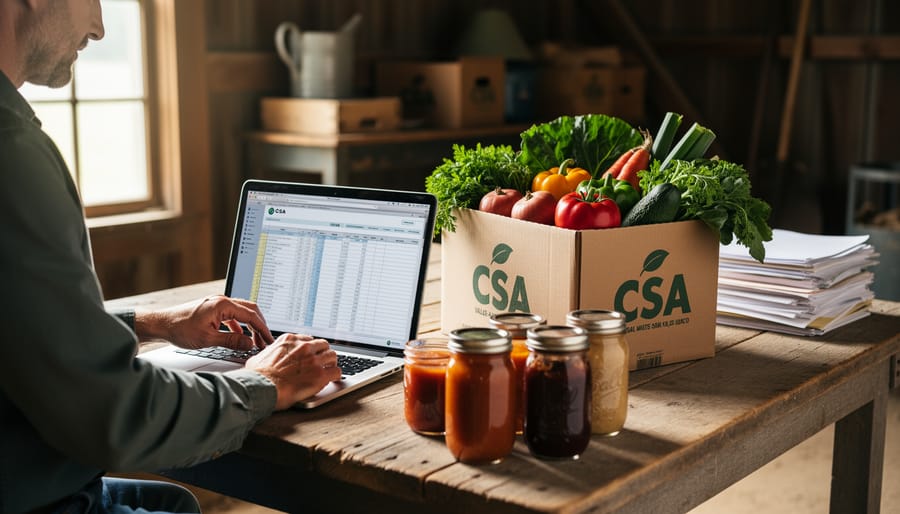
Set up a simple spreadsheet tracking each member’s payment, delivery date, and applicable tax rate by zip code if you serve multiple jurisdictions. Many CSA farmers discover they’re already compliant because fresh produce sold directly from the farm is exempt in most states, though add-ons like prepared soups or value-added products typically require collection.

Contact three neighboring CSA operations to learn their compliance approaches—experienced farmers often share practical solutions that accountants miss. This peer knowledge proves invaluable, much like understanding worker classification compliance requires insights from those who’ve navigated the system successfully.

Schedule quarterly 15-minute reviews of your sales records to verify you’ve collected tax where required and maintained proper documentation. This habit prevents year-end scrambles and potential penalties while keeping your focus on growing food rather than managing tax complications.

The reality? Sales tax compliance feels overwhelming initially, but most CSA farmers find it becomes routine within one season. Your commitment to feeding your community with fresh, organic produce deserves protection through proper compliance—and the process is more straightforward than you might fear.

Why Sales Tax Gets Confusing for CSA Operations

CSA operations occupy an interesting space that can puzzle even experienced accountants. Unlike a traditional farm stand where you sell a basket of tomatoes for cash, CSAs operate on a membership model that creates genuine gray areas in sales tax law.

Here’s where it gets tricky: when you sell a tomato at a farmers market, most states treat that as a straightforward agricultural product sale. Many states exempt these direct farm sales from sales tax to support local agriculture. But what happens when someone pays you $500 in February for a season’s worth of vegetables they’ll receive from June through October? Are you selling produce, or are you selling a membership? The answer varies by state, and sometimes even by how you structure your paperwork.

Some states view CSA shares as prepaid produce sales, which might qualify for agricultural exemptions. Others see them as service agreements or club memberships, which could be taxable. A few states split hairs even further, distinguishing between “true shares” where members assume crop risk versus “subscriptions” that guarantee certain deliveries.

Take Sarah, who runs Meadowbrook Farm in Virginia. She discovered her CSA shares were tax-exempt as agricultural sales, but the value-added products she included, like her homemade jams, weren’t. Meanwhile, her friend operating a similar CSA just two states over faced completely different rules.

The membership structure also complicates collection timing. Do you charge tax on the full share price upfront, or calculate it weekly as you deliver? What about members who pay in installments? These questions don’t have universal answers, which is precisely why CSA farmers need guidance specific to their situation and location.

Farmer's hands holding freshly harvested vegetables over wooden crate in farm field
CSA farmers provide fresh, locally grown produce directly to community members through share programs.

The Basic Rules: When CSA Shares Are Taxable (and When They’re Not)

Food Exemptions in Most States

Here’s some encouraging news for CSA farmers: most states recognize that basic grocery items are essentials and exempt them from sales tax. This typically includes fresh fruits, vegetables, herbs, and other unprocessed foods—exactly what you’re growing and sharing with your community! If your CSA focuses on farm-fresh produce like leafy greens, tomatoes, carrots, and seasonal fruits, chances are you won’t need to collect sales tax on these items in most states.

However, there’s an important distinction to understand. While raw produce usually gets a pass, processed or prepared foods often don’t. If you’re adding value-added products to your CSA shares—like homemade jams, baked goods, or prepared salads—these items might be taxable even if the fresh produce isn’t. The line between exempt and taxable can sometimes blur, so it’s worth checking your state’s specific guidelines.

Some states also consider how food is sold. For example, if you’re selling at a farmers market versus delivering CSA boxes, the rules might differ slightly. The good news? Most states want to support access to healthy, locally grown food, which means the tax regulations generally work in favor of small-scale farmers offering fresh produce to their communities.

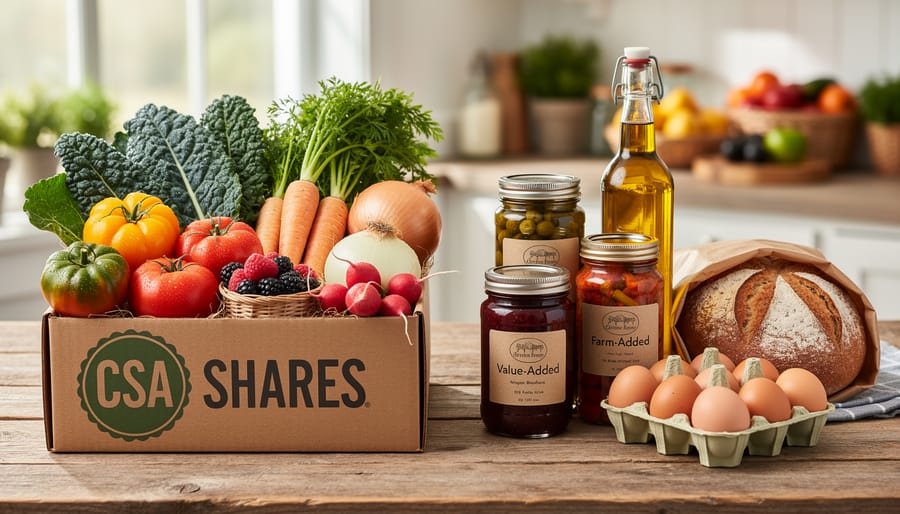
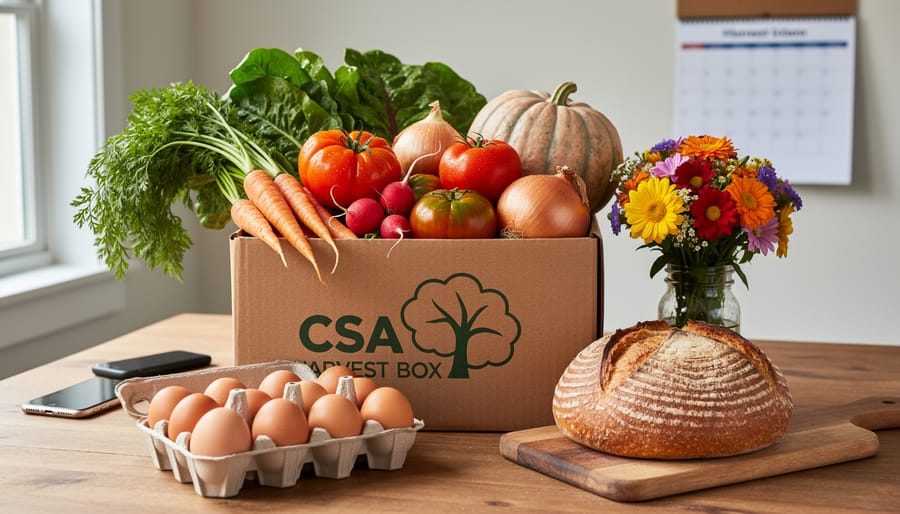
Overhead view of CSA share box with vegetables, eggs, and preserved goods on wooden table
A typical CSA share includes a mix of fresh produce and value-added products, each with different tax implications.

When You Do Need to Collect Tax

While fresh produce usually gets a pass, certain items in your CSA shares will likely require you to collect sales tax. Understanding these categories helps you stay compliant and avoid surprises down the road.

Value-added products are the most common taxable items. When you transform raw ingredients into something new, tax typically applies. This includes homemade jams, jellies, canned goods, and baked breads. That delicious strawberry preserves made from your farm’s berries? Taxable. Fresh strawberries? Usually exempt. The key difference is the processing and preparation involved.

Prepared foods also trigger tax obligations in most states. If you’re offering ready-to-eat items like salads, sandwiches, or meal kits with pre-chopped vegetables and sauces, these generally fall into the taxable category. The convenience factor matters here – foods requiring minimal preparation before eating typically face taxation.

Flowers and ornamental plants, while beautiful additions to CSA shares, are usually taxable. Even though they’re farm-grown, they’re not intended for consumption, which removes them from agricultural exemptions in many states.

Non-food items round out the taxable category. Farm merchandise like t-shirts, tote bags, or cooking utensils included in shares or sold separately will need sales tax collected. Some farmers have found success offering these as separate optional purchases to simplify their bookkeeping.

The good news? Many CSA operators successfully navigate these requirements by keeping clear records and separating taxable from non-taxable items on their invoices. A little organization goes a long way toward making tax season manageable.

The Membership vs. Product Sale Question

Here’s the thing that trips up many CSA farmers: tax authorities typically view CSA shares as product sales rather than memberships, even though we often use membership language in our marketing. While members pay upfront for a season’s worth of produce, you’re essentially selling agricultural products, not offering a membership service like a gym or club.

This distinction matters because product sales usually trigger sales tax obligations, whereas true memberships often don’t. Some states do recognize legitimate agricultural exemptions that might apply to your CSA, but you’ll need to verify this with your state’s revenue department. The key is understanding how your specific state classifies CSA transactions.

Take Sarah from Green Valley Farm, who learned this lesson early. She initially treated her CSA as a membership program and didn’t collect sales tax. After a friendly audit, she discovered her state considered her shares taxable product sales. By working proactively with her accountant, she quickly got compliant and now builds sales tax into her pricing structure from the start, keeping everything transparent for her members.

State-by-State Differences Every CSA Should Know

Here’s the reality: sales tax rules for CSAs aren’t one-size-fits-all. What works for a farmer in Vermont might land you in hot water in California. Each state has its own approach to taxing farm products, and understanding your specific state’s requirements is essential for staying compliant.

The good news? Most states exempt unprepared food from sales tax, which often includes fresh produce from your CSA boxes. However, the devil is in the details. Some states consider CSA memberships a prepayment for goods and exempt them entirely. Others view them as advance sales requiring tax collection. A few states fall somewhere in between, depending on how you structure your shares.

Take Sarah Chen, who runs Green Valley Farm in Oregon. When she expanded her CSA to include homemade jams and honey, she discovered that while her vegetables remained tax-exempt, her value-added products required sales tax collection. This common scenario trips up many farmers who diversify their offerings.

Your first step is visiting your state’s Department of Revenue website. Look specifically for agricultural exemptions and food sales guidelines. Many states offer plain-language guides designed for farmers. Don’t hesitate to call their helpline with questions about your specific situation.

Consider these common state approaches: Some states exempt all farm-fresh produce regardless of how it’s sold. Others require tax on processed or prepared foods but not raw ingredients. A few states have unique programs recognizing CSA memberships as agricultural transactions deserving special treatment.

Remember that bordering states often have vastly different rules. If you’re near a state line and serve members in multiple states, you might need to register and collect taxes in each one. This complexity is manageable with proper research and record-keeping.

Document your findings and review your state’s requirements annually. Tax laws evolve, and staying informed protects both you and your members from unexpected liabilities down the road.

Getting Properly Registered and Set Up

Do You Need a Sales Tax Permit?

Whether you need a sales tax permit depends largely on what you’re selling and where you’re located. Most states require permits when you regularly sell taxable goods, but here’s the good news: many states offer exemptions for agricultural products sold directly to consumers.

Start by checking your state’s definition of exempt farm products. In many areas, fresh produce, eggs, honey, and other unprocessed agricultural goods qualify for exemptions. However, if you’re selling value-added items like jams, baked goods, or prepared foods, you’ll likely need to collect sales tax on those items.

Most states also have economic thresholds. If your annual sales fall below a certain amount (often between $1,000 and $5,000), you might not need to register immediately. However, once you cross that threshold, registration becomes mandatory.

Consider Sarah’s story from Green Valley Farm. She started her CSA selling only fresh vegetables and didn’t need a permit. When she expanded to include homemade pesto and pickles, she registered for a sales tax permit to stay compliant. Just like with food safety compliance, staying ahead of requirements protects your business and builds trust with your members.

The Registration Process Made Simple

Getting registered for sales tax doesn’t have to feel overwhelming. Think of it as planting seeds for your CSA’s long-term success. Most state tax authorities have made the process surprisingly straightforward, and you can often complete everything online in under an hour.

Start by visiting your state’s Department of Revenue website and look for the business registration or sales tax permit section. You’ll typically need your business information handy, including your federal EIN, business structure details, and an estimate of your expected monthly sales. Many CSA farmers find it helpful to have their farm’s physical address and banking information ready as well.

The registration form will ask about your products and whether you qualify for any agricultural exemptions. Be honest about your business activities. If you’re selling raw vegetables from your farm, make sure to indicate this, as many states offer specific guidance for agricultural producers.

Processing times vary by state, but most applications are approved within one to two weeks. Some states even provide instant approval for online applications. Once approved, you’ll receive your sales tax permit number, which you’ll need to display and use when filing returns.

Sarah Chen, who runs Green Valley Farm CSA in Oregon, shares this tip: “I set a reminder to complete my registration three months before my first harvest. This gave me plenty of buffer time and let me focus on farming when the busy season hit.”

Keeping Records That Make Tax Season Easy

Good record-keeping transforms tax season from stressful to straightforward. Start by maintaining a dedicated spreadsheet or accounting software to track every sale, noting the date, customer name, amount, and whether sales tax was collected. Keep all invoices, receipts, and payment records organized by month. Many CSA farmers find success using simple tools like QuickBooks or even Google Sheets to monitor their transactions.

Document your exempt sales separately, especially when accepting SNAP benefits or selling qualifying items. Take photos of your sales locations and keep copies of your exemption certificates. Store everything digitally with cloud backup for easy access during audits. One Vermont CSA operator shared how organizing receipts weekly saved them hours during tax filing and helped them catch a beneficial deduction they’d almost missed. Consistent weekly record-keeping beats scrambling at year-end every time.
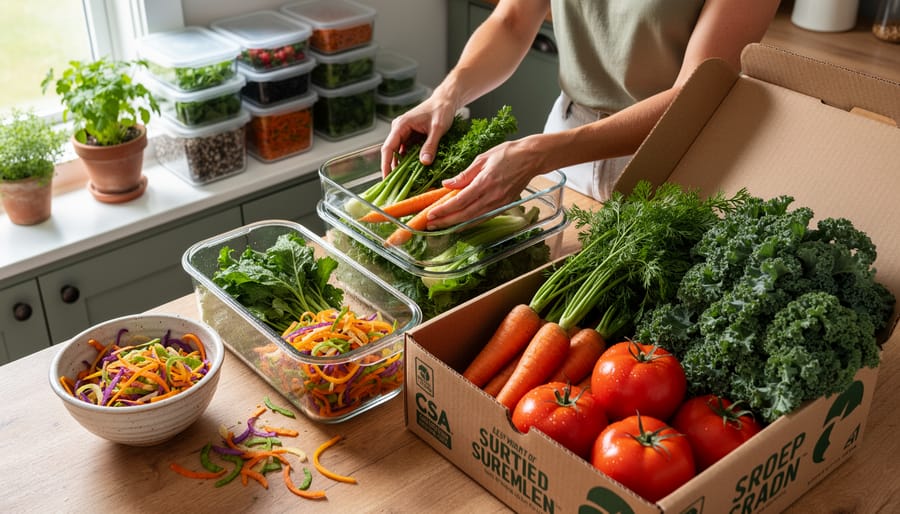
Smart Systems for Collecting and Tracking Sales Tax

Managing sales tax doesn’t have to be complicated, even for small-scale CSA operations. The key is finding a system that matches your farm’s size and technical comfort level while keeping you organized and compliant.

For farmers just starting out or running smaller CSAs with fewer than 50 members, a well-designed spreadsheet can work wonders. Create columns for member names, payment dates, amounts collected, taxable sales, tax collected, and tax remitted. This simple approach costs nothing and gives you complete visibility into your records. Many successful CSA farmers have started here, tracking everything manually until their operations grew.

As your membership expands, consider dedicated bookkeeping software like QuickBooks or FreshBooks. These platforms automatically calculate sales tax based on your location and rates, generate reports for filing, and integrate with your bank accounts. The investment typically ranges from $15 to $50 monthly, but the time saved during tax season makes it worthwhile. Small farm owner Maria Chen from Pennsylvania shares that switching to accounting software cut her tax prep time in half while eliminating calculation errors that previously caused anxiety.

For farms seeking agriculture-specific solutions, platforms like Farmigo or Harvie include built-in sales tax management alongside membership coordination and delivery scheduling. These systems understand the unique nature of CSA operations, handling everything from calculating taxes on add-on products to generating exemption certificates for wholesale transactions.

Regardless of which system you choose, maintain consistent habits. Record every transaction promptly, reconcile your records monthly, and back up your data regularly. Set calendar reminders for filing deadlines so you’re never caught off guard.

The best system is one you’ll actually use consistently. Start simple, stay organized, and upgrade as your farm grows. Compliance becomes much less daunting when you have reliable tools supporting your efforts.

Farmer working on laptop computer with paperwork and harvest basket in farm office
Modern CSA farmers manage compliance and record-keeping alongside their agricultural work.

Real Stories: How Other CSA Farmers Handle Compliance

Learning from fellow farmers who’ve successfully navigated sales tax compliance can make the process feel less daunting. Here are some real-world examples that show it’s entirely manageable.

Sarah runs Greenleaf Farm CSA in Vermont and initially felt overwhelmed by tax requirements. Her solution? She dedicated one afternoon each month to recording sales and filing returns. “I treat it like any other farm task,” she explains. “Once I got into the routine, it takes me less than an hour monthly.” Sarah’s tip: Keep a simple spreadsheet updated weekly so month-end becomes quick and easy.

Tom and Maria at Sunrise Valley Farm in Oregon discovered their state exempted most direct agricultural sales. “We spent weeks worrying before realizing we only needed to collect tax on our value-added products like jams and pickles,” Tom shares. Their lesson learned was to contact their state department of revenue directly rather than assuming the worst. This clarity helped them focus their record-keeping efforts where it actually mattered.

Meanwhile, Jennifer from Harvest Moon CSA in North Carolina automated her process using affordable farm management software. The system calculates tax automatically and generates reports for filing. “It was worth the small monthly fee for the peace of mind,” she notes. Jennifer also learned that staying compliant with sales tax made handling government program compliance much smoother when she started accepting SNAP benefits.

The common thread among these farmers? They all emphasized starting simple, asking questions early, and building compliance into their regular routines rather than treating it as a separate burden. Their success proves that with the right approach, sales tax compliance becomes just another manageable aspect of running a thriving CSA.

Common Mistakes to Avoid

Even the most diligent CSA farmers can stumble into sales tax pitfalls, but understanding these common mistakes helps you build a smoother, more compliant operation from the start.

One frequent oversight involves add-on products. Many farmers correctly handle sales tax for their core vegetable shares but forget about extras like eggs, honey, baked goods, or flowers. Here’s the thing: while your produce might be exempt, these supplementary items often aren’t. The solution? Create a simple checklist of all products you offer and verify the tax status of each one with your state’s revenue department. Sarah from Green Valley Farm learned this the hard way when an audit revealed she hadn’t collected tax on her popular herb bundles for two seasons. Now she reviews her product list quarterly.

Missing filing deadlines ranks as another common stumble. Life on a farm gets busy, especially during peak harvest season. Set up calendar reminders two weeks before each deadline, and consider scheduling a specific day each month as your “paperwork day.” Many states offer automated filing systems that can send you reminders and streamline the process.

Inconsistent collection practices create confusion for both you and your members. If you charge tax on某member purchases but not others, you’re asking for trouble. Document your policies clearly in your membership agreements and train anyone handling sales to follow the same procedures.

Finally, keeping poor records compounds every other mistake. Invest in simple accounting software or even a well-organized spreadsheet system. Track every transaction, exemption certificate, and filing confirmation. When tax time arrives, you’ll thank yourself for maintaining clean, accessible records throughout the year. Remember, compliance doesn’t have to be complicated when you build good habits into your routine.

Getting Help When You Need It

You’re not alone in navigating sales tax compliance, and reaching out for help is one of the smartest decisions you can make for your CSA. Think of it as investing in your farm’s long-term success rather than an admission of uncertainty.

Start with your state’s agricultural department, which often provides free resources specifically tailored to farm businesses. Many states have agricultural extension offices with specialists who understand the unique challenges farmers face with compliance requirements. These folks speak your language and get what you’re dealing with.

Farm organizations like your local farmers’ market association or regional CSA networks are goldmines of practical advice. Fellow farmers have likely wrestled with the same questions you have, and many are happy to share what they’ve learned. Some organizations even host workshops on tax compliance and business management.

Consider working with an accountant or bookkeeper experienced in agricultural businesses. Yes, it’s an expense, but the peace of mind and time saved often outweigh the cost. They can handle registration, quarterly filings, and help you avoid costly mistakes. Look for professionals who already work with farms in your area.

Online resources abound too. Many state revenue department websites offer webinars, downloadable guides, and FAQs designed for small businesses. The key is not trying to figure everything out alone. Successful farmers know when to ask for help, allowing them to focus on what they do best: growing amazing food for their communities.

Navigating sales tax compliance might seem daunting at first, but here’s the good news: once you understand your state’s requirements and set up a simple system, it becomes just another routine part of running your CSA. Think of it like crop rotation or harvest planning – essential for your farm’s health, but totally manageable with the right approach.

The most important step is taking action now rather than waiting. Register with your state if required, keep clear records of your transactions, and set aside a few minutes each month to review your sales tax obligations. Many successful CSA farmers have found that addressing compliance early saves them from headaches down the road and gives them peace of mind.

Remember, staying compliant isn’t just about following rules – it’s about protecting the farm business you’ve worked so hard to build. When your tax affairs are in order, you can redirect that mental energy toward what truly matters: nurturing your soil, growing nutrient-dense food, and strengthening connections with your community members. Your dedication to feeding people deserves a solid foundation, and sales tax compliance is simply one more way to ensure your CSA thrives for years to come.

How the Federal Seed Act Quietly Shaped Your Garden (And What It Means for Heirloom Seeds)

Posted by darrell on
0
Cultural Agriculture Practices
How the Federal Seed Act Quietly Shaped Your Garden (And What It Means for Heirloom Seeds)

Save seeds from your heirloom tomatoes and peppers without worry—the Federal Seed Act of 1939 regulates commercial seed sales, not your backyard garden exchanges or personal seed preservation. This landmark legislation establishes labeling standards and quality requirements for seeds sold in interstate commerce, ensuring buyers know what they’re getting when purchasing commercial seed packets. For home gardeners and small-scale farmers passionate about preserving biodiversity, the Act actually protects your interests by requiring accurate germination rates and variety identification on commercially sold seeds.

The confusion around seed-saving legality often stems from mixing up the Federal Seed Act with patent laws and plant variety protection. Home gardeners can freely save, replant, and share seeds from open-pollinated and heirloom varieties. Community seed libraries, seed swaps at farmers markets, and neighbor-to-neighbor exchanges fall outside the Act’s commercial scope. Even small CSA farmers typically operate below the regulatory threshold that triggers federal oversight, though maintaining basic records of seed sources proves wise for quality control.

Understanding these distinctions empowers you to participate confidently in seed preservation movements while supporting agricultural diversity. The Act’s primary targets are commercial seed companies that must meet interstate commerce standards—not passionate gardeners keeping century-old bean varieties alive or farmers selecting their best plants for next season’s crop. This regulatory framework actually creates space for grassroots seed stewardship, allowing communities to build resilient local food systems through shared genetic resources.

What the Federal Seed Act Actually Does

Collection of diverse heirloom seeds including beans, corn, and tomato seeds in wooden compartments
Heirloom seed varieties represent generations of traditional seed-saving practices and genetic diversity that federal regulations aim to protect while standardizing.

The Good: Why We Need Seed Standards

Before you worry that the Federal Seed Act might restrict your seed-saving traditions, let’s look at the genuine protections it offers. Think of this legislation as your shield against disappointment and fraud in the seed marketplace.

The Act ensures that when you purchase seeds, you’re getting what the package promises. Seed companies must accurately label germination rates, purity levels, and variety names. This means no more planting supposed heirloom tomatoes only to discover you’ve grown mystery vegetables! For small-scale farmers and gardeners investing hard-earned money in seeds, these standards prevent costly mistakes that could derail an entire growing season.

The law also protects against treated seeds entering the market without proper warnings, keeping both you and beneficial soil organisms safe. When Maria, a beginning farmer in Vermont, started her organic vegetable operation, she relied on these labeling requirements to source untreated, organic seeds with confidence.

These quality standards create a level playing field where honest seed companies thrive and gardeners can trust their purchases. The Act maintains marketplace integrity without interfering with home gardeners sharing seeds with neighbors or saving varieties for personal use—activities that remain completely legal and encouraged in sustainable farming communities.

The Gray Areas: Where Traditional Practices Fit

Good news for backyard gardeners and community seed savers: the Federal Seed Act creates important distinctions that protect traditional practices. The Act primarily targets commercial seed operations, not the seeds you swap with your neighbor over the garden fence.

If you’re exchanging seeds informally with friends or participating in community seed swaps, you’re operating in protected territory. These non-commercial activities fall outside the Act’s regulatory scope. The key distinction lies in the scale and intent of distribution. When seeds are sold across state lines or marketed commercially, that’s when labeling requirements and quality standards kick in.

Small-scale farmers who grow their own seed for personal use or share extras within their local community can generally breathe easy. The Act recognizes the difference between a commercial seed company distributing thousands of packets and a gardener passing along heritage tomato seeds to fellow enthusiasts.

Even farmers selling at local markets typically operate below the regulatory radar, especially when dealing with small quantities. The focus remains on protecting consumers from misleading commercial claims rather than restricting grassroots seed preservation efforts. This distinction ensures that community-building traditions and heirloom variety preservation can continue thriving, keeping biodiversity alive through genuine connections between growers.

Traditional Seed Saving Meets Modern Regulation

Two gardeners exchanging seed packets at community garden table
Community seed exchanges allow gardeners to legally share traditional varieties while building local food networks and preserving heirloom seeds.

Community Seed Libraries: Walking the Legal Line

Across North America, creative seed savers are finding innovative ways to keep traditional seed-saving practices alive while respecting federal guidelines. The key? Understanding that the Federal Seed Act primarily regulates commercial seed sales, not personal sharing among gardeners.

Take the Richmond Grows Seed Lending Library in California, which operates under a simple lending model. Members “check out” seeds, grow them, and return fresh seeds at harvest—sidestepping commercial regulations entirely. Similarly, the Hudson Valley Seed Company partners with regional libraries to distribute heirloom varieties through community seed exchanges, keeping these programs clearly educational and non-commercial.

The Seed Savers Exchange in Iowa demonstrates another successful approach by focusing on member-to-member connections. Their network of over 13,000 gardeners preserves more than 20,000 heirloom varieties through private exchanges, documenting traditional growing knowledge along the way.

These programs thrive by following straightforward principles: keeping exchanges non-commercial, clearly labeling varieties, focusing on education, and documenting seed origins when possible. Many also partner with local extension offices to ensure compliance with state regulations.

The result? Thriving networks that preserve Cherokee Purple tomatoes, Hopi Blue corn, and countless other heritage varieties—all while building resilient communities. These success stories prove that with thoughtful planning, seed libraries can honor both legal requirements and our gardening heritage.

Farmer Success Story: Keeping Heritage Seeds Alive

Meet Sarah Chen, a third-generation farmer who runs Meadowlark CSA in Vermont, where she’s become a passionate keeper of heirloom varieties. Sarah maintains over 40 heritage seed varieties passed down from her grandmother, including an 80-year-old tomato variety and rare pole beans that thrive in New England’s short growing season.

“Understanding the Federal Seed Act actually gave me confidence,” Sarah explains. “I learned that as a small-scale grower sharing seeds with my CSA members and local gardeners, I’m not subject to the same labeling requirements as commercial seed companies. The Act focuses on truth in advertising for commercial sales, not traditional seed-saving practices.”

Sarah keeps meticulous records of her seed varieties, noting germination rates and growing characteristics. While not legally required for her small operation, this practice helps her provide accurate information when sharing seeds. She hosts annual seed swaps where community members exchange varieties, creating a living seed library.

Her approach demonstrates that preservation and compliance aren’t opposing forces. By understanding which activities fall under federal oversight and which don’t, Sarah freely continues heritage seed work while running a successful, legally compliant farm operation that serves 150 member families.

What Home Gardeners Need to Know

When You Can Freely Share Seeds

Good news for backyard gardeners and seed-saving enthusiasts: the Federal Seed Act includes generous exemptions for personal, non-commercial seed sharing. You’re free to exchange seeds with friends, neighbors, and fellow gardening club members without worrying about federal regulations. These informal exchanges fall outside the Act’s scope because they don’t involve commercial transactions.

The key distinction is intent and scale. When you’re swapping heirloom tomato seeds with your neighbor over the fence or organizing a community seed swap at your local library, you’re engaged in the time-honored tradition of seed stewardship that regulations don’t restrict. Many community gardens and local food networks thrive on these personal exchanges, helping preserve genetic diversity and build resilient food systems.

Community seed libraries have flourished under these exemptions, allowing members to “borrow” seeds, grow them out, and return seeds from their harvest. Think of Sarah, a Michigan gardener who started a neighborhood seed circle five years ago. Today, her group of twelve families maintains over forty heirloom varieties, all shared freely without legal concerns.

The exemption applies as long as you’re not advertising seeds for sale, charging money, or operating as a business. This freedom supports grassroots seed preservation while keeping commercial seed sales appropriately regulated.

What Changes When Money Gets Involved

The Federal Seed Act primarily targets commercial seed sales rather than casual exchanges between gardeners. Once money changes hands, even at small scales, you’re technically entering commercial territory. This includes selling seeds at farmers markets, through online shops, or even accepting donations that resemble payment.

Here’s what triggers compliance requirements: selling seeds across state lines, advertising seeds for sale, or operating as a business entity. The law considers you a seed vendor when you’re regularly offering seeds for compensation, not when you’re sharing extras with neighbors or trading at seed swaps.

Small-scale seed savers like Maria from Vermont discovered this when she started selling heirloom tomato seeds at her local market. She learned that while her backyard seed-saving was perfectly legal, commercial sales required proper labeling and record-keeping. The good news? State regulations often provide exemptions for very small operations or direct sales.

If you’re considering turning your seed-saving passion into income, start by checking your state’s specific requirements. Many states have minimum thresholds before federal compliance kicks in, making it easier for aspiring seed entrepreneurs to start small while staying legal.

Protecting Yourself and Your Seeds

Good record-keeping protects both you and fellow gardeners while preserving seed diversity for future generations. Start by maintaining a simple seed journal documenting each variety’s name, source, planting date, and germination success. For home gardeners, this helps you understand which varieties thrive in your conditions and creates a valuable reference over time.

When saving seeds, label them clearly with the variety name and harvest year. Even if you’re just sharing with neighbors, accurate labels prevent confusion and ensure everyone knows what they’re planting. Consider noting any standout characteristics like exceptional flavor or disease resistance that made you choose to save those particular seeds.

If you’re sharing seeds at community swaps or with friends, basic information about germination rates and growing conditions makes your contributions more valuable. You don’t need laboratory testing, but simple observations like “90% sprouted within 10 days in warm soil” help others succeed. Many experienced seed savers have built thriving local networks simply by being generous with both seeds and knowledge. These practices not only keep you organized but also strengthen community connections and preserve heirloom varieties that might otherwise disappear from our gardens and tables.

The Bigger Picture: Biodiversity and Seed Sovereignty

Why Heirloom Seeds Matter More Than Ever

Heirloom seeds represent centuries of careful selection by farmers who adapted crops to local conditions, climates, and tastes. Unlike modern hybrid varieties bred for uniformity and shipping durability, these traditional seeds carry remarkable genetic variation that helps plants weather unexpected challenges. When Sarah Martinez started her CSA farm in Oregon, she discovered that heirloom tomatoes thrived during an unusually dry summer while commercial varieties struggled. That resilience comes from diverse genetics passed down through generations.

As climate patterns shift unpredictably, why genetic diversity matters more than protecting our future food security. Heirloom varieties contain traits that might prove essential for adaptation to changing weather, new pests, or evolving growing conditions. These seeds also preserve cultural heritage, connecting us to the immigrant farmers, indigenous communities, and regional traditions that shaped our food landscape. Cherokee Purple tomatoes, Rattlesnake beans, and Moon and Stars watermelons each tell stories of the people who nurtured them. By growing and saving heirloom seeds, you become part of this living history while building resilience into your garden and local food system.

Organizations Bridging the Gap

Several remarkable organizations have stepped up to protect seed diversity while working within federal regulations. Seed Savers Exchange, founded in 1975, maintains one of the largest collections of heirloom seeds in North America. They’ve created a thriving community where gardeners can legally share traditional varieties through their member network, preserving over 20,000 rare vegetable varieties that might otherwise disappear.

Native Seeds/SEARCH focuses on crops adapted to the Southwest’s arid climate, conserving seeds that indigenous communities have cultivated for generations. Their work ensures these climate-resilient varieties remain available to farmers and gardeners who need drought-tolerant options.

Regional seed libraries and networks have also flourished across the country. These grassroots initiatives operate within legal boundaries by offering seeds as educational loans rather than sales, creating a beautiful cycle of growing, saving, and sharing. Organizations like the Southern Seed Legacy Project and the Rocky Mountain Seed Alliance connect local growers with region-specific varieties that thrive in their unique growing conditions.

These groups prove that seed preservation and federal compliance can coexist. By joining their efforts, you’re not just growing food—you’re becoming part of a living legacy that protects agricultural biodiversity for future generations.

Practical Steps for Supporting Seed Preservation

Gardener's hands separating dried bean seeds from pods over bowl
Home seed saving connects gardeners to agricultural traditions while preserving genetic diversity for future growing seasons.

Starting Your Own Seed Saving Practice

Starting your own seed saving practice is easier than you might think, and it’s completely legal for home gardeners under the Federal Seed Act. Begin with simple, open-pollinated varieties like tomatoes, beans, lettuce, and peas—these plants self-pollinate, making them perfect for beginners who want consistent results.

When selecting seeds to save, choose your healthiest, most productive plants. Let the fruits fully mature on the vine—tomatoes should be slightly overripe, and beans should dry completely in their pods. For wet seeds like tomatoes, ferment them in water for a few days to remove the gel coating, then rinse and dry thoroughly.

Storage is crucial for seed viability. Keep dried seeds in paper envelopes or glass jars in a cool, dark, dry place. Label everything with the variety name and harvest date. Many experienced growers recommend exploring traditional seed saving techniques that have sustained gardens for generations.

Local farmer Jane Martinez shares her success: “I started with just three tomato varieties five years ago. Now I save seeds from fifteen different vegetables and share extras with neighbors.” Remember, seed saving connects you to a timeless tradition while ensuring your garden’s future abundance.

Connecting with Local Seed Networks

Finding local seed networks is easier than you might think, and these communities welcome gardeners of all experience levels. Start by searching online for seed swaps in your area—these grassroots events allow gardeners to exchange seeds freely, sharing stories and growing tips along with their carefully saved varieties. Many communities also host seed libraries, often housed in public libraries or community centers, where you can “check out” seeds, grow them, and return saved seeds from your harvest.

CSA farms in your region frequently prioritize heirloom varieties and may offer seed-saving workshops or starter collections to members. Connect with local farmers at markets to learn which farms embrace traditional practices and ask about upcoming educational events.

Consider joining seed keeper networks or regional chapters of organizations dedicated to seed preservation. These groups often host online forums where members share successful growing experiences and troubleshoot challenges together. Sarah, a community gardener in Vermont, discovered her local seed library five years ago and now coordinates monthly seed swaps that bring together over fifty gardeners each season.

Remember, participating in these networks isn’t just about obtaining free seeds—it’s about becoming part of a living tradition that preserves agricultural diversity and strengthens community bonds through shared knowledge and resources.

Supporting Farmers Who Save Seeds

Support local farmers committed to seed preservation by choosing CSA memberships that prioritize heirloom and open-pollinated varieties. Ask farmers about their seed-saving practices and whether they participate in seed exchanges or community seed libraries. Look for farms that grow diverse varieties rather than commercial hybrids, as this supports biodiversity and keeps traditional varieties alive. Consider purchasing directly from farmers’ markets where growers can share their seed stories. Many small-scale farmers dedicate portions of their crops specifically for seed saving, helping preserve varieties that might otherwise disappear. Your purchases directly fund these vital preservation efforts while providing you with flavorful, unique produce.

Here’s the good news: the Federal Seed Act doesn’t prevent you from saving, sharing, or swapping seeds from your garden. These time-honored traditions remain perfectly legal and are actually vital for maintaining biodiversity in our food system. Home gardeners and small-scale growers can continue these practices with confidence, knowing they’re contributing to something much larger than themselves.

The real power lies in community knowledge-sharing. When you exchange seeds with neighbors, participate in seed libraries, or learn from experienced gardeners at your local farmers market, you’re keeping valuable agricultural wisdom alive. These connections help preserve heirloom varieties that might otherwise disappear from our gardens and dinner tables.

Consider joining a CSA program at an organic farm near you. Many CSA farmers grow diverse crops from heritage seeds and welcome conversations about their growing practices. Sarah Chen, a CSA farmer in Vermont, notes that “Our members often become our best seed stewards, learning which varieties thrive locally and sharing that knowledge throughout the community.”

By preserving agricultural heritage through these simple acts, you’re protecting genetic diversity and ensuring future generations have access to flavorful, resilient crops. Start small: save seeds from your best tomatoes this season, connect with a local seed exchange, or ask your CSA farmer about their favorite varieties. Every seed saved is a victory for food security and agricultural independence.

Stop Waiting for Farm-Fresh Produce—See Which CSAs Have Openings Right Now

Posted by darrell on
0
CSA Finder & Directory
Stop Waiting for Farm-Fresh Produce—See Which CSAs Have Openings Right Now

Search CSA listings between December and February when farms finalize their growing plans and open enrollment for the upcoming season. Check directory platforms twice weekly during this window, as farms frequently update their availability status and many spots fill within days of posting.

Filter listings by delivery radius first, then compare share sizes against your household’s actual consumption patterns—a half share typically provides vegetables for two adults, while full shares suit families of four or more. Look beyond price alone and evaluate what’s included: some farms offer add-ons like eggs, flowers, or bread that increase value without requiring separate subscriptions.

Contact farms directly even when listings show “waitlist” status. Many maintain informal waiting lists that move quickly as members relocate or adjust their commitments, and a personal conversation often reveals flexible payment plans or mid-season openings that aren’t advertised publicly.

Read member reviews and farm descriptions carefully for clues about communication style and flexibility. Farms that provide detailed crop lists, share photos regularly, and offer make-up weeks for missed pickups tend to create better experiences for first-time CSA members navigating the commitment.

Understanding how to interpret these listings transforms your search from overwhelming to strategic, connecting you with the right farm partnership while supporting local farmers who depend on early-season enrollment to fund their operations.

What CSA Listings Actually Tell You (And Why It Matters)

When you browse CSA listings, you’re looking at much more than just a farm’s contact information. Quality listings provide a comprehensive snapshot of what you’ll receive and how the membership works. Most include details about share sizes—typically ranging from small (perfect for 1-2 people) to family-sized portions—along with clear pricing structures. You’ll find pickup location specifics, including whether the farm offers multiple sites or delivery options, making it easier to assess convenience for your routine.

Seasonal schedules matter tremendously. Strong listings outline the distribution calendar, showing whether shares run 20 weeks, 26 weeks, or year-round. They’ll specify start dates and sometimes highlight what produce categories to expect throughout the season—early spring greens transitioning to summer tomatoes and fall squash, for example.

Farm practice descriptions reveal the farm’s growing methods. Look for certifications like organic, naturally grown, or regenerative agriculture designations. Some farmers share their sustainability commitments, pest management approaches, and soil health practices, helping you align your values with your food choices.

Here’s where real-time listings shine: availability status. Static directories might list a farm that filled its membership months ago, wasting your time. Dynamic platforms update whether shares are available now, have limited spots, or maintain waitlists. This immediacy matters when you’re ready to commit today rather than next season.

Pricing transparency also varies. Better listings break down costs per week, payment plans, and whether financial assistance programs exist to help you afford CSA produce. This upfront information helps you decide quickly without endless email exchanges, connecting you to farm-fresh food when you need it most.

Hands holding basket full of fresh colorful vegetables including tomatoes, greens, and carrots
CSA members receive weekly shares of seasonal produce directly from local farms, enjoying vegetables at peak freshness.

Reading Between the Lines: Availability vs. Waitlist Status

When browsing CSA listings, you’ll encounter three main status categories that tell very different stories about availability. Farms accepting new members have immediate openings and can start delivering shares right away—these are your best bet if you’re eager to begin. Waitlist status means the farm has reached capacity but maintains a list for potential openings due to member relocations or cancellations. Farms at capacity without waitlists aren’t currently accepting any inquiries for the season.

Understanding these distinctions helps you make informed decisions. If a farm is accepting members, verify the start date and how many weeks remain in the season. Some farms offer mid-season enrollment at prorated rates, while others prefer members commit to full seasons. For waitlist situations, ask about typical wait times and whether spots open up frequently—some farms see 20-30 percent turnover annually, while others rarely have openings.

Before committing to any farm, regardless of status, ask essential questions: What’s included in each share? Can you skip weeks or split shares with friends? Are there pickup location options? What happens if you need to cancel? Also inquire about financial assistance options if budget is a concern—many farms offer payment plans or sliding scale pricing.

Don’t hesitate to visit the farm during open hours before joining. Meeting farmers and seeing operations firsthand often reveals whether their growing practices and community vibe align with your values.

How Real-Time CSA Listings Change the Game

There’s nothing more frustrating than discovering a CSA share you’re excited about, only to find out the listing hasn’t been updated in months and they’re actually full. Real-time CSA listings eliminate this headache by showing you exactly which farms have openings right now, saving you time and connecting you with fresh food faster.

When farms maintain current availability status, everyone wins. You avoid the disappointment of contacting multiple sold-out farms, and farmers fill their shares more efficiently. Many platforms now offer instant notifications when shares become available, letting you claim your spot before it’s gone. This is especially valuable during peak sign-up seasons when popular farms can fill up within days or even hours.

Real-time updates also help reduce food waste, a benefit that extends beyond convenience. Green Meadow Farm in Vermont offers a perfect example. Owner Sarah Chen struggled for years with last-minute cancellations that left her with excess produce and empty share slots. After implementing a real-time listing system that shows availability the moment a spot opens, she fills cancellations within 48 hours on average.

“We went from composting surplus vegetables weekly to having a waitlist that actually moves,” Sarah explains. “Members love knowing they’re getting immediate answers, and we’ve cut our food waste by nearly 40 percent. Plus, showing real-time availability builds trust with potential members who appreciate the transparency.”

The key is finding listing platforms that farms actively maintain. Look for listings with recent update timestamps or “last verified” dates. Some platforms even badge farms that commit to weekly updates, making it easier to identify reliable sources for current information.

Farmer and customer discussing CSA membership options at farm stand
Direct communication with farmers helps CSA members understand availability, share options, and farm practices before committing.

Smart Strategies for Finding Your Perfect CSA Match

Timing Your Search for Maximum Availability

Timing matters significantly when searching for CSA shares. Most farms open their enrollment windows during late winter, typically between January and March, when they’re planning their spring planting schedules. This early-year period offers your best opportunity to secure a spot before shares fill up.

However, don’t assume you’ve missed the boat if spring has passed. Many farms experience mid-season openings when members relocate or change plans, creating unexpected availability during summer months. Some farms also offer fall or winter shares with separate enrollment periods, usually opening in August or September.

For maximum selection, check listings on weekday mornings when farms are most likely to update their availability status. Tuesday through Thursday tends to be ideal, as farmers often handle administrative tasks mid-week after weekend market activities wind down.

Keep in mind that smaller farms may have rolling enrollment throughout the season, while larger operations typically stick to structured sign-up periods. Setting up notifications or checking your preferred listing platform weekly ensures you won’t miss newly available shares. Sarah, a Pennsylvania farmer, notes that her farm posts openings immediately when spots become available, and they’re often claimed within 48 hours, highlighting the importance of regular monitoring.

Filtering by What Actually Matters to You

Not all CSAs are created equal, and what works perfectly for one person might not suit your lifestyle at all. Start by mapping out your must-haves versus nice-to-haves.

Location and pickup logistics often make or break the CSA experience. Consider how far you’re willing to travel and whether pickup times align with your schedule. Some farms offer workplace delivery or extended pickup windows, which can be game-changers for busy families.

Farm practices matter deeply to many CSA members. Look for listings that clearly state their growing methods—organic certification, pesticide-free practices, or regenerative agriculture approaches. Don’t hesitate to ask farmers directly about their methods if listings don’t provide enough detail.

Share size is crucial for avoiding waste and staying within budget. A full share typically feeds a family of four, while half-shares suit couples or smaller households. Some farms also accept SNAP benefits for CSAs, making fresh produce more accessible.

Finally, consider pickup flexibility and vacation holds. Farms with share-swapping options or the ability to pause deliveries accommodate real-life situations better. Reading member reviews in listings often reveals these practical details that make long-term membership sustainable and enjoyable.

The Waitlist Decision: When It’s Worth Joining

Finding your dream CSA on a waitlist can feel disappointing, but sometimes it’s absolutely worth the wait. The key is evaluating whether that particular farm offers something truly unique to you versus settling for an available alternative.

Consider joining a waitlist when the farm’s specific offerings align closely with your values and needs. Perhaps they’re the only certified organic option in your area, they grow specialty crops you can’t find elsewhere, or their pick-up location is literally on your commute home. If a farm has built a stellar reputation in your community, the quality and variety might justify waiting a few months rather than compromising immediately.
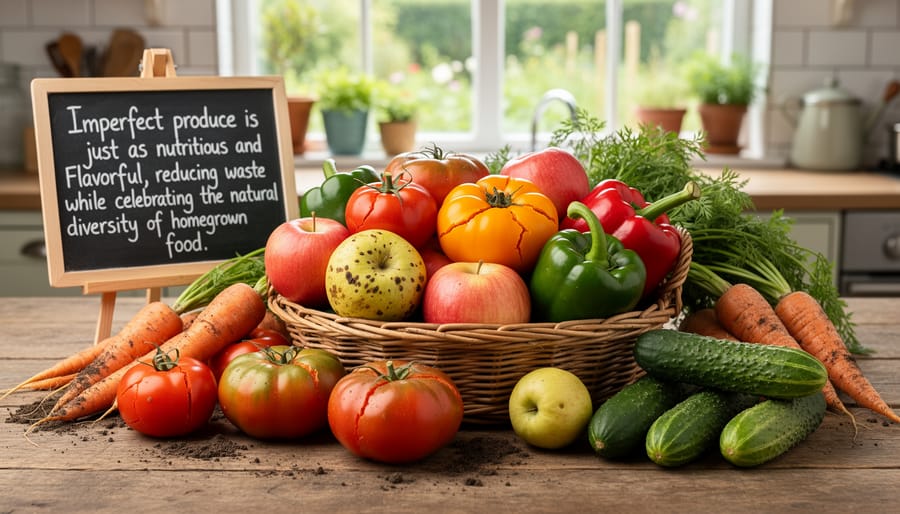
Before committing to a waitlist, ask the farm coordinator for realistic timeframe expectations. Some waitlists move quickly with seasonal turnover, while others might keep you waiting an entire growing season. Also inquire whether they offer partial-season shares or late-summer spots that might open sooner.

Managing your expectations is crucial for a positive experience. If you join a waitlist, don’t put all your eggs in one basket. Consider signing up for a half-share with an available farm while waiting, or explore farmers markets to support local agriculture in the interim. This approach keeps you connected to fresh, local produce without missing out entirely.

Remember, waitlists often indicate high-quality farms with satisfied members. Sarah Martinez joined a waitlist for Heritage Harvest Farm and waited four months, but she says the farm’s heirloom tomatoes and exceptional communication made it completely worthwhile. Sometimes good things really do come to those who wait.

Making the Most of Your CSA Once You’re In

Once you’ve secured your CSA membership through accurate listings, maximizing your experience becomes the next rewarding step. Start by embracing seasonal eating—plan meals around your weekly share rather than fighting against it. This approach reduces waste and introduces you to vegetables you might never have tried otherwise.

Keep a running list of recipes that work well with common CSA items like kale, summer squash, or root vegetables. Many farms share recipe ideas through newsletters or member Facebook groups, creating valuable community connections.

Storage matters too. Invest in proper produce bags and learn which items prefer the crisper drawer versus countertop ripening. When abundance strikes, freeze, pickle, or share extras with neighbors rather than letting food spoil.

Building a relationship with your farmers enriches the entire experience. Attend farm events, ask questions about growing practices, and provide feedback about your favorite items. These connections deepen your understanding of where food comes from and the work behind each harvest.

Remember that finding the right CSA through detailed listings sets the foundation for this journey. Many farms also offer flexible payment plans or accept SNAP benefits, making CSAs affordable for diverse households while supporting your local food system.

Overhead view of fresh CSA vegetables being organized for meal planning on kitchen counter
Successful CSA membership includes planning meals around seasonal produce to maximize freshness and minimize food waste.

Finding the perfect CSA match starts with checking real-time listings regularly, as availability changes quickly during peak sign-up seasons. By joining a local CSA, you’re not just securing fresh, seasonal produce for your table—you’re investing in your community’s food security, supporting small-scale farmers who practice sustainable agriculture, and significantly reducing your environmental footprint by eliminating long-distance food transportation. The relationships you’ll build with your farmers and fellow members create connections that extend far beyond the weekly harvest basket. Whether you’re motivated by health, sustainability, or simply craving the incomparable taste of just-picked vegetables, there’s a CSA farm waiting to welcome you. Take a moment today to explore the available farms in your area. Check their current availability status, review their growing practices, and don’t hesitate to reach out with questions. Your journey toward eating more seasonally and locally begins with that first step—and the rewards will nourish you and your community for seasons to come.

How to Keep Your Grazing CSA Legal (And Your Customers Happy)

Posted by darrell on
0
Livestock & Grazing
How to Keep Your Grazing CSA Legal (And Your Customers Happy)

Start your grazing CSA by identifying USDA-inspected processing facilities within 100 miles of your farm that accept small-batch custom cuts. Contact at least three processors to compare booking timelines, per-pound fees, and whether they’ll work with your harvest schedule before committing to any livestock purchases.

Register your operation with your state’s Department of Agriculture and secure the appropriate livestock dealer license and meat handler permits. Most states require these certifications before you can legally sell meat shares, even through a CSA model. Processing compliance doesn’t mean abandoning your pasture-based values.

Design your CSA share structure around USDA regulations by offering “herdshare” agreements where members purchase a percentage of the live animal before slaughter, then pay processing fees separately. This model keeps you compliant while maintaining the direct farmer-to-consumer relationship that makes CSAs special. Document everything with clear contracts that specify what members receive and when.

Build relationships with 2-3 backup processors immediately. Sarah Chen, who runs a 50-member grazing CSA in Vermont, learned this lesson when her primary facility closed unexpectedly mid-season. Having established connections with alternative processors saved her business and kept her members supplied with their expected shares.

Calculate your true costs including processing fees, transportation to facilities, and packaging before setting share prices. Many beginning graziers underestimate these expenses and struggle financially their first season. Factor in a 15-20% buffer for unexpected regulatory requirements or processing delays that could impact your cash flow.

What Makes a Grazing CSA Box Different

While traditional CSA boxes arrive filled with fresh vegetables and perhaps some herbs, grazing CSA shares take a distinctly different approach. These shares focus on pasture-raised animal products, including meat, eggs, and dairy items like cheese, butter, or yogurt. The farmers behind these operations emphasize the welfare of their animals through rotational grazing practices, moving livestock regularly to fresh pasture while allowing the land to regenerate naturally.

Seasonal availability plays a bigger role in grazing shares than vegetable CSAs. Meat shares typically operate on longer cycles, often delivering monthly or quarterly rather than weekly. You might receive a whole chicken in spring, ground beef and steaks in summer, pork cuts in fall, and lamb in winter, depending on when animals reach market weight. This rhythm follows natural breeding and growing seasons rather than the predictable weekly harvests of vegetables.

Product variety in grazing shares often surprises new members. Beyond standard cuts, you’ll discover items like bone broth, organ meats, rendered lard, and specialty sausages. Many farmers include recipe cards and preparation tips to help members make the most of unfamiliar cuts. Some operations combine their offerings, providing both meat and eggs in a single share, while others partner with neighboring farms to create mixed boxes featuring dairy alongside their meat products.

Share structure varies considerably among grazing CSAs. Some offer customizable options where members choose preferred cuts, while others provide standardized boxes designed to introduce the full range of products. Pricing typically reflects the higher production costs of pastured livestock, ranging from monthly payments to upfront seasonal commitments. Many farmers who started with vegetables found that adding livestock to your CSA diversified their income streams while improving soil health through integrated farming practices. This model requires more specialized infrastructure than vegetable operations, particularly regarding processing and cold storage, but creates meaningful connections between members and the animals that provide their food.

Farm box containing meat packages, milk bottle, and eggs from pasture-raised animals
Grazing CSA boxes differ from traditional vegetable shares by including meat, dairy, and eggs from pasture-raised animals.

The Processing Reality Every Grazing CSA Faces

When On-Farm Processing Makes Sense

On-farm processing can be a game-changer for smaller CSA operations, particularly when you’re working within certain legal exemptions. Many states offer what’s commonly called the “1,000 bird exemption” for poultry processing, allowing farmers to process up to 1,000 chickens annually on-site without USDA inspection, provided they sell directly to consumers. This creates a perfect match for CSA box programs where you’re already building those direct relationships with members.

The sweet spot for on-farm processing typically involves operations running 20-50 CSA shares. At this scale, you can justify the initial investment in basic equipment like a USDA-approved poultry plucker or small meat grinder while keeping things manageable without hiring additional staff.

Take Sarah Martinez, who runs a 30-member CSA in Vermont. She invested in a simple on-farm setup for processing her pastured chickens and found it not only saved money on processing fees but also gave her complete control over timing and quality. “I can harvest on Wednesday and have fresh chicken in Friday’s boxes,” she shares. “My members love knowing their meat was processed right here on the farm they visit.”

The limitations matter though. On-farm processed products typically can’t be sold at farmers markets or to restaurants in most states—they’re restricted to direct consumer sales. You’ll also need proper facilities with running water, adequate refrigeration, and cleanable surfaces. While the startup costs are lower than building a USDA-inspected facility, expect to invest $2,000-5,000 in basic equipment and facility modifications to meet your state’s cottage food or exemption requirements.

Working with Off-Farm Processors

Building strong relationships with USDA-inspected processors is essential for any meat-based CSA operation. Start by contacting facilities at least 6-8 months before you need their services, as many small processors book up quickly during peak season. Visit potential partners in person to discuss your volume needs, pricing structure, and quality expectations.

Cut sheets can feel overwhelming at first, but they’re simply your instructions for how you want each animal processed. Work with your processor to create standard templates for common cuts your CSA members prefer. Keep these organized in a binder or digital folder for easy reference. Many successful farmers recommend starting simple with basic cuts before offering custom options.

Transportation requires careful planning to maintain meat quality and safety. Invest in reliable coolers or refrigerated transport, even for short distances. Schedule pickup times that minimize wait periods and always confirm appointments the day before.

Sarah Mitchell, who runs a grass-fed beef CSA in Vermont, shares this tip: “I visit my processor quarterly to review cut quality and discuss member feedback. This partnership approach has dramatically improved our product consistency.” Remember, your processor is part of your farm team. Clear communication and mutual respect create the foundation for delivering exceptional products to your CSA members.

Farmer coordinating with USDA-inspected meat processing facility
Working with USDA-inspected processors requires coordination of scheduling, cut sheets, and transportation logistics for CSA operations.
Official inspection documentation for farm processing compliance
Understanding federal and state regulations helps grazing CSA farmers maintain compliance while building customer confidence.

Navigating State and Federal Regulations

Understanding Your State’s Exemptions

Navigating state exemptions can feel overwhelming at first, but understanding these regulations is actually one of the most empowering steps you’ll take in launching your CSA farm box operation. Most states offer valuable exemptions specifically designed to support small-scale producers like you, making compliance far more accessible than you might think.

Many states provide poultry processing exemptions that allow farmers to process a limited number of birds annually without requiring a USDA-inspected facility. These limits typically range from 1,000 to 20,000 birds per year, depending on your location. For example, Sarah Johnson from Green Meadow Farm in Vermont processes 5,000 chickens annually under her state’s exemption, selling directly through her CSA shares without the expense of building a commercial processing facility.

Farm-direct sales rules are another game-changer for CSA operations. These regulations often permit you to sell meat, poultry, and eggs directly to consumers with minimal licensing requirements, as long as you’re selling from your farm or at farmers markets. Some states even allow custom processing arrangements where members technically own the animal before processing, creating additional flexibility for your CSA model.

The key is researching your specific state’s Department of Agriculture website or connecting with your local extension office. They’ll provide clear guidance on exactly what exemptions apply to your operation size and sales methods. Remember, these exemptions exist precisely because lawmakers recognize the value small farms bring to local food systems, and they’re designed to help you thrive while maintaining food safety standards.

Dairy and Egg Regulations for CSA Boxes

Navigating dairy and egg regulations might feel overwhelming at first, but understanding the basics helps you confidently include these products in your CSA boxes. The key thing to remember is that rules vary significantly by state, so checking with your local agricultural department is essential before adding dairy or eggs to your offerings.

For dairy products, raw milk laws represent one of the most variable regulatory landscapes across the country. Some states permit direct farm sales of raw milk, while others require pasteurization for any commercial distribution. Many farmers find success by partnering with licensed dairy processors for pasteurized products, which broadens their market while ensuring compliance. If you’re considering raw milk sales where permitted, you’ll typically need separate licensing, dedicated equipment, and regular testing protocols.

Egg regulations present a more accessible entry point for most CSA farms. Understanding egg regulations for CSA farms helps clarify requirements around grading, labeling, and storage. Small-scale producers often qualify for exemptions from formal grading requirements, though refrigeration standards remain non-negotiable for food safety. Most states require eggs to be kept at 45°F or below once refrigerated.

Sarah Chen, who runs a successful CSA in Vermont, shares this tip: “I invested in a small commercial refrigerator specifically for eggs and dairy. It paid for itself within the first season by preventing any compliance issues and giving members confidence in product safety.”

Temperature logs, proper storage containers, and clear labeling practices create a solid foundation for including these valuable protein sources in your farm boxes.

Setting Up Your Farm for Compliant Processing

Creating a compliant processing setup for your CSA farm doesn’t have to break the bank or overwhelm you with complexity. The key is understanding what regulations apply to your operation and building systems that meet those requirements while fitting your scale and budget.

Start by determining which type of facility you need. For many CSA operations processing meat, poultry, or value-added products like jams or pickles, a licensed facility is essential. Some farmers find success building an on-farm processing space that meets state inspection standards. This typically requires dedicated areas for different tasks, proper flooring that’s easy to sanitize, adequate lighting, handwashing stations, and separate spaces for clean and dirty operations. While this sounds extensive, many farmers have successfully converted existing buildings or constructed modest facilities that meet regulations without massive investment.

The equipment you’ll need depends on what you’re processing. For meat operations, this might include proper refrigeration, stainless steel work surfaces, and appropriate cutting tools. For produce washing and value-added products, you’ll need food-grade containers, commercial sinks with three compartments for washing and sanitizing, and proper storage solutions. Consider purchasing quality used equipment from restaurant suppliers or other farmers to reduce costs.

Sanitation protocols form the backbone of food safety compliance. Develop written procedures for cleaning and sanitizing all surfaces, equipment, and tools. Keep detailed logs of these activities, as inspectors will review them. Simple templates can help you track daily cleaning tasks, equipment maintenance, and temperature monitoring for refrigeration units.

Record-keeping might seem tedious, but it protects both you and your customers. Document everything from sourcing ingredients to processing dates, temperatures during storage, and distribution records. Digital tools and apps can simplify this process, though basic paper logs work perfectly well for smaller operations.

Vermont farmer Sarah Chen shares her experience: “I was terrified of the inspection process, but once I had my systems in place and understood what inspectors were looking for, it became routine. Now my processing setup actually makes my work more efficient, not just compliant.”

Remember that local agricultural extension offices and small business development centers often provide free consultations to help farmers navigate these requirements.

Building Trust Through Transparency

When you’re transparent about your processing practices, you transform what might seem like boring regulatory compliance into a powerful way to connect with your CSA members. Your customers chose you because they want to know where their food comes from—so show them!

Start by inviting members to farm tours during processing days. Let them see your setup, whether you’re using a mobile processor, taking animals to a USDA facility, or working with a local butcher. When members witness your commitment to cleanliness and animal welfare firsthand, their trust deepens. One farmer in Vermont found that members who attended processing tours became his most loyal advocates, often bringing friends to join the CSA.

Consider sharing your inspection reports with members through your newsletter or member portal. Rather than hiding behind bureaucracy, frame these documents as proof of your dedication to safety. Explain what inspectors look for and how you exceed minimum standards. This openness shows you have nothing to hide and everything to be proud of.

Create simple educational materials about food safety practices specific to meat CSAs. Short videos or photo essays showing proper temperature monitoring, packaging procedures, or how you maintain cold chain integrity make excellent content for social media and email updates. Remember, keeping your animals healthy starts on the farm and extends through every step of processing.

Share success stories about how your processing practices benefit members. Maybe your vacuum-sealed packaging extends freezer life, or your careful labeling system helps families track their inventory. When members understand the care behind every step, they become partners in your mission rather than just customers. This transparency doesn’t just build trust—it creates community around shared values of quality, safety, and sustainability.

CSA members participating in farm tour learning about pasture-raised livestock practices
Farm tours and transparent communication about processing practices turn regulatory compliance into a marketing advantage for CSA operations.

Real Stories from Successful Grazing CSAs

Meet Sarah Chen, who runs Meadowbrook Farm in Vermont with her family. When she launched her grazing CSA three years ago, she worried the processing requirements would sink her startup budget. Instead, she discovered her state’s on-farm poultry exemption allowed her to process up to 1,000 chickens annually right at the farm. “We built a simple outdoor processing station for $3,000 using food-grade stainless steel tables and a scalder,” Sarah explains. “Our members love watching the transparent process, and many volunteer during processing days.” Her biggest challenge was navigating the initial permit applications, but connecting with her local extension agent made everything clearer. Sarah’s advice for newcomers? “Start small with poultry exemptions before expanding to larger livestock. It builds your confidence and your customer base simultaneously.”

Across the country in Oregon, Marcus Webb took a different approach with Cascade Valley Meats CSA. After researching processing options, he partnered with a USDA-inspected mobile slaughter unit that visits his farm monthly. “The upfront cost was zero, and I pay per animal processed,” Marcus notes. “It freed me to focus on pasture management and customer relationships instead of becoming a processing expert overnight.” He integrated silvopasture systems to diversify his operation, which impressed members and improved soil health. His main obstacle was scheduling conflicts during peak season, solved by booking processing dates six months ahead. Marcus encourages new operators to explore regional cooperatives: “Three neighboring farms now share the mobile unit costs. Together we’ve made grazing CSAs viable in our community.”

Both farmers emphasize one crucial point: compliance doesn’t have to be complicated or expensive when you choose the right approach for your scale and goals.

Starting or maintaining a grazing CSA box program doesn’t require perfect compliance from day one. The key is taking that first step and building your knowledge as you grow. Many successful farmers began with simple direct sales, gradually adding processing capabilities and refining their systems based on customer feedback and local regulations.

Remember, compliance isn’t just about avoiding penalties—it’s about building trust with your customers. When members see that you take food safety seriously, understand labeling requirements, and work within legal frameworks, they feel confident supporting your farm. This transparency strengthens the CSA relationship and often leads to loyal, long-term memberships.

Connect with your local extension office, food safety organizations, and fellow farmers who’ve walked this path before you. These resources can demystify regulations and help you find cost-effective solutions tailored to your operation’s scale. Consider joining a farmer cooperative or exploring mobile processing options if building your own facility feels overwhelming.

View regulations as guideposts rather than roadblocks. They’re designed to protect both you and your customers, creating a framework where your grazing CSA can thrive. With patience, community support, and a commitment to learning, you’ll discover that compliance actually enhances your operation’s credibility and sustainability.

How CSA Farms Are Solving the Last-Mile Problem for Local Institutions

Posted by darrell on
0
Local Food Systems and Distribution
How CSA Farms Are Solving the Last-Mile Problem for Local Institutions

Transform your Community Supported Agriculture (CSA) operation into an institutional powerhouse by leveraging existing distribution networks and building strategic partnerships with schools, hospitals, and corporate cafeterias. Start by identifying three institutional buyers within 30 miles of your farm, then request meetings with their food service directors to present sample boxes showcasing your seasonal offerings and delivery capabilities.

Consolidate orders from multiple institutional buyers into single weekly delivery routes, reducing transportation costs by 40-60% while maintaining the freshness standards that made your CSA successful. Pack institutional orders using the same harvest-to-delivery timeline as member boxes, typically within 24 hours, ensuring produce arrives at peak quality and extends shelf life for busy kitchens.

Adapt your CSA software to manage both individual memberships and bulk institutional accounts, tracking separate inventory allocations, delivery schedules, and invoicing requirements. Many farmers successfully run hybrid models where 60% of production serves traditional CSA members while 40% supplies institutions, creating revenue stability throughout the growing season.

Price institutional orders at wholesale rates that reflect reduced packaging and marketing costs while maintaining profitability, typically 20-30% below retail CSA pricing. This approach attracts institutional buyers seeking local sourcing without cannibalizing your direct-to-consumer relationships.

The transition from pure CSA to farm-to-institution distribution doesn’t require abandoning what works. Instead, it expands your reach, stabilizes cash flow, and strengthens local food systems while keeping your commitment to sustainable agriculture at the center of every harvest.

Why Traditional CSA Models Need a Logistics Rethink

The Individual Consumer vs. Institutional Buyer

Understanding the distinct differences between individual CSA members and institutional buyers is essential for farmers looking to expand their distribution network. Traditional CSA members typically purchase weekly shares ranging from $20 to $40, expecting a diverse box of seasonal produce delivered on a set day each week. They value variety, appreciate the surprise element of seasonal offerings, and enjoy the direct connection with their farmer.

Institutional buyers operate quite differently. Schools, hospitals, and restaurants require larger, more predictable volumes of specific crops rather than mixed boxes. A restaurant might need 50 pounds of tomatoes every Tuesday and Friday, while a school district could order 200 pounds of carrots for their monthly lunch menu. These buyers prioritize consistency, food safety certifications, and reliable delivery schedules that align with their operational needs.

One inspiring example comes from Green Valley Farm in Oregon, where farmer Maria Rodriguez successfully balances both markets. She dedicates specific growing beds to institutional contracts, ensuring predictable harvests, while maintaining crop diversity for her 75 CSA members. The key insight? Institutional buyers need written agreements, detailed product specifications, and professional invoicing systems, while individual members thrive on personal newsletters, farm visits, and flexible communication. By recognizing these different expectations, farmers can effectively serve both markets without overwhelming their operations.

What Institutions Really Need from Local Farms

Before diving into institutional partnerships, it’s essential to understand what these buyers truly need. Unlike your typical CSA members who appreciate weekly surprises, institutions operate with tight schedules and specific requirements.

Consistency tops the list. Schools, hospitals, and corporate cafeterias need reliable weekly or bi-weekly deliveries they can count on. A kitchen manager serving 500 lunches daily can’t adjust menus last-minute if your tomatoes don’t arrive. This means committing to specific products in predictable quantities, even during challenging growing seasons.

Delivery windows matter more than you might expect. Most institutional kitchens accept deliveries between 6 AM and 10 AM on designated days. Missing these narrow windows can mean your fresh produce sits outside, potentially compromising quality and creating food safety concerns.

Speaking of food safety, institutions require proper documentation. You’ll need liability insurance, Good Agricultural Practices (GAP) certification or equivalent, and detailed harvest records. While this sounds daunting, many farmers report that implementing these systems actually improved their overall farm operations.

Volume capacity represents another consideration. Can you scale production to meet institutional demand while maintaining your CSA commitments? Start small with one menu item you grow abundantly. Sarah Martinez from Green Valley Farm began supplying just lettuce to a local college before expanding her institutional program to include seasonal vegetables year-round.

Smart Distribution Strategies That Actually Work

Farmer holding crate of fresh vegetables in front of delivery van
CSA farms are developing innovative delivery systems to bring fresh produce directly to schools, hospitals, and other institutions.

The Hub-and-Spoke Model

The hub-and-spoke distribution model has become a game-changer for small farms looking to serve institutional buyers efficiently. Instead of each farm making individual deliveries to multiple locations, this system creates a central collection point where several farms bring their products. From there, coordinated deliveries go out to schools, hospitals, and other institutions on scheduled routes.

Think of it like a neighborhood carpool for produce. Martha’s Organic Farm in Vermont partnered with five neighboring farms to establish a shared hub, cutting delivery time by 60 percent and fuel costs in half. Each farm dropped off their harvest twice weekly at a rented warehouse space, where a hired driver consolidated orders and delivered to twelve institutions along an optimized route.

This approach lets farmers focus on what they do best – growing quality food – while dramatically reducing the logistical headaches of multiple delivery stops. The shared costs of warehousing and transportation make institutional sales viable even for smaller operations, opening doors that previously seemed out of reach.

Cooperative Distribution Networks

When individual CSA farms join forces, they create powerful cooperative distribution networks that benefit everyone involved. By pooling resources, several small farms can share delivery vehicles, storage facilities, and administrative costs, making operations more efficient and affordable for each member.

These collaborations work particularly well when farms grow complementary products. One farm might specialize in leafy greens while another focuses on root vegetables or fruits, allowing the cooperative to offer institutional buyers like schools, hospitals, and corporate cafeterias a diverse product selection from a single source. This approach solves a common challenge institutions face: coordinating with multiple vendors to meet their produce needs.

Take the example of Valley Fresh Cooperative in Oregon, where five family farms combined their distribution strategies to supply local school districts. By sharing a refrigerated truck and coordinating harvest schedules, they reduced individual delivery costs by 40% while securing contracts they couldn’t have fulfilled alone.

Successful cooperative networks typically establish clear agreements about pricing, quality standards, and delivery responsibilities. They often designate one member to handle customer communication and order coordination, rotating this role to distribute the workload fairly. This model allows small farms to compete for larger contracts while maintaining their independence and individual farm identity.

Piggyback Delivery Systems

Think of piggyback delivery as a brilliant way to maximize your existing routes while minimizing extra miles and fuel costs. Many successful CSA farmers have discovered that their regular delivery schedules already take them near schools, restaurants, or hospitals, making institutional stops a natural add-on rather than a logistical headache.

Here’s how it works in practice: Sarah Chen of Green Valley Farm delivers her CSA shares to three drop-off points every Wednesday. She noticed her route passed directly by a local elementary school that had been inquiring about fresh produce. By adding one 15-minute stop to her existing route, she now supplies the school’s cafeteria with seasonal vegetables, increasing her weekly income by 30 percent without significant additional time investment.

The key is strategic route planning. Start by mapping your current delivery stops and farmers market trips. Identify institutional buyers located within a reasonable distance from these established routes. Even a location that’s five minutes out of your way can work if the order volume justifies the detour.

Many farmers use their farmers market days particularly effectively. After setting up their Saturday morning booth, they make institutional deliveries to nearby restaurants or cafes that appreciate weekend restocking. This approach transforms a single trip into multiple revenue opportunities while keeping your carbon footprint minimal.

The beauty of piggyback delivery lies in its simplicity. You’re already making the drive, loading the truck, and managing deliveries. Adding one or two institutional stops leverages infrastructure you’ve already invested in, making expansion surprisingly manageable for farms of any size.

Real Farms Making It Happen

The journey into farm-to-institution distribution looks different for every farm, but these three success stories prove that with creativity and persistence, it’s absolutely achievable.

Meadowbrook Farm in Vermont started small, supplying just one elementary school with salad greens twice weekly. Owner Sarah Martinez faced her biggest challenge right away: the school needed consistent quantities, but her CSA model meant variable harvests. Her solution? She partnered with two neighboring farms to create a collective delivery system. Together, they could guarantee volume and variety. Within two years, Meadowbrook expanded to serve four schools and a community hospital, generating an additional $85,000 in annual revenue. Sarah’s advice? Start with one institution and nail down the logistics before expanding.

Over in Oregon, Riverbend Organic Farm took a different approach. Farmer Tom Chen noticed local colleges wanted locally sourced food but struggled with procurement paperwork. Tom invested time learning institutional buying requirements and created standardized order forms that matched what purchasing departments needed. He also attended school board meetings to understand budget cycles. This groundwork paid off spectacularly. Riverbend now supplies three college cafeterias year-round, even during winter months by offering stored root vegetables, frozen berries, and value-added products like tomato sauce. The institutional contracts now represent 40 percent of the farm’s income, providing crucial financial stability during slower CSA seasons.

Sunrise Valley Farm in North Carolina faced the toughest obstacle: transportation costs. Farmer Maria Rodriguez couldn’t afford a refrigerated truck, and her farm sat 45 minutes from the nearest hospital. Her creative solution involved partnering with a local food hub that already had cold storage and delivery routes. Maria pays a small percentage for the hub’s distribution services, but the arrangement opened doors to multiple institutions simultaneously. She now serves two hospitals, a nursing home, and a school district. The key benefit? Predictable weekly orders that help her plan plantings more strategically.

Each farmer emphasizes that patience matters. Institutional relationships take time to build, and the first year often involves learning curves around packaging, invoicing, and delivery schedules. However, the payoff includes steady income, reduced food waste through planned harvests, and the satisfaction of feeding entire communities beyond traditional CSA members.

Technology Tools That Simplify the Process

Three farmers collaborating with tablet in agricultural field
Farm cooperatives use accessible technology tools to coordinate shared delivery routes and manage orders from multiple institutional buyers.

Order Management Platforms

Managing orders from institutional buyers doesn’t have to be overwhelming. Several user-friendly platforms are specifically designed to help small farms streamline their operations. Tools like Local Line and Harvie allow you to track multiple orders, generate invoices, and monitor inventory all in one place. These platforms make coordinating weekly deliveries to schools, hospitals, and restaurants much simpler than juggling spreadsheets.

Many successful CSA farmers have found that dedicated order management software saves them hours each week. Sarah from Green Valley Farm shares that switching to a digital system helped her expand from serving 50 families to supplying three local schools without hiring additional staff. The automated reminders and delivery route optimization features proved invaluable.

Look for platforms that offer mobile access so you can update orders from the field, plus built-in communication tools to keep buyers informed about seasonal availability and delivery schedules. Starting with a free trial lets you test which system feels most intuitive for your farm’s workflow before committing financially.

Route Optimization on a Budget

Efficient delivery routes can dramatically slash your fuel costs without draining your budget. Start with Google Maps’ free route planning feature, which allows you to plot multiple stops and optimize the order. For CSA farmers expanding into institutional deliveries, MapQuest offers a similar no-cost solution that handles up to 26 destinations.

RoadWarrior and Circuit are affordable mobile apps (free versions available) specifically designed for delivery route optimization. These tools calculate the most efficient path between stops, saving precious time and reducing your carbon footprint—a win for both your wallet and the environment.

Consider clustering deliveries by geographic area on specific days. Sarah Thompson, who runs Green Valley Farm CSA in Vermont, reduced her weekly driving by 40% simply by grouping institutional stops in the same region. She uses a basic spreadsheet to track delivery zones and schedules, proving that smart planning matters more than expensive software. Start small with free tools, track your mileage and time savings, then invest in premium solutions as your institutional distribution grows.

Overcoming the Biggest Obstacles

Managing Seasonal Variability

Seasonal variability presents one of the biggest challenges when supplying institutions, but smart planning makes it manageable. Start with strategic crop planning that staggers plantings throughout the growing season, ensuring a steady flow of produce rather than overwhelming harvests. Consider succession planting techniques where you sow the same crop every two weeks to extend availability.

Storage solutions become your best friend during transition periods. Root cellars, walk-in coolers, and proper curing spaces allow you to bridge gaps between seasons. Items like winter squash, potatoes, carrots, and onions store beautifully for months when handled correctly, making them reliable offerings during slower production periods.

Transparency builds trust with institutional buyers. Share your seasonal availability calendar early, so food service managers can plan menus around your growing cycles. Michigan farmer Sarah Chen found success by sending monthly forecasts to her school district partners, allowing them to adjust purchasing while maintaining realistic expectations.

Don’t forget greenhouse or hoop house production to extend your season. These structures can push spring plantings earlier and fall harvests later, adding valuable weeks to your supply window. Combined with honest communication about limitations, these strategies help maintain strong institutional relationships year-round.

Meeting Food Safety Requirements

Food safety certifications might sound intimidating, but they’re manageable with the right approach. GAP (Good Agricultural Practices) certification is the most common requirement for institutions, focusing on proper handling, storage, and traceability of your produce.

Start by conducting a self-assessment of your current practices. Walk through your entire operation from field to delivery, identifying areas where contamination could occur. Simple improvements like designated handwashing stations, proper storage containers, and documented cleaning schedules go a long way.

Many state agriculture departments offer GAP training workshops specifically for small farms. These sessions break down requirements into digestible steps and often provide templates for record-keeping. Consider starting with a food safety plan even before formal certification, documenting your practices around water quality, worker hygiene, and equipment sanitation.

Sarah Martinez, who runs a 5-acre CSA in Vermont, shares her experience: “I thought GAP would be overwhelming, but taking it one section at a time made it doable. Within six months, we were certified and landed our first school district contract.”

Remember that institutions value transparency. Even if full certification isn’t immediately feasible, demonstrating your commitment to food safety through documented practices shows professionalism and builds trust with institutional buyers.

Getting Started: Your First Institutional Partnership

Kitchen worker inspecting fresh local produce delivery in institutional kitchen
Successful CSA partnerships provide institutions with consistent access to high-quality local produce that meets their food safety and volume requirements.

Finding the Right Institutional Match

Finding the right institutional partner can make or break your farm-to-institution venture. Start by assessing your farm’s realistic capacity. Can you consistently deliver 50 pounds of mixed greens weekly, or are you better suited for smaller, seasonal deliveries? Being honest about your capabilities prevents overcommitment and builds trust.

When approaching potential partners, ask targeted questions. What’s their budget flexibility? Do they require liability insurance? How far in advance do they plan menus? Understanding their purchasing timeline helps you gauge whether your harvest schedule aligns with their needs.

Look for institutions with dedicated food service staff who value local sourcing. A farm-to-school coordinator who’s passionate about fresh produce makes a better partner than a facility simply checking boxes for grant requirements. One Ohio farmer shares how partnering with a small college cafeteria that celebrated seasonal menus became more profitable than supplying a larger hospital with rigid specifications.

Watch for red flags: institutions demanding year-round tropical produce, those unwilling to adjust menus based on availability, or buyers expecting grocery store prices with premium quality. The best partnerships feel collaborative, with both parties understanding that weather, seasons, and crop realities shape what’s possible. Start small, prove reliability, then grow the relationship naturally.

Structuring Your First Agreement

Creating a solid agreement protects your farm and institutional partners while setting clear expectations. Start with the basics: delivery schedule, product quantities, pricing structure, and payment terms. Institutional buyers appreciate knowing exactly when produce arrives and what’s included each week.

When setting prices, calculate your production costs carefully and factor in delivery expenses. Consider offering tiered pricing based on order volume, which encourages larger commitments while keeping things fair. Many successful farmers like Sarah Martinez from Green Valley Farm build in seasonal price adjustments to account for varying growing conditions and availability.

Build flexibility into your contracts by including substitution clauses. If weather affects your tomato crop, can you substitute peppers? Specify how much notice you’ll provide for changes and create a communication protocol. This protects both parties when Mother Nature has other plans.

Include payment terms that work for your cash flow. Some farmers request quarterly payments upfront, while others invoice monthly. Net-30 payment terms are common with institutions, but don’t hesitate to negotiate if your operation needs faster turnaround.

Finally, add a trial period clause. A three-month pilot program lets both parties test the waters before committing to a full year, reducing risk and building confidence in the partnership.

CSA farm-to-institution partnerships create a powerful win-win situation that strengthens local food systems from the ground up. For farms, these relationships provide what every agricultural business needs most: predictable, stable revenue streams that make planning and growth possible. Instead of relying solely on individual memberships that fluctuate seasonally, institutional buyers offer consistent orders, larger volumes, and often extended contracts that help farms weather the uncertainties of growing seasons.

Institutions gain access to the freshest, most nutritious local produce available while supporting their community’s agricultural economy. Schools serve students vegetables picked that morning. Hospitals provide patients with healing foods grown without synthetic chemicals. Restaurants build menus around what’s thriving in nearby fields. These connections transform institutional food service from a routine necessity into something meaningful and nourishing.

The beauty of this model lies in its simplicity and sustainability. When farms and institutions work together, they create food systems that make sense economically and environmentally. Transportation miles shrink. Community connections deepen. Both partners thrive.

If you’re a farmer considering this path, now is the time to take action. Start with one conversation, one email to a local school or restaurant. Share your story, your harvest schedule, and your vision for partnership. The institutions in your community need what you grow, and building these connections might be simpler than you imagine. Your local food system is waiting for you to make that first move. Let’s grow something incredible together.

Stop Throwing Away Your Money: How Mindful Meal Planning Cuts Food Waste in Half

Posted by darrell on
0
Sustainable Consumer Practices
Stop Throwing Away Your Money: How Mindful Meal Planning Cuts Food Waste in Half

Examine your refrigerator’s forgotten corners before planning your next meal. Food mindfulness transforms how you interact with every carrot, tomato, and bunch of kale that enters your kitchen—especially when seasonal abundance from CSA boxes and garden harvests threatens to overwhelm even the most organized home cook.

The average household wastes 31% of available food, but mindful meal planning cuts that number dramatically by creating intentional systems between harvest and plate. This practice goes beyond simple meal prep; it’s a complete shift in how you perceive, value, and utilize every ingredient that crosses your threshold.

Start by conducting weekly produce assessments, cataloging what needs immediate attention and what can wait. Build your meal plans around these priorities rather than external recipes or cravings. When Maria, a Chicago CSA member, adopted this approach, she reduced her family’s food waste from two full garbage bags weekly to less than half a bag, saving roughly $150 monthly while eating more creatively than ever before.

Connect each planning decision to its environmental impact. Those wilting greens represent water, soil nutrients, and farmer labor—resources too precious to discard. Mindful planning honors these connections while solving the practical challenge of managing produce abundance.

The strategies ahead provide concrete frameworks for inventory systems, flexible meal structures, and preservation techniques that work with your schedule and kitchen capabilities, transforming potential waste into nourishing meals your family will actually enjoy.

What Food Mindfulness Really Means

The Connection Between Mindful Eating and Mindful Shopping

When we truly pay attention to how we eat, something fascinating happens: we start shopping differently. Mindful eating reveals patterns we might have missed – like realizing you rarely finish that bag of salad greens before they wilt, or discovering you actually prefer butternut squash over acorn squash.

This awareness transforms your shopping trips from autopilot missions into intentional choices. Instead of grabbing the usual items, you start asking: “Will I actually use this?” and “How many meals can I create with what I already have?” This pause before purchasing prevents the impulse buys that often end up forgotten in the back of the fridge.

For CSA members and farmers market shoppers, this connection is especially valuable. When you notice which vegetables your family genuinely enjoys versus which ones languish unused, you can better customize your share or make targeted purchases. One community gardener, Maria, shared how tracking her family’s actual eating habits for two weeks helped her realize they needed smaller quantities more frequently rather than bulk purchases. Her food waste dropped by 40 percent simply by aligning her shopping with reality rather than aspirations.

Why Most Meal Planning Fails (And How Mindfulness Changes Everything)

You’ve probably been there: Sunday afternoon spent enthusiastically planning a week of beautiful meals, only to find yourself ordering takeout by Wednesday with wilted greens still sitting in your crisper drawer. Traditional meal planning often stumbles because it’s more about following rules than connecting with reality.

The biggest pitfall? Creating ambitious plans that ignore what’s actually in your kitchen right now. We get excited about new recipes without accounting for the half-bunch of kale and those three zucchini from last week’s CSA box. This disconnect leads to doubled-up ingredients and inevitable waste.

Another common mistake is planning without considering the rhythm of your actual week. Monday’s elaborate stir-fry looks great on paper, but if Monday is your busiest day, those fresh vegetables become tomorrow’s compost. We also tend to forget that our appetites and schedules shift day to day. What sounds appealing on Sunday might not match your energy level or weather-influenced cravings by Thursday.

Seasonal disconnect compounds these issues. Planning meals without awareness of what’s currently abundant means fighting against nature’s flow rather than working with it. When tomatoes are everywhere in August, why are we buying imported peppers for a recipe?

This is where mindfulness transforms everything. Rather than treating meal planning as a rigid to-do list, mindful planning starts with awareness. Before making any decisions, take five minutes to honestly assess your fridge, pantry, and schedule. Notice what needs using first. Observe your energy patterns throughout the week.

Consider Sarah, a CSA member from Vermont, who struggled with overflowing produce until she started mindful planning. She began each week by simply sitting with her farm box, touching and observing each item before planning anything. This practice helped her create realistic meals that honored both her vegetables and her actual lifestyle. Her food waste dropped by 60 percent within a month, and cooking became enjoyable again rather than stressful.

Mindful planning means flexibility, curiosity, and honest connection with your resources and rhythms.

Building Your Mindful Meal Planning Practice

Start With a Mindful Pantry and Fridge Inventory

Before diving into meal planning, take stock of what’s already in your kitchen. This simple practice can dramatically reduce waste while honoring the food you’ve already brought home from your CSA box or farmers market.

Start by pulling everything forward in your fridge and pantry so items aren’t hiding in the back. Check expiration dates, but remember these are guidelines. “Best by” dates indicate peak quality, while “use by” dates are more critical for safety. Your senses are valuable tools—wilting greens can become soup, slightly soft tomatoes transform into sauce.

Group similar items together as you go. You might discover three half-used bags of carrots or forgotten bunches of herbs. These findings become your meal planning starting point. Sarah, a longtime CSA member from Ontario, reduced her weekly grocery spending by 40 percent simply by cooking from her existing inventory first.

Create a visible “use first” section in your fridge for items nearing their prime. This mindful approach respects both your budget and the farmers who grew your food. Understanding proper food storage methods will extend ingredient life even further, giving you more flexibility in your meal planning journey.

Overhead view of organized refrigerator shelves with fresh vegetables in clear containers
An organized refrigerator inventory helps you plan meals around what you already have, preventing forgotten produce from spoiling.
Hands holding wooden box filled with fresh seasonal vegetables from CSA farm
Planning meals around your CSA box and garden harvest ensures you use seasonal produce at its peak freshness.

Plan Around Your CSA Box and Garden Harvest

The key to mindful meal planning with seasonal produce is embracing flexibility rather than rigid weekly menus. Instead of deciding on specific recipes before your CSA pickup or garden harvest, create a loose framework based on cooking methods and flavor profiles. Think “grain bowls,” “stir-fries,” or “roasted vegetable medleys” rather than exact dishes.

Before pickup day, spend 15 minutes browsing recipes that highlight in-season items. Bookmark three to five versatile options that can adapt to whatever arrives in your box. Focus on recipes with flexible ingredient lists that say “any summer squash” or “mixed greens” rather than demanding specific varieties.

Local farmer Maria Rodriguez shares her approach: “I keep a running list of cooking techniques I want to try each week. When my CSA box arrives, I match the produce to the method. Last week’s kohlrabi became perfect oven fries, something I’d never have planned in advance.”

Create a master list of quick-prep staples that complement most vegetables: grains, beans, proteins, and favorite sauces. This foundation lets you build meals around whatever’s abundant without starting from scratch. When zucchini floods your garden, you’re ready with pasta, fritters, or grilled options already in mind.

Remember, the produce dictates the menu, not the other way around.

The ‘Eat First’ Strategy

Think of your refrigerator like a living garden where some plants need immediate attention. The eat first strategy transforms food mindfulness from abstract concept to daily practice by creating a simple visual system in your kitchen.

Start by designating a specific shelf or bin as your eat first zone. After each CSA pickup or farmers market visit, assess your haul with fresh eyes. Delicate greens like arugula and spinach, ripe tomatoes, and tender herbs go directly into this priority area. One family farm member in Vermont shares how she places a small chalkboard on her eat first shelf, listing items and their harvest dates as a gentle daily reminder.

Build your meal plans backward by checking this zone before deciding what to cook. Those wilting kale leaves become tomorrow’s breakfast smoothie. Soft peaches transform into tonight’s dessert rather than next week’s compost. This approach honors both the farmers who grew your food and the earth’s resources that nurtured it.

The beauty of this system lies in its flexibility. As items get used, others rotate in naturally. You’ll soon develop an intuitive sense of what needs attention first, making mindful choices effortlessly. This simple reorganization can reduce household food waste by up to thirty percent while ensuring you enjoy produce at peak freshness and flavor.

Embrace Imperfect Produce Mindfully

That bumpy tomato or curved carrot deserves just as much appreciation as its picture-perfect counterparts. When you shift your perspective on cosmetically imperfect produce, you’re taking a powerful stand against food waste. Those oddly-shaped vegetables often taste identical to uniform ones, yet approximately 30% of farm-fresh produce never makes it to market simply due to appearance standards.

Start viewing imperfections as character rather than flaws. A knobby potato makes excellent soup when diced, while split tomatoes are perfect for immediate use in sauces or salsa. When planning your weekly meals, designate blemished items for early consumption or preservation projects. Consider a local farmer’s success story: after offering “ugly produce” boxes at reduced prices, they found customers became creative cooking advocates, sharing recipes specifically designed for misshapen squash and scarred peppers.

Create a “use first” basket in your kitchen for imperfect items, turning potential waste into culinary opportunities. This mindful approach honors the resources invested in growing your food while expanding your cooking creativity.

Assortment of misshapen heirloom tomatoes with natural blemishes on wooden cutting board
Imperfect produce is just as nutritious and flavorful, reducing waste while celebrating the natural diversity of homegrown food.

Build in Flexibility Days

Schedule dedicated flexibility nights each week where your goal is to transform odds and ends into something delicious. Wednesday might become your official clean-out-the-fridge night, giving purpose to those three carrots, half an onion, and wilting greens. These meals become opportunities to practice creative ways to use leftovers rather than signs of poor planning. One CSA member shared how her Friday leftover remix nights became family favorites, teaching her kids resourcefulness while reducing waste to nearly zero.

Smart Preservation: Mindful Methods for Extending Your Harvest

Preserving your harvest mindfully means honoring every step of your food’s journey while preventing waste. When you understand the care that went into growing your produce, preservation becomes an act of gratitude rather than just a chore.

Freezing remains one of the simplest methods for extending your harvest’s life. Blanch vegetables like green beans, broccoli, and carrots for two to three minutes before freezing to lock in nutrients and flavor. Store berries on a single layer before transferring to containers, preventing them from clumping together. This simple approach maintains quality while keeping your freezer organized.

Fermenting transforms surplus vegetables into probiotic-rich foods that support gut health. Start with easy projects like sauerkraut or pickled cucumbers, which require just salt, water, and time. Sarah, a CSA member from Ontario, turned her overwhelming cabbage share into weekly fermentation experiments, now gifting jars to neighbors and reducing her food waste by 60 percent.

These preservation techniques connect you more deeply with your food while building valuable skills. Root cellaring works beautifully for storing potatoes, carrots, and winter squash in cool, dark spaces, mimicking traditional storage methods farmers have used for generations.

Proper storage starts with understanding each vegetable’s needs. Leafy greens stay crisp wrapped in damp towels, while tomatoes keep their flavor on the counter rather than refrigerated. By learning these simple practices, you extend your harvest naturally while maintaining the mindful connection between your table and the farm that nourished it.

Real Stories: Farmers and CSA Members Who Transformed Their Food Waste

Meet Sarah Chen, who runs Willow Creek Farm, a thriving CSA operation in Vermont. After years of supplying fresh produce, she noticed a troubling pattern. “I’d see members picking up their boxes excited, but then they’d confess half of it went bad before they could use it,” Sarah shares. This observation inspired her to include simple meal prep cards in each delivery, helping members plan around what they were receiving. The results? Her CSA retention rate jumped by 35% as members felt more confident managing their produce.

For member Jamie Rodriguez, the transformation was dramatic. “We were throwing away about 40% of our CSA box each week, which felt terrible,” she admits. By adopting mindful meal planning—spending just 20 minutes on Sunday mornings to inventory her box and create a flexible meal outline—her household now wastes less than 10% of their weekly produce. “I prep the most perishable items first, like greens and herbs, and suddenly everything has a purpose.”

The Patterson family took a different approach but saw similar success. Dad Marcus started what they call “veggie audits” every three days. “We open the fridge, see what needs using, and build dinner around those items,” he explains. Combined with batch cooking techniques, they’ve reduced their food waste by 60% over six months and cut their grocery bills significantly.

These stories aren’t unique. Across the country, CSA members who embrace food mindfulness—really seeing what they have and planning intentionally—are discovering that reducing waste isn’t about perfection. It’s about creating simple systems that work with their lifestyle, not against it. The bonus? They’re finally enjoying every delicious bite of their farm-fresh produce.

Your First Week: A Simple Mindful Meal Planning Challenge

Ready to transform your relationship with food and reduce waste? This seven-day challenge eases you into mindful meal planning with simple daily focus points.

Day 1: Inventory Day. Open your fridge, pantry, and freezer. Write down everything you have, especially those forgotten vegetables and grains. Notice what you’ve been overlooking without judgment.

Day 2: Flexible Planning. Using your inventory list, sketch a loose meal plan for the week. Leave room for spontaneity and seasonal surprises from your CSA box or garden harvest.

Day 3: Mindful Shopping. Before heading to the farmers market or grocery store, review your plan and inventory. Purchase only what fills genuine gaps, resisting impulse buys of beautiful produce you already have at home.

Day 4: Prep with Presence. Dedicate 30 minutes to washing, chopping, and storing produce properly. This simple act extends shelf life and makes cooking easier throughout the week.

Day 5: Creative Cooking. Challenge yourself to create one meal using only ingredients you already have. You’ll be surprised at your resourcefulness.

Day 6: Root-to-Stem Cooking. Use vegetable scraps for broth, turn wilting greens into pesto, or roast broccoli stems. This practice honors the whole plant and reduces waste significantly.

Day 7: Reflect and Adjust. Review what worked and what didn’t. Notice how much less food you wasted and how this mindful approach felt. Many home gardeners and CSA members report feeling more connected to their food and wasting up to 40 percent less within their first week.

Embracing mindful meal planning creates a beautiful ripple effect that extends far beyond your kitchen. By taking intentional steps to reduce waste, you’re supporting local farmers, lightening your environmental footprint, and discovering real savings in your grocery budget. Each thoughtfully planned meal connects you more deeply to the seasons and the hands that grew your food.

The journey doesn’t require perfection. Start with one simple change, whether that’s dedicating fifteen minutes each week to meal planning, trying a new preservation method, or composting unavoidable scraps. These small actions build momentum and transform how you relate to food. Many CSA members report that mindful planning not only eliminates waste but actually makes cooking more enjoyable and less stressful.

Remember, every carrot top saved, every overlooked vegetable transformed into a delicious meal, and every connection made with seasonal rhythms matters. You’re participating in a movement that honors the earth’s resources and celebrates the abundance of local agriculture. Your mindful choices today plant seeds for a more sustainable tomorrow, one thoughtful meal at a time.