Yearly Archives

128 Articles

Why Your Local Food Distribution Center Needs Food Safety Training (Before Someone Gets Sick)

Posted by darrell on
0
Local Food Systems and Distribution
Why Your Local Food Distribution Center Needs Food Safety Training (Before Someone Gets Sick)

Train your staff using a documented curriculum that covers proper produce handling, temperature control, and cross-contamination prevention—these three elements prevent 80% of foodborne illness outbreaks in small-scale distribution settings. Implement daily temperature logs and regular hand-washing protocols as non-negotiable practices that protect both your customers and your farm’s reputation.

Transform food safety from a compliance burden into a competitive advantage for your CSA operations by creating simple, visual training materials your team can reference during busy harvest seasons. Local food hubs that prioritize safety training see 40% fewer customer complaints and build stronger community trust.

Start with the Food Safety Modernization Act’s Produce Safety Rule requirements, then customize training to reflect your specific crops and distribution methods. Schedule monthly refresher sessions lasting just 15 minutes to reinforce critical practices without disrupting workflow. Document everything—training dates, topics covered, and staff signatures—because this paper trail demonstrates your commitment to safety during inspections and builds confidence with wholesale buyers.

Your distribution center becomes the bridge between farm freshness and family tables. Every team member who understands proper cooling procedures, sanitation standards, and allergen awareness becomes a guardian of public health and your farm’s legacy.

The Real Risks Hiding in Distribution Centers

Temperature Fluctuations That Spoil More Than Just Lettuce

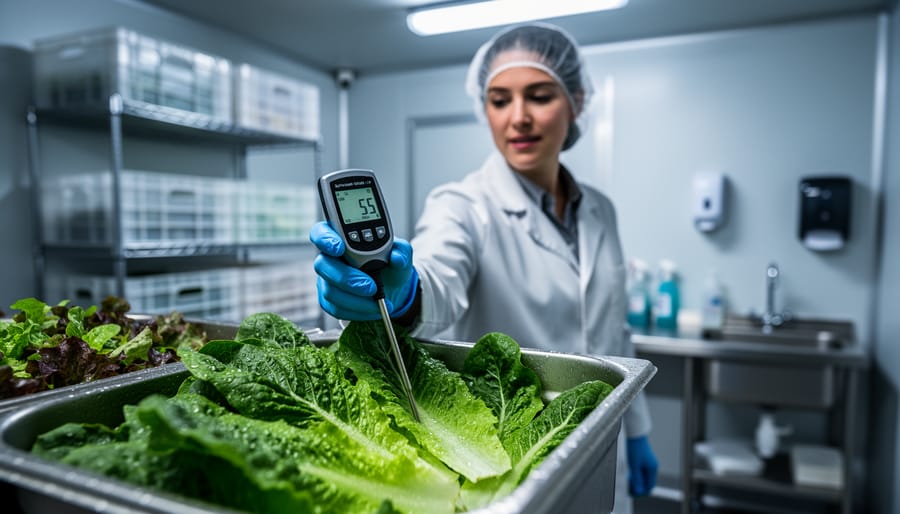
When fresh produce leaves your farm destined for eager customers, maintaining the right temperature becomes absolutely critical. Even a few degrees difference can accelerate spoilage, diminish nutritional value, and create food safety risks. That’s where proper cold chain management training comes into play for distribution center staff.

Temperature abuse happens more often than you’d think. Maybe a cooler door gets left open during loading, or produce sits on a loading dock longer than planned. Within hours, leafy greens can wilt, berries develop mold, and bacterial growth accelerates on items like pre-cut vegetables. Training your team to monitor and document temperatures throughout storage and transit protects both food quality and consumer health.

Consider the story of Green Valley Farm Cooperative, which reduced spoilage by 40 percent after implementing strict temperature monitoring protocols and staff training. Workers learned to use thermometers correctly, recognize warning signs of temperature fluctuations, and respond quickly to equipment issues. This investment not only saved produce but also strengthened customer trust in their local food system.

Distribution center worker monitoring refrigeration temperature with clipboard in hand
Proper temperature monitoring is essential for maintaining the cold chain and preventing spoilage in distribution centers.

When Good Produce Goes Bad: Cross-Contamination Points

Cross-contamination in distribution centers happens more often than you might think, and understanding these risk points helps keep your beautiful organic produce safe from farm to table. Let’s explore where things can go wrong so you can prevent them.

Equipment surfaces are common culprits. Pallet jacks, conveyor belts, and sorting tables that handle multiple product types throughout the day can transfer harmful bacteria between items. Think about it: the same forklift moving raw root vegetables with soil residue might later transport ready-to-eat salad greens.

Personnel practices create another vulnerability. When team members move between different temperature zones or handle various products without proper handwashing or glove changes, they unknowingly become vectors for contamination. Something as simple as touching a phone or adjusting clothing can introduce pathogens.

Storage areas present challenges too. Raw products stored above ready-to-eat items can drip condensation or debris downward. Even well-intentioned practices like using the same cleaning cloths across different zones can spread contamination rather than prevent it.

The good news? Many small-scale distribution centers have successfully tackled these issues through color-coded equipment systems, clearly defined workflow patterns, and consistent training reinforcement. By identifying your specific cross-contamination points, you’re taking an essential step toward protecting the quality and safety of the local, organic produce your community depends on.

What Effective Food Safety Training Actually Covers

Personal Hygiene Standards That Actually Matter

Personal hygiene forms your first line of defense against food contamination in distribution centers. Let’s focus on the practices that truly make a difference in keeping your locally sourced produce safe.

Handwashing is non-negotiable. Team members should wash hands thoroughly for at least 20 seconds before starting work, after bathroom breaks, after handling packaging materials, and before touching fresh produce. Provide accessible handwashing stations with soap, warm water, and single-use towels near all work areas.

Protective clothing matters more than you might think. Clean gloves, hairnets, and smocks create barriers between workers and food. Change gloves between tasks, especially when switching from handling packaging to touching produce. One farm cooperative we know saw contamination incidents drop by 80% after implementing daily fresh uniforms.

Illness policies protect everyone. Workers experiencing symptoms like vomiting, diarrhea, or fever should stay home until symptom-free for 24 hours. This can feel challenging for small operations, but having backup staff or flexible scheduling prevents one sick employee from compromising entire shipments of organic vegetables destined for your community.

Close-up of hands in nitrile gloves being washed with soap and water
Proper handwashing technique is a fundamental food safety practice that prevents contamination at every stage of distribution.

Proper Handling and Storage Techniques

Start with a solid receiving protocol. When deliveries arrive, check temperatures immediately using calibrated thermometers—cold items should stay at 41°F or below, frozen at 0°F. Inspect packaging for damage, leaks, or unusual odors before accepting shipments. This first checkpoint prevents contaminated products from ever entering your facility.

Storage requires strategic organization. Practice FIFO (First In, First Out) by dating all items and placing newer stock behind older products. Keep raw and ready-to-eat foods separate, storing raw items on lower shelves to prevent cross-contamination through drips. Maintain proper spacing between boxes for air circulation, which helps preserve freshness and prevents mold growth.

Temperature monitoring is your daily safeguard. Record cooler and freezer readings twice daily, and address any deviations immediately. Clean storage areas weekly using food-safe sanitizers, and keep high-risk allergens clearly labeled and isolated.

When preparing orders for distribution, use clean, sanitized containers and practice proper hand hygiene. One small-scale CSA operator in Vermont credits their perfect safety record to these simple practices combined with regular team training—proving that consistent attention to basics protects both customers and your farm’s reputation.

Cleaning and Sanitation Protocols

Establishing robust cleaning and sanitation protocols protects the quality of your fresh, organic produce from field to customer. Start by creating daily cleaning schedules for all food-contact surfaces, including sorting tables, bins, and refrigeration units. Use food-safe sanitizers approved for organic handling, and train staff on proper dilution ratios to ensure effectiveness without leaving harmful residues.

Temperature-controlled storage areas deserve special attention. Schedule deep cleaning between shipments, paying close attention to corners, drains, and door seals where moisture and debris accumulate. Keep detailed logs of cleaning activities, including dates, times, and staff initials, which helps maintain accountability and demonstrates compliance during inspections.

Implement a color-coded system for cleaning tools to prevent cross-contamination between raw and ready-to-eat produce areas. Remember, a Vermont farm cooperative reduced product loss by 40% after implementing structured sanitation training. Your commitment to cleanliness directly supports local farmers by ensuring their carefully grown crops reach customers in peak condition, maintaining the trust that makes community-supported agriculture thrive.

Building a Food Safety Culture in Small-Scale Operations

Distribution center workers participating in food safety training session
Regular food safety training sessions help build a culture of safety awareness among all distribution center staff.

Making Training Accessible for Seasonal Staff

Seasonal workers are the backbone of many distribution operations during peak harvest times, yet training them efficiently can feel overwhelming. The good news? You can create streamlined onboarding that sticks without eating up precious time.

Start with a concise, visual training manual that covers essential food safety basics: proper handwashing, temperature control, cross-contamination prevention, and allergen awareness. Consider creating a one-page checklist format that new workers can reference throughout their shifts. Many successful CSA managers have found that 30-minute hands-on training sessions work better than lengthy lectures.

Buddy systems work wonderfully too. Pair each new seasonal worker with an experienced team member who can demonstrate proper protocols in real-time. This approach reinforces good habits immediately and creates a supportive learning environment.

Digital tools can help tremendously. Short video tutorials that workers can watch on their phones before their first shift ensure everyone starts with baseline knowledge. One Vermont food hub manager shared how brief daily safety huddles transformed their seasonal crew’s practices, reducing handling errors by 60 percent within one harvest season.

Remember, keeping training positive and practical helps temporary staff feel valued and invested in maintaining your operation’s food safety standards.

Low-Cost Tools That Make Compliance Easier

Keeping your distribution center compliant doesn’t require expensive software or consultants. Simple spreadsheet templates can help you track temperatures, cleaning schedules, and employee training records effectively. Many state agriculture departments offer free downloadable checklists specifically designed for small-scale food operations, making it easier to stay organized without breaking the budget.

Digital thermometers with data logging capabilities cost under $50 and provide reliable temperature monitoring for refrigerated storage areas. Free mobile apps like FoodKeeper help staff understand proper storage times and handling procedures right from their phones. Consider creating laminated quick-reference guides for handwashing stations and loading dock areas, which serve as constant visual reminders for your team.

A basic three-ring binder system works wonderfully for maintaining training certificates, supplier approvals, and inspection records. Color-coded sections make information retrieval quick during audits. Several successful CSA operations have shared how they use simple photo documentation on tablets to record daily cleaning tasks and receive conditions, creating accountability without complex systems.

Weekly team huddles, combined with these straightforward tools, build a culture where food safety becomes second nature rather than an overwhelming compliance burden for your operation.

Compliance Requirements You Can’t Ignore

FSMA Rules for Small and Mid-Sized Distributors

The Food Safety Modernization Act includes specific provisions that affect distribution centers of all sizes, though requirements vary based on your operation’s scale. The Preventive Controls for Human Food rule applies to most facilities that manufacture, process, pack, or hold food for consumption in the United States. This means your local food hub or CSA distribution point likely falls under FSMA oversight.

Here’s the good news for smaller operations: exemptions exist for qualified facilities. If your operation averages less than $1 million in annual food sales during the previous three-year period, you may qualify for modified requirements. Additionally, farms that distribute only their own raw agricultural commodities typically receive different treatment than multi-farm aggregators.

Even with exemptions, basic food safety practices remain essential. Many successful small distribution centers have found that implementing simplified hazard analysis and preventive control plans actually protects their business while building customer trust. One Vermont food hub manager shared how their straightforward training program helped them navigate inspections smoothly while maintaining their commitment to supporting local growers.

The key is understanding where your operation fits within FSMA’s framework. Whether you’re exempt or fully covered, documentation of your food safety practices demonstrates your dedication to protecting the community you serve while keeping locally grown food accessible and safe.

Documentation That Protects Your Operation

Keeping solid records isn’t just paperwork—it’s your safety net. When you document food safety training sessions, temperature logs, and cleaning schedules, you’re creating a trail that proves your commitment to safe handling practices. Think of these records as your operation’s insurance policy.

Start with training attendance sheets that note dates, topics covered, and employee signatures. Keep temperature monitoring logs for coolers and transport vehicles, recording times and readings throughout each shift. Document your cleaning and sanitation schedules with completion checkmarks. These simple practices demonstrate due diligence if questions ever arise.

Store records for at least two years, following food safety guidelines. Digital photos of your processes can provide valuable backup evidence. Many small distribution centers find success using simple spreadsheets or affordable apps designed for food operations. This organized approach protects your business while showing customers and inspectors that you take food safety seriously. Remember, consistent documentation reflects the same care you put into delivering quality produce to your community.

Real Stories: When Food Safety Training Made the Difference

When Maria took over as operations manager at Green Valley Food Hub, she inherited a team that handled everything from farm pickups to restaurant deliveries. Despite their best efforts, they struggled with recurring complaints about wilted greens and inconsistent product quality. After implementing a comprehensive food safety training program focused on proper temperature control and handling procedures, everything changed.

Her team learned the critical importance of maintaining the cold chain from farm to customer. They discovered they’d been loading refrigerated trucks inefficiently, creating warm spots that compromised product integrity. Within three months of training, customer complaints dropped by 78%, and their organic lettuce producers noticed significantly less waste. Maria’s biggest takeaway? “We thought we knew what we were doing, but training revealed blind spots we didn’t even know existed. Now our drivers check temperatures at every stop, and it’s just part of our culture.”

Similarly, Oak Ridge Farm Cooperative avoided a potentially devastating situation when their newly trained distribution staff caught a malfunctioning cooler before it spoiled an entire week’s harvest of organic strawberries worth $12,000. Their employee, James, had just completed training on monitoring equipment and immediately recognized the temperature fluctuation patterns. He transferred the berries to backup cooling within an hour.

The practical lesson from both stories? Food safety training isn’t just about passing inspections. It empowers your team to spot problems early, protect your investment in quality produce, and build trust with customers who depend on your commitment to excellence. Small investments in education consistently prevent much larger losses down the road.

Getting Started: Your First Steps Toward Safer Distribution

Starting your food safety journey doesn’t have to feel overwhelming. Whether you’re managing a small CSA distribution point or a regional food hub, taking those first steps can protect your community while building trust with your customers.

Begin by assessing your current operations. Walk through your facility and identify where food is received, stored, and distributed. Notice temperature-sensitive areas, cross-contamination risks, and employee handling procedures. This baseline understanding helps you prioritize where training is most needed.

Next, tap into free and low-cost resources designed for small-scale operations. The FDA offers downloadable guides specifically for produce distributors, while many state agriculture departments provide workshops tailored to local food systems. Organizations like the Local Food Safety Collaborative offer webinars and toolkits perfect for community-scale operations.

Your initial training priorities should focus on three core areas: proper temperature control, preventing cross-contamination, and personal hygiene practices. These fundamentals form the foundation of solid food safety practices that protect everyone from farm to table.

Consider partnering with nearby farms and distribution centers to share training costs and experiences. One successful food hub in Vermont started a regional training cooperative where five small distributors pooled resources for quarterly safety workshops. This collaborative approach made professional training affordable while building a supportive network.

Start small but start today. Even training one employee per week creates momentum. Remember, building a food safety culture is a journey, not a destination, and every step forward protects the health of the communities you serve.

When your distribution center prioritizes food safety training, you’re doing more than protecting products—you’re safeguarding the trust your community has placed in the local food movement. Every person who chooses locally grown organic produce over conventional supermarket options is making a conscious decision to support sustainable agriculture and their neighbors. They’re counting on you to honor that choice with safe, wholesome food.

Strong food safety practices aren’t just about compliance; they’re the foundation that allows the entire local food system to thrive. One foodborne illness incident can undermine years of relationship-building and damage the reputation of countless dedicated farmers and food hubs in your region. By investing in comprehensive training, you’re protecting not only your operation but the collective future of community-supported agriculture.

Think of food safety training as an essential investment in sustainability itself—right alongside composting, renewable energy, and regenerative farming practices. It strengthens community health, builds lasting customer relationships, and ensures the local food movement continues growing for generations to come.

Start today by assessing your current training program and identifying areas for improvement. Your commitment to food safety demonstrates the same care and integrity that drew you to local, organic food in the first place.

Why Your Local Farmers Market Is the Perfect Place for Seniors to Thrive

Posted by darrell on
0
Market Events and Community Engagement
Why Your Local Farmers Market Is the Perfect Place for Seniors to Thrive

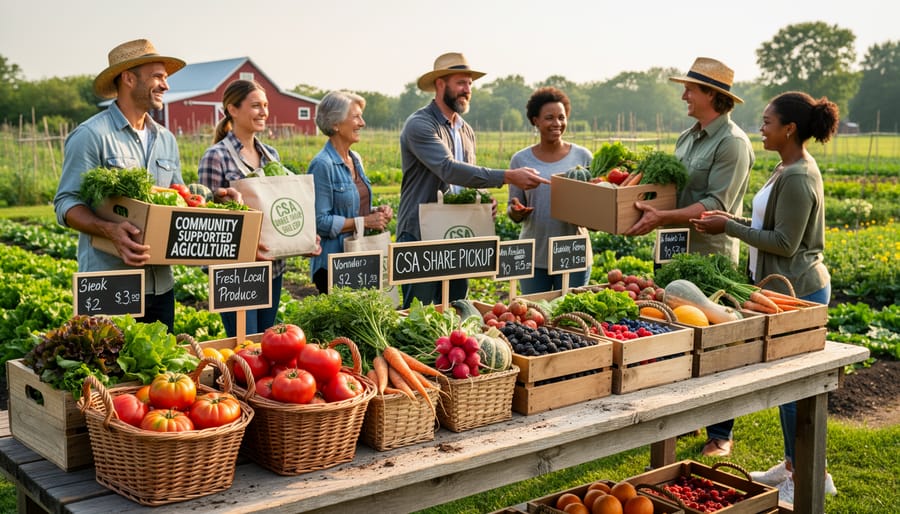
Transform your local farmers market into a vibrant community hub for seniors by scheduling weekly morning hours specifically for elderly visitors when crowds are lighter and vendors have time for conversation. Partner with local farms offering CSA boxes to create dedicated pickup times where seniors can socialize while collecting fresh produce, turning a simple transaction into a meaningful weekly gathering.

Design accessible walking routes through your market with clearly marked rest areas featuring seating and shade, allowing older adults to comfortably browse seasonal offerings at their own pace. Organize hands-on activities like herb planting workshops or simple pickling demonstrations that connect seniors with sustainable growing practices while fostering social connections among participants.

Establish volunteer ambassador programs pairing tech-savvy younger community members with elderly market-goers who want to learn about organic produce selection, seasonal eating, or how to join local farm programs. These intergenerational partnerships create lasting relationships while helping seniors navigate the sometimes overwhelming variety of fresh vegetables and fruits.

Coordinate transportation solutions by connecting with senior centers, retirement communities, and volunteer driver networks to ensure mobility challenges don’t prevent participation. Many successful markets have discovered that providing reliable access dramatically increases elderly attendance and strengthens the entire community fabric.

Farmers markets naturally serve as ideal venues for senior engagement because they combine physical activity, sensory stimulation, social interaction, and access to nutritious local food. When organizers intentionally design programming around elderly needs and interests, these weekly gatherings become essential anchors in seniors’ lives while supporting local agriculture and fostering meaningful connections across generations.

The Natural Connection Between Seniors and Farmers Markets

Farmers markets create an ideal gathering space for older adults, offering a welcoming environment that naturally accommodates their preferences and lifestyle. Unlike bustling shopping centers or crowded grocery stores, these outdoor venues operate at a comfortable, unhurried pace that allows seniors to browse, chat, and make thoughtful purchasing decisions without feeling rushed.

The multigenerational atmosphere stands as one of the market’s greatest strengths. Grandparents often bring grandchildren to explore the farmers market treasures together, creating opportunities for sharing food knowledge and family traditions. Young farmers connect with older customers who remember when most food came from local sources, sparking meaningful conversations that bridge generational gaps. These interactions combat social isolation while fostering a sense of community belonging.

Sensory experiences at farmers markets provide unique engagement opportunities for seniors. The vibrant colors of fresh produce, the earthy aroma of just-harvested vegetables, and the chance to touch and examine food before purchasing create memorable moments. For those experiencing cognitive changes, these sensory connections can trigger positive memories and stimulate mental engagement. The opportunity to taste samples and smell fresh herbs offers therapeutic benefits that extend beyond simple shopping.

Many older adults grew up closer to agriculture, whether through family farms, victory gardens, or simply a time when local food was the norm rather than the exception. Farmers markets reconnect them with these agricultural traditions, offering a nostalgic link to their past while celebrating sustainable practices they may have practiced themselves. This connection to heritage makes market visits particularly meaningful for seniors who value traditional food systems.

The accessibility features many markets now incorporate—including shaded seating areas, smooth walking paths, and convenient parking—demonstrate recognition of senior needs. Combined with the genuine relationships formed between elderly customers and farmers, these elements transform a simple shopping trip into an enriching social experience that nourishes both body and spirit.

Elderly woman examining fresh tomatoes at farmers market stand
Seniors find meaningful engagement and fresh produce connections at local farmers markets.

Health Benefits That Keep Older Adults Coming Back

Fresh, Organic Produce for Better Nutrition

Farmers markets offer seniors incredible access to fresh, seasonal produce that directly supports their unique nutritional needs. Unlike supermarket options that travel long distances, locally grown vegetables and fruits reach market stalls within hours of harvest, preserving vital nutrients that naturally diminish over time. This freshness matters especially for older adults who need nutrient-dense foods to maintain bone health, immune function, and energy levels.

Seasonal eating through farmers markets means seniors enjoy produce at peak ripeness when nutritional content is highest. Spring greens provide folate and vitamin K for cognitive health, summer berries deliver antioxidants, fall squashes offer beta-carotene, and winter root vegetables supply essential minerals. Many vendors grow heirloom varieties with deeper flavor profiles and diverse nutrient compositions compared to commercial produce.

The organic produce benefits extend beyond nutrition. Farmers gladly share preparation tips and recipe ideas tailored to dietary restrictions common among seniors, like low-sodium or diabetic-friendly cooking methods. This personal connection transforms shopping into an educational experience, empowering older adults to make informed choices about their meals while building relationships with growers who truly care about community health.

Gentle Physical Activity in a Low-Pressure Environment

Farmers markets offer the perfect setting for gentle movement that doesn’t feel like traditional exercise. As older adults stroll from vendor to vendor, they naturally accumulate steps while browsing colorful produce displays and handcrafted goods. The leisurely pace allows for frequent rest stops to chat with farmers about their growing practices or sample fresh strawberries. Carrying a reusable bag with a few tomatoes or a bunch of leafy greens provides light resistance training without strain. Unlike gym environments that can feel intimidating, markets create a low-pressure atmosphere where physical activity happens organically. The varied terrain—navigating around displays, stepping up to vendor tables, and walking on grass or pavement—helps maintain balance and coordination. Many seniors find they walk significantly more at markets than during their usual routines, all while enjoying the sunshine and social connections that make the effort feel effortless and rewarding.

Mental Stimulation Through Social Interaction

Farmers markets naturally spark meaningful conversations that keep older adults mentally sharp and socially connected. When seniors chat with farmers about growing techniques, seasonal varieties, or recipe suggestions, they’re engaging in dynamic exchanges that stimulate memory and learning. These interactions differ from casual small talk—discussing heirloom tomato varieties or learning about crop rotation practices requires active listening and cognitive engagement. Fellow shoppers often share cooking tips or reminisce about gardens from their past, creating spontaneous connections that combat the isolation many seniors face. Regular market visits establish familiar relationships with vendors who remember preferences and past conversations, fostering a sense of belonging. The multisensory environment—vibrant produce displays, sampling opportunities, and the bustling atmosphere—provides additional mental stimulation. For seniors living alone or with limited social circles, these weekly encounters offer consistent opportunities for purposeful interaction while supporting local agriculture and healthy eating habits.

Successful Community Programs That Welcome Seniors

Senior-Specific Market Days and Discount Programs

Many farmers markets now recognize that seniors benefit tremendously from flexible shopping options designed with their needs in mind. Early bird hours, typically starting 30 minutes before regular market times, allow older adults to browse stands when crowds are lighter and parking is more accessible. These quieter morning periods make it easier to chat with vendors about produce selection and preparation tips.

Special discount programs help stretch fixed incomes further. Some markets offer Senior Day pricing with 10-20% off purchases, while others partner with nutrition assistance programs that double the value of benefits when spent on fresh fruits and vegetables. Several successful programs provide vouchers specifically for purchasing locally grown organic produce, helping seniors access nutrient-dense foods that support healthy aging.

Market managers have found that partnering with senior centers creates win-win situations. Transportation services bring groups to markets, transforming shopping into a social outing. One inspiring example comes from a Colorado farmer who started a “Greens for Grays” program, setting aside portions of his harvest specifically for senior nutrition programs at wholesale pricing. His success demonstrates how small adjustments in market operations can significantly improve community health while supporting local agriculture.

Contact your local farmers market to inquire about senior-friendly shopping times and available discount programs in your area.

Volunteer and Mentorship Opportunities

Seniors bring decades of wisdom and practical skills to farmers markets, making them invaluable volunteers and mentors. Many markets welcome older adults who want to share their expertise while staying socially connected. From greeting visitors at information booths to helping with setup and breakdown, these roles keep seniors active without being physically demanding.

Garden mentorship programs pair experienced senior gardeners with younger community members eager to learn organic growing techniques. These relationships flourish at market garden demonstrations where elders teach companion planting, natural pest control, and seed saving traditions passed down through generations. One 78-year-old volunteer at a community market garden spends Saturday mornings sharing her knowledge of heirloom varieties with families starting their first vegetable patches.

Cooking demonstrations offer another perfect venue for seniors to shine. Grandmothers and grandfathers showcase traditional recipes using seasonal market produce, teaching younger generations about food preservation and preparing meals with minimal waste. These sessions often turn into storytelling opportunities where elders share memories of victory gardens and farm-to-table living before it became trendy.

Market coordinators seeking senior volunteers should create flexible schedules and provide seating at volunteer stations. The exchange benefits everyone—seniors gain purpose and community connection while markets receive dedicated helpers who genuinely care about sustainable agriculture and supporting local farmers.

Educational Workshops Tailored for Older Adults

Educational workshops at farmers markets create wonderful opportunities for older adults to learn new skills while connecting with their community. Cooking classes featuring seasonal, organic produce teach seniors how to prepare nutritious meals that support healthy aging. These hands-on sessions often focus on simple recipes using fresh vegetables and herbs, making farm-to-table eating accessible and enjoyable.

Gardening workshops prove especially popular, offering techniques for container gardening, raised beds, and small-space cultivation that work well for those with limited mobility. Participants learn about companion planting, soil health, and organic pest management methods they can apply at home. Many seniors find these sessions rewarding as they gain confidence growing their own herbs, tomatoes, and leafy greens.

Food preservation workshops teach valuable techniques like canning, pickling, and drying herbs—skills many older adults remember from their youth but haven’t practiced in years. These classes foster intergenerational connections when seniors share their own preservation stories while learning updated safety methods for today’s guidelines.

Multigenerational group attending cooking demonstration at outdoor farmers market
Educational cooking demonstrations at farmers markets create intergenerational connections while teaching practical food skills.

Creating Age-Friendly Farmers Market Experiences

Physical Accessibility Improvements

Creating welcoming spaces at farmers markets starts with thoughtful physical improvements that allow seniors to enjoy everything from fresh produce to community connections. Comfortable seating stations positioned throughout the market give older adults natural rest points where they can pause, chat with neighbors, and soak in the vibrant atmosphere without fatigue. These designated areas work best when placed near popular vendor stalls selling organic vegetables and artisan goods.

Accessible parking spots located close to market entrances make a tremendous difference for those with mobility challenges. Clear, level pathways wide enough for walkers and wheelchairs ensure everyone can browse produce stands safely. Consider incorporating accessible market design principles that prioritize smooth surfaces free from trip hazards and adequate spacing between vendor booths.

Shade structures provide essential protection from sun exposure, particularly during warmer months when heat can pose health risks for elderly visitors. Pop-up canopies, permanent pavilions, or even strategically placed mature trees create comfortable zones where seniors can shop for locally grown organic produce without overheating. Many successful markets also install benches beneath these shaded areas, transforming them into welcoming gathering spots that encourage longer visits and deeper community engagement.

Elderly couple walking through accessible farmers market with wide pathways and seating areas
Accessible pathways, seating areas, and thoughtful layout make farmers markets comfortable spaces for older adults to navigate and enjoy.

Communication and Customer Service Tips

Creating a welcoming environment for senior visitors starts with patience and genuine warmth. Train your market staff and volunteers to speak clearly and maintain eye contact, allowing extra time for questions and conversation. Many elderly attendees appreciate unhurried interactions where they can share gardening memories or ask about growing techniques.

Clear communication extends beyond words. Install signage with larger fonts (at least 18-point) and high contrast colors for easy reading. Position signs at eye level and use simple, direct language to indicate prices, product origins, and special senior offerings.

Building lasting relationships with regular senior customers enriches your farmers market community. Remember their names, recall their favorite seasonal items, and ask about their families. These personal connections transform weekly shopping trips into meaningful social occasions. Consider creating a welcome table specifically for first-time senior visitors, offering market maps and introducing them to vendors who can accommodate their specific dietary needs or mobility considerations. When seniors feel valued and understood, they become your most loyal supporters and enthusiastic ambassadors within their communities.

Timing and Schedule Considerations

Planning events with older adults in mind means thinking carefully about when and how long activities should run. Morning hours between 9 AM and noon work beautifully for farmers market visits, as many seniors prefer starting their day early when energy levels peak and the weather stays cooler. This timing also means quieter crowds and more relaxed browsing through fresh produce stands.

Consider scheduling community events to last 90 minutes to two hours maximum. This sweet spot allows enough time for meaningful social connection and market exploration without causing fatigue. Building in natural rest breaks works wonders—set up comfortable seating areas near vendor booths where participants can take a breather while enjoying the vibrant market atmosphere.

For multi-week programs, weekly gatherings create wonderful anticipation without overwhelming schedules. One successful approach includes pairing farmers market tours with seasonal cooking demonstrations, giving seniors hands-on experience with organic vegetables they’ve just purchased. Remember to avoid extreme weather periods and plan indoor alternatives when needed, ensuring your elderly community members can participate comfortably year-round while discovering the joys of locally grown, sustainable food.

Building Intergenerational Connections Through Market Activities

Farmers markets naturally transform into vibrant intergenerational classrooms where life experience meets youthful curiosity. Seniors bring decades of accumulated wisdom about growing, preserving, and preparing food—knowledge that’s increasingly valuable as younger generations rediscover the importance of sustainable living and self-sufficiency.

At these weekly gatherings, you’ll often find older community members sharing practical gardening advice with young families exploring organic growing methods. They discuss which heirloom tomato varieties thrive in local soil, demonstrate proper techniques for selecting ripe produce, and reveal time-tested preservation methods that minimize food waste. These spontaneous mentoring moments create meaningful connections that extend beyond simple transactions.

Many successful programs formalize these interactions through “Heritage Recipe Exchange” events where seniors demonstrate traditional cooking techniques using seasonal ingredients. Young parents learn how to prepare nutritious meals from basic ingredients while children discover that food comes from soil, not just supermarket shelves. One farmer shared how an 82-year-old regular at his market stall taught dozens of customers her grandmother’s method for turning surplus vegetables into flavorful fermented pickles—knowledge that might have disappeared without this community space.

Garden clubs frequently recruit senior volunteers to lead workshops on composting, seed saving, and companion planting. Their hands-on demonstrations provide practical education that books and videos can’t replicate. These teaching moments validate seniors’ lifetime of agricultural experience while helping younger generations develop skills for sustainable living.

The beauty of market-based intergenerational programs lies in their organic nature. Unlike structured activities that might feel forced, these connections develop naturally around shared interests in fresh food, environmental stewardship, and community resilience. Everyone leaves enriched—seniors feel valued for their contributions while younger participants gain irreplaceable wisdom from those who remember when seasonal eating wasn’t trendy but simply how life worked.

Getting Started: How Seniors Can Become Regular Market-Goers

Starting your farmers market journey as a senior is easier than you might think, and the rewards are well worth the effort. Begin by locating your nearest market through community center bulletin boards or a quick online search. Most markets operate weekly during growing season, making them perfect for establishing a comfortable routine.

Before your first visit, prepare a reusable shopping bag, a small wheeled cart for heavier purchases, and cash in small bills since some vendors may not accept cards. Arrive early for the best selection and cooler temperatures, or come later if you prefer a quieter atmosphere. Wear comfortable shoes and bring a water bottle, especially during summer months.

Budgeting becomes simpler once you understand seasonal pricing patterns. Spring greens and summer tomatoes are abundant and affordable during peak harvest. Consider buying larger quantities of seasonal favorites to preserve through freezing or canning, stretching your budget throughout the year. Many vendors offer end-of-day discounts, so don’t hesitate to ask.

Building relationships with farmers creates wonderful opportunities. Chat with vendors about their growing practices, ask for recipe suggestions, and let them know you’re a regular customer. These connections often lead to friendly advice about upcoming harvests and occasional extras added to your bag.

Complement your market visits with local CSA partnerships, which provide weekly produce boxes directly from farms. This combination ensures consistent access to fresh, organic ingredients while supporting sustainable agriculture. Many CSA programs offer senior discounts or flexible payment plans, making farm-fresh eating accessible on fixed incomes. Start small with occasional visits, then gradually increase frequency as you discover your favorite vendors and seasonal treasures.

Farmers markets stand as vibrant community hubs where older adults discover meaningful connections, improved health, and renewed purpose while supporting local sustainable agriculture. These weekly gatherings offer far more than fresh produce—they create spaces where seniors become valued participants in their local food systems, contributing wisdom and enthusiasm to the sustainable farming movement.

For older adults seeking engagement, farmers markets present accessible opportunities to socialize, stay active, and make informed choices about nutrition. Whether volunteering to support market operations, mentoring new organic farmers, or simply enjoying conversations with familiar faces, seniors find their involvement enriching on multiple levels. The sensory experience of handling fresh vegetables, smelling herbs, and tasting seasonal fruits stimulates both physical and cognitive well-being.

Market organizers play a crucial role in welcoming older community members by offering seating areas, providing transportation assistance, and creating senior-friendly programs like cooking demonstrations or farm tours. These thoughtful accommodations transform markets into inclusive spaces where everyone belongs.

The beautiful synergy between generations at farmers markets strengthens entire communities. Young farmers gain perspective from seniors who remember traditional growing methods, while older adults learn about innovative organic practices and CSA models that make local food more accessible.

Whether you’re a senior looking for purposeful activity or an organizer seeking to enhance community connections, farmers markets offer meaningful opportunities. Explore your local market this week—you’ll discover that supporting sustainable agriculture nourishes far more than just the body. It feeds the soul and strengthens the community fabric that connects us all.

How PCF Carbon Footprinting Can Transform Your CSA Farm’s Environmental Impact

Posted by darrell on
0
Environmental Sustainability
How PCF Carbon Footprinting Can Transform Your CSA Farm’s Environmental Impact

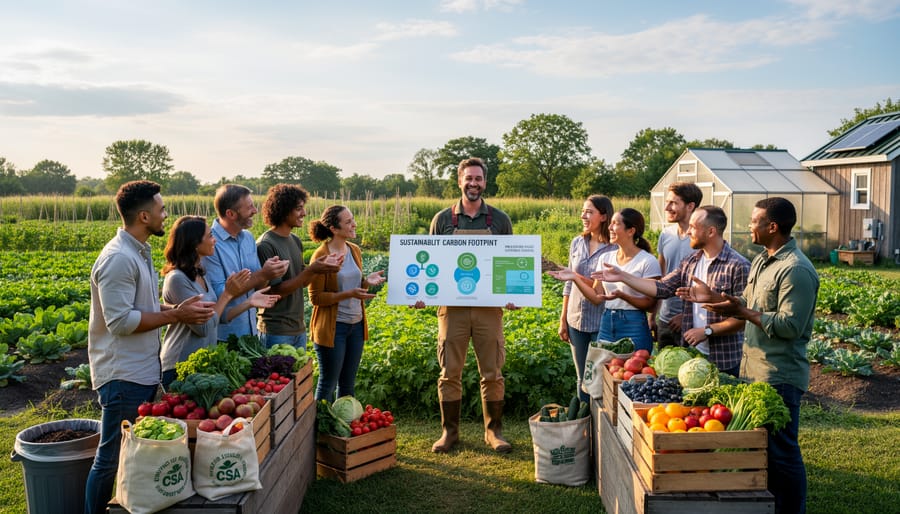
Your Community Supported Agriculture operation has a measurable impact on our planet’s climate, and understanding your Product Carbon Footprint (PCF) is the first step toward making it a positive one. PCF tracks greenhouse gas emissions throughout your farm’s entire production cycle, from soil preparation and seed planting to harvest and distribution to your members’ doorsteps.

For CSA farmers, measuring carbon footprint isn’t just environmental responsibility—it’s becoming essential for market differentiation and meeting consumer expectations. Today’s environmentally conscious members increasingly want transparency about where their food comes from and how it affects the climate. When you can demonstrate lower emissions than industrial agriculture, you strengthen member loyalty and attract new subscribers who prioritize sustainability.

The good news? CSA operations naturally have advantages in carbon reduction. Your direct-to-consumer model eliminates supply chain emissions that plague grocery store produce. Your focus on seasonal, diverse crops builds soil health that captures carbon. Your local distribution reduces transportation miles dramatically compared to conventional agriculture.

This guide breaks down PCF measurement into manageable steps designed specifically for small-scale farmers. You’ll discover practical strategies to reduce emissions across your operation, from composting methods that minimize methane release to irrigation timing that cuts energy use. We’ll share real success stories from CSA farmers who’ve lowered their carbon footprint while improving profitability, proving that climate-friendly farming and financial sustainability go hand in hand.

What Is PCF Carbon Footprinting and Why It Matters for Your CSA

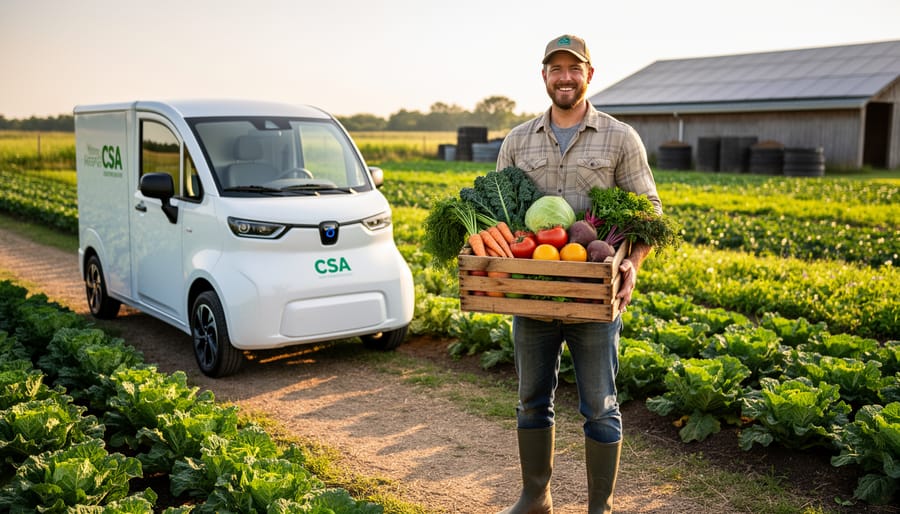
Wooden box filled with fresh vegetables on farm truck with agricultural fields in background
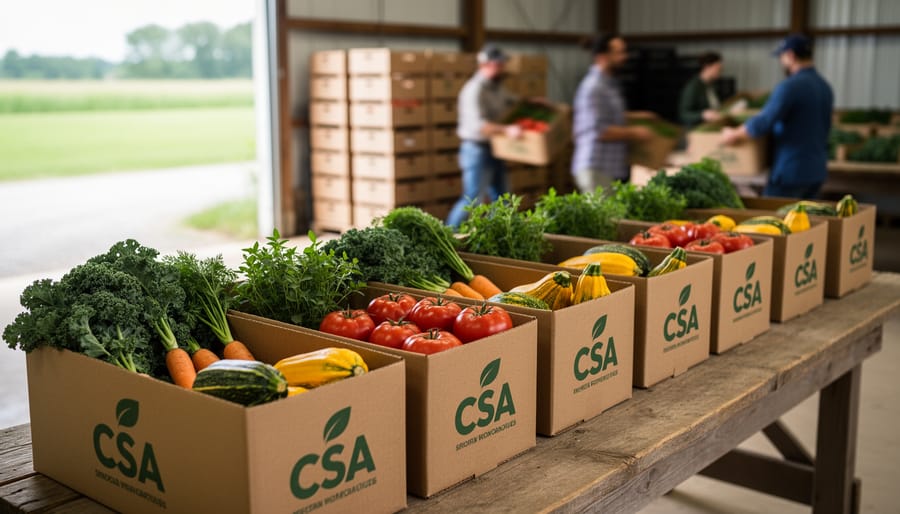
CSA operations connect local farms directly with community members through fresh, sustainably grown produce.

The Basics of PCF Measurement

Product Carbon Footprint (PCF) measurement tracks the greenhouse gas emissions generated throughout your farm’s entire production cycle. Think of it as following your crops’ environmental journey from start to finish.

The process begins with seed selection and soil preparation. PCF accounts for emissions from producing seeds, fertilizers, and amendments you use. For example, that organic compost you’re applying has a carbon story too—whether you made it on-site or had it delivered matters.

Next comes the growing season. This includes energy used for irrigation pumps, greenhouse heating, and any equipment operation. Even hand tools have a footprint from their manufacturing and transport to your farm.

Harvest and post-harvest activities count as well. Running coolers to store lettuce, washing root vegetables, and packing produce into containers all consume energy and resources.

Finally, delivery creates emissions through transportation. Whether you’re driving to farmers markets or delivering CSA boxes directly to members, those vehicle miles factor into your total PCF.

The good news? Understanding these basics helps you identify where to make meaningful changes. Many farmers discover that small adjustments—like switching to renewable energy or sourcing inputs locally—significantly reduce their overall carbon footprint while often saving money too.

Why CSA Members Are Starting to Ask About Carbon Data

Today’s CSA members are more climate-conscious than ever before. They’re not just asking where their food comes from—they want to know how it’s grown and what impact it has on the planet. This shift reflects a broader movement toward environmental transparency, with consumers seeking measurable data rather than general claims about sustainability.

PCF (Product Carbon Footprint) data meets this demand head-on by providing concrete numbers that demonstrate your farm’s commitment to reducing environmental impact. When you can share that your tomatoes produced 0.3 kg of CO2 per pound compared to the conventional average of 2 kg, members understand the real difference their support makes.

Many CSA farmers report that sharing carbon data strengthens member loyalty and attracts new subscribers who prioritize climate action. One Vermont farmer noticed a 25% increase in membership renewals after introducing carbon labeling on weekly harvest sheets. Members appreciate the honesty and education, often sharing the information with friends and family. This transparency transforms your CSA from simply a food source into a partnership for positive environmental change, deepening the community connection that makes CSAs special.

The Biggest Carbon Contributors in CSA Operations

Transportation and Distribution Footprint

Getting your produce from field to table involves transportation choices that significantly impact your PCF carbon footprint. The good news? Strategic planning can dramatically reduce these emissions while maintaining efficient delivery service.

Start by analyzing your distribution routes. Consolidating deliveries into fewer trips with optimized routes cuts fuel consumption substantially. Many successful CSAs use route-planning software to minimize mileage, reducing emissions by up to 30%. Consider central pickup points where members collect their shares, eliminating individual home deliveries altogether.

Vehicle selection matters immensely. Transitioning to eco-friendly delivery vehicles like electric vans or biodiesel trucks can slash transportation emissions by half or more. One Vermont farm reduced their delivery footprint by 60% simply by switching to an electric vehicle for local routes.

Encourage member participation through community pickup hubs at farmers markets, workplaces, or neighborhood spots. This shared responsibility model not only reduces your carbon output but strengthens community connections. Some farms even offer incentives like discounted shares for members who choose consolidated pickup locations over individual delivery.

Remember, every mile matters. Track your transportation data regularly to identify improvement opportunities and celebrate progress with your membership community.

Energy Use on the Farm

Energy use represents a significant portion of a CSA farm’s carbon footprint, though the specifics vary by season and scale. Greenhouse heating during cooler months can be one of the largest energy consumers, especially for farms extending their growing season. Many farmers are switching to high-efficiency systems or even passive solar designs to reduce this impact. If you measure your heating fuel consumption and multiply by the appropriate emission factors, you’ll get a clear picture of this portion of your footprint.

Irrigation pumps run regularly during dry periods, drawing electricity that contributes to your overall emissions. Consider the power source for your pumps—grid electricity, diesel generators, or renewable options like solar panels. Cold storage facilities for keeping harvested produce fresh also require consistent energy input, particularly during summer months.

Don’t overlook smaller operations like wash stations, packing facilities, and farm offices. One inspiring example comes from a Vermont CSA that installed solar panels covering 80% of their electricity needs, dramatically reducing their energy-related emissions while lowering operational costs. Track your utility bills monthly to identify patterns and opportunities for improvement, whether through equipment upgrades, renewable energy installations, or operational adjustments.

Soil Management and Input Choices

Your soil management choices play a starring role in determining your farm’s carbon footprint. Think of your soil as either a carbon savings account or a source of emissions—your practices determine which way it goes.

Synthetic fertilizers are significant carbon contributors, both in their energy-intensive manufacturing process and the nitrous oxide they release when applied. Consider switching to compost, cover crops, and organic amendments instead. These options actually feed carbon back into the soil while nourishing your plants. One Michigan CSA farmer reduced her fertilizer-related emissions by 40% simply by adopting a robust composting system and rotating legumes as natural nitrogen fixers.

Tillage practices matter too. Heavy plowing releases stored carbon from soil, while no-till or reduced-till methods keep it locked away. If you must till, timing and depth make a difference—shallow cultivation disturbs less carbon.

Here’s an actionable tip: start small by replacing just one synthetic input with an organic alternative this season. Track the results, adjust your approach, and gradually expand. Many farmers find that healthier soil actually reduces their need for amendments over time, creating a win-win for both emissions and your budget.

Practical Steps to Calculate Your CSA’s Product Carbon Footprint

Free and Low-Cost PCF Tools for Small Farms

Good news for small-scale farmers: you don’t need expensive consultants to start measuring your carbon footprint! Several free and affordable tools make PCF tracking accessible for operations of any size.

The USDA’s COMET-Farm calculator is a fantastic starting point, offering free carbon footprint assessments specifically designed for agricultural operations. It walks you through your farm’s activities, from tillage practices to livestock management, providing detailed emissions estimates. The Cool Farm Tool is another excellent option, particularly user-friendly for beginners who want straightforward carbon calculations.

For CSA farmers looking for something simpler, basic spreadsheet templates can track key activities like fuel usage, electricity consumption, and fertilizer applications. Many agricultural extension offices offer these templates free of charge, often with helpful guides explaining how to convert your farm activities into carbon measurements.

Consider starting with the “low-tech” approach: keep a notebook logging tractor hours, heating fuel for greenhouses, and purchased inputs. This data becomes the foundation for any calculator you choose later. Some farmers find success using smartphone apps like FarmLogs or AgriWebb, which include basic sustainability tracking features alongside their farm management tools. The key is choosing a system you’ll actually use consistently throughout the growing season.

What Data You’ll Need to Gather

Getting started with your PCF assessment means gathering the right records. Think of this as detective work, where every receipt and bill tells part of your farm’s carbon story. Start by collecting fuel receipts for tractors, trucks, and other equipment over the past year. You’ll also need electricity bills for barns, greenhouses, and irrigation systems, plus heating fuel records if you use propane or natural gas.

Don’t forget about your inputs. Gather information from suppliers about fertilizers, amendments, and livestock feed, including quantities purchased and transportation distances. If you buy seedlings or transplants, track those too. Keep records of any waste management services, like compost hauling or disposal fees.

Water usage data helps complete the picture, especially if you run pumps for irrigation. Finally, document any renewable energy you generate, like solar panels, as these offset your footprint. Many successful farmers discover that organizing these documents not only helps calculate their PCF but also reveals opportunities to save money while reducing emissions.

Setting Your Baseline Measurement

Before you can celebrate progress, you need to know where you’re starting. Begin by gathering data from a typical growing season—think of it as taking a snapshot of your current operations. Document everything from fuel consumption in tractors and delivery vehicles to electricity use in coolers and irrigation systems. Don’t forget to track fertilizer applications, whether organic or conventional, and any purchased inputs like seeds and packaging materials.

Create a simple spreadsheet or use carbon calculator tools designed specifically for farms. Many are free and user-friendly, walking you through each category step by step. Record your baseline measurements during your most representative season, avoiding years with unusual weather or major operational changes. This honest assessment isn’t about judgment—it’s about understanding your farm’s unique carbon profile. Once you’ve established this starting point, you’ll be equipped to set realistic reduction goals and watch your sustainable practices make a measurable difference. Local farmer Maria Chen reduced her operation’s footprint by 30% in two years simply by tracking these metrics consistently.

Proven Strategies to Reduce Carbon Footprint in Your CSA

Optimizing Your Distribution Model

Smart supply chain optimization starts with efficient distribution planning. Begin by mapping your member locations and grouping them into geographic clusters for pickup points. This approach significantly reduces delivery mileage compared to individual home deliveries. Consider offering incentives like a 5% discount for customers who pick up their shares at the farm or central locations, which can cut your distribution emissions dramatically.

Create consolidated delivery routes using free tools like Google Maps or Route4Me to minimize backtracking and fuel consumption. Schedule deliveries on specific days for each zone rather than scattering them throughout the week. One Massachusetts CSA farmer reduced weekly driving by 40% simply by organizing four neighborhood pickup hubs instead of 20 individual stops. Additionally, coordinate with neighboring farms to share delivery routes when possible, splitting transportation costs and emissions while strengthening your local farming community.

Renewable Energy Integration

Many farms are discovering that renewable energy integration significantly reduces their carbon footprint while cutting operational costs. Solar panels have become particularly popular for CSA operations, powering irrigation systems, cold storage, and processing facilities. At Green Valley Farm in Ontario, a 10-kilowatt solar array now covers 80% of their electricity needs, reducing their annual carbon emissions by 12 tons.

Wind turbines work well for farms with consistent breezes, though the initial investment is higher. Smaller-scale options include solar-powered electric fencing and water pumps, which are surprisingly affordable starting points. Some innovative farmers are even using biogas digesters to convert farm waste into energy, creating a closed-loop system that addresses both waste management and power generation. Geothermal heating systems can maintain greenhouse temperatures year-round with minimal environmental impact, though they require suitable soil conditions and upfront capital investment.

Farmer examining rich soil and plant roots in agricultural field with cover crops
Healthy soil management and regenerative practices play a crucial role in reducing carbon emissions on CSA farms.

Carbon-Sequestering Growing Practices

Regenerative farming techniques offer a powerful way to transform your CSA operation into a carbon-fighting ally. Cover cropping stands out as one of the most effective methods—planting species like clover, rye, or vetch between cash crops keeps living roots in the soil year-round, pulling CO2 from the atmosphere and storing it underground. No-till or reduced-till practices preserve this stored carbon by leaving soil structure intact, while also improving water retention and reducing fuel consumption from tractor passes.

Smart composting practices complete the regenerative cycle by converting farm waste into carbon-rich amendments that feed soil biology and lock carbon away for years. Many successful CSA farmers also incorporate rotational grazing if they have livestock, use mulching to suppress weeds while building organic matter, and plant hedgerows that serve as carbon sinks while supporting beneficial insects.

These practices work together synergistically—each amplifying the others’ benefits. The beauty is that while you’re sequestering carbon, you’re simultaneously improving soil health, reducing input costs, and growing more nutritious produce for your members.

Smarter Input Sourcing

One of the quickest wins for reducing your PCF is rethinking where your inputs come from. Choosing local suppliers for items like compost, mulch, and natural fertilizers significantly cuts transportation emissions. When a neighboring farm provides your soil amendments instead of shipping them cross-country, you’re instantly lowering your carbon impact while supporting your local agricultural community.

Consider transitioning away from synthetic inputs wherever possible. Organic fertilizers and natural pest management solutions typically have lower carbon footprints during production. Building healthy soil through composting and cover cropping reduces your dependence on purchased inputs altogether, creating a win-win for both your budget and the environment.

Packaging deserves attention too. Opt for reusable harvest bins and minimal packaging for your CSA shares. Many successful CSA farmers encourage members to return containers each week, creating a closed-loop system. When purchasing supplies, choose vendors offering bulk options with recyclable or compostable packaging. These small decisions add up, significantly reducing your operation’s overall carbon footprint while demonstrating your commitment to sustainability.

Success Story: How Green Valley CSA Cut Their Carbon Footprint by 40%

When Tom and Maria Chen took over Green Valley CSA in 2019, they knew their farm had potential, but they didn’t realize how much room there was for improvement until they started measuring their carbon footprint. Like many small-scale operations, they assumed their organic practices automatically meant they were doing everything right for the environment.

“We were in for a surprise,” Tom admits with a laugh. “Our initial PCF assessment revealed we were generating about 2.5 tons of CO2 equivalent per acre annually. That seemed low compared to conventional farms, but we knew we could do better.”

The Chens started by tracking their energy use, transportation patterns, and input sources. They discovered their biggest carbon contributors were diesel fuel for their tractor, refrigeration for their walk-in cooler, and the distance they traveled for off-farm inputs like organic fertilizer and seedlings.

Over the next 18 months, they implemented strategic changes. They installed solar panels to offset their cooler’s electricity needs, switched to a smaller, more fuel-efficient tractor for routine tasks, and partnered with a local composting facility to source amendments within ten miles of their farm. They also adjusted their crop planning to focus on varieties that thrived with minimal intervention.

The results were remarkable. By the 2022 growing season, Green Valley CSA had reduced their carbon footprint to 1.5 tons per acre, a 40 percent reduction. Their members noticed the changes too. The farm started including carbon impact reports in their weekly newsletters, showing shareholders exactly how their food choices were making a difference.

“What surprised us most was how many changes actually saved us money,” Maria shares. “Lower fuel costs, reduced input expenses, and the elimination of our electricity bill made our farm more profitable while helping the planet.”

Today, Green Valley CSA serves as a model for other farms in their network, proving that PCF tracking isn’t just about numbers on paper—it’s about creating a more sustainable future, one harvest at a time.

Communicating Your Carbon Reduction Efforts to CSA Members

Creating Simple Visual Reports

Making your carbon footprint data come alive doesn’t require fancy graphics or expensive software. Start with a simple monthly newsletter section highlighting one carbon-saving achievement, like “This month, we reduced delivery emissions by 15% through route optimization!” Use visual comparisons that resonate with your community: “Our farm’s carbon savings this quarter equals taking 3 cars off the road for a year.”

For farm stand signage, try eye-catching stats: “These tomatoes traveled 2 miles, not 2,000!” Social media posts work beautifully with before-and-after stories. Share a quick video showing your compost system or a photo of your cover crops with a caption explaining their carbon benefits.

Consider creating a simple infographic showing your farm’s carbon journey over the season. Use everyday language and relatable imagery—think trees planted rather than tons of CO2. Members love seeing their support translated into tangible environmental impact, strengthening their connection to your sustainable farming practices while encouraging continued participation in your CSA.

Turning Carbon Awareness Into Member Engagement

Your members care about sustainability—transform your carbon reduction efforts into shared victories that strengthen community bonds. Start by sharing your farm’s carbon footprint baseline through newsletters or member meetings, explaining what it means in relatable terms like “equivalent to taking X cars off the road.” Create visual progress trackers at pickup locations showing monthly reductions, making abstract numbers tangible.

Invite members to participate actively by bringing reusable containers, composting their CSA scraps, or volunteering for cover crop planting days that sequester carbon. One Wisconsin farm launched a “Carbon Champions” program where members logged their sustainable actions, collectively offsetting 15 tons annually while building enthusiasm.

Celebrate milestones together with seasonal gatherings highlighting achievements—perhaps a harvest dinner when you reach a reduction goal. Share farmer success stories in weekly newsletters, explaining how member participation directly contributed to lower emissions. Consider member surveys asking which reduction strategies matter most to them, fostering ownership in your environmental journey. When people understand their role in measurable impact, engagement naturally follows.

Understanding your farm’s carbon footprint isn’t just about crunching numbers or checking boxes—it’s about deepening the meaningful relationship between your sustainable farming practices and the community members who believe in your mission. When you measure and share your PCF data, you’re telling a powerful story about your commitment to the land and the future we’re all building together.

The beauty of carbon footprinting is that it meets you exactly where you are. Whether you’re managing an established CSA operation or just starting to explore sustainable agriculture, every small step toward reducing emissions makes a tangible difference. Maybe you’ll begin by tracking fuel usage, or perhaps you’ll experiment with cover cropping to boost soil carbon. The key is simply to start.

Remember Sarah’s story from earlier? She began with basic spreadsheets and a curious mindset. Within two seasons, her farm reduced emissions by 15 percent while strengthening member loyalty. Your journey will be unique, but the principles remain the same: measure what matters, implement changes gradually, and share your progress authentically.

Your community wants to support farms that care about environmental impact. By embracing PCF carbon footprinting, you’re not only reducing your ecological footprint—you’re inviting your members to be part of something bigger. Take that first step today, knowing that every improvement, no matter how small, contributes to a more resilient and sustainable food system for everyone.

How Smart Planning Transforms Your CSA Farm from Chaos to Clarity

Posted by darrell on
0
Operations and Logistics
How Smart Planning Transforms Your CSA Farm from Chaos to Clarity

Map your harvest cycles to member demand by tracking which vegetables your CSA members actually consume each week, then adjust planting schedules two to three weeks ahead to prevent the overflow of kale in October that nobody wants. Create a simple spreadsheet linking your seed orders, transplant dates, and expected harvest windows to your weekly box commitments—this synchronized planning reduces waste by up to 40% on small farms.

Coordinate your volunteer workforce and harvest crew by establishing a weekly rhythm where Wednesday assessments determine Friday harvest needs and Monday box assembly requirements. When Sarah Chen implemented this three-day planning cycle at Riverbend Farm, she eliminated the chaos of last-minute scrambling and reduced unharvested produce waste from 25% to under 8%. The key is matching labor availability to actual crop readiness rather than hoping everything aligns on distribution day.

Balance your cash flow against seasonal production by pre-selling membership shares in winter, purchasing seeds and amendments in early spring, and maintaining a reserve fund equal to six weeks of operating expenses. This integrated financial approach—linking money in, production costs, and distribution timing—prevents the common CSA trap of being crop-rich but cash-poor during peak season.

Connect procurement decisions directly to your distribution model by ordering boxes, bags, and packaging supplies based on confirmed member counts plus 10% buffer, not optimistic projections. Sync these orders with your planting calendar so materials arrive two weeks before first harvest, ensuring your supply chain flows smoothly from seed to member doorstep without expensive rush orders or storage headaches.

What IBP Supply Chain Actually Means for Your CSA Farm

Overhead view of colorful fresh organic vegetables in wooden CSA harvest box
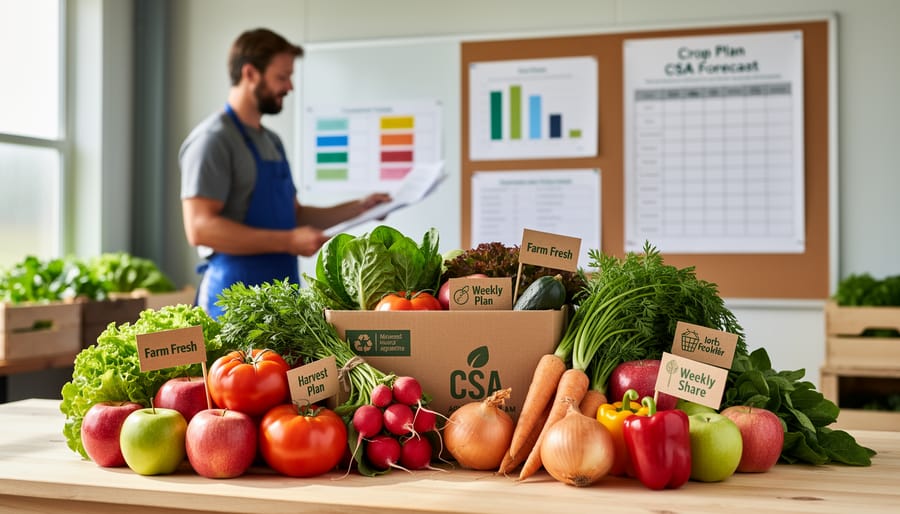
A well-planned CSA box showcases the variety and quality that comes from integrated business planning in farm operations.

The Three Pillars of IBP in CSA Operations

Integrated Business Planning (IBP) might sound like corporate speak, but for CSA operations, it’s really about connecting three essential elements that keep your farm running smoothly: understanding what your members want, knowing what you can grow, and getting everything delivered efficiently.

Let’s start with demand planning. This means getting to know your members’ preferences and consumption patterns. Are your shareholders asking for more leafy greens? Do families with kids prefer cherry tomatoes over beefsteak varieties? By tracking member feedback through surveys, share customization requests, and pickup conversations, you can predict what produce will be most valued. This information helps you plan your planting schedules and variety selections months in advance, reducing waste and increasing member satisfaction.

Supply planning is where your agricultural expertise shines. Unlike typical supply chains, CSA farms work with nature’s calendar. You’ll need to coordinate seasonal crop availability with your demand forecasts. This means succession planting of popular items like lettuce, managing storage crops for winter shares, and building relationships with neighboring farmers to fill gaps in your offerings. Consider implementing smart storage solutions to extend the availability of root vegetables and winter squash, bridging the gap between harvest and distribution.

Finally, logistics coordination ties everything together. This involves planning efficient delivery routes for drop-off points, scheduling pickup times that work for members, and coordinating volunteer helpers during peak harvest. Creating a master calendar that shows when crops mature, when boxes need packing, and when deliveries occur helps prevent bottlenecks. One Ontario CSA farmer shared how mapping member locations helped reduce delivery time by 30 percent while keeping produce fresher.
Why Traditional Planning Falls Short for CSA Farms

If you’ve been running a CSA farm for even a season, you know the familiar sinking feeling. It’s early March, and you’re staring at boxes of heirloom tomato seeds—way more than you’ll ever need—because last year you ran out mid-season. Or perhaps it’s July, and your kale harvest came in two weeks earlier than planned, leaving you scrambling to adjust member boxes while summer squash sits disappointingly small on the vine.

These aren’t just minor hiccups. They’re the result of traditional planning methods that simply weren’t designed for the beautiful complexity of CSA farming. Most farmers rely on spreadsheets, gut instinct, and last year’s notes scribbled in margins. While this works to a degree, it leaves gaps that quickly become costly problems.

Overordering happens when we plan defensively, remembering that one disastrous season when blight took half the crop. Underestimating harvest timing occurs because weather patterns shift, microclimates surprise us, and succession planting schedules don’t always align with real-world conditions. Then there’s the distribution challenge—members go on vacation, request delivery changes, or want to pause their shares, and suddenly your carefully planned harvest quantities don’t match actual demand.

Managing relationships with multiple local suppliers adds another layer of complexity. Your seed company, compost provider, packaging supplier, and farmers market colleagues all operate on different timelines and minimums. Coordinating these relationships while tending crops and communicating with members often means something falls through the cracks.

The heart of the issue? Traditional planning treats farming as linear and predictable, when CSA operations are actually dynamic, interconnected systems where one change ripples through everything else. You deserve better tools that honor this complexity.

Building Your CSA’s Procurement Strategy with IBP

Farmer planning crop production while examining seedlings in garden rows
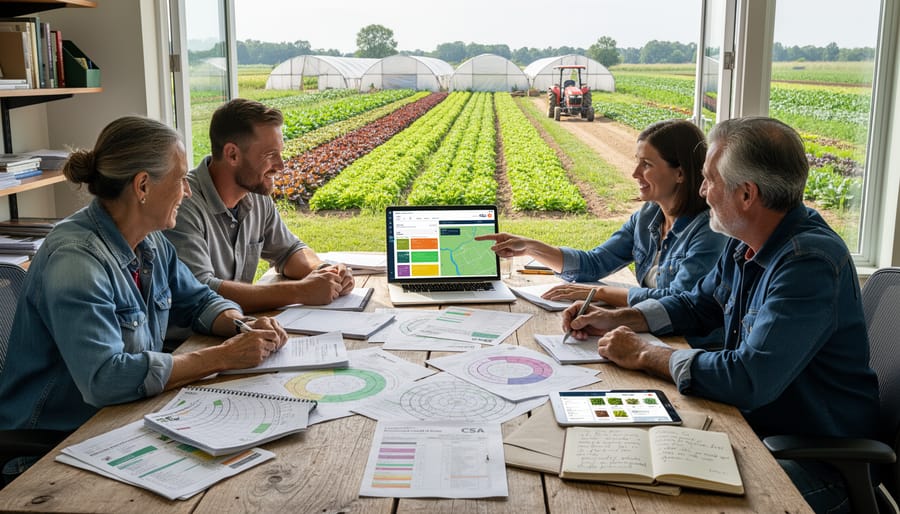
Modern CSA farmers combine traditional growing knowledge with strategic planning tools to optimize their operations.

Seasonal Forecasting That Actually Works

Predicting member demand doesn’t require a crystal ball—just smart use of your historical data and some agricultural intuition. Start by analyzing your past three seasons of harvest records and member orders. Notice patterns like which crops had surplus and which ran short. Sarah Martinez from Harvest Moon CSA tracks every weekly harvest alongside member preferences, discovering that her tomato demand spikes in late July, allowing her to plant accordingly.

Crop rotation planning plays a crucial role in forecasting too. Map out your rotation schedule and align it with member expectations. If lettuce follows your spring peas, factor that succession into your weekly share planning. This prevents those awkward gaps where you’re scrambling to fill boxes with purchased produce.

Building buffer inventory is your safety net against Mother Nature’s unpredictability. Plan for 15-20 percent overproduction on stable crops like root vegetables and winter squash. These store well and can compensate when weather damages your more delicate offerings. Consider investing in proper storage infrastructure, including reusable bins and crates that protect your buffer inventory.

Weather tracking apps combined with historical climate data help anticipate challenging seasons. When forecasts predict extended drought or excessive rain, adjust your planting density and variety selection accordingly. Keep detailed notes each season—your own farm’s data becomes your most valuable forecasting tool, helping you move from reactive scrambling to proactive planning that keeps members happy and reduces waste.

Strengthening Supplier Relationships

Building strong relationships with your suppliers is the backbone of successful Integrated Business Planning in your CSA operation. Start by establishing open communication channels with your local organic seed companies and neighboring farms. Set up regular check-in meetings, whether monthly or seasonal, to discuss upcoming needs, potential challenges, and harvest projections. This proactive approach helps everyone stay aligned and reduces last-minute scrambles.

Create shared planning calendars with your key suppliers that outline planting schedules, expected delivery dates, and quantity requirements. This transparency allows seed companies to ensure they have adequate inventory when you need it, and neighboring farms can coordinate their growing schedules to fill gaps in your production. One successful CSA farmer in Vermont implemented a digital shared spreadsheet system with three partner farms, resulting in a 40 percent reduction in supply delays.

Consider establishing formal agreements that outline quality standards, delivery expectations, and communication protocols. These don’t need to be overly complex, just clear enough that everyone understands their commitments. Include specific details about organic certification requirements, packaging preferences, and acceptable variance in order quantities.

Don’t forget the human element. Visit your suppliers’ farms, attend local agricultural events together, and celebrate shared successes. These personal connections create goodwill that becomes invaluable when unexpected challenges arise, like weather disruptions or pest outbreaks. Strong supplier relationships built on mutual respect and clear IBP coordination ensure your members receive consistent, high-quality organic produce throughout the season.

Streamlining Your Distribution and Logistics Operations

Creating Flexible Distribution Plans

Flexibility is the cornerstone of successful CSA distribution, especially when Mother Nature has other plans. Start by establishing multiple pickup windows throughout the week rather than a single rigid timeframe. This approach accommodates member schedules while giving you breathing room when unexpected weather delays harvesting.

Consider creating tiered distribution points based on member density. Community hubs like farmers markets, local businesses, or member homes can serve as satellite locations, reducing individual farm trips and building community connections. When implementing this strategy alongside optimizing delivery routes, you’ll save precious hours during peak season.

Communication is everything when plans shift. Develop a simple notification system using email, text messages, or a members-only app to announce changes quickly. Be transparent about why adjustments happen—members appreciate understanding the realities of farming. One Vermont farmer shares boxes adjusted for unexpected frost damage by explaining the situation and offering recipe suggestions for available crops, turning potential disappointment into an educational moment.

Build buffer stock arrangements with neighboring farms for crop shortages, creating a support network that benefits everyone while maintaining your organic standards.

Real-World Success: How Green Valley Farm Transformed Their Operations

When Sarah Chen took over Green Valley Farm five years ago, she inherited a beautiful 15-acre property and a passionate vision for connecting her community with fresh, organic produce. What she didn’t anticipate was the chaos that came with managing a 120-member CSA operation.

“I was constantly scrambling,” Sarah recalls. “We’d have gorgeous tomatoes rotting because I planted too many, while members complained about not getting enough greens because I underestimated demand. My cooler was a disaster, and I was working 80-hour weeks just trying to keep up.”

Sound familiar? Sarah’s challenges mirror what many small CSA farmers face: the juggling act of planning what to grow, coordinating harvests, and delivering consistent weekly boxes without breaking the bank or your back.

The turning point came when Sarah started implementing some straightforward organizational systems. First, she created a simple planning calendar that connected three critical pieces: what members wanted based on surveys and past preferences, what would actually grow well during each season, and what resources she had available like labor, water, and field space.

“I started treating my farm like the business it is, without losing the heart of it,” she explains. She began tracking which crops members raved about and which vegetables consistently ended up in the compost bin at pickup sites. This data informed her planting decisions for the following season.

Sarah also established weekly planning sessions every Sunday evening. She’d review the upcoming week’s harvest schedule, check her inventory, and coordinate with her two part-time workers. This simple habit eliminated the morning panic of not knowing what needed picking or packing.

The results speak volumes. Within two years, Green Valley reduced food waste by 40 percent. Member retention jumped from 65 to 88 percent, largely because boxes became more consistent and aligned with what people actually wanted to eat. Perhaps most importantly, Sarah’s profit margins improved by 30 percent, allowing her to pay workers better wages and finally take a day off each week.

“I’m not working harder; I’m working smarter,” Sarah says. “And my members notice the difference. They’re getting better produce, more variety, and they see that I’m sustainable in more ways than one, including financially and personally.”

CSA farmer distributing fresh produce to members at farm pickup location
Efficient distribution planning ensures CSA members receive fresh, quality produce while building strong farm-community relationships.

Getting Started: Simple Steps to Integrate IBP into Your CSA

Tools and Resources for Small-Scale Operations

Getting started with integrated business planning doesn’t require expensive enterprise software or a degree in supply chain management. Many CSA farmers successfully coordinate their operations using simple, practical tools that fit their budget and technical comfort level.

Start with what you already have: spreadsheets. Google Sheets or Excel can handle inventory tracking, harvest planning, and member distribution lists effectively. Create separate tabs for crop planning timelines, expected yields, and weekly harvest projections. The beauty of spreadsheets is their flexibility—you can customize them to match your farm’s unique rhythm and crops.

For farmers ready to step up, affordable farm management software like Tend, Farmbrite, or Local Line offers CSA-specific features without overwhelming complexity. These platforms typically range from free to under $50 monthly and help automate member communications, track harvest quantities, and manage subscription renewals. Take advantage of free trials to find what feels intuitive for your operation.

Don’t overlook community resources either. Many agricultural extension offices offer free workshops on farm business planning, and connecting with other CSA farmers through local farming networks can provide invaluable shared knowledge. One Vermont farmer I spoke with credits her farm’s improved efficiency to a simple planning template she discovered at a county farming cooperative meeting.

Remember, the goal isn’t perfect software—it’s having systems that help you make better decisions about what to plant, when to harvest, and how to communicate with your members. Start simple, track what matters most to your operation, and adjust as you grow.

If you’ve been worried that Integrated Business Planning sounds too corporate for your CSA farm, here’s the truth: IBP isn’t about turning your farm into a soulless operation. It’s simply about bringing intention and coordination to the beautiful chaos that is community-supported agriculture. You’re already doing much of this work—checking weather forecasts before planting, estimating harvest quantities for your members, coordinating delivery schedules. IBP just gives you a framework to do it more effectively.

The best part? You don’t need to overhaul everything overnight. Start small. Maybe this season, you create a simple spreadsheet connecting your planting calendar with member preferences. Next season, you might add a basic inventory tracking system. Small steps compound into significant improvements over time.

Remember that sustainable farming and smart planning aren’t opposites—they’re partners. When you reduce waste through better forecasting, coordinate your harvests more efficiently, and communicate clearly with your members, you’re actually strengthening the sustainable values that drew you to CSA farming in the first place. You’re honoring the land, your labor, and your community’s investment in local food.

Ready to take the next step? We’d love to hear about your planning challenges and victories. What systems are working on your farm? Where do you struggle with coordination? Share your experiences in the comments below, or explore more resources on sustainable farm management. Your journey toward more intentional farming operations starts with a single, thoughtful step.

How YMCA Homeschool Programs Connect Your Kids to Real Farms and Fresh Food

Posted by darrell on
0
Educational Programs and Partnerships
How YMCA Homeschool Programs Connect Your Kids to Real Farms and Fresh Food

YMCA homeschool programs offer a refreshing alternative to traditional classroom learning by combining physical activity, social connection, and hands-on education in a community setting. These programs typically run during weekday mornings when most children attend conventional schools, providing homeschoolers access to swimming lessons, gymnastics, team sports, and specialty classes like art and STEM activities. Many YMCAs have partnered with local CSA farms to create unique agricultural education components where families learn about sustainable food systems, participate in farm visits, and discover how organic produce travels from soil to table.

Finding the right program starts with contacting your local YMCA branch to inquire about homeschool-specific offerings and membership discounts, which can reduce costs by 30-50% compared to standard rates. These partnerships benefit everyone involved: homeschool families gain structured physical education and socialization opportunities, children develop healthy lifestyle habits while connecting with where their food comes from, and local farmers build relationships with environmentally conscious families who become loyal CSA members. The programs create natural bridges between active living and sustainable agriculture, teaching children that caring for their bodies and caring for the earth go hand in hand.

What Makes YMCA-CSA Homeschool Partnerships Special

Group of homeschool children harvesting vegetables with farmer at organic CSA farm
Homeschool students engage in hands-on learning by harvesting vegetables directly from local CSA farm partners, combining physical activity with agricultural education.

Beyond the Classroom Walls

YMCA homeschool programs partnered with CSA farms create exciting opportunities that extend learning far beyond textbooks and kitchen tables. Through farm-based education networks, students get their hands dirty in working gardens, learn to identify crop varieties, and understand seasonal growing cycles firsthand. These partnerships combine the YMCA’s established community infrastructure with the authentic agricultural settings of local farms, creating a perfect learning environment where children can observe composting systems, practice sustainable harvesting techniques, and even help prepare weekly CSA boxes for distribution.

The beauty of these programs lies in their practical approach. Students don’t just read about photosynthesis; they witness it while tending tomato plants. They explore soil health by examining earthworms and organic matter, connecting scientific concepts to real-world applications. Meanwhile, the YMCA provides essential structure through trained facilitators, safe transportation, liability coverage, and organized scheduling that busy homeschooling families appreciate. This collaborative model ensures consistent, quality experiences while supporting local farmers through volunteer assistance and community engagement. Parents gain access to curriculum-aligned activities that fulfill educational requirements while instilling values of environmental stewardship and healthy eating habits in their children.

Building Community Connections

One of the greatest advantages of YMCA homeschool programs is the opportunity for children to build meaningful friendships with peers who share similar educational experiences. These structured group activities create a natural social environment where homeschoolers can interact, collaborate, and develop important interpersonal skills that complement their academic learning at home.

At YMCA facilities, children participate in team sports, swimming lessons, art classes, and group fitness activities designed specifically for homeschool schedules. These regular gatherings help families form supportive networks where parents can exchange teaching strategies and sustainable living tips while their children engage in active play.

The partnership programs at local organic farms add another dimension to social learning. Kids work together during planting sessions, help harvest seasonal produce, and learn about sustainable agriculture alongside their friends. This hands-on collaboration teaches responsibility, teamwork, and respect for the natural world. Many families share success stories of once-shy children blossoming into confident communicators through these farm-based activities. The combination of physical activity at the Y and agricultural education at partner farms creates a well-rounded community experience that addresses both the social and educational needs of homeschooling families.

Real Programs Making It Happen

Farm-to-Table Learning Days

Farm-to-Table Learning Days offer an immersive educational journey that connects homeschoolers directly with their food sources. These unique programs begin with morning visits to partner CSA farms, where students explore organic growing methods, learn about seasonal produce, and participate in hands-on harvesting activities. Children discover how soil health impacts nutrition, observe beneficial insects at work, and understand the dedication required in sustainable farming.

After the farm experience, students return to YMCA facilities for afternoon cooking classes featuring the produce they just harvested. Under guidance from experienced instructors, they transform fresh vegetables and herbs into nutritious meals, learning essential culinary skills and food safety practices. This combination creates powerful learning experiences that engage multiple learning styles and age groups.

One participating farmer shared how watching children taste vegetables they picked themselves changed their entire perspective on healthy eating. Parents consistently report increased vegetable consumption at home and children asking thoughtful questions about food origins.

These programs typically run monthly during growing season, accommodating various homeschool schedules. They provide science, life skills, and nutrition education while supporting local food systems. Registration happens through participating YMCA branches, with many locations offering sibling discounts and scholarship opportunities for families committed to sustainable living education.

Homeschool children preparing fresh vegetables in YMCA kitchen during farm-to-table cooking class
Farm-to-table learning comes full circle as students prepare healthy meals at YMCA facilities using produce they harvested earlier in the day.

Seasonal Agriculture Workshops

These hands-on workshops follow the natural rhythm of the seasons, giving homeschool students a complete understanding of the agricultural cycle. Spring sessions focus on seed starting, soil preparation, and transplanting techniques, while summer workshops dive into crop maintenance, beneficial insects, and organic pest management. Fall brings harvest celebrations and food preservation methods, with winter dedicated to planning, seed saving, and understanding crop rotation.

Each multi-week program pairs families with experienced local farmers who share their real-world knowledge and journey into sustainable agriculture. Students hear inspiring stories about farmers who transformed small plots into thriving operations, learning valuable lessons about perseverance, problem-solving, and environmental stewardship. These mentorship opportunities create lasting connections between young learners and agricultural professionals.

Workshop activities include hands-on planting, composting demonstrations, and taste tests of seasonal produce. Kids discover why timing matters in farming and how weather patterns affect crops. Parents appreciate the practical skills their children gain, from identifying plant diseases to calculating planting schedules.

Many families find these seasonal programs become yearly traditions, watching their knowledge grow alongside the crops. Students often develop genuine passion for farming, with some even starting their own small garden businesses or volunteering regularly at partner CSA farms. The combination of expert guidance, peer learning, and meaningful outdoor work creates an educational experience that textbooks simply cannot replicate.

What Your Kids Actually Learn

Science in the Soil

Young scientists get their hands dirty exploring the living ecosystem beneath their feet through YMCA homeschool farm programs. Students learn fundamental biology concepts by observing soil microorganisms under microscopes, discovering how bacteria and fungi break down organic matter to create nutrient-rich compost. They conduct pH tests, measure soil composition, and track how different amendments affect plant growth over time.

Ecology comes alive as children witness the interconnected web of life in action. They study beneficial insects like ladybugs and lacewings that naturally control pests, observe pollinator behavior, and learn about companion planting strategies that support biodiversity. Through seed-to-harvest experiments, students understand photosynthesis, plant lifecycles, and the importance of soil health for producing nutritious food.

Environmental science lessons cover water conservation techniques, composting systems that reduce waste, and sustainable farming methods that protect local ecosystems. Students collect data on weather patterns, track seasonal changes, and explore how climate affects growing conditions. These hands-on investigations help young learners grasp complex scientific concepts while developing critical thinking skills and a deeper appreciation for the natural systems that sustain our food supply.

Child's hands holding rich organic soil with earthworms during homeschool farm education program
Understanding soil health and ecology becomes tangible when students can examine living soil ecosystems firsthand during CSA farm visits.

Math Through Farming

Farm-based learning transforms abstract math concepts into hands-on experiences that stick with students long after the lesson ends. Children measure garden plots to calculate square footage, determining exactly how many seedlings fit in a designated space. They weigh harvested vegetables, track yields per plant, and create charts comparing different growing seasons.

Dividing CSA shares becomes an engaging real-world problem where kids calculate fair portions for member families based on weekly harvest amounts. Students practice fractions when adjusting recipe quantities using farm-fresh produce, and they explore percentages when calculating germination rates from seed planting experiments.

Money math comes alive as children help price products, count change at farm stands, and budget for next season’s seeds and supplies. One homeschool group discovered their students retained geometry concepts better after building raised beds and designing efficient garden layouts. These practical applications show children why math matters beyond textbooks, connecting numbers to the food that nourishes their communities while building confidence in their mathematical abilities.

Life Skills and Healthy Habits

YMCA homeschool programs bring practical life skills into the learning environment through hands-on experiences that prepare children for healthy, independent living. Students explore nutrition education by learning where their food comes from, often visiting partner CSA farms to see crops growing in the fields. These visits transform abstract concepts into tangible lessons about seasonal eating and food quality.

Cooking classes teach young learners to prepare simple, nutritious meals using fresh, locally grown ingredients. They practice measuring, following recipes, and understanding food safety while developing confidence in the kitchen. Physical fitness activities keep students active through group sports, outdoor exploration, and nature-based movement that connects them to the environment.

Many programs incorporate sustainable living practices, teaching composting, waste reduction, and organic gardening techniques. Students discover how small daily choices impact the planet, gaining skills they’ll carry throughout their lives. One homeschool family shared how their daughter now confidently grows herbs on their balcony and plans weekly menus using seasonal produce.

How to Get Started in Your Area

Finding Existing Programs

Start your search by contacting your local YMCA branch directly. Many facilities now offer homeschool programs, and staff can tell you whether they include agricultural or gardening components. Visit during regular hours to tour facilities and ask about outdoor spaces, gardens, or partnerships with nearby farms.

Check YMCA websites and social media pages for announcements about specialized programs. Some branches collaborate with CSA farms to offer field trips, volunteer opportunities, or hands-on learning sessions during harvest seasons. These partnerships create authentic experiences where children learn about sustainable food systems while supporting local agriculture.

When evaluating programs, ask about curriculum flexibility, frequency of farm visits, and whether students participate in actual growing activities or just observation. Look for programs that emphasize experiential learning—planting seedlings, composting, or helping with seasonal harvests. These hands-on experiences stick with kids far longer than classroom lectures.

Connect with other homeschooling families in your community who might already participate in YMCA programs. Their firsthand insights about program quality, instructor expertise, and real-world learning outcomes prove invaluable. Local homeschool co-ops and online groups often share recommendations about which YMCA branches offer the most robust agricultural programming. Don’t hesitate to visit multiple locations before committing—finding the right fit makes all the difference in your child’s learning journey.

Creating Your Own Partnership

Ready to launch a collaborative program at your local YMCA? Here’s how to make it happen. Start by researching YMCAs in your area that already offer youth programs or community classes. Visit their website or call to identify the program director or community outreach coordinator who handles educational partnerships.

Prepare a simple proposal outlining your vision. Include the educational benefits for homeschool families, such as hands-on learning about food systems, nutrition education, and physical activity through farm visits. Explain how partnering with a nearby CSA farm creates unique opportunities for children to connect with where their food comes from.

Next, reach out to local CSA farms that might be interested in hosting educational visits. Many farmers are passionate about sharing their knowledge with the next generation. When you contact them, emphasize how the partnership benefits their farm through increased community visibility and potential new CSA members among participating families.

Schedule meetings with both the YMCA and farm separately first. Bring concrete ideas like monthly farm field trips, harvest celebrations, or cooking classes using seasonal produce. Share success stories from other communities where similar partnerships have thrived.

Once both parties show interest, arrange a joint meeting to discuss logistics like scheduling, transportation, liability insurance, and program costs. Be flexible and open to starting small with a pilot program for one season. Remember, building these relationships takes time, but the educational rewards for homeschool families are worth the effort. Your initiative could create a lasting program that strengthens connections between children, healthy food, and sustainable agriculture in your community.

Making the Most of Your Experience

Getting the most out of your YMCA homeschool program starts well before your first farm visit. Connect with your program coordinator to understand what topics you’ll explore each session, then preview relevant concepts at home. If you’re visiting during planting season, research seed germination together. Preparing ahead helps children engage more deeply and ask meaningful questions during hands-on activities.

Documentation is essential for homeschool portfolios, and farm programs offer rich opportunities. Take photos of your child working in the garden, weighing produce, or observing pollinators. Keep a nature journal where they sketch plants at different growth stages or record weather patterns affecting crops. Save seed packets, pressed flowers, and maps of garden layouts. These tangible records demonstrate learning across science, math, and environmental studies while creating wonderful keepsakes.

The learning shouldn’t stop when you leave the farm. Extend learning at home by starting a small container garden on your porch or windowsill. Even growing herbs in recycled containers teaches valuable lessons about soil health, photosynthesis, and patience. Use your CSA box contents as inspiration for cooking projects that reinforce fractions, following directions, and nutrition education.

Connect with other families in your YMCA program to share resources and create study groups. Many homeschool families organize farm-themed book clubs or recipe exchanges featuring seasonal produce. Building community enhances the experience for both parents and children while reinforcing sustainable living principles.

Consider keeping a seasonal calendar marking when different vegetables appear in your CSA share. This visual tool helps children understand growing seasons and appreciate the natural rhythm of local food production throughout the year.

YMCA homeschool programs partnered with CSA farms represent more than just educational opportunities—they’re gateways to raising a generation of earth-conscious, community-connected learners. These partnerships beautifully merge hands-on agricultural education with the flexibility homeschooling families cherish, creating experiences that textbooks simply cannot replicate. Students don’t just learn about photosynthesis; they witness it while harvesting tomatoes alongside local farmers. They don’t just study ecosystems; they participate in nurturing them.

For families seeking sustainable living practices, these programs offer practical skills that last a lifetime. Children develop meaningful relationships with the people growing their food while discovering the satisfaction of contributing to local food systems. The ripple effects extend beyond individual families—stronger community bonds form, local farmers gain support, and more young people understand where their food originates.

If you’re homeschooling or considering it, explore YMCA programs in your area that partner with CSA farms. Don’t see one? Consider reaching out to your local YMCA and nearby farms to start the conversation. Together, we can cultivate both healthy soil and healthy, informed future generations who value sustainability and community connection.

Cover Cropping Secrets That Transform Tired CSA Soil Into Rich, Living Earth

Posted by darrell on
0
Organic Farming and Cultivation
Cover Cropping Secrets That Transform Tired CSA Soil Into Rich, Living Earth

Plant cover crops in rotation windows between cash crops—even a 30-day window of buckwheat or mustard adds organic matter and prevents erosion. CSA farmers often squeeze in quick-growing varieties like oats or field peas after spring harvests or before fall plantings, building soil structure without sacrificing production time.

Select species based on your specific soil needs. Legumes like clover and vetch fix atmospheric nitrogen, reducing fertilizer costs by up to 50 pounds per acre. Deep-rooted daikon radishes break through compacted layers that restrict water infiltration, while cereal rye suppresses weeds and scavenges leftover nutrients before they leach away. Mix three to five species together for maximum benefit—diversity feeds different soil microbes and provides insurance against crop failure.

Time termination strategically to maximize soil benefits. Mow or crimp cover crops at flowering stage when biomass peaks but before seed set. This timing releases nutrients gradually as residue decomposes, feeding your next crop exactly when it needs nutrition. Wait 10-14 days after termination before planting to avoid allelopathic effects that can slow germination.

The transformation happens faster than you’d expect. Hannah, a second-year CSA farmer in Vermont, noticed earthworm populations triple within one season of adding hairy vetch to her rotation. Her tomato yields increased 20% the following year—proof that cover cropping delivers measurable returns even on small-scale operations. The investment is minimal: seed costs range from 15 to 40 dollars per acre, and the equipment needed is often already in your tool shed.

Why Your CSA Farm’s Soil Health Depends on Cover Crops

If you’ve ever walked through your CSA farm after harvest and seen bare soil stretching between plots, you’re witnessing a silent crisis unfolding beneath your feet. That exposed earth isn’t resting—it’s losing the very life force that makes productive farming possible.

When soil sits naked between growing seasons, rain literally washes away your farm’s fertility. Each downpour carries off precious topsoil, nitrogen, and organic matter that took years to build. Wind erosion compounds the problem, especially in drier months. But the damage goes deeper than what you can see.

Bare soil quickly loses its structure as earthworms retreat to lower depths and beneficial fungi networks collapse without living roots to feed them. The microscopic universe of bacteria, fungi, and other organisms that transform organic matter into plant-available nutrients essentially goes dormant—or worse, dies off entirely. Meanwhile, soil temperatures swing wildly without plant cover, further stressing these beneficial microbes.

For CSA farmers, this creates a vicious cycle. You’re running intensive production schedules, pushing beds hard to meet member demand week after week. Your soil needs to perform at peak capacity for multiple successions throughout the season. Without the regenerative power of cover crops, each planting cycle depletes your soil’s reserves a bit more, leading to decreased yields, increased pest pressure, and higher fertilizer costs.

Cover crops break this cycle by keeping living roots in the soil year-round. They capture and hold nutrients that would otherwise leach away, feed soil biology through root exudates, and physically protect your topsoil from erosion. When combined with thoughtful crop rotation strategies, cover cropping becomes the foundation of soil health management.

Think of cover crops as a biological insurance policy for your farm’s future productivity. The investment you make in seeds and management time today multiplies into healthier, more resilient soil that can sustain the intensive demands of CSA production season after season.

Dense cover crop field with mixed species of green vegetation
A thriving multi-species cover crop demonstrates the protective living cover that prevents soil depletion between cash crop seasons.

The Big Three: Cover Crop Categories Every CSA Farmer Should Know

Legumes: Nature’s Nitrogen Factories

Legumes are truly remarkable cover crops, acting as natural fertilizer factories right in your soil. Plants like crimson clover, hairy vetch, and field peas form special partnerships with bacteria in their root nodules, capturing atmospheric nitrogen and converting it into a form plants can use. This process, called nitrogen fixation, can add 40-150 pounds of nitrogen per acre to your soil, significantly reducing your fertilizer costs.

When you terminate legume cover crops and incorporate them into the soil, they release this stored nitrogen gradually, feeding your cash crops throughout the growing season. This is essential for building healthy organic soil while maintaining the nutrient density your CSA members expect.

Red clover works wonderfully in rotation systems, while Austrian winter peas tolerate cold temperatures and establish quickly. Many CSA farmers interseed legumes between crop rows or plant them immediately after early harvests to maximize their nitrogen-fixing window. The beauty of legumes is their dual purpose: they feed your soil while suppressing weeds and improving soil structure. Start small with a legume mix suited to your climate, and watch your soil fertility improve naturally season after season.

Close-up of legume plant roots showing nitrogen-fixing nodules in dark soil
Nitrogen-fixing nodules on legume roots capture atmospheric nitrogen and convert it into plant-available nutrients.

Grasses: Building Soil Structure from the Ground Up

Grasses are the workhorses of cover cropping, building soil structure with their dense, fibrous root systems. Winter rye, cereal rye, oats, and annual ryegrass are particularly valuable for CSA operations because they establish quickly and work tirelessly beneath the surface.

These grass cover crops develop extensive networks of fine roots that penetrate deep into the soil, creating channels that improve water infiltration and aeration. When these roots decompose, they leave behind organic matter that feeds beneficial microorganisms and creates stable soil aggregates. This natural process is like installing tiny plumbing systems throughout your beds, preventing compaction and enhancing drainage.

Winter rye stands out as a champion erosion fighter, growing vigorously even in cold weather while holding precious topsoil in place during heavy rains. Oats provide quick biomass in shorter windows between crops, and annual ryegrass excels at scavenging excess nutrients that might otherwise leach away.

Sarah Martinez, a CSA farmer in Oregon, saw dramatic improvements after incorporating cereal rye into her rotation. “Our clay soil went from rock-hard to workable in just two seasons,” she shares. “The difference in our spring lettuce beds was incredible.”

For best results, broadcast grass seeds six to eight weeks before your first frost, giving them time to establish strong root systems before winter.

Brassicas: The Soil Renovators

Brassicas are the heavy lifters of the cover crop world, offering multiple benefits that make them favorites among CSA farmers. Daikon radish, with its impressive taproot that can penetrate up to three feet deep, acts like a natural plow, breaking through hardpan and creating channels for water infiltration and future crop roots to follow. Mustard varieties, including yellow and brown mustard, grow quickly and produce dense canopies that outcompete weeds before they can establish.

What sets brassicas apart is their unique biofumigation capability. When you till or crimp these plants, they release compounds called glucosinolates, which break down into natural fumigants that suppress soil-borne diseases, nematodes, and weed seeds. Think of it as nature’s pest control system working underground while improving soil structure above.

Sarah Chen, who runs a quarter-acre CSA in Oregon, swears by her fall-planted daikon radish. “After just one season, I noticed my clay soil was noticeably easier to work,” she shares. “Plus, the radishes winter-killed naturally, leaving perfect planting holes for my spring crops with zero tillage needed.”

For best results, plant brassica cover crops in late summer or early fall between production cycles. They grow rapidly in cool weather, making them ideal for short windows in busy CSA schedules. Tillage radishes work particularly well in compacted areas, while mustards excel at weed suppression in fields you’re preparing for the following season. These crops typically need 60-90 days of growth before termination to maximize their soil-improving benefits.

Strategic Timing: When to Plant Cover Crops on Your CSA Schedule

Between-Season Planting for Maximum Impact

Timing is everything when it comes to cover cropping around your main harvest schedules. The sweet spots? Those transition periods between your spring and fall vegetable plantings.

Your spring window typically opens after fall crops are cleared, usually from late August through October. This is prime time for planting winter-hardy covers like crimson clover, hairy vetch, or cereal rye. These workhorses will establish roots before cold weather hits, then jump back into growth come spring, building organic matter while your beds rest.

The fall opportunity arrives after spring crops wrap up, roughly May through early July. Quick-growing options like buckwheat, oats, or sorghum-sudangrass thrive here, providing weed suppression and soil coverage before your fall plantings begin.

Sarah Martinez, who runs a thriving CSA in Vermont, strategically plants oats and field peas immediately after harvesting spring greens. “Within six weeks, I’ve got lush growth to turn under before planting fall brassicas. My soil stays protected, and I’m actually building fertility instead of just mining it,” she shares.

The key is planning your crop rotations with these windows in mind, treating cover crops as essential teammates rather than afterthoughts in your growing system.

Interseeding and Undersowing Techniques

Want to keep your soil covered year-round without taking a break from production? Interseeding and undersowing are game-changing techniques that let you establish cover crops right alongside your cash crops.

Interseeding involves planting cover crops between rows of standing cash crops, typically when the main crop is about halfway to maturity. For example, you might broadcast red clover or annual ryegrass between corn rows in mid-summer. This gives the cover crop a head start while your cash crop finishes up. The key is choosing low-growing species that won’t compete aggressively for light and nutrients.

Undersowing takes a similar approach but involves seeding cover crops earlier in the cash crop’s life cycle. Many CSA farmers have found success undersowing white clover beneath brassicas or planting hairy vetch under tomatoes. The cover crop grows slowly in the shade until harvest, then takes off once the canopy opens up.

Sarah from Green Valley Farm shares her experience: “I started undersowing crimson clover in my squash patches three years ago. The clover barely grows while the squash dominates, but after harvest, it explodes with growth and fixes nitrogen all fall. It’s like getting two crops from one planting window.”

These techniques maximize your growing season while building soil health continuously.

Short-Season Options for Tight Schedules

When you’ve got just a few weeks between harvests, fast-growing cover crops can still deliver impressive soil benefits. Oats are a CSA favorite, establishing quickly in fall and winter-killing in cold climates, leaving a soft mulch that’s easy to work into spring beds. Buckwheat shines in summer gaps, maturing in just 30-45 days while suppressing weeds and attracting beneficial pollinators.

Field peas and oilseed radish make excellent 60-day options, with radishes breaking up compacted soil layers while peas add nitrogen. Minnesota farmer Sara Chen discovered that planting oilseed radish between her tomato and garlic crops transformed her heaviest clay sections into workable soil within two seasons.

For ultra-tight windows of 3-4 weeks, try annual ryegrass or mustards. These quick performers protect bare soil from erosion and add organic matter even in brief intervals. The key is matching your cover crop to your available days and letting it work its magic, however short the window.

Cover Crop Cocktails: Mixing Species for Multiplied Benefits

Simple Three-Way Mixes That Work

You don’t need a dozen species to build healthy soil. These simple three-way mixes have proven themselves on working CSA farms across different growing seasons.

For fall nitrogen building after summer crops, try oats, field peas, and tillage radish. The oats provide quick biomass and prevent erosion, field peas fix nitrogen for next season’s heavy feeders, and tillage radish breaks up compaction while scavenging nutrients. This combination winterkills in most climates, making spring prep easier. At Green Meadow Farm in Vermont, owner Maria Chen saw a 40% reduction in spring fertilizer needs after using this mix for just two seasons.

Need serious weed suppression between crop rotations? Combine buckwheat, sudangrass, and cowpeas during warm months. Buckwheat establishes rapidly and shades out early weeds, sudangrass creates dense top growth, and cowpeas add nitrogen while their roots improve soil structure. This mix thrives in heat and outcompetes most summer weeds without herbicides.

For early spring planting before warm-season crops, mix winter rye, crimson clover, and hairy vetch. The rye provides immediate ground cover and weed control, while both legumes fix substantial nitrogen. Cut this mix at flowering for maximum nutrient release.

Start with one mix that matches your biggest soil challenge. Keep notes on establishment speed and termination ease. Success with cover cropping often comes from doing one thing consistently rather than experimenting with complex combinations. These proven trios give you results without overwhelming your already busy CSA schedule.

Adjusting Your Mix for Your Soil’s Specific Needs

Your soil is unique, so your cover crop mix should be too! Start with a soil test to identify what your ground needs most. Low nitrogen? Prioritize legumes like clover or vetch. Compaction issues? Deep-rooted species like daikon radish can break up hard layers naturally.

Consider your specific challenges when building your blend. If you’re battling weeds, fast-growing buckwheat or rye can outcompete them. For erosion-prone areas, fibrous-rooted grasses provide excellent soil holding power. Dealing with pests? Certain brassicas release compounds that suppress soil-borne diseases.

Take inspiration from Maria, a third-year CSA farmer in Vermont, who customized her mix after her soil test revealed low organic matter and poor drainage. She combined oats for quick biomass, red clover for nitrogen, and radishes to improve drainage. Within two seasons, she saw a 15 percent increase in organic matter and noticeably better water infiltration.

Don’t feel overwhelmed by creating the perfect mix immediately. Start simple with two or three species addressing your top concerns, then adjust based on results. Keep notes on what works, and remember that soil improvement is a gradual journey worth celebrating with each small victory.

Termination Methods That Protect Your Organic Status

Mowing and Crimping: Low-Tech Solutions

When you’re ready to terminate your cover crops without herbicides, mechanical methods offer effective, organic-approved solutions. Mowing is the simplest approach—just cut the plants down with a mower or scythe before they set seed. This works well for young, tender crops but may require multiple passes as plants try to regrow.

For a more permanent solution, roller-crimpers are game-changers. These heavy rollers flatten and crimp plant stems, creating a thick mat of residue that suppresses weeds while decomposing to feed your soil. The key is timing: you’ll want to crimp when cover crops reach the flowering stage, particularly during early bloom. At this point, plants are mature enough that they won’t regrow, yet they haven’t put all their energy into seed production.

Many CSA farmers love roller-crimpers for crops like cereal rye and vetch. Maria from Green Valley Farm found that crimping her rye-vetch mix in late spring created the perfect mulch for transplanting tomatoes directly into the residue—no tilling required! She saved hours of labor while building organic matter.

If you don’t have a tractor-mounted crimper, you can achieve similar results with a smaller walk-behind model or even a barrel filled with water, though larger operations benefit most from investing in proper equipment.

Farmer using roller-crimper to terminate cover crop in agricultural field
Roller-crimping terminates cover crops mechanically while creating a protective mulch layer for the next planting.

Tillage Incorporation: When and How

When you’re ready to incorporate your cover crops, timing and technique matter significantly for protecting soil structure. The ideal moment is typically when cover crops reach peak biomass but before they set seed—usually in early spring for winter-sown crops or fall for summer varieties.

Shallow tillage works best for incorporation, disturbing only the top 4-6 inches of soil. Use tools like a flail mower followed by a shallow disk, or consider a roller-crimper that lays crops flat without turning soil. This approach preserves beneficial fungi networks and soil aggregates that deeper tillage destroys. For CSA farmers managing tight planting schedules, mow the cover crop close to the ground, let it wilt for a few days, then incorporate lightly about two weeks before planting. This allows partial decomposition while providing a nitrogen boost to your cash crops.

Alternatively, explore no-till methods where you simply mow and leave residue as mulch—perfect for pathways and less intensively managed beds. Local CSA farmer Maria Chen shares: “Switching to shallow incorporation cut my soil compaction issues dramatically while still giving me clean planting beds when needed.”

Winter-Kill Species: Let Nature Do the Work

Looking for a low-effort way to prep your beds for spring planting? Winter-kill cover crops are your secret weapon. These smart plants, like oats, field peas, and forage radishes, grow vigorously through fall, protecting and nourishing your soil, then naturally die back when winter temperatures arrive.

The beauty of this approach is simple: by spring, you’ll find a ready-made mulch layer blanketing your beds. No need for tilling or mowing. This organic material suppresses early weeds, retains moisture, and slowly feeds nutrients back into the soil as it decomposes. Oats work wonderfully in most climates, typically dying around 20°F, while daikon radishes break up compaction with their deep taproots before winter takes them out.

One CSA farmer in Pennsylvania shares that switching to winter-kill species saved her countless spring hours while improving her soil structure. “It’s like nature does my bed prep while I focus on planning,” she says. For beginners, start with a simple oat planting in late summer for effortless spring results.

Real Results: A CSA Farmer’s Cover Crop Transformation

When Maria Rodriguez took over her family’s 5-acre CSA farm in Vermont, she inherited depleted soil that struggled to support healthy crops. After three years of implementing a strategic cover cropping program, her operation has completely transformed.

Maria started small, experimenting with winter rye on a quarter-acre plot after her fall harvest. “I was skeptical at first,” she admits, “but the difference was impossible to ignore.” That test plot showed a 35% increase in organic matter within just two growing seasons. Encouraged by these results, she expanded her cover cropping to include a diverse mix of crimson clover, hairy vetch, and oats throughout her entire operation.

The measurable improvements speak for themselves. Soil tests now show a 2.8% organic matter content, up from 1.6% when she began. Her tomato yields increased by 40%, and she’s reduced her fertilizer costs by nearly $1,200 annually. Even better, her soil now drains properly after heavy rains, eliminating the flooding issues that once plagued her low-lying fields.

Maria integrated these regenerative agriculture practices into her CSA schedule by planting cover crops immediately after harvesting each bed. She terminates them by tarping or light cultivation three weeks before planting, allowing the organic matter to break down. “The key is treating cover crops as an essential crop, not an afterthought,” she explains.

Her biggest lesson? Start simple and scale gradually. “Don’t try to cover crop your entire farm in year one,” Maria advises. “Pick your most problematic area, experiment with different species, and learn what works for your specific conditions.” She also emphasizes the importance of keeping detailed records to track improvements and justify the initial investment of time and seed costs.

Today, Maria’s CSA members rave about the quality of her produce, and her waiting list continues to grow.

Comparison of healthy dark soil and depleted pale soil held in farmer's hands
Soil transformation after implementing a cover cropping program shows dramatic improvements in structure, color, and organic matter content.

Getting Started: Your First Season Cover Crop Action Plan

Ready to dig into cover cropping? Let’s keep it simple and successful for your first season. The key is starting small and choosing forgiving species that work with your schedule.

Begin with a starter species that’s easy to manage and reliable. Annual ryegrass and oats make excellent first-timers for fall planting. They establish quickly, tolerate varying conditions, and are straightforward to terminate. For spring sowings after early harvests, consider buckwheat. It grows fast, suppresses weeds beautifully, and adds organic matter in just six to eight weeks.

Sourcing quality seeds is your next step. Connect with regional seed suppliers who specialize in organic cover crops. Many offer smaller quantities perfect for CSA-scale operations, and they understand your local growing conditions. Order early, especially for fall species, as popular varieties sell out. Budget roughly $30 to $60 per acre for seed, depending on your chosen species and seeding rates.

Set realistic expectations for your inaugural season. You won’t see dramatic soil transformation overnight, but you will notice improvements. Expect better water infiltration, reduced erosion, and easier cultivation in treated areas. Think of cover cropping as a long-term investment rather than a quick fix.

Here’s your action timeline: Two months before planting, identify which beds will finish production early. Six weeks out, order your seeds and confirm your termination method. Three weeks before the target planting date, prepare your seedbed. Then sow at recommended rates and keep the soil moist until germination.

Sarah Chen, who runs Green Valley CSA in Vermont, started with just three beds of winter rye her first year. “I wanted to learn without overwhelming myself,” she shares. “Those three beds showed such improvement that I expanded to covering half my farm the following season. Start where you’re comfortable, observe carefully, and grow from there.”

Remember, every experienced cover cropper started exactly where you are now.

Cover cropping represents one of the smartest investments you can make in your farm’s future. While the upfront costs of seed and your time might seem daunting, the returns through reduced fertilizer needs, improved water retention, and healthier crops make it worthwhile. You’ll notice fewer pest pressures, better soil structure, and more productive growing seasons as your soil ecosystem development gains momentum.

The beauty of cover cropping is that you don’t need to transform your entire operation overnight. Start with a single bed or field section between your main crops. Plant a simple mix like oats and field peas, observe what happens, and learn from the experience. Many successful CSA farmers began exactly this way, gradually expanding their cover cropping program as they gained confidence and saw results.

Even modest efforts create meaningful change. A winter cover crop on just one-quarter of your production area begins building organic matter, protecting against erosion, and supporting beneficial organisms. Each season becomes easier as you develop your own rhythm and preferred species. Your soil will thank you, and your farm’s resilience will grow stronger year after year.

How One Farm’s Career Training Program Is Reshaping the Local Food Economy

Posted by darrell on
0
Business and Economic Impact
How One Farm’s Career Training Program Is Reshaping the Local Food Economy

Growing your own food starts with knowledge, and one local agricultural business is turning that principle into economic opportunity by offering comprehensive career training programs that transform aspiring farmers into skilled professionals. Through hands-on apprenticeships, classroom instruction, and mentorship from experienced growers, trainees learn everything from soil preparation and crop rotation to pest management and direct-to-consumer marketing strategies that make small farms financially viable.

The ripple effects extend far beyond individual careers. When local businesses invest in training the next generation of farmers, they strengthen regional food systems, create living-wage jobs that keep young people in rural communities, and build a more resilient agricultural economy. Each trained farmer who launches their own operation multiplies the impact, supplying fresh produce to neighborhood markets, restaurants, and families who value knowing exactly where their food comes from.

These training programs address a critical gap in modern agriculture. With the average farmer age climbing above 58, the industry desperately needs skilled newcomers who understand both traditional growing methods and innovative sustainable practices. Local businesses providing this education aren’t just filling job openings; they’re preserving agricultural knowledge, revitalizing communities, and empowering people to build meaningful careers that nourish their neighbors while protecting the environment. The investment pays dividends in stronger local economies, healthier communities, and a more secure food future for everyone.

The Growing Demand for Trained Farm Workers

The sustainable agriculture movement has sparked tremendous consumer interest in locally grown, organic produce. Yet behind every thriving farmers market and bustling CSA box pickup, there’s a growing challenge: farms desperately need skilled workers, and they’re struggling to find them.

This labor shortage isn’t just about having extra hands during harvest season. Modern sustainable farms require workers who understand soil health, pest management, crop rotation, and the careful timing that organic growing demands. As more conventional farms transition to regenerative practices and new CSA operations launch to meet consumer demand, the gap between available jobs and qualified candidates continues to widen. These changes are reshaping local labor markets across the country.

Here’s the disconnect: while thousands of people express interest in sustainable food systems and dream of working the land, very few possess the practical skills needed to succeed. Gardening in your backyard differs vastly from managing acres of diverse crops, operating farm equipment safely, or implementing season extension techniques. Without proper training, well-intentioned newcomers often feel overwhelmed and farms lose valuable time and resources.

Career training programs have emerged as the essential bridge between enthusiasm and expertise. These programs offer hands-on experience in real farm settings, teaching everything from seed starting to post-harvest handling. Participants learn alongside experienced farmers, gaining confidence through practical application rather than theory alone.

Consider Sarah, who completed a six-month training program before launching her own market garden. “I thought I knew farming from reading books,” she shares. “But learning proper transplanting techniques and irrigation management changed everything. Now I’m actually profitable in my second season.”

This transformation from curious learner to confident farmer demonstrates why structured training has become indispensable for agriculture’s future.

What Farm-Based Career Training Actually Looks Like

Agricultural trainees working together in vegetable field learning farming techniques
Farm trainees gain hands-on experience in sustainable growing techniques through structured career development programs.

Hands-On Skills Development

The career training program offers comprehensive hands-on experience that transforms beginners into confident farmers. Trainees spend their days in the fields learning essential skills like proper seed selection, soil preparation, and planting techniques for various seasonal crops. Under the guidance of experienced farmers, participants master the art of transplanting seedlings, understanding proper spacing, and creating optimal growing conditions for each plant variety.

Harvesting skills form a crucial part of the curriculum, teaching trainees to identify peak ripeness, use proper cutting techniques, and handle produce gently to maintain quality. The program also covers integrated pest management, where participants learn to identify common pests and diseases while implementing organic solutions like companion planting, beneficial insects, and natural pest deterrents.

Sustainable farming practices weave through every aspect of the training. Participants discover composting methods, crop rotation strategies, water conservation techniques, and soil health management. One graduate, Maria, shares her success story: “I started knowing nothing about farming. Now I manage my own quarter-acre plot, providing fresh vegetables to twenty local families.” This practical, mentorship-based approach ensures trainees gain real-world skills they can immediately apply to their own farming ventures or careers in sustainable agriculture.

Business and Marketing Education

Beyond growing techniques, successful farming requires solid business acumen. Many local agricultural training programs recognize that understanding the entrepreneurial side is crucial for long-term viability. These programs teach aspiring farmers how to develop comprehensive business plans that cover startup costs, seasonal cash flow management, and pricing strategies for different market channels.

Participants learn the essential ingredients for farm success, including how to build lasting customer relationships through effective communication and transparency about growing practices. Training often includes practical modules on operating a Community Supported Agriculture (CSA) program, selling at farmers markets, and navigating wholesale partnerships with restaurants and local retailers.

Understanding local food distribution channels is essential in today’s market. Trainees explore various sales models, from direct-to-consumer approaches to cooperative distribution networks. They also learn basic marketing strategies, including social media promotion, creating compelling farm stories, and engaging with their community. This business education empowers graduates to transform their agricultural passion into sustainable livelihoods while strengthening local food systems and creating economic opportunities within their communities.

Measuring Economic Impact: Beyond the Farm Gate

Direct Economic Benefits

When local farms invest in career training programs, the economic ripple effects are substantial and measurable. Recent economic impact studies show that each trained agricultural worker contributes an average of $35,000 to $50,000 annually in wages to the local economy, money that typically stays within the community through local spending.

Training programs create immediate employment opportunities, with many farms reporting the ability to expand operations by 20-30% after bringing on skilled workers. Take Sarah Chen, who completed a season-long apprenticeship at Green Valley Farm. Within two years, she launched her own organic vegetable operation, now employing three additional workers and serving 85 member families.

The productivity gains are equally impressive. Farms with trained staff report 25-40% increases in crop yields through improved soil management, efficient planting schedules, and reduced crop loss. This translates to more fresh, organic produce available for community members while strengthening food security.

Beyond the farm gate, these trained workers often become educators themselves, sharing sustainable growing techniques with home gardeners and inspiring the next generation of environmental stewards. This knowledge transfer multiplies the economic and environmental benefits throughout the region.

Indirect Community Benefits

The ripple effects of career training in sustainable agriculture extend far beyond the classroom, creating a flourishing ecosystem of local food initiatives. As newly trained farmers launch their own operations, they naturally gravitate toward community gathering spaces like farmers markets, breathing fresh life into these beloved weekend destinations. These markets become more vibrant and diverse, offering shoppers greater variety while strengthening connections between growers and consumers.

The training also sparks an entrepreneurial wave of farm startups throughout the region. Graduates armed with practical knowledge and confidence often begin with small-scale operations, perhaps starting a backyard microgreens business or launching a specialty herb garden. These micro-enterprises might seem modest at first, but they collectively contribute to a more resilient local food system. One inspiring example comes from Maria, who transformed her half-acre plot into a thriving cut-flower farm after completing her training, now supplying three local florists and two farmers markets.

Beyond individual success stories, this training strengthens the entire local food supply chain. Restaurants gain access to reliable sources of fresh, seasonal produce. Food cooperatives expand their local vendor networks. Even school lunch programs benefit from increased availability of farm-fresh ingredients. This interconnected web of producers, distributors, and consumers creates economic stability while reducing our community’s dependence on distant food sources shipped from thousands of miles away.

Success Story: From Trainee to Farm Entrepreneur

When Maria Rodriguez enrolled in the apprenticeship program three years ago, she was working retail and dreaming of a different future. Today, she runs Verde Valley Farm, a thriving 5-acre organic operation that supplies fresh produce to over 80 local families and three restaurants in the community.

Maria’s journey began with an intensive six-month training program that covered everything from soil health and crop rotation to business planning and customer relations. She spent her mornings learning greenhouse management and her afternoons getting hands-on experience in the fields. The program didn’t just teach her how to grow vegetables—it equipped her with real-world skills to launch a sustainable business.

“I learned about companion planting, season extension techniques, and how to build healthy soil without synthetic inputs,” Maria shares. “But what really made the difference was understanding the business side. They taught us pricing strategies, how to connect with customers, and the importance of building relationships within the local food community.”

After completing her training, Maria leased land through a farmland access program and started small with just half an acre of mixed vegetables. Her first season, she served 15 CSA members and generated $12,000 in revenue. By her third year, she’d expanded to 5 acres and increased her annual revenue to $85,000 while creating two full-time positions and seasonal work for local high school students.

Beyond the numbers, Maria’s farm has become a community hub. She hosts monthly farm tours for families, donates surplus produce to the local food pantry, and mentors new trainees from the same program that launched her career. Her success demonstrates how accessible agricultural training can transform individual lives while strengthening local food systems.

“The training gave me confidence and practical knowledge,” Maria reflects. “Now I get to share fresh, organic food with my neighbors while making a living doing something I genuinely love.”

Young farmer selling fresh produce at local farmers market stand
Program graduates apply their business training by launching farm ventures and participating in local food markets.

The Multiplier Effect on Local Food Systems

When a local farm invests in training new farmers, the benefits ripple far beyond individual career development. These trained growers become vital threads in the fabric of local food systems, creating opportunities that strengthen the entire community’s access to fresh, sustainable produce.

Consider the journey of trained farmers like Sarah Martinez, who completed a two-year apprenticeship at Green Valley Farm. Within three years, she was supplying organic vegetables to eight local restaurants, two elementary schools, and running her own thriving CSA program with 75 member families. Her success story isn’t unique. Trained farmers consistently expand market channels that didn’t previously exist, creating new purchasing options for institutions and families alike.

The knowledge transfer continues as these graduates become mentors themselves. They host farm tours, lead workshops on composting and season extension techniques, and provide crucial guidance to the next generation of growers. This creates a self-sustaining cycle of agricultural expertise within the community.

Schools particularly benefit from this multiplier effect. When trained farmers understand food safety protocols and can maintain consistent supply schedules, they become reliable partners for farm-to-school programs. Children gain access to nutrient-dense produce while learning where their food originates.

The economic impact extends to related businesses too. Local seed companies, tool suppliers, farmers’ market organizations, and food hubs all experience increased activity as more trained farmers enter the field. Each new CSA operation creates demand for delivery services, packaging materials, and storage facilities.

This interconnected growth demonstrates how career training in sustainable agriculture doesn’t just create jobs but builds resilient food networks that serve entire regions for generations.

Overflowing harvest box filled with fresh colorful vegetables from local farm
Trained farmers strengthen local food systems by increasing the availability and quality of fresh produce for community members.

Finding Career Training Opportunities in Your Area

If you’re excited about pursuing agricultural career training or want to support farms investing in their workforce, here’s how to get started. Begin by reaching out directly to local farms and CSAs in your area—many offer apprenticeships or internship programs but don’t advertise them widely. Visit farmers markets and farm stands to ask growers about training opportunities they might offer or know about.

When evaluating a program’s quality, look for hands-on learning opportunities that cover diverse farm operations throughout growing seasons. Reputable programs provide clear expectations about work hours, learning outcomes, and any compensation or food shares offered. Ask about mentor availability and whether you’ll gain experience in areas like soil health, crop planning, and sustainable pest management. Programs connected to organic certification bodies or sustainable agriculture organizations often maintain high educational standards.

Don’t overlook resources like your local Cooperative Extension office, agricultural colleges, and community colleges offering beginning farmer courses. Many non-profit farming organizations also maintain directories of training opportunities and can connect you with established farmers willing to mentor newcomers.

As a consumer, you play a vital role in supporting workforce development. Join CSAs that actively train new farmers, spreading awareness about their commitment to education. Purchase produce from farms employing apprentices, knowing your dollars help fund the next generation of sustainable growers. Share success stories of farmers who started as apprentices, inspiring others to explore agricultural careers. Consider volunteering at teaching farms or donating to scholarship funds that make training accessible to diverse communities, strengthening local food systems for everyone.

When local farms invest in career training programs, they’re doing much more than filling immediate job openings. They’re building a foundation for resilient food systems that strengthen our entire community. These programs create ripple effects throughout the local economy, from reduced unemployment to increased spending at neighboring businesses, while nurturing the next generation of agricultural stewards.

The farmers who complete these training programs become ambassadors for sustainable agriculture, carrying forward time-tested practices while bringing fresh innovation to their work. Their success stories demonstrate that investing in people creates lasting value that extends far beyond any single growing season.

As consumers and community members, we have the power to support this vital cycle. Seek out farms that prioritize workforce development and career training. When you purchase from these businesses, you’re not just buying fresh, organic produce. You’re investing in jobs, strengthening local food security, and helping build a more sustainable agricultural future. Consider visiting local farmers markets, joining a CSA program, or simply asking your favorite farm about their training initiatives. Every purchase becomes a vote for the kind of community you want to see thrive.

Why Your Balcony Garden Keeps Failing (And Which Seeds Actually Work)

Posted by darrell on
0
Home and Urban Gardening
Why Your Balcony Garden Keeps Failing (And Which Seeds Actually Work)

Choose compact varieties labeled as “patio,” “dwarf,” or “bush” types when shopping for urban gardening seeds—these are specifically bred to thrive in containers and tight spaces while delivering full-sized harvests. Start with quick-growing, forgiving options like lettuce, radishes, and cherry tomatoes that produce results within 30-60 days, building your confidence before tackling more challenging crops.

Source seeds from local urban farming cooperatives and community seed libraries where varieties have already proven successful in your specific microclimate and growing conditions. Many city-based CSAs offer seed-swap events each spring, connecting you with experienced growers who understand the unique challenges of balancing sunlight, wind exposure, and limited square footage. These connections provide invaluable gardening tips for beginners that generic seed packets simply cannot offer.

Select seeds marketed for vertical growing, succession planting, or cut-and-come-again harvesting to maximize your limited space throughout the season. Look for disease-resistant varieties that can handle the stress of container life, fluctuating moisture levels, and the heat islands common in urban environments. The right seeds transform even the smallest balcony or fire escape into a productive food source, proving that sustainable agriculture starts wherever you have soil, sun, and determination.

The Urban Garden Challenge: Why Location Changes Everything

Urban gardening presents a fascinating puzzle that sets it apart from traditional gardening. When you’re growing in the city, you’re not just dealing with limited square footage—you’re navigating an entirely different ecosystem that dramatically impacts which seeds will thrive and which will struggle.

City environments create what scientists call microclimates, small pockets where temperature, humidity, and light conditions vary wildly from one spot to another. Your balcony might sit in a heat island, where concrete and asphalt absorb and radiate warmth, raising temperatures by 5-10 degrees compared to rural areas. This extra heat can be a blessing for heat-loving plants, but it also means faster soil drying and potential stress on delicate seedlings.

Buildings create their own challenges too. That gorgeous apartment with the east-facing window might seem perfect, but if a neighboring structure casts shadows for most of the day, you’ll need shade-tolerant varieties rather than sun-worshippers. Wind tunnels between tall buildings can batter young plants and dry out containers in hours, making sturdy, compact varieties essential choices.

Container growing, which most urban gardeners rely on, changes the game completely. Roots can’t spread freely to seek nutrients and water, so you’ll want seeds bred for confined spaces with smaller root systems. Mastering urban gardening techniques means understanding these unique limitations.

Air quality matters more than many realize. Pollution particles can settle on leaves and affect photosynthesis, while car exhaust creates acidic conditions. Choosing resilient, fast-growing varieties helps ensure you’ll harvest before these stressors take their toll.

Understanding these urban-specific challenges is the first step toward selecting seeds that won’t just survive, but actually flourish in your city space.

Thriving balcony container garden with vegetables and herbs in urban apartment setting
A successful balcony garden demonstrates how the right seed choices can transform limited urban spaces into productive growing areas.

What Makes a Seed ‘Urban-Friendly’?

Fast-Maturing Varieties

Urban gardeners face unique challenges with shorter growing seasons and limited square footage, making fast-maturing varieties absolutely essential for success. When you’re working with a balcony container garden or small raised bed, every day counts. Fast-growing plants allow you to maximize your harvest window, especially important in regions with unpredictable weather or late spring frosts.

Quick-maturing seeds typically produce harvests within 30-60 days, giving you the flexibility to practice succession planting throughout the season. This means you can sow new crops every two weeks in the same space, ensuring a continuous supply of fresh produce rather than one overwhelming harvest. Lettuce, radishes, and baby greens are perfect examples that can go from seed to salad in under a month.

For urban gardeners juggling busy schedules, faster crops also mean quicker gratification and more opportunities to learn. If something doesn’t work out, you haven’t lost months of effort. You can adjust and try again, building your skills and confidence with each quick cycle. This approach transforms even the smallest urban space into a productive, efficient growing zone.

Compact and Dwarf Cultivars

When space is at a premium, compact and dwarf cultivars become your best friends in the urban garden. These specially bred varieties deliver full-sized flavor in miniaturized packages perfect for balconies, patios, and windowsills.

Bush tomatoes like ‘Patio Princess’ and ‘Tiny Tim’ grow just 12-18 inches tall while still producing abundant cherry tomatoes throughout the season. For peppers, ‘Fairy Tale’ eggplant and ‘Lunchbox’ snack peppers thrive in containers as small as one gallon. These aren’t just smaller plants producing less food—breeders have specifically developed them to maximize yields in confined spaces.

Dwarf varieties excel because they’ve been selected for compact root systems and shorter internodal spacing, meaning more productive growing in less soil volume. Take ‘Spacemaster’ cucumbers, which produce full-sized fruits on vines barely three feet long, or ‘Tom Thumb’ lettuce, forming perfect tennis-ball-sized heads ideal for individual servings.

Urban farmer Maria Chen grows a complete salad garden on her Chicago fire escape using exclusively dwarf varieties. “I harvest enough greens, cherry tomatoes, and mini cucumbers weekly to feed my family of four,” she shares. “The key is choosing varieties bred for containers rather than trying to squeeze standard plants into small pots.”

Assortment of vegetable and herb seeds with fresh produce showing successful harvest results
Selecting urban-friendly seed varieties specifically bred for compact growth and container adaptability ensures better harvests in limited spaces.

Top Seed Categories for Urban Garden Success

Leafy Greens and Salad Crops

Leafy greens are perfect starters for urban gardeners because they grow quickly, tolerate partial shade, and thrive in containers as shallow as six inches. These forgiving crops deliver fresh salads right to your windowsill or balcony.

For lettuce, try ‘Tom Thumb’ butterhead, a compact variety that matures in just 50 days and fits beautifully in 6-inch pots. ‘Little Gem’ romaine offers that satisfying crunch in a petite package, while ‘Red Sails’ adds gorgeous burgundy color and resists bolting in warmer conditions. Succession planting every two weeks keeps your salad bowl full all season.

Spinach varieties like ‘Space’ and ‘Baby’s Leaf Hybrid’ were practically designed for containers, producing tender leaves you can start harvesting in three weeks. They appreciate cooler temperatures and actually prefer the partial shade common on urban balconies.

Arugula grows so enthusiastically in tight spaces that one community gardener in Brooklyn reported harvesting from the same 12-inch container for four months straight. The peppery ‘Astro’ variety matures in 38 days and self-seeds readily.

Microgreens deserve special mention for apartment dwellers. Varieties like ‘Red Acre’ cabbage, ‘China Rose’ radish, and mixed salad blends grow from seed to harvest in just 7-14 days on a sunny countertop. They’re nutrient-dense, require minimal space, and provide that instant gratification new gardeners crave while building confidence for bigger growing adventures.

Herbs That Love Small Spaces

Small spaces shouldn’t limit your herb garden ambitions. The beauty of growing herbs in containers is that they’re perfectly happy with cozy quarters, making them ideal companions for your balcony or windowsill.

Basil thrives in sunny spots and rewards you with abundant harvests throughout the growing season. Try Genovese for classic pesto or Thai basil for Asian-inspired dishes. Cilantro grows quickly in cooler weather, though it tends to bolt in heat, so plan accordingly. For a steady supply, practice succession planting by sowing new seeds every two to three weeks from spring through fall.

Parsley, both flat-leaf and curly varieties, tolerates partial shade beautifully and produces for months once established. Thyme is remarkably low-maintenance and drought-tolerant, perfect for those occasional forgotten waterings we all experience in busy urban lives.

The secret to continuous herb harvests is succession planting. Rather than sowing all your seeds at once, stagger your plantings. This ensures you’ll always have fresh herbs ready when older plants decline or get harvested completely. Start new cilantro every two weeks, add a fresh basil container monthly during warm months, and you’ll never run short.

Most herbs need just six hours of sunlight daily and well-draining soil. A south-facing window or sunny balcony corner provides everything these productive little plants need to flourish in your urban garden.

Compact Vegetables

When space is at a premium, compact vegetable varieties become your best friends in urban gardening. These specially bred plants deliver full-sized harvests without overwhelming your balcony or patio.

Bush beans are perfect starters for container gardening. Unlike their pole bean cousins, varieties like ‘Mascotte’ and ‘Provider’ grow just 18-24 inches tall and don’t require trellising. They’re incredibly productive in 12-inch pots and ready to harvest in about 50 days.

Cherry tomatoes thrive in urban settings, especially determinate varieties bred for containers. ‘Tiny Tim’ reaches only 12 inches tall but produces abundantly, while ‘Patio Princess’ and ‘Window Box Roma’ were specifically designed for small-space gardeners. These varieties need at least 5-gallon containers and 6-8 hours of sunlight.

Peppers naturally have compact growth habits, making them container superstars. ‘Lunchbox’ peppers stay under 18 inches and produce colorful sweet peppers, while ‘Jalapeno M’ offers spicy harvests in tight quarters.

For squash lovers, bush varieties like ‘Bush Baby’ zucchini and ‘Eight Ball’ summer squash eliminate sprawling vines. These plants stay contained within 2-3 feet and produce generously in large containers or raised beds. Pair one plant per 5-gallon pot with rich compost for best results.

Edible Flowers and Ornamentals

Urban gardens become magical spaces when you include flowers that do double duty as both ornamental beauties and kitchen ingredients. Nasturtiums top the list for urban gardeners, thriving in containers with their peppery, colorful blooms that brighten salads and garnish plates. These vigorous growers cascade beautifully from window boxes and need minimal care, making them perfect for busy city dwellers.

Marigolds serve multiple purposes in compact gardens. French marigold varieties like ‘Lemon Gem’ offer citrusy petals for culinary use while naturally deterring pests from neighboring vegetables. Their compact growth habit fits perfectly in small raised beds or patio containers, and they bloom prolifically from summer through frost.

Calendula, also known as pot marigold, produces cheerful orange and yellow flowers with mild, slightly tangy petals ideal for teas, soups, and baked goods. This resilient annual tolerates partial shade, which is common in urban settings with nearby buildings.

Violas and pansies add delicate beauty to spring and fall gardens, with edible flowers perfect for decorating desserts. Their compact size works wonderfully in shallow containers or as border plants in small plots. Beyond their culinary appeal, these flowers attract crucial pollinators like bees and butterflies to your urban garden, supporting local ecosystems while enhancing your growing space with color and function.

Sourcing Quality Seeds for Urban Growing

Finding quality seeds suited for your urban garden doesn’t have to be overwhelming. Start by exploring local seed companies that specialize in varieties bred for compact growing and challenging conditions. These regional suppliers understand your climate and can recommend cultivars that thrive in containers and small spaces.

Seed libraries are hidden gems in many urban communities, offering free seeds in exchange for saving and returning seeds at season’s end. Check your local library system or community center to see if they host a seed library program. This approach not only saves money but connects you with varieties that have proven successful in your specific neighborhood.

Community seed swaps provide fantastic opportunities to discover heirloom and unique varieties while meeting fellow urban gardeners. These informal gatherings, often hosted by gardening clubs or community gardens, let you exchange seeds and growing tips with experienced local growers who understand the challenges of urban cultivation. You’ll gain insider knowledge about which varieties produce abundantly in tight quarters.

Connect with nearby CSA farms, as many sell seeds or can point you toward trusted suppliers. Farmers who run CSA programs often have deep knowledge of productive varieties and may even offer workshops on seed starting. Building these relationships creates invaluable support networks for your gardening journey.

When shopping online, seek out certified organic seed suppliers committed to non-GMO, untreated seeds. Companies like High Mowing Seeds, Johnny’s Selected Seeds, and Baker Creek offer extensive catalogs with detailed growing information. Look for filters indicating compact growth habits, container suitability, and shorter days to maturity.

Remember, investing in quality seeds from reputable sources sets the foundation for a thriving urban garden that produces nutritious, homegrown food throughout the growing season.

Starting Seeds Indoors Without a Yard

Hands planting seeds in containers on apartment windowsill with grow lights
Indoor seed starting in small apartments requires creative space-saving solutions like windowsill propagation and compact grow light setups.

Timing Your Indoor Seed Starting

Getting your timing right makes all the difference when starting seeds indoors. The key is working backward from your area’s last expected frost date, which you can find through your local extension office or online gardening resources. Most seed packets provide guidance on when to start seeds indoors, typically ranging from 4 to 12 weeks before transplanting outdoors.

Here’s where urban microclimates get interesting. Your rooftop garden or south-facing balcony might warm up two weeks earlier than nearby parks, while a shaded courtyard could lag behind. Spend a season observing your specific space, noting when frost disappears and temperatures stabilize above 50°F at night.

For beginners, tomatoes and peppers started 6-8 weeks before your last frost date offer a sweet spot for success. Cool-season crops like lettuce and herbs need just 4-6 weeks indoors. Create a simple calendar marking your transplant dates, then count backward to determine your seed-starting schedule. This planning ensures your seedlings are robust and ready without becoming rootbound in their containers while waiting for suitable outdoor conditions.

Space-Saving Propagation Methods

When you’re working with limited indoor space, getting creative with your seed-starting setup makes all the difference. Soil blocking is a game-changer for urban gardeners—this method creates compact, self-contained blocks of soil that eliminate the need for plastic containers. You simply press a soil blocker tool into a mixture of potting soil and compost, creating perfectly formed cubes that stack efficiently on trays. The roots naturally air-prune at the edges, leading to healthier transplants.

Paper pot making offers another sustainable, space-smart solution. Using newspaper or biodegradable paper, you can craft small pots that decompose directly in the soil when transplanting time arrives. This eliminates transplant shock and reduces waste—a win for both your seedlings and the environment.

Vertical seed starting setups maximize your square footage by going upward. Install shelving units with grow lights, creating multiple tiers for seed trays. One Chicago apartment gardener shared how her three-tier setup allowed her to start over 200 seedlings in just six square feet of floor space, eventually supplying her entire rooftop garden and sharing extras with neighbors.

Farmer Success Story: From Balcony to CSA Partnership

Meet Sarah Chen, who transformed her Chicago apartment balcony into a thriving garden that eventually caught the attention of Green Valley CSA, a local community-supported agriculture farm. What started in 2019 with just three tomato plants and a packet of lettuce seeds has blossomed into a productive partnership where Sarah now supplies specialty microgreens and herbs to the CSA’s weekly boxes.

Sarah’s journey began modestly. Living in a north-facing apartment with limited direct sunlight, she initially struggled to find seeds that would actually thrive. Her breakthrough came when she discovered compact varieties specifically bred for containers. Cherry tomatoes like ‘Tiny Tim’ and ‘Tumbling Tom’ became her gateway crops, producing abundantly in 5-gallon containers. She also found success with lettuce varieties including ‘Tom Thumb’ butterhead and ‘Little Gem’ romaine, which she could succession plant every two weeks in window boxes.

The game-changer was herbs. Sarah started growing cilantro, Thai basil, and cutting celery from seed, harvesting continuously by cutting only what she needed. When she began sharing her surplus at a neighborhood swap, the CSA farm manager noticed her pristine produce and proposed a collaboration.

Now Sarah dedicates her balcony to growing high-value specialty items that complement the CSA’s field crops. Her advice? Start small, choose seeds wisely for your specific conditions, and don’t underestimate the power of community connections. Every successful urban farm begins with a single seed and the willingness to learn as you grow.

Common Seed Starting Mistakes Urban Gardeners Make

Even experienced gardeners sometimes stumble when starting seeds in urban environments. Let’s explore the most common mistakes and how to avoid them so your indoor seed-starting adventure sets you up for success.

Choosing incompatible varieties ranks among the top mistakes urban gardeners make. Those giant heirloom tomatoes might sound amazing, but if you’re growing on a fourth-floor balcony, compact determinate varieties will serve you much better. Always read seed packets carefully and select varieties specifically bred for containers or small spaces.

Timing issues plague many beginners. Starting seeds too early leads to leggy, stressed seedlings that outgrow their containers before outdoor conditions are safe. Too late, and you’ll miss your optimal growing window. Check your last frost date and count backward according to each plant’s specific timeline. Most seed packets provide this crucial information.

Overwatering kills more seedlings than any other factor. New gardeners often shower their baby plants with excessive love in liquid form, leading to damping-off disease and root rot. Seeds need consistent moisture, not soggy conditions. Learning proper watering practices makes all the difference—let the soil surface dry slightly between waterings and always ensure drainage holes in your containers.

Insufficient light creates weak, stretching seedlings desperately reaching toward windows. Urban apartments rarely provide enough natural light for healthy seedlings. Invest in affordable LED grow lights positioned just inches above your plants, adjusting height as they grow.

Finally, skipping the hardening-off process shocks transplants. Gradually expose indoor-grown seedlings to outdoor conditions over 7-10 days, starting with just an hour of filtered sunlight and slowly increasing exposure. This patience pays off with thriving plants that transition smoothly to their permanent homes.

Building Your Urban Seed Collection Sustainably

Building a sustainable seed collection transforms your urban garden into a resilient, ever-evolving space while reducing costs and environmental impact. Start by learning the basics of seed saving from your most successful plants. Allow a few of your healthiest tomatoes, peppers, or lettuce plants to fully mature and produce seeds. For beginners, tomatoes and beans are forgiving choices since they’re self-pollinating and easy to harvest.

Connect with your local gardening community through seed swaps, which are often hosted by community gardens, libraries, or environmental organizations. These events let you trade surplus seeds while discovering varieties that thrive in your specific neighborhood’s conditions. You’ll also gain invaluable knowledge from experienced urban gardeners who understand your unique challenges.

Support regional organic farms and seed companies that prioritize heirloom and open-pollinated varieties suited to your climate zone. Many local CSA programs offer seed packets alongside their produce shares, providing varieties proven to perform in your area. This approach strengthens your local food system while ensuring you’re working with genetics adapted to your environment.

Create your personalized seed library by organizing saved and acquired seeds in a cool, dry location. Label everything with variety names and harvest dates. Track which varieties excel in your space, noting details about sunlight requirements, container size, and productivity. This living record becomes more valuable each season, especially when paired with practices like apartment composting that improve your soil quality naturally.

Starting your urban gardening journey doesn’t have to be overwhelming. Begin with just a few proven varieties like cherry tomatoes, lettuce, or herbs that forgive beginner mistakes and thrive in containers. These small successes will build your confidence and teach you valuable lessons about your specific growing conditions, whether that’s a sunny balcony or a shaded fire escape.

Your local CSA community is an incredible resource waiting to help. Connect with nearby organic growers who understand your region’s climate and can recommend varieties that perform well in your area. Many farmers are generous with their knowledge and happy to share tips about seed starting, soil preparation, and pest management strategies that work in urban settings.

Remember, every experienced gardener started as a beginner. Embrace the learning curve, celebrate your harvests no matter how small, and don’t be discouraged by setbacks. Each growing season teaches something new about working with nature rather than against it.

Ready to get started? Explore our farm directory to discover local seed sources and connect with organic growers in your community. These relationships will enrich your gardening experience and support the sustainable agriculture movement right in your neighborhood.

What USDA Organic Standards Really Mean for Your CSA Farm

Posted by darrell on
0
Policy, Law & Certification
What USDA Organic Standards Really Mean for Your CSA Farm

Understanding USDA organic certification transforms your CSA operation from a local endeavor into a nationally recognized source of verified organic produce. The certification process requires documenting every aspect of your farming practices, from seed selection to harvest methods, but this rigor builds consumer trust that translates directly into member retention and premium pricing.

Review the National Organic Program standards focusing on three core requirements: maintaining soil health through approved amendments and crop rotation, using only substances on the National List of allowed materials, and keeping detailed records that trace every input back to its certified organic source. Your farm needs a three-year transition period where you follow all organic practices before crops can be certified, though you can market transitional produce during this time.

Create a comprehensive Organic System Plan that maps your fields, lists all inputs with their organic certifications, details your pest management strategies using cultural and biological controls, and outlines buffer zones separating your operation from conventional neighbors. This living document becomes your roadmap for compliance and your proof during annual inspections.

Calculate certification costs against potential benefits by comparing annual fees ranging from $400 to $2,000 plus inspector travel expenses against the 20-30% price premium most certified CSAs command and increased member confidence. Many farmers report that certification simplified their marketing message and opened doors to wholesale accounts requiring USDA verification.

Connect with certified CSA farmers in your region who navigate these same challenges successfully. Their experiences reveal practical solutions for record-keeping systems, approved pest control timing, and maintaining certification while experimenting with new crops that keep members excited about their weekly shares.

Breaking Down USDA Organic Standards: The Foundation

Farmer's hands holding dark organic soil with visible earthworms and organic matter
Healthy soil rich in organic matter forms the foundation of USDA organic certification standards.

The Three Pillars of Organic Certification

At the heart of USDA organic certification lie three essential pillars that guide every aspect of organic farming. Understanding these foundations will help you appreciate what goes into maintaining certified organic status on your local CSA farm.

The first pillar focuses on soil health and fertility management. Organic farmers must build and maintain healthy soil using natural methods like composting, cover cropping, and crop rotation. Instead of synthetic fertilizers, they rely on organic matter, beneficial microorganisms, and natural amendments to nourish the soil. This creates a living ecosystem beneath your feet that produces more nutritious, flavorful vegetables season after season.

The second pillar addresses pest and weed control through natural and mechanical methods. Organic farmers get creative here, using techniques like companion planting, biological pest controls, physical barriers, and good old-fashioned hand-weeding. While conventional farms might reach for chemical solutions, organic growers work with nature’s own pest management system. This approach aligns with broader pesticide regulations but goes even further in protecting environmental health.

The third pillar involves strictly prohibited substances and practices. The USDA maintains a detailed list of what organic farmers cannot use, including synthetic pesticides, herbicides, fertilizers, and genetically modified organisms. Farmers must also avoid sewage sludge and ionizing radiation. These restrictions ensure that when you bite into that organic tomato from your CSA box, you know exactly what didn’t go into growing it.

Timeline: From Application to Certification

The journey to USDA organic certification requires patience and planning. Before you can even apply, your farm must complete a three-year transition period where you follow all organic practices without using prohibited substances. This waiting period ensures your soil is genuinely free from synthetic chemicals.

Once your transition period nears completion, you’ll submit your application through a USDA-accredited certifying agent. The application includes detailed information about your growing practices, inputs used, and your farm’s history. Expect to provide field maps, seed sources, and records of everything applied to your land.

After submitting your application, an inspector will visit your farm to verify everything matches your documentation. They’ll walk your fields, review your recordkeeping system, and ask questions about your practices. This might feel similar to food safety compliance inspections if you’re already familiar with those.

The entire certification process typically takes three to six months from application to approval. Annual inspections become part of your routine, ensuring ongoing compliance. Many CSA farmers find that keeping meticulous records year-round makes these inspections straightforward. Remember, your certifier becomes a partner in your organic journey, offering guidance when questions arise about acceptable practices or new products.

SOE Compliance: Your Organic System Plan in Action

Creating Your Farm’s Organic System Plan

Your Organic System Plan (OSP) is the heart of your USDA certification—think of it as your farm’s organic blueprint. This living document tells your certifier exactly how you’ll meet organic standards across every aspect of your operation.

Start with a detailed field history for each growing area. Map out your crop rotation strategy, showing how you’ll build soil health while preventing pest and disease cycles. For CSA farms, this means planning diverse rotations that support your weekly harvest needs while maintaining organic integrity. Include specific planting schedules and succession plans that align with your member deliveries.

Your soil fertility section should outline every amendment you’ll use, from compost recipes to approved fertilizers. Document your composting process thoroughly—what goes in, how you turn it, temperature monitoring, and when it’s ready for application. This level of detail helps certifiers understand your soil-building approach.

The pest management portion requires listing potential challenges and your organic solutions. Include beneficial insect habitat plans, physical barriers like row covers, and any approved botanical sprays you might use as a last resort. CSA farmer Maria Rodriguez from Vermont shares: “My OSP became my teaching tool. When members ask about pest control, I show them exactly what’s in my plan—it builds incredible trust.”

Record-keeping requirements deserve special attention. You’ll need systems for tracking seed purchases, input applications, harvest logs, and sales records. Many CSA farmers use simple spreadsheets or farm management software to stay organized.

Remember, your OSP evolves with your farm. Plan for annual updates reflecting new fields, changed practices, or lessons learned. This flexibility allows your organic system to grow alongside your CSA operation while maintaining compliance.

Overhead view of farmer documenting harvest records with fresh vegetables in crates
Detailed record-keeping is essential for maintaining organic certification compliance on CSA farms.

Record-Keeping That Won’t Drive You Crazy

Keeping organic records doesn’t have to feel like drowning in paperwork. The key is building simple habits that capture what you need without consuming your entire day.

Start with a basic field notebook that lives in your pocket or truck. Jot down what you planted, when, and where immediately after doing the work. These quick notes become your official records later. Many farmers find that snapping photos with their phones creates instant documentation for field conditions, planting dates, and input applications.

Create a dedicated filing system, whether digital or physical, with clear categories: seeds and plants purchased, soil amendments, pest management, harvest records, and sales logs. A simple spreadsheet or even a three-ring binder with dividers works perfectly. The goal is knowing exactly where to find documentation when your certifier asks.

For traceability and record-keeping, batch your administrative tasks. Set aside 30 minutes each Friday to transfer field notes into your official log, file receipts, and update your field map. This weekly rhythm prevents the dreaded year-end scramble.

Successful farmer Maria Santos shares her tip: “I keep a camera roll album just for farm records. Every input bag, every planting, every harvest gets a photo with the date stamp. It’s saved me countless times during inspections.”

Remember to save all input receipts and labels, even for approved materials. Store product labels in page protectors for easy reference. Your future self will thank you when certification renewal arrives and everything is already organized and accessible.

Special Considerations for CSA Operations

Managing Multiple Crops and Rotation Requirements

Here’s the good news: the incredible diversity that makes your CSA so appealing to members also helps you meet USDA organic crop rotation requirements. Instead of viewing rotation planning as a burden, CSA farmers can leverage their multi-crop model as a certification advantage.

Organic standards require crop rotation to maintain soil health and disrupt pest cycles, typically avoiding planting the same crop family in the same location for at least two years. With CSAs commonly growing 30 to 50 different varieties across multiple plant families, you’re naturally positioned to meet these requirements while keeping your harvest boxes exciting and varied.

Consider the story of Green Valley Farm, a certified organic CSA in Vermont. Owner Maria Rodriguez tracks her 40-crop rotation using a simple spreadsheet color-coded by plant family. “We rotate brassicas, nightshades, legumes, and root vegetables through different beds each season,” she explains. “Our members love the variety, and it makes our certification audit straightforward.”

The key is maintaining clear records showing which crops grew where each season. Many farmers use field maps, planting logs, or farm management software to document rotations. This documentation serves double duty: satisfying certification requirements while helping you plan future plantings for optimal soil health and member satisfaction.

Diverse organic vegetable field showing multiple crop varieties with farmer tending plants
CSA farms benefit from crop diversity when meeting organic certification rotation requirements.

Handling Non-Organic Inputs in a Pinch

Sometimes life throws curveballs, and you might need to source transplants or soil amendments from non-certified suppliers. The good news? USDA organic standards account for this reality. You can use non-organic seedlings if the organic version isn’t commercially available in your area, but you’ll need to document your search efforts. Keep records of calls made, websites checked, and supplier responses. This paper trail proves you made a genuine attempt to source organically first.

For soil amendments during emergencies, like an unexpected pest outbreak, work closely with your certifier before applying anything questionable. They can guide you toward compliant solutions or help document why a specific intervention was necessary. Many experienced CSA farmers maintain relationships with multiple certified suppliers to avoid last-minute scrambles. One Vermont farmer shared how keeping a simple spreadsheet of backup suppliers saved her season when her primary seedling source had crop failure. Remember, transparency with your certifier is key. They’re partners in your success, not obstacles, and early communication prevents compliance headaches down the road while keeping your members’ boxes beautifully full.

Real CSA Farmer Success Stories

Meet Sarah Chen, who runs Willow Creek Farm in Vermont. When Sarah decided to pursue USDA organic certification in 2019, she worried about the paperwork and cost. “I thought certification was only for large operations,” she admits. Her biggest challenge was creating the required Organic System Plan while managing daily farm tasks. Her solution? She dedicated one hour each morning to documentation before field work began, and she connected with other certified farmers through her state’s organic farming association for guidance. After eighteen months, Willow Creek earned certification. Sarah’s advice for aspiring organic CSA farmers: “Start record-keeping early, even before you apply. Track everything from seed sources to compost inputs. It makes the application process so much smoother.”

Meanwhile, in North Carolina, Marcus Thompson of Abundant Harvest Farm faced different hurdles. His farm had been using sustainable practices for years, but transitioning fields that had previously received conventional treatments required patience. “The three-year transition period felt long, but we used that time to build soil health and educate our CSA members about why organic certification mattered,” Marcus explains. He found creative solutions by designating certain fields for immediate organic production while transitioning others gradually. His farm also struggled with organic pest management initially, particularly with cucumber beetles. Through trial and error, Marcus discovered that companion planting and beneficial insect habitat made a significant difference.

Today, both farms credit certification with strengthening customer loyalty and commanding premium prices that offset certification costs. Marcus offers this encouragement: “Don’t let fear of the unknown stop you. Reach out to your state’s organic certifying agency early. They want you to succeed and offer tremendous support throughout the process.”

Common Pitfalls and How to Avoid Them

Buffer Zone Requirements That Catch Farmers Off Guard

One of the most overlooked aspects of USDA organic certification is the buffer zone requirement, which can be a real surprise during your first inspection. Organic operations must maintain adequate separation from conventional fields to prevent prohibited substance contamination through drift or runoff. While the USDA doesn’t specify exact distances, inspectors generally look for 25 to 30 feet as a minimum, though this varies based on your specific situation and risk factors.

For small CSA farms working with limited acreage, this can feel like a significant chunk of productive land. The good news is that creative solutions exist. Many farmers plant hedgerows or windbreaks in their buffer zones, which serve double duty by providing habitat for beneficial insects and pollinators. Others use these areas for tool storage, composting stations, or educational walking paths for CSA member tours.

Take inspiration from Green Valley Farm in Oregon, where owner Maria Chen transformed her buffer zones into berry bushes and perennial flowers. These additions not only satisfied certification requirements but also became popular pick-your-own additions to member shares. The key is documenting your buffer strategy clearly in your organic system plan and demonstrating how it effectively prevents contamination from neighboring properties.

Is Organic Certification Worth It for Your CSA?

Deciding whether to pursue USDA organic certification is one of the biggest choices CSA farmers face. Let’s break down the real costs and benefits to help you make an informed decision.

The financial investment starts with certification fees, which typically range from $500 to $2,000 annually depending on your farm’s size and gross sales. Add inspection costs, recordkeeping systems, and the time required for documentation, and you’re looking at a significant commitment. Some farmers also face transition costs if converting conventional land, which requires a three-year period before certification.

On the flip side, organic certification can substantially boost your market value. Many CSA members willingly pay premium prices for certified organic produce, often 20-40% more than conventional options. This certified status can attract health-conscious consumers who specifically seek out organic food and trust the USDA label’s rigorous standards. The certification also opens doors to additional revenue streams, including accepting government benefits and selling to retailers or restaurants requiring certification.

However, certification isn’t the only path forward. Many smaller CSA operations find success with alternatives like Certified Naturally Grown, a grassroots certification designed specifically for direct-market farmers. CNG follows similar standards but costs significantly less, usually under $200 annually, with peer-review inspections instead of third-party auditors.

Consider Sarah Martinez, who runs a 2-acre CSA in Vermont. She chose CNG initially, building trust with her 40 member families through farm tours and transparency. After five years, her waiting list grew so long that she pursued USDA certification to expand and access wholesale markets. Her advice? Start where your budget allows and grow strategically.

The right choice depends on your farm’s size, target market, and growth goals. If your members value personal relationships and farm visits, they may trust your growing practices without needing official certification. For those planning to scale up or reach broader markets, USDA certification might justify the investment.

Pursuing USDA organic certification for your CSA farm is absolutely achievable with the right approach and resources. While the process requires dedication and attention to detail, thousands of farmers have successfully navigated certification and continue to maintain their organic status year after year. The key is breaking down the requirements into manageable steps and building systems that work for your unique operation.

If you’re considering certification, start by requesting the organic standards documentation and connecting with your local certifying agent for a preliminary consultation. Many offer free initial assessments to help you understand what changes you’ll need to make. Farmers already in transition should focus on meticulous record-keeping and lean on your certifier’s expertise when questions arise. For those maintaining compliance, remember that annual reviews are opportunities to refine your practices and strengthen your organic systems.

The commitment to organic farming extends beyond certification paperwork. It’s an investment in soil health, environmental stewardship, and the trust your CSA members place in you. Every certified organic farm strengthens the movement toward sustainable agriculture and demonstrates that growing food in harmony with nature isn’t just possible, it’s profitable and deeply rewarding. Your journey toward or within organic certification contributes to a healthier food system for everyone.

Why Sustainable Refilleries Are Changing How We Shop for Food

Posted by darrell on
0
Sustainable Consumer Practices
Why Sustainable Refilleries Are Changing How We Shop for Food

Refilleries are revolutionizing how we shop for everyday essentials by eliminating single-use packaging from the equation. Picture walking into a store with your own containers, filling them with grains, oils, household cleaners, and even locally sourced honey, then paying only for what you need. This zero-waste approach mirrors the community-focused values of farm-to-table movements, where knowing your food’s origin matters as much as the packaging it comes in.

The concept is refreshingly simple: bring reusable jars, bottles, or bags to a refillery, weigh them empty, fill them with bulk products, and pay by weight. Many refilleries partner with local farms and producers to stock organic grains, dried beans, nut butters, and seasonal produce, creating a direct connection between sustainable agriculture and conscious consumption. You’re not just reducing plastic waste; you’re supporting small-scale farmers who prioritize soil health and biodiversity.

What makes refilleries particularly powerful is their ability to transform routine shopping into an act of environmental stewardship. Every refill prevents another container from entering landfills or oceans, while building resilient local food systems that benefit farmers, communities, and the planet simultaneously.

What Is a Sustainable Refillery?

The Refill Model Explained

The refill model is beautifully simple and puts you in control of reducing waste. Here’s how it works: bring your own clean containers from home—mason jars, cloth bags, or any reusable container works perfectly. When you arrive at the refillery, you’ll first weigh your empty container at the designated station. This “tare weight” gets noted so you only pay for the product itself, not the container.

Next comes the fun part: filling up! Browse the selection of bulk items, from organic grains and dried beans to cleaning supplies and personal care products. Use the dispensers or scoops to fill your container with exactly the amount you need—no more, no less. This means zero food waste and complete portion control.

Finally, weigh your filled container again. The staff subtracts the tare weight and charges you only for the product. Many refilleries price items per pound or ounce, making it easy to budget and buy precisely what you need. The entire process eliminates single-use packaging while supporting local sustainable businesses and reducing your environmental footprint with every visit.

Hands filling reusable glass jar with dried lentils from bulk dispenser at sustainable refillery
Customers bring their own containers to fill with bulk items, eliminating single-use packaging waste.

Beyond the Bulk Bins

Today’s refilleries have evolved far beyond bulk bins of grains and beans. Many now showcase an impressive array of locally sourced treasures that connect you directly to regional farmers and producers. Imagine filling your containers with cold-pressed olive oil from a nearby grove, raw honey harvested just miles away, or fresh-ground nut butters made from local almonds and peanuts. Some refilleries partner with community farms to offer seasonal produce, farm-fresh eggs, and even artisanal dairy products. This expanded selection transforms your shopping trip into a journey through your local food landscape. By choosing these options, you’re not only eliminating packaging waste but also supporting small-scale farmers who prioritize sustainable growing practices. Each refill becomes an opportunity to taste the difference that local, seasonal eating makes while building resilience in your community’s food system.

How Refilleries Support Local Farms and Food Systems

Creating Direct Farm-to-Consumer Connections

Refilleries are revolutionizing local food sourcing by creating direct partnerships with nearby farms. Instead of sourcing products through traditional distributors, these zero-waste stores work hand-in-hand with local producers to stock bulk items like grains, legumes, honey, dried fruits, and seasonal produce. This farm-to-shelf approach eliminates multiple middlemen, ensuring farmers receive fair prices while customers enjoy fresher products at competitive rates.

Take Sarah’s organic grain farm in Ontario, for example. By partnering with three local refilleries, she increased her income by 40% compared to selling through conventional channels. Customers can now scoop her heritage wheat, oats, and barley directly into reusable containers, knowing exactly where their food comes from.

These partnerships strengthen community food systems while reducing transportation emissions and packaging waste. Many refilleries display information about their farming partners, including growing practices and harvest dates, fostering transparency and trust. For consumers, this means access to traceable, often organic products while directly supporting the hardworking farmers who grow their food. It’s a win-win arrangement that keeps dollars circulating within local communities.

Farmer and refillery owner meeting in store with local farm products displayed on shelves
Direct partnerships between refilleries and local farms create stronger community food networks and support small-scale producers.

Supporting Small-Scale Organic Producers

Refilleries create meaningful partnerships with small-scale organic producers who might otherwise struggle to reach retail customers. Take Meadowbrook Farm in Vermont, where farmer Sarah Chen started supplying her herb-infused vinegars and raw honey to a local refillery. Within six months, her products reached 200 households without the need for expensive individual packaging or complicated distribution networks.

These partnerships work beautifully because refilleries handle the logistics of storage, dispensing, and customer education while farmers focus on what they do best: growing quality organic products. Small producers can test new items like flavored oils, fermented foods, or specialty grains with minimal upfront investment. If a product doesn’t sell well, there’s no waste from unused packaging materials.

The model also helps beginning farmers establish steady income streams. Many refilleries commit to purchasing set quantities throughout the season, providing financial predictability that’s often missing in farmers market sales alone. This stability allows producers to reinvest in soil health, expand certified organic acreage, and experiment with regenerative growing practices. For customers, it means accessing truly local products while supporting the people growing their food sustainably.

Environmental Benefits That Go Beyond Reducing Plastic

The True Cost of Single-Use Packaging

Every year, North Americans generate over 35 million tons of plastic packaging waste, with single-use containers making up a staggering portion of what ends up in our landfills and oceans. To put this in perspective, that’s like filling an entire garbage truck every minute. The average household throws away approximately 70 pounds of plastic packaging annually, much of it from food and personal care products.

These containers don’t just disappear. Most take 400-1,000 years to decompose, releasing harmful chemicals into our soil and waterways along the way. When we consider that only 9% of plastic ever produced has been recycled, the picture becomes clearer: our convenience comes at a steep environmental price.

Here’s where reducing packaging waste through refilleries makes real impact. By choosing reusable containers over single-use packaging, one person can eliminate hundreds of plastic bottles, jars, and bags each year. This shift doesn’t just reduce waste, it cuts down the energy and resources needed to produce new packaging. Small changes in how we shop create ripples that benefit our communities and planet for generations to come.

Shorter Supply Chains Mean Lower Carbon Footprints

One of the most compelling environmental benefits of shopping at a refillery is the dramatic reduction in transportation emissions. When refilleries partner with local farmers and producers, your food travels dozens of miles instead of thousands. Think about it: conventional grocery items often journey across continents, burning fossil fuels every step of the way. A tomato from California to New York logs about 3,000 miles, while your local refillery’s tomatoes might travel just 30 miles from a nearby farm.

These shorter supply chains mean dramatically lower carbon footprints. Food miles matter because transportation accounts for a significant portion of our food system’s greenhouse gas emissions. By sourcing seasonally from regional growers, refilleries eliminate the need for long-haul trucking, air freight, and refrigerated storage.

Here’s a practical tip: ask your refillery which local farms they work with. Many proudly display maps showing their supplier radius, often within 100 miles. Supporting these businesses creates a ripple effect—encouraging more farmers to sell locally and further reducing our collective environmental impact. It’s a simple choice that makes a measurable difference in fighting climate change while enjoying fresher, more nutritious food.

Starting Your Refillery Journey: A Practical Guide

What to Bring and How to Prepare

Your first refillery visit is easier than you might think! Start by gathering clean, dry containers from home—mason jars, glass bottles, cloth bags, and food-safe plastic containers all work perfectly. Don’t worry if your collection is mismatched; refilleries welcome any reusable container.

Before heading out, give your containers a quick wash and let them dry completely. Most refilleries will weigh your empty containers first, then you fill them with products, and pay based on the weight of just the contents. It’s that simple!

First-timers should know that staff members are genuinely excited to help you navigate the space. Don’t hesitate to ask questions about products, container sizes, or the weighing process. Many refilleries offer a starter selection of containers for purchase if you need them.

Consider bringing a shopping list and start small with a few staple items like grains, beans, or cleaning supplies. This helps you get comfortable with the process without feeling overwhelmed. Remember, every refill—no matter how small—makes a positive environmental impact. Local farmer Maria from Green Valley Farm shares, “Switching to refillery shopping reduced our farm store’s packaging waste by 60 percent while strengthening our community connections.”

Best Products to Start With

Starting your refillery journey doesn’t have to be overwhelming. Begin with pantry staples you already use regularly in your kitchen. Dry goods like rice, quinoa, oats, and lentils are perfect first choices since they’re easy to measure, transport in reusable containers, and store at home. Flour, sugar, and various beans are also excellent beginner options that keep well and integrate seamlessly into everyday cooking.

Once you’re comfortable with dry goods, expand to cooking oils, honey, maple syrup, and nut butters. These items significantly reduce single-use plastic waste while supporting local producers. Many refilleries also stock cleaning products and personal care items, making them ideal for extending your zero-waste cooking practices beyond food preparation.

Choose products you use frequently to maximize your environmental impact and create lasting sustainable habits in your home.

Finding Refilleries Near Your CSA or Farmers Market

Finding a refillery near your CSA pickup location or farmers market is easier than you might think. These eco-conscious businesses often pop up in the same neighborhoods that support local food systems, creating convenient hubs for sustainable shopping. Start by searching online directories like Litterless or Zero Waste Near Me, or simply ask your CSA coordinator and fellow members for recommendations. Many farmers markets now host refillery vendors alongside produce stands, letting you stock up on pantry staples, cleaning products, and personal care items in one trip.

Don’t overlook natural food co-ops and independent grocery stores, which increasingly offer bulk refill stations. Sarah Chen, who runs an organic vegetable farm in Vermont, discovered that partnering with a nearby refillery helped her customers adopt a more holistic zero-waste lifestyle. She now keeps reusable containers at her farm stand for members who want to refill cleaning supplies after picking up their weekly harvest, proving that local food communities naturally embrace these sustainable solutions.

Return Programs: Closing the Loop on Food Packaging

How Return Programs Work in Practice

The deposit-return system is beautifully simple and helps close the loop on packaging waste. Here’s how it typically works: When you purchase items like milk, yogurt, or specialty sauces from participating farms and producers, you pay a small deposit on each glass container, usually between $1 to $3. Keep those jars and bottles safe at home, then bring them back on your next shopping trip or delivery day.

The producer collects the empties, sanitizes them according to food safety standards, and refills them with fresh products. Once you return your containers, you receive your deposit back, often as credit toward your next purchase. Many local dairies have perfected this system over generations. Take Green Valley Dairy, whose founder shares that their bottle return rate hits 95 percent because customers love the nostalgia and environmental impact of reusable glass bottles.

Some farms make returns even easier by collecting containers during regular delivery routes or at farmers market booths. The key is keeping containers clean and returning them promptly so they can get back into circulation. This simple practice significantly reduces single-use packaging while strengthening the connection between you and your local food producers.

Collection of clean reusable glass containers and jars arranged for return program
Container return programs allow bottles and jars to be sterilized and reused multiple times, closing the loop on packaging waste.

Success Stories from Local Farms

Green Valley Cooperative in Vermont has transformed their dairy operation by partnering with local refilleries to distribute milk, yogurt, and cream in returnable glass containers. Since launching their return program two years ago, they’ve eliminated over 50,000 single-use plastic containers from their distribution chain. Farmer Sarah Mitchell explains their success: “Customers love the nostalgic feel of glass bottles, and we’ve seen a 30% increase in repeat purchases. The deposit system ensures a 95% return rate, and we simply sanitize and refill.” The cooperative now saves $8,000 annually on packaging costs while building stronger relationships with customers who appreciate knowing exactly where their food comes from and how it’s packaged sustainably.

Making Refilleries Work in Your Community

Talk to Your Local CSA or Farm Stand

Your local CSA or farm stand might be closer to offering refill options than you think! Many farmers are already passionate about reducing waste and would welcome the conversation. Start by asking if they’d consider accepting clean containers for items like honey, maple syrup, grains, or dried beans. You could say something like, “I’m trying to reduce my packaging waste. Would you be open to filling my own containers?” Most farmers appreciate customer feedback and are part of broader community food networks where sustainable ideas spread quickly. If enough customers express interest, you might inspire a whole new service. Bring clean glass jars or cloth bags on your next visit and gauge their response. Remember, farmers are innovators at heart, and your request could spark the next step in their sustainability journey.

Starting Small: DIY Community Refill Initiatives

You don’t need a storefront to start making a difference! Community-based refill initiatives are sprouting up everywhere, bringing zero-waste shopping closer to home. Consider organizing a neighborhood buying club where members pool orders for bulk staples like grains, beans, and oils, then divide them into personal containers during monthly meetups.

Co-op refill programs work beautifully in community gardens or farmer’s markets. Local growers we’ve spoken with have successfully partnered with neighbors to offer weekly refills of honey, maple syrup, or pantry essentials alongside their fresh produce. One farmer in Vermont started small, offering just olive oil and vinegar refills at market, and now serves 50 regular customers.

Start by connecting with like-minded friends, reach out to local farms about sourcing products in bulk, and designate a regular pickup spot. Even a garage or community center works! These grassroots efforts build strong local food networks while dramatically cutting packaging waste. The key is starting simple and growing organically as your community embraces the refill mindset.

Every time you choose a refillery or participate in a return program, you’re casting a vote for the kind of food system you want to see flourish. These simple acts ripple outward, supporting the organic farmers who nurture your soil, reducing waste that burdens our environment, and strengthening the local economy right in your community. The beauty of this movement is that it doesn’t require perfection. Start small: bring one jar to your next refillery visit, return those glass bottles, or ask your local CSA about their container programs.

Across the country, farmers and entrepreneurs are reimagining how we access wholesome food without the packaging waste. From the small-town refillery partnering with nearby organic growers to the urban farm offering bottle deposits, these pioneers are proving that convenient and sustainable can go hand in hand. Their success stories remind us that change happens one reusable container at a time. By embracing refilleries and return programs, you’re not just reducing your environmental footprint—you’re becoming part of a growing community committed to waste-free living and thriving local farms. Your choices matter, and together, we’re building a more sustainable future, one refill at a time.