How Your CSA Farm’s Zinc Use Could Be Harming the Soil You’re Trying to Protect
 darrell on
Zinc plays a curious double role in farming—it’s an essential micronutrient your crops need to thrive, yet when concentrations build up beyond natural levels, this heavy metal becomes a silent threat to soil health, water quality, and the very sustainability we work to protect. In community-supported agriculture operations, zinc typically enters the system through galvanized equipment, certain fertilizers, and livestock feed supplements, accumulating gradually in soils where generations of vegetables will grow.
Understanding zinc’s environmental footprint matters because what happens in your CSA fields doesn’t stay there. Excess zinc interferes with beneficial soil microorganisms, disrupts earthworm populations, and can leach into groundwater or wash into nearby streams during heavy rains. For organic farmers and environmentally conscious growers, this creates a particular challenge—you’re committed to building living soil, but hidden zinc accumulation may be working against you without obvious warning signs.
The encouraging news? Managing zinc impact is entirely achievable with awareness and practical strategies. By testing soil regularly, choosing zinc-conscious inputs, and implementing proven remediation techniques, you can maintain the delicate balance your crops need while protecting the broader ecosystem. The farmers who’ve successfully navigated this challenge share a common thread—they treat zinc management not as a burden, but as another opportunity to demonstrate their commitment to truly sustainable agriculture that nourishes both people and planet.
Why CSA Farms Use Zinc (And Why It Matters)
Zinc plays several important roles on Community Supported Agriculture farms, even though you might not immediately think about this trace element when picking up your weekly veggie box. Understanding these uses helps us appreciate both its value and why managing it responsibly matters so much.
First and foremost, zinc is an essential micronutrient that crops absolutely need to thrive. Plants use zinc to produce chlorophyll, regulate growth hormones, and build strong immune systems against disease. Without adequate zinc, you’ll see stunted growth, yellowing leaves, and disappointing harvests. This is especially crucial for diverse CSA operations growing everything from leafy greens to squash to corn, as different crops have varying zinc requirements.
Many CSA farms also raise livestock as part of their integrated farming systems. Zinc serves as a vital feed additive, supporting animal health, wound healing, and reproductive success. Chickens, pigs, and cattle all need zinc in their diets to stay healthy and productive.
Here’s something that surprises many organic produce enthusiasts: zinc sulfate is actually approved for organic farming as a fungicide. CSA farmers battling common problems like downy mildew on cucumbers or leaf spot on tomatoes can use zinc-based treatments while maintaining their organic certification. This gives farmers another tool in their integrated pest management toolkit without resorting to synthetic chemicals.
Take Sarah Martinez from Green Valley Farm in Vermont, who successfully uses zinc applications strategically during her diverse seven-crop rotation. She applies zinc only where soil tests indicate deficiency and rotates zinc-sensitive crops with those needing higher levels. This approach has increased her yields by 15 percent while keeping her soil balanced.
The key takeaway? Zinc isn’t optional for CSA operations. It’s necessary for healthy crops and animals. The challenge lies in using it wisely to prevent buildup that could harm the very ecosystem these farms work so hard to protect.
The Hidden Zinc Problem in Organic Farming
Compost and Manure: The Double-Edged Sword
When you think of healthy compost and manure, zinc contamination probably isn’t the first thing that comes to mind. Yet these beloved soil amendments can quietly introduce elevated zinc levels into your farmland, creating a challenge that compounds with each growing season.
The source of this problem lies in modern livestock operations. Zinc oxide serves as a common feed additive in poultry, swine, and cattle diets, promoting animal health and growth. While beneficial for livestock, much of this zinc passes through animals undigested and concentrates in their manure. When farmers and gardeners apply these amendments year after year, zinc accumulates in the soil faster than plants can absorb it or natural processes can remove it.
Consider a typical scenario: A CSA farm purchases chicken manure compost to boost soil fertility. The first application works wonderfully, delivering nutrients and improving soil structure. But after five or ten years of annual applications, soil tests reveal zinc levels creeping upward. This gradual accumulation happens because zinc doesn’t break down or wash away easily. It binds tightly to soil particles and organic matter, building up incrementally with each application.
Research shows that fields receiving regular manure applications can accumulate 2-10 pounds of zinc per acre annually, far exceeding what crops remove. Over time, this surplus zinc can reach levels that harm beneficial soil organisms, inhibit plant growth, and potentially contaminate nearby water sources.
The good news? Understanding this dynamic empowers you to make informed choices. Testing both your soil and organic amendments before application helps you track zinc levels and adjust your management practices accordingly. Some farmers have successfully rotated between different amendment sources or reduced application rates while maintaining healthy, productive soils.

Organic Fungicides and Foliar Sprays
Many organic growers rely on zinc-containing products for disease management, particularly zinc sulfate and zinc oxide formulations approved for organic certification. These foliar sprays effectively combat fungal issues like downy mildew and help correct zinc deficiencies in crops. However, even organic-approved products require thoughtful application.
The challenge lies in soil accumulation over time. While zinc is essential for plant health, repeated applications can slowly build up in your soil, potentially reaching levels that affect beneficial microorganisms and earthworm populations. Think of it like saving money in a bank account—small deposits add up over years of use.
At Green Valley Farm in Vermont, Sarah Martinez discovered elevated zinc levels after a decade of regular fungicide applications. She adjusted her approach by rotating with copper-based alternatives and incorporating soil testing into her annual routine. Her soil zinc levels stabilized within three growing seasons.
To manage zinc accumulation responsibly, apply fungicides only when necessary rather than on a preventive schedule, use the minimum effective rate, and test your soil every two to three years. Consider cultural practices like improved air circulation and resistant varieties as your first line of defense, reserving zinc sprays for when fungal pressure demands intervention.
When ‘Organic-Approved’ Doesn’t Mean ‘Harmless’
Here’s a common misconception: if something is approved for organic farming, it must be completely safe for the environment. While organic standards prioritize natural inputs over synthetic ones, this doesn’t guarantee zero environmental impact. Zinc sulfate, for instance, is permitted in organic agriculture as a micronutrient supplement and fungicide. However, repeated applications can still lead to soil accumulation that disrupts microbial communities and impacts earthworm populations.
The reality is that “natural” and “harmless” aren’t interchangeable terms. Even organic-approved zinc products require thoughtful management. Think of it like vitamins for your garden—beneficial in appropriate doses, but problematic when overused. Many beginning farmers assume organic certification means unlimited use, but sustainable farming demands we look beyond labels to understand actual environmental consequences.
The good news? Understanding this distinction empowers you to make smarter choices. Regular soil testing becomes your ally, helping you apply only what your crops truly need. By recognizing that organic-approved doesn’t automatically mean consequence-free, you’re taking an important step toward genuinely sustainable farming practices that protect soil health for future growing seasons.
What Excess Zinc Actually Does to Your Farm Ecosystem

Soil Health and Microbial Life
Healthy soil is the foundation of any thriving organic farm, and zinc contamination can throw this delicate ecosystem seriously out of balance. When zinc levels climb too high—often from contaminated compost, recycled water, or nearby industrial activities—the invisible workforce beneath our feet starts to struggle.
The soil microorganisms that break down organic matter and make nutrients available to plants are particularly sensitive to zinc excess. These beneficial bacteria and fungi can experience reduced populations at elevated zinc concentrations, slowing down the natural nutrient cycling that organic farmers depend on. Without these hardworking microbes, plants struggle to access the food they need, even in nutrient-rich soil.
Mycorrhizal fungi, those amazing underground partners that extend plant root systems and improve water uptake, also take a hit from zinc toxicity. These fungal networks can be disrupted at zinc levels well below what would visibly harm the plants themselves, creating a hidden handicap for your crops.
Earthworms, nature’s tillers and soil aerators, are equally vulnerable. Excessive zinc can reduce earthworm populations and reproduction rates, leaving soil more compacted and less productive. Maria Chen, a CSA farmer in Oregon, noticed her earthworm counts dropping after using zinc-rich compost amendments. After switching to tested, low-zinc inputs, she saw her earthworm populations rebound within two growing seasons, along with noticeable improvements in soil structure and crop yields.
Water Contamination Risks
When zinc accumulates in soil through repeated applications of galvanized materials, contaminated compost, or certain fertilizers, rain and irrigation water can carry it beyond your fields. This runoff process poses serious concerns for farms located near streams, rivers, or wetlands. As zinc-laden water moves through soil layers, it can leach into groundwater systems that feed local wells and waterways.
Aquatic ecosystems are particularly vulnerable to zinc contamination. Even moderate concentrations can harm fish populations, disrupting their growth and reproduction. Invertebrates like insects and crustaceans that form the base of aquatic food chains show sensitivity to zinc exposure, creating ripple effects throughout the ecosystem. Algae and aquatic plants may also experience stunted growth, reducing oxygen levels in the water.
For CSA farms committed to environmental stewardship, protecting local waterways means monitoring zinc sources carefully. Regular soil testing helps identify elevated levels before they become problematic. Consider Emma’s organic farm in Vermont, which switched from galvanized irrigation systems to food-grade alternatives after testing revealed zinc migration patterns toward a nearby creek. Her proactive approach maintained both water quality and her farm’s organic certification while safeguarding downstream habitats.
The Plant Nutrient Imbalance Cascade
When zinc accumulates in soil beyond healthy levels, it doesn’t just sit there harmlessly. Instead, it creates a domino effect that can seriously compromise your crops’ ability to absorb other essential nutrients.
Here’s what happens: excess zinc competes directly with iron and copper for the same uptake pathways in plant roots. Think of it like too many people trying to squeeze through the same doorway at once. When zinc floods these pathways, iron and copper get blocked out, leading to deficiencies even when these nutrients are present in the soil. You’ll notice this first in younger leaves, which may show yellowing or stunted growth.
The problem deepens when zinc also interferes with phosphorus uptake, a nutrient critical for root development and energy transfer. Plants struggling with phosphorus deficiency develop weaker root systems, which ironically makes them even less capable of selectively absorbing the nutrients they actually need while avoiding excess zinc.
This vicious cycle means your crops become progressively weaker, more susceptible to diseases, and less productive. Sarah Chen, an organic farmer in Vermont, noticed this cascade firsthand when her tomato yields dropped 30% over two seasons before soil testing revealed elevated zinc levels from old galvanized irrigation equipment.
Smart Zinc Management for Your CSA Operation
Test Your Soil (And Your Inputs)
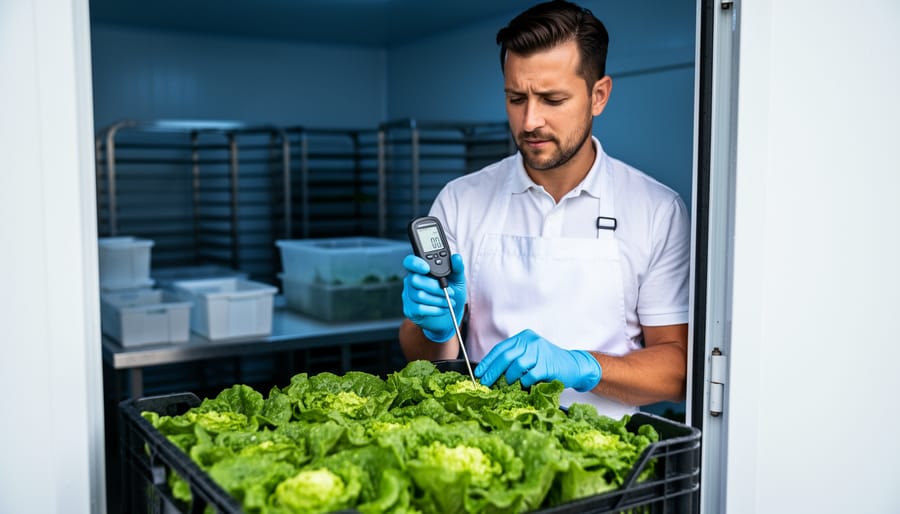
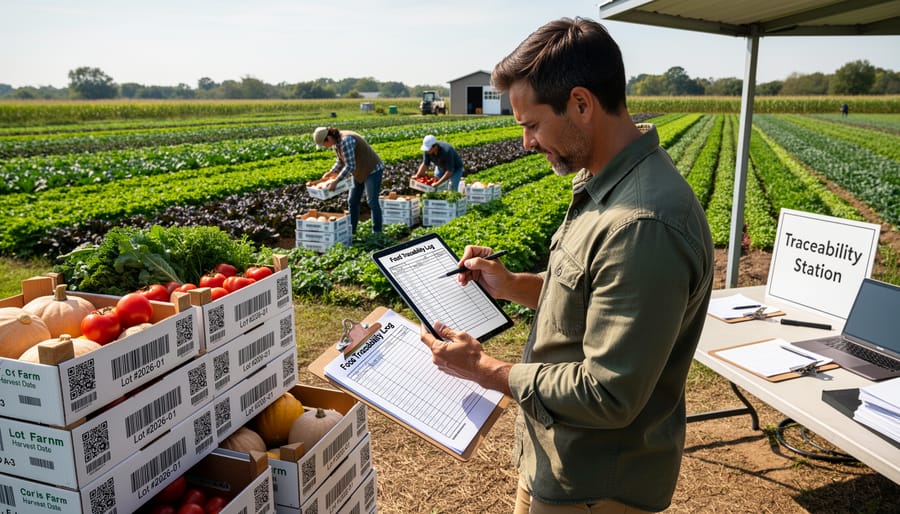
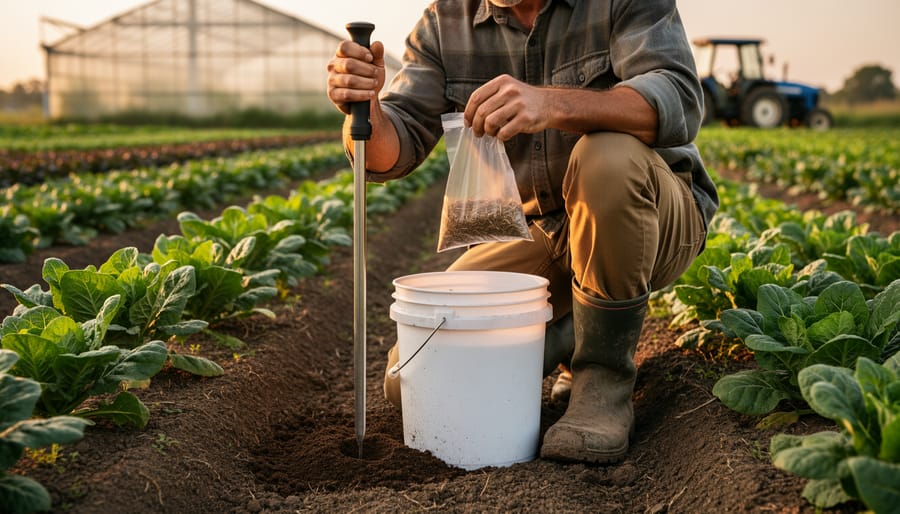
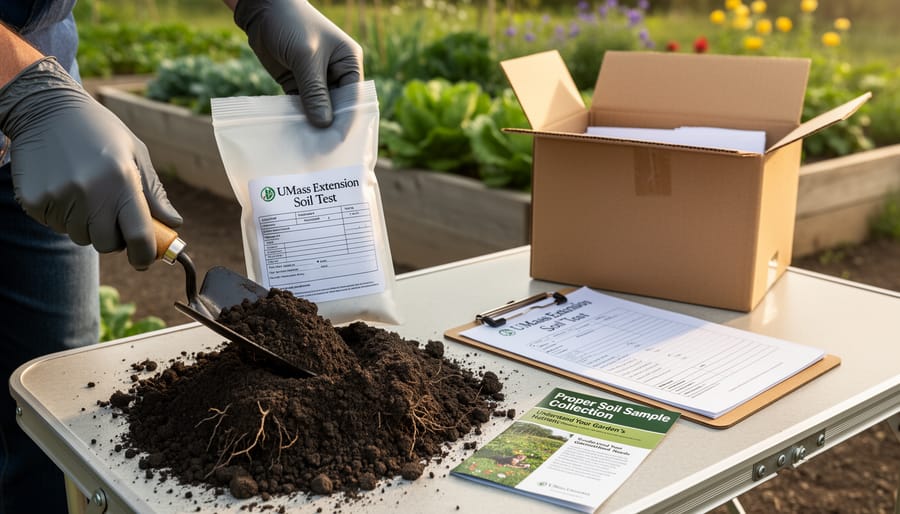
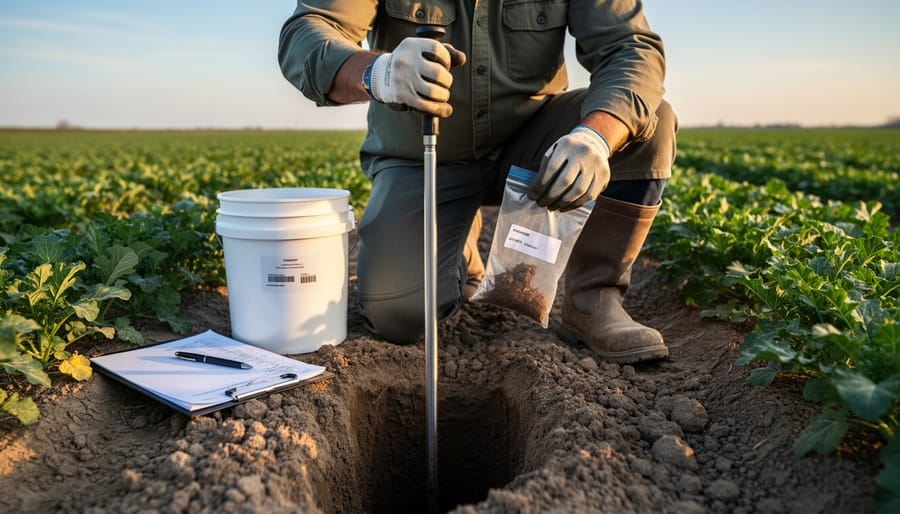
Knowledge is power when it comes to managing zinc levels on your farm. Implementing regular soil testing protocols—ideally annually or every other year—gives you a clear picture of what’s happening beneath your crops. But here’s something many farmers miss: you also need to test your inputs before they hit the ground.
Compost and manure can be hidden sources of heavy metals, including zinc. Animals often receive zinc supplements in their feed, and those metals concentrate in their waste. Before incorporating any new compost or manure source into your operation, request a heavy metal analysis. Many extension services offer affordable testing options specifically designed for organic amendments.
One Vermont CSA farmer discovered through input testing that her trusted manure supplier had zinc levels three times higher than expected. By switching sources and adjusting application rates, she prevented years of potential accumulation. This proactive approach protects your soil health, keeps your organic certification secure, and ensures you’re growing the cleanest produce possible for your community.
Choose Your Amendments Wisely
Smart amendments make all the difference in managing zinc levels on your farm. Start by choosing your compost sources carefully – vegetable-based composts typically contain less zinc than those heavy in animal manures. If you use manure, proper composting techniques help break down zinc compounds and reduce their bioavailability before application.
Consider rotating away from zinc-based fungicides when possible. Many organic farmers successfully control fungal diseases using copper alternatives, sulfur sprays, or biological controls like Bacillus subtilis. These options protect your crops while keeping zinc levels in check.
Test your amendment sources before widespread use. A simple soil lab analysis can reveal zinc concentrations in your compost or manure, helping you make informed decisions. Mount Pleasant Farm in Vermont reduced their soil zinc by 40% over three years simply by switching to vegetable-based compost and limiting their use of zinc sulfate sprays.
Remember, building healthy soil takes time. Each thoughtful choice about amendments moves your farm toward better balance and long-term sustainability.
Rotation and Recovery Strategies
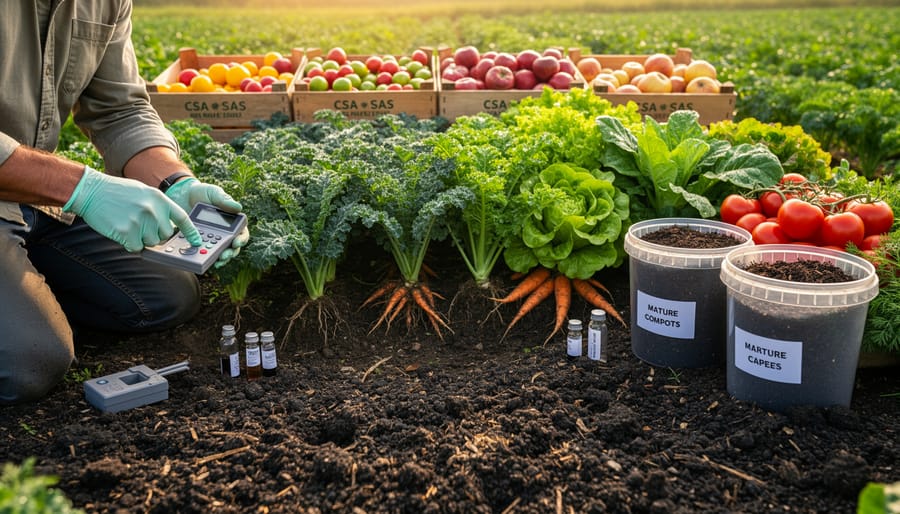
Smart rotation practices can give zinc-heavy soils the breathing room they need to recover naturally. Consider incorporating zinc-accumulating cover crops like certain varieties of mustard greens or Indian mustard into your rotation plan. These plants act like nature’s vacuum cleaners, drawing excess zinc from the soil into their tissues. Once harvested, you can safely dispose of them away from your farm system.
Adjusting your field rotations means being strategic about what you plant where. If soil tests reveal elevated zinc levels in certain areas, rotate out sensitive crops like beans and lettuce for a season or two, replacing them with more zinc-tolerant plants like sunflowers or certain grains. This approach keeps your land productive while problem areas recover.
Recovery periods matter too. Sometimes the best action is giving affected fields a rest season with non-food cover crops that improve overall soil health. Local farmer Maria Santos from Green Valley CSA discovered that letting her zinc-affected plots grow clover for one full season, combined with compost applications, brought her zinc levels back to healthy ranges. Her patient approach meant healthier vegetables and happier members the following year, proving that sometimes slowing down speeds up real solutions.
A CSA Farmer’s Success Story: Turning Around Zinc Buildup
When Sarah Martinez took over her family’s 15-acre CSA farm in Vermont, she inherited more than just rich soil and loyal customers. Soil tests revealed zinc levels nearly three times the recommended threshold, a legacy of decades of using zinc-rich fungicides and livestock feed supplements.
“I was devastated,” Sarah recalls. “Here I was, trying to launch an organic CSA, and my soil was basically toxic to the very crops I wanted to grow.”
The symptoms were undeniable. Tomatoes showed yellowing between leaf veins, beans struggled to germinate, and her prized heirloom lettuce varieties grew stunted and bitter. Customer retention became a challenge as produce quality declined.
Rather than give up, Sarah partnered with her local extension office to create a comprehensive recovery plan. She started by immediately eliminating all zinc-containing inputs and switching to organic-approved alternatives. The real game-changer came through phytoremediation, planting zinc-accumulating cover crops like Indian mustard and sunflowers during off-seasons. These plants acted as natural sponges, drawing excess zinc from the soil.
Sarah also adjusted her soil pH using sulfur amendments, making zinc less available to her vegetable crops while the accumulator plants did their work. She divided her farm into zones, rotating heavy feeders away from the most affected areas and focusing on zinc-tolerant crops like squash and cucumbers in problem spots.
Three years later, the transformation is remarkable. Zinc levels dropped by 60 percent, and Sarah’s tomatoes now win awards at the county fair. Her CSA membership grew from 40 to 120 families, with customers raving about the improved flavor and vibrancy of the produce.
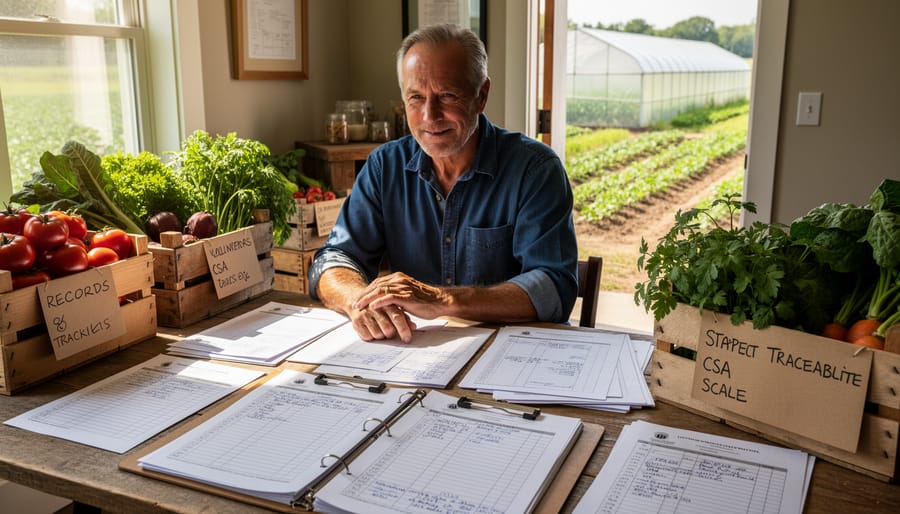
“The key was patience and consistent monitoring,” Sarah explains. “I test my soil twice yearly now and keep detailed records. What seemed like a disaster became an opportunity to truly understand my land and become a better steward of it.”

What CSA Members Can Do
As a CSA member, you play a vital role in supporting environmentally responsible agriculture. Start by having open conversations with your farmers about their approach to inputs like zinc-containing supplements and treatments. Ask questions during farm visits or newsletters: How do they manage mineral supplementation? What soil testing practices do they follow? These inquiries show your interest and encourage transparency.
Remember that your farmers are constantly learning and adapting their sustainable farming practices. They balance numerous factors, from animal health to soil wellness, and sometimes face tough decisions about inputs. Your understanding and patience matter tremendously.
Support your CSA by staying engaged throughout the season, even during challenging times. Attend farm events, participate in work shares if offered, and share your farm’s story with friends and neighbors. This strengthens the farm’s economic resilience, allowing them to invest in soil testing, organic alternatives, and continuing education.
Consider asking your farm if they conduct regular soil tests or work with agricultural extension services. Many farmers appreciate members who understand the complexity of managing nutrients sustainably. You might also inquire about their composting practices and whether they accept food scraps, creating a closed-loop system that reduces external inputs.
Most importantly, recognize that sustainable agriculture is a journey, not a destination. Your CSA farmers are your partners in creating a healthier food system, and your informed support helps them continue improving their environmental stewardship year after year.
True environmental stewardship in CSA farming means looking beyond the obvious—it’s about paying attention to subtle challenges like zinc accumulation that can quietly undermine your farm’s ecological health. While zinc serves essential functions in plant growth and animal nutrition, awareness of its potential to build up in soils is what separates good farming from truly sustainable farming.
The encouraging news? You don’t need to choose between productivity and environmental responsibility. By implementing thoughtful management practices—regular soil testing, rotating pastures, choosing feed wisely, and maintaining healthy soil biology—you can keep zinc levels in check while growing nutritious food for your community.
For farmers, make zinc monitoring part of your annual farm review. Share your soil test results with your CSA members; transparency builds trust and educates your community about the complexity of sustainable agriculture.
For consumers, support your local CSA farmers by asking curious questions about their soil management practices. Your interest encourages continuous improvement and reinforces that environmental stewardship matters to the people who depend on their harvest.
Together, we can create food systems that nourish both people and planet—one mindful decision at a time. Start your conversation about zinc management today.