Yearly Archives

128 Articles

Stop Wasting Money on Fake ‘Green’ Food (Here’s What to Look For)

Posted by darrell on
0
Sustainable Consumer Practices
Stop Wasting Money on Fake ‘Green’ Food (Here’s What to Look For)

Check the certifying body behind any eco-label by visiting their website and verifying they conduct independent, third-party audits rather than allowing companies to self-certify. Organizations like USDA Organic, Fair Trade Certified, and Regenerative Organic Certified maintain strict standards with regular farm inspections, while vague terms like “natural” or “eco-friendly” lack regulatory oversight and often signal greenwashing.

Look for labels with specific, measurable claims about pesticide use, soil health, or animal welfare rather than generic environmental promises. A trustworthy certification will clearly state what practices are required and prohibited, making it easy to understand the actual environmental impact of your purchase.

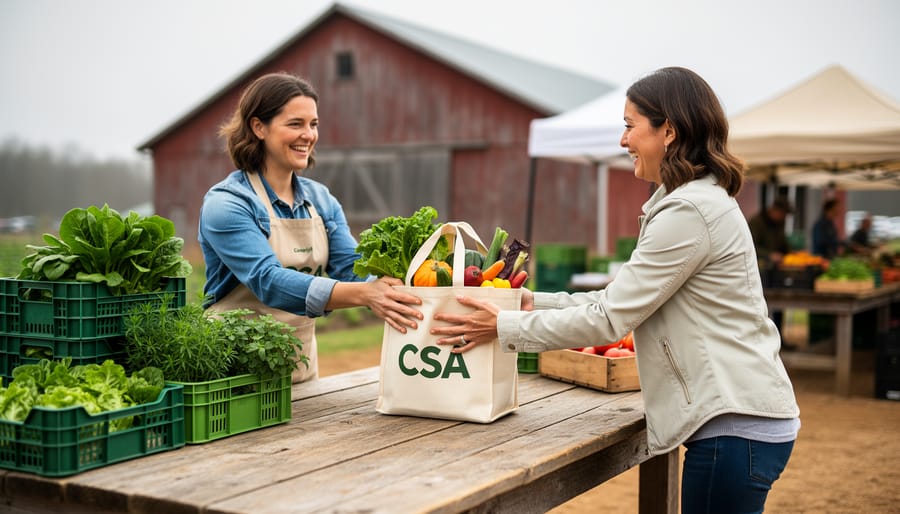
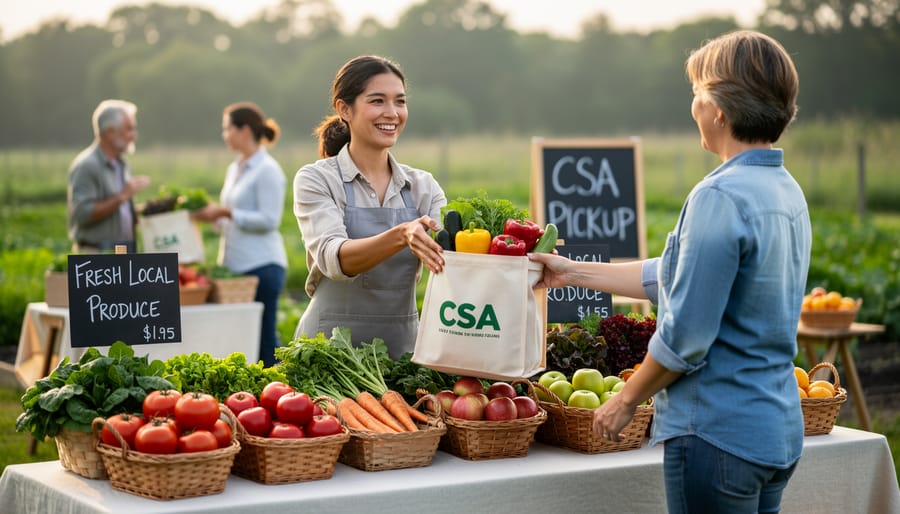
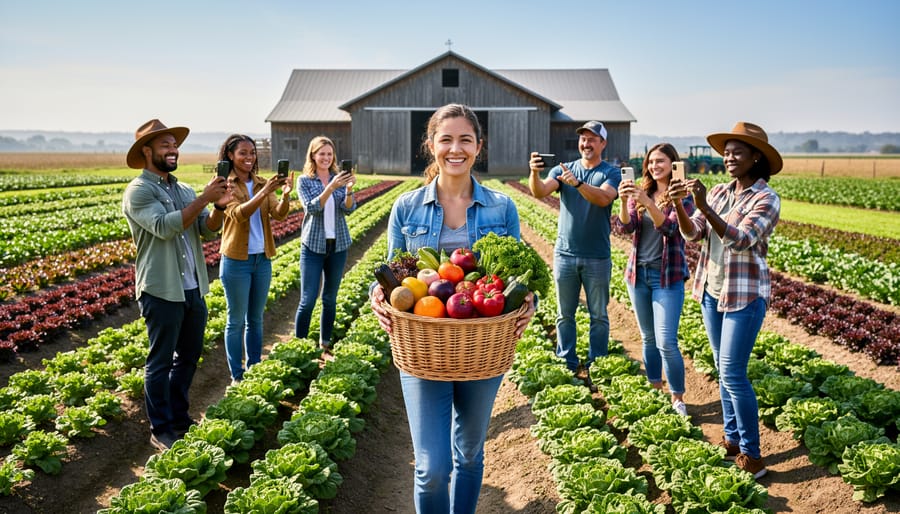
Visit local farmers markets and join a Community Supported Agriculture program to bypass the label confusion entirely. When you buy directly from farmers, you can ask specific questions about their growing practices, see their fields during farm visits, and build relationships that provide more transparency than any certification sticker ever could.

Cross-reference multiple certifications on a single product to gauge credibility. Products displaying several legitimate eco-labels from different certifying organizations typically indicate a producer genuinely committed to sustainable practices, while items covered in self-created badges and vague claims deserve skepticism.

The grocery store aisle has become a maze of green promises, but understanding which labels deliver real environmental benefits empowers you to vote with your dollars for the food system you want to support.

Why Eco-Labels Matter (And Why So Many Miss the Mark)

When you’re standing in the grocery aisle trying to choose between products covered in green leaves, earth tones, and promises of sustainability, eco-labels should be your guide to making environmentally responsible decisions. These certifications exist to cut through marketing noise and verify that products meet specific environmental, ethical, and health standards. When legitimate, they offer a shortcut to understanding complex supply chains and farming practices without needing a degree in agriculture.

Unfortunately, the eco-label landscape has become crowded with confusion. Companies have caught on that shoppers care about sustainability, and many have responded by creating their own official-looking badges that mean very little. Terms like “natural,” “eco-friendly,” and “sustainable” often appear without any third-party verification or standardized criteria. This practice, known as greenwashing, undermines consumer trust and makes it genuinely difficult to identify products that walk the talk.

The stakes extend beyond your individual purchase. When misleading labels succeed, they divert money away from farmers genuinely implementing regenerative practices and investing in soil health, biodiversity, and fair labor conditions. These are often the same dedicated growers who participate in local food systems, building relationships directly with consumers rather than relying on certification alone.

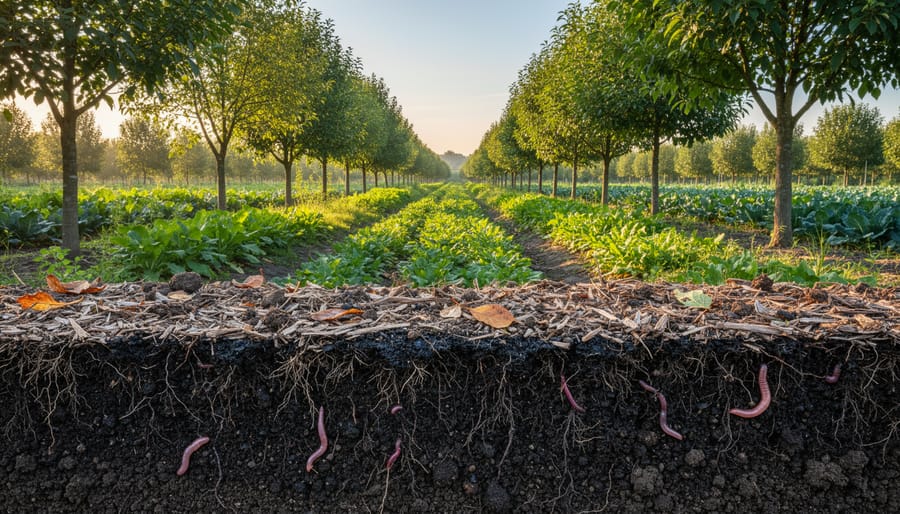
Understanding which labels carry weight helps you support transparent food systems where your dollars reward authentic environmental stewardship. It’s about more than feeling good at checkout; it’s about creating market demand that encourages more farmers to transition toward practices that heal our soil, protect water quality, and reduce chemical inputs that harm beneficial insects and wildlife.

Shopper's hands comparing two food products with different eco-labels in grocery store
Consumers face dozens of eco-labels in grocery aisles, but not all certifications carry the same weight or meaning.
Fresh organic vegetables at farmers market with USDA Organic certification visible
Legitimate certifications like USDA Organic require rigorous standards and third-party verification, providing consumers with reliable information.

The Eco-Labels Worth Your Trust

USDA Organic: What It Really Guarantees

When you spot that green and white USDA Organic seal, you’re looking at one of the most rigorously regulated certifications in the food industry. But what does it actually promise?

The USDA Organic label guarantees that products meet specific production standards: no synthetic pesticides or fertilizers, no genetically modified organisms (GMOs), and no sewage sludge. For livestock, it means animals received organic feed, had outdoor access, and weren’t given antibiotics or growth hormones. The certification process involves annual inspections where independent agents verify that farmers maintain detailed records and follow strict guidelines covering everything from soil health to pest management.

Understanding the label variations helps you shop smarter. Products labeled “100% Organic” contain only organic ingredients. The “Organic” label means at least 95% of ingredients are organic, with the remaining 5% coming from an approved list. “Made with Organic” indicates that 70% of ingredients are organic, though these products can’t display the USDA seal.

Here’s what the label doesn’t guarantee: it doesn’t necessarily mean local, small-scale, or carbon-neutral. Large industrial operations can earn organic certification while shipping produce across continents. Take Sarah Chen, who farms organically in Vermont—she points out that visiting local farms, whether certified or not, often reveals practices that exceed organic standards. Many small farmers use organic methods but skip certification due to the costly process.

The USDA Organic seal provides valuable baseline assurances, but combining it with local sourcing through farmers markets or CSA programs gives you the complete picture of how your food was grown.

Fair Trade Certified: Beyond the Coffee Aisle

While you’ve probably spotted Fair Trade labels on coffee and chocolate, this certification extends across many food products—from tea and sugar to fresh fruits and nuts. Fair Trade ensures farmers in developing countries receive fair prices for their crops, creating stable income that helps farming communities thrive. It’s more than just economics, though. The certification requires safe working conditions, prohibits child labor, and promotes environmental sustainability through responsible farming practices.

Here’s what makes it meaningful: Fair Trade cooperatives receive a premium that communities invest in schools, healthcare, and infrastructure. Take the story of banana farmers in Ecuador who used their Fair Trade premiums to build clean water systems and fund education programs for their children. These tangible improvements demonstrate how your purchasing choices ripple outward.

The environmental piece connects directly to sustainable agriculture. Fair Trade standards encourage organic practices, require proper waste management, and promote biodiversity. Farmers receive training in soil conservation and water protection, creating healthier ecosystems alongside more resilient farming operations.

When shopping, look for the official Fair Trade Certified logo. While buying local remains ideal for reducing food miles and supporting your regional economy, Fair Trade products offer a trustworthy option for items that can’t grow in your climate—ensuring your global food choices support both people and planet.

Certified Naturally Grown: The Local Alternative

If you’re passionate about supporting local farmers but find the cost of USDA Organic certification prohibitive, Certified Naturally Grown (CNG) offers a refreshing alternative. This grassroots program was created specifically with small-scale farmers in mind, particularly those running CSA operations and farmers’ market stands.

What makes CNG unique is its peer-review process. Instead of paying expensive third-party certifiers, farmers are inspected by fellow CNG farmers who understand the challenges and realities of small-farm life. These inspectors visit the farm, review practices, and verify that standards comparable to organic certification are being met. It’s farming neighbors checking in on farming neighbors, which creates genuine accountability.

The standards prohibit synthetic pesticides, herbicides, and fertilizers, just like organic certification. Farmers must also demonstrate soil-building practices and responsible water management. Many CSA members appreciate CNG because it represents a commitment to organic practices without the corporate overhead.

For small farmers like Sarah Chen, who runs a three-acre vegetable operation, CNG certification costs a fraction of USDA Organic while still providing customers with third-party verification. “My CSA members trust the label because they know real farmers reviewed my practices,” she explains. When you spot the CNG logo at your local farmers’ market, you’re supporting both sustainable agriculture and community-based verification systems that keep local food accessible.

Non-GMO Project Verified and What It Tells You

The Non-GMO Project Verified butterfly label confirms that a product contains less than 0.9% genetically modified organisms, meeting rigorous testing standards. This certification focuses specifically on genetic engineering, which means it tells you what the product isn’t, but not necessarily what it is.

Here’s what’s important to understand: Non-GMO doesn’t automatically mean organic, sustainably grown, or pesticide-free. A conventionally farmed crop can earn this label as long as it avoids GMO seeds and contamination. You might find Non-GMO verified products that still rely on synthetic fertilizers or chemical pest control.

That said, many small-scale farmers naturally grow non-GMO crops without seeking certification due to the costs involved. When you buy from your local farmers market or join a CSA, you can simply ask your grower about their seed sources and farming methods. These direct conversations often provide more complete information than any single label can offer.

For environmentally conscious consumers, this label works best when combined with other certifications like USDA Organic, or when you’re supporting local growers whose entire growing philosophy you trust. Think of it as one piece of the puzzle rather than a complete sustainability guarantee.

Animal Welfare Approved and Certified Humane

When shopping for animal products, Animal Welfare Approved (AWA) and Certified Humane are two labels that genuinely deliver on their promises. These certifications require farms to meet rigorous standards that go far beyond industry norms, ensuring animals live healthier, more natural lives.

Animal Welfare Approved sets the gold standard for farm animal welfare. This label guarantees animals are raised outdoors on pasture or range, with no cages or crates allowed. Chickens must have room to spread their wings and dust bathe, while cattle graze on grass for most of their lives. The certification exclusively applies to independent family farms, making it a great choice if you’re seeking both humane practices and support for smaller-scale agriculture.

Certified Humane, managed by Humane Farm Animal Care, offers slightly more flexibility while maintaining strong welfare requirements. Animals must have sufficient space, shelter, and the ability to engage in natural behaviors. While some indoor raising is permitted, conditions must meet strict standards for cleanliness, ventilation, and space per animal.

Both certifications prohibit growth hormones and require responsible antibiotic use. They also mandate third-party audits, meaning independent inspectors verify compliance rather than relying on self-reporting. Look for these labels on eggs, dairy, and meat when you want assurance that your food comes from animals treated with genuine respect and care.

Red Flags: Labels That Sound Good But Mean Little

When you’re wandering grocery aisles looking for better food choices, you’ll spot plenty of warm, fuzzy terms that sound wonderful but actually mean very little. Understanding which labels lack real standards can save you money and help you make genuinely sustainable choices.

Terms like “natural,” “eco-friendly,” and “all-natural” have no legal definition in most food labeling contexts. A product labeled natural can still contain pesticides, artificial ingredients, or come from industrial farming operations. Companies use these feel-good words because they’re completely unregulated for most food products. The same goes for “farm fresh,” which sounds idyllic but tells you nothing about how the food was grown, whether chemicals were used, or how far it traveled to reach you.

“Sustainable” appears everywhere these days, from produce stickers to meat packaging. While true sustainability matters tremendously, this term lacks standardized certification in many cases. Without third-party verification, it’s simply a marketing claim. Similarly, “eco-friendly” and “green” sound positive but carry no enforceable meaning.

Here’s a real-world example: Sarah, a small-scale farmer in Ontario, explained how she stopped using these vague terms at her farmers market stand. Instead, she now tells customers exactly what her practices are: “no synthetic pesticides,” “rotational grazing,” and “cover crops for soil health.” Her honesty built trust faster than any buzzword could.

When you see these unregulated terms, don’t assume the worst about the product, but don’t assume the best either. Ask questions. If shopping at farmers markets or through CSA programs, you can speak directly with growers about their practices. When buying packaged goods, look beyond the marketing language to find legitimate certifications or check the ingredient list.

Just as you’d investigate sustainable packaging choices, scrutinize the environmental claims on food labels. Your purchasing power deserves to support truly responsible practices, not just clever marketing.

Your Smart Shopping Strategy for Sustainable Food

Farmer and customer having conversation at farmers market produce stand
Building relationships with local farmers allows consumers to learn about growing practices directly, offering transparency beyond certification labels.

When Local Beats Labeled

Sometimes the best choice isn’t a label at all—it’s a conversation. Buying from local farmers at markets or through CSAs often means you’re getting produce grown with care that rivals or exceeds certified organic standards, minus the certification fees that small farmers can’t always afford.

Getting to know your farmer creates transparency that no label can match. Ask simple questions: What pest management methods do you use? Do you apply synthetic fertilizers? How do you build soil health? Farmers passionate about sustainable practices will happily share their approach.

Consider Sarah, who runs a three-acre vegetable operation outside Portland. She uses organic methods but can’t justify the certification cost for her small operation. Her CSA members visit the farm, see her composting systems, and witness her hand-weeding efforts firsthand. That direct relationship builds trust no sticker can provide.

Local also means fresher produce, reduced transportation emissions, and money staying in your community. When you can see where your food grows and shake hands with who grows it, you’ve found something more valuable than any certification.

The Questions to Ask at Farmers Markets

When eco-labels aren’t visible at farmers markets, you can still evaluate sustainability through direct conversation. Start by asking how they manage pests and diseases. Farmers practicing sustainable methods often share enthusiastic details about companion planting, beneficial insects, or organic-approved treatments. If they use synthetic pesticides, they’ll typically tell you.

Next, inquire about soil health practices. Questions like “Do you use cover crops?” or “How do you build soil fertility?” reveal their commitment to regenerative methods. Passionate growers love discussing compost systems, crop rotation, and natural amendments.

Ask about seed sources too. Many sustainable farmers save heirloom varieties or purchase organic seeds, supporting biodiversity and chemical-free cultivation from the start.

Don’t hesitate to ask directly: “Are you certified organic, or do you follow organic practices?” Some small-scale farmers farm organically but skip certification due to costs. Their transparency about methods matters more than a label.

Finally, build relationships over time. Regular market-goers often discover that consistent conversations with farmers provide deeper assurance than any certification. You’ll learn their philosophy, witness their seasonal challenges, and understand exactly how your food grows. This direct connection creates accountability that no distant certifying body can match.

Making Trade-offs That Match Your Values

Not every product requires the same level of certification scrutiny. Start by prioritizing labels that matter most for items you buy regularly and in larger quantities. For produce, focus your budget on organic certification for the “dirty dozen” fruits and vegetables most likely to carry pesticide residues, while conventional options work fine for thick-skinned items you’ll peel anyway.

When shopping on a tight budget, remember that local farmers markets and CSAs often practice sustainable farming without paying for expensive certifications. Chat with growers about their methods—you might discover pesticide-free practices that simply lack the official stamp. One community farmer shared how her transition to organic certification took three years, but her produce was chemical-free from day one.

Balance your values with what’s accessible in your area. If certified organic feels out of reach, consider these trade-offs: buy conventional staples but invest in organic dairy and eggs, shop seasonal local produce over certified imports, or join a CSA where your dollars directly support sustainable practices. The goal isn’t perfection but making informed choices that align with both your environmental commitments and real-life constraints.

Real Stories: How Farmers Navigate the Certification Maze

Behind every eco-label is a farmer who’s navigated the complex world of certification. Their experiences reveal both the value of official credentials and the importance of community connections.

Maria Rodriguez spent three years transitioning her small vegetable farm to USDA Organic certification. “The paperwork felt overwhelming at first,” she admits. “I had to document everything – from seed sources to compost ingredients.” The annual inspection fees and certification costs added up to nearly $2,000, a significant investment for her two-acre operation. But Maria found the process worthwhile. “It opened doors to farmers markets that required certification and helped me connect with wholesale buyers who needed that guarantee,” she explains. Her advice? Start documenting practices early, even before officially applying, and connect with other certified farmers who can guide you through the maze.

Not every farmer chooses the certification route, though. Jake Thompson runs a diversified farm that supplies three local CSA programs. He uses organic methods but hasn’t pursued official certification. “My customers visit the farm regularly. They see exactly how we grow,” Jake says. “For a small operation like mine, building direct relationships made more sense than spending thousands on certification.” He maintains transparency through farm tours, detailed growing journals shared with CSA members, and open conversations about his practices.

Then there’s Green Meadows Farm, which holds both Certified Naturally Grown and Animal Welfare Approved labels. Owner Sarah Chen chose these alternatives because they better matched her scale and values. “The peer-review inspection process felt more collaborative than intimidating,” she notes. “The fees were manageable, and the standards aligned perfectly with how we already farmed.”

These stories highlight an important truth: certification isn’t the only path to trustworthy food. Whether through official labels or transparent local relationships, farmers find ways to demonstrate their commitment to sustainable practices.

You now have the knowledge to see past greenwashing and identify genuinely sustainable food choices. Remember, informed consumers drive change in our food system—every purchase you make is a vote for the kind of agriculture you want to support.

While certified organic labels offer valuable assurance, don’t overlook the power of direct relationships with local farmers. Many small-scale producers practice sustainable methods that exceed certification standards but can’t afford the costly certification process. Community Supported Agriculture programs connect you directly with these dedicated growers, giving you transparency that no label can match. You’ll know exactly where your food comes from, how it’s grown, and who’s nurturing the soil.

Ready to take action? Visit a nearby farmers market this weekend and ask growers about their practices. You might discover that the best eco-label isn’t on a package at all—it’s the honest conversation with someone who grows your food with care for both land and community.

How Civic Center Farmers Market Became San Francisco’s Community Hub

Posted by darrell on
0
Market Events and Community Engagement
How Civic Center Farmers Market Became San Francisco’s Community Hub

Visit the Civic Center Farmers Market every Wednesday and Sunday at United Nations Plaza, positioned between Hyde and Market Streets, where you’ll discover one of San Francisco’s most vibrant intersections of fresh food, community connection, and sustainable agriculture. Operating year-round from 7 AM to 5 PM on Wednesdays and 10 AM to 4 PM on Sundays, this Heart of the City Farmers Market serves as more than a shopping destination—it’s a living example of how local food systems can strengthen communities while supporting small-scale organic farmers.

Arrive early to secure the best seasonal selections from over 25 regional vendors who bring everything from heirloom tomatoes and Asian greens to fresh-caught fish and artisan breads. The market accepts CalFresh/EBT and offers a Market Match program that doubles nutrition assistance dollars, making organic produce accessible to all income levels. Chat directly with farmers like those from Full Belly Farm and Tierra Vegetables, who eagerly share growing practices, recipe suggestions, and tips for storing your weekly haul.

This isn’t just about filling your shopping bags. The Civic Center market embodies civic engagement through food, creating a weekly gathering space where neighbors from diverse backgrounds connect over shared meals and sustainable values. You’ll witness how supporting local agriculture builds food security, reduces carbon footprints, and preserves farmland—transforming simple transactions into meaningful participation in a healthier, more resilient food system.

The Heart of San Francisco: Understanding Civic Center Farmers Market

Nestled in the heart of one of San Francisco’s most iconic neighborhoods, the Civic Center Farmers Market has become a beloved gathering place where community, sustainability, and fresh organic produce converge. Located at the UN Plaza on Fulton Street between 7th and 8th Streets, this vibrant market operates every Wednesday and Sunday, rain or shine, bringing the bounty of Northern California’s farms directly to city dwellers.

Since its establishment, the market has grown into more than just a place to shop for groceries. It serves as a vital link between urban consumers and the hardworking farmers who practice sustainable agriculture throughout the region. What sets this market apart from San Francisco’s many other farmers markets is its incredible diversity, both in the products offered and the people who gather there. You’ll find everything from heirloom tomatoes and seasonal stone fruits to artisanal cheeses, fresh-cut flowers, and prepared foods that showcase the region’s culinary creativity.

The atmosphere buzzes with energy as vendors share their farming stories and offer samples of their latest harvest. Many farmers here have inspiring journeys of transitioning to organic methods, discovering that regenerative practices not only produce healthier food but also revitalize the soil for future generations. These conversations help shoppers understand where their food comes from and the care required to grow it sustainably.

For the Civic Center neighborhood, the market provides accessible fresh produce in an area that might otherwise lack such options. It’s become a weekly ritual for residents, office workers, and visitors alike, fostering connections that strengthen the community fabric while supporting local agriculture and environmental stewardship.

Overhead view of diverse hands exchanging fresh vegetables at farmers market stall
Community connections flourish at Civic Center Farmers Market where local farmers and residents exchange fresh, sustainable produce.

Where Community Meets Commerce: Civic Engagement Partnerships in Action

Food Access Programs That Make a Difference

The Civic Center Farmers Market stands out for its commitment to making fresh, organic produce accessible to everyone, regardless of income level. The market proudly accepts EBT and CalFresh cards at all vendor stands, ensuring that participants in federal nutrition assistance programs can purchase wholesome, locally grown food directly from farmers.

One of the market’s most impactful food access initiatives is the Market Match program, which doubles the value of CalFresh dollars spent at the market. When shoppers use their EBT card, they receive matching tokens up to a specific amount, effectively stretching their grocery budget while supporting local farmers. This dollar-for-dollar match means a family can purchase twice the amount of organic strawberries, leafy greens, or seasonal vegetables.

Local farmer Maria Santos shares how these programs have transformed her business: “Market Match brings new customers to my stand who might not otherwise afford organic produce. I love seeing families fill their bags with nutritious food, and it helps my small farm thrive.”

The market also partners with community organizations to distribute fresh produce vouchers to seniors and low-income families. Information booths provide guidance on using benefits and selecting seasonal produce, creating a welcoming environment where healthy eating is achievable for all San Franciscans. These thoughtful programs demonstrate that farmers markets can be inclusive spaces that nourish entire communities while supporting sustainable agriculture.

Farmers market vendor processing EBT payment with fresh produce display in background
Food access programs like EBT acceptance and Market Match make fresh organic produce accessible to all community members regardless of income level.

Educational Partnerships and Cooking Demonstrations

The Civic Center Farmers Market goes beyond simply selling produce by creating a vibrant learning hub where community members can deepen their knowledge of sustainable food systems. Throughout the market season, local chefs, nutritionists, and food educators offer free cooking demonstrations that transform seasonal ingredients into delicious, accessible meals.

These hands-on cooking demos typically feature chefs who source ingredients directly from market vendors, showing shoppers creative ways to prepare unfamiliar vegetables or make the most of abundance during peak harvest times. You might watch a chef turn rainbow chard into a simple sauté or demonstrate how to preserve summer tomatoes for winter enjoyment. The demonstrations are designed to be approachable, with recipes that home cooks can easily replicate in their own kitchens.

Registered dietitians and nutritionists also host regular workshops focusing on the health benefits of eating seasonally and locally. These sessions help visitors understand why organic produce contains more nutrients and how to build balanced meals around what’s available at the market. Parents especially appreciate learning how to introduce children to new vegetables in fun, engaging ways.

Farm education programs bring the story of sustainable agriculture to life. Local farmers share their experiences, explaining organic growing methods and answering questions about everything from composting to crop rotation. These conversations help bridge the gap between urban consumers and rural growers, fostering appreciation for the hard work behind every bunch of carrots or basket of strawberries. Many attendees leave feeling inspired to start their own container gardens or support Community Supported Agriculture programs, carrying the market’s mission of sustainable living into their daily routines.

Meet the Farmers: Stories from the Stalls

The Civic Center Farmers Market thrives because of dedicated farmers who bring exceptional produce and genuine passion to their stalls each week. These vendors represent the heart of sustainable agriculture in the Bay Area, and their local farmer success stories inspire everyone who visits.

Maria Gonzalez has been bringing her family’s heirloom tomatoes and peppers from Sonoma County for over eight years. Her farm, Valle Verde, practices dry farming techniques that reduce water usage by relying on natural moisture retention in the soil. This method produces incredibly flavorful tomatoes with concentrated sugars and nutrients. Maria explains that dry farming is an ancient technique her grandfather used in Mexico, now perfectly suited to California’s climate challenges. She grows over twenty varieties of tomatoes, from deep purple Cherokee Purples to striped Green Zebras, all certified organic. Her connection with regular customers goes beyond transactions. She shares recipes, growing tips, and even saves seeds for aspiring gardeners in the community.

Jim and Susan Park of Fogline Farm travel from Santa Cruz with their renowned salad greens and edible flowers. Their two-acre farm operates on biodynamic principles, treating the farm as a complete ecosystem. They use composting, cover cropping, and companion planting to maintain soil health without synthetic fertilizers. The Parks grow specialty greens like mizuna, tatsoi, and rainbow chard that chefs and home cooks eagerly await. What sets them apart is their commitment to education. They regularly host farm tours and offer workshops on composting and season extension techniques, helping market visitors understand where their food comes from.

These farmers demonstrate that sustainable agriculture is more than a farming method. It is a lifestyle that builds community connections and environmental stewardship. Their dedication to organic practices, soil health, and customer relationships creates the vibrant atmosphere that makes Civic Center Farmers Market special. By supporting these vendors, shoppers invest in local ecosystems, preserve agricultural knowledge, and enjoy produce grown with care and intention. Every purchase supports farmers who prioritize sustainability over shortcuts, quality over quantity.

Farmer arranging colorful heirloom tomatoes at Civic Center Farmers Market stall
Local farmers bring sustainable, organic produce directly from their farms to Civic Center, sharing their passion for regenerative agriculture with the community.

What You’ll Find: Seasonal Bounty and Beyond

The Civic Center Farmers Market transforms with the seasons, offering an ever-changing showcase of Northern California’s agricultural bounty. Spring brings tender greens, sweet strawberries, and vibrant asparagus, while summer explodes with heirloom tomatoes, stone fruits, and colorful peppers. As autumn arrives, expect hearty root vegetables, crisp apples, and winter squashes. Even in cooler months, you’ll find citrus fruits, leafy greens, and cruciferous vegetables thriving in the region’s mild climate.

Beyond fresh produce, the market features artisan goods that reflect the area’s commitment to quality craftsmanship. Browse handcrafted cheeses from small-scale dairies, fresh-baked sourdough from local bakeries, and pasture-raised meats from family farms. You’ll also discover specialty items like raw honey, preserves, fresh-cut flowers, and prepared foods perfect for a quick lunch while exploring the city.

For the best selection, arrive early in the morning when vendors have fully stocked displays and popular items haven’t sold out yet. However, late afternoon shoppers often find reduced prices as farmers prefer selling remaining inventory over transporting it back. Bring reusable bags and cash, though many vendors now accept credit cards.

Make the most of your visit by talking directly with farmers. These conversations provide invaluable insights about growing methods, seasonal availability, and recipe suggestions. Many vendors, like the Martinez family who’ve been selling certified organic vegetables for over a decade, love sharing their knowledge about sustainable farming practices and can guide you toward peak-season items.

Consider planning your weekly meals around what’s fresh at the market rather than arriving with a rigid shopping list. This approach connects you more deeply with seasonal eating patterns while supporting farmers who’ve carefully tended these crops. Sample when offered, ask questions freely, and don’t hesitate to request cooking tips. The market experience extends beyond transactions, fostering genuine connections between growers and eaters while promoting environmental stewardship through reduced food miles and chemical-free agriculture.

Getting Involved: How You Can Support Civic Engagement

The Civic Center Farmers Market offers numerous ways to deepen your connection to sustainable food systems beyond your weekly shopping trips. Consider volunteering with the market organization, where you can help with setup, assist vendors, or support educational programs that teach children about organic farming. Many volunteers find this hands-on experience both rewarding and educational, gaining insights directly from farmers about seasonal growing practices.

Connect with local CSA programs that have booths at the market. These farm-direct subscription services offer weekly produce boxes and often provide volunteer opportunities at their farms, giving you firsthand experience with organic cultivation methods. It’s a wonderful way to understand where your food comes from while supporting small-scale farmers.

The market regularly hosts community events, cooking demonstrations, and workshops focused on food preservation and sustainable living. Attend these gatherings to expand your knowledge and meet like-minded individuals passionate about organic agriculture.

Support food justice initiatives at the market by participating in programs that accept CalFresh benefits and market incentive programs. These efforts ensure fresh, organic produce reaches all community members regardless of economic circumstances. You might also consider donating to gleaning programs that collect excess produce for local food banks, turning potential waste into nourishment for those in need. Every contribution, whether time, resources, or knowledge-sharing, strengthens our collective commitment to sustainable, accessible food systems.

The Civic Center Farmers Market stands as a shining example of what happens when communities come together around sustainable agriculture and food justice. This vibrant marketplace demonstrates that farmers markets can be so much more than simple commercial exchanges—they’re powerful platforms for civic engagement, education, and meaningful change. By supporting local organic farmers here, you’re not just purchasing fresh produce; you’re investing in a healthier food system, preserving farmland, and ensuring that nutritious food reaches neighbors who need it most.

We encourage you to visit this remarkable market and experience the energy firsthand. Talk with the farmers who grow your food, learn about their sustainable practices, and discover seasonal varieties you’ve never tried before. Whether you’re seeking the freshest organic vegetables, artisan products, or simply want to connect with like-minded community members, you’ll find a welcoming space that celebrates local agriculture. By becoming part of this community-driven movement, you’re joining thousands of others who believe that everyone deserves access to wholesome, sustainably grown food—and that together, we can build a more equitable and environmentally responsible future.

Why Your CSA Farm Needs Transparency More Than Marketing

Posted by darrell on
0
CSA Fundamentals and Benefits
Why Your CSA Farm Needs Transparency More Than Marketing

When you pick up your weekly CSA box, you’re holding more than fresh vegetables—you’re holding a promise. But how do you know if that promise is real? Transparency in farming isn’t just a buzzword; it’s the bridge between what farmers say and what they actually do, and understanding whether it qualifies as a genuine value shapes everything from your food choices to your farm’s business strategy.

For CSA farmers wondering if open-door policies are worth the effort, and for consumers questioning whether a farm’s Instagram posts reflect reality, this matters deeply. The Community Supported Agriculture model thrives on trust, but trust without verification becomes blind faith. Real transparency means inviting members to visit fields unannounced, sharing both harvest triumphs and crop failures, documenting growing practices with photos and soil tests, and explaining exactly where your membership dollars go.

Consider Sarah Chen’s farm in Ontario, which started posting weekly video updates from the fields. Member retention jumped 40% not because her vegetables got better, but because people finally understood the daily realities of organic farming—the late blight that devastated tomatoes, the unexpected surplus of kale, the reasons behind price adjustments. That openness transformed transparency from a nice-to-have into her farm’s most valuable asset.

The question isn’t whether transparency sounds good philosophically. It’s whether radical honesty about your farming practices creates measurable benefits for your business and genuinely empowers consumers to make informed choices.

What Transparency Actually Means in CSA Farming

In the world of Community Supported Agriculture, transparency isn’t just another trendy marketing term plastered on websites to attract customers. It’s a concrete commitment to openness that fundamentally shapes the relationship between farmers and their community members. But what does this actually look like in practice?

At its core, transparency in CSA farming means you know exactly where your food comes from and how it was grown. This goes far beyond a simple organic certification label. When a CSA farm practices genuine transparency, you’ll receive regular updates about what’s happening in the fields—which crops are thriving, what challenges the weather might be creating, and even when things don’t go as planned.

Open communication forms the foundation. This includes sharing detailed information about farming practices, from soil amendments and pest management strategies to seed varieties chosen for each season. You shouldn’t need a detective to figure out what methods your farmer uses. They should readily share this information through newsletters, farm visits, or social media updates.

Financial clarity is another essential element that separates authentic transparency from mere marketing speak. Honest CSA farms often explain their pricing structure, showing members where their investment actually goes—whether that’s covering labor costs, purchasing quality seeds, or maintaining infrastructure. This doesn’t mean sharing every financial detail, but providing enough context so members understand the real economics of small-scale farming.

Complete traceability represents the final piece. Every carrot, tomato, and bunch of kale in your share box should have a clear story. Which field did it grow in? When was it harvested? What variety is it? This seed-to-harvest knowledge transforms your weekly produce from anonymous vegetables into food with history and meaning, strengthening your connection to the land that nourished it.

Farmer's hands holding freshly harvested vegetables in wooden basket with farm field in background
Direct harvest-to-member connection defines the Community Supported Agriculture model, where transparency begins with knowing exactly where your food comes from.

When Transparency Functions as a Business Strategy

The Trust Economy: How Openness Converts Customers

When customers know exactly where their food comes from and how it’s grown, something remarkable happens: they become loyal advocates. Transparency isn’t just good ethics—it’s smart business for CSA farms. By opening your farm gates through field days, sharing weekly harvest updates, or posting behind-the-scenes stories on social media, you’re building trust with members that translates into real economic benefits.

Consider Sarah’s organic farm in Vermont, which began sending detailed growing notes with each box. Within two seasons, her member retention jumped from 60% to 85%, and referrals doubled. Members felt connected to their food’s journey and happily paid premium prices because they understood the care behind each carrot and tomato.

Transparent farms also weather challenges better. When crop failures happen, members who’ve witnessed your sustainable practices throughout the season become understanding partners rather than disappointed customers. They know you’re doing everything possible to grow healthy food responsibly. This trust creates financial stability through consistent membership renewals and word-of-mouth marketing that no advertising budget could buy. Openness becomes your competitive advantage in an increasingly crowded marketplace.

Traceability as Your Competitive Edge

When food safety scares hit the news—whether it’s E. coli in romaine or listeria in packaged salads—CSA farms have a distinct advantage. Unlike grocery store produce that passes through multiple handlers and distribution centers, your farm knows exactly which field grew Tuesday’s carrots and which members received them. This level of traceability isn’t just impressive; it’s powerful.

During recalls, conventional suppliers often must dump entire harvests because they can’t pinpoint the contamination source. Your CSA, however, can trace every vegetable back to its exact planting date, field location, and harvest crew. This means you can quickly identify and address any issues while reassuring members with concrete details about their food’s journey.

This precision builds member confidence in ways supermarkets simply can’t match. When parents ask about pesticide use on the spinach their toddler eats, you can pull up field records showing organic practices for that specific bed. When someone with allergies needs to know if equipment touched certain crops, you have answers immediately.

One Massachusetts farmer shared how her detailed harvest logs helped a member’s doctor identify a previously unknown sensitivity to a specific heirloom tomato variety—something impossible without complete traceability. These moments transform transparency from a buzzword into genuine care that keeps members loyal through seasons and years.

When Transparency Becomes a Core Value

Farmer and CSA member examining fresh produce together in farm field
Open communication between farmers and CSA members builds the trust foundation that sustains community-based agriculture through both abundant harvests and challenging seasons.

The Hard Conversations: Sharing Bad News with Members

Transparency gets tested when things go wrong, and how farmers handle these moments reveals whether openness is truly a core value. Take Three Springs Farm in Oregon, where late blight destroyed their tomato crop mid-season. Rather than staying silent, they sent members detailed updates about the problem, explained the organic treatment options they tried, and offered cherry tomatoes as a substitute. The response? Members appreciated the honesty and many even volunteered to help with cleanup.

At Willow Creek CSA in Vermont, aphid infestations reduced their lettuce yields by 40% one summer. Their farmer, Maria, shared weekly photo updates showing the pest pressure and her management strategies. Sharing challenges with members strengthened their community rather than weakening it. Several members with gardening experience offered advice, creating valuable dialogue.

Price increases present another difficult conversation. When Rising Sun Farm needed to raise shares by 15% due to labor costs, they provided a transparent breakdown of expenses. They explained wages, seed costs, and infrastructure needs. Members overwhelmingly renewed their memberships, with some even paying extra to support fair wages.

These examples demonstrate that transparency during hard times builds trust and loyalty. Members don’t expect perfection; they expect honesty and communication about the realities of farming.

Beyond What’s Required: Going the Extra Mile

Some farmers choose transparency not because customers demand it, but because openness simply reflects who they are. Take Sarah Chen of Riverbend Farm, who publishes detailed weekly growing logs on her website, documenting everything from seed varieties to pest management decisions. She shares her soil testing results each season and even posts financial breakdowns showing exactly where member fees go. “I’m not required to do this,” Sarah explains, “but it keeps me accountable and helps other farmers learn from my experiences.”

Similarly, Mark Thompson at Green Valley CSA goes beyond sustainable farming practices by offering farm walks where members can photograph and measure anything they’re curious about. He maintains a digital library of crop rotation plans dating back five years and openly discusses both successes and failures.

These farmers view transparency as a core value rather than a marketing strategy. The effort requires extra time—Sarah estimates three hours weekly for documentation—but both report deeper member relationships and increased retention. Their openness creates educational opportunities for aspiring farmers and sets new standards within their communities. While not every farm needs this level of detail, their examples demonstrate how genuine transparency, driven by personal values rather than external pressure, can transform a CSA into something more: a learning community built on trust and shared commitment to conscious food production.

The Real Benefits of Traceability in CSA Models

Farm-to-Table in Real Time

Modern CSA farms are proving that transparency doesn’t require expensive technology or complicated systems. The most effective farms keep it beautifully simple. Weekly newsletters have become a cornerstone of transparent communication, with farmers sharing updates about what’s growing, weather challenges they’re facing, and what members can expect in upcoming harvest boxes. These aren’t corporate bulletins—they’re personal notes that might include a photo of seedlings emerging or a quick tip for storing root vegetables.

Social media has opened another window into farm life. Instagram stories showing morning harvest routines or Facebook posts about unexpected frost damage create real-time connections. One Pennsylvania farmer shares that her candid posts about crop failures actually strengthened member loyalty because people appreciated the honesty.

Farm visits remain the gold standard for transparency. Open-farm days, volunteer opportunities, and simple “stop by anytime” policies let members see operations firsthand. When children can touch the soil where their carrots grew or watch farmers at work, transparency transforms from concept to lived experience. These straightforward practices build trust without requiring farmers to become marketing experts—just authentic storytellers sharing their daily reality.

Safety and Accountability Built In

When you know exactly where your carrots were grown and who harvested them, food safety becomes a natural byproduct rather than an afterthought. Traceability creates an inherent layer of protection for everyone involved in the CSA relationship. If a quality concern arises—say, an unexpected pest issue affects one garden bed—transparent farms can immediately identify which members received produce from that specific location and reach out proactively.

This level of accountability transforms how farms handle challenges. Rather than broad, wasteful recalls that affect entire harvests, farmers can pinpoint precisely which items need attention. One small CSA farmer shared how their detailed record-keeping helped them trace a minor soil contamination issue to a single growing area within hours, preventing any member illness and maintaining trust.

For consumers, this traceability offers peace of mind that goes beyond organic certification. You’re not just trusting a label—you’re connected to a system where every step is documented and verifiable. When farms openly share their growing practices, pest management approaches, and harvest dates, they’re essentially inviting accountability. This transparency motivates consistent quality because farmers know their members can trace any issue directly back to its source, creating a powerful incentive for excellence at every stage.

Farm journal with handwritten notes surrounded by gardening tools and vegetable samples on wooden table
Detailed record-keeping and willingness to share growing practices demonstrate transparency that extends beyond marketing into genuine farm values.

Can Transparency Be Both Strategy and Value?

Here’s the truth: transparency can absolutely be both a strategy and a value, and there’s nothing contradictory about that. Think of it like composting on your farm. You might start composting primarily because it saves money on fertilizer purchases (a strategic decision), but over time, you genuinely come to appreciate the environmental benefits and soil health improvements it brings (a core value). The initial motivation doesn’t diminish the authenticity of your commitment.

The same applies to transparency in your CSA operation. Maybe you first decided to share harvest reports and farm updates because you noticed members stayed subscribed longer when they felt connected to their food source. That’s smart business. But as you continue the practice, you likely find yourself genuinely valuing the relationships built through open communication and feeling proud of the accountability it creates.

What matters most isn’t whether transparency started as strategy or value, but whether you practice it consistently, especially when it’s inconvenient. A farmer who shares both the triumphs and the challenges, who admits when a crop fails or explains why prices need to increase, demonstrates authentic transparency regardless of initial motivation.

For consumers evaluating a CSA, look for this consistency. Does the farm only share glossy success photos, or do they also communicate setbacks? For farmers, embrace transparency knowing it strengthens both your business and your integrity. When your members see you’re transparent about pest challenges, weather impacts, and production realities, they become partners in your journey rather than just customers. That partnership, whether born from strategy or values, creates the foundation for lasting CSA relationships built on trust and mutual respect.

So, is transparency a value in Community Supported Agriculture? Absolutely. It’s not just a marketing strategy or a nice-to-have feature. Transparency sits at the very heart of what makes CSA work, building the trust and connection that transform a simple transaction into a genuine partnership between farmers and community members.

For farmers considering how transparent to be, the answer is clear: embrace openness wholeheartedly. Share your successes and your challenges. Invite members to visit your fields. Be honest about crop failures and celebrate bumper harvests together. This vulnerability doesn’t weaken your business; it strengthens the bonds that keep members committed year after year. Start small if needed—perhaps a weekly email update with photos, or monthly farm tours—and build from there as you discover what resonates with your community.

For those seeking a CSA membership, look beyond polished websites and ask meaningful questions. Does the farm welcome visitors? Do they share specific growing practices, not just general claims about being sustainable? Can you meet the people who grow your food? Genuine transparency feels inviting and accessible, never defensive or vague.

The most thriving CSA relationships flourish when both parties commit to this open exchange. Farmers who practice true transparency find more engaged members who understand the realities of farming. Members who seek it out discover deeper satisfaction in their food choices and meaningful connections to the land that nourishes them. In Community Supported Agriculture, transparency isn’t just valuable—it’s essential, transforming how we grow, share, and celebrate the food that sustains our communities.

Industrial Freeze Drying Brings CSA Harvest to Your Pantry Year-Round

Posted by darrell on
0
Culinary and Food Preservation
Industrial Freeze Drying Brings CSA Harvest to Your Pantry Year-Round

Industrial freeze drying transforms abundant CSA harvests into shelf-stable products that retain 97% of their nutritional value, opening new revenue streams for small-scale farmers while reducing food waste. This preservation method removes moisture through sublimation—converting ice directly to vapor—without the heat damage that destroys vitamins, enzymes, and flavor compounds in traditional dehydration.

CSA farmers are discovering that freeze-dried strawberries, tomatoes, and herbs command premium prices at farmers markets and through online sales, often tripling the value of fresh produce. A single harvest of basil worth $200 fresh can generate $600 when freeze-dried and packaged, with a shelf life extending two years or more. Small cooperative groups are pooling resources to purchase shared equipment, making the $15,000-$50,000 investment accessible through collective ownership models.

The technology particularly suits high-value crops with short growing seasons—think heirloom tomatoes, specialty mushrooms, and tender greens that spoil quickly. Unlike canning or freezing, freeze-dried products require no refrigeration, dramatically reducing storage and transportation costs while creating lightweight products perfect for shipping to distant customers.

Understanding the equipment requirements, processing times, and ideal produce candidates helps farmers evaluate whether this value-added opportunity aligns with their operation. Success stories from Vermont berry growers and Oregon mushroom cultivators demonstrate how freeze drying strengthens direct-to-consumer relationships while extending the farm’s economic impact beyond traditional growing seasons.

What Industrial Freeze Drying Actually Does to Your Food

Fresh vegetables and fruits arranged on trays inside industrial freeze-drying equipment
Industrial freeze-drying equipment processes fresh CSA produce while preserving nutrients and flavor through controlled moisture removal.

The Science Made Simple

Industrial freeze drying might sound complicated, but it’s actually one of nature’s smartest preservation tricks turned into a reliable science. Unlike traditional food storage techniques like canning or dehydrating, freeze drying preserves up to 97% of nutrients while keeping flavors incredibly true to fresh.

The process happens in three distinct phases. First comes freezing, where your CSA strawberries or kale are brought down to around -40°F. Think of it like winter hitting pause on your garden – everything locks in place at peak freshness.

Next is primary drying, where the magic really happens. The frozen produce goes into a vacuum chamber, and as pressure drops, something fascinating occurs: ice turns directly into vapor without becoming liquid first. This is called sublimation, the same process that makes frost disappear on a cold, sunny morning without creating puddles. During this phase, which can take 24 hours or more, about 95% of the water vanishes.

Finally, secondary drying removes the last stubborn moisture molecules still clinging to your produce. This ensures your freeze-dried tomatoes or blueberries can sit on a shelf for months or even years without spoiling.

The result? Lightweight, nutrient-packed produce that reconstitutes beautifully when you add water back. For CSA farmers, this means transforming bumper crops of seasonal vegetables into value-added products that customers can enjoy year-round.

Why Nutrients Stay Put

Here’s the secret behind freeze drying’s nutritional advantage: temperature matters more than you might think. When you freeze dry produce at minus 40 degrees Celsius, you’re essentially putting vitamins and minerals into suspended animation. Unlike traditional dehydration methods that blast food with heat up to 60 degrees Celsius, freeze drying keeps those delicate compounds intact.

Think about vitamin C, that fragile nutrient we all need. Heat-based drying can destroy up to 50% of it, while freeze drying preserves around 95%. The same goes for antioxidants and B vitamins. This matters tremendously for health-conscious CSA members who choose local, organic produce specifically for its nutritional benefits.

Local farmer Maria from Ontario’s Harvest Moon CSA discovered this firsthand when she started freeze drying her surplus kale and berries. Lab tests showed her freeze-dried products retained nearly the same nutrient levels as fresh, making preserving nutrients achievable year-round. For CSA operations focused on delivering maximum health value, freeze drying transforms seasonal abundance into nutrient-dense products that maintain the integrity your members expect from their organic investment.

From Farm Box to Freeze Dryer: How CSAs Are Using This Technology

Co-Op Models That Work

Several CSA farms have discovered that cooperation is the key to unlocking freeze-drying opportunities. Rather than shouldering the hefty equipment costs alone, forward-thinking farmers are joining forces to make industrial freeze-drying accessible and profitable.

The Vermont Valley Food Hub serves as an inspiring example. Six small CSA operations pooled resources to purchase a mid-sized industrial freeze dryer, creating a shared-use facility. Each farm contributes to maintenance costs and schedules processing time based on harvest volumes. This arrangement dropped individual investment from $150,000 to roughly $25,000 per farm, making the technology suddenly feasible for operations that never imagined owning such equipment.

In Oregon, the Cascade Growers Cooperative took a slightly different approach. Ten farms formed a processing cooperative where members pay annual fees plus per-pound processing charges. This model allowed them to invest in a larger, more efficient unit that handles higher volumes. The cooperative now processes strawberries, kale chips, and herb blends that member farms sell under individual labels or a collective brand.

The success stories don’t stop at equipment sharing. These cooperatives have discovered that working together opens doors to wholesale accounts that individual farms couldn’t access. Restaurants and specialty food stores prefer reliable, year-round suppliers with diverse product lines. By combining their freeze-dried offerings, cooperative members meet minimum order requirements and maintain consistent inventory.

Start exploring cooperative models in your region by connecting with your local farm bureau or agricultural extension office. Many states offer grants specifically designed to support farmer cooperatives investing in value-added processing equipment.

A Vermont Farm’s Freeze-Drying Success Story

When Green Mountain Harvest CSA in northeastern Vermont faced mountains of surplus berries and greens during their peak seasons, founder Sarah Chen knew something had to change. Like many small farms, they were composting perfectly good produce simply because it couldn’t reach customers in time.

Their breakthrough came in 2021 when they invested in a mid-sized industrial freeze dryer. “I was nervous about the initial cost,” Sarah admits, “but watching food go to waste was heartbreaking.” The farm started small, processing strawberries and spinach that didn’t meet fresh-market standards or couldn’t be distributed before spoiling.

The results exceeded expectations. Their freeze-dried strawberry slices became a member favorite, offering peak-season flavor in January. Within six months, Green Mountain Harvest developed a product line including berry powders, vegetable chips, and herb blends. CSA members could now enjoy locally grown produce year-round, and the farm opened new revenue streams during traditionally slow winter months.

The numbers tell an encouraging story. Sarah reports that their freeze-dried products now generate 30% of annual revenue, with profit margins significantly higher than fresh produce. “We’ve gone from composting 20% of our harvest to preserving it instead,” she explains. The farm recovered their equipment investment within two years.

Beyond finances, the freeze dryer transformed their business model. They now accept more produce from neighboring farms, creating a regional hub for preservation. Members appreciate the convenience of lightweight, shelf-stable products, and the farm maintains customer relationships throughout winter.

Sarah’s advice for other farmers considering this step? “Start with one or two products you grow abundantly. Test the market through your existing CSA members before expanding. The technology works beautifully, but success depends on understanding what your community wants.”

Close-up comparison of freeze-dried strawberries showing preserved color and distinctive porous texture
Freeze-dried strawberries retain their color and nutritional value while becoming lightweight and shelf-stable for year-round use.

Which CSA Produce Freeze Dries Best

The All-Stars: Fruits and Vegetables That Shine

Not all fruits and vegetables emerge from the freeze dryer equally impressive, but certain varieties truly excel in this preservation process. Understanding which produce performs best can help you maximize your investment and delight your CSA members with premium quality products.

Strawberries are absolute champions of freeze drying. They transform into intensely flavored, crispy gems that rehydrate beautifully or make perfect additions to granola and baked goods. The process concentrates their natural sweetness while preserving that bright red color customers love.

Sweet corn and peas retain remarkable flavor profiles that often surprise first-time tasters. These vegetables maintain their natural sweetness and vibrant colors, making them ideal for soups, side dishes, or camping meals. Many farmers report that freeze-dried corn actually tastes sweeter than canned versions, giving you a competitive edge at farmers markets.

Fresh herbs like basil, cilantro, and parsley freeze dry exceptionally well, preserving essential oils that deliver authentic flavor. Unlike air-dried herbs that can lose potency, freeze-dried versions crumble perfectly and rehydrate quickly in cooking. One small-scale farmer in Oregon built an entire product line around freeze-dried herb blends, turning excess garden harvests into year-round income.

Mushrooms are another standout success story. They become incredibly lightweight, intensify in flavor, and rehydrate to near-fresh texture. Gourmet varieties like shiitakes and oyster mushrooms command premium prices when freeze-dried, making them excellent candidates for value-added production on your farm.

Farmer with abundant CSA harvest in barn setting showcasing seasonal produce variety
CSA farmers are transforming seasonal surplus into value-added freeze-dried products that extend their harvest throughout the year.

The Tricky Ones Worth the Effort

Some produce items need a little extra love before freeze drying, but the results can be fantastic for your CSA members. High-fat foods like avocados require careful handling since oils can affect texture and shelf life. The key is to slice them thinly and use them soon after processing, or consider turning them into a powder that members can reconstitute for smoothies or spreads.

High-water content vegetables like cucumbers and zucchini present their own challenges. These watery crops can end up limp or lose their appeal if not prepared correctly. Try slicing them paper-thin and even lightly salting them beforehand to draw out excess moisture. While they won’t replace fresh cucumbers in a salad, freeze-dried cucumber chips make surprisingly delicious snacks.

One Wisconsin CSA farmer found success by experimenting with tomatoes, which fall into both categories with their high water content and delicate structure. By halving cherry tomatoes and freeze-drying them in small batches, she created a premium product that members love adding to pasta dishes and soups. The lesson here is simple: don’t shy away from the challenging items. With proper preparation and creative packaging, these trickier vegetables can become unique value-added products that set your CSA apart.

The Economics: Costs, Returns, and Making It Viable

Understanding the Investment

Getting started with freeze-drying for your farm operation involves understanding three main pathways, each with distinct costs and commitments.

If you’re considering purchasing equipment, industrial freeze-dryers range from $30,000 for small units processing 15-25 pounds per batch to over $500,000 for large-scale operations. You’ll also need adequate facility space with proper electrical infrastructure, often requiring 220-volt power and dedicated circuits. Factor in ongoing costs like electricity, maintenance, and packaging materials too.

For farmers wanting to test the waters without major investment, toll processing offers an accessible alternative. Regional facilities charge per pound processed, typically $4-8 per pound of finished product. This option lets you experiment with different crops and market testing before committing to equipment. Many CSA farmers successfully use toll processors seasonally when they have excess produce.

Mobile freeze-drying services are emerging as an exciting middle ground. These operators bring equipment directly to your farm, processing your produce on-site. You avoid facility modifications while retaining more control over the process than toll processing allows. It’s perfect for mid-sized operations or farmer cooperatives who can share the service costs.

Sarah Martinez, who runs a successful organic CSA in Vermont, started with toll processing three years ago. “We sent our surplus strawberries to a regional facility that first season. The product sold so well at our farm stand that we invested in a small unit the following year. Now freeze-dried fruits are 20 percent of our annual revenue.”

Pricing Your Freeze-Dried Produce

Setting the right price for your freeze-dried produce requires understanding both your costs and what the market will support. Current market research shows consumers typically pay $8-15 per ounce for freeze-dried fruits and vegetables at farmers’ markets and specialty stores, with organic, locally-grown products commanding premium prices.

Start by calculating your true costs including raw produce, electricity for the freeze dryer, packaging materials, and labor time. Most successful CSA farmers find they need to price products at 3-4 times their production cost to maintain profitability. For example, if freeze-drying strawberries costs you $4 per ounce all-in, pricing at $12-16 per ounce provides healthy margins.

Position your freeze-dried offerings as premium, farm-fresh alternatives to mass-produced options. Emphasize your organic growing practices, the superior flavor of locally harvested produce, and the absence of additives. Many CSA farms successfully bundle freeze-dried products into winter share boxes or create gift sets that highlight the farm’s story.

Consider tiered pricing strategies: offer small sampler sizes to attract new customers, medium packages for regular buyers, and bulk options for devoted supporters. Sarah Chen from Meadowbrook Farm discovered that creating seasonal variety packs increased her average transaction value by forty percent while reducing packaging time.

How to Use Freeze-Dried CSA Produce in Your Kitchen

Rehydration Secrets

Bringing freeze-dried produce back to life is simpler than you might think. The basic ratio is one part freeze-dried produce to one part liquid, though delicate items like berries may need slightly less. For most vegetables and fruits, soak them in cool or room-temperature water for 5-10 minutes. Heartier items like root vegetables might need 15 minutes, while tender greens rehydrate in just 2-3 minutes.

Here’s a farmer’s tip from Green Valley CSA: save the soaking liquid! It contains valuable nutrients and flavor that leached out during rehydration. Use it in soups, smoothies, or as cooking liquid for grains.

Some applications work better with freeze-dried produce used dry. Crumble freeze-dried strawberries directly into yogurt or oatmeal for intense flavor without added moisture. Grind dried herbs and vegetables into powders for seasoning blends. For baking, add dry pieces to muffin batter where they’ll absorb moisture during cooking.

Temperature matters too. Hot liquids speed rehydration but can affect texture in delicate produce. Cold water takes longer but preserves that just-picked crispness better. Experiment with your specific crops to find what works best for your CSA customers.

Recipe Ideas That Showcase Quality

Freeze-dried CSA produce opens up incredible possibilities for convenient, nutritious meals throughout the year. Here are some creative ways to put your preserved harvest to work.

For quick breakfast smoothies, toss freeze-dried strawberries, blueberries, or peaches directly into your blender with milk or yogurt. The powder created blends seamlessly while providing concentrated flavor and nutrients. One CSA member from Manitoba shared how she keeps jars of freeze-dried berries on her counter for morning smoothie bowls, eliminating the need for frozen fruit.

Soups become incredibly easy when you’ve got freeze-dried vegetables on hand. Simply crumble freeze-dried tomatoes, peppers, and herbs into broth, and they’ll rehydrate in minutes. This technique works beautifully for cooking with CSA produce year-round, even when fresh options are limited.

Camping enthusiasts love freeze-dried produce for lightweight, nutritious trail meals. Create custom backpacking dinners by combining freeze-dried corn, peas, and carrots with instant rice or pasta. The weight savings compared to canned goods makes a real difference on long trips.

Emergency preparedness kits benefit enormously from freeze-dried vegetables and fruits. Unlike canned options, they’re shelf-stable for 25 years and retain most of their nutritional value. Smart CSA members stock rotating supplies, using older batches in everyday cooking while maintaining fresh emergency reserves. This practical approach ensures nothing goes to waste while keeping your family prepared.

Mason jars filled with colorful freeze-dried vegetables arranged on kitchen counter
Properly stored freeze-dried produce maintains quality for months, bringing farm-fresh ingredients to your kitchen year-round.

Environmental Impact: The Sustainability Angle

For environmentally conscious farmers and consumers, freeze-drying offers compelling sustainability benefits worth considering. One of the most significant advantages is its power to reduce food waste. When your CSA faces a bumper crop of strawberries or an unexpected abundance of kale, freeze-drying transforms potentially wasted produce into shelf-stable products that can be enjoyed for months or even years.

This preservation method extends the impact of your CSA investment beyond the traditional growing season. Instead of composting surplus produce or watching it spoil, farmers can offer freeze-dried items that keep the farm-to-table connection alive year-round. Local food stays local, reducing transportation emissions and supporting your regional food economy even during winter months.

The energy conversation deserves honest consideration. Freeze-drying does require significant electricity during the initial freezing and vacuum processes. However, when you compare the total environmental footprint, the picture becomes more nuanced. Unlike canning, there’s no need for disposable jar lids or energy-intensive water baths. Compared to traditional dehydration, freeze-drying preserves more nutrients, meaning less food goes further nutritionally.

Take Green Valley Farm in Vermont, where owner Maria Chen calculated that freeze-drying her surplus blueberries prevented 400 pounds of annual food waste. She now powers her freeze-dryer with solar panels, creating a nearly carbon-neutral preservation process. The result? Her CSA members enjoy local blueberries in their morning smoothies all winter long.

For the eco-conscious consumer, choosing freeze-dried CSA products means supporting waste reduction, seasonal eating extension, and local food systems simultaneously. It’s preservation that aligns with your values while delivering practical benefits.

Getting Started: Options for CSA Farms and Members

Ready to explore freeze-drying for your CSA? Here are practical steps to get started, whether you’re a farmer or an enthusiastic member.

For CSA farmers curious about adding freeze-dried products to their offerings, starting small makes sense. Consider partnering with a toll processor first—these commercial facilities freeze-dry your produce for a fee, eliminating the initial equipment investment. Search for “freeze-drying toll processing” in your region, or connect with local food hubs that might offer these services. This approach lets you test market demand with products like freeze-dried strawberries or herb mixes before committing to equipment purchases.

When you’re ready to invest, small-scale home units (around $2,500-$4,000) work beautifully for testing recipes and creating sample products. Michigan farmer Sarah Chen started this way, freeze-drying her excess tomatoes and basil. Within two years, member enthusiasm justified upgrading to a commercial unit that now processes 200 pounds weekly during peak season.

For equipment purchases, attend agricultural expos where you can see machines in action and talk with representatives. Request demos with your actual produce—different models handle leafy greens versus berries quite differently. Many manufacturers offer financing options specifically for small farms.

CSA members can advocate for freeze-drying programs too! Bring the idea to your farmer during farm visits or member meetings. Offer to help research grant opportunities—many sustainable agriculture programs fund value-added processing equipment. Some CSAs have even formed member cooperatives to purchase shared equipment.

Start your freeze-drying journey by reaching out to three toll processors this month, attending one equipment demonstration, or scheduling a conversation with your CSA farmer. Small steps lead to preserved harvests and strengthened local food systems.

Industrial freeze-drying offers an exciting pathway for transforming your CSA’s seasonal bounty into year-round nourishment. This preservation method helps bridge the gap between summer’s abundance and winter’s scarcity, allowing you to maintain your connection with local farms even when fields lie dormant. By reducing food waste and extending the shelf life of produce without sacrificing nutritional value, freeze-drying supports truly sustainable eating habits.

For farmers, this technology opens doors to new revenue streams and helps stabilize income throughout the year. Consider Sarah’s success with her Vermont CSA, where freeze-dried tomatoes and berries now generate off-season income while delighting members who crave that farm-fresh taste in January.

For consumers, seeking out freeze-dried options from your local CSA means supporting your community’s agricultural economy while enjoying convenient, nutritious food that travels well and stores easily.

Ready to take the next step? Farmers, research co-packing facilities or cooperative freeze-drying equipment purchases with neighboring farms. Consumers, ask your CSA coordinator about preserved produce options or express interest in freeze-dried additions to your share. Together, we can build a more resilient, waste-free local food system that nourishes communities year-round.

How Ohio’s First Farmers Perfected Plants We Still Grow Today

Posted by darrell on
0
Cultural Agriculture Practices
How Ohio’s First Farmers Perfected Plants We Still Grow Today

Ohio’s native plants carry generations of wisdom, shaped by indigenous plant breeding practices that developed resilient, locally-adapted varieties long before modern agriculture. These plants thrive in Ohio’s clay soils, humid summers, and unpredictable springs without the constant intervention that hybrid varieties demand.

Start with the Three Sisters: corn, beans, and squash planted together create a self-supporting ecosystem where corn provides climbing structure, beans fix nitrogen into soil, and squash leaves shade out weeds while retaining moisture. Plant pole beans when corn reaches knee-high, spacing squash hills four feet apart between corn rows.

Source seeds from regional growers who’ve saved genetics adapted to Ohio’s specific microclimates rather than generic native plant suppliers. Jerusalem artichokes, groundnuts, and wild leeks naturalize easily in partially shaded areas, requiring minimal care once established while providing reliable harvests year after year.

Focus on perennials like ramps, pawpaws, and serviceberries that deepen roots annually, building soil structure and drought resistance that annual crops cannot match. These plants survived centuries of Ohio’s weather extremes, from the Little Ice Age to modern climate variability.

Transform challenging garden spots into productive spaces using plants evolved for Ohio conditions. Wet clay areas support elderberries and winterberry holly, while dry slopes accommodate native plums and hazelnut shrubs. Each plant solves a problem while contributing food, eliminating the need for soil amendments or irrigation systems that drain time and resources from your gardening season.

The Living Legacy: Indigenous Plants That Shaped Ohio Agriculture

The Three Sisters: Ohio’s Original Companion Planting System

Long before European settlers arrived, Ohio’s indigenous peoples had perfected what scientists now call the ultimate companion planting system. The Three Sisters – corn, beans, and squash – represent generations of careful observation and plant selection, creating a self-sustaining garden ecosystem that still inspires sustainable farmers today.

Here’s how this brilliant polyculture works: Corn stalks grow tall and strong, providing natural trellises for climbing beans. The beans, in turn, fix nitrogen from the air into the soil, fertilizing their corn companions. Squash sprawls along the ground below, its large leaves creating living mulch that retains moisture and suppresses weeds while its prickly stems deter pests from the entire planting.

Indigenous farmers didn’t just stumble upon this system – they developed it through countless growing seasons of selecting seeds from plants that thrived together. They noticed beans climbed better on certain corn varieties, and that specific squash types spread without overwhelming their companions. This selective breeding created varieties perfectly adapted to Ohio’s climate and soil conditions.

The ecological benefits go beyond the garden bed. This system eliminates the need for synthetic fertilizers, reduces water usage, minimizes pest pressure naturally, and produces three nutritionally complementary crops from the same space. Modern Ohio farmers are rediscovering these techniques, finding that the Three Sisters approach reduces input costs while building healthier soil year after year.

You can start your own Three Sisters garden by planting corn first, adding beans when stalks reach knee-height, and tucking squash seeds around the mounds.

Three Sisters planting showing corn stalks with climbing beans and squash plants at base
The Three Sisters companion planting system demonstrates indigenous agricultural wisdom, with corn, beans, and squash growing in symbiotic relationship.

Beyond the Basics: Lesser-Known Ohio Native Food Plants

Ohio’s native edible landscape extends far beyond the familiar, offering exciting opportunities for organic growers and adventurous gardeners. The pawpaw, North America’s largest native fruit, thrives in Ohio’s woodlands with its creamy, tropical-tasting flesh that’s gaining popularity at farmers markets. These understory trees produce abundant harvests once established, requiring minimal maintenance while supporting local ecosystems.

Wild leeks, commonly called ramps, have become a springtime delicacy that commands premium prices. These pungent alliums emerge in early spring, offering both tender leaves and flavorful bulbs. Sustainable harvesting practices are essential, as overharvesting has depleted wild populations in some regions.

Groundnuts (Apios americana) deserve recognition as an indigenous superfood. These nitrogen-fixing vines produce protein-rich tubers that sustained Native communities for centuries. Local farmer Sarah Mitchell in southeastern Ohio has successfully integrated groundnuts into her diversified operation, discovering they thrive along fence rows with zero fertilizer inputs.

Jerusalem artichokes, black walnuts, and persimmons round out Ohio’s native edible treasures. These plants offer both nutritional value and resilience, adapting naturally to our climate extremes. By incorporating these lesser-known natives into your growing plans, you’re preserving agricultural heritage while building a more sustainable food system.

Ancient Wisdom Meets Modern Gardens: Indigenous Selection Methods

Selecting for Ohio’s Climate: What Indigenous Breeders Knew

Indigenous farmers across Ohio possessed remarkable insight into plant selection that modern gardeners can still learn from today. Over countless growing seasons, Native American communities observed which plants thrived in Ohio’s variable spring weather, clay-heavy soils, and humid summers, then carefully saved seeds only from the strongest performers.

This patient approach to traditional seed saving techniques created varieties uniquely adapted to the region’s challenges. Take the Three Sisters crops, for example. Indigenous breeders developed corn varieties that could handle late spring frosts and still mature before early fall freezes. Their beans fixed nitrogen perfectly timed to Ohio’s growing season, while squash varieties produced large leaves that conserved moisture during August dry spells.

The key lesson for today’s gardeners? Local adaptation matters more than flashy seed catalog descriptions. Indigenous farmers understood that a plant’s ability to handle Ohio’s unpredictable weather trumped maximum yield under perfect conditions. They selected for resilience and reliability rather than perfection.

Modern growers can apply this wisdom by saving seeds from plants that perform well despite challenges, whether that’s a late frost, clay soil, or pest pressure. Start small by selecting seeds from your three best-performing plants each season. Over just a few years, you’ll notice improved adaptation to your specific garden conditions, creating your own locally resilient varieties just as Ohio’s first farmers did centuries ago.

Community-Based Seed Keeping: The Original CSA Model

Long before CSA boxes arrived on modern porches, Ohio’s indigenous communities practiced their own version of community-supported agriculture through community seed sharing. This ancient system created networks of resilience that sustained entire communities through changing seasons and unpredictable weather patterns.

Indigenous peoples of the Ohio region understood something crucial: diversity equals survival. They didn’t just save seeds for themselves—they actively traded varieties with neighboring communities, creating a living seed library that strengthened everyone’s food security. When one family’s squash crop thrived in drought conditions, those seeds became communal treasures, shared freely to benefit the entire network.

This practice created remarkable genetic diversity. By exchanging seeds across different microclimates and growing conditions, indigenous communities essentially practiced open-source plant breeding. Each garden became a testing ground, and successful varieties spread naturally through gift-giving and reciprocal relationships. The Three Sisters garden system itself exemplifies this collaborative approach, where corn, beans, and squash grew together in mutually beneficial partnerships.

Today’s CSA movement echoes these principles beautifully. Just as indigenous communities invested in collective food security through shared knowledge and resources, modern CSA members support farms directly, creating mutual sustainability. Many small Ohio farms now host seed swaps and sharing events, reviving this ancestral wisdom. These gatherings aren’t just about exchanging seeds—they’re about rebuilding community connections and honoring the original keepers of agricultural knowledge who understood that true abundance comes from sharing, not hoarding.

Collection of diverse heirloom seeds including corn, beans, and squash varieties held in hands
Traditional seed saving practices preserve genetic diversity and climate-adapted varieties developed over generations by indigenous farmers.

Growing Indigenous Plants in Your Ohio Garden Today

Starting Simple: Best Indigenous Plants for Beginning Gardeners

Starting your indigenous plant journey doesn’t require advanced gardening skills. Several Ohio native plants practically grow themselves while offering incredible benefits to your garden ecosystem.

The Three Sisters combination makes an excellent starting point. Plant Seneca corn, a traditional Ohio variety with sturdy stalks reaching six feet tall. Alongside it, grow climbing beans like the Jacob’s Cattle bean, which naturally fixes nitrogen in the soil while using corn as support. Complete the trio with winter squash varieties such as Hubbard or butternut. This time-tested companion planting method creates a self-supporting garden that reduces weeding and maximizes space.

For solo plantings, Jerusalem artichokes (sunchokes) thrive with minimal attention in Ohio’s climate. These perennial sunflowers produce nutritious tubers and tolerate various soil conditions. Plant tubers in early spring, and they’ll multiply reliably year after year.

Wild leeks, commonly called ramps, flourish in shaded woodland areas. While they take patience to establish from seed, purchasing small plants gives you a head start on this prized spring vegetable.

Ground cherries offer another beginner-friendly option. These low-growing plants produce sweet, golden fruits in papery husks and self-seed readily once established.

Source authentic indigenous seeds from organizations like Native Seeds/SEARCH, Seed Savers Exchange, and regional heritage seed companies. Many Ohio farmers’ markets also feature vendors selling locally adapted varieties. Start with just one or two plants this season. Susan Martinez, an Ohio community gardener, began with Three Sisters five years ago and now maintains a thriving indigenous garden that supplies her local food cooperative year-round.

Applying Indigenous Growing Techniques in Your Garden

Indigenous growing techniques have sustained communities for thousands of years, and you can bring these time-tested methods into your Ohio garden today. Let’s explore practical ways to implement these sustainable practices.

Start with the Three Sisters planting method, a cornerstone of indigenous agriculture. In late May, when soil temperatures reach 60°F, create mounds about 12 inches high and 18 inches across, spacing them 4 feet apart. Plant four corn seeds in the center of each mound. Once corn reaches 6 inches tall, plant four bean seeds around the corn stalks. A week later, add squash or pumpkin seeds around the mound’s perimeter. The corn provides support for climbing beans, beans fix nitrogen in the soil, and squash leaves shade out weeds while retaining moisture. This companion planting creates a self-supporting ecosystem that reduces your workload and maximizes yields.

Indigenous farmers also practiced natural pest management by encouraging beneficial insects and using companion planting. Plant aromatic herbs like bergamot and wild onions near vulnerable crops to deter pests. Allow a portion of your garden to remain wild, providing habitat for predatory insects that control harmful pests naturally.

Timing your planting by natural indicators rather than calendar dates ensures better success. Watch for oak leaves to reach the size of a mouse’s ear before planting beans, or wait until serviceberry blooms for cool-season crops. These phenological markers align with soil temperatures and frost patterns specific to your microclimate.

By embracing these indigenous techniques, you’ll create a resilient, productive garden that works with nature rather than against it.

Gardener planting bean seeds beside corn seedlings using traditional companion planting method
Modern Ohio gardeners can apply indigenous planting techniques by following traditional companion planting methods and seasonal timing.

Success Stories: Ohio Farmers Reviving Indigenous Agriculture

Meet Sarah Chen, whose 20-acre CSA farm in Athens County has become a testament to the power of indigenous agriculture. Three years ago, Sarah began incorporating Ohio Pawpaw trees and traditional Three Sisters plantings into her operation. “Our members were skeptical at first,” she admits, “but now the Pawpaws sell out within hours during September harvest.” Her yields of corn, beans, and squash grown using the Three Sisters method increased by 25% compared to monoculture rows, while reducing her irrigation needs by nearly 40%.

Over in Clermont County, James Martinez transformed his backyard garden into a thriving indigenous plant showcase. He started small, planting Jerusalem artichokes and wild bergamot alongside conventional vegetables. “The pollinators went crazy for the bergamot,” James shares. “Within one season, my entire garden’s productivity jumped.” He now sells surplus indigenous produce at farmers markets, where customers appreciate learning about foods their ancestors cultivated.

Green Meadow Farm, a well-established CSA operation near Oberlin, took a bold step by dedicating 30% of their growing space to indigenous varieties. Co-owner Maria Thompson reports remarkable results. “Our ground cherries and ramps have become signature items. Members request them specifically when signing up for shares.” The farm’s adoption of climate-adapted indigenous methods has also reduced their reliance on fertilizers, as many native plants naturally enhance soil health.

The lesson these farmers emphasize? Start small and educate your customers. “We include recipe cards and historical information with each indigenous crop,” Sarah explains. “Once people understand the story behind Pawpaws or amaranth, they’re excited to try them.”

These success stories demonstrate that indigenous agriculture isn’t just historically significant—it’s economically viable. Customers increasingly value unique, locally-adapted foods with cultural significance. The farmers report higher customer retention rates and premium pricing for indigenous varieties. Most importantly, they’ve discovered that these time-tested plants require less intervention while delivering exceptional flavor and nutrition, proving that looking backward can move Ohio agriculture forward.

Preserving and Protecting Ohio’s Indigenous Plant Heritage

Protecting Ohio’s indigenous plant heritage starts right in your backyard garden, and you don’t need to be an expert to make a meaningful impact. Seed libraries across Ohio are becoming vital hubs for preserving heirloom and regionally adapted varieties. Libraries in Cleveland, Columbus, and Cincinnati now offer free seed exchanges where gardeners can borrow seeds in spring and return harvested seeds in fall, creating a community-based conservation network.

The Ohio Seed Savers Exchange connects home gardeners with experienced seed keepers who maintain traditional varieties passed down through generations. By joining these networks, you become part of a living library that preserves genetic diversity. Many indigenous agricultural organizations, including Native American community groups working to revive traditional food systems, welcome collaboration with gardeners interested in learning proper seed-saving techniques.

Getting started is simpler than you might think. Choose open-pollinated varieties of indigenous crops like Three Sisters corn, squash, and beans. Allow your healthiest plants to fully mature and collect seeds when completely dry. Store them in paper envelopes labeled with the variety name, collection date, and any growing notes. This information becomes invaluable for future plantings and sharing with others.

The Ohio Ecological Food and Farm Association offers workshops on seed saving and connects participants with indigenous seed keeper programs throughout the state. Consider attending their annual conference to meet fellow preservation enthusiasts and learn traditional techniques that have sustained these plants for centuries.

Your participation matters more than you realize. Every gardener who saves and shares seeds helps maintain genetic resilience against climate change, diseases, and pests. You’re not just growing plants; you’re stewarding biodiversity and honoring the agricultural wisdom of those who cultivated these crops long before us. Start small with one or two varieties this season and watch your seed-saving confidence grow.

The wisdom embedded in Ohio’s indigenous plants offers modern growers a roadmap toward truly sustainable agriculture. These time-tested crops, refined through centuries of careful selection by Native peoples, naturally align with the core values of CSA operations and organic farming. They require fewer inputs, resist local pests and diseases more effectively, and thrive in our region’s specific climate patterns without the constant intervention that many modern varieties demand.

Starting your journey with indigenous plants doesn’t require transforming your entire garden overnight. Begin with just one or two varieties that spark your curiosity. Plant some Three Sisters in a corner of your plot, or experiment with Jerusalem artichokes along a fence line. Each plant you grow strengthens your connection to this place we call home and links you to generations of farmers who understood that working with nature, rather than against it, creates lasting abundance.

By embracing these resilient plants, you’re not simply gardening; you’re becoming part of a living agricultural tradition that stretches back thousands of years. These plants carry stories, adaptability, and proven performance. They’re ready to share their gifts with anyone willing to learn from their enduring success in Ohio’s soil.

Why OTR Logistics Could Transform How Your Local Farm Reaches Customers

Posted by darrell on
0
Local Food Systems and Distribution
Why OTR Logistics Could Transform How Your Local Farm Reaches Customers

OTR logistics stands for “Own Transport and Resources,” a farm-to-market delivery model where you handle your own product distribution using your vehicles and equipment instead of relying on third-party shipping companies. This approach gives small-scale organic farmers direct control over how fresh produce reaches customers, ensuring your carefully grown vegetables arrive in peak condition while building personal relationships with local buyers.

For farmers just starting out, understanding OTR logistics means recognizing you’re choosing independence over convenience. You’ll manage pickup schedules, route planning, refrigeration needs, and delivery timing yourself. While this requires more hands-on involvement than outsourcing to distributors, it lets you keep more profit per sale and maintain quality standards from harvest to handoff.

The farm-to-retail connection thrives when you understand your distribution options. OTR logistics works exceptionally well for farmers within 50 miles of their customer base, whether you’re delivering CSA boxes to neighborhood pickup points, supplying restaurants with seasonal ingredients, or stocking farmers market stands. Your investment in a reliable refrigerated van or pickup truck becomes your competitive advantage, allowing you to promise same-day harvest deliveries that larger distributors simply cannot match.

This guide breaks down exactly how OTR logistics functions in sustainable agriculture, helping you determine if managing your own transport aligns with your farm’s capacity and growth goals while staying true to your commitment to fresh, local food systems.

What Does OTR Logistics Actually Mean?

OTR logistics stands for “Over-The-Road” logistics, and it’s simpler than it sounds. Essentially, it’s the process of transporting goods via trucks over medium to long distances, typically using highway systems to connect farms, distribution centers, and retail locations. Think of it as the journey your fresh produce takes from the field to the market, riding along interstate highways rather than traveling by rail, air, or sea.

What makes OTR logistics different from other transportation methods? Unlike local delivery services that might cover just a few miles in your community, OTR typically involves distances spanning multiple cities or even crossing state lines. It also differs from intermodal shipping, which combines trucks with trains or ships. With OTR, your products stay on the same truck for the entire journey, making it particularly valuable for time-sensitive deliveries.

For farmers growing organic produce and perishable goods, understanding OTR logistics is crucial. When you harvest those beautiful heirloom tomatoes or crisp lettuce heads, they need to reach customers while still fresh and nutritious. OTR trucking provides the speed and direct routing that keeps your farm-fresh products at peak quality. Many successful small-scale farmers have discovered that partnering with reliable OTR carriers allows them to expand their market reach beyond farmers’ markets and local stores.

The beauty of OTR logistics in sustainable agriculture is its flexibility. You can schedule deliveries that align with your harvest cycles, maintain better temperature control for delicate crops, and build relationships with drivers who understand the special care your organic products deserve. This direct transportation method helps preserve the integrity of your carefully grown food while connecting you with customers who value fresh, locally sourced ingredients.

White refrigerated semi-truck driving on highway through agricultural farmland
Over-the-road logistics connects farms to distant markets through refrigerated truck transportation.

How OTR Logistics Works for Local Farms

The Farm Pickup Process

The farm pickup process is where your OTR logistics journey begins, and getting it right sets the tone for successful deliveries. Typically, transportation providers collect your produce during pre-scheduled windows, often in the early morning hours to maximize freshness. You’ll want to have everything harvest-ready and properly cooled before the truck arrives.

Packaging requirements vary by product, but generally, you’ll need sturdy containers that protect delicate items during transport while allowing airflow. Many successful farmers we’ve spoken with recommend investing in reusable crates that meet industry standards, which saves money long-term and aligns with sustainable practices. Fresh greens might need immediate refrigeration, while root vegetables can handle ambient temperatures.

Timing is everything when it comes to fresh produce. Harvest your crops as close to pickup time as possible to ensure maximum shelf life at retail locations. Communication with your logistics provider is key here. Establish clear pickup schedules and maintain flexibility for weather-related adjustments. One small-scale farmer shared how coordinating harvest times with pickup schedules reduced waste by 30 percent in their first season.

Remember to keep detailed records of pickup times, quantities, and product conditions. This documentation helps identify patterns and optimize your farm’s efficiency over time.

Farmer and truck driver loading fresh produce crates into refrigerated delivery truck
Farm pickup operations involve careful coordination between farmers and logistics partners to maintain product freshness.

Temperature-Controlled Transport

When you’re transporting fresh organic produce from your farm to local markets or retailers, maintaining proper temperature becomes absolutely essential. Temperature-controlled trucks, often called refrigerated or “reefer” units, are the backbone of protecting your harvest’s quality and extending its shelf life during transit.

For organic farmers, these specialized vehicles do more than just keep things cool—they preserve the nutritional value, texture, and flavor that your customers expect from locally grown food. Leafy greens, berries, and other delicate crops can deteriorate rapidly without proper refrigeration, potentially losing their market value within hours.

Maintaining cold chain integrity means keeping products at consistent temperatures from the moment they leave your field until they reach store shelves. This unbroken temperature control prevents bacterial growth, slows ripening, and reduces spoilage—critical factors that protect both your reputation and your bottom line.

Many successful small-scale farmers have found that investing in temperature-controlled transport, whether through ownership or partnering with specialized logistics providers, pays dividends through reduced waste and higher customer satisfaction. Your hard work in the field deserves equal attention during the journey to market.

Benefits of OTR Logistics for Small-Scale Organic Farms

For small-scale organic farmers who’ve been juggling harvest schedules with delivery routes, OTR logistics can be a genuine game-changer. Let’s explore how this streamlined approach to getting fresh produce from field to market benefits hardworking farmers and their growing businesses.

One of the most significant advantages is expanded market reach. Take Sarah, a small organic vegetable farmer in Vermont who previously could only sell at her local farmers market within a 20-mile radius. By partnering with an OTR logistics provider, she now supplies three regional grocery chains and two farm-to-table restaurants across the state. Her customer base grew fivefold within a single growing season, transforming her modest operation into a thriving enterprise.

The reduction in farmer workload cannot be overstated. Instead of spending 15-20 hours weekly on deliveries, packaging, and coordinating drop-offs, farmers can redirect that precious time toward what they do best: growing exceptional organic produce. This means more attention to soil health, crop rotation planning, and implementing sustainable practices that improve long-term productivity.

Professional handling is another critical benefit. OTR logistics companies specialize in temperature-controlled transport and proper produce handling, ensuring your delicate heirloom tomatoes and leafy greens arrive in peak condition. This expertise significantly reduces spoilage rates, which for small farmers can mean the difference between profit and loss.

The revenue potential speaks for itself. When farmers eliminate the middleman markup and access larger markets simultaneously, their income typically increases by 30-40%. One California berry farmer reported that OTR logistics allowed him to fulfill a standing order with a regional distribution center, providing steady income rather than the unpredictable cash flow from seasonal market sales.

For environmentally conscious growers, consolidated shipping through OTR logistics also reduces individual carbon footprints by optimizing delivery routes and minimizing redundant trips. It’s sustainable agriculture meeting smart business practices, creating opportunities for farms of all sizes to flourish.

Fresh organic vegetables with water droplets in wooden crate showing farm-fresh quality
Quality organic produce benefits from professional OTR logistics that maintain freshness from farm to retail shelf.

Common Challenges (And How to Overcome Them)

While OTR logistics offers exciting opportunities for small-scale farmers, it’s not without its hurdles. Let’s explore some common challenges you might face and practical ways to work through them.

Cost considerations often top the list of concerns. Transportation expenses can eat into profit margins, especially when you’re just starting out. To overcome this, consider partnering with neighboring farms to share delivery routes and split fuel costs. Some farmers have found success by establishing regular delivery schedules to multiple retailers in the same area, maximizing efficiency per trip. You might also negotiate fuel surcharges or delivery fees into your pricing structure, being transparent with retailers about these necessary costs.

Minimum order requirements can feel daunting when you’re managing a smaller operation. Start by focusing on crops that store well and have longer shelf lives, allowing you to accumulate orders before delivery. Building relationships with multiple retailers helps too – you can combine smaller orders into one efficient delivery run. Sarah Martinez, a Connecticut vegetable farmer, solved this by creating a weekly delivery circuit serving five local stores, making each stop worthwhile.

Coordinating harvest schedules with pickup times requires careful planning. Use a simple calendar system to track retailer ordering patterns and plan your planting schedules accordingly. Communication is key – give your retail partners a harvest forecast so they can anticipate availability. Some farmers succeed by offering flexible delivery windows or maintaining small buffer inventory in proper storage.

Maintaining product quality during transport demands attention to detail. Invest in proper coolers or refrigerated containers, even basic ones make a difference. Harvest during cooler morning hours, pre-cool produce before transport, and minimize handling. Pack carefully using appropriate containers that prevent bruising. Remember, delivering consistently high-quality produce builds trust and repeat business, making these precautions worthwhile investments in your farm’s reputation.

OTR vs. Other Distribution Options for Local Farms

Local farms have several distribution paths to choose from, and understanding when OTR logistics works best can help you make smart business decisions. Let’s explore how it stacks up against other popular options.

Farmers markets offer face-to-face customer connections and immediate cash flow, but they require significant time investment every market day. You’re spending 4-6 hours selling instead of farming. OTR logistics lets you deliver larger quantities to retail partners in one trip, freeing up your weekends for actual farm work or family time.

CSA boxes create loyal customer communities and guaranteed income, which is wonderful for financial planning. However, you’re responsible for packing, coordinating pickups, and managing customer communications. OTR shifts those logistics tasks to retailers who already have systems in place.

Direct home delivery gives you complete control over pricing and customer relationships, but it’s incredibly time-intensive. Routes need planning, delivery windows must accommodate customer schedules, and you’ll need refrigerated vehicles. Small-scale farmer Maria Thompson from Ontario tried direct delivery for two years before switching to OTR, saying it cut her delivery time by 75 percent while doubling her production capacity.

Food hubs aggregate products from multiple farms, handling logistics coordination for you. They’re excellent if you’re producing limited quantities, though they take a commission. OTR makes more sense when you’re growing enough volume to supply retailers directly and want to keep those profit margins.

Choose OTR when you’re ready to scale production, prefer consistent wholesale relationships, and value efficiency over direct consumer interaction.

Finding the Right OTR Partner for Your Farm

Choosing the right OTR logistics partner can make or break your farm’s distribution success. Start by looking for companies with proven experience handling perishable agricultural products, especially organic produce that requires extra care. Temperature-controlled transportation isn’t optional—it’s essential for maintaining your harvest’s quality and your farm’s reputation.

When interviewing potential partners, ask specific questions about their cold chain management protocols, typical delivery timeframes, and how they handle product damage or spoilage. Request references from other small-scale farmers they’ve worked with, and don’t hesitate to contact them. You’ll want to know their track record with on-time deliveries and how they communicate delays or issues.

Watch for red flags like vague answers about insurance coverage, reluctance to provide detailed service agreements, or promises that sound too good to be true. A reliable partner should be transparent about their capabilities and limitations.

Your contract should clearly outline delivery schedules, temperature requirements, liability for product loss, payment terms, and communication protocols. Include provisions for seasonal volume changes—harvest seasons can be unpredictable. Consider starting with a trial period to test the partnership before committing long-term.

Many successful organic farmers recommend partnering with regional logistics companies that understand local agriculture and share your values around sustainability. These partners often prove more responsive than large national carriers and may offer more flexible arrangements that accommodate your farm’s unique needs and growing cycles.

OTR logistics represents more than just a distribution method—it’s a vital bridge connecting sustainable farming practices with communities hungry for fresh, local produce. By streamlining the journey from farm to store shelf, OTR systems empower small-scale farmers to reach broader markets while maintaining their commitment to organic and environmentally responsible growing methods. This efficient approach reduces food miles, minimizes waste, and ensures that nutritious harvests reach consumers at peak freshness.

For farmers considering this option, OTR logistics opens doors to consistent revenue streams and lasting retail partnerships. Success stories from farmers who’ve implemented these systems show increased market presence and stronger community connections. Meanwhile, conscious consumers play an equally important role by choosing retailers that source from farms using efficient, sustainable distribution methods.

The future of local food systems looks bright as more farmers embrace innovative logistics solutions and communities recognize the value of supporting regional agriculture. Together, we’re building a food network that honors both the earth and the hardworking hands that cultivate it—creating a resilient, sustainable system that benefits everyone from soil to table.

How Smart Farmers Are Securing Farmland Without Breaking the Bank

Posted by darrell on
0
Business and Economic Impact
How Smart Farmers Are Securing Farmland Without Breaking the Bank

Land access remains the single greatest barrier for new farmers entering agriculture, with farmland prices climbing 7% annually while beginning farmer incomes struggle to keep pace. Yet thousands of CSA farmers across North America have cracked this code, building thriving operations without purchasing land outright.

Consider Sarah Mitchell, who launched her 50-member CSA on leased land with just $15,000 startup capital. She negotiated a five-year lease with a retiring farmer, offering land stewardship and a percentage of profits instead of cash rent. Within three years, her operation generated enough revenue to transition to a lease-to-own arrangement.

The economics are straightforward: traditional land ownership requires $200,000-$500,000 in capital for even modest acreage, while creative tenure arrangements—leases, partnerships, incubator farm programs, and land trusts—reduce initial investment to $10,000-$50,000. This difference determines whether starting a farm remains a distant dream or an achievable goal.

Understanding land resource economics means recognizing that land access is a solvable puzzle, not an insurmountable wall. The farms feeding your community didn’t all start with inherited wealth or bank loans. They started with farmers who understood the true costs of land, explored unconventional pathways, and built relationships with landowners seeking agricultural legacies over maximum profit.

This guide breaks down the real numbers behind land access and reveals proven strategies working farmers use to secure their ground and build sustainable operations from the soil up.

Why Land Access Matters More Than Ever for CSA Farmers

The dream of starting a CSA farm often collides with a sobering reality: farmland prices have skyrocketed beyond reach for most new farmers. Over the past two decades, agricultural land values have increased by over 150% in many regions, while farmer incomes haven’t kept pace. For aspiring organic growers hoping to launch a CSA operation, this creates an impossible equation where traditional land ownership simply isn’t feasible.

The barriers extend beyond purchase prices. Even when farmers can afford a down payment, securing financing proves challenging. Banks often hesitate to fund small-scale organic operations, viewing them as riskier than conventional farms. Young farmers face additional hurdles, typically lacking the capital, credit history, or collateral that lenders require. This financial squeeze means talented growers with solid business plans and community support still can’t access the essential ingredients for farm success.

The ripple effects touch entire communities. When new farmers can’t access land, local food systems stagnate. Fewer CSA farms mean reduced fresh, organic produce options for families seeking healthier alternatives. It limits the economic impact of CSA farms on regional economies, from job creation to keeping food dollars circulating locally.

Consider Sarah, who spent five years working on established farms, learning organic techniques and building customer relationships. Despite her experience and 80 committed CSA members ready to support her venture, she couldn’t secure land. Her story isn’t unique—studies show land access ranks as the number one barrier for beginning farmers.

The traditional ownership model also ties up enormous capital that could otherwise fund infrastructure, equipment, or operating expenses during lean seasons. For CSA operations running on thin margins, this makes financial sustainability nearly impossible. The good news? Alternative land access models are emerging that address these challenges while supporting thriving, community-connected farms.

Young farmer walking through rows of leafy greens on small organic farm at sunset
Small-scale CSA farmers face unique challenges in accessing affordable farmland while building sustainable operations.

Understanding Land Tenure: What It Really Means for Your Farm

Ownership vs. Leasing: The Real Cost Comparison

Choosing between purchasing and leasing land represents one of the most significant financial decisions for CSA farmers. Each option carries distinct advantages worth understanding before committing.

Buying land requires substantial upfront capital—often $3,000 to $15,000 per acre depending on location—but builds equity over time. You gain complete control over improvements, crop rotation decisions, and infrastructure investments. For farmers planning to operate for 10+ years, ownership typically proves more economical. Consider Maria’s story: she purchased 5 acres in Vermont for $45,000. After seven years of running her CSA, her land appreciated to $65,000 while supporting 60 member families.

Leasing minimizes initial investment, typically ranging from $50 to $300 per acre annually. This flexibility allows new farmers to test their business model without massive debt. You can redirect capital toward equipment, seeds, and marketing while maintaining mobility if circumstances change. However, lease agreements may restrict certain practices or offer limited security for long-term planning.

The sweet spot? Many successful CSA farmers start with leasing arrangements, building customer relationships and refining operations. As revenue stabilizes, they transition to purchasing land, often with established cash flow supporting mortgage payments. This staged approach reduces financial risk while working toward ownership goals that align with sustainable farming dreams.

Creative Arrangements That Are Changing the Game

Accessing farmland doesn’t always mean buying it outright or signing a traditional lease. Creative models are emerging that address both affordability and long-term security for farmers who want to grow sustainably.

Community land trusts remove land from the speculative market by holding it in perpetual trust, then leasing it to farmers at affordable rates. This approach keeps farmland permanently available for agriculture while reducing the capital barrier for new growers. Farmers can often purchase buildings and improvements while leasing the land itself, building equity without the full burden of land ownership.

Cooperative ownership models pool resources among multiple farmers, spreading costs and risks. Members share land, equipment, and sometimes marketing expenses, making farming viable for those who couldn’t afford it solo. These arrangements work particularly well alongside innovative funding models that further reduce financial barriers.

Incubator farm programs offer perhaps the most accessible entry point. Beginning farmers receive parcels of prepared land, shared infrastructure, mentorship, and business training for a modest fee. After typically two to four years, graduates move on with practical experience and market connections, ready to secure their own permanent land.

These arrangements demonstrate that creativity and collaboration can unlock opportunities where traditional economics creates roadblocks, making sustainable farming accessible to passionate growers regardless of their starting capital.

The Hidden Economics of CSA Land Use

When you’re running a CSA farm, every decision about your land creates a ripple effect through your entire business model. Unlike conventional farms that can pivot crops based on market prices, CSA farmers make land use commitments months before members even sign up. This unique economic puzzle shapes everything from what you plant to how much you invest in permanent infrastructure.

The economics start with your land tenure situation. If you’re leasing year-to-year, you’ll think twice before installing that $15,000 walk-in cooler or planting perennial crops like asparagus that take three years to mature. Short-term land access means you’ll focus on annual vegetables with quick returns, even if those aren’t the most profitable long-term choices. One farmer I spoke with in Ontario postponed building a wash station for five years because her lease renewal was uncertain, costing her countless hours of inefficient harvesting practices.

Land tenure security directly influences your crop planning diversity too. Members expect variety in their boxes, but growing 40 different crops requires significant land investment and infrastructure. Farmers with owned land or long-term leases can dedicate space to succession planting and trial crops, while those with uncertain tenure stick to tried-and-true vegetables that guarantee member satisfaction in the short term.

Here’s where the economics get interesting: your member retention strategies become tied to your land decisions. High member turnover means constantly recruiting new subscribers, which pulls resources away from land improvements. But when you retain 80 percent of members annually, you can confidently invest in soil building, permanent beds, and irrigation systems that pay off over multiple seasons.

The sweet spot? Farmers with secure land access can plan three to five years ahead, creating regenerative systems that improve both soil health and profitability. They’re not just farming for this season’s harvest, they’re building equity in their land’s productive capacity.

Farmer couple standing in vegetable field holding baskets of fresh harvested produce
Successful CSA farmers demonstrate that building a thriving operation on leased land is achievable with the right strategies.

Farmer Success Story: Building a Thriving CSA on Leased Land

When Maya Chen started her CSA operation in 2019, she had farming knowledge, business savvy, and passionate customers lined up—but no land of her own. Today, her Harvest Moon CSA serves 150 member families on 12 acres of leased farmland just outside Portland, Oregon, proving that land ownership isn’t a prerequisite for farming success.

Maya’s journey began with a creative five-year lease agreement with a retiring farmer. Rather than paying cash rent upfront, she negotiated a profit-sharing arrangement for the first two years, giving 15% of gross sales to the landowner while she established her operation. This arrangement reduced her initial financial risk and allowed her to invest in infrastructure instead.

“The key was showing the landowner my detailed business plan,” Maya explains. “I demonstrated how my CSA model would generate steady income while improving soil health through organic practices. That convinced him I was serious and capable.”

Her lease included permission to build a walk-in cooler, install drip irrigation, and construct a small packing shed. Maya invested approximately $25,000 in improvements, negotiating a reimbursement clause that guarantees her 75% back if the lease isn’t renewed. This protected her investment while giving the landowner valuable farm infrastructure.

The economic advantages of leasing became clear quickly. Without a mortgage or land purchase costs, Maya channeled resources into what mattered most: seeds, season extension equipment, and marketing. Her startup costs totaled $45,000 compared to the estimated $250,000 she would have needed for land purchase plus improvements.

Challenges certainly arose. In year three, Maya faced uncertainty when the landowner considered selling. She proactively researched grant programs for beginning farmers and discovered opportunities for long-term lease support through state agricultural programs. This preparation gave her confidence and negotiating leverage, ultimately securing a ten-year lease extension with a right of first refusal if the property sells.

Maya’s advice for aspiring CSA farmers? “Don’t let lack of land ownership stop you. Focus on building strong relationships, maintaining excellent communication with landowners, and creating win-win agreements. Leasing gave me the flexibility to start farming years earlier than I could have otherwise, and my business is thriving because of it.”

Making the Numbers Work: Practical Strategies for Land Access

Two farmers shaking hands in agreement in front of barn and farmland
Building strong relationships with landowners creates mutually beneficial arrangements that help CSA farmers access land affordably.

Partner with Landowners Who Share Your Vision

Finding landowners who believe in sustainable agriculture can transform your CSA dream into reality. Start your search by connecting with local agricultural organizations, attending farm bureau meetings, and reaching out through farmer networks in your community. Many landowners, especially those nearing retirement, want to see their land continue feeding people rather than sitting idle or being developed.

When approaching potential partners, come prepared with a clear vision of your farming goals and how you’ll care for their land. Share your commitment to soil health and sustainable practices – many sympathetic landowners deeply care about land stewardship and will appreciate your dedication to improving rather than depleting their property.

Beyond rent payments, consider what else you can offer. Some farmers provide landowners with a weekly CSA share, giving them a tangible connection to what’s growing on their property. Others offer to maintain fences, clear overgrown areas, or help with property tax benefits through agricultural use exemptions. One successful CSA farmer in Vermont built a strong relationship by inviting her landowner to seasonal farm dinners, creating a sense of shared purpose.

Focus on transparency and regular communication. Share your successes and challenges, invite landowners to walk the fields with you, and demonstrate how your farming practices enhance their land’s long-term value and ecological health.

Tap Into Farmland Access Programs

Finding affordable farmland doesn’t mean you’re on your own. Numerous programs exist specifically to help aspiring farmers overcome the land access barrier. Land trusts are nonprofit organizations that preserve agricultural land and often offer affordable lease opportunities to beginning farmers. These arrangements typically include long-term leases at below-market rates, giving you stability to build your operation.

Agricultural easements provide another pathway by restricting land to farm use permanently, which reduces purchase prices while protecting farmland from development. Many states offer tax incentives for landowners who participate, creating win-win scenarios.

Beginning farmer programs through organizations like the National Young Farmers Coalition connect newcomers with resources, mentorship, and sometimes direct land access. The USDA’s Farm Service Agency administers grants and low-interest loans designed specifically for new farmers, including the Microloan Program perfect for CSA startups.

Start your search locally by contacting your state’s agricultural department, regional land trusts, and Cooperative Extension offices. Many successful CSA farmers began through incubator farm programs that provide land, equipment, and training. Some communities are even exploring cooperative ownership models where multiple farmers share land costs and resources, making sustainable agriculture accessible to more people.

Design Your Operation Around Land Flexibility

When land security isn’t guaranteed, smart farmers design operations they can adapt or relocate if needed. Think portable infrastructure like hoop houses, movable chicken coops, and raised beds rather than permanent greenhouses or fixed barns. This approach protects your investment while building valuable assets you own outright.

Consider phased investment strategies that match your lease terms. If you have a three-year agreement, focus initial resources on soil building and quick-return crops before committing to perennial plantings or expensive infrastructure. Many successful CSA farmers start with annual vegetables and cover crops, gradually expanding into berries or orchards only after securing longer-term arrangements.

Keep detailed records of your soil improvements and infrastructure investments. These become negotiating tools for lease renewals or compensation if you need to relocate. Some farmers have successfully negotiated land purchases after proving their operation’s viability through careful, incremental growth. Remember, flexibility isn’t about thinking small—it’s about building a resilient business that can thrive regardless of land tenure changes.

The path to securing farmland for your CSA doesn’t have to feel like an impossible dream. Throughout this exploration of land resource economics, we’ve uncovered a fundamental truth: there are multiple creative pathways to access land, and the traditional model of outright purchase is just one option among many. Whether through leasehold arrangements, cooperative ownership, incubator programs, or innovative partnerships with landowners, aspiring farmers are finding ways to cultivate their vision without insurmountable financial barriers.

Remember that every thriving CSA you admire today started with someone taking that first step despite uncertainty. The farmers who succeeded understood that land access is a puzzle requiring creative problem-solving, not a locked door. They combined knowledge of land economics with resourcefulness, community building, and persistence.

Your next step might be researching available farmland in your area, reaching out to land trusts, or connecting with established farmers who’ve navigated these waters. Consider starting small with a lease arrangement while building your customer base and farming skills. Attend workshops on farmland access, join farming networks, and don’t hesitate to propose innovative arrangements to landowners who share your sustainable agriculture values.

The land is there, and the tools to access it economically are within your reach. By applying these economic principles with creativity and determination, you’re not just planning a farm—you’re contributing to a more sustainable, locally connected food system. Your CSA journey begins now.

Why Your CSA’s Busiest Season Is When Weeds Win (And How to Plan Ahead)

Posted by darrell on
0
Seasonal Planning and Management
Why Your CSA’s Busiest Season Is When Weeds Win (And How to Plan Ahead)

Prepare mulch materials and cover crop seeds before your CSA season begins—stocking up on straw, wood chips, and quick-growing covers like buckwheat means you’ll have weed-suppression tools ready when planting demands every daylight hour. Time your bed preparation to minimize the weed seed bank by creating a “stale seedbed” two weeks before planting: till or broadfork the soil, let weed seeds germinate, then quickly flame weed or shallowly cultivate before transplanting your crops.

Implement a zone-based weeding schedule that prioritizes high-value crops and visible areas first. Your tomatoes, peppers, and salad greens deserve weekly attention, while winter squash in back fields can tolerate biweekly passes. This approach keeps member-facing beds pristine without burning out your crew during peak harvest weeks.

Layer your weed management by combining techniques rather than relying on a single method. Landscape fabric in permanent pathways, dense crop spacing in beds, and strategic hand-weeding of perennials creates multiple barriers that overwhelm weed pressure. One Vermont CSA farmer reduced her weeding time by 40% simply by planting lettuce and greens at tighter spacing—the crop canopy shaded out competitors while maintaining excellent yields.

Block out thirty-minute morning sessions specifically for weed patrol before the day’s heat and harvest demands take over. These consistent, manageable chunks prevent small weed problems from becoming season-derailing catastrophes, keeping your growing season productive and your sanity intact.

Understanding Growing Season Weed Pressure on CSA Farms

Vegetable garden rows showing both crops and weeds growing vigorously during summer growing season
During peak growing season, optimal conditions for crops also create the perfect environment for aggressive weed growth, creating competition for resources.

The Perfect Storm: Warmth, Moisture, and Growth

Here’s the beautiful irony of peak growing season: those same warm temperatures, generous rainfall, and long sunny days that make your tomatoes thrive and your lettuce flourish are precisely what weeds crave too. When conditions are perfect for your CSA crops, they’re equally perfect for opportunistic plants competing for the same resources.

Think of it as nature’s ultimate challenge. During June through August, when your vegetables are producing the harvest that keeps your CSA members delighted, weeds are racing to outpace them. Purslane spreads across pathways, lamb’s quarters tower over young seedlings, and crabgrass quickly fills any bare soil between rows. At Green Valley Farm in Vermont, farmer Maria Chen noticed that a single week of neglecting weeding during July resulted in nearly three times the labor needed to catch up later.

The moisture from irrigation systems or summer thunderstorms doesn’t discriminate between the plants you want and those you don’t. Meanwhile, that nitrogen-rich compost you carefully applied to nourish your vegetables feeds everything equally. Understanding this competition is the first step toward developing realistic management strategies that work with your demanding CSA schedule rather than against it.

Critical Windows: When Weeds Do the Most Damage

Understanding when weeds pose the greatest threat can save you countless hours and protect your harvest. The most critical window occurs during the first 3-4 weeks after planting or transplanting, when your crops are establishing their root systems. During this vulnerable phase, even small weeds can compete aggressively for water, nutrients, and sunlight, potentially reducing yields by 50% or more.

Think of it like this: your seedlings are babies trying to get established, while weeds are bullies stealing their lunch money. Young crops simply can’t compete effectively until they develop a strong canopy that shades out competition.

For most vegetables, keeping fields weed-free from emergence through the first month is your golden opportunity. Sarah Chen, who runs a thriving CSA in Vermont, learned this lesson early. “I used to think I could catch up on weeding later,” she shares. “But once I started focusing on those first few weeks with intensive mulching and hand-weeding, my yields jumped dramatically.”

The second critical period hits mid-season during flowering and fruit set, when crops need maximum resources. Even established weeds can steal moisture during dry spells, impacting quality and production. Mark your calendar for these windows and prioritize weed management accordingly—it’s your best investment for a successful growing season.

Pre-Season Planning: Set Yourself Up for Success

Map Your Weed Trouble Spots

Before you can tackle weeds effectively, you need to know where they thrive on your farm. Take time during the off-season to walk your fields with a notebook or smartphone, documenting areas where certain weeds dominated last year. Note which beds had the worst pressure and what types of weeds appeared most frequently.

Create a simple sketch map of your CSA plots, marking trouble spots with different colors for various weed types. Pay special attention to edges, irrigation zones, and areas where certain crops struggled. This visual reference becomes invaluable when planning your weeding season.

Many successful CSA farmers photograph problem areas throughout the season, building a digital record that reveals patterns over time. You might discover that perennial weeds cluster near specific water sources or that certain beds consistently need extra attention. Armed with this knowledge, you can prioritize prevention efforts, adjust crop rotations, or schedule targeted cultivating sessions before weeds gain the upper hand.

Stale Seedbed Technique: The Early Bird Advantage

Imagine giving your crops a running start before the race even begins. That’s exactly what the stale seedbed technique offers busy CSA farmers. Here’s how it works: prepare your planting beds two to three weeks before your actual planting date. Till or cultivate the soil, create your beds, and then wait. During this waiting period, dormant weed seeds near the surface will germinate, creating that first flush of weeds.

Just before planting day, lightly cultivate or flame weed these young seedlings. This eliminates thousands of potential competitors without disturbing deeper soil layers that harbor more weed seeds. When you plant your crops, they emerge into a relatively weed-free environment, giving them the competitive edge they need during those critical early weeks.

Sarah Chen, who runs a thriving CSA operation in Vermont, swears by this method. “It bought us at least two extra weeks before needing our first cultivation pass,” she shares. “Those two weeks made a massive difference during spring’s hectic transplanting schedule.”

The technique works best for direct-seeded crops like carrots, beans, and salad greens. While it requires some advance planning, the payoff in reduced mid-season weeding makes it worthwhile for time-crunched farmers managing multiple plantings.

Mulch Staging and Material Prep

Getting ahead on mulch preparation can save you countless hours during peak planting season. Start by sourcing organic mulches like straw, wood chips, or shredded leaves in late winter or early spring when suppliers are well-stocked and prices are often lower. Local arborists frequently offer free wood chips, making them a budget-friendly option for CSA operations.

Store your mulch in a dry, accessible location near your growing beds. Use tarps or pallets to keep materials off the ground and prevent decomposition before you’re ready to apply them. Consider creating dedicated staging areas for different mulch types, which streamlines application when time is precious.

Before the growing season hits, break down compressed bales and check moisture levels. Slightly aged wood chips work better than fresh ones, which can tie up nitrogen. Many successful CSA farmers pre-load wheelbarrows or garden carts with mulch positioned strategically around their fields, allowing for quick application between transplanting tasks. This simple prep work transforms mulching from a time-consuming chore into a swift, efficient operation that keeps weeds at bay when your schedule becomes demanding.

Tool Maintenance and Equipment Readiness

Before the growing season kicks into high gear, take time to inspect and prepare your equipment. Sharp hoe blades, well-maintained wheel cultivators, and properly functioning flame weeders make weed control significantly faster and more effective. A dull hoe can double your weeding time while damaging plant roots. Check fuel levels and ignition systems on flame weeders, oil moving parts on cultivators, and replace worn handles that could cause blisters during long work sessions. Many successful CSA farmers dedicate a full weekend in early spring to tool maintenance, knowing that broken equipment during peak season means lost productivity and stressed crops. Having backup tools on hand saves precious hours when something breaks mid-task.

Strategic Crop Placement for Natural Weed Suppression

Fast-Growing Cover Crops Between Plantings

During transition periods between main crops, fast-growing cover crops become your secret weapon against weeds. Think of these quick-maturing plants as living mulch that fills gaps in your planting schedule. Buckwheat, for example, can germinate within three days and establish thick coverage in just four to six weeks, effectively smothering weed seedlings before they gain a foothold.

Succession planting with fast covers works beautifully alongside strategic crop rotation. After harvesting early spring greens, sow buckwheat or field peas to maintain soil coverage until your summer transplants are ready. Winter rye planted after fall crops prevents weed establishment during dormant months while building soil organic matter.

Sarah Chen, a third-year CSA farmer in Ontario, cut her weeding time by forty percent using this approach. She plants oats between crop cycles, then terminates them by tarping two weeks before the next planting. The decomposing oat residue feeds beneficial soil organisms while blocking light from weed seeds.

Choose covers that match your timeline. Buckwheat excels for six to eight week gaps, while radishes work perfectly for shorter three to four week transitions, breaking up compacted soil as a bonus.

Dense Plantings and Living Mulches

One of nature’s smartest tricks for weed management is simply leaving no room for them to grow. Dense plantings work by creating a living canopy that shades the soil, preventing weed seeds from getting the light they need to germinate. This approach is especially valuable for CSA operations because it doubles as a way to increase crop diversity and harvest yields from the same footprint.

Consider planting lettuce, spinach, and other greens at closer intervals than traditional spacing guidelines suggest. The plants will naturally fill in gaps, creating a lush ground cover that blocks sunlight from reaching potential weeds below. You can also interplant fast-growing crops like radishes between slower-maturing plants such as tomatoes or peppers. By the time your main crop needs the space, the quick growers have already been harvested and enjoyed by your CSA members.

Living mulches take this concept further by intentionally planting low-growing cover crops beneath taller vegetables. White clover, for instance, can carpet the ground between broccoli or Brussels sprouts, suppressing weeds while fixing nitrogen in the soil. This creates a win-win situation where your maintenance needs decrease and soil health improves.

Sarah Martinez, who runs a successful CSA in Vermont, transformed her weed management by embracing dense plantings. “I used to spend hours weeding pathways,” she shares. “Now I fill every available space with productive plants or beneficial ground covers. My members love the variety, and I love reclaiming my weekends.” The key is planning your bed layouts to maximize these companion planting opportunities from the start of the season.

Time-Efficient Weed Management During Peak Season

The ‘Little and Often’ Approach

One of the most effective weed management strategies sounds deceptively simple: spend 15-20 minutes every few days addressing weeds rather than waiting for marathon weekend sessions. This approach works particularly well during critical crop stages like seedling establishment and early transplant growth when weeds compete most aggressively for nutrients and light.

Think of it like tending a campfire. Regular attention keeps small problems from becoming infernos. When you catch weeds as tiny seedlings, you can quickly hand-pull or hoe them with minimal soil disturbance. Wait two weeks, and those same weeds develop extensive root systems that require significantly more effort to remove.

Sarah Chen, who manages a thriving CSA in Vermont, swears by her morning weed walks. “I grab my coffee and a hoe, spending just 20 minutes targeting problem areas before starting other tasks,” she shares. “By catching weeds early and consistently, I’ve cut my total weeding time by nearly half compared to my first season.”

The key is consistency during vulnerable periods. Focus your short sessions on newly planted beds and areas where crops are emerging. Once plants establish canopy cover, they naturally suppress many weeds, reducing your maintenance burden considerably for the remainder of the season.

Triage Weeding: What to Tackle First

Not all weeds pose the same threat to your harvest, so smart prioritization is essential during your busiest months. Start by focusing on high-value crops first. Your tomatoes, peppers, and specialty greens that command premium prices at market deserve immediate attention. These beds should be kept as weed-free as possible since competition directly impacts your revenue.

Next, tackle weeds before they go to seed. A single pigweed can produce hundreds of thousands of seeds, creating problems for years to come. When you spot flowering weeds anywhere on your farm, make them priority number one regardless of location.

Consider the growth stage of your crops too. Newly transplanted seedlings need immediate protection since they’re most vulnerable to weed competition in their first three weeks. Meanwhile, established plants with full canopies can often outcompete weeds on their own, buying you time to focus elsewhere.

Sarah Chen, who manages a three-acre CSA in Vermont, swears by her color-coded field map. Red flags mark urgent beds needing immediate weeding, yellow indicates moderate priority, and green means it can wait another week. This simple visual system helped her reduce weeding time by thirty percent while actually improving crop quality. She checks and updates her map every Monday morning, keeping her crew focused on what truly matters.

Getting CSA Members Involved

One of the most rewarding aspects of weed management is turning it into a community-building opportunity. U-pick weeding events transform this challenging task into a social gathering where members can connect with the land and each other while earning fresh produce credits. Many CSA farms successfully host monthly work parties on Saturday mornings, offering share discounts or extra vegetables in exchange for a few hours of help.

Work share programs provide another excellent avenue for engagement. Members commit to regular weeding sessions throughout the season, gaining hands-on farming experience while reducing labor costs. This approach complements seasonal staffing strategies by creating a reliable volunteer base during peak growing months.

Educational workdays add a learning component, where farmers demonstrate proper weeding techniques, mulching methods, and weed identification skills. These sessions empower members with practical knowledge they can apply in their home gardens. Consider pairing workdays with farm tours or harvest celebrations to maximize participation and create memorable experiences that deepen member commitment to your CSA community.

Farmer using hand cultivation tool to remove weeds around young vegetable plants
Simple cultivation tools like wheel hoes and stirrup hoes allow farmers to manage weeds efficiently during the busiest times of the season.

Quick-Hit Tools and Techniques

Maximize weed control efficiency during your busiest months with these time-saving tools. A wheel hoe becomes your best friend for managing pathways between crop rows, allowing you to cultivate multiple beds quickly without bending. For early-morning sessions, try flame weeding with a propane torch to quickly eliminate young weed seedlings along bed edges before they establish deep roots. Target your hand-pulling efforts strategically by focusing on problem areas where weeds compete directly with crops or those going to seed. Keep a sharp stirrup hoe handy for quick surface cultivation that severs weed roots just below soil level. These techniques let you stay ahead of weeds without sacrificing precious hours better spent harvesting and tending your vegetables.

Real CSA Success Story: Sarah’s Three-Season Transformation

When Sarah Thompson started her CSA operation in northern Vermont, she spent nearly 15 hours each week during peak season battling weeds in her two-acre vegetable plots. By the end of her first summer, she was exhausted, her crops looked scraggly, and she seriously questioned whether she could continue farming.

“I was constantly stressed and falling behind,” Sarah recalls. “Weeds were outpacing everything I planted, and I couldn’t keep up with harvest schedules because I was always scrambling to clear pathways.”

Everything changed when Sarah implemented a structured three-season weed management plan. She started in late winter by mapping out her entire growing season, identifying problem areas from the previous year, and ordering materials for a new approach.

During her second season, Sarah focused on prevention. She invested in landscape fabric for pathways, increased her mulch coverage from two inches to four inches in bed perimeters, and planted cover crops in fallow areas immediately after harvest. She also blocked out dedicated time each morning for quick weed checks rather than letting problems accumulate.

The results were noticeable within weeks. Her weeding time dropped to about eight hours weekly, and her vegetables showed improved growth with reduced competition for nutrients and water.

By her third season, Sarah had refined her system even further. She introduced flame weeding for pathway maintenance, established a straw mulch rotation system, and trained her volunteer crew on early weed identification. Her weekly weeding time decreased to just four hours, and her harvest yields increased by 30 percent.

“The transformation wasn’t just about the weeds,” Sarah explains. “Having a solid plan gave me mental space to actually enjoy farming again. I’m not reactive anymore. I’m in control of my landscape instead of it controlling me.”

Today, Sarah shares her weed management calendar with new CSA farmers in her region, helping them avoid the burnout she nearly experienced.

Well-maintained CSA farm field with healthy crops and minimal weed pressure during growing season
Strategic planning and consistent weed management practices result in productive, manageable CSA fields even during the busiest growing season.

Your Growing Season Weed Management Calendar

Early Season (Spring)

Spring is your golden opportunity to get ahead of weeds before they take over your CSA beds. Start by clearing winter debris and performing a thorough bed preparation while soil temperatures are still cool. This is the perfect time to lay down landscape fabric or organic mulches like straw or wood chips in pathways and around perennial crops, creating physical barriers that prevent weed seeds from germinating.

Focus on establishing clean, weed-free beds during planting. Many successful CSA farmers use the “stale seedbed” technique, preparing beds two weeks before planting to encourage weed germination, then lightly disturbing the top layer to eliminate those first flushes of weeds. This simple prevention step can reduce your summer weeding time by half.

Consider installing drip irrigation during this quieter period, which not only conserves water but also reduces weed growth by keeping pathways dry. Take advantage of spring’s cooler temperatures to establish dense plantings of early crops like lettuce and peas, which naturally shade out competing weeds as they mature.

Mid-Season (Summer)

Mid-summer is when your CSA operation hits full stride, but it’s also when weeds compete most aggressively for resources. This is the time to work smarter, not harder. Focus on consistent, shallow cultivation between rows using wheel hoes or hand tools, which disrupts weed seedlings without disturbing crop roots. Mulching becomes your best friend—apply a thick layer of straw or wood chips around established plants to suppress weeds and retain moisture during hot spells.

Coordinate your weeding schedule with seasonal harvest planning to maximize efficiency. Many successful CSA farmers tackle weeding during cooler morning hours, saving afternoons for harvesting and packing shares. Consider flame weeding for paths and between rows of heat-tolerant crops—it’s surprisingly effective and reduces hand labor.

Sarah from Green Valley Farm swears by her “Wednesday weeding crew,” where CSA members volunteer for a morning shift in exchange for extra produce. This community approach builds connection while keeping fields manageable during the busiest season. Remember, staying ahead of weeds now prevents seed production that causes problems for years to come.

Late Season (Fall)

As autumn arrives and your CSA beds start winding down, shift your focus to stopping weeds from replenishing the seed bank. This preventative work now saves you countless hours next spring. Pull any remaining flowering weeds before they go to seed—a single pigweed plant can produce over 100,000 seeds, so catching them early makes a huge difference.

After your final harvests, clear spent crop debris promptly and add a thick layer of mulch or plant cover crops like winter rye or crimson clover. These living mulches suppress late-season weed germination while adding organic matter and nutrients back into your soil. Many successful CSA farmers find that dedicated fall preparation cuts their spring weeding time nearly in half.

Consider this your investment in easier mornings next season. Walk your beds one last time, remove any persistent perennial weeds with their root systems intact, and tuck your garden in properly. Your future self will thank you when those pristine beds emerge ready for planting.

Managing weeds in your CSA doesn’t require perfection—it requires a plan. The most successful farmers we’ve spoken with emphasize that weed management is less about achieving pristine, weed-free fields and more about making strategic choices that fit within the reality of running a busy farm operation. Every small action you take adds up over the season, and more importantly, over multiple years.

Think of weed management as an investment in your farm’s future. Each time you mulch a bed, flame weed before planting, or spend fifteen minutes hand-pulling between tasks, you’re reducing next year’s weed seed bank. One CSA farmer in Vermont shared that after three seasons of consistent pre-emergent strategies and timely cultivation, her weeding time dropped by nearly 40 percent. Those cumulative benefits mean more time for other farm activities, better crop yields, and less physical strain on you and your crew.

Now is the perfect time to start planning for next season. Review what worked this year, identify your most problematic areas, and map out your rotation with weed pressure in mind. Remember, working smarter means choosing the right tool for each situation—whether that’s flame weeding for quick knockdown, landscape fabric for long-season crops, or strategic cover cropping during shoulder seasons. Your goal isn’t a magazine-perfect farm; it’s a productive, manageable system that serves your community while preserving your energy and enthusiasm for the work you love.

Why Your CSA Farm Needs Certified Scales (And What Happens If You Don’t)

Posted by darrell on
0
Policy, Law & Certification
Why Your CSA Farm Needs Certified Scales (And What Happens If You Don’t)

Register your farm scale with the California Division of Measurement Standards before your first CSA harvest—most counties require certification for any device used to determine the price of produce sold by weight. Download the device registration form from your county’s agriculture department website, pay the nominal fee (typically $50-150 annually), and schedule your initial inspection at least 30 days before you plan to weigh products for customers.

Purchase a commercial-grade scale certified for legal trade, identifiable by the NTEP (National Type Evaluation Program) seal or Certificate of Conformance number on the device. Avoid bathroom scales, kitchen scales, or unmarked equipment, as inspectors will reject these during certification. Place your scale on a stable, level surface away from wind and vibration, and test it weekly using certified test weights to maintain accuracy between official inspections.

Keep detailed records of all scale calibrations, inspection certificates, and any adjustments made to your measuring equipment. California law requires these documents remain accessible during farmers market sales and CSA pickups, protecting both your farm and your members. Most county sealers conduct annual re-inspections, so mark your calendar and ensure your scale remains in compliance—a simple practice that builds trust with CSA members who appreciate transparent, legally compliant farming operations.

Understanding these requirements transforms what seems like bureaucratic red tape into a straightforward process that legitimizes your farm business and reassures customers they’re receiving honest value for their investment in local, sustainable agriculture.

What Weights and Measures Compliance Actually Means for CSA Farms

If you’re running a CSA farm in California, you’re probably familiar with various regulations already, like sales tax compliance. But weights and measures laws often catch new farmers by surprise. Here’s what you need to know.

California’s weights and measures regulations exist to ensure fairness in commercial transactions. When you sell produce by weight, whether to CSA members or at farmers markets, you’re legally required to use certified scales and follow specific practices. These rules apply to farms of all sizes, from backyard operations to large commercial growers.

County Sealers of Weights and Measures are the local officials who enforce these regulations in your area. Think of them as your go-to resource rather than just enforcers. Most County Sealers genuinely want to help small farms succeed and understand the unique challenges you face. They conduct annual inspections, test your scales for accuracy, and provide guidance on compliance.

Why do CSA farms fall under these requirements? The moment you engage in commercial transactions involving weight-based pricing, you’re subject to weights and measures laws. This includes selling produce shares, operating farm stands, or participating in farmers markets. The key trigger is the commercial exchange of goods by weight, not the size of your operation.

The good news? Compliance doesn’t have to be complicated or expensive. Most County Sealers offer affordable annual certification services, typically ranging from thirty to one hundred dollars depending on your equipment. They’ll test your scales, apply certification seals, and ensure you’re meeting legal standards. Many farmers report that once they understand the process, maintaining compliance becomes a simple part of their annual routine alongside other farm management tasks.

Commercial certified scale weighing fresh produce on farm stand table
Certified scales are essential equipment for CSA farms selling produce by weight at farmers markets and farm stands.

When Your CSA Farm Needs Certified Scales

Weight-Based Pricing and Share Distributions

When you’re selling produce by the pound at farmers markets or through direct sales, California law requires you to use certified scales. This means your scale must be inspected and approved by your local county weights and measures office. The certification process is straightforward: contact your county office to schedule an inspection, pay a modest fee (typically between $25-$75), and receive your official certification seal. These scales need recertification annually to ensure accuracy and protect both you and your customers.

Here’s where it gets interesting for CSA farmers: share distributions operate in a gray area. If you’re providing predetermined boxes or bags as part of a subscription model where members pay upfront for a season’s worth of produce, you’re generally not required to use certified scales. The key distinction is that members are buying a share of the harvest, not purchasing produce by weight. However, if you offer add-ons or extra items priced by the pound, those transactions do require certified scales.

Many successful CSA farmers keep a certified scale on hand anyway. It builds trust with members, helps with harvest planning, and gives you flexibility if you decide to sell at farmers markets. Consider it an investment in transparency and professional operation of your farm business.

Farmer weighing fresh carrots on commercial scale at farm
Weight-based sales at CSA farms require properly certified and maintained scales to ensure accuracy and legal compliance.

Farmers Market and Direct Sales

When you’re selling your fresh harvest at farmers market sales venues or from your farm stand, California’s Division of Measurement Standards requires your scales to meet the same certification standards as retail stores. This means you’ll need a Type Approved scale with a valid Certificate of Approval, even if you’re only selling a few times per month.

The good news? Many portable battery-operated scales designed for farmers markets already come Type Approved. Look for a National Type Evaluation Program certificate number on the device. Your scale must display weights clearly to both you and your customers, and it needs annual inspection by your county’s weights and measures department.

Here’s a practical tip from successful market vendors: invest in a quality digital scale with a large display that’s easy to read in outdoor lighting conditions. Keep your most recent inspection certificate handy at your booth, as inspectors can make surprise visits during market hours.

Remember, accurate weighing builds trust with your customers and protects your farming business from potential fines. Many counties offer dedicated farmers market inspection days to make compliance easier for small-scale growers. Contact your local agricultural commissioner’s office to schedule your inspection and join their support programs for sustainable farming operations.

Getting Your Scales Certified in California

Getting your scales certified might sound intimidating, but it’s actually a straightforward process that protects both you and your customers. Think of it as getting a health inspection for your farm stand—just with numbers instead of lettuce.

Your first step is locating your County Sealer of Weights and Measures. Every California county has one, and they’re genuinely there to help you succeed. A quick online search for “weights and measures” plus your county name will pull up contact information. Many sealers now offer online appointment scheduling, making the process even easier. Don’t hesitate to call them with questions before your inspection—most are friendly folks who appreciate farmers taking compliance seriously.

When inspection day arrives, the sealer will test your scales using certified test weights to ensure accuracy. They’ll check that your equipment meets California’s tolerance standards, which typically allow for minimal variance. For a 10-pound measurement, your scale needs to be accurate within about 0.1 ounces. If your scale passes, you’ll receive a certification sticker valid for one year. If it doesn’t pass initially, the sealer will explain what adjustments are needed—often it’s something simple like recalibration.

Fees vary by county but generally range from 25 to 75 dollars per scale annually. Some counties charge based on scale capacity, while others have flat rates. It’s a small investment considering the trust it builds with your CSA members. One organic farmer in Sonoma County shared that displaying her certification sticker actually increased customer confidence and led to more word-of-mouth referrals.

Annual recertification is required in California, so mark your calendar each year. Pro tip: schedule your inspection during your slower season to avoid any disruption to peak harvest times.

To make the process smoother, keep your scales clean and level, store them properly when not in use, and avoid placing them on uneven surfaces. Test them periodically with known weights—like a bag of flour—to catch potential drift early. Many farmers keep a simple log of their own accuracy checks, which demonstrates good faith effort during inspections.

Remember, certification isn’t about catching you doing something wrong—it’s about ensuring fairness in the marketplace and protecting the integrity of sustainable farming practices.

Choosing the Right Scales for Your CSA Operation

Selecting the right scale for your CSA operation doesn’t have to break the bank, but it does require meeting California’s legal standards. The good news? You have several options that balance compliance with affordability.

For most small to medium CSA operations, a legal-for-trade bench scale is your best bet. These scales must carry a Certificate of Conformance (CoC) number, which indicates they’ve been approved by the National Type Evaluation Program. Look for this number on the scale itself or in the product documentation before purchasing. Prices typically range from $200 to $800 for models suitable for weighing produce.

When shopping for scales, prioritize these features: a capacity of at least 30 to 60 pounds to accommodate larger orders, readability in 0.01-pound increments for accuracy, and a platform large enough for boxes or bags. Stainless steel platforms are worth the investment since they’re easy to clean and resist corrosion from moisture. Battery operation provides flexibility for farmers market setups, while AC adapters work well for on-farm sales.

Popular brands among CSA farmers include Avery Weigh-Tronix, Ohaus, and Brecknell, all of which offer legal-for-trade models. Sarah Chen, who runs a thriving CSA in Sonoma County, shares this tip: “I started with a basic $300 bench scale, and it’s served me perfectly for five years. Don’t feel pressured to buy top-of-the-line equipment when you’re starting out.”

Remember to factor in the annual certification fee, usually around $50 to $100, when budgeting for your scale investment. This small ongoing cost ensures your measurements remain accurate and legally compliant, protecting both you and your customers.

Common Mistakes CSA Farmers Make (And How to Avoid Them)

Nobody starts their CSA journey planning to run into compliance issues, but even well-intentioned farmers sometimes stumble with weights and measures requirements. The good news? Most mistakes are easily preventable once you know what to watch for.

One of the most common pitfalls happens when farmers purchase a scale at a big-box store or online marketplace without checking certification status. Sarah, who runs a thriving CSA in Sonoma County, learned this the hard way during her first year. “I bought what I thought was a professional scale, only to discover during an inspection that it wasn’t certified for commercial use in California,” she recalls. Now she always verifies that scales carry the appropriate Certificate of Approval sticker before making purchases.

Another frequent issue involves scale maintenance. Scales can drift out of calibration over time, especially with regular use and seasonal temperature changes. Setting a quarterly reminder to check calibration and scheduling annual professional inspections keeps you ahead of potential problems. Think of it like maintaining your tractor – preventive care beats emergency repairs.

Pricing signage causes confusion too. Some farmers display only the price per box without clarifying the weight or unit cost, which can lead to misunderstandings with both customers and inspectors. Clear signage showing “5 lbs for $15” or “$3 per pound” eliminates ambiguity and builds trust with your members.

Unit conversion mistakes also crop up occasionally, particularly when farmers work with recipes or planting guides using different measurement systems. A simple conversion chart posted near your packing station prevents errors when customers request specific weights.

Remember, regulatory compliance isn’t about catching farmers doing something wrong – it’s about protecting consumers and creating fair marketplaces. Viewing these requirements as part of your commitment to transparency and quality service helps maintain the integrity that makes CSA farming so special.

Success Story: How Green Valley Farm Simplified Their Compliance

When Maria Rodriguez launched Green Valley Farm CSA in Sonoma County three years ago, she felt overwhelmed by California’s weights and measures requirements. Like many small-scale farmers, she worried that compliance would eat into her limited time and budget.

“I was selling produce at farmers markets and running my CSA boxes, but I wasn’t sure if my home scale was legal,” Maria recalls. “The regulations seemed complicated, and I didn’t want to risk fines or lose customer trust.”

Maria decided to tackle compliance head-on. She contacted her local County Agricultural Commissioner’s office and discovered the process was more straightforward than expected. Within two weeks, she had her scale tested and certified for just $50. The inspector even provided helpful tips on proper weighing procedures.

The results surprised her. “Customers noticed the certification sticker on my scale immediately,” Maria explains. “It boosted their confidence, and I actually saw an increase in sales.” She also discovered that accurate weighing helped reduce waste and improved her profit margins by ensuring consistent portions.

Today, Maria maintains her certification annually and has invested in a second certified scale for her packing area. She estimates the entire compliance process takes less than four hours per year, including record-keeping.

“It seemed daunting at first, but getting certified was one of the best business decisions I made,” she says. “My customers trust me, and I sleep better knowing everything is above board.”

CSA farmer preparing vegetable share box with certified scale on work table
Successful CSA operations build customer trust through transparent weighing practices and proper compliance with weights and measures regulations.

Here’s the good news: staying compliant with California’s weights and measures requirements doesn’t have to be complicated or overwhelming. Think of it as an investment in your farm’s future rather than just another regulatory hurdle. When you consistently use certified scales and follow proper measuring practices, you’re doing more than checking boxes—you’re building a foundation of trust with your customers that can set your CSA apart.

Accurate weights and measures show your members that you respect their investment and take your business seriously. This transparency strengthens the connection between you and the people who depend on your farm for fresh, healthy food. Plus, proper compliance protects you legally, giving you peace of mind as your operation grows.

Your next steps are straightforward: locate your nearest County Sealer of Weights and Measures office, schedule an inspection for your scales, and establish a simple system for regular checks. Many successful CSA farmers report that once they’ve set up their initial practices, maintaining compliance becomes second nature.

Remember, every accurate measure you provide contributes to the integrity of local food systems across California. You’re not just following regulations—you’re helping to create a marketplace where honesty and quality thrive, benefiting farmers and eaters alike.

Why Your Local Farm’s Food Safety Matters More Than You Think

Posted by darrell on
0
Local Food Systems and Distribution
Why Your Local Farm’s Food Safety Matters More Than You Think

Understand that food safety in local farming isn’t about massive industrial equipment or complicated laboratory tests—it starts with knowing your soil, water sources, and handling practices from seed to sale. Visit your local CSA farms and ask farmers about their water testing schedules, compost aging processes, and employee hygiene protocols to gauge their commitment to safety standards.

Implement a simple three-step safety system: test your irrigation water twice yearly for coliform bacteria, maintain detailed harvest and washing logs, and establish clear hand-washing stations in all work areas. These foundational practices prevent contamination more effectively than reactive measures after problems arise.

Recognize that small-scale producers face the same pathogen risks as conventional operations—E. coli, Salmonella, and Listeria don’t discriminate by farm size. The difference lies in traceability advantages: when Sarah Chen’s Oregon farm identified potential contamination in her lettuce crop, she contacted all 47 CSA members within two hours, while conventional supply chains often take days to trace affected products.

Build relationships with farmers who welcome farm visits and openly discuss their safety practices. Ask about their staff training frequency, equipment sanitization routines, and how they handle recalls. Transparent producers view these questions as opportunities to demonstrate their expertise, not intrusions on their operations.

Whether you’re growing food for your community or purchasing from local sources, food safety requires consistent attention to detail, not just good intentions. Understanding these fundamentals protects everyone while supporting the local food movement’s growth.

What Manufacturing Food Safety Means for Small Farms

Farmer washing fresh leafy greens under running water in commercial sink
Proper washing and handling procedures are essential steps in local farm food safety protocols.

The Journey from Farm to Your Table

Your locally grown lettuce takes quite an adventure before landing in your salad bowl! Understanding this journey helps us appreciate where food safety measures make the biggest difference.

The path begins right in the soil. Farmers start with healthy seeds and carefully manage water quality, composting practices, and field conditions. This foundation stage is critical because contamination prevented early saves headaches later. Think of it like building a house—you want a solid base from the start.

Next comes harvesting, where proper timing and handling techniques protect produce from damage and potential contamination. Clean tools, properly trained workers, and immediate cooling all play vital roles. Local farmer Maria Rodriguez from Green Valley Farm shares her approach: “We harvest in the cool morning hours and refrigerate within an hour. It’s simple but makes all the difference in keeping our greens safe and fresh.”

During processing and packing, even small-scale operations need designated clean areas, sanitized surfaces, and temperature control. This is where many local farms distinguish themselves—smaller batches mean more attention to detail at each step.

Transportation might seem straightforward, but maintaining proper temperatures during those farmers market trips matters tremendously. Finally, storage at your local co-op or in your own refrigerator completes the chain.

Each stage represents what food safety experts call a “critical control point”—moments where careful attention prevents problems. When local farmers implement good practices throughout this journey, you get not just fresher food, but safer food too.

How Local Differs from Industrial

Local food production operates on a wonderfully different scale than industrial manufacturing, creating unique safety advantages and considerations. While large facilities process thousands of pounds daily through complex equipment, local farmers often handle smaller batches with direct oversight at every step. This hands-on approach means you’re less likely to see widespread contamination issues that can affect millions of products in industrial recalls.

One significant advantage? Shorter supply chains mean fresher food with fewer touchpoints where contamination could occur. When Sarah Martinez started her community-supported agriculture program, she discovered that harvesting greens in the morning for afternoon pickup eliminated the need for extended cold storage that industrial operations require. This immediacy naturally reduces certain risks while maintaining peak nutritional value.

However, local producers face distinct challenges too. Without dedicated quality control departments, farmers wear multiple hats, balancing food safety protocols with planting, harvesting, and customer relationships. Equipment might be simpler, but proper sanitization remains equally critical whether you’re washing vegetables in a three-compartment sink or an automated facility.

The testing requirements differ as well. Industrial operations conduct frequent laboratory testing for pathogens, while local farmers often rely more heavily on preventive practices like crop rotation, water quality monitoring, and careful record-keeping. Many successful local producers join food safety cooperatives, sharing resources for occasional testing and training that would be cost-prohibitive individually.

Understanding these differences helps consumers appreciate the care local farmers invest in keeping food safe while recognizing that good safety practices transcend scale.

Core Food Safety Practices Local Producers Follow

Growing and Harvesting with Safety in Mind

Food safety begins long before harvest day, right in your fields and growing beds. The foundation starts with water quality—whether you’re using well water, municipal sources, or irrigation systems, regular testing ensures you’re not introducing harmful bacteria to your crops. Many small-scale farmers test their water at least twice per growing season, especially after heavy rainfall or flooding events.

Soil amendments deserve careful attention too. While compost is a cornerstone of organic farming, improperly aged compost can harbor pathogens. The key is reaching those magic temperatures—131 to 170 degrees Fahrenheit—during the composting process to kill harmful organisms. Most experienced growers wait at least 90 to 120 days before applying compost to crops that touch the soil directly, like lettuce or strawberries.

Worker hygiene practices protect both your team and your customers. Simple steps make a big difference: providing handwashing stations in the field, ensuring access to clean restrooms, and training everyone on proper hygiene protocols. One CSA farmer in Vermont shared how posting visual reminders near harvest bins reduced contamination risks significantly.

Harvest timing matters more than you might think. Picking produce during cooler morning hours and getting it into shade or refrigeration quickly slows bacterial growth dramatically. Avoid harvesting wet crops when possible, as moisture creates an ideal environment for bacteria to multiply. These straightforward practices demonstrate your commitment to delivering safe, nutritious food to your community while maintaining the integrity of your sustainable farming methods.

Farmer harvesting vegetables into clean crates in field setting
Local farmers implement rigorous safety practices during harvest, including worker hygiene and clean container protocols.

Processing and Packaging Standards

Once your beautiful produce comes off the field, maintaining food safety during processing becomes your next priority. Whether you’re washing lettuce for market bundles or transforming tomatoes into salsa, every step matters for protecting your customers and building trust in your farm business.

Start with proper washing techniques using potable water. A three-sink system works wonderfully for leafy greens: wash, rinse, and sanitize with food-grade solutions. Change water frequently to prevent cross-contamination, and remember that cold water helps maintain freshness while removing dirt and potential pathogens.

Your cutting and prep area deserves special attention. Use dedicated cutting boards for different product types, sanitizing between batches. Stainless steel surfaces clean more thoroughly than wood or plastic, making them ideal for small-scale operations. Keep all utensils and equipment spotlessly clean, establishing a regular sanitizing schedule that becomes second nature.

For value-added products like jams, sauces, or baked goods, temperature control becomes critical. Invest in a reliable food thermometer and document your cooking temperatures. Most bacteria cannot survive proper heat processing, but you need consistent records for both safety and potential inspections.

Storage conditions make or break your food safety efforts. Refrigerate perishables promptly at 40°F or below, and maintain dry storage areas for shelf-stable items. Label everything with production dates and use proper food-grade packaging materials that protect products without introducing contaminants.

Many successful local farmers find that creating simple standard operating procedures for each processing task helps maintain consistency, especially when training new helpers or family members joining the farm work.

Temperature Control and Storage

Proper temperature control is your frontline defense against foodborne illness, whether you’re running a small CSA operation or storing your harvest at home. The danger zone—temperatures between 4°C and 60°C (40°F to 140°F)—allows harmful bacteria to multiply rapidly, so keeping perishables outside this range is essential.

For local farmers, maintaining effective cold chain maintenance starts right after harvest. Fresh greens, berries, and dairy products need immediate cooling to preserve quality and safety. Simple solutions like pre-cooling with ice water or investing in a walk-in cooler make a significant difference.

Consider Sarah Chen’s farm in Ontario, where she installed solar-powered refrigeration units to maintain consistent temperatures during transport to farmers markets. This investment reduced spoilage by 40% while ensuring food safety compliance.

For consumers, check that refrigerated items at your farmers market feel properly chilled, and get perishables home quickly. Use insulated bags for shopping trips, and monitor your home refrigerator temperature regularly—it should stay at or below 4°C (40°F).

Interior of farm cold storage unit with organized produce crates
Temperature-controlled storage facilities help local farms maintain the cold chain for perishable products.

Regulations and Compliance Requirements

Understanding FSMA for Small Farms

The Food Safety Modernization Act, passed in 2011, represents the most significant update to our nation’s food safety laws in decades. For small-scale farmers and local food producers, understanding FSMA is essential, but the good news is that the legislation includes thoughtful provisions specifically designed with you in mind.

FSMA focuses on preventing foodborne illness rather than simply responding to outbreaks. It covers areas like water quality, employee hygiene, equipment sanitation, and record-keeping. However, recognizing that small farms operate differently than large industrial facilities, the law includes important exemptions.

If your farm generates less than $500,000 in annual food sales and sells more than half of your products directly to consumers, restaurants, or retailers within your state or within 275 miles, you may qualify for the Qualified Exemption. This dramatically reduces your regulatory burden while still requiring you to maintain basic safety practices.

Even smaller operations selling less than $25,000 annually are typically exempt from most FSMA requirements altogether. These accommodations allow beginning farmers to focus on growing their business while implementing food safety practices that make sense for their scale. The key is documenting your sales and understanding which category your operation falls into as you grow.

Certifications That Matter

When shopping at farmers markets or joining a CSA, you might notice farms displaying various certifications on their stalls or in their newsletters. These credentials tell you a lot about the farm’s commitment to food safety and quality practices.

Good Agricultural Practices, commonly known as GAPs, is one certification you’ll frequently encounter. This voluntary program focuses on reducing microbial contamination risks in fresh produce. Farms with GAPs certification follow specific protocols for water quality, worker hygiene, field sanitation, and harvest handling. Think of it as a comprehensive checklist that covers everything from how irrigation water is tested to how bins are cleaned between uses.

Organic certification is another credential many local farms pursue. While people often associate organic with pesticide-free growing, it actually encompasses food safety practices too. Certified organic farms must maintain detailed records, prevent contamination from prohibited substances, and follow strict handling procedures. The certification process requires annual inspections and can take three years to complete, demonstrating a farm’s long-term dedication to these standards.

Some regions offer additional certifications like Certified Naturally Grown, which provides similar standards to organic but with a peer-review model that’s more accessible for smaller operations. You might also see food safety training certificates, indicating that farm staff have completed courses in proper handling techniques.

Remember, certification involves costs and paperwork that some excellent small farms can’t manage. Many non-certified farms still follow rigorous safety practices. Don’t hesitate to ask farmers about their food safety measures during your next market visit—most are passionate about sharing their commitment to keeping your food safe.

Real Stories: How Local Farmers Prioritize Safety

Meet Sarah Chen, who runs a 50-member CSA farm in Vermont. When she started five years ago, food safety felt overwhelming. “I knew how to grow amazing tomatoes, but navigating GAPs certification seemed like a different language,” she admits. Sarah began with simple steps: implementing a harvest log to track which fields were picked when, establishing a cleaning schedule for harvest bins, and creating a designated hand-washing station in her packing barn.

Her biggest breakthrough came after a close call during her second season. A volunteer accidentally placed freshly harvested lettuce in bins that had contained root vegetables still covered in soil. “That moment changed everything,” Sarah explains. She immediately instituted a color-coded bin system—green for leafy greens, brown for root crops, and blue for fruits. This visual system meant anyone helping on the farm, regardless of experience, could maintain proper food safety protocols.

Down in North Carolina, Miguel Rodriguez transformed his three-acre farm after attending a regional food safety workshop. He discovered that his well water, which he assumed was pristine, actually needed regular testing. “I invested in quarterly water testing, and while it’s never shown problems, that peace of mind is invaluable for my members,” he shares. Miguel also built a simple but effective wash-and-pack station with proper drainage, separate areas for different crops, and clear signage reminding workers about hygiene protocols.

The challenges these farmers faced weren’t just technical. Sarah struggled with the cost of infrastructure improvements on a tight budget, solving this by applying for a local farm safety grant and phasing improvements over two seasons. Miguel initially worried that emphasizing food safety might seem impersonal to members who valued the farm’s intimate feel. Instead, he found that transparency about his practices deepened trust. “Now I include a ‘safety spotlight’ in my weekly newsletter, explaining things like why we refrigerate greens within two hours of harvest,” he says.

Both farmers stress that food safety doesn’t require perfection—it requires consistency and a commitment to continuous improvement. Their practical approach proves that even small farms can implement robust safety measures while maintaining the personal connection that makes local food special.

What You Can Do as a Conscious Consumer

Questions to Ask Your Farmer

Building a relationship with your local farmer starts with genuine curiosity. When visiting your farmers market or CSA pickup, consider asking questions like “Can you tell me about your food safety practices?” or “How do you ensure your produce stays fresh from harvest to sale?” Most farmers are passionate about their work and appreciate the interest.

You might also inquire, “Do you follow any specific food safety certifications or guidelines?” This shows you value their commitment to quality without implying distrust. For those curious about handling practices, try “What’s your process for washing and storing produce?” or “How quickly does your food get from the field to the market?”

If you’re interested in their growing methods, ask “What steps do you take to protect your crops from contamination?” These conversations not only help you make informed choices but also support farmers who prioritize safety. Remember, farmers are your partners in accessing fresh, wholesome food, and most welcome the opportunity to share their dedication to growing safely and sustainably.

Safe Food Handling After You Buy

Food safety doesn’t end when farmers deliver quality produce—it continues in your kitchen. Once you bring home those beautiful tomatoes from the farmers market or unpack your CSA box, you share the responsibility for keeping food safe.

Start by refrigerating perishables within two hours of purchase, or one hour if temperatures exceed 90°F. Store fruits and vegetables in clean, designated produce drawers, keeping them separate from raw meats to prevent cross-contamination.

Before preparing your locally grown treasures, wash your hands thoroughly with soap and warm water for at least 20 seconds. Rinse produce under running water, even items you’ll peel. For firm produce like potatoes or carrots, use a clean vegetable brush. Skip the soap or produce washes—plain water works best and won’t leave residues.

Keep your cutting boards, knives, and countertops clean, sanitizing them between different food items. Consider designating one cutting board for produce and another for raw proteins.

By following these simple practices, you’re honoring the care your local farmers put into growing safe, nutritious food while protecting your family’s health. This partnership between growers and consumers creates a stronger, safer local food system for everyone.

Building Trust Through Transparency

One of the most powerful food safety advantages of local farming is the ability to see exactly where your food comes from. When you buy from a nearby farm, you’re not just purchasing produce—you’re entering into a relationship built on transparency and accountability. This connection fundamentally changes how food safety works.

Unlike industrial food systems where products pass through multiple anonymous facilities, direct farmer-consumer relationships create natural accountability. Local farmers know their customers by name, shop at the same stores, and participate in the same community events. This social connection motivates careful attention to food safety practices because reputation matters deeply in tight-knit communities.

Many local farms welcome visitors for tours, offering an open-door policy that would be unthinkable in large-scale operations. During these visits, you can observe growing practices, ask questions about pest management, and see exactly how produce is harvested and handled. This level of access empowers consumers to make informed decisions about their food sources.

Community Supported Agriculture programs take this transparency even further. Members often participate in harvest days, volunteer at the farm, and receive regular newsletters detailing what’s happening in the fields. This ongoing communication creates shared investment in food safety outcomes.

When issues do arise, local systems enable rapid communication. A farmer can send text alerts or make phone calls to specific customers within hours, rather than waiting for large-scale recalls that might take days or weeks. This personal connection transforms food safety from abstract regulations into a shared responsibility between people who genuinely care about each other’s wellbeing, creating a culture where safety practices are strengthened through mutual respect and community trust.

Farmer and customer conversing at farmers market produce stand
Direct relationships between farmers and consumers create transparency and accountability in local food systems.

Food safety in local distribution thrives on partnership. When you know your farmer, you gain more than fresh produce—you build a relationship grounded in transparency and mutual accountability. Unlike the anonymous nature of industrial food chains, local food systems allow you to ask questions, visit farms, and witness safety practices firsthand. This connection transforms food safety from a bureaucratic concern into a shared commitment between those who grow your food and those who enjoy it.

Farms that prioritize both sustainability and safety understand that these values aren’t competing priorities—they’re complementary. Healthy soil produces resilient crops, diverse ecosystems reduce pest pressures naturally, and careful handling protects your family’s wellbeing. These farmers deserve your support and engagement.

Ready to take the next step? Reach out to your local CSA or farmers market vendor and start a conversation about their food safety practices. Ask about their growing methods, handling procedures, and certifications. Most farmers are passionate about sharing their approach and appreciate consumers who care about these details. By supporting farms committed to excellence in both sustainability and safety, you’re investing in a healthier food system for your community and future generations. Your choices matter—make them count.